Jade Bibliography

Jade Bibliography

Explore books, articles and historical sources on jade in Four Treasures, the Lotus Gemology reference database. This bibliography brings together matching records from the collection, with publication details, abstracts and cover images where available.

Jade References

The list below matches the terms jade, jadeite, nephrite or Fei Cui in the database's searchable fields. Some references discuss these materials as part of a broader subject.
3,361–3,380 of 3,783 matching references

Chinese Art Symbols

Web Page
Mason-Kay (n.d.) Chinese Art Symbols. Mason-Kay.com, <https://www.masonkay.com/chinese-art-symbols>
Record No. 4362  |  Sinkankas/Born No.: NIS/NIB  |  RWHL
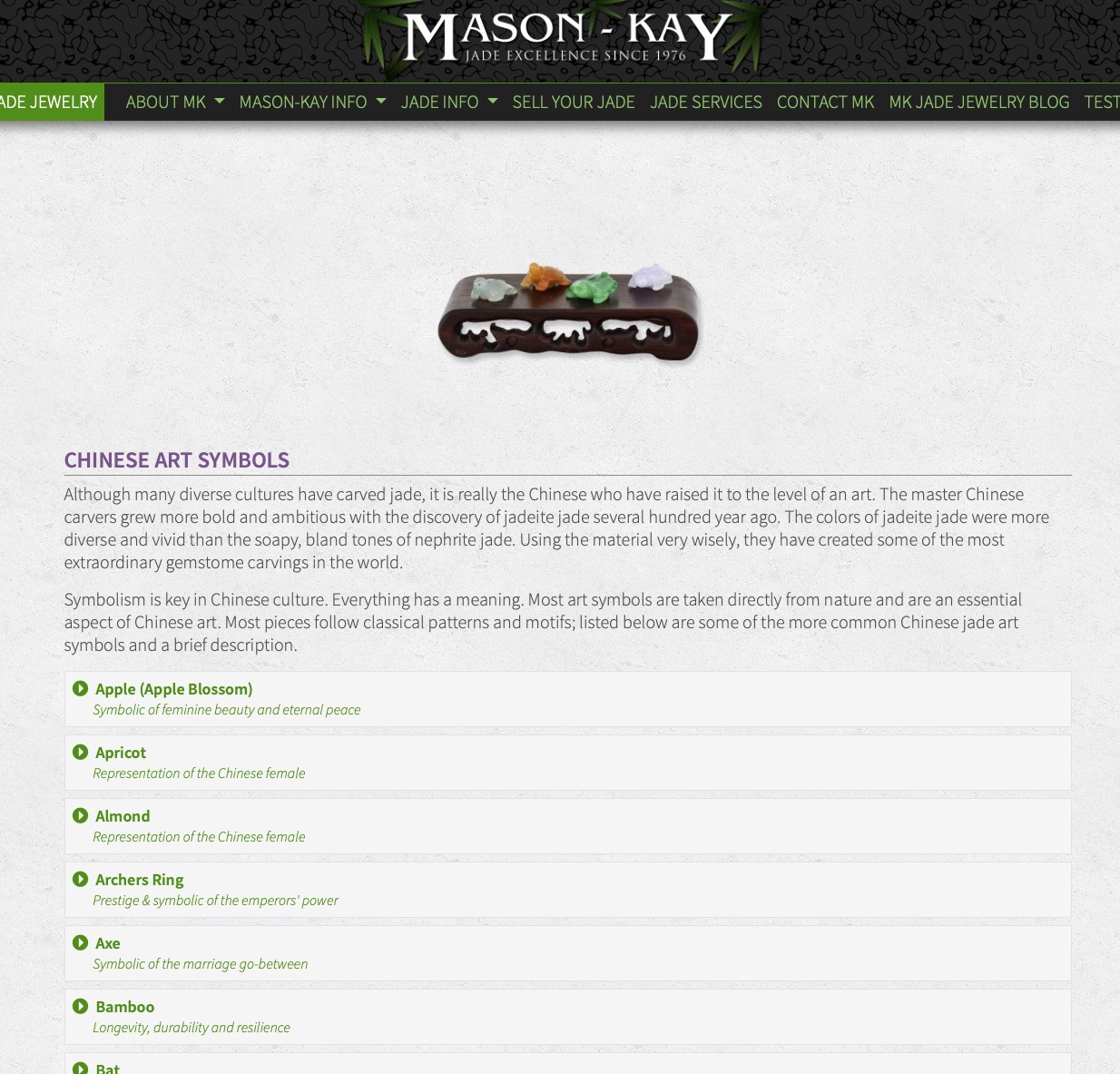
Although many diverse cultures have carved jade, it is really the Chinese who have raised it to the level of an art. The master Chinese carvers grew more bold and ambitious with the discovery of jadeite jade several hundred year ago. The colors of jadeite jade were more diverse and vivid than the soapy, bland tones of nephrite jade. Using the material very wisely, they have created some of the most extraordinary gemstome carvings in the world. Symbolism is key in Chinese culture. Everything has a meaning. Most art symbols are taken directly from nature and are an essential aspect of Chinese art. Most pieces follow classical patterns and motifs; listed below are some of the more common Chinese jade art symbols and a brief description.

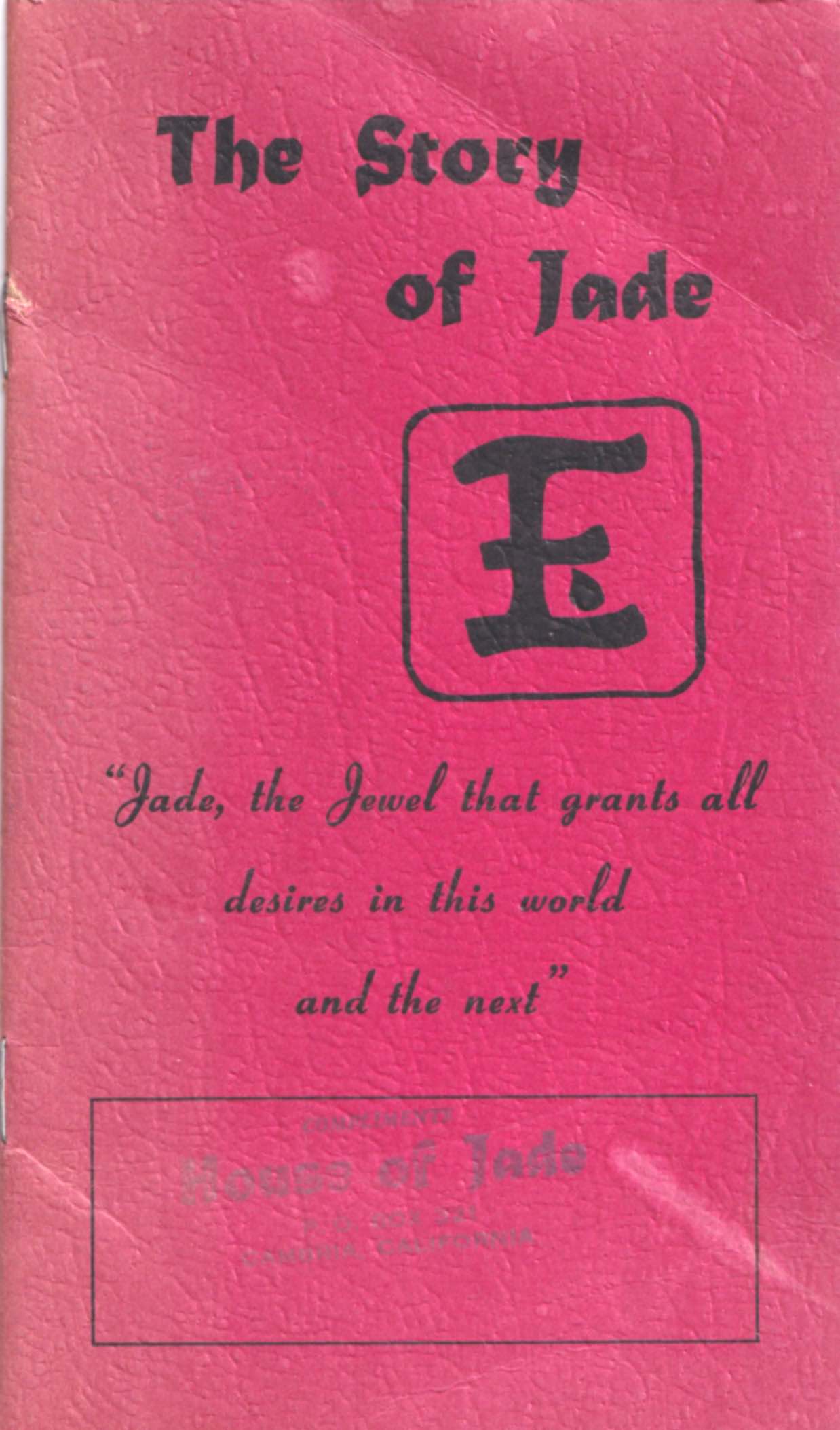
The Story of Jade

Book
House of Jade (n.d.) The Story of Jade. Cambria, California, House of Jade, 16 pp.
Record No. 4291  |  Sinkankas/Born No.: NIS/NIB  |  RWHL
Small pamplet from jewelry store.

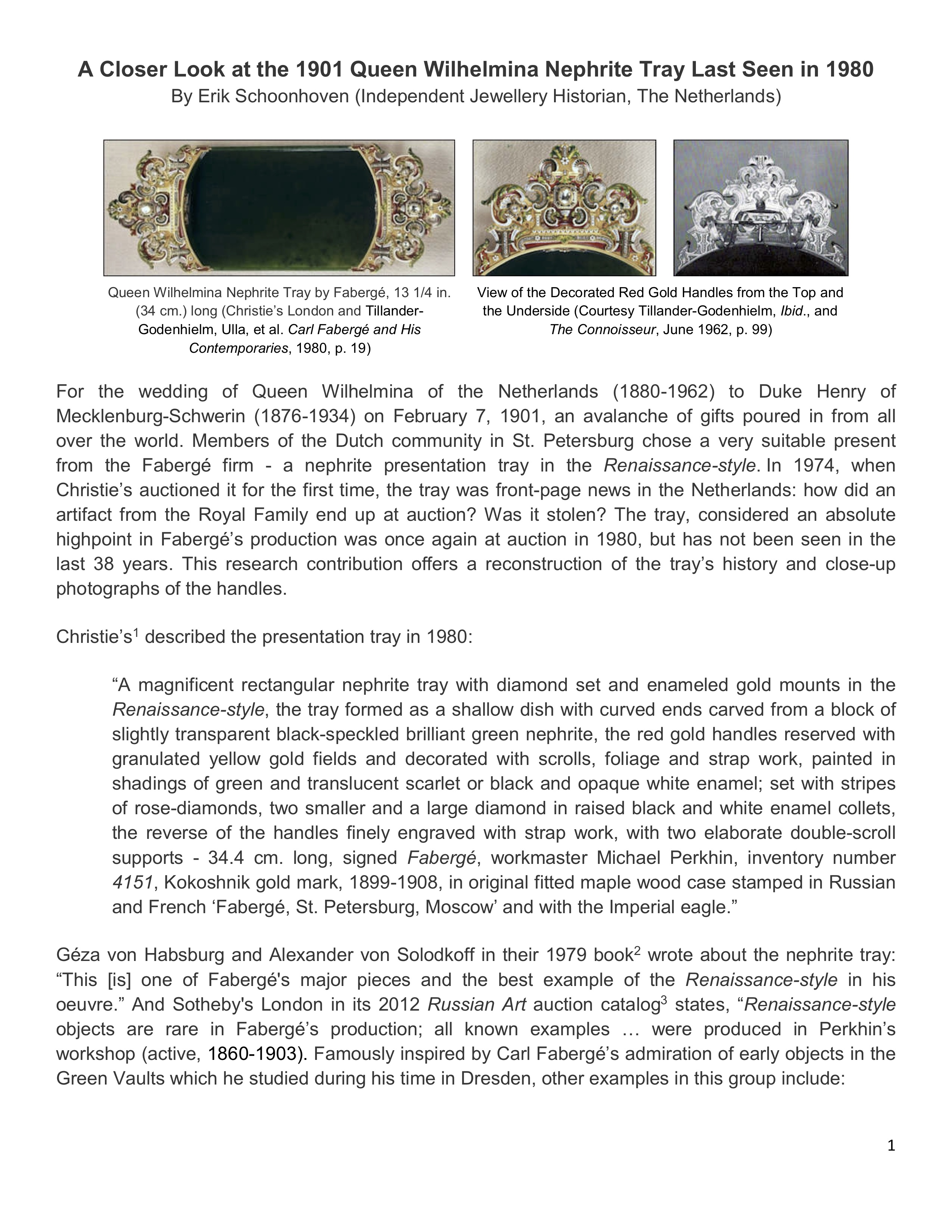
A Closer Look at the 1901 Queen Wilhelmina Nephrite Tray Last Seen in 1980
Report
Schoonhoven, E. (n.d.) A Closer Look at the 1901 Queen Wilhelmina Nephrite Tray Last Seen in 1980. 8 pp.
Record No. 4047  |  Sinkankas/Born No.: NIS/NIB  |  RWHL
For the wedding of Queen Wilhelmina of the Netherlands (1880-1962) to Duke Henry of Mecklenburg-Schwerin (1876-1934) on February 7, 1901, an avalanche of gifts poured in from all over the world. Members of the Dutch community in St. Petersburg chose a very suitable present from the Fabergé firm – a nephrite presentation tray in the Renaissance-style. In 1974, when Christie’s auctioned it for the first time, the tray was front-page news in the Netherlands: how did an artifact from the Royal Family end up at auction? Was it stolen? The tray, considered an absolute highpoint in Fabergé’s production was once again at auction in 1980, but has not been seen in the last 38 years. This research contribution offers a reconstruction of the tray’s history and close-up photographs of the handles.

The House of Jade, Ltd.

Pamphlet
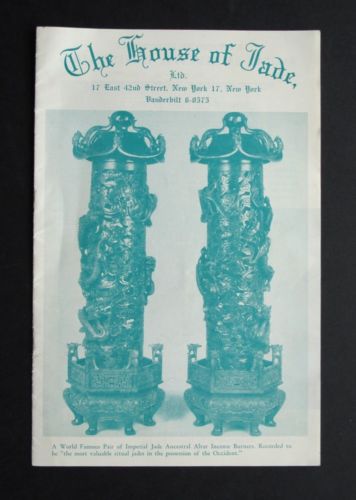
Nott, S.C. (n.d., ca. 1947) The House of Jade, Ltd. (pamphlet). New York: The House of Jade, Ltd., 16 pp.
Record No. 4015  |  Sinkankas/Born No.: NIS/NIB  |  RWHL

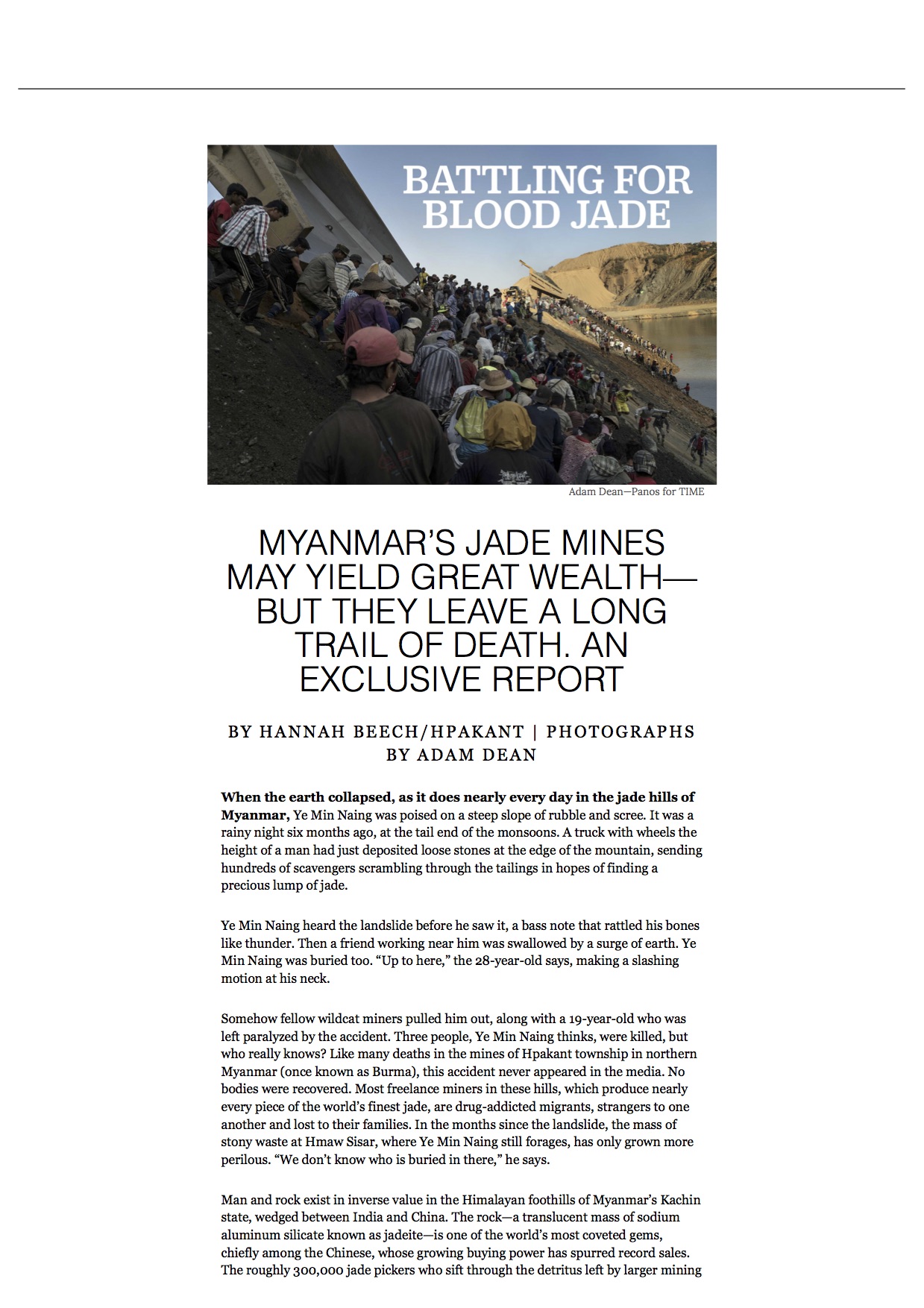
Battling for blood jade

Web Page
Beech, H. (n.d., ca. 2016) Battling for blood jade. Time,
Record No. 3905  |  Sinkankas/Born No.: NIS/NIB  |  RWHL
When the earth collapsed, as it does nearly every day in the jade hills of Myanmar, Ye Min Naing was poised on a steep slope of rubble and scree. It was a rainy night six months ago, at the tail end of the monsoons. A truck with wheels the height of a man had just deposited loose stones at the edge of the mountain, sending hundreds of scavengers scrambling through the tailings in hopes of finding a precious lump of jade.

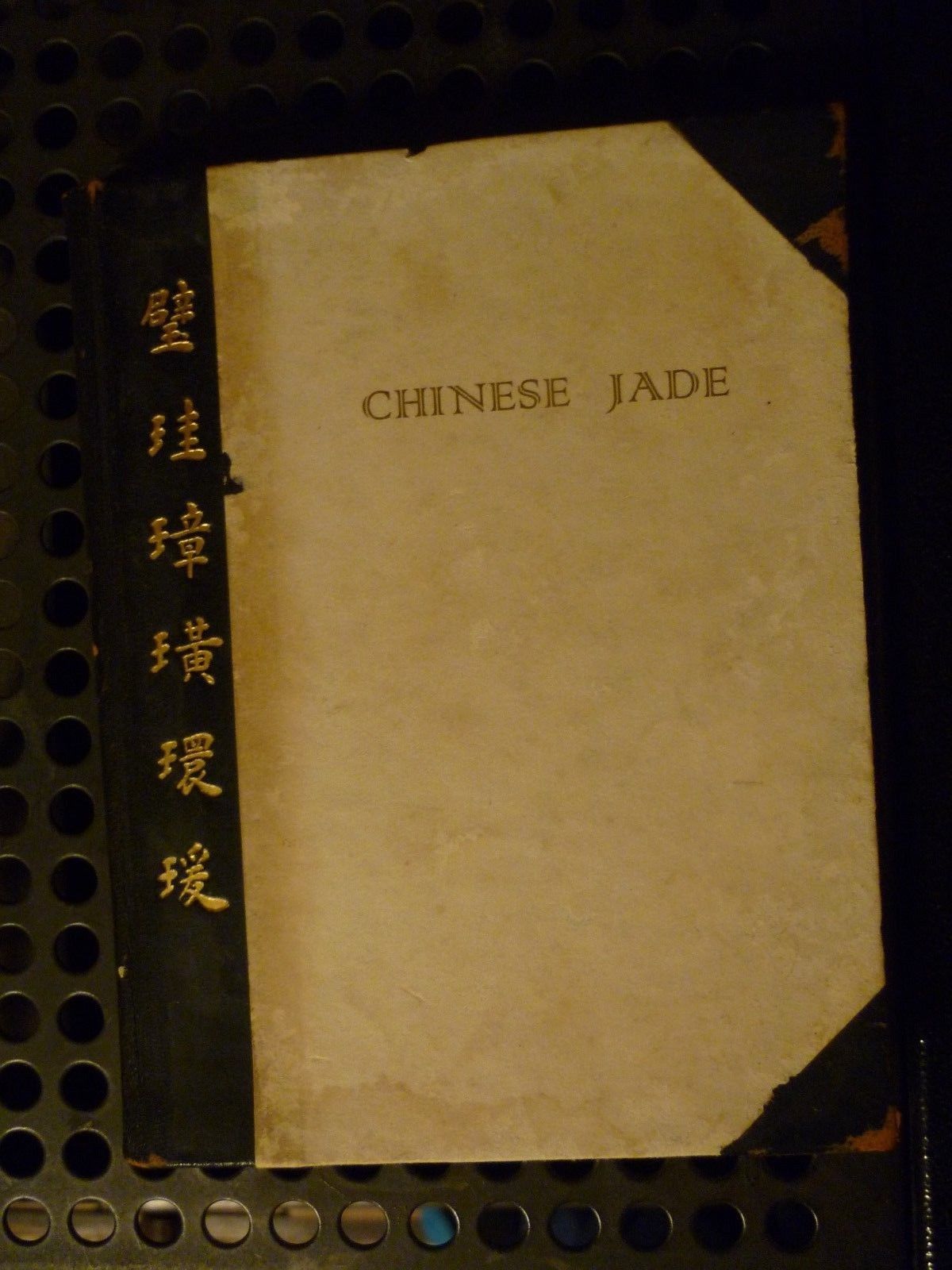
Chinese Jade

Book
Taylor, I.G. (n.d., ca. 1930?) Chinese Jade. London, Grants Ltd., 53 pp.
Record No. 3832  |  Sinkankas/Born No.: NIS/NIB  |  RWHL
Sinkankas: A handsome promotional booklet designed to acquaint customers with the basic facts about jade, including the types of jade, its colors, sources, and methods of mining. It also covers Chinese ceremonial jade, substitutes, common jades, dating techniques, and the symbols often seen on jade objects, along with a list of Chinese dynasties. The information presented is accurate and accessible.

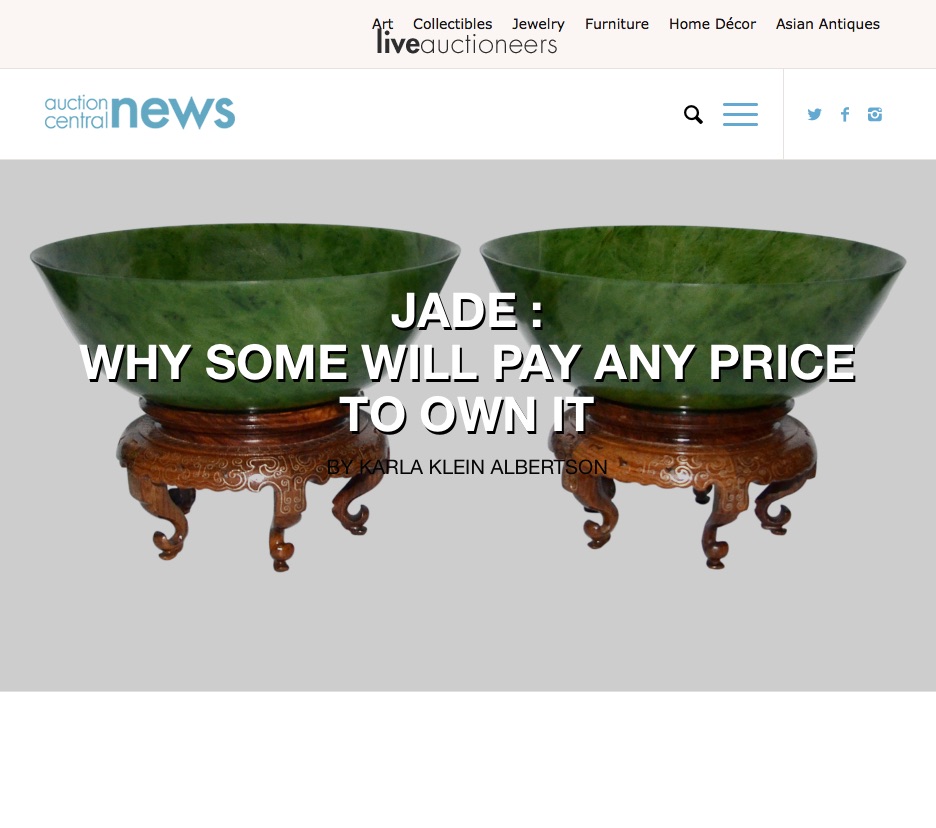
Jade: Why some will pay any price to own it
Web Page
Albertson, K.K. (n.d., ca. 2016) Jade: Why some will pay any price to own it. Liveauctioneers.com, <https://www.liveauctioneers.com/news/style-century-magazine/jade-why-some-will-pay-any-price-to-own-it/>
Record No. 3648  |  Sinkankas/Born No.: NIS/NIB  |  RWHL
In China, its use dates back to the Neolithic period, between 6000 and 5000 B.C. The mysterious bi discs and cong vessels found in burials of this period testify to its ritual significance. Confucius (551–479 B.C.) said, “The wise have likened jade to virtue” and went on to link its various strengths to human qualities. Difficult to find, almost impossible to work with tools, the mineral’s pull on the heartstrings began early. Then and now, jade displayed the owner’s wealth and also served as a protective talisman to ensure longevity and good fortune. After 10 years of headline-grabbing prices, the market for Chinese jade – both objects and jewelry – remains complex and difficult to navigate. Buyers who appear discriminating and highly selective at one moment can be maddeningly capricious at others. Museum criteria are not always valid. Neither age nor appearance nor history guarantees a sale. Emotion may trump reason on the auction floor. When a particular object speaks to more than one bidder – when they must have it in their life – rational estimates are left far behind.

4000 Years – and Much More… China’s Archaic Jades
Catalog
Zackman, W. (n.d., c. 2018) 4000 Years – and Much More… China’s Archaic Jades. Vienna: Galerie Zacke
Record No. 3541  |  Sinkankas/Born No.: NIS/NIB  |  RWHL
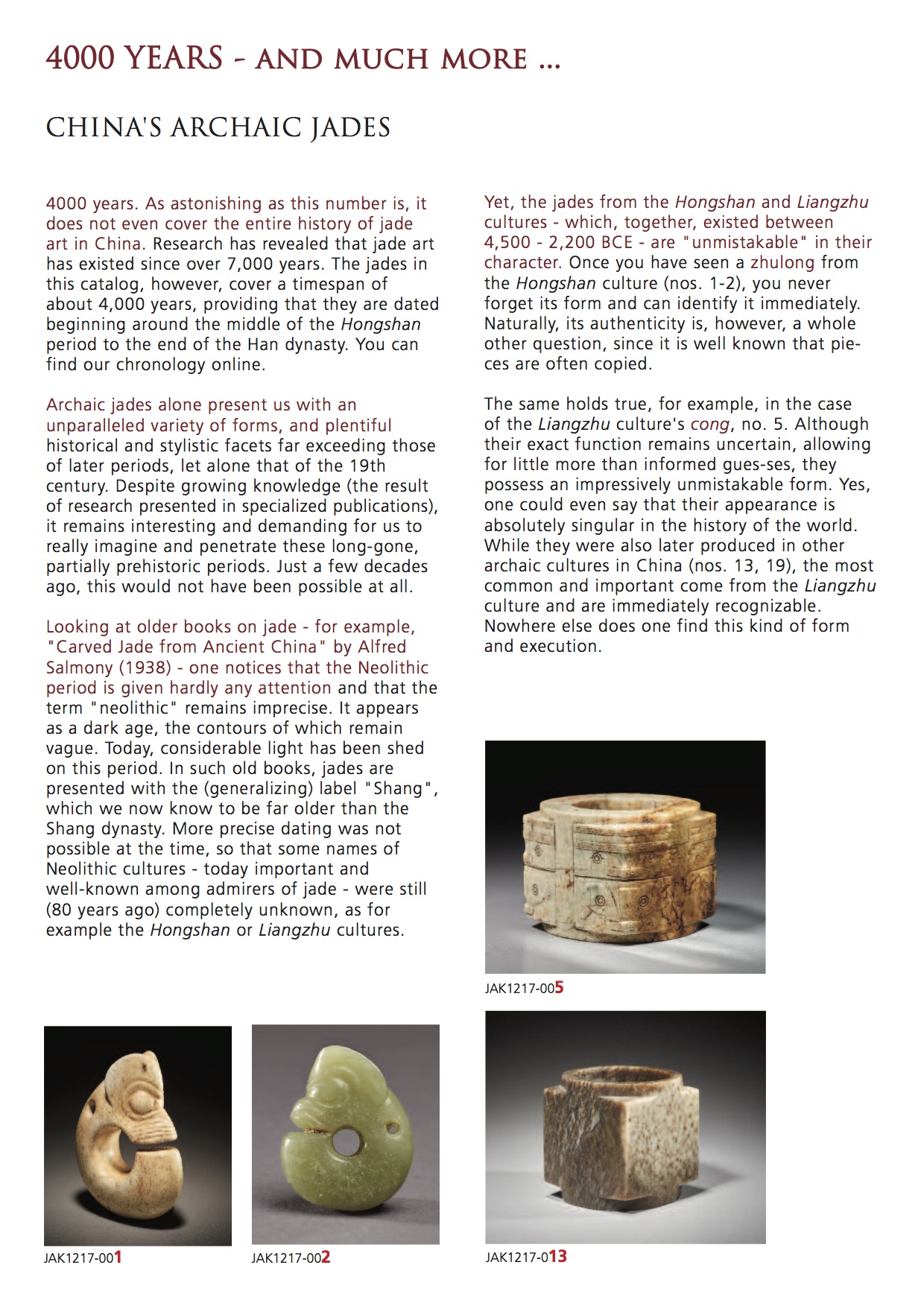
4000 years. As astonishing as this number is, it does not even cover the entire history of jade art in China. Research has revealed that jade art has existed since over 7,000 years. The jades in this catalog, however, cover a timespan of about 4,000 years, providing that they are dated beginning around the middle of the Hongshan period to the end of the Han dynasty. You can find our chronology online.

Wat Dhammamongkol

Pamphlet
Metcalf, S. (n.d., ca. 1997) Wat Dhammamongkol (pamphlet). Bangkok: Wat Dhammamongkol, unpaginated
Record No. 3482  |  Sinkankas/Born No.: NIS/NIB  |  RWHL
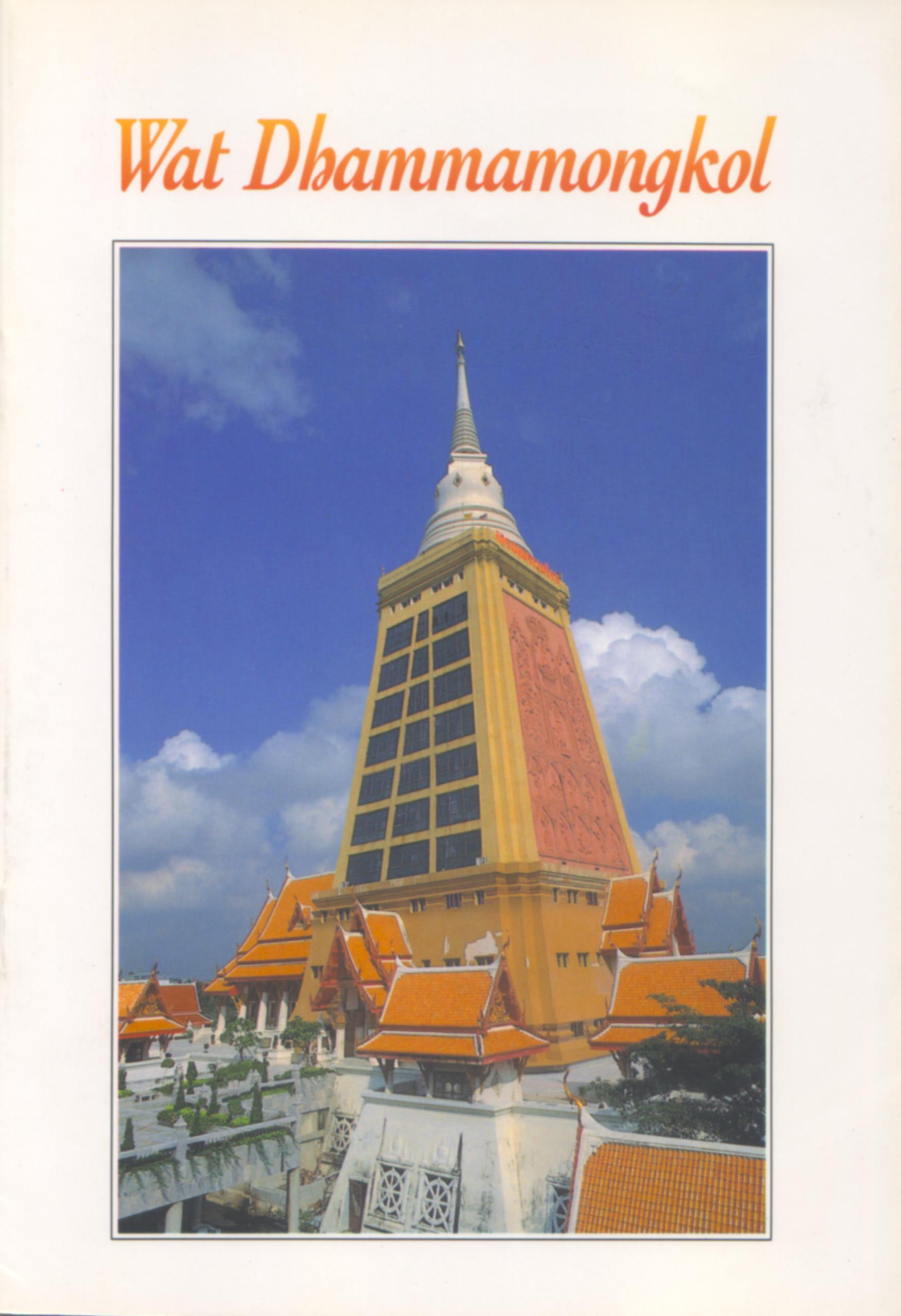
Buddhist wat ouside Bangkok that contains a large buddha statue carved from British Columbia nephrite.
All About Jade

All About Jade

Book
Anonymous (n.d.) All About Jade. Hong Kong, Hong Kong Jade & Stone Laboratory Ltd., 64 pp.
Record No. 3474  |  Sinkankas/Born No.: NIS/NIB  |  RWHL

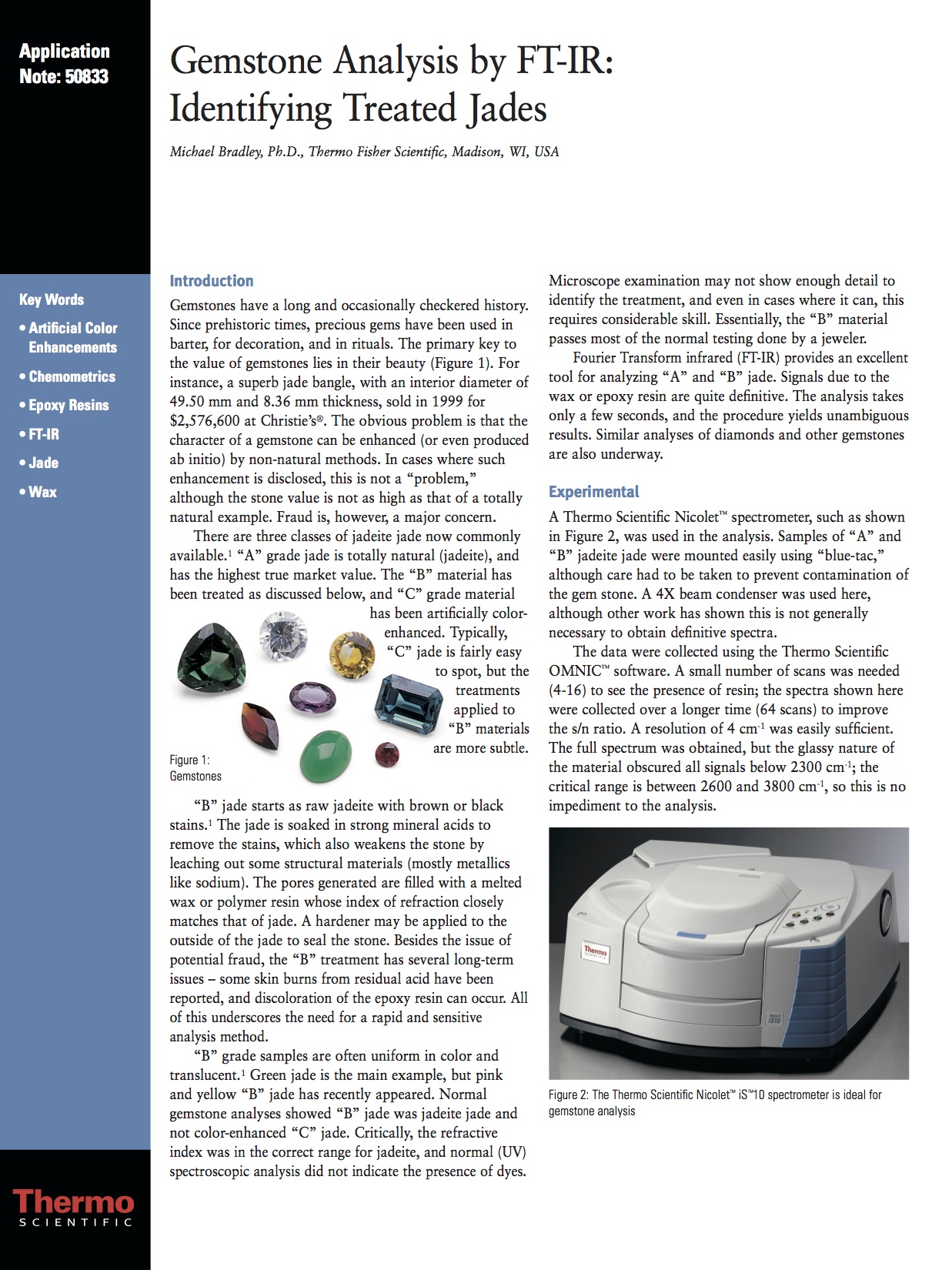
Gemstone analysis by FT-IR: Identifying treated jades

Report
Bradley, M. (n.d.) Gemstone analysis by FT-IR: Identifying treated jades. 2 pp.
Record No. 3132  |  Sinkankas/Born No.: NIS/NIB  |  RWHL
Michael Bradley demonstrates the use of Fourier-transform infrared spectroscopy to distinguish natural fei cui from material subjected to acid bleaching and impregnation, treatments that may escape routine gemmological testing. The application note contrasts three commercial categories: A material, described as natural; B material, chemically cleaned and subsequently impregnated; and C material, artificially colour-enhanced. In the treatment described, strong mineral acids remove brown or black staining but also leach constituents and weaken the stone. Wax or polymer resin fills the resulting pores, improving appearance through its optical similarity to the host, and an additional surface hardener may be applied. Bradley emphasizes that the principal identification problem concerns disclosure, since treated stones can retain refractive indices consistent with fei cui and show no spectroscopic evidence of artificial dyes. Microscopic recognition may also require considerable experience. Infrared spectroscopy instead detects absorption associated with the organic impregnant. Measurements were made using a Thermo Scientific Nicolet spectrometer with OMNIC software. Samples were mounted with adhesive putty, with precautions against contamination, and a fourfold beam condenser was employed, although the note states that such an accessory is not generally essential. Resin could be recognized using only 4–16 scans; the illustrated spectra were collected with 64 scans to improve signal-to-noise ratio, at a resolution of 4 cm⁻¹. Strong absorption by the gemstone obscured signals below approximately 2,300 cm⁻¹, but the diagnostically important region between 2,600 and 3,800 cm⁻¹ remained accessible. The B-material spectrum showed a conspicuous absorption in the aliphatic hydrocarbon region that was readily distinguishable from the illustrated A-material spectrum. Searching the 4,000–2,500 cm⁻¹ region against infrared reference libraries returned epoxy resins as the closest matches, demonstrating that the method can indicate the class of impregnant as well as its presence. Bradley presents the procedure as rapid and non-destructive and proposes standardized software workflows suitable for bulk testing or use by operators without specialist infrared experience. Chemometric classification and automated reporting are suggested as possible extensions, rather than demonstrated outcomes of the experiments presented. The spectra and experimental details were supplied by the GIA Gem Laboratory. The note concludes that infrared detection of treatment-related organic substances provides a practical means of supporting identification and disclosure of impregnated fei cui.

Points on Judging Jade: A Guide to Prospective Purchasers
Book
Goodwin, P. (circa 1955) Points on Judging Jade: A Guide to Prospective Purchasers. Hong Kong, South China Morning Post, 16 pp.
Record No. 2423  |  Sinkankas/Born No.: NIS/NIB  |  RWHL
Sinkankas: The six points are identification, texture (as revealed by the nature of the polished surface), substitutes, other greenstones and their distinction, value (quality, weight, and “spread” of “imperial jadeite” cut stones), value of the setting, plus a summary of the points made in the chapters. The entire booklet concerns only jewel-quality jadeite and not carvings or other ornaments. Sound and useful. RevR 5(4), 1955, p. 232.

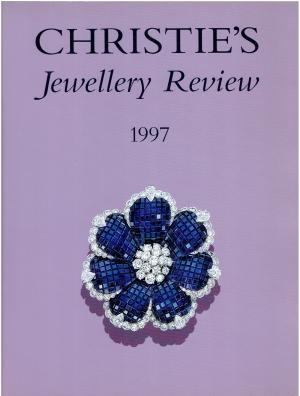
Christie’s Jewellery Review 1997

Book
Christie’s (n.d.) Christie’s Jewellery Review 1997. no city, Christie’s, 48 pp.
Record No. 2400  |  Sinkankas/Born No.: NIS/NIB  |  RWHL
For a brief period, Christie’s produced summary volumes of the highlights they sold during the previous year. A great idea, but sadly abandoned after just a couple issures.

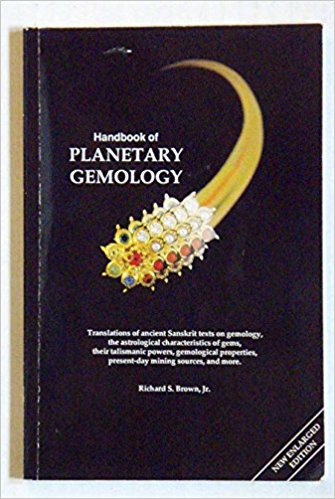
Handbook of Planetary Gemology

Book
Brown, R.S. (n.d., ca. 1988) Handbook of Planetary Gemology. Hong Kong, McKinney International (Publication Concepts), 88 pp.
Record No. 537  |  Sinkankas/Born No.: NIS/NIB  |  RWHL
Sinkankas: This work presents translations of chapters 68–80 of the Sanskrit Garuḍa Purāṇa, which “elaborately describes the supernatural origin of gems and their mineralogical properties,” along with the Graha-cocāra Jyautiṣa, a text that “gives complete information on the astrological characteristics and effects of the principal gemstones” and “explains how auspicious gems help remove obstructions in various areas of life by appeasing planets that are having unfavorable effects.” The first thirteen chapters focus on planetary gemstones, offering summary translations of relevant Garuḍa Purāṇa passages concerning ruby, pearl, yellow sapphire, hessonite, emerald, diamond, cat’s-eye chrysoberyl, blue sapphire, coral, red garnet, jade (including jadeite), rock crystal, and bloodstone. Secondary planetary gemstones, or uparatnas, such as red spinel, moonstone, yellow topaz, citrine, hyacinth, peridot, tsavorite, green tourmaline, white zircon, turquoise, goshenite, amethyst, apatite cat’s-eye, blue spinel, tanzanite, lapis lazuli, and carnelian, are not directly traced to specific textual sources, and some—like tsavorite, goshenite, and tanzanite—were unknown to the ancients, suggesting these may have been included at the authors’ discretion. Each gemstone description includes its properties and modern sources, and although there is no bibliography, a valuable feature of the work is its inclusion of alternative Sanskrit names for the gemstones.

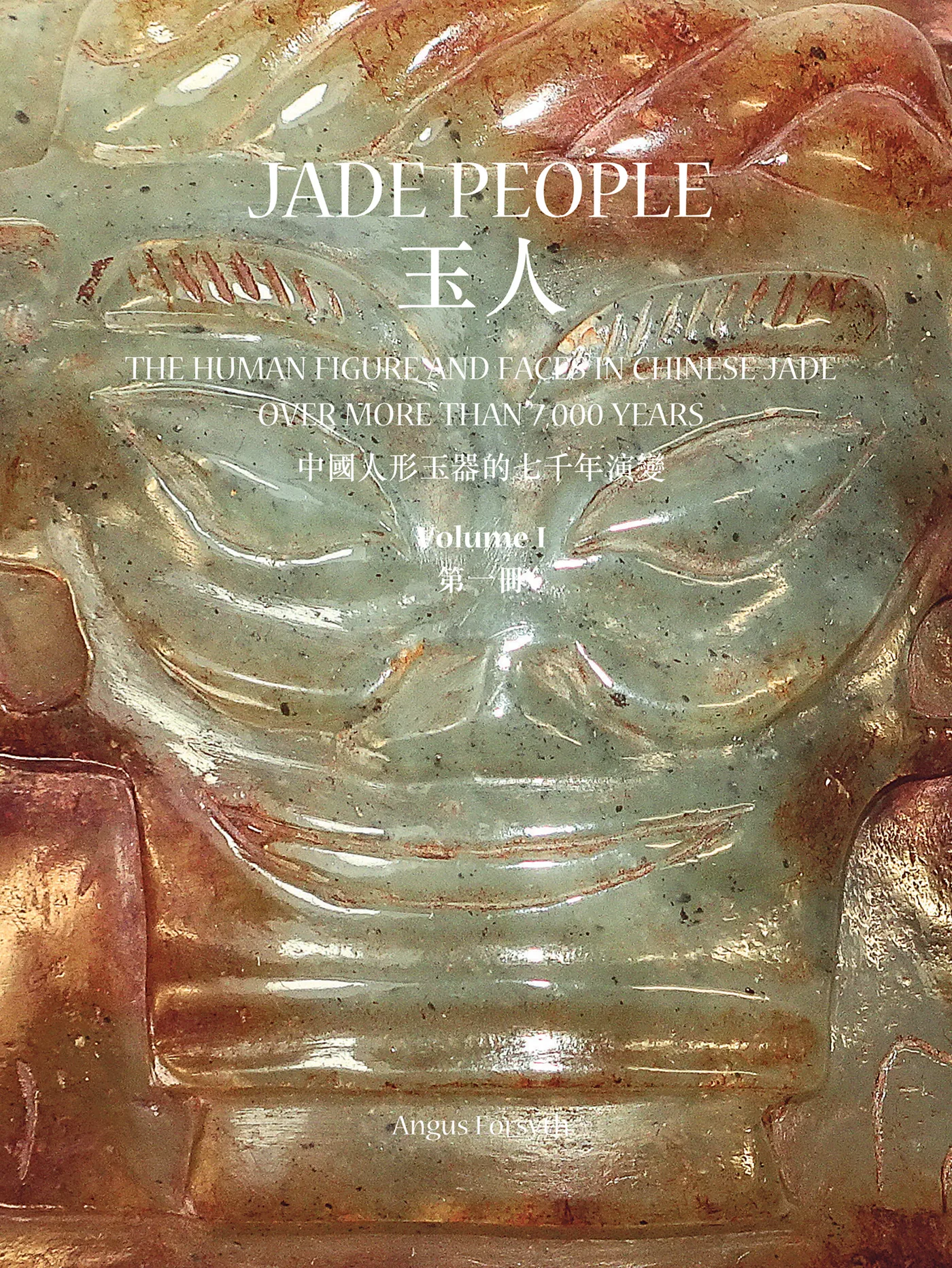
Jade People: The Human Figure and Faces in Chinese Jade over more than 7,000 Years
Book
Forsyth, A. (2026) Jade People: The Human Figure and Faces in Chinese Jade over more than 7,000 Years. Hong Kong, CA Book Publishing, Vol. 1 , 440 pp.
Record No. 29456  |  ISBN/ISSN: 9781790000000  |  Sinkankas/Born No.: NIS/NIB  |  not seen
This scholarly volume explores the evolution and artistic significance of human figures and faces in historical and prehistorical Chinese jade. The fruit of an extraordinary collection of artifacts, assembled over several decades, Jade People: The Human Figure and Faces in Chinese Jade over More Than 7,000 Years showcases Chinese jade working dating back millennia, focusing on representations of the human figure in 3D, in relief and in cutout silhouette form. Portrayals of the human form have featured among the principal drivers of artistic expression throughout history, with China being no exception to this shared spirit of sculptural exploration, as the amazing historical development of Chinese jade-working skills makes clear in these pages. The well-preserved jade artifacts presented here include prehistoric works from before the Shang Dynasty and are accurately dated thanks to carbon dating of buried organic matter and skeletal remains, providing us with a continuous timeline from ancient times to the present. From leading expert Angus Forsyth, this is an important guide to the history of human images in China’s jade artifacts.

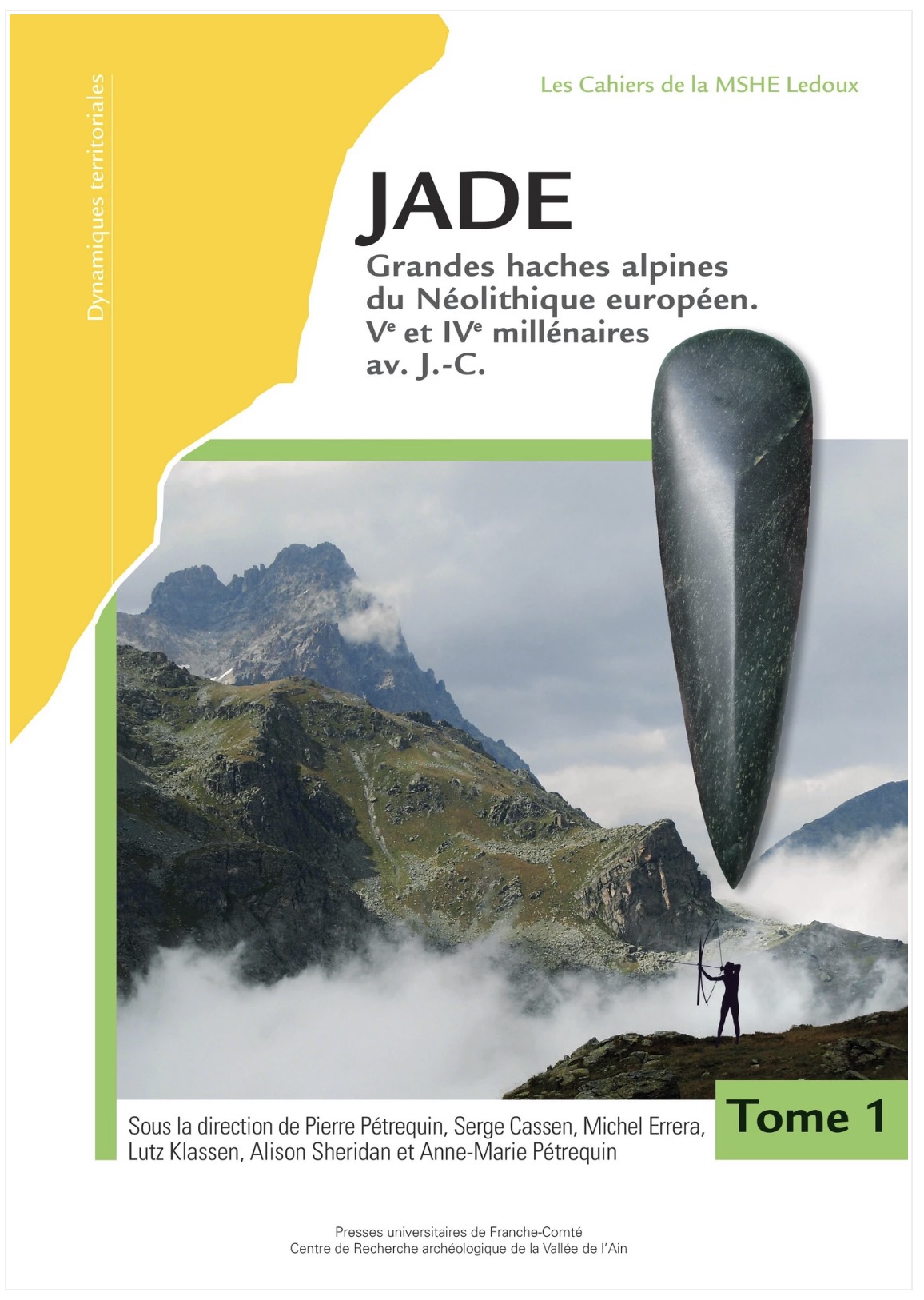
Jade. Tomes 1 et 2: Grandes haches alpines du Néolithique européen, Ve au IVe millénaires av. J.-C.; Tome 3 & 4: Objets-signes et interpretations sociales des jades alpins

JADE. Grandes haches alpines du Néolithique européen, Ve au IVe millénaires av. J.-C.
Book
Pétroquin, P., Cassen, S., Errera, M., Klassen, L., Sheridan, A. and Pétroquin, A.-M. (2026) Jade. Tomes 1 et 2: Grandes haches alpines du Néolithique européen, Ve au IVe millénaires av. J.-C.; Tome 3 & 4: Objets-signes et interpretations sociales des jades alpins. [JADE. Grandes haches alpines du Néolithique européen, Ve au IVe millénaires av. J.-C.], Presses Universitaires De Franche-Comté, 4 Vols., 1520 pp.
Record No. 28739  |  ISBN/ISSN: 9782850000000  |  Sinkankas/Born No.: NIS/NIB  |  Language: in French  |  not seen
After ten years of survey work in the Italian Alps, researchers from the CNRS discovered deposits of jade rocks (jadeitite, omphacitite, and eclogite) that had been exploited since the end of the sixth millennium BC. This discovery gave rise to the JADE Project, funded by the French National Research Agency and carried out between 2006 and 2010. The quarries of Monte Viso, located between 1,500 and 2,400 metres above sea level, were the source of the production of large axes made from these prestigious stones. During the fifth and fourth millennia BC, these axes circulated throughout Western Europe over remarkable distances—some 3,300 km from west to east, from Ireland to Bulgaria, and more than 2,000 km from north to south, from Denmark to Sicily. This volume recounts the discovery of the Alpine quarries, the production standards governing these socially valued axes, and the conditions under which they were transferred over long distances, where the polished blades played a role in social competition and were used by elites in religious rituals. On a European scale, the study of some 1,700 large axes made from Alpine jade now offers a picture of the Neolithic very different from the one previously accepted. The manipulation of myths and jade prestige objects made it possible to establish a form of theocratic power, which found its most striking expression in Brittany, around the Gulf of Morbihan, where monumental stelae and giant tumuli began to appear from the middle of the fifth millennium BC. The circulation of Alpine jades thus emerges as an extraordinary phenomenon of unsuspected scale, within unequal societies in which Varna in the east and the Gulf of Morbihan in the west appear as two major centres of the social dynamics that shaped Europe during the fifth and fourth millennia BC.
From elemental mapping to structural insights: A multi-technique investigation into the nephrite from various provenances
From elemental mapping to structural insights: A multi-technique investigation into the nephrite from various provenances

Journal Article
Chen, D., Xing, C. and Li, Y. (2025) From elemental mapping to structural insights: A multi-technique investigation into the nephrite from various provenances. Spectrochimica Acta Part A: Molecular and Biomolecular Spectroscopy, Vol. 327,, 2025/02/15/ pp. 125304.
Record No. 29455  |  ISBN/ISSN: 1386-1425  |  DOI: https://doi.org/10.1016/j.saa.2024.125304  |  Sinkankas/Born No.: NIS/NIB  |  not seen
Nephrite, a historically significant material in Chinese jade culture, varies in elemental composition and spectroscopic properties based on its geographic origin due to differing mineralization environments. This study aims to address the limitations of traditional methods by employing a multi-technique approach that combines XRF mapping, fiber optic reflectance spectroscopy (FORS), near-infrared spectroscopy (NIR), and synchrotron-based X-ray absorption fine structure (XAFS) analysis, focusing on a comprehensive characterization of Fe to understand the properties of nephrite from various provenances. Our results reveal that while major elements like Si, Mg, and Ca are uniformly distributed, elements such as K, Mn, and Fe show significant variability, with Fe and Mn exhibiting nearly identical distribution patterns. Transparency variations in Qinghai nephrite correlate with Ca distribution. Chromaticity analysis indicates that Fe significantly influences the yellow coloration of nephrite, and NIR spectroscopy shows that Fe content affects spectral characteristics. XAFS analysis provides detailed insights into the valence and coordination environment of Fe, highlighting its role in color variation and spectral shifts. This integrated approach bridges the correlation between elemental composition and distribution, structural properties and visual representation, and its non-destructive advantages could hold great promise for jade research.

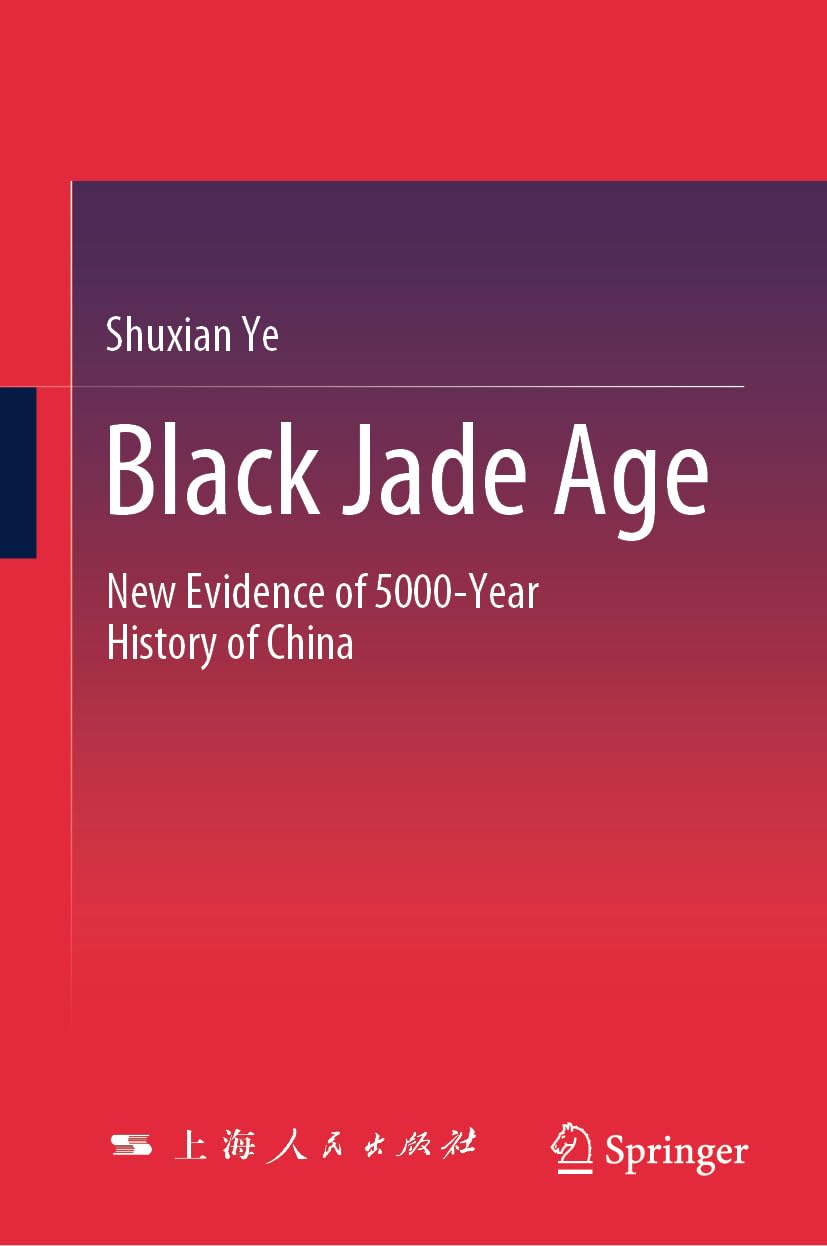
Black Jade Age: New Evidence of 5000-Year History of China
Book
Ye, S. (2025) Black Jade Age: New Evidence of 5000-Year History of China. Berlin, Springer, 263 pp.
Record No. 28989  |  ISBN/ISSN: 9789820000000  |  Sinkankas/Born No.: NIS/NIB  |  not seen
This book analyzes and summarizes the narrative motifs of Chinese mythology, before tracing their material and cultural elements using the new classification of Big Tradition and Small Tradition theories of culture from the field of literary anthropology, as well as related interdisciplinary theories from literary anthropology and archaeology. China’s history reaches back more than 5,000 years, while the earliest known Chinese character system, oracle bone script, was created over 3,000 years ago. Following up on a reference to black jade in The Classic of Mountains and Rivers, the author conducts an extensive survey of black jade ritual articles in the Yellow River and its tributaries, supported by the new archaeological discoveries of black jade battle axes, the primal jade ritual article used in the Central Plains 5,300 years ago. The author then establishes a chain of evidence, using quadruple-evidence methods to validate the Black Jade Age as the first age of the jade culture in the Central Plains. His goal in doing so is to flesh out the myth-enshrouded age of Emperor Yan, Emperor Huang, and Warrior Chiyou, transform it into a substantiated landscape of the origin of the Central Plains Civilization, and offer evidence-based reasoning for this two-thousand-year gap. By doing so, it arrives at unprecedented insights into the origin of Chinese civilization. Methodologically speaking, the book adopts quadruple-evidence methods from the field of literary anthropology, emphasizes intellectual exploration beyond documentary records, combines the living cultural inheritance with newly discovered cultural inheritance that has long been lost underground, makes full use of the method of physical evidence, and employs a series of physical images to form a far more complete and systematic chain of evidence, so as to successfully reconstruct the cultural contexts of China’s 5000-year history.

Who is keen about jades? Evidence for socioeconomic differences between early Neolithic households at Chahai in Northeast China

Journal Article
Qu, Y. (2025) Who is keen about jades? Evidence for socioeconomic differences between early Neolithic households at Chahai in Northeast China. Journal of Anthropological Archaeology, Vol. 78, June, pp. 101683.
Record No. 28814  |  ISBN/ISSN: 0278-4165  |  DOI: https://doi.org/10.1016/j.jaa.2025.101683  |  Sinkankas/Born No.: NIS/NIB  |  not seen
The rarity, color, hardness, and durability of jades provided them with special social, symbolic, and utilitarian value in many Neolithic communities. However, the process through which jade was transformed into objects of value in early communities and its role in household economy remains poorly understood. Therefore, this study examined these questions using household artifact data from an early Neolithic village in Northeastern China. The relationship between proxies for jade consumption and differences in various aspects of daily life, including domestic ritual, household scale, and economic production, was examined using household artifact assemblage analysis. The results indicated that some small households may have accumulated more jades than large households. Some of these households pursued jades holding ritual and religious significance, whereas others obtained durable jade tools. This initial consumption pattern may have been associated with different risk-buffering strategies stimulated by a limited household scale. The integrated evidence from Chahai offers an intriguing illustration of the potential origins of jade consumption within the matrices of households and their underlying socioeconomic dynamics. Furthermore, this may help explain the origins of jade consumption in Neolithic Northeastern China and other early complex societies.
Guía didáctica exhibición de Jade: “Mucho más que verde"	"	"	San José"

Guía didáctica exhibición de Jade: “Mucho más que verde" " " San José"

Book
Bolaños Vargas, E.A. (2025) Guía didáctica exhibición de Jade: “Mucho más que verde" " " San José"., 52 pp.
Record No. 28601  |  Sinkankas/Born No.: gems, jade, jadeite, fei cui, Central America, Guatemala, Mesoamerica, lapidary, Costa Rica, Olmec, Maya  |  https://www.museocostarica.go.cr/wp-content/uploads/material-educativo/guias-exhibiciones/Guia-Jade-V2.pdf

Exploring the Literature of Jade

Jade literature spans gemology, mineralogy, archaeology, art history, mining, carving and connoisseurship, and includes works on both jadeite and nephrite from around the world.

For an introduction to collecting books on this subject, read Hidden Treasure — Collecting the Literature of Jade.

About Four Treasures

Four Treasures is Lotus Gemology's freely accessible gemological reference database. Use the full database to search by author, title or keyword and explore literature on gemology, mineralogy, jewelry and related fields. Where available, hyperlinks on titles may lead directly to the full publication.

Search the Complete Four Treasures Database