Jade Bibliography

Jade Bibliography

Explore books, articles and historical sources on jade in Four Treasures, the Lotus Gemology reference database. This bibliography brings together matching records from the collection, with publication details, abstracts and cover images where available.

Jade References

The list below matches the terms jade, jadeite, nephrite or Fei Cui in the database's searchable fields. Some references discuss these materials as part of a broader subject.
3,381–3,400 of 3,783 matching references

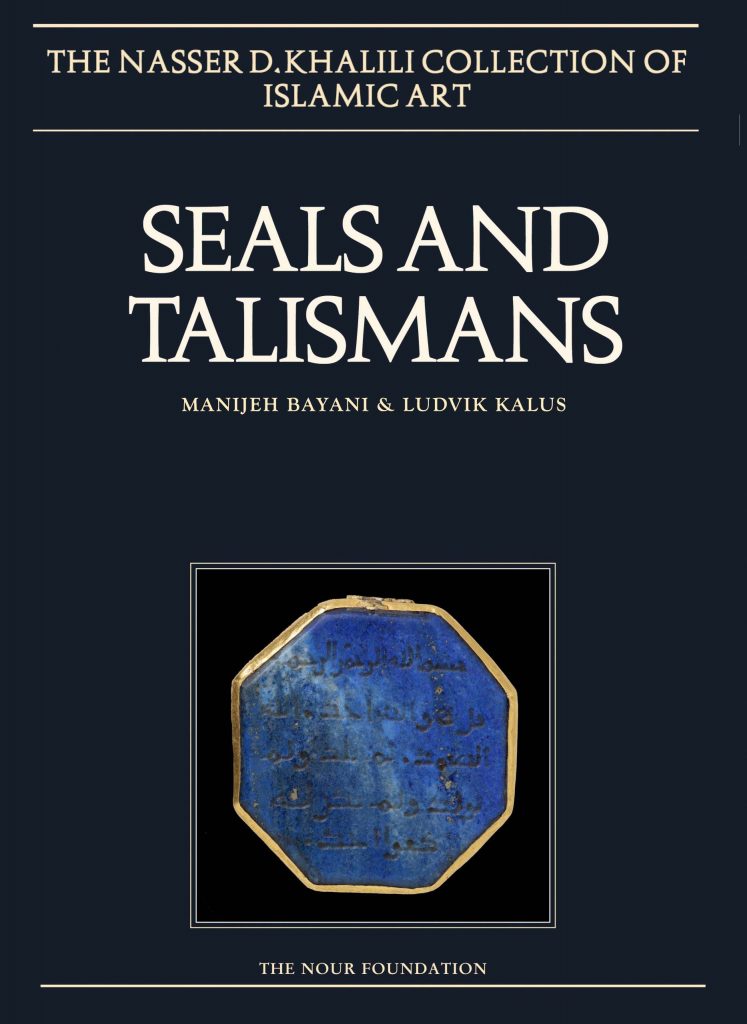
A new tectonic-geochemical approach using LA-ICP-MS to constrain the provenance of East Asian carbonate-related nephrite
Journal Article
Zhang, Y., Yang, J., Qiu, Z., Gu, X., Luo, H., Zhong, L., Li, F., Wang, H., Chen, G., Qin, S., Li, L., Liu, Z. and Huang, K. (2025) A new tectonic-geochemical approach using LA-ICP-MS to constrain the provenance of East Asian carbonate-related nephrite. Journal of Analytical Atomic Spectrometry,
Record No. 28263  |  Sinkankas/Born No.: NIS/NIB  |  not seen
Investigating the provenance of carbonate-related nephrite (C-nephrite), a prestigious stone mainly found and used in East Asia and linked to various tectonic domains, has long been a challenge in Chinese jade archaeology. Examining the correlations between the geochemical compositions, formation mechanisms, and tectonic domains of C-nephrite mineralisation could provide important clues for tracing its origin. In this study, 352 C-nephrite samples from 15 key localities across East Asia were analysed using laser ablation inductively coupled plasma mass spectrometry (LA-ICP-MS). The results show significant variations in lithium (Li) and beryllium (Be) concentrations, as well as cerium (Ce) anomalies, in the main mineral, fine-grained tremolite (Tr-II), of C-nephrites from different tectonic domains. C-nephrites from the North China Craton (NCC) have low Li and high Be (typically Li < 1.5 μg g⁻¹, Be > 6 μg g⁻¹) with no marked Ce anomalies. However, specimens from the Yangtze Craton (YC) show high Li and low Be (generally Li > 6 μg g⁻¹, Be < 1.5 μg g⁻¹) and pronounced negative Ce anomalies. C-nephrites from Phanerozoic orogenic belts (POBs) typically exhibit variable Be contents (ranging from 6×Li + 6 to 1.5×Li − 7.5) and generally lack Ce anomalies. Further research indicates that the geochemical signatures are largely governed by sources of ore-forming fluids, depositional ages, and palaeoenvironmental conditions of host carbonate rocks. Based on the correlation between the Li–Be–δCe features of Tr-II and the mineralisation mechanisms and tectonic domains, this study further categorises C-nephrite into the North China Craton type (NCC-nephrite), the Yangtze Craton type (YC-nephrite), and the Phanerozoic orogenic belt type (POB-nephrite). Thus, key information such as the formation mechanisms and tectonic domains of C-nephrite can be obtained through nearly non-destructive LA-ICP-MS trace element tests, thereby aiding in its source prediction and providing robust geological constraints for provenance determination. This study offers a new perspective on the provenance research of archaeological C-nephrites in East Asia and may also have broader applications extending to serpentine-related nephrite (S-nephrite) and other precious gemstones.

Seals and Talismans

Book
Bayani, M. and Kalus, L. (2025) Seals and Talismans. London, The Nour Foundation, Vol. 13 , 439 pp.
Record No. 26624  |  ISBN/ISSN: 97818700000000  |  Sinkankas/Born No.: NIS/NIB  |  not seen
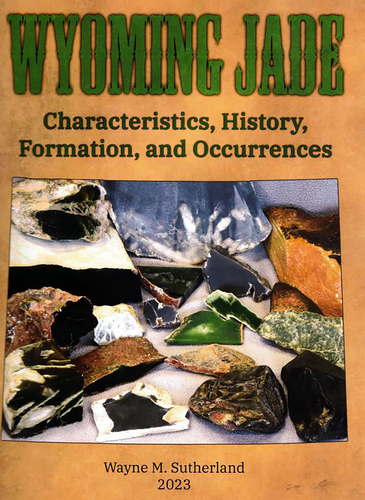
There are more than 3500 seals and talismans of the Islamic era in the Collection, including a large number mounted in rings, set in varieties of bases and framed as pendants. It is the largest group in the world, by far outstripping its nearest rival, in the State Hermitage Museum, St Petersburg. Formed into numerous shapes – from oval, round, oblong and octagonal to others more unusual – and carved in a variety of materials – such as precious and semiprecious stones, metal and clay – they are inscribed in Arabic, Persian, Turkish, Hebrew and Latin. A representative selection of some 1000 of them are included in this volume. The styles of writing and the legends change from one period and geographic area to another and include quotations from the Qur’an, other religious quotations, invocations to God, varieties of phrases affirming the bearers’ Muslim faith, benedictory phrases, verses in Persian or Arabic, and for seals, the offices and officials credited with a title and posts. There is a noteworthy 9th-century lapis lazuli talisman in a gold mount with undotted Kufic. Later royal seals include those of the first Qara Qoyunlu ruler, Qara Muhammad, and the Safavid shahs Tahmasp and Sulayman. That of Tahmasp is rock crystal and the inscription can be read in positive from the back.

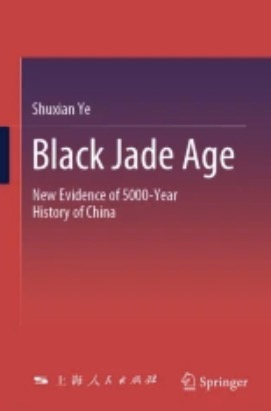
Black Jade Age | New Evidence of 5000-Year History of China

Book
Ye, S. (2025) Black Jade Age | New Evidence of 5000-Year History of China. Singapore, Springer, 231 pp.
Record No. 26405  |  ISBN/ISSN: 9789820000000  |  Sinkankas/Born No.: NIS/NIB  |  not seen
This book analyzes and summarizes the narrative motifs of Chinese mythology, before tracing their material and cultural elements using the new classification of Big Tradition and Small Tradition theories of culture from the field of literary anthropology, as well as related interdisciplinary theories from literary anthropology and archaeology. China’s history reaches back more than 5,000 years, while the earliest known Chinese character system, oracle bone script, was created over 3,000 years ago. Following up on a reference to black jade in The Classic of Mountains and Rivers, the author conducts an extensive survey of black jade ritual articles in the Yellow River and its tributaries, supported by the new archaeological discoveries of black jade battle axes, the primal jade ritual article used in the Central Plains 5,300 years ago. The author then establishes a chain of evidence, using quadruple-evidence methods to validate the Black Jade Age as the first age of the jade culture in the Central Plains. His goal in doing so is to flesh out the myth-enshrouded age of Emperor Yan, Emperor Huang, and Warrior Chiyou, transform it into a substantiated landscape of the origin of the Central Plains Civilization, and offer evidence-based reasoning for this two-thousand-year gap. By doing so, it arrives at unprecedented insights into the origin of Chinese civilization. Methodologically speaking, the book adopts quadruple-evidence methods from the field of literary anthropology, emphasizes intellectual exploration beyond documentary records, combines the living cultural inheritance with newly discovered cultural inheritance that has long been lost underground, makes full use of the method of physical evidence, and employs a series of physical images to form a far more complete and systematic chain of evidence, so as to successfully reconstruct the cultural contexts of China’s 5000-year history.

Amphibole interlocking into jade

Journal Article
Tarling, M.S. and Smith, S.A.F. (2024) Amphibole interlocking into jade. Nature Geoscience, Vol. 17, No. 2,, 2/1/24 pp. 109–109.
Record No. 26407  |  ISBN/ISSN: 17520908  |  DOI: https://doi.org/10.1038/s41561-024-01373-w  |  Sinkankas/Born No.: NIS/NIB  |  not seen
Nephrite jade is a semi-precious gemstone composed of tiny crystals and needles of amphibole. Here, Matthew Tarling and Steven Smith describe how its origins lead to inner toughness and beauty.

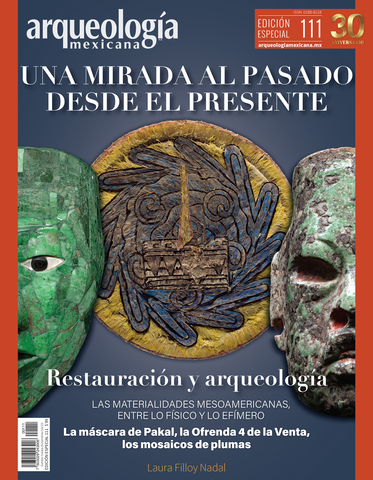
Conclusiones (Mosaicos de plumas)

Conclusions
Journal Article
Filloy Nadal, L. (2023) Conclusiones (Mosaicos de plumas). [Conclusions] Arqueología Mexicana, edición especial, Dedicado a: Una mirada al pasado desde el presente. Restauración y arqueología, No. 111, October, pp. 76–81.
Record No. 28280  |  Sinkankas/Born No.: NIS/NIB  |  Language: in Spanish  |  not seen
The physical properties of materials contribute to the aesthetic and symbolic qualities of an object, but they are also powerful instruments for triggering emotional responses. It is precisely the aesthetic response that amplifies the material ability of objects to communicate and to determine their role in communal social life (Filloy Nadal, 2017). Reflecting on the intangible elements that gave rise to the different artefacts is not a simple task. Nor is it easy to imagine these objects in use, in situations where, for example, the attire and the wearer had to be seen as a unity, and the material components had to distinguish the bearer and project sumptuousness. During religious rituals, visual effects were surely of primary importance. However, one must also consider the elements that distinguished the individual himself, his personhood, such as the intentional modification of the skull, the manner in which he moved, the gestures he performed, or the sounds that accompanied him. The manufacture of the objects studied reflects complex production processes involving multiple participants and materials originating from different places. It is possible to reconstruct these processes, and this will lead us to appreciate their social significance. However, to understand the effect of their use, imagination is required.

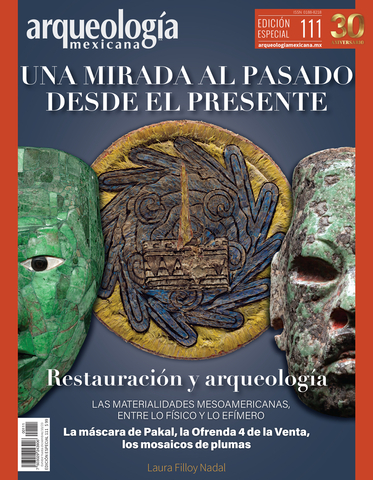
La Ofrenda 4 de La Venta, Tabasco

Offering 4 from La Venta, Tabasco
Journal Article
Filloy Nadal, L. (2023) La Ofrenda 4 de La Venta, Tabasco. [Offering 4 from La Venta, Tabasco] Arqueología Mexicana, edición especial, Dedicado a: Una mirada al pasado desde el presente. Restauración y arqueología, No. 111, October, pp. 34–47.
Record No. 28279  |  Sinkankas/Born No.: NIS/NIB  |  Language: in Spanish  |  not seen
The analysis of the artefact assemblages, that of Pakal’s mask and Offering 4, allowed us to establish several aspects (Filloy Nadal, coord., 2010; Magaloni Kerpel and Filloy Nadal, coords., 2013) related to the specific use of green stones in the manufacture of offering objects in different regions of Mesoamerica. These two assemblages of artefacts are the result of complex processes in which lapidary artists from different periods and cultures must have made a series of decisions at each stage of production in order to transform different varieties of green stones into precious goods involved in communication with the divinities, upon which the continuity and balance of the cosmos depended (Filloy Nadal, 2016 and 2017). It is clear that each stage of the production process decisively influenced the final product and, therefore, the capacity of each artefact to fulfil the function for which it had been created. In both assemblages, the selection of raw material was based on well-established criteria associated with its purity, origin, and physical, optical and organoleptic properties. In the cases mentioned, the value of each artefact increased in parallel with the intensity of the green tone displayed by the raw material, which added significance to the assemblage. These gradations of value were also determined by factors such as the geographic origin of the stones, their rarity and the lustrous quality that each rock possessed, indicating the existence of a taxonomy in which not all green stones enjoyed the same status and, consequently, had different functions and meanings. Thanks to collaborative research and the work of different disciplines, each beginning with questions determined by its own field of inquiry, we have gradually uncovered fragments that help us recover the past. All contexts and objects excavated by archaeological projects conceal profound secrets. It is clear to us that both Pakal’s mask and Offering 4, which we have described here in particular, conceal fascinating histories that we as specialists have attempted to reconstruct, although we have not yet succeeded in deciphering them completely.

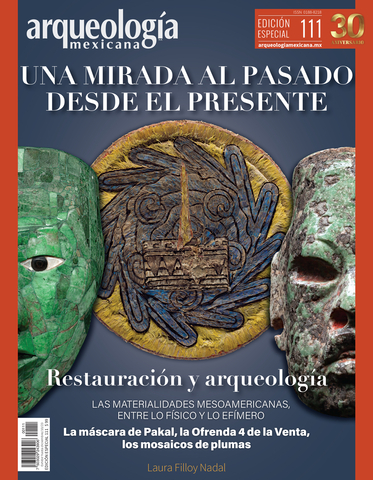
La máscara mortuoria de K’inich Jannab’ Pakal
The funerary mask of K’inich Janaab’ Pakal
Journal Article
Filloy Nadal, L. (2023) La máscara mortuoria de K’inich Jannab’ Pakal. [The funerary mask of K’inich Janaab’ Pakal] Arqueología Mexicana, edición especial, Dedicado a: Una mirada al pasado desde el presente. Restauración y arqueología, No. 111, October, pp. 20–33.
Record No. 28278  |  Sinkankas/Born No.: NIS/NIB  |  Language: in Spanish  |  not seen
To create Pakal’s mask, the artisans selected six shades of green stones. Each tone was used in a different area of the face to define an anatomical feature or an ornament, and even to draw the viewer’s attention toward the central part of the face. For example, three pieces of a light, intense green colour were used to represent the central jewel of a diadem, while several thinner emerald-coloured plaques were used for the ends of the diadem. The central area of the face was made with the greenest and most brilliant jade, also called “imperial jade,” while the hair was represented with a darker, mottled tone. It is evident that there is a kind of bilateral symmetry between the tesserae and that their forms are similar on both sides of the face, both in position and in shape or colour. The pieces fit together exactly because the tesserae have bevelled edges that were cut at 45 degrees; in addition, a wooden backing, which did not survive the passage of the centuries, and a lime paste as cement were used. During the restoration, we realised that there was a logical sequence for assembling the tesserae of the mosaic.

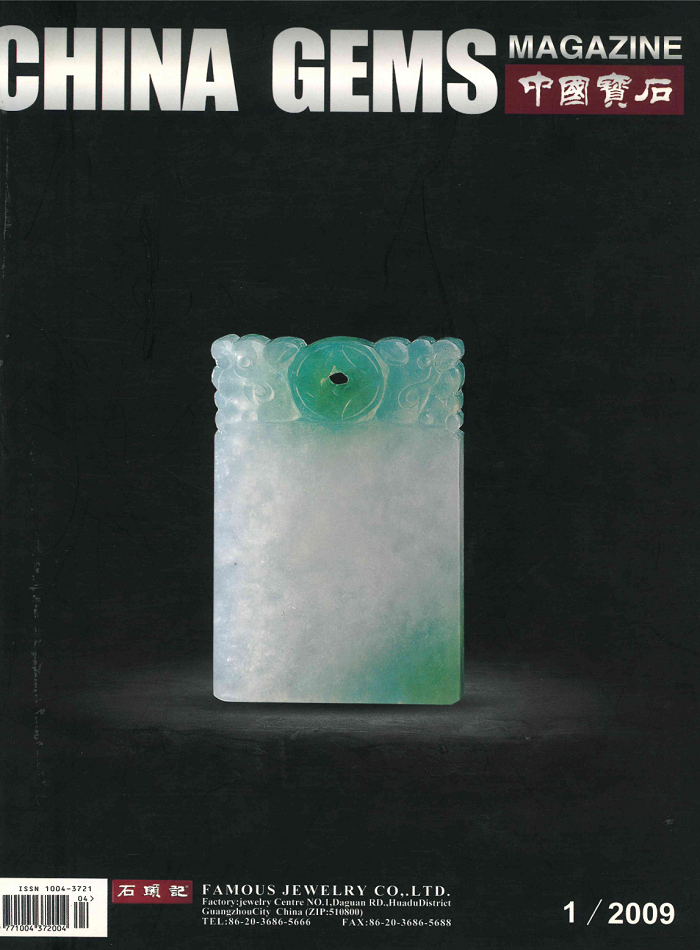
Wyoming Jade: Characteristics, History, Formation, and Occurrences
Book
Sutherland, W.M. (2023) Wyoming Jade: Characteristics, History, Formation, and Occurrences., self published, 145 pp.
Record No. 16298  |  Sinkankas/Born No.: NIS/NIB  |  not seen
Surveys Wyoming’s nephrite jade, drawing on Sutherland’s extensive geological records and field experience. Covers jade’s defining characteristics, the history of its discovery and exploitation, geological formation, detrital deposits and mining. Descriptions of important occurrences across Wyoming bring together information on their distribution, geology and chemistry.

Study on gemological and mineralogical characteristics of Guatemala green jadeite jade

Journal Article
Chen, Y., Bi, X., Yu, J., Wu, J., Liu, T.L. and Zhang, C. (2023) Study on gemological and mineralogical characteristics of Guatemala green jadeite jade. China Gems & Jades, Vol. 181, No. 6, pp. 27–35.
Record No. 7850  |  Sinkankas/Born No.: NIS/NIB  |  Language: in Chinese with English abstract  |  not seen
Chen and colleagues investigate the gemological and mineralogical characteristics of green Fei Cui from Guatemala, using conventional gemological testing together with microscopic observation and instrumental analytical methods to characterize its appearance, structure, mineral assemblages, and composition. The study examines the variations found among green Guatemalan material and the relationships between its mineral constituents and observable gemological properties, with particular attention to jadeite- and omphacite-bearing material. Mineralogical and compositional differences within the samples are considered in relation to color and texture, and the authors discuss characteristics useful for understanding and identifying Guatemalan green Fei Cui and distinguishing it from comparable material of other origins.

First report of a nephrite deposit from Somaliland, Africa: Characterization and geological and archaeological implications

Journal Article
Shi, G., Jia, R., Santosh, M., Liang, H. and He, H. (2023) First report of a nephrite deposit from Somaliland, Africa: Characterization and geological and archaeological implications. GSA Bulletin, 25 May,
Record No. 7830  |  ISBN/ISSN: 167606  |  DOI: https://dx.doi.org/10.1130/B36826.1  |  Sinkankas/Born No.: NIS/NIB  |  not seen
Nephrite jade is of wide interest, not only for its value as a highly valued precious stone, but also for its significance in tracing geological and petrological processes. Here, we report the first discovery of a nephrite deposit in Africa, located in Somaliland. Field investigations revealed that two open nephrite pits at Goodieood and Laasmacaane are composed of a series of discontinuous vein-shaped nephrite bodies stretching for ∼2 km and defining a nephrite belt. Dolomitic marble and epidote-amphibole are the major rock types in this nephrite belt. Most of the nephrites show grayish green color, while a few are grayish white to light-grayish green, with an occasional brownish rind mainly in nephrite gravels from the secondary deposits. The nephrite is composed of tremolite and actinolite with minor diopside, pargasite, edenite, and apatite. Most nephrites display fine fiber microstructures, and the tremolite-actinolite aggregates show crystallographic preferred orientation. Parallel to the nephrite bodies, epidote-amphibole rocks appear as a metasomatic dark-colored boundary zone, composed mainly of actinolite-tremolite, epidote, and titanite with minor rutile, pargasite, edenite, diopside, and zircon. The dolomitic marble displays dolomite replacement partially by antigorite. Textural observations suggest a sequence from Na-, Al-, and Fe-rich toward Mg-rich compositions, leading to the possibility of prospecting for white nephrite. The various features suggest that the deposit belongs to a fluorine-bearing Ca-Fe-P fluid-dominant skarn. This deposit is estimated to have more than 1000 tons of nephrite jade reserves and has important significance for the exploration for more economic nephrite deposits in Africa, South America, and even Antarctica, as well as potentially important archaeological implications in establishing a connection between the nephrite jades and materials for the Hargeisan lithic industries, as part of the social development in eastern Africa. Comparison with a typical white nephrite deposit in Saidikulam provides insights into the formation of white and nonwhite nephrites.

Gemstones: A Concise Reference Guide

Book
Hansen, R. (2022) Gemstones: A Concise Reference Guide. Princeton, Princeton University Press, 240 pp.
Record No. 26607  |  ISBN/ISSN: 9780690000000  |  Sinkankas/Born No.: NIS/NIB  |  not seen
Gemstones have been a source of delight and fascination for thousands of years, from the icy brilliance of diamond and the soft iridescence of pearl to tough jade gems once used in weapons and pink topaz that was popular in Victorian jewelry. This book covers every known type of gemstone, exploring each one’s unique beauty, rarity, and durability. It reveals how gems form, where they are found and mined, how to identify them, and more. With sumptuous color photos throughout, Gemstones offers dazzling insights into the world of the rare and the valuable.

Locality determination of inky black omphacite jades from Myanmar and Guatemala by nondestructive analysis
Journal Article
Xing, B., Shi, G., Long, T. and Shih, M. (2022) Locality determination of inky black omphacite jades from Myanmar and Guatemala by nondestructive analysis. Journal of Raman Spectroscopy, Vol. 53, No. 11,, 11/1/22 2009–2018.
Record No. 7825  |  ISBN/ISSN: 3770486  |  DOI: https://doi.org/10.1002/jrs.6436  |  Sinkankas/Born No.: NIS/NIB  |  not seen
Locality identification of high-quality inky black omphacite jades (inky jades) from Myanmar and Guatemala is becoming increasingly urgent. In this study, Raman, Fourier transform infrared (FTIR), and energy-dispersive X-ray fluorescence spectroscopy (EDXRF) were performed to distinguish samples of inky jade from the two localities. The Raman spectra revealed the presence of several types of minor minerals in Guatemalan samples, including titanite, albite, orthoclase, taramite, celsian, and cymrite, whereas the Myanmar samples consisted almost entirely of omphacite. Taramite and lath-like celsian occurred only in Guatemalan samples and had significance in locality tracing. The Raman and FTIR reflectance spectra of omphacite shifted to low wavenumbers in proportion to isomorphic substitution Na⁺Al³⁺ ↔ Ca²⁺(Mg²⁺, Fe²⁺). Semiquantitative calculations based on the Raman (~680 cm⁻¹) and IR modes (~658, ~576, and ~424 cm⁻¹) showed consistent jadeite end-member components (~43% to ~64%) in the Myanmar samples, whereas those (~23% to ~87.5%) of the Guatemalan samples were wider and generally lower. In addition, the full width at half maximum values (FWHMs) of Raman shifts near 680 cm⁻¹ in the Myanmar samples (avg. 15.03 cm⁻¹) were less than those (avg. 16.81 cm⁻¹) of the Guatemalan specimens. Linear discriminant analysis (LDA) based on Raman spectroscopy identified most samples with accuracy of 85.5%. Combined with results by EDXRF, these analyses revealed the characteristics of a relatively narrow range of Na⁺Al³⁺ ↔ Ca²⁺Mg²⁺ isomorphism for the Myanmar jades and a more developed Na⁺Al³⁺ ↔ Ca²⁺(Mg²⁺, Fe²⁺) isomorphism for the Guatemalan jades. This study might have implications for commercial applications, archaeological research, and judicial expertise.

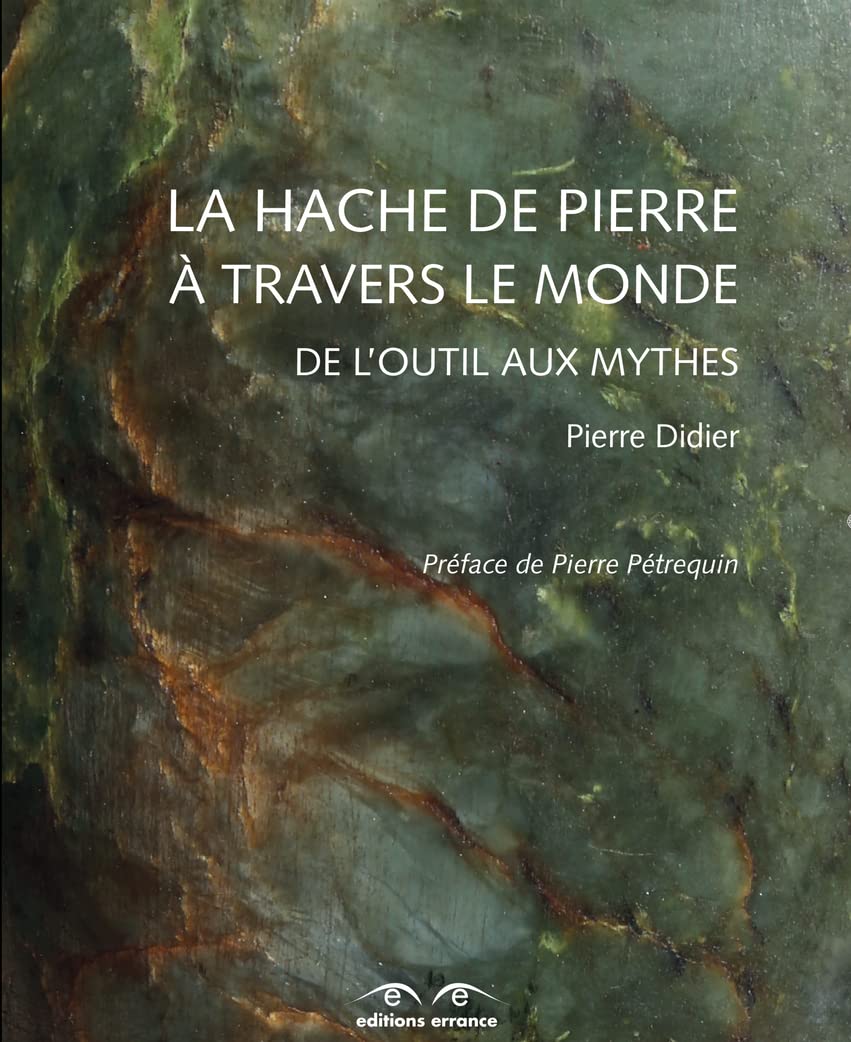
La Hache de pierre à travers le monde: De l'outil aux mythes

The Stone Axe Around the World: From Tool to Myths
Book
Didier, P. (2021) La Hache de pierre à travers le monde: De l'outil aux mythes. [The Stone Axe Around the World: From Tool to Myths] Paris, Errance, 336 pp.
Record No. 28069  |  ISBN/ISSN: 9782880000000  |  Sinkankas/Born No.: NIS/NIB  |  Language: in French  |  not seen
A true symbol of the Neolithic, the polished stone axe appears during this final episode of prehistory on every continent and in almost every culture. Its use continued, sometimes very late, within communities in the Americas, Asia, and the Pacific. Well known as a tool for clearing forests and working wood, it is less recognized as a ritual object, though this role held major importance and an almost universal character. Through numerous richly illustrated examples, this work shows how stone blades, born of the incredible creativity of the peoples who came before us, were made, used, and interpreted. From the first farmers, ten thousand years ago, to the Papuan tribes who were still polishing axes at the end of the 20th century, from the rulers of ancient China to the Maya priests, this book reveals the many technical and ritual functions they fulfilled and the extraordinary myths that accompanied them.
The role of artisanal mining in the sustainable development of Myanmar’s jadeite industry
The role of artisanal mining in the sustainable development of Myanmar’s jadeite industry

Journal Article
Sadan, M. and Lawn Dan, S. (2021) The role of artisanal mining in the sustainable development of Myanmar’s jadeite industry. Environmental Science & Policy, Vol. 126,, 2021/12/01/ pp. 189–196.
Record No. 7819  |  ISBN/ISSN: 14629011  |  DOI: https://doi.org/10.1016/j.envsci.2021.09.019  |  Sinkankas/Born No.: NIS/NIB  |  not seen
Jade is reputed to be the second most valuable gemstone in the world, and its most valuable form, jadeite, is mined in the Kachin State of northern Myanmar. Lauded for its great beauty and cultural significance in neighbouring China, most of the jadeite mined in Myanmar is destined for the Chinese or overseas Chinese markets, where it is made into decorative artefacts. Yet today, the jadeite mines have gained notoriety as sites of environmental and social devastation. The development of large scale mining (LSM) has taken place over the last two decades, largely in the context of attempts to develop political settlements at national and local level to end longstanding conflict. However, the outcomes have exacerbated conflict and seen worsening development outcomes for local people. This paper examines the longer historical tradition of artisanal and small-scale mining (ASM) in the region and considers how, in reassessing the degree to which mining can be brought into the sustainable development agenda, ASM may provide many insights that have previously been overlooked.

A unique occurrence of nephrite jade with magnetite inclusions in San Bernardino county, California

Journal Article
Mills, J. (2021) A unique occurrence of nephrite jade with magnetite inclusions in San Bernardino county, California. Rocks & Minerals, Vol. 96, No. 5,, 9/3/21 pp. 442–449.
Record No. 4618  |  ISBN/ISSN: 357529  |  DOI: https://dx.doi.org/10.1080/00357529.2021.1901208  |  Sinkankas/Born No.: NIS/NIB  |  not seen
For well over half a century, Southern California collectors have known about and tried to collect black nephrite jade with sparkling rosettes of magnetite from a unique deposit adjacent to the Verde Antique Marble quarry (Sec. 28, T. 7 N., R. 2 W., San Bernardino base and meridian). This long-inactive quarry is located in the northern extension of the Sidewinder Mountains near Stoddard Well in San Bernardino County, California (fig. 3). I first collected at the site in the early 1960s with Robert Hamblin, proprietor of the North Hollywood Gem and Mineral Shop, who acquired and wholesaled several tons of this material to the lapidary trade for jewelry, spheres, and similar projects. The best material from the find produced striking metallic rosette patterns on a jetblack background.

Featherwork in Early and Medieval China

Journal Article
Milburn, O. (2020) Featherwork in Early and Medieval China. The Journal of the American Oriental Society, Vol. 140, July–September, pp. 549–564.
Record No. 7885  |  ISBN/ISSN: 30279  |  Sinkankas/Born No.: NIS/NIB  |  Language: English
Mineralogy, petrology, geochemistry and formation of Hotan nephrite from Ruoqiang area, Xinjiang

Mineralogy, petrology, geochemistry and formation of Hotan nephrite from Ruoqiang area, Xinjiang

Thesis
Jiang, Y. (2020) Mineralogy, petrology, geochemistry and formation of Hotan nephrite from Ruoqiang area, Xinjiang., Beijing: China University of Geosciences, 138 pp.
Record No. 4460  |  Sinkankas/Born No.: NIS/NIB  |  not seen

The Wisdom and Taste of Emperor Qianlong: Perceptions on Ancient Jade as Viewed from His Poems
乾隆皇帝的智與昧: 御製詩中的帝王古玉觀
Book
Deng, S. (2019) The Wisdom and Taste of Emperor Qianlong: Perceptions on Ancient Jade as Viewed from His Poems. [乾隆皇帝的智與昧: 御製詩中的帝王古玉觀] Taipei, National Palace Museum, 251 pp.
Record No. 26460  |  ISBN/ISSN: 9789580000000  |  Sinkankas/Born No.: NIS/NIB  |  Language: in Chinese  |  not seen
Although jade ware were not the predominant artifacts collected by the imperial palace during the Song and Qing dynasties, they were frequently mentioned in Emperor Qianlong's poems. Over the course of his life, Emperor Qianlong had written numerous poems, which he later ordered his civil officials to compile and catalogue. In 1976, the National Palace Museum released the Emperor Qianlong Poetry and Prose Set (in 10 volumes and published as photocopies of the Palace Editions), where the poetry and prose set subsequently became materials commonly used by scholars to engage in related research endeavors. According to investigations (on the poetry and poems written by all Qing dynasty emperors) performed by scholars, they found that Emperor Qianlong was the author of 1,035 prose and 30,908 poems. Jade ware such as Chinese jade," "ancient jade," and "old jade" were considered to feature designs or motifs of interest to Emperor Qianlong if they were successfully used in the titles of poems or prose written by the emperor. The considerable number said poems and prose unveils his perceptions on ancient jade. The emergence of science and technology in the twentieth century allows science-based archeology to be practiced, revealing the development of ancient jade spanning thousands of years. By learning about the development of ancient jade as well as examining unearthed jade ware and those engraved with poems, people can determine Emperor Qianlong's accurate and inaccurate perceptions of ancient jade."

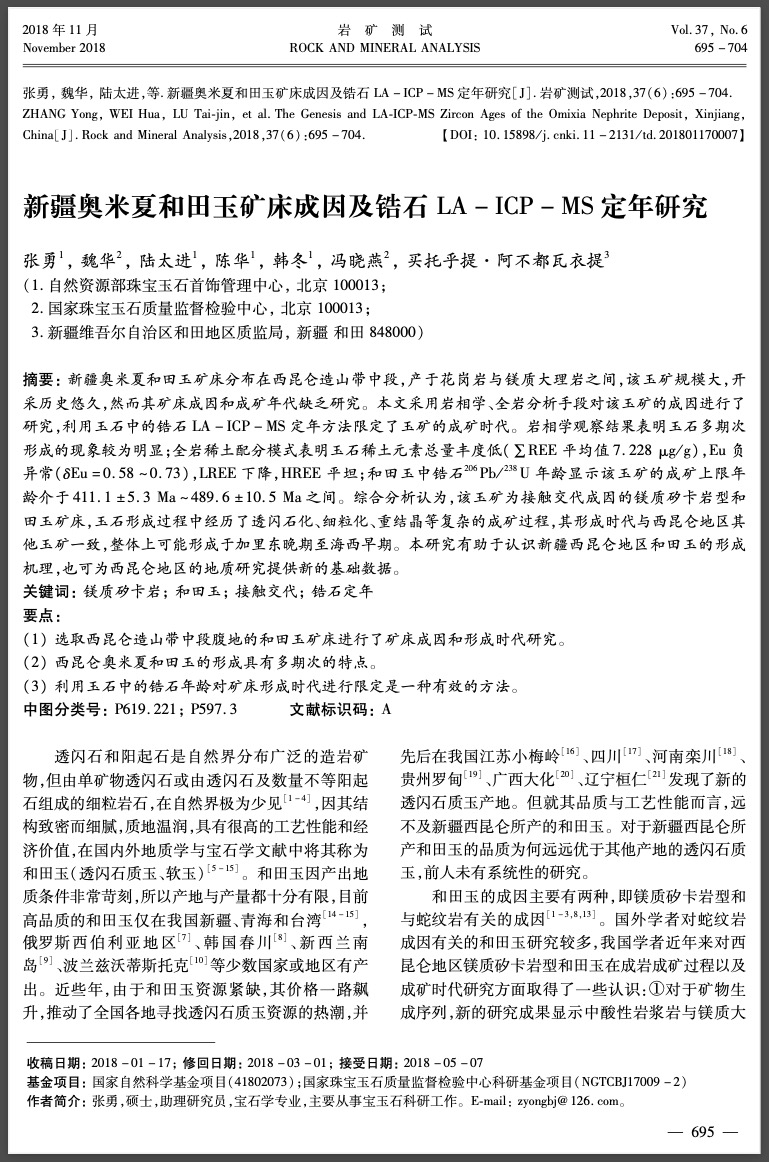
The genesis and LA-ICP-MS zircon ages of the Omixia nephrite deposit, Xinjiang, China

新疆奥米夏和田玉矿床成因及锆石LA-ICP-MS定年研究
Journal Article
Zhang, Y., Wei, H., Lu, T.-j., Chen, H., Han, D., Feng, X.-y. and Maituohuti, A. (2018) The genesis and LA-ICP-MS zircon ages of the Omixia nephrite deposit, Xinjiang, China. [新疆奥米夏和田玉矿床成因及锆石LA-ICP-MS定年研究] Rock and Mineral Analysis, Vol. 6, pp. 695–704.
Record No. 6795  |  DOI: https://doi.org/10.15898/j.cnki.11-2131/td.201801170007  |  Sinkankas/Born No.: NIS/NIB  |  Language: in Chinese  |  not seen
The Omixia nephrite deposit, situated in the central West Kunlun Orogenic Belt, is hosted in Mg-skarn formed between granite and magnesian marble. Despite its large size and extensive exploration, the ore genesis and precise age of the deposit have remained poorly understood. This study aims to clarify the genesis and constrain the upper age of the deposit through petrological analysis and LA-ICP-MS U-Pb zircon dating. Petrographic observations reveal that nephrite formed in multiple stages, including tremolite mineralization, diapolitization, fine granulation, and recrystallization. Geochemically, the nephrite displays low total rare earth element (ΣREE) content, averaging 7.228 μg/g, with strongly negative Eu anomalies (δEu = 0.58–0.73), declined light REE patterns, and flat heavy REE patterns. U-Pb zircon ages in the nephrite range from 489.6 ± 10.5 Ma to 411.1 ± 5.3 Ma, indicating formation during the Late Caledonian to Early Hercynian periods. These findings confirm that the Omixia deposit is a typical contact metasomatic Mg-skarn nephrite deposit, and they provide valuable insights into the genesis of nephrite in the West Kunlun region of Xinjiang, contributing foundational data for further geological research in the area.

Chinese Archaic Jades from the Yangdetang Collection Part II

Catalog
Christie’s (2018) Chinese Archaic Jades from the Yangdetang Collection Part II. Hong Kong: Christie’s, 28 November, 158 pp..
Record No. 4535  |  Sinkankas/Born No.: NIS/NIB  |  not seen
includes an excellent essay by Dr. Xu Lin: “Cutting, Grinding, Carving and Polishing - Early Jade Craftsmanship from Prehistory to the Han Dynasty.” She covers well the ancient carving techniques and the development and use of the tuo.

Exploring the Literature of Jade

Jade literature spans gemology, mineralogy, archaeology, art history, mining, carving and connoisseurship, and includes works on both jadeite and nephrite from around the world.

For an introduction to collecting books on this subject, read Hidden Treasure — Collecting the Literature of Jade.

About Four Treasures

Four Treasures is Lotus Gemology's freely accessible gemological reference database. Use the full database to search by author, title or keyword and explore literature on gemology, mineralogy, jewelry and related fields. Where available, hyperlinks on titles may lead directly to the full publication.

Search the Complete Four Treasures Database