Jade Bibliography

Jade Bibliography

Explore books, articles and historical sources on jade in Four Treasures, the Lotus Gemology reference database. This bibliography brings together matching records from the collection, with publication details, abstracts and cover images where available.

Jade References

The list below matches the terms jade, jadeite, nephrite or Fei Cui in the database's searchable fields. Some references discuss these materials as part of a broader subject.
3,401–3,420 of 3,783 matching references

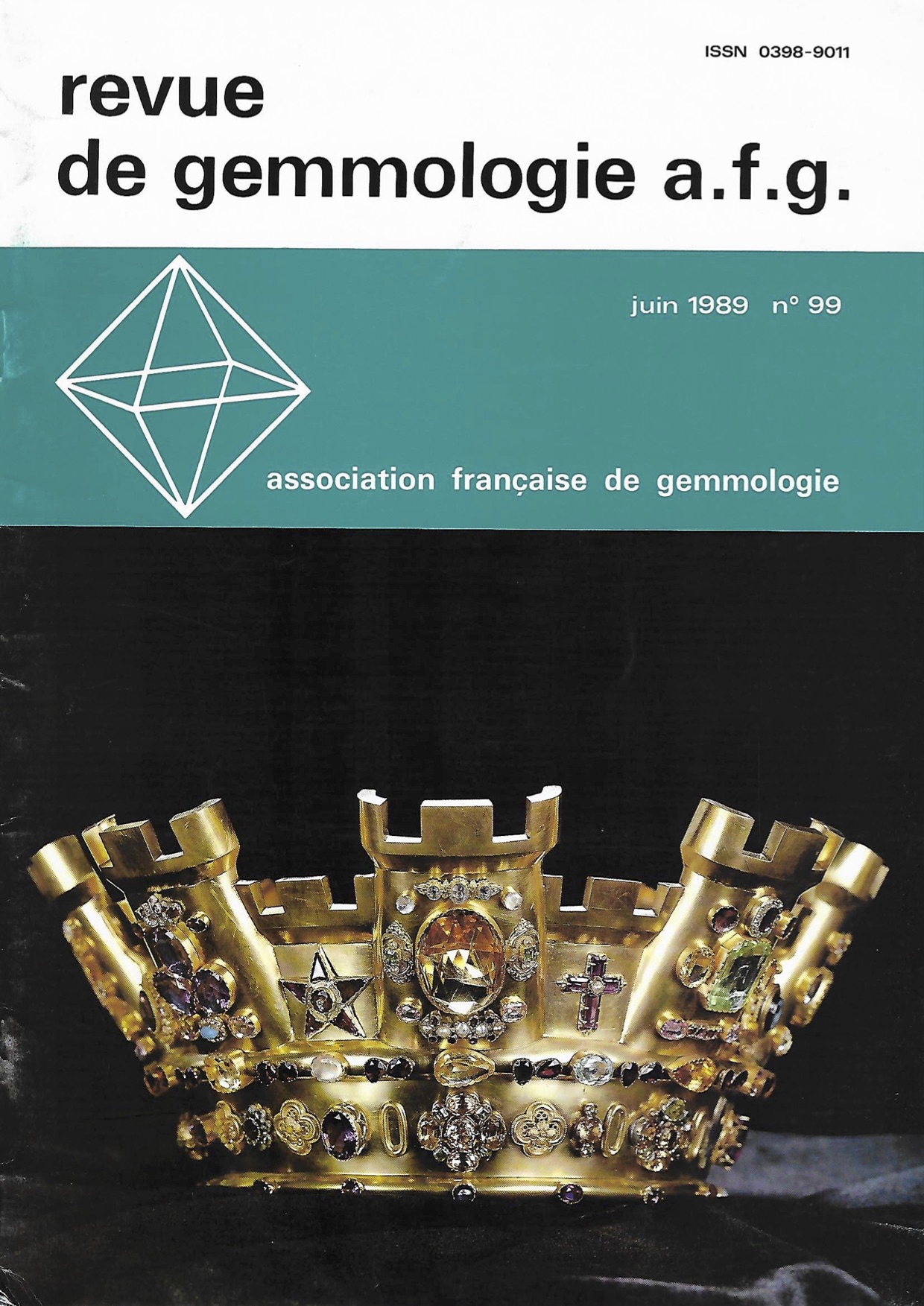
Objets préhistoriques en jade-néphrite (VIIe au Ve millénaires Av. J.-C.) de Bulgarie et des Balkans
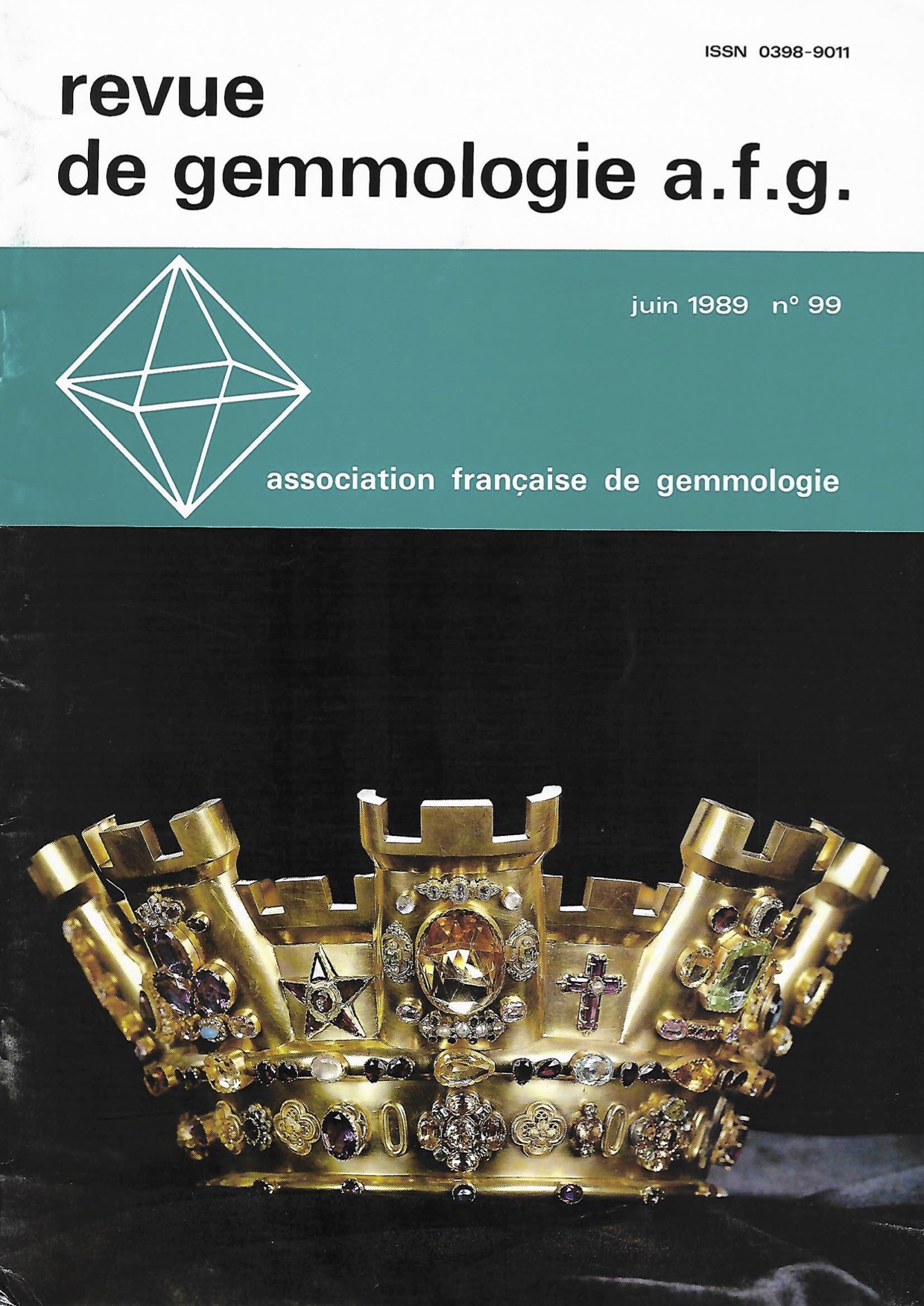
Prehistoric jade-nephrite objects (7th to 5th millennia BC) from Bulgaria and the Balkans
Journal Article
Kostov, R.I. (2018) Objets préhistoriques en jade-néphrite (VIIe au Ve millénaires Av. J.-C.) de Bulgarie et des Balkans. [Prehistoric jade-nephrite objects (7th to 5th millennia BC) from Bulgaria and the Balkans] Revue de Gemmologie A.F.G., No. 204–205, pp. 36–42.
Record No. 4166  |  Sinkankas/Born No.: NIS/NIB  |  Language: in French with English abstract  |  not seen
Kostov examines prehistoric nephrite objects from Bulgaria and the wider Balkans dating from the seventh to fifth millennia BC, placing them within what he terms a Balkan “nephrite culture.” Nephrite artifacts, particularly axes, adzes, and objects interpreted as having ornamental or ritual functions, are documented from Neolithic and Chalcolithic sites, with Bulgaria yielding especially numerous examples. Mineralogical and archaeomineralogical investigations confirm nephrite for a number of artifacts and indicate more than one variety of the material, suggesting potentially different sources. The geological origin of much of the nephrite remains unresolved, however, and Kostov considers possible local and regional sources as well as the implications for prehistoric exchange and movement of raw materials. The early dates and concentration of nephrite objects demonstrate a significant and distinctive tradition of jade use in southeastern Europe long before the better-known later European occurrences.

Les différentes facettes du jade

The different facets of jade
Journal Article
Tay, T.S. (2018) Les différentes facettes du jade. [The different facets of jade] Revue de Gemmologie A.F.G., No. 204–205, pp. 53–58.
Record No. 4165  |  Sinkankas/Born No.: NIS/NIB  |  Language: in French  |  not seen
Tay provides a broad overview of jade from mineralogical, gemological, historical, and cultural perspectives. The article discusses the materials encompassed by the traditional term “jade,” particularly nephrite and jadeite, and explains their differing mineralogical compositions and gemological properties. It considers jade’s colors, textures, durability, and other characteristics that have made it especially suitable for carving and jewelry, together with questions of identification and quality. Tay also surveys the exceptional cultural importance of jade, particularly in China, where it has been fashioned for millennia into ritual objects, ornaments, sculptures, and jewelry and endowed with powerful symbolic associations. The article thus introduces the principal scientific and cultural “facets” of jade and emphasizes the need to distinguish the various materials that have historically been described or marketed under that name.
Jewellery and Jade Terminology

Jewellery and Jade Terminology

珠宝玉石 名称
Report
National Gemstone Testing Center (2017) Jewellery and Jade Terminology. [珠宝玉石 名称] Beijing: Standards Press of China, 24 pp.
Record No. 28120  |  Sinkankas/Born No.: NIS/NIB  |  Language: in Chinese  |  not seen
This publication presents the Chinese national terminology for jewelry and jade materials, establishing standardized names and naming principles for use in gem identification, testing, certification, and trade. It covers natural gemstones, natural jade materials, natural organic gem materials, synthetic and artificial products, composite stones, and imitations, and provides rules governing the terminology used for treated or otherwise modified materials. By defining acceptable names and restricting misleading or ambiguous terminology, the standard provides a consistent framework for laboratory reports, commercial descriptions, and consumer disclosure in China. It is particularly useful for understanding the official Chinese classification and nomenclature of jade and other gem materials and the distinctions drawn between natural, treated, synthetic, and imitation products.

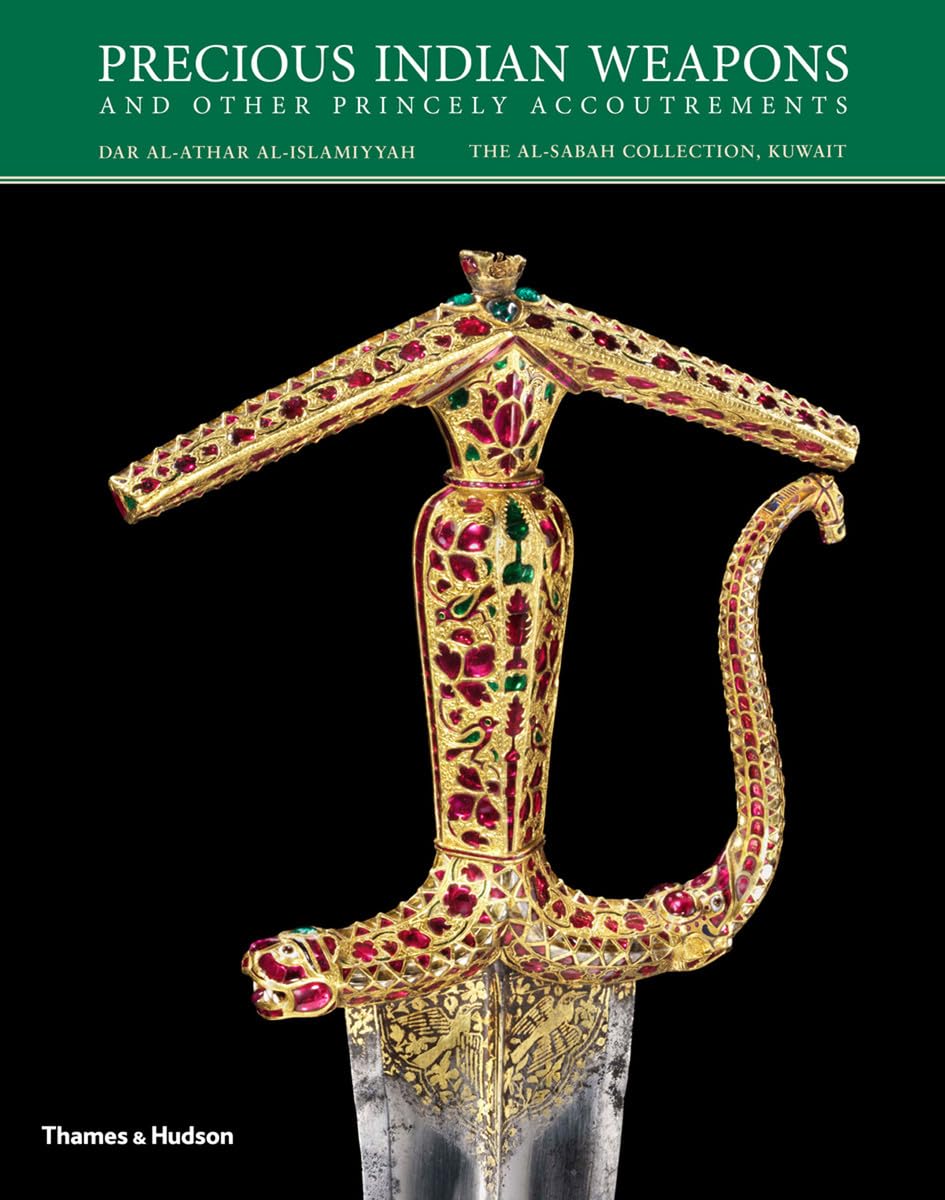
Precious Indian Weapons and other Princely Accoutrements
Book
Kaoukji, S. (2017) Precious Indian Weapons and other Princely Accoutrements. London, Thames and Hudson, 504 pp.
Record No. 27827  |  ISBN/ISSN: 9780500000000  |  Sinkankas/Born No.: NIS/NIB  |  not seen
This spectacular collection of nearly 200 jewelled weapons and priceless accoutrements from the Indian subcontinent was assembled over many decades. Produced for aristocratic patrons who valued the arts, these richly decorated edged weapons and other princely objects bear witness to the legendary opulence and refinement of the Indian courts during the sixteenth to the nineteenth centuries. The 9th edition of T&H series on TASC, this is a dazzling celebration of one of the world’s greatest collections of precious weapons. The ninth in Thames & Hudson’s acclaimed series with The al-Sabah Collection, Precious Indian Weapons is divided into fourteen chapters that explore the intricacies and details of hilts, knives, swords, and various other weapons. Rendered in silver, gold, and gems, the dazzling array of decorative motifs presented here includes intricate floral, geometric, and animal designs that testify both to the astonishing skill of their craftsmen and to the area’s complex interconnected cultural histories.

A Galaxy of Jades at Jinsha

玉滙金沙
Edited Book
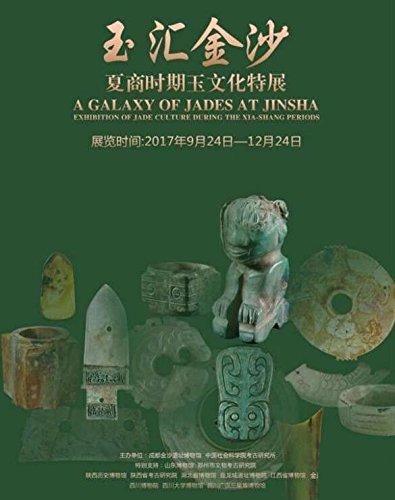
Museum of Jinsha Remains, editor (2017) A Galaxy of Jades at Jinsha. [玉滙金沙], Sichuan People’s Publishing House, 260 pp..
Record No. 16658  |  ISBN/ISSN: 9787220000000  |  Sinkankas/Born No.: NIS/NIB  |  Language: in Chinese  |  not seen
This catalogue presents jade artifacts associated with the Jinsha archaeological site in Chengdu, Sichuan, an important center of the ancient Shu culture. It surveys the forms, materials, manufacture, and archaeological contexts of jade objects recovered at Jinsha, including ritual implements and ornaments, and considers their relationship to religious practices and elite society. Particular attention is given to the craftsmanship and distinctive forms of the Jinsha jades, while comparisons with material from other archaeological cultures illuminate cultural contacts and the transmission of jade-working traditions. Richly illustrated, the volume provides an important record of the role of jade in the material and ritual culture of the ancient Shu civilization and contributes to understanding the broader development of jade use in Bronze Age China.

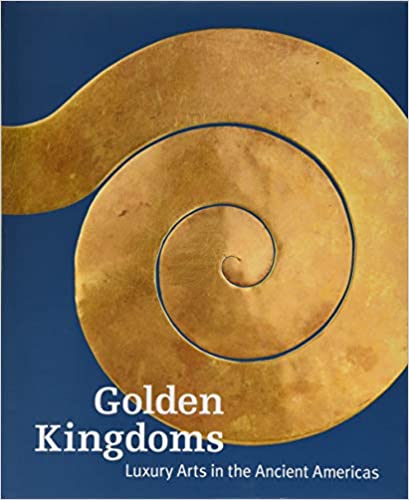
Forests of jade: Luxury arts and symbols of excellence in ancient Mesoamerica
Book Section
Filloy Nadal, L. (2017) Forests of jade: Luxury arts and symbols of excellence in ancient Mesoamerica. In: Golden Kingdoms • Luxury Arts in the Ancient Americas, Los Angeles: Getty Publications, pp. 66–77.
Record No. 6191  |  ISBN/ISSN: 9781610000000  |  Sinkankas/Born No.: NIS/NIB  |  not seen
This volume accompanies a major international loan exhibition featuring more than three hundred works of art, many rarely or never before seen in the United States. It traces the development of gold working and other luxury arts in the Americas from antiquity until the arrival of Europeans in the early sixteenth century. Presenting spectacular works from recent excavations in Peru, Colombia, Panama, Costa Rica, Guatemala, and Mexico, this exhibition focuses on specific places and times—crucibles of innovation—where artistic exchange, rivalry, and creativity led to the production of some of the greatest works of art known from the ancient Americas. The book and exhibition explore not only artistic practices but also the historical, cultural, social, and political conditions in which luxury arts were produced and circulated, alongside their religious meanings and ritual functions. Golden Kingdoms creates new understandings of ancient American art through a thematic exploration of indigenous ideas of value and luxury. Central to the book is the idea of the exchange of materials and ideas across regions and across time: works of great value would often be transported over long distances, or passed down over generations, in both cases attracting new audiences and inspiring new artists. The idea of exchange is at the intellectual heart of this volume, researched and written by twenty scholars based in the United States and Latin America.

Mineral chemistry composition and structural characteristics of jadeite from Burma, Kazakhstan and Russia
Journal Article
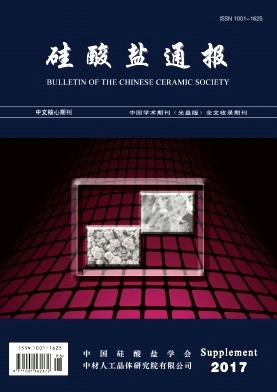
Zou, Y., Liang, Y., Liu, Y., Wang, D. and Yang, L. (2017) Mineral chemistry composition and structural characteristics of jadeite from Burma, Kazakhstan and Russia. Bulletin of the Chinese Ceramic Society, Vol. 36, Supplement S1, pp. 144–152.
Record No. 5903  |  Sinkankas/Born No.: NIS/NIB  |  Language: in Chinese with English abstract  |  not seen
The mineral chemistry composition and structural characteristics of jadeite from Burma, Kazakhstan, and Russia were studied by gemological methods, thin-section analysis, and electron probe analysis. The results on mineral chemical composition show that the contents of SiO₂, Al₂O₃, and Na₂O vary among samples: jadeite from Burma closely approaches the theoretical composition of pure jadeite, while samples from Kazakhstan and Russia deviate from this ideal. Burmese jadeite is characterized by the highest jadeite content and relatively lower amounts of albite and chromite. Jadeite from Kazakhstan contains a more balanced mixture of jadeite and omphacite, along with minor albite and chromite. Russian jadeite shows a chemical composition that transitions toward omphacite. Texturally, Burmese jadeite displays crystalloblastic texture along with partial metasomatic and dynamic metamorphic textures. The jadeite from Kazakhstan exhibits more complex textures, indicative of a strong geological overprint in a later phase. Russian jadeite shows crystalloblastic and partially crystalloblastic textures, reflecting a weaker degree of dynamic metamorphism. The jadeite deposits are multistage in nature: Burmese jadeite formed through two stages, omphacite in Kazakhstan formed through two stages, and Russian jadeite formed through three distinct stages. These metallogenic stages play a significant role in shaping the texture and structure of jadeite from each locality.

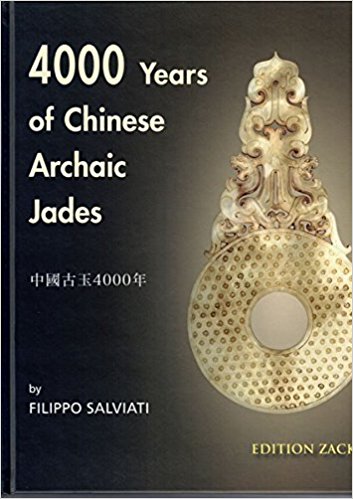
4000 Years of Chinese Archaic Jades: The Development of the Jade-Carving Tradition from the Neolithic to the Han Dynasty
Book
Salviati, F. (2017) 4000 Years of Chinese Archaic Jades: The Development of the Jade-Carving Tradition from the Neolithic to the Han Dynasty., Edition Zacke
Record No. 3879  |  ISBN/ISSN: 9783950000000  |  Sinkankas/Born No.: NIS/NIB  |  not seen
The book offer a thorough overview of the jade-carving tradition of ancient China through more than 350 fully illustrated that cover a time span of about four thousand years. The jades, presently in several private collections all over the world, cover an uninterrupted period of four-thousand years, spanning from the Neolithic (5th -4th millennium BC) to the end of the Han dynasty (3rd century AD) and illustrate in detail almost all of the major forms and decorative motifs of the ancient Chinese jade-carving tradition. The jades have been selected for their cultural significance, rarity, aesthetic qualities and high level of workmanship, and have been arranged chronologically by historic period and culture. The book is divided in seven sections, each provided with an introduction that deals with the major characteristics of each historic period, followed by the single descriptions of the jades. The book is also provided with essential critical tools, such as a list of all the archaeological sites mentioned in the text, a detailed index to all of the technical terms and names cited in the book, bibliographical references, a synthetic map of major jade-using cultures and a chronological table.

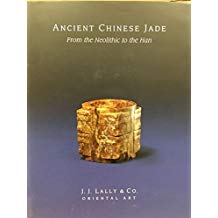
Ancient Chinese Jade, From the Neolithic to the Han
Catalog
Lally, J.J.C. (2016) Ancient Chinese Jade, From the Neolithic to the Han. New York: J.J. Lally & Co.
Record No. 3962  |  Sinkankas/Born No.: NIS/NIB  |  not seen

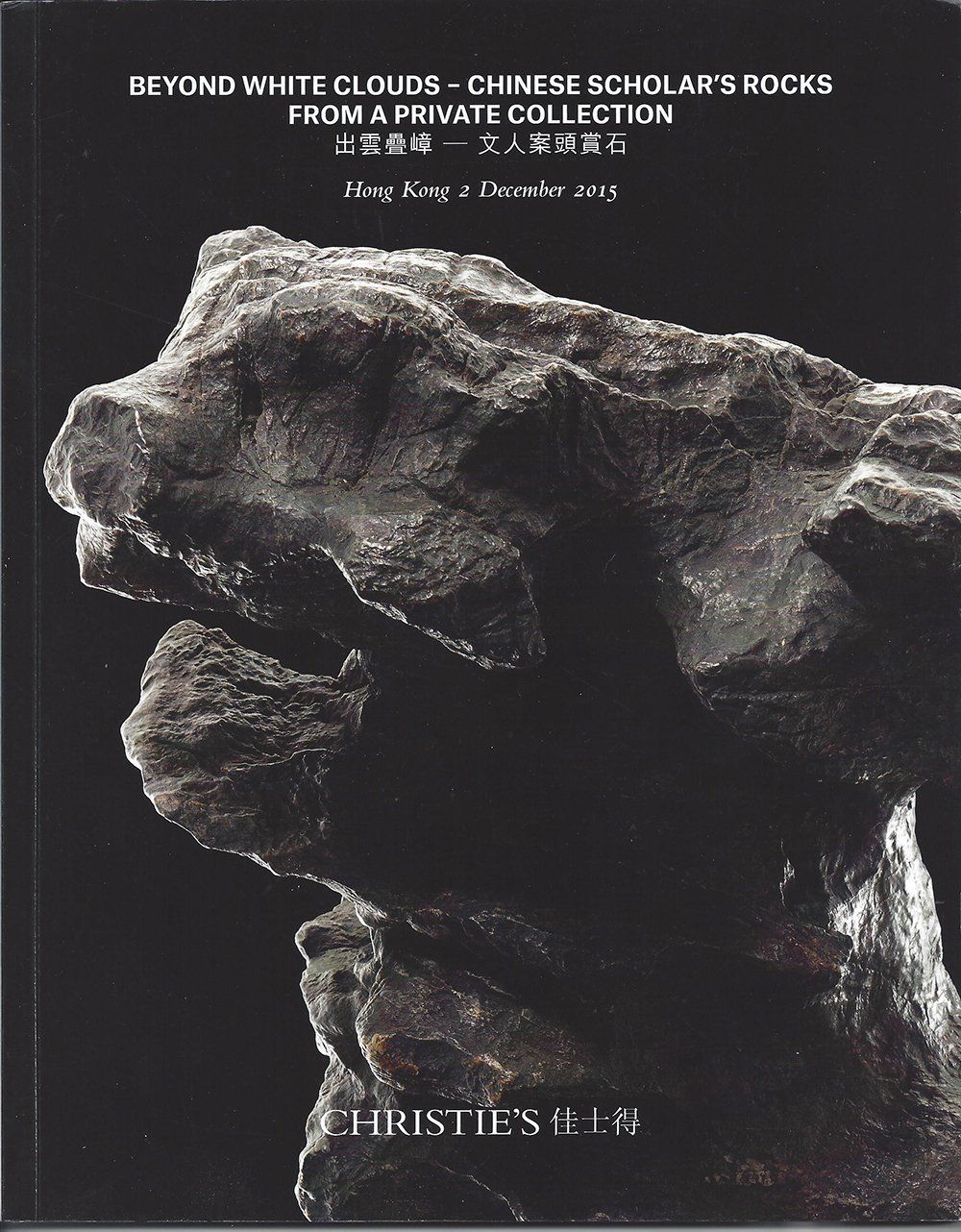
Beyond White Clouds | Chinese Scholar’s Rocks from a Private Collection
Catalog
Christie’s (2015) Beyond White Clouds | Chinese Scholar’s Rocks from a Private Collection. Hong Kong: Christie’s, 2-Dec, 119 pp..
Record No. 7588  |  Sinkankas/Born No.: NIS/NIB  |  not seen
VSANA: This is an auction catalog to publicize and promote the sale of some exceptional Chinese scholar stones, several Chinese paintings, artifacts, and two Japanese items—a Furuya stone and a man-made stone. A six page essay by noted Chinese scholar Robert D. Mowry, adds relevance to the sale and is recommended reading. Mowry is a leading expert on Chinese scholar stones. There were twenty-three items described, and all but six were stones. The remaining were paintings, root wood, or artifacts that resemble stones. The auction was held on December 2, 2015 in Hong Kong. Christie’s obviously expected to attract wealthy Chinese businessmen and art collectors with this sale. This auction catalog is a valuable reference for students of Chinese stones and a good guide to how fascinating stones increase in value over time.

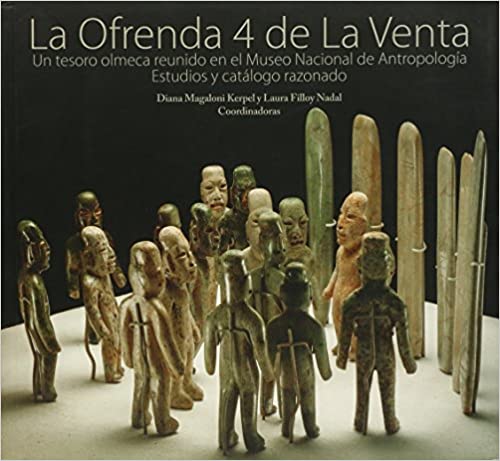
La Ofrenda 4 de La Venta • Un tesoro Olmeca reunido En el Museo Nacional de Antropologia • Estudios y catalogo razonado

The Offering 4 of La Venta • An Olmec treasure gathered in the National Museum of Anthropology • Studies and reasoned catalog.
Book
Kerpel, D.M. and Nadal, L.F. (2014) La Ofrenda 4 de La Venta • Un tesoro Olmeca reunido En el Museo Nacional de Antropologia • Estudios y catalogo razonado. [The Offering 4 of La Venta • An Olmec treasure gathered in the National Museum of Anthropology • Studies and reasoned catalog.] Mexico City, CONACULTA/Instituto Nacional de Antropología e Historia, 236 pp.
Record No. 6264  |  Sinkankas/Born No.: NIS/NIB  |  Language: in Spanish  |  not seen
Jade and Gemstones

Jade and Gemstones

玉石及宝石
Book
Imin, E. (2014) Jade and Gemstones. [玉石及宝石] Urumqi, Xinjiang Science and Technology Publishing House, 127 pp.
Record No. 4461  |  Sinkankas/Born No.: NIS/NIB  |  Language: in Uyghur  |  not seen
A Uyghur-language work on jade and gemstones, published in Urumqi in 2014.

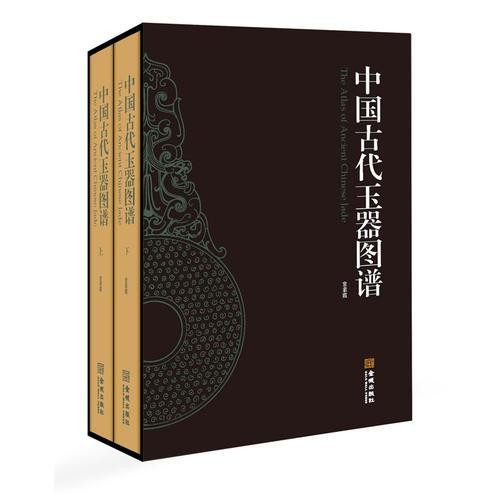
Atlas of Ancient Chinese Jade

中国古代玉器图谱
Book
Chang, S. (2013) Atlas of Ancient Chinese Jade. [中国古代玉器图谱] Beijing, Jincheng Press, 1125 pp.
Record No. 29099  |  ISBN/ISSN: 9787520000000  |  Sinkankas/Born No.: NIS/NIB  |  Language: in Chinese  |  not seen
This is a comprehensive two-volume set titled The Atlas of Ancient Chinese Jade, compiled by Chang Suxia and published by Jin Cheng Publishing House in 2013. This authoritative reference work is an updated edition of the 1999 original, organized chronologically to provide a systematic overview of jade production from the Neolithic period through to the Qing Dynasty. It focuses primarily on artifacts recovered from archaeological excavations and major museum collections, ensuring a high level of authenticity and academic rigor. The volumes contain over 3,000 detailed illustrations, including professional rubbings, technical drawings, and high-quality color photographs. Volume one covers Neolithic cultures (including Hongshan, Liangzhu, Longshan, and Qijia), the Xia, Shang, and Western Zhou dynasties, as well as the Spring and Autumn and Warring States periods. Volume two covers the Han, Wei, Jin, Northern and Southern Dynasties, through to the Tang, Song, Yuan, Ming, and Qing Dynasties. It also includes an extensive compilation of excavated materials and a detailed index. An indispensable resource for collectors, scholars, and appraisers of Chinese antiquities, this set provides clear visual markers for identifying the stylistic and functional characteristics of jade across five thousand years of history. Whether you are studying the ritual significance of early Neolithic jades or the intricate decorative craftsmanship of the later imperial dynasties, this work offers unparalleled depth and visual documentation for any serious library.

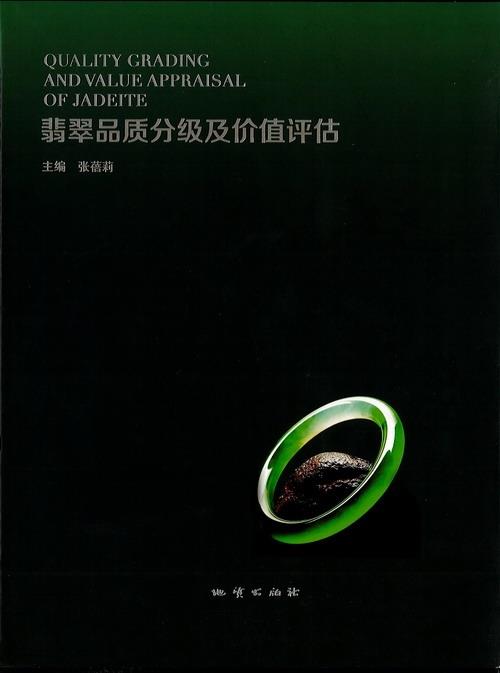
Fei Cui Quality Grading and Value Assessment
翡翠品质分级及价值评估
Book
Zhang, B. and Wang, M. (2013) Fei Cui Quality Grading and Value Assessment. [翡翠品质分级及价值评估] Beijing, Geological Publishing House, 3 Vols., 877 pp.
Record No. 28119  |  ISBN/ISSN: 9787120000000  |  Sinkankas/Born No.: NIS/NIB  |  Language: in Chinese  |  not seen
Chinese-language monograph providing the official framework and methodology for grading and evaluating the quality and commercial value of Fei Cui (pyroxene jade). The book was produced under the auspices of the National Gems & Jewelry Testing Center (NGTC) and has been influential in shaping China’s standardized jadeite grading and valuation practices.

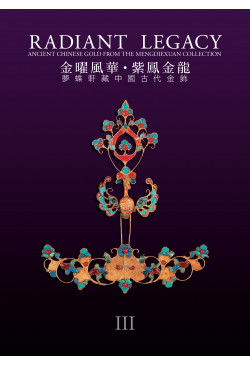
Radiant Legacy | Ancient Chinese Gold from the Mengdieuxuan Collection
金曜風華
Edited Book
So, J.F., editor (2013) Radiant Legacy | Ancient Chinese Gold from the Mengdieuxuan Collection. [金曜風華]. Hong Kong, Art Museum, Chinese University of Hong Kong, 3 Vols.
Record No. 8058  |  ISBN/ISSN: 9789630000000  |  Sinkankas/Born No.: NIS/NIB  |  Language: in Chinese and English  |  not seen
This catalogue is published in conjunction with the exhibition Radiant Legacy: Ancient Chinese Gold from the Mengdiexuan Collection jointly organized by the Art Museum and the Department of Fine Arts, The Chinese University of Hong Kong. The catalogue features about 300 ancient Eurasian and Chinese gold artifacts dating from ca.1500 BCE to 1700 CE in three volumes, namely, Gold in the Eurasian Steppes, Gold in the High Plateau and Gold in China. Edited by Jenny F. So, the catalogue includes 6 introductory essays contributed by Lin Meicun, Pieter Meyers, Chen Ling, Huo Wei, Yang Zhishui and Elaine Kwok. All the artifacts are fully illustrated with colour plates and detailed entries. In addition are maps, timelines, chronologies and selected bibliographies. This is an indispensable catalogue for the study and appreciation of ancient Chinese gold ornaments.

Jade maya: Piedra de dioses y reyes antiguos
Maya jade: Stone of ancient gods and kings
Book Section
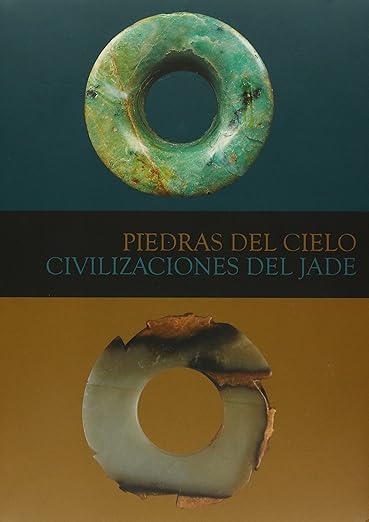
Taube, K.A. (2012) Jade maya: Piedra de dioses y reyes antiguos. [Maya jade: Stone of ancient gods and kings] In: Piedras del Cielo, Civilizaciones de Jade, Mexico City: Conalculta, pp. 33–40.
Record No. 28720  |  ISBN/ISSN: 9786070000000  |  Sinkankas/Born No.: NIS/NIB  |  Language: in Spanish  |  not seen
The contact and solid relationship between Mexico and the People’s Republic of China go back a long way, but even older has been our perception and mutual curiosity regarding the greatness of both civilizations. It would be pointless to attempt to account for the innumerable exchanges that have taken place between the two countries throughout ancient, modern and contemporary history. Rather, I wish to express my genuine admiration for the conceptual and material core of the exhibition Stones of Heaven, Civilizations of Jade, that is, the manner in which it brings together and documents the role jade has played in the cultures of Mesoamerica and China, the appreciation and delicate carving of a mineral that never ceases to attract and amaze us in both regions, and whose very existence continues to astonish our societies. Alfonso de María y Campos Castelló, Director General, National Institute of Anthropology and History.

El Jade y Otras Piedras Verdes: Perspectivas Interdisciplinarias e Interculturales
Jade and Other Green Stones: Interdisciplinary and Intercultural Perspectives
Edited Book
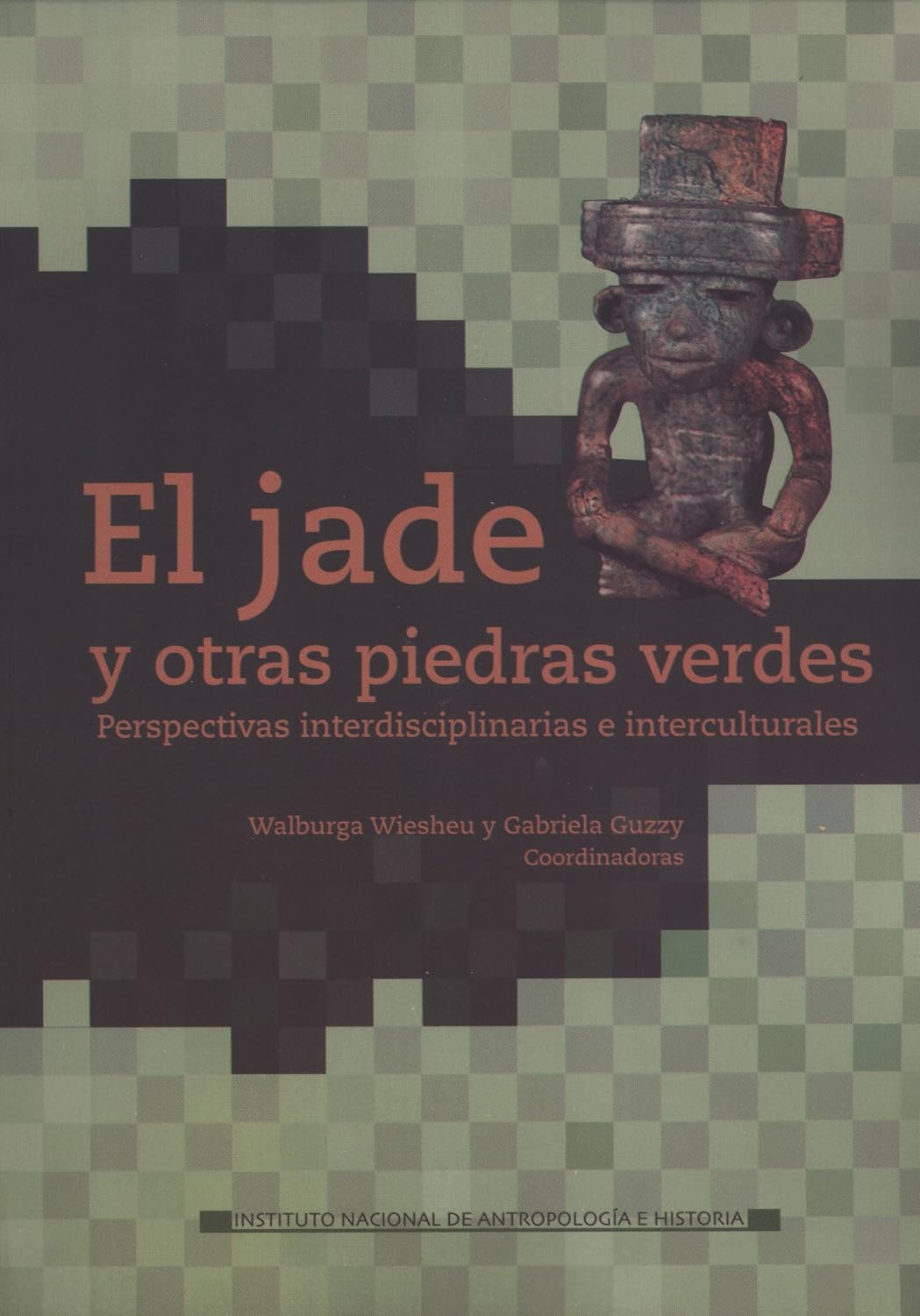
Wiesheu, W.M. and Guzzy, G., editor (2012) El Jade y Otras Piedras Verdes: Perspectivas Interdisciplinarias e Interculturales. [Jade and Other Green Stones: Interdisciplinary and Intercultural Perspectives]. Mexico City, Instituto Nacional de Antropología e Historia, 323 pp..
Record No. 28309  |  ISBN/ISSN: 9786070000000  |  Sinkankas/Born No.: NIS/NIB  |  Language: in Spanish  |  not seen
Jade is a unique stone. Its exquisite range of colours, hardness and durability, transparency and delicate lustre, together with its acoustic qualities, led it to embody, in the ancient civilizations of Mesoamerica and Asia, human and cultural values intrinsic to those societies. For a time considered more precious than gold or silver, it has throughout human history been attributed with mystical and magical powers, as well as curative properties. In China, for example, it was associated with longevity and even immortality, while in Europe it was regarded as an effective remedy for kidney ailments. Through an interdisciplinary and intercultural perspective, this publication brings together eleven studies on various aspects related to this material: geochemical and archaeometric analyses, experimental archaeology projects, and anthropological investigations that together provide a broad panorama of the sociocultural significance and the profound symbolic and ideological connotations that jade and other green stones have held in various regions of ancient Mexico, Central America, South America, the Caribbean, China, and Korea.

Piedras del cielo, civilizaciones de jade
Stones of Heaven, Civilizations of Jade
Edited Book
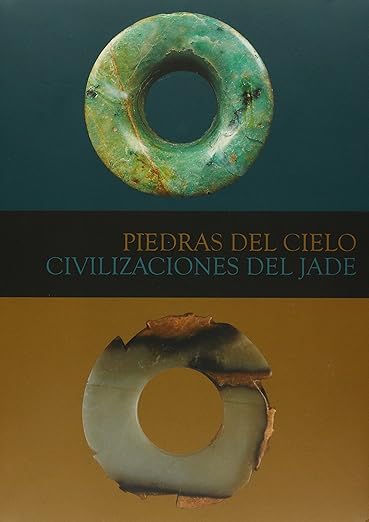
de María y Campos Castelló, A., editor (2012) Piedras del cielo, civilizaciones de jade. [Stones of Heaven, Civilizations of Jade]. Mexico City, Conalculta, 231 pp..
Record No. 28281  |  ISBN/ISSN: 9786070000000  |  Sinkankas/Born No.: NIS/NIB  |  Language: in Spanish  |  not seen
The contact and solid relationship between Mexico and the People’s Republic of China go back a long way, but even older has been our perception and mutual curiosity regarding the greatness of both civilizations. It would be pointless to attempt to account for the innumerable exchanges that have taken place between the two countries throughout ancient, modern and contemporary history. Rather, I wish to express my genuine admiration for the conceptual and material core of the exhibition Stones of Heaven, Civilizations of Jade, that is, the manner in which it brings together and documents the role jade has played in the cultures of Mesoamerica and China, the appreciation and delicate carving of a mineral that never ceases to attract and amaze us in both regions, and whose very existence continues to astonish our societies.

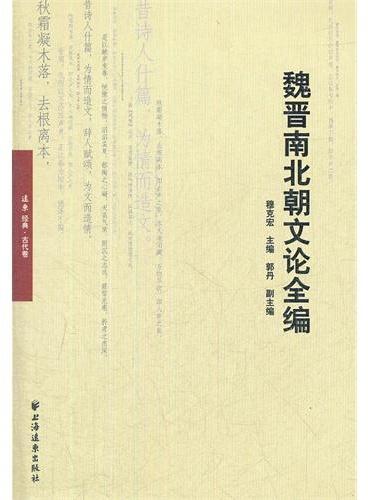
The Complete Edition of the Essays of the Wei, Jin and Northern and Southern Dynasties
魏晋南北朝文论全编
Book
Mu, K. and Guo, D. (2012) The Complete Edition of the Essays of the Wei, Jin and Northern and Southern Dynasties. [魏晋南北朝文论全编] Shanghai, Shanghai Far East Publishing House, 528 pp.
Record No. 7860  |  ISBN/ISSN: 9787550000000  |  Sinkankas/Born No.: NIS/NIB  |  Language: in Chinese  |  not seen
This book is one of our Far East Classics" series. In the history of ancient Chinese literary theory criticism, the literary theory of the Wei, Jin and Northern and Southern Dynasties has a new and unique development. This is not only reflected in the increase of single literary papers, but also the expansion of content. At the same time, literary theoretical monographs such as Liu Xie's Literary Heart Carving Dragon and Zhong Rong's Poetry have emerged one after another. These brilliant achievements of literary theory in the Wei, Jin and Northern and Southern Dynasties show that it is an important stage in the history of Chinese literary theory criticism. The content of this book includes the essays in the Wei and Jin Dynasties. Liu Xie's "Wenxin Diao Dragon o Preface" mentioned Cao Pi's "Dian Theory o Papers), Cao Zhi's "Book with Yang Dezu", Ying's "Wen Quality Theory", Lu Ji's "Wen Fu", Zhi Yu's "Article Flow Theory", Li Chong's "Hanlin Theory", and Liu Zhen, Lu Yun, Ying Zhen and others' discussion on literature."

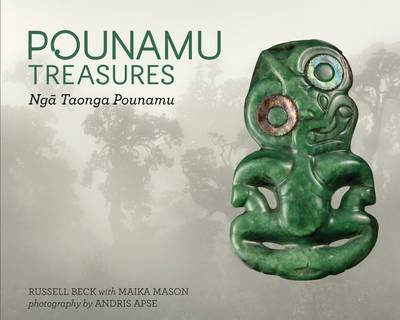
Pounamu Treasures: Ngā Taonga Pounamu

Book
Beck, R.J. and Mason, M. (2012) Pounamu Treasures: Ngā Taonga Pounamu. Rosedale, New Zealand, Penguin Group New Zealand, Limited, 128 pp.
Record No. 5880  |  Sinkankas/Born No.: NIS/NIB  |  not seen
A collection of object photographs that honours the stone in its many forms. Detailed descriptions of both historical and contemporary objects, including information on varieties and source, Maori names, size and age, usage and history.

Exploring the Literature of Jade

Jade literature spans gemology, mineralogy, archaeology, art history, mining, carving and connoisseurship, and includes works on both jadeite and nephrite from around the world.

For an introduction to collecting books on this subject, read Hidden Treasure — Collecting the Literature of Jade.

About Four Treasures

Four Treasures is Lotus Gemology's freely accessible gemological reference database. Use the full database to search by author, title or keyword and explore literature on gemology, mineralogy, jewelry and related fields. Where available, hyperlinks on titles may lead directly to the full publication.

Search the Complete Four Treasures Database