Jade Bibliography

Jade Bibliography

Explore books, articles and historical sources on jade in Four Treasures, the Lotus Gemology reference database. This bibliography brings together matching records from the collection, with publication details, abstracts and cover images where available.

Jade References

The list below matches the terms jade, jadeite, nephrite or Fei Cui in the database's searchable fields. Some references discuss these materials as part of a broader subject.
3,421–3,440 of 3,783 matching references

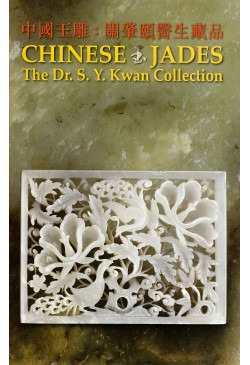
Chinese Jades: The Dr. S.Y. Kwan Collection
中國玉雕 關肇頤醫生藏品
Book
Art Museum CUHK (2012) Chinese Jades: The Dr. S.Y. Kwan Collection. [中國玉雕 關肇頤醫生藏品] Hong Kong, Art Museum, Chinese University of Hong Kong, 244 pp.
Record No. 3944  |  ISBN/ISSN: 9789630000000  |  Sinkankas/Born No.: NIS/NIB  |  Language: in English and Chinese  |  not seen
Published by the Art Museum of The Chinese University of Hong Kong for an exhibition organized in honour of Dr. Siu Yee Kwan’s one-hundredth birthday, this catalogue features 388 items of Chinese jades from one of the representative Chinese art collectors in Hong Kong. This bilingual catalogue with illustrations and essays written by Chan Lai Pik shows the many facets of the Dr. S.Y. Kwan Chinese jade collection by six themes, namely Ceremonial Jades", "Naturalistic Animals", "Secular Ornaments", "Scholarly Objects", "Auspicious Rebuses" and "Archaism". The history of art collecting in Hong Kong since the 1950s is also reflected in Dr. S.Y. Kwan’s collecting path."

Ancient Yu, Modern Masterpieces: A Dialogue Between the Yu Art of Soofeen Hu and Yu from the Imperial Collection

翠与玉(现代与古代的对话)(精)
Book
Shenyang Palace Museum and the Museum of Jade Art (2012) Ancient Yu, Modern Masterpieces: A Dialogue Between the Yu Art of Soofeen Hu and Yu from the Imperial Collection. [翠与玉(现代与古代的对话)(精)] Beijing, Forbidden City Publishing House, 149 pp.
Record No. 3849  |  ISBN/ISSN: 9787510000000  |  Sinkankas/Born No.: NIS/NIB  |  Language: in Chinese  |  not seen
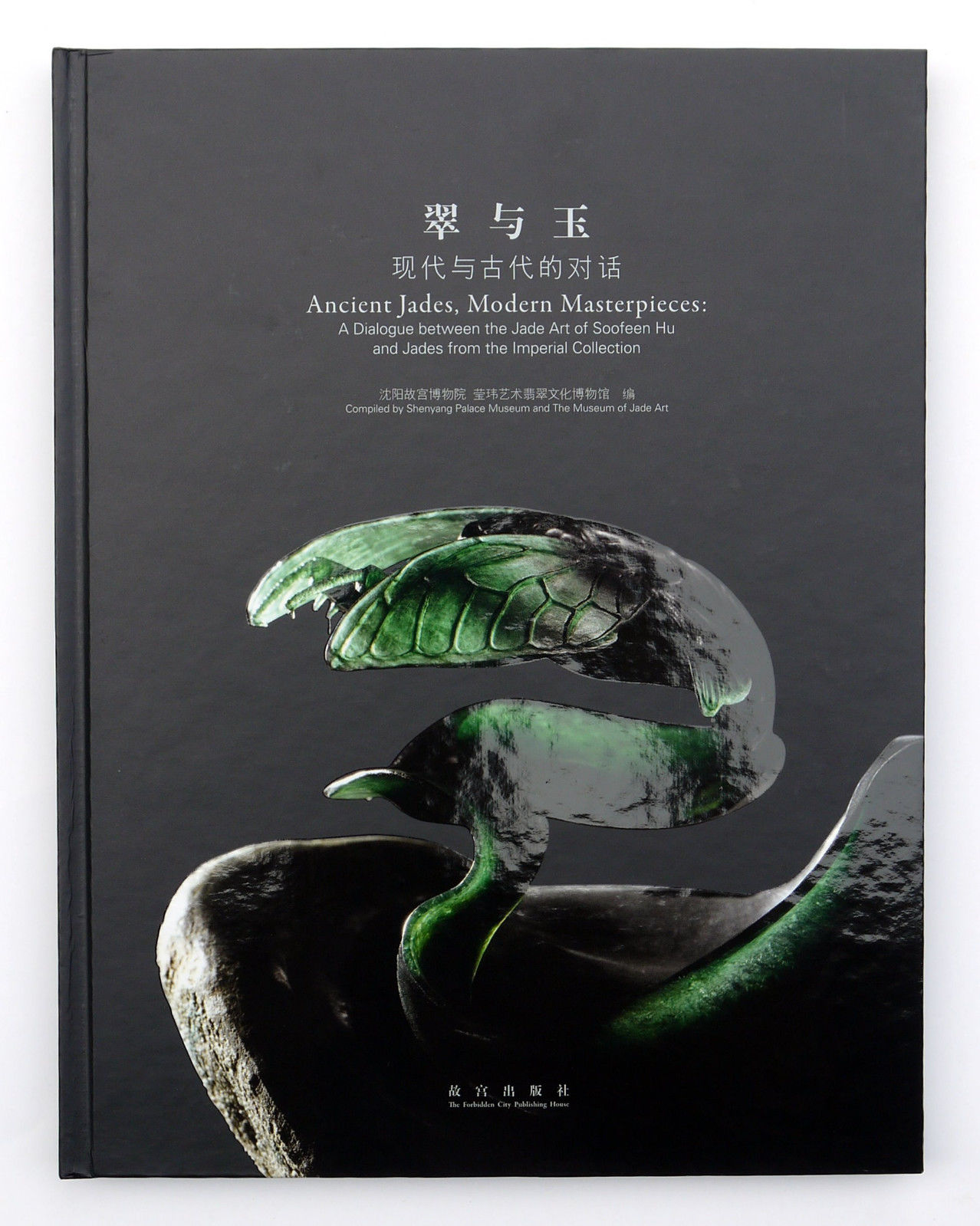
The Dialogue between Modernity and Ancient Times of Yu and Yu" contains nearly 85 collections provided by the Shenyang Imperial Palace Museum and the Yingjing Art Jade Culture Museum. Among them, Shenyang Imperial Palace provided nearly 50 palace jades of the Qing Dynasty, and Mr. Hu Yurong, the director of the Ying Xuan Art Yu Culture Museum, provided 35 contemporary fei cui artworks that he carefully designed and created. The collections provided by the two places constitute the "ancient and modern dialogue" in the substantive sense. It is not only a dialogue of art, a dialogue of culture, but also a dialogue of spiritual communication between ancient people and modern people."
Chalchiuitl on Paper: Reading the Illustrations of Jade in Book XI of “The Florentine Codex”

Chalchiuitl on Paper: Reading the Illustrations of Jade in Book XI of “The Florentine Codex”

Thesis
Bernick, A.M. (2011) Chalchiuitl on Paper: Reading the Illustrations of Jade in Book XI of “The Florentine Codex”., Dallas: Southern Methodist University
Record No. 28294  |  Sinkankas/Born No.: NIS/NIB  |  not seen
This thesis examines the illustrations of jade in Book XI of the twelve volume, sixteenth century Colonial Mexican manuscript, The Florentine Codex, or the Historia General de las Cosas de Nueva España. The book, a project led by Franciscan monk, Bernardino de Sahagún, records the Nahua world. These pictures of jade do not appear similar to most of the images contained within Book XI, as these are uncolored and use a different model to depict jade. By examining the individual elements of these pictures and the models used for this book and its illustrations, the jade images present a unique insight into the role of jade and stone in sixteenth-century Mexico. Sahagún was commissioned by the Franciscan Order to create a manuscript that could be used as a dictionary to aid the friars in communication and religious conversion with the native population of Central Mexico. He used native assistants trained at the mendicant school in Tlatelolco, where he had taught. By the end of the project, Sahagún was facing pressure from Spanish church and royal officials to end his research on the Nahua culture due to its recording of a pagan religion. The project was hurried and some illustrations had to be rushed. These jade illustrations show the effects of the rush. The artists had to create images that depicted the stone’s appearance without paint. They achieved this task by relying on the pre-Hispanic pictorial tradition. By depicting each jade stone’s appearance in symbolic forms, the illustrators represented both the stone’s physical appearance and metaphorical associations. The three jades—quetzalitztli, quetzalchalchiuitl, and chalchiuitl—distinguish how Nahua society valued differing characteristics of these stones. Importantly, the color of these stones created value and symbolic significance. The illustrations of jade provide a window into the sixteenth-century Aztec epistemology of color. The artists also used previous models from earlier and contemporary natural histories. By combining European and pre-Hispanic pictorial traditions, the illustrators create unique works that aligns best with Sahagún’s goal to produce a book for friars to understand the vocabulary of the native population. These illustrations of jade should be considered as a third text to the Spanish and transliterated Nahuatl, as they best reveal jade’s place within Nahua culture and how metaphors were created and used in Nahua rhetoric.
Nomenclature and classification of fei cui (pyroxene jade)

Nomenclature and classification of fei cui (pyroxene jade)

Conference Paper
Ouyang, C.M., Yen, H.K., Ng, M.F.Y. and Chan, S.Y. (2011) Nomenclature and classification of fei cui (pyroxene jade). Proceedings of International Symposium on Jade, 1–2 September, Beijing: Peking University, pp. 23–34.
Record No. 7829  |  Sinkankas/Born No.: NIS/NIB  |  not seen
Gemmological and mineralogical studies of omphacite
Gemmological and mineralogical studies of omphacite

Journal Article
Liu, S., Peng, M.S. and Chan, W.C. (2011) Gemmological and mineralogical studies of omphacite. Proceedings of the Annual Conference of the Chinese Society for Mineralogy, Petrology and Geochemistry, Guangzhou, pp. 28–29.
Record No. 7828  |  Sinkankas/Born No.: NIS/NIB  |  Language: in Chinese  |  not seen
A brief conference contribution on the gemmological and mineralogical characterisation of omphacite jade. Its subject is relevant to identifying omphacite-bearing gem materials and distinguishing mineral composition from commercial jade terminology.

Ancient jade workshops: Archaeological reconnaissance in the upper Rio El Tambor, Guatemala
Book Section
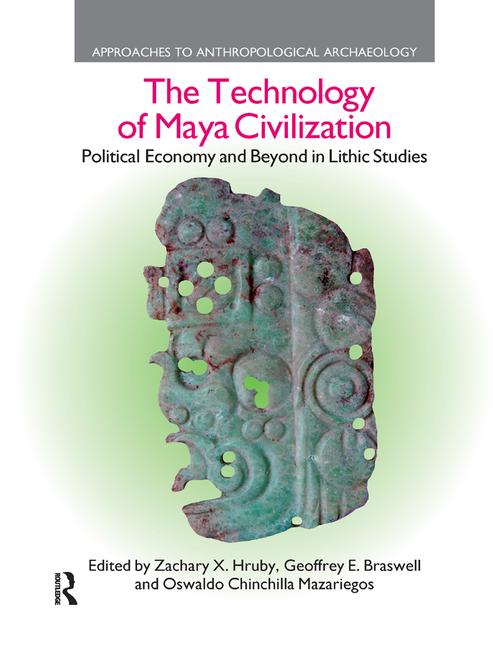
Taube, K.A., Hruby, Z.X. and Romero, L.A. (2011) Ancient jade workshops: Archaeological reconnaissance in the upper Rio El Tambor, Guatemala. In: The Technology of Maya Civilization: Political Economy Amd Beyond in Lithic Studies, London: Routledge, pp. 141–148.
Record No. 6178  |  Sinkankas/Born No.: NIS/NIB  |  not seen
The ancient Maya shaped their world with stone tools. Lithic artifacts helped create the cityscape and were central to warfare and hunting, craft activities, cooking, and ritual performance. 'The Technology of Maya Civilization' examines Maya lithic artefacts made of chert, obsidian, silicified limestone, and jade to explore the relationship between ancient civilizations and natural resources. The volume presents case studies of archaeological sites in Guatemala, Mexico, Belize, and Honduras. The analysis draws on innovative anthropological theory to argue that stone artefacts were not merely cultural products but tools that reproduced, modified, and created the fabric of society.

Ninth Annual Sinkankas Symposium • Diamond, Vol. 2
Conference Proceedings
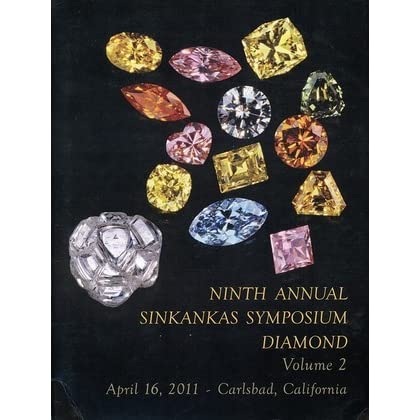
Various Authors (2011) Ninth Annual Sinkankas Symposium • Diamond, Vol. 2. John Sinkankas Symposium, 16 April 2011, Carlsbad, CA: Merk’s Jade, 37 pp..
Record No. 4309  |  Sinkankas/Born No.: NIS/NIB  |  not seen

Ninth Annual Sinkankas Symposium • Diamond, Vol. 1
Conference Proceedings
Various Authors (2011) Ninth Annual Sinkankas Symposium • Diamond, Vol. 1. John Sinkankas Symposium, 16 April 2011, Carlsbad, CA: Merk’s Jade, 71 pp..
Record No. 4302  |  Sinkankas/Born No.: NIS/NIB  |  not seen

Chinese Jade

Book
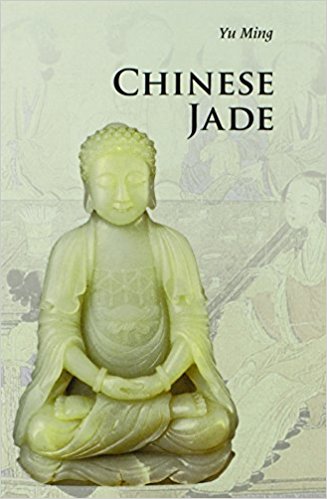
Yu, M. (2011) Chinese Jade. Cambridge, Cambridge University Press, 152 pp.
Record No. 3850  |  ISBN/ISSN: 9780520000000  |  Sinkankas/Born No.: NIS/NIB  |  not seen
The Chinese people have honoured, revered and cherished jade for over 8,000 years. Consequently, jade has played a unique role in the development of Chinese culture. Jade carvings survive not simply as beautiful works of art, but also as cultural relics shedding light on the spiritual life of ancient China. Utilising a wealth of archaeological evidence and illustrated with precious artifacts, Chinese Jade provides an introduction to the fascinating world of Chinese jade from ancient to modern times. Yu Ming completed his postgraduate study at Beijing Normal University. He is deputy director of the Beijing Jade Culture Research Center and director of the Jade Collection Committee of the China Collectors' Association. Yu has spent many years dedicated to the research of jade ware and the dissemination of jade culture. Yu has published numerous books on Chinese jade, has participated in the development of a seven-part documentary on jade and has won awards for his work on cultural relics.

Human skulls with mosaic designs

Book Section
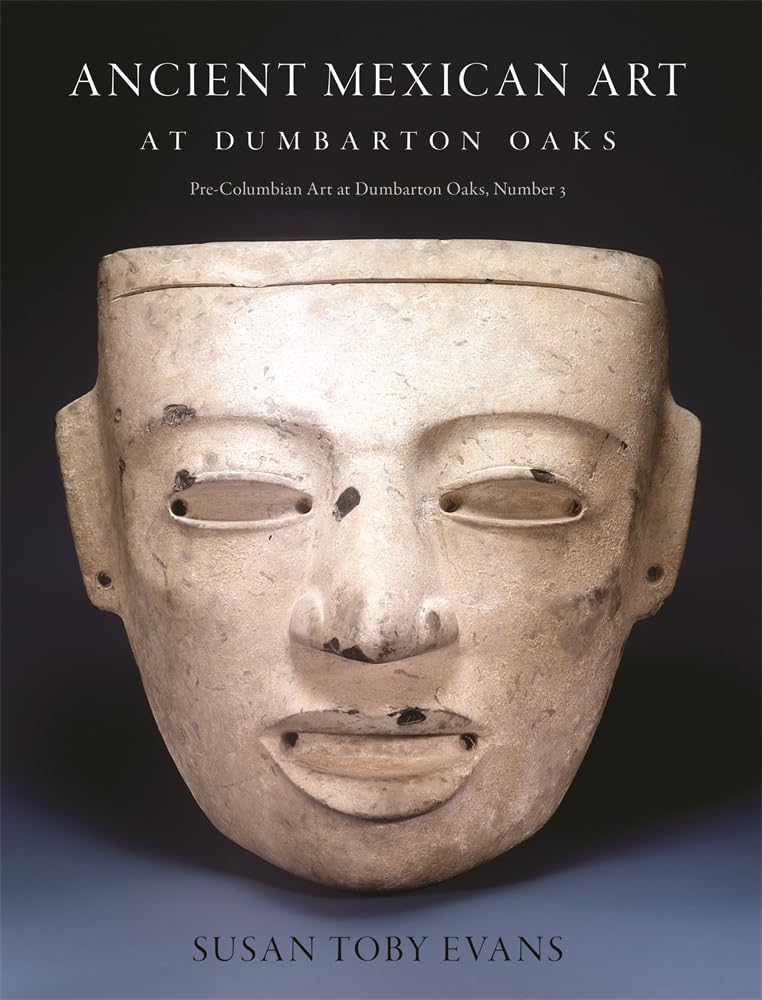
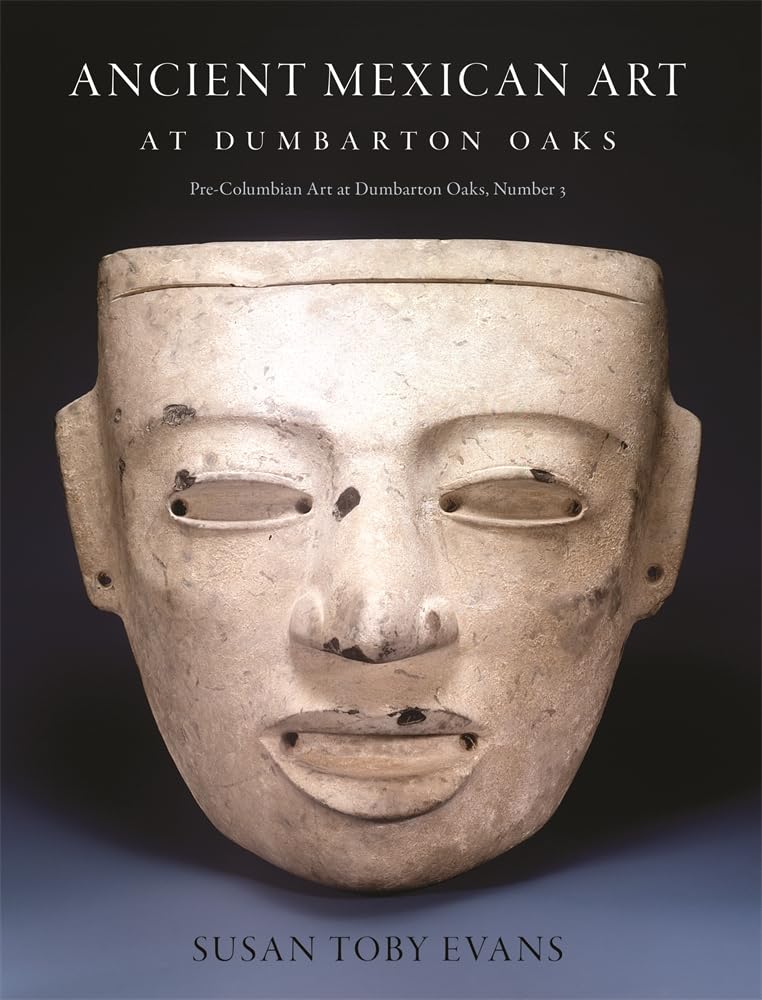
Urcid, J. (2010) Human skulls with mosaic designs. In: Ancient Mexican Art at Dumbarton Oaks, Pre-Columbian Art at Dumbarton Oaks, Washington, DC: Dumbarton Oaks Research Library and Collection, pp. 185–190.
Record No. 28671  |  Sinkankas/Born No.: NIS/NIB  |  not seen
This volume, the third in a series of catalogues of Pre-Columbian art at Dumbarton Oaks, presents the outstanding collection of Aztec, Mixtec, Zapotec, Teotihuacan, and Classic Veracruz sculpture, jewelry, and painting. Four leading scholars present essays on the ancient art and archaeology of Mexico’s Central Highlands, Southwestern Highlands, and Gulf Lowlands as well as extensive catalogue entries of over one hundred objects of jade, shell, fine ceramics, wood, and other materials. The catalogue is richly illustrated with color plates, comparative illustrations, and diagrams presented as black-and-white figures. This catalogue will be an important and enduring reference for scholars and students, as well as an attractive volume for admirers of Pre-Columbian art.

Ancient Mexican Art at Dumbarton Oaks
Edited Book
Evans, S.T., editor (2010) Ancient Mexican Art at Dumbarton Oaks.. Washington, DC, Dumbarton Oaks Research Library and Collection, 304 pp..
Record No. 28670  |  Sinkankas/Born No.: NIS/NIB  |  not seen
This volume, the third in a series of catalogues of Pre-Columbian art at Dumbarton Oaks, presents the outstanding collection of Aztec, Mixtec, Zapotec, Teotihuacan, and Classic Veracruz sculpture, jewelry, and painting. Four leading scholars present essays on the ancient art and archaeology of Mexico’s Central Highlands, Southwestern Highlands, and Gulf Lowlands as well as extensive catalogue entries of over one hundred objects of jade, shell, fine ceramics, wood, and other materials. The catalogue is richly illustrated with color plates, comparative illustrations, and diagrams presented as black-and-white figures. This catalogue will be an important and enduring reference for scholars and students, as well as an attractive volume for admirers of Pre-Columbian art.

Assessing the Ming role in China’s southern expansion
Book Section
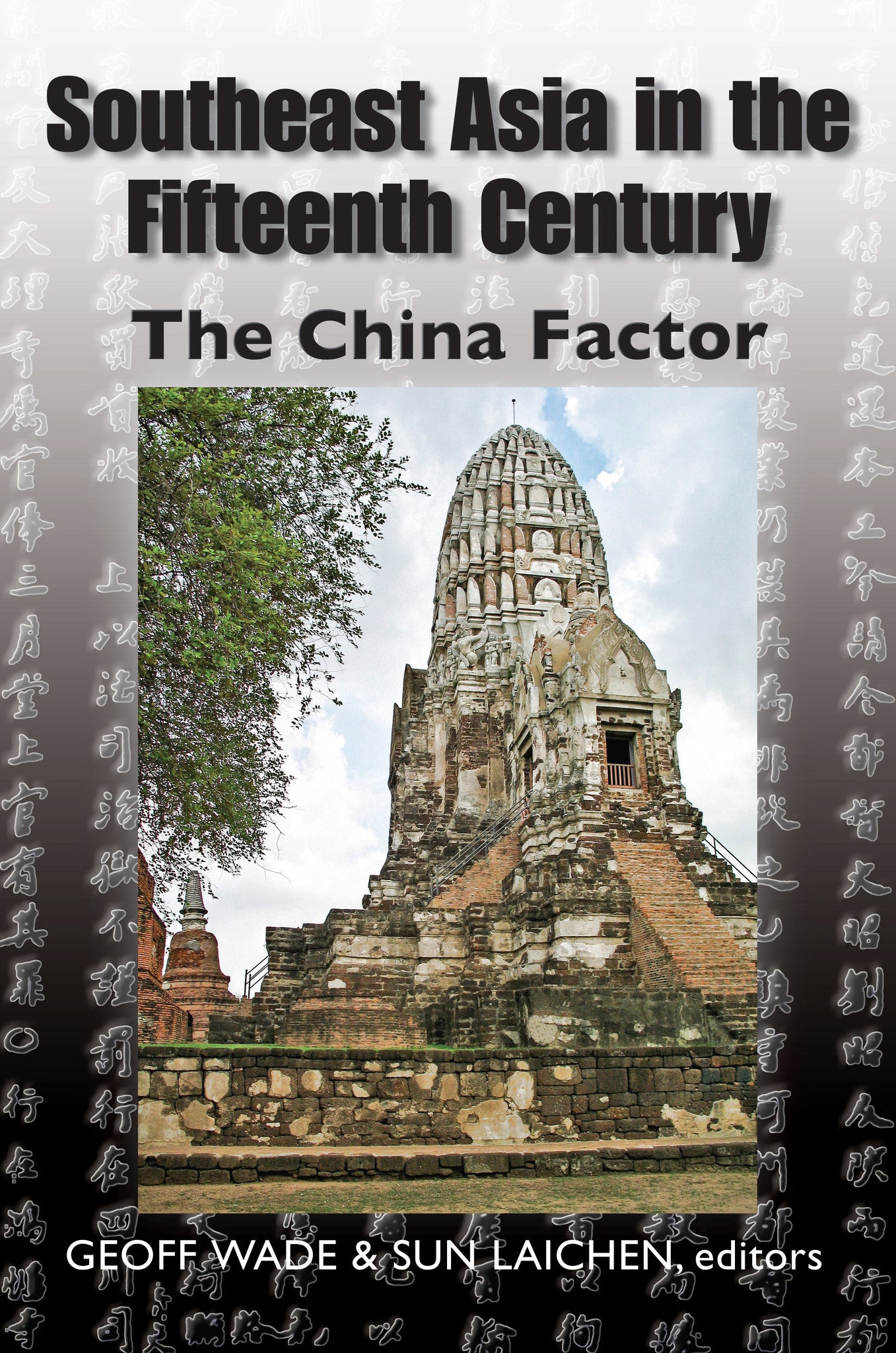
Sun, L. (2010) Assessing the Ming role in China’s southern expansion. In: Southeast Asia in the Fifteenth Century: The China Factor, Singapore: National University of Singapore Press, pp. 44–79.
Record No. 16800  |  ISBN/ISSN: 9789970000000  |  Sinkankas/Born No.: NIS/NIB  |  not seen
The fifteenth century is an enigma in Southeast Asian history - too late for classical inscriptions, and generally too early for indigenous texts or European observations. The arrival of European ships, ideas and economies in the early sixteenth century has long been seen as the origin of the early modern era in Southeast Asia, but the present collection challenges this view, suggesting that intense and lasting political and economic changes were already well underway by 1500. The argument rests on developments such as the introduction of firearms, more intensive rice agriculture, Thai and Viet ceramic exports, Korean and Ryukyu contacts with Southeast Asia, the demise of Champa, the climax of Viet and northern Tai statecraft, the birth of the Melayu-Muslim kingship in Melaka and the creation of a new Muslim Javanese civilization on Java's north coast. Coincident with these changes, Ming China's engagement with Southeast Asia grew as a result of overland expansion into the Tai and Viet polities, state-sponsored maritime voyages, and private Chinese trade and migration to the region. Southeast Asia in the Fifteenth Century: The China Factor draws together the great changes that occurred in Southeast Asia during the fifteenth century, and considers the extent to which Ming China's engagement with the region helped usher in the early modern period of Southeast Asian history.

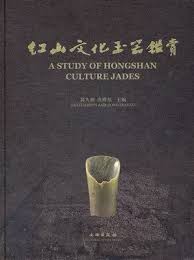
A Study of Hongshan Culture Jades

红山文化玉器鉴赏
Book
Guo, D. and Hong, D. (2010) A Study of Hongshan Culture Jades. [红山文化玉器鉴赏] Beijing, Cultural Relics Press [文物出版社], 227 pp.
Record No. 7607  |  ISBN/ISSN: 9787500000000  |  Sinkankas/Born No.: NIS/NIB  |  Language: in Chinese and English  |  not seen
An illustrated study of nearly 200 Hongshan jade artefacts, excavated mainly in Liaoning and Inner Mongolia and held in museums and cultural institutions. Colour plates and accompanying discussions document the objects, while captions identify excavation sites and present collections. Provides a reference for comparing Hongshan jade forms and their archaeological provenance.

Sensuous Surfaces | The Decorative Object in Early Modern China
Book
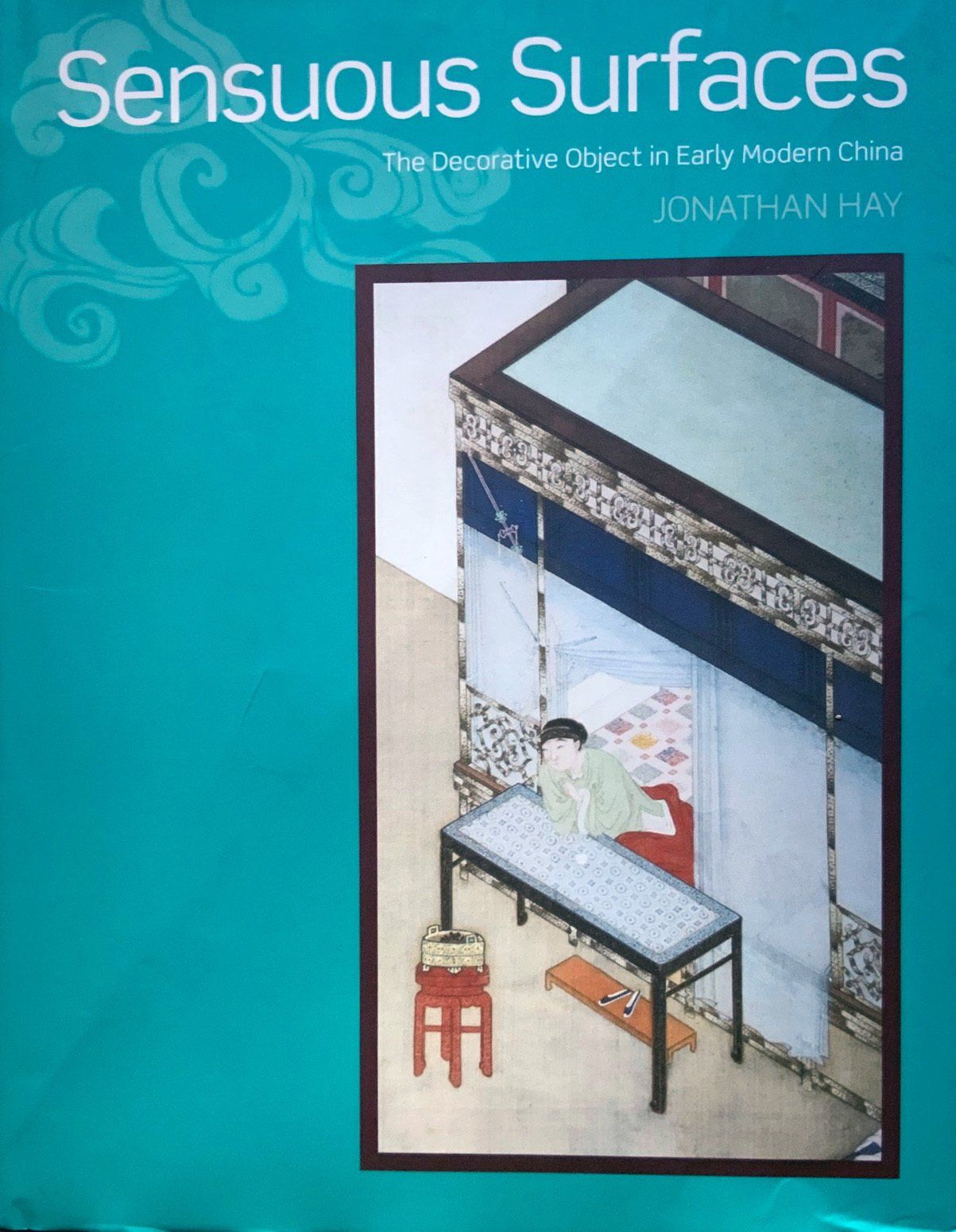
Hay, J. (2010) Sensuous Surfaces | The Decorative Object in Early Modern China. Honolulu, University of Hawai’i Press, 440 pp.
Record No. 7574  |  ISBN/ISSN: 9780820000000  |  Sinkankas/Born No.: NIS/NIB  |  not seen
VSANA: Sensuous Surfaces is a fresh new look at the decorative arts in early modern China by noted art historian Jonathan Hay. Hay starts this literary journey by considering the features of decoration as one of the most pervasive presences of art in the lives of people. He examined the transition period between the Ming and Qing dynasties as his boundaries. This was a time of prosperity in China when the arts flourished and the wealthy were seeking luxury items for their homes. Viewing stones were one of the numerous items including furniture, ceramics, wood and stone carvings, and paintings identified as decorative objects. Hay makes a compelling case for the pleasure that people derived from these items or, more precisely, the surfacescapes of these pieces. He humorously notes that “Art history as an academic discipline discourages the discussion of pleasure.” Hay presents his arguments for taking pleasure directly or metaphorically in sensuous surfaces in three major divisions: The Decorative Features, The Surfacescape’s Resources, and From Surfacescapes to Objectscapes. He maintains that luxury items were an important part of the culture of China. They function to connect us visually and physically to the world around us. Hay maintains that pleasure derived from decorative items plays an important role in aesthetic practices. This is not a book on viewing stones. Instead, these stones are part of a larger body of decorative items used in the late Ming and early Qing dynasties in China.

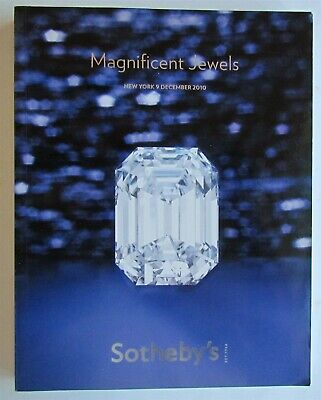
Magnificent Jewels

Catalog
Sotheby's (2010) Magnificent Jewels. New York: Sotheby’s, 9 December
Record No. 4548  |  Sinkankas/Born No.: NIS/NIB  |  not seen
This sale contained Lot 435, a necklace gifted to one of the daughters of Java sugar magnate, Oei Tiong Ham. The single-strand composed of 30 jadeite beads of uniform size, measuring approximately 13.44 to 13.32 mm., the translucent stones of brilliant emerald green color, some suffused with areas of paler hue, the silver clasp of later date centering a round star sapphire flanked by 2 translucent pear-shaped emerald cabochons, length 19¾ inches.

Collected Papers on the Archaeology of the Western Regions
西域考古文存/欧亚历史文化文库
Book
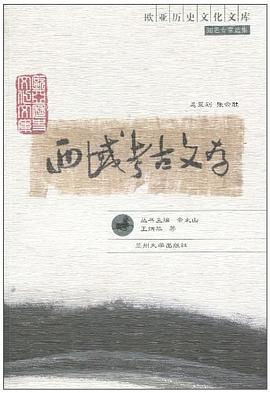
Wang, B. (2010) Collected Papers on the Archaeology of the Western Regions. [西域考古文存/欧亚历史文化文库] Lanzhou, Lanzhou University Press, 532 pp.
Record No. 4457  |  ISBN/ISSN: 9787310000000  |  Sinkankas/Born No.: NIS/NIB  |  Language: in Chinese  |  not seen
A collection of Wang Binghua’s archaeological reports and studies on Xinjiang and the Western Regions, drawing on nearly half a century of fieldwork. It addresses ancient sites, cemeteries, historical geography, and material culture, providing evidence for settlement, communications, and cultural contacts along the Silk Roads. Relevant to the archaeology of northwestern China and its connections with Inner Eurasia.

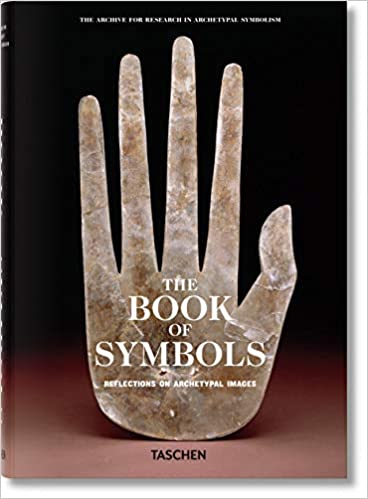
The Book of Symbols. Reflections on Archetypal Images
Edited Book
Ronnberg, A., editor (2010) The Book of Symbols. Reflections on Archetypal Images.. Cologne, Germany, Taschen, 807 pp..
Record No. 4364  |  ISBN/ISSN: 9783840000000  |  Sinkankas/Born No.: NIS/NIB  |  not seen
The Book of Symbols combines original and incisive essays about particular symbols with representative images from all parts of the world and all eras of history. The highly readable texts and over 800 beautiful full-color images come together in a unique way to convey hidden dimensions of meaning. Each of the ca. 350 essays examines a given symbol's psychic background, and how it evokes psychic processes and dynamics. Etymological roots, the play of opposites, paradox and shadow, the ways in which diverse cultures have engaged a symbolic image-all these factors are taken into consideration. Authored by writers from the fields of psychology, religion, art, literature, and comparative myth, the essays flow into each other in ways that mirror the psyche's unexpected convergences. There are no pat definitions of the kind that tend to collapse a symbol; a still vital symbol remains partially unknown, compels our attention and unfolds in new meanings and manifestations over time. Rather than merely categorize, The Book of Symbols illuminates how to move from the visual experience of a symbolic image in art, religion, life, or dreams to directly experiencing its personal and psychological resonance.The Book of Symbols sets new standards for thoughtful exploration of symbols and their meanings, and will appeal to a wide range of readers: artists, designers, dreamers and dream interpreters, psychotherapists, self-helpers, gamers, comic book readers, religious and spiritual searchers, writers, students, and anyone curious about the power of archetypal images.

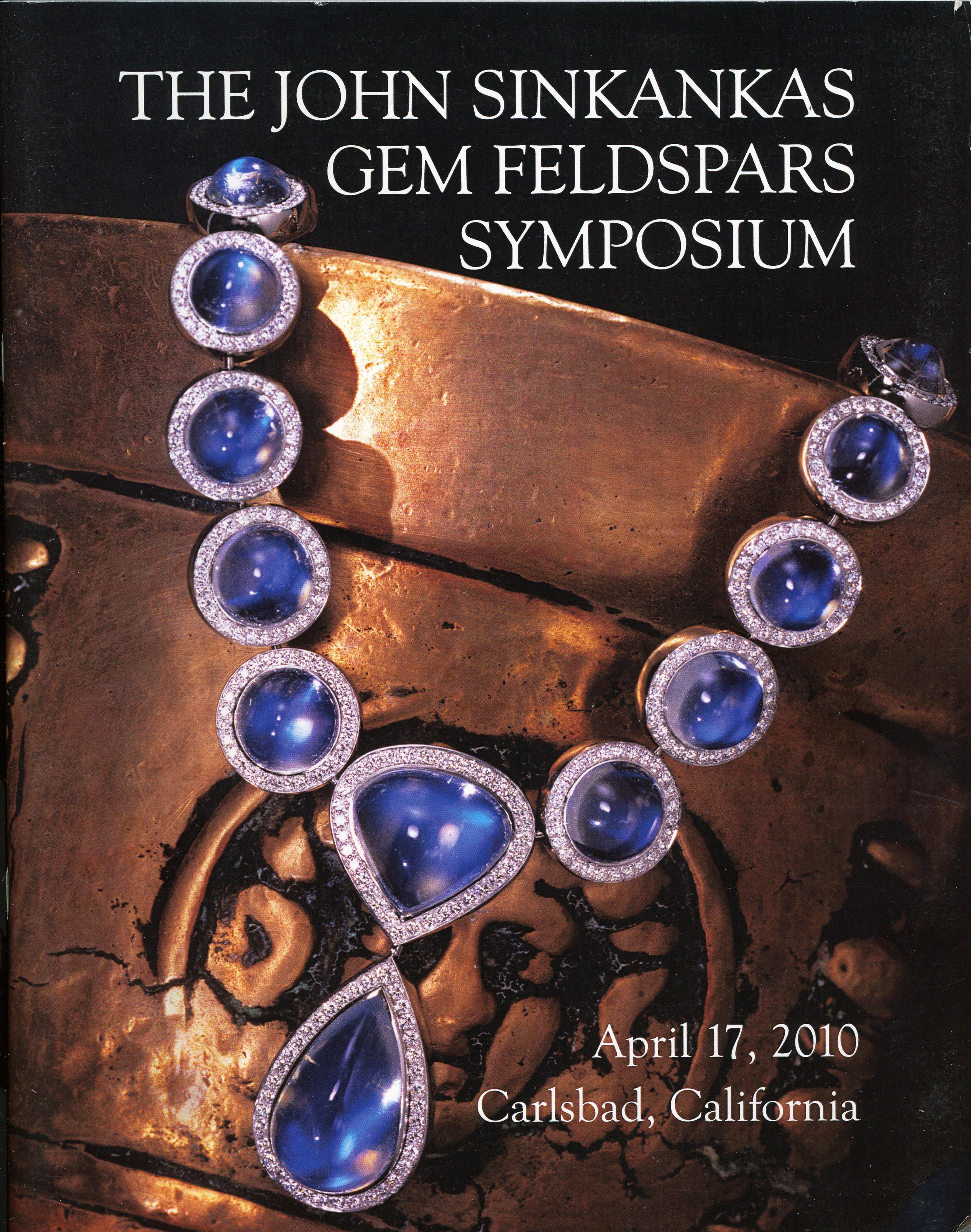
Eighth Annual John Sinkankas Symposium • Gem Feldspars
Conference Proceedings
Various Authors (2010) Eighth Annual John Sinkankas Symposium • Gem Feldspars. John Sinkankas Symposium, 17 April 2010, Carlsbad, CA: Merk’s Jade,
Record No. 4303  |  Sinkankas/Born No.: NIS/NIB  |  not seen
Named for one of the most distinguished and influential figures in gemology and mineralogy, The Sinkankas Symposium is an annual one-day event featuring presentations by noted specialists working in diverse gem-related disciplines or occupations. The theme of the Eighth Annual Sinkankas Symposium was Gem Feldspars. The Sinkankas Symposium has been described as the most important gemological conference in North America by respected authorities on gemstones. Organized by Roger Merk, the annual event is co-sponsored by the San Diego Mineral & Gem Society and GIA (Gemological Institute of America), which has provided the Sinkankas Symposium venue for the past eight years. Bill Larson has been a generous supporter and lively speaker at the event since its inception. The 2010 Sinkankas Symposium on Gem Feldspars was held on April 17, 2010, at the Gemological Institute of America (GIA), Carlsbad, California. Ten speakers presented eleven lectures to an audience of 150 attendees. Highlights from the program included recent gemological and analytical research on Chinese andesine presented by Shane McClure, Director of the West Coast Identification Services at GIA laboratory in Carlsbad, CA, and Dr. George Rossman, Professor of Mineralogy in the Division of Geology and Planetary Sciences at the California Institute of Technology, Pasadena, CA.

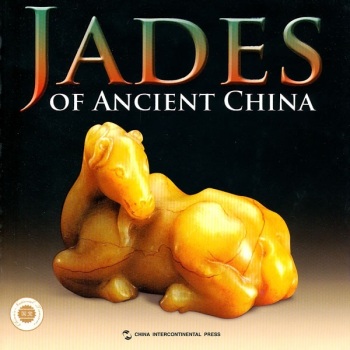
Jades of Ancient China

Book
Qu, S. (2010) Jades of Ancient China. no place, China Intercontinental Press, 145 pp.
Record No. 3965  |  ISBN/ISSN: 9787510000000  |  Sinkankas/Born No.: NIS/NIB  |  not seen
Among the numerous forms of the wonderful cultural heritage in the Chinese history, jade carving is definitely a unique art style. It is not only the cultural evidence to the historical development of human beings, but also the elegant and valuable artwork. This book is to introduce jade monographs.

Chinese Art Works: Jade

Edited Book
Weinuo, J., editor (2010) Chinese Art Works: Jade., Huangshan Publishing House, 3 Vols., 852 pp..
Record No. 3684  |  ISBN/ISSN: 9787550000000  |  Sinkankas/Born No.: NIS/NIB  |  Language: in Chinese  |  not seen
Jin Weinuo editor of the Complete Works of Chinese Art" is a collection of five thousand years of Chinese art treasures of the large atlas, fully demonstrates the Chinese during the various categories of art of the developments and achievements. Grand scale of the book, carefully edited, content-rich, represents the highest level of China's art publishing, art history of China's macro unprecedented publishing articles giant book cover, it is a most authoritative and most comprehensive classic Chinese art comprehensive ceremony, called the "Encyclopedia of Chinese art.". This book is the "Complete Works of Chinese Art" and "Jade" volumes, selected works created for the Chinese people range, reflecting the works of Chinese culture, jade, jade to make the reader the origin, development, peak and decline of the process has a more comprehensive, macro-about."

Exploring the Literature of Jade

Jade literature spans gemology, mineralogy, archaeology, art history, mining, carving and connoisseurship, and includes works on both jadeite and nephrite from around the world.

For an introduction to collecting books on this subject, read Hidden Treasure — Collecting the Literature of Jade.

About Four Treasures

Four Treasures is Lotus Gemology's freely accessible gemological reference database. Use the full database to search by author, title or keyword and explore literature on gemology, mineralogy, jewelry and related fields. Where available, hyperlinks on titles may lead directly to the full publication.

Search the Complete Four Treasures Database