Jade Bibliography

Jade Bibliography

Explore books, articles and historical sources on jade in Four Treasures, the Lotus Gemology reference database. This bibliography brings together matching records from the collection, with publication details, abstracts and cover images where available.

Jade References

The list below matches the terms jade, jadeite, nephrite or Fei Cui in the database's searchable fields. Some references discuss these materials as part of a broader subject.
3,441–3,460 of 3,783 matching references

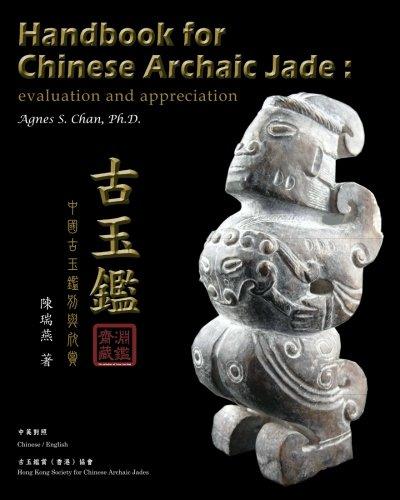
Handbook for Chinese Archaic Jade: Evaluation and Appreciation
Book
Chan, A.S. (2010) Handbook for Chinese Archaic Jade: Evaluation and Appreciation. North Charleston, SC, CreateSpace Independent Publishing Platform, 188 pp.
Record No. 3634  |  ISBN/ISSN: 9781450000000  |  Sinkankas/Born No.: NIS/NIB  |  Language: in English & Chinese  |  not seen
A bilingual guide presenting six principles for evaluating archaic Chinese jade. Draws on the author’s collecting experience to combine practical assessment with appreciation of natural features, craftsmanship, and cultural significance, covering objects from the Neolithic period through the Han dynasty.

Scientific Investigation of Copies, Fakes and Forgeries
Edited Book
Craddock, P., editor (2009) Scientific Investigation of Copies, Fakes and Forgeries.. Oxford, UK, Butterworth-Heinemann, 640 pp..
Record No. 4525  |  Sinkankas/Born No.: NIS/NIB  |  not seen
The faking and forgery of works of art and antiquities is probably now more extensive than ever before. The frauds are aided by new technologies, from ink jet printers to epoxy resins, and driven by the astronomic prices realised on the global market. This book aims to provide a comprehensive survey of the subject over a wide range of materials, emphasising how the fakes and forgeries are produced and how they may be detected by technical and scientific examination. The subject is exemplified by numerous case studies, some turning out not to be as conclusive as is sometimes believed. The book is aimed at those likely to have a serious interest in these investigations, be they curator, collector, conservator or scientist. Paul Craddock has recently retired from the Department of Conservation, Documentation and Science at the British Museum, where he was a materials scientist.

Research of jade trading in Yunnan

玉出云南考
Book
Ma, B. (2009) Research of jade trading in Yunnan. [玉出云南考], Hong Kong Tianma Publishing Co., Ltd., 489 pp.
Record No. 3823  |  ISBN/ISSN: 9624503192  |  Sinkankas/Born No.: NIS/NIB  |  Language: in Chinese  |  not seen
This historical study examines Yunnan’s association with yu, particularly feicui, and its role in the trade and cultural exchange linking northern Myanmar with China. Its subject centres on the historical basis of the expression “yu comes from Yunnan,” bringing questions of provenance into relation with commercial routes and regional history. The book provides a reference for investigating Yunnan’s place in the development of feicui commerce and culture.

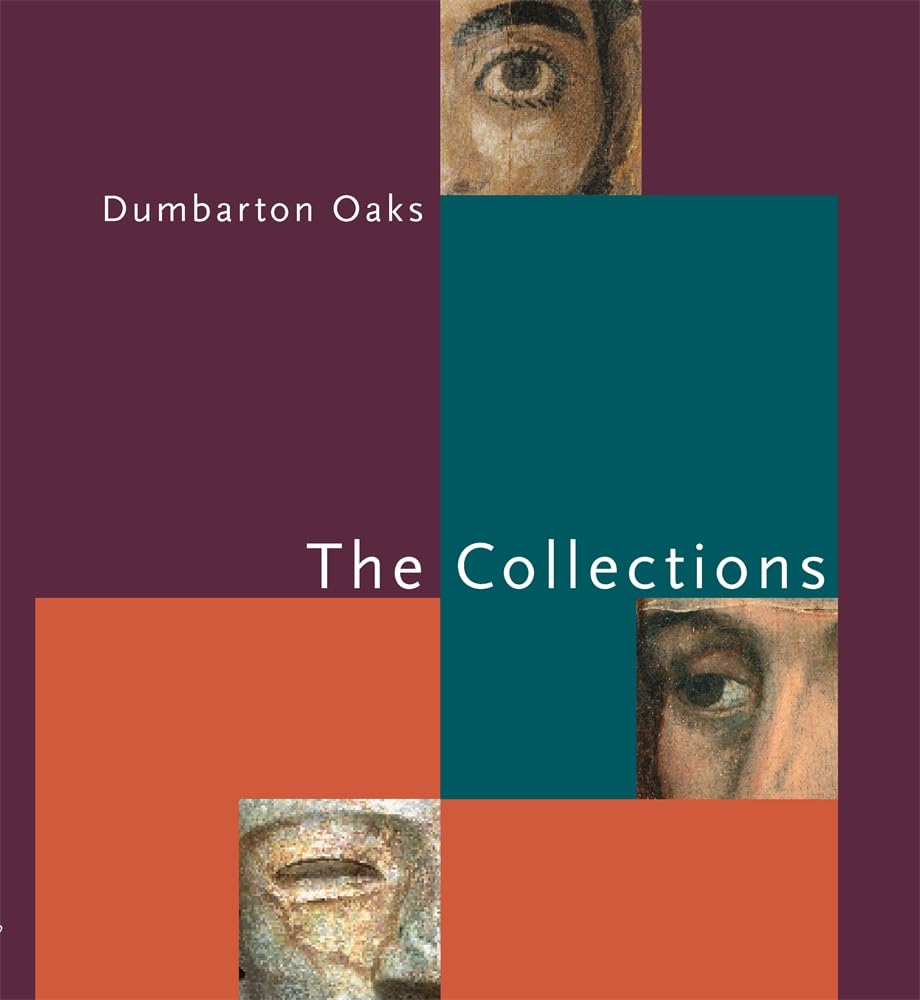
Dumbarton Oaks: The Collections

Edited Book
Bühl, G., editor (2008) Dumbarton Oaks: The Collections., Dumbarton Oaks Research Library and Collection, 384 pp..
Record No. 28571  |  ISBN/ISSN: 9780880000000  |  Sinkankas/Born No.: NIS/NIB  |  not seen
Dumbarton Oaks houses the extraordinary art collection begun by Mildred and Robert Woods Bliss. In this book the museum publishes the specialist collections in Byzantine and Pre-Columbian art, along with examples from the Blisses’ superb European collection, for the first time. When Robert Bliss recalled handling a jade Olmec figurine in 1913, he said, “That day, the collector’s microbe took root in―it must be confessed―very fertile soil.” The Blisses’ passion for art bore fruit in a remarkably diverse collection: Flemish tapestries, Renaissance furniture, and paintings by the likes of El Greco, Renoir, and Degas. The celebrated Byzantine collection includes floor mosaics from late antique Antioch, sumptuous jewelry, carved ivory reliefs, liturgical silver, and a comprehensive coin and seals collection. The Pre-Columbian collection showcases fine jade carvings, gold jewelry, monumental sculpture, ritual weaponry, colorful ceramics, and intricately woven textiles. The publication of this new guidebook coincides with the complete refurbishment of Dumbarton Oaks and the creative reinstallation of the galleries. The curators offer highlights of the collection, accompanied by a lucid and thought-provoking text. Dumbarton Oaks: The Collections is intended as a valuable resource and a pleasure to read for scholars and nonspecialists alike.

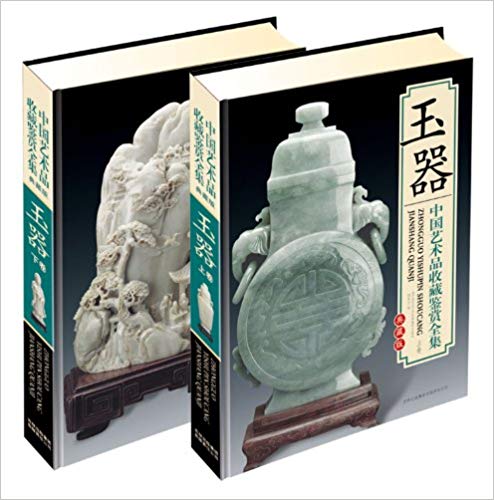
Appreciation of Chinese Art: Collection Complete—Jades
中国艺术品收藏鉴赏全集:典藏版:玉器
Edited Book
Hua, Y., editor (2008) Appreciation of Chinese Art: Collection Complete—Jades. [中国艺术品收藏鉴赏全集:典藏版:玉器]. Jilin Province, PRC, Jilin Publishing House, 2 Vols., 206 + (2) + (2) + 211–409 + (11) pp..
Record No. 6698  |  ISBN/ISSN: 9787810000000  |  Sinkankas/Born No.: NIS/NIB  |  Language: in Chinese  |  not seen
This illustrated reference surveys Chinese yu objects chronologically, from the Neolithic period through the Ming and Qing dynasties. It examines changes in form, material, colour, ornament, and carving technique, presenting these features as a basis for appreciation, identification, and collecting. Examples range from early ritual and ornamental objects to later figurative carvings and landscape compositions. The volume connects craftsmanship with cultural meaning and offers comparative material for recognising the characteristics of different periods.

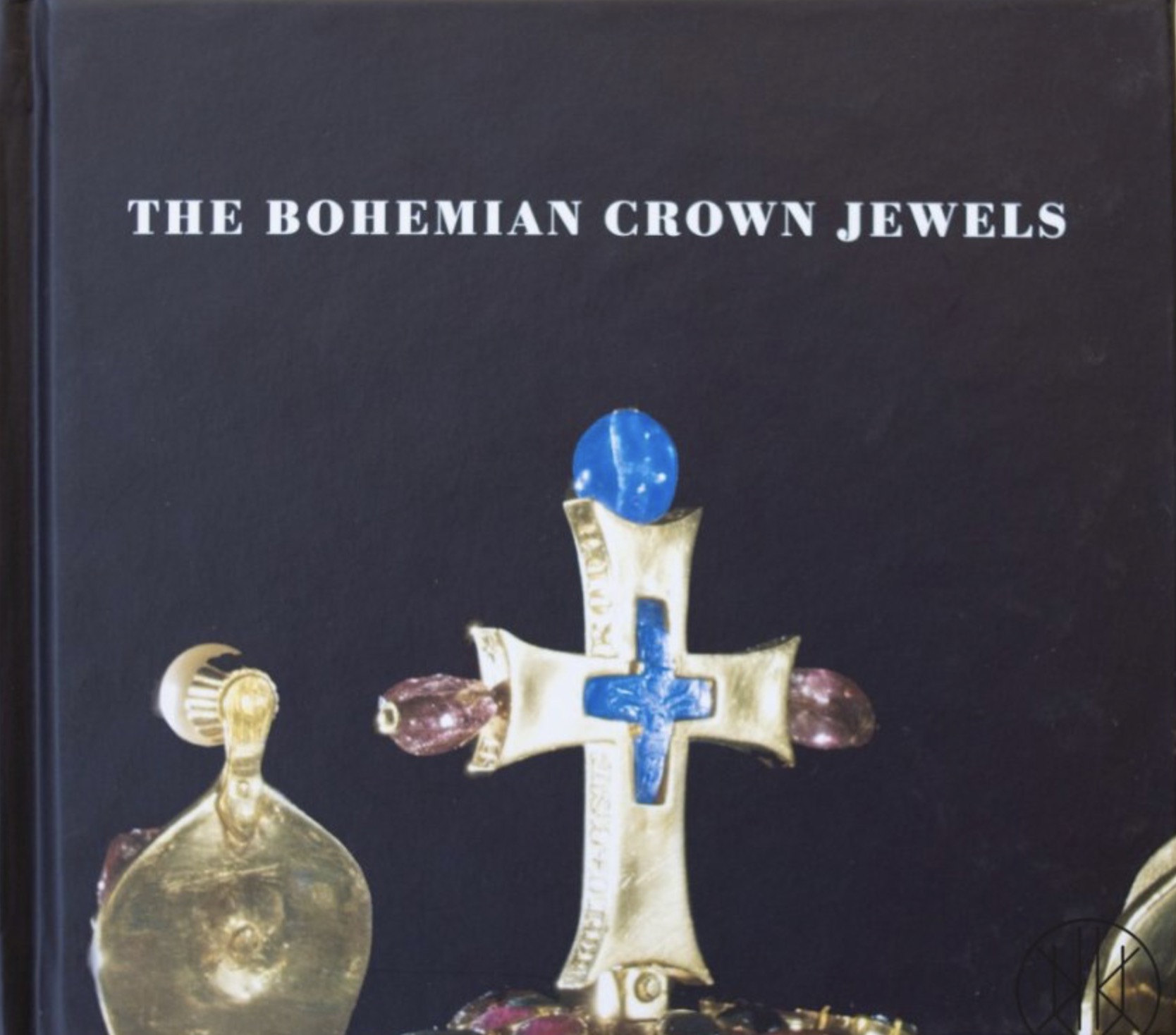
The Bohemian Crown Jewels

Book
Šumbera, A. (2008) The Bohemian Crown Jewels. Prague, self-published, 114 pp.
Record No. 4611  |  Sinkankas/Born No.: NIS/NIB  |  not seen
This pocket-sized work is a photo- graphic catalogue of the Crown Jewels of the Kingdom of Bohemia, which date from the reign of King Charles IV (1316–1378). The book is the product of gemological examinations conduct- ed in 1998 and 2003; a review of these examinations is also provided. Included is a CD-ROM with 600 additional photos.

Research on the Situation and Inheritance of the Chinese Miniature Sculpture Art
我国微雕艺术的现状与传承研究
Thesis
Bao, Y.Z. (2008) Research on the Situation and Inheritance of the Chinese Miniature Sculpture Art. [我国微雕艺术的现状与传承研究]., Beijing: Central University of Nationalities, 44 pp.
Record No. 4497  |  Sinkankas/Born No.: NIS/NIB  |  Language: in Chinese  |  not seen
Throughout the long history of the Chinese nation, our ancestors not only created abundant material wealth but also produced a rich legacy of spiritual and artistic achievements, including painting, sculpture, music, and dance. Among these, the art of carving most vividly embodies the ingenuity and craftsmanship of the Chinese people, showcasing both creative ingenuity and masterful skill in working with different materials. China’s traditional carving arts are vast and diverse, with micro-carving being one of the most intricate and delicate forms. This craft breaks away from conventional carving techniques, employing specialized tools and unique methods to create detailed works on materials such as ivory, jade, bamboo, and wood. Since micro-carving requires working on a minuscule scale, where details are often invisible to the naked eye, artisans rely solely on their sense of touch and experience to complete their creations. For this reason, micro-carving is also known as “divine engraving” and has historically been regarded as a nearly lost art, sometimes referred to as secret carving, rice-grain carving, or fine carving. As one of the most mysterious and treasured art forms in Chinese culture, micro-carving has been sparsely documented throughout history, and surviving examples are extremely rare. This article, based on limited historical records and the author’s years of practical experience, provides a comprehensive discussion on the origins and development of micro-carving, offering a deeper and renewed understanding of this enigmatic craft. The history of micro-carving in China can be traced back 5,000 to 6,000 years, with the earliest known examples found on prehistoric jade artifacts. Micro-carvings unearthed from the Xia, Shang, and Zhou dynasties indicate that ancient artisans had already begun mastering this technique. By the Tang dynasty, the flourishing society fostered a golden age for handicrafts, elevating various artistic techniques, including micro-carving, to unprecedented heights. Ivory engravings from this period…

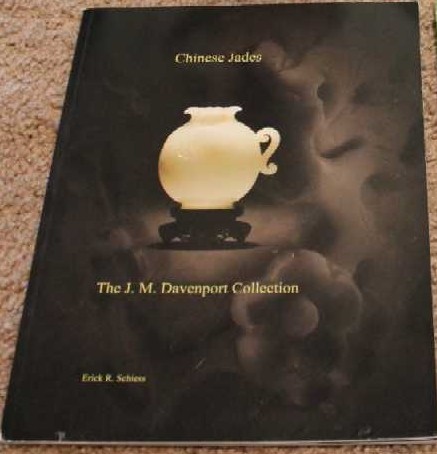
Chinese Jades: The J.M. Davenport Collection

Book
Schiess, E.R. (2008) Chinese Jades: The J.M. Davenport Collection. Portland, OR, Jadestone, unpaginated [25 pp.]
Record No. 3743  |  Sinkankas/Born No.: NIS/NIB  |  not seen
20 items illus in color. Stiff covers, color illus. 11 x 8-1/2. Showcasing the superb jades of John M. Davenport, who was lucky enough to have started collecting in the 1960s. Some archaic pieces, moving through Ming to primarily mid-Qing dynasty jades. Strong on vessels. All beautifully photographed and discussed.
Jade in Guaytan: Reconstructing the technological process of jadeite artifact production in the Middle Motagua Valley, Guatemala
Jade in Guaytan: Reconstructing the technological process of jadeite artifact production in the Middle Motagua Valley, Guatemala

Conference Paper
Rochette, E.T. (2007) Jade in Guaytan: Reconstructing the technological process of jadeite artifact production in the Middle Motagua Valley, Guatemala. 3rd Maya Lithics Conference, Popol Vuh Museum, Francisco Marroquín University, Guatemala City
Record No. 28634  |  Sinkankas/Born No.: NIS/NIB  |  not seen

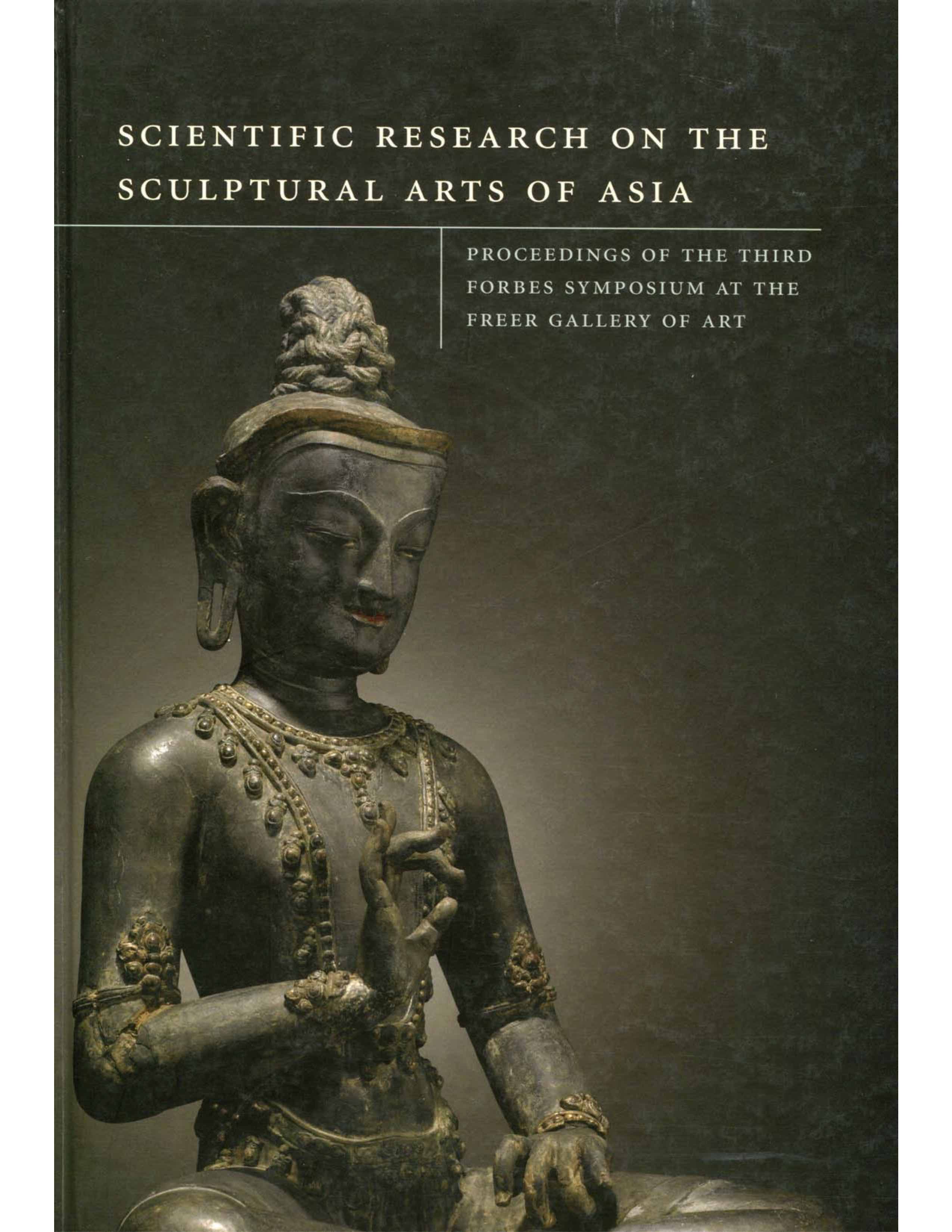
Archeo-mineralogy of Neolithic and Chalcolithic artefacts from Bulgaria and their significance for gemmology
Book
Kostov, R.I. (2007) Archeo-mineralogy of Neolithic and Chalcolithic artefacts from Bulgaria and their significance for gemmology. Sofia, St. Ivan Rilski, 126 pp.
Record No. 27112  |  ISBN/ISSN: 9789540000000  |  Sinkankas/Born No.: NIS/NIB  |  Language: in Bulgarian with English abstract  |  not seen

A transfer of technology: Jade abrasive methods used to create inscriptions in ancient Chinese bronzes
Book Section
Strahan, D. and Fenn, M. (2007) A transfer of technology: Jade abrasive methods used to create inscriptions in ancient Chinese bronzes. In: Scientific Research on the Sculptural Arts of Asia, London: Archetype Publications
Record No. 16775  |  Sinkankas/Born No.: NIS/NIB  |  not seen

The introduction of rotary incising wheels for working jade in China
Book Section
Sax, M., Meeks, N.D., Ambers, J. and Michaelson, C. (2007) The introduction of rotary incising wheels for working jade in China. In: Scientific Research on the Sculptural Arts of Asia, London: Archetype Publications
Record No. 16774  |  Sinkankas/Born No.: NIS/NIB  |  not seen

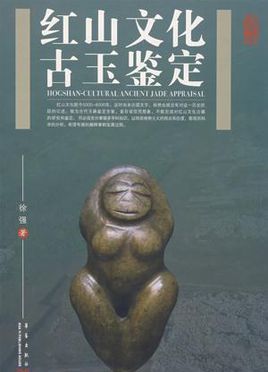
Hongshan-Cultural Ancient Jade Appraisal

红山文化古玉鉴定
Book
Xu, Q. (2007) Hongshan-Cultural Ancient Jade Appraisal. [红山文化古玉鉴定] Beijing, Hua Yi Publishing House, 306 pp.
Record No. 3966  |  ISBN/ISSN: 9787800000000  |  Sinkankas/Born No.: NIS/NIB  |  Language: in Chinese and English  |  not seen
Excellent book on Hongshan-Cultural ancient jade appraisal.the author is famous expert on Hongshan-cultural ancient jade appraisal. A guide to the authentication of ancient yu objects attributed to the Hongshan culture. Drawing on the author’s collecting and research experience, it presents his approach to examining individual objects and distinguishing genuine antiquities from imitations. Its focus is practical connoisseurship and the development of judgment through close study and comparison.
The mask and the king: A reencounter with a Maya royal face from Palenque, Chiapas
The mask and the king: A reencounter with a Maya royal face from Palenque, Chiapas

Journal Article
Filloy Nadal, L. (2006) The mask and the king: A reencounter with a Maya royal face from Palenque, Chiapas. Smoking Mirror: Newsletter of the Pre-Columbian Society of Washington, DC, Vol. 13, No. 9, May, pp. 1–7, 10.
Record No. 28723  |  Sinkankas/Born No.: NIS/NIB  |  not seen

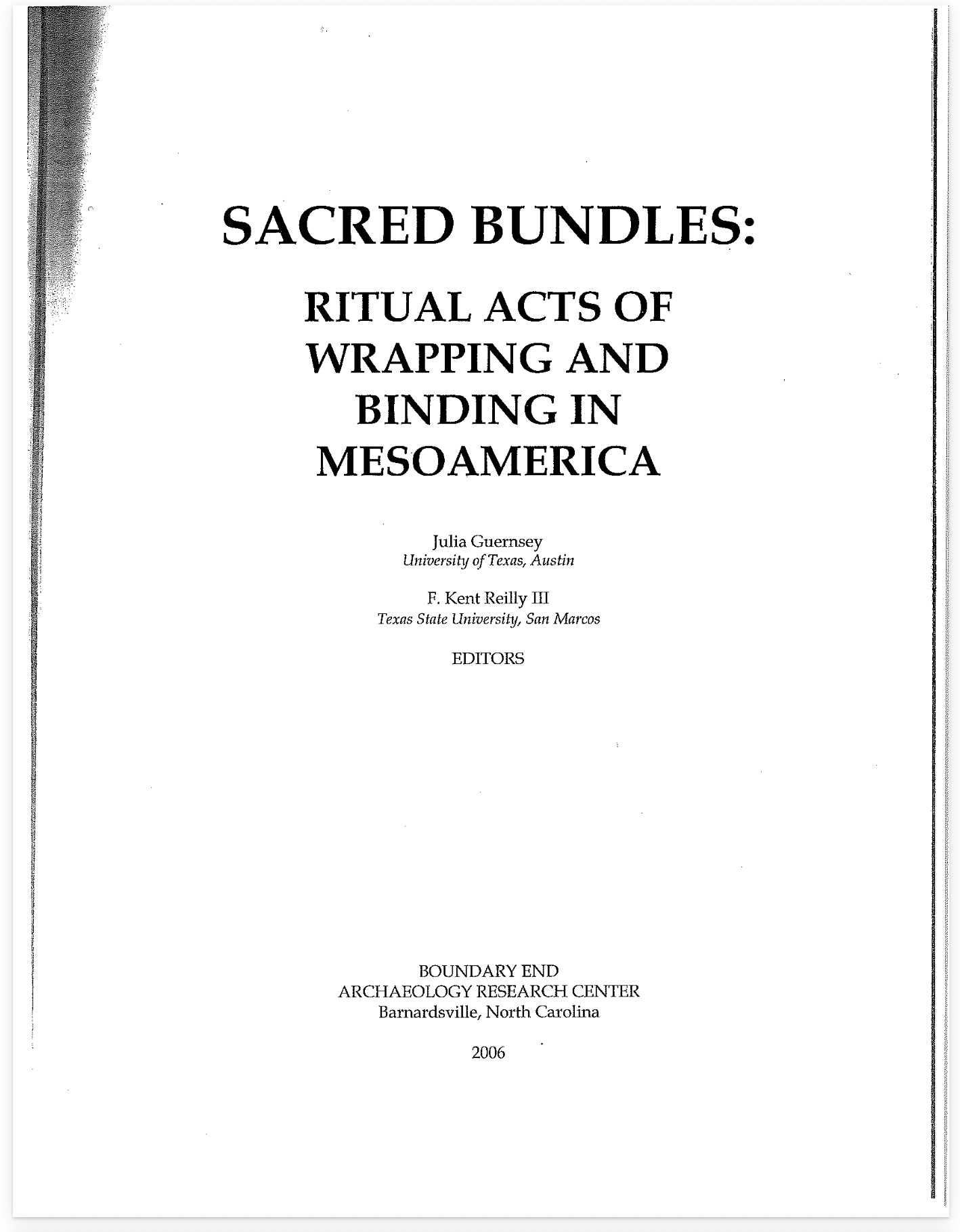
Jade and chocolate: Bundles of wealth in Classic Maya economics and religion

Book Section
Stuart, D. (2006) Jade and chocolate: Bundles of wealth in Classic Maya economics and religion. In: Sacred Bundles: Ritual Acts of Wrapping and Binding in Mesoamerica, Barnardsville, NC: Boundary End Archaeology Research Center, pp. 127–144.
Record No. 28676  |  Sinkankas/Born No.: NIS/NIB  |  not seen
In his essay, David Stuart provides a carefully nuanced reading of the many bundles that appear in Classic Maya imagery. He contests their traditional grouping under the rubric “tribute bundles” and suggests instead that various categories of bundles can be identified, some of which provide important insights into the economic significance of this motif. In particular, he posits that the contents of one type of bundle—labeled ikatz (“cargo” or “burden”)—may have been carved jades, which served a powerful role in elite gift exchange and tribute in ancient Mesoamerica. In contrast, he identifies another type of bundle, labeled with the numerical classifier pik, which appears to have contained cacao beans, a commodity closely associated with elite gift-giving and payment. Weaving together a variety of images with epigraphic and archaeological evidence, Stuart reconstructs patterns of elite exchange that shed insight into the social, political, and economic role of these practices and that illuminate their mythological ramifications as well. In short, he posits that bundle-related text and imagery such as this provide insight into ancient Maya notions of wealth.
Proyecto de investigación sobre la producción de jade en el rio lato, San Agustin Acasaguastlan, El Progreso, Guatemala

Proyecto de investigación sobre la producción de jade en el rio lato, San Agustin Acasaguastlan, El Progreso, Guatemala

Research project on jade production in the Lato River, San Agustín Acasaguastlán, El Progreso, Guatemala
Report
Pellecer, M. and Rochette, E.T. (2006) Proyecto de investigación sobre la producción de jade en el rio lato, San Agustin Acasaguastlan, El Progreso, Guatemala. [Research project on jade production in the Lato River, San Agustín Acasaguastlán, El Progreso, Guatemala] Informe Final Presentado al Instituto de Antropología e Historia de Guatemala, USAC y Pennsylvania State University, Guatemala,
Record No. 28633  |  Sinkankas/Born No.: NIS/NIB  |  Language: in Spanish  |  not seen
Jade and Jade Production in Precolumbian Mesoamerica
Jade and Jade Production in Precolumbian Mesoamerica

Thesis
Clark, B.T. (2006) Jade and Jade Production in Precolumbian Mesoamerica. Pennsylvania State University
Record No. 28628  |  Sinkankas/Born No.: NIS/NIB  |  not seen

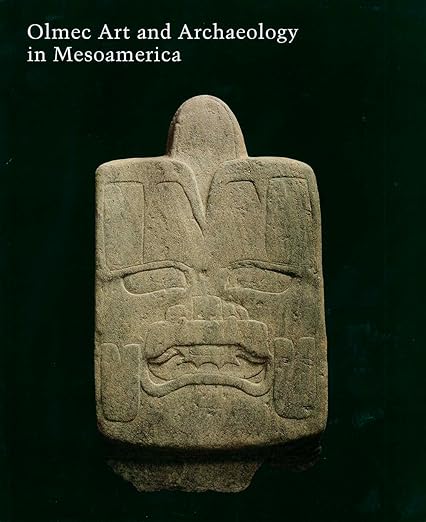
Olmec Art and Archaeology in Mesoamerica
Edited Book
Clark, J.E. and Pye, M.E., editor (2006) Olmec Art and Archaeology in Mesoamerica.. Washington, DC, National Gallery of Art, 344 pp..
Record No. 28346  |  ISBN/ISSN: 9780300000000  |  Sinkankas/Born No.: NIS/NIB  |  not seen
This handsome volume presents the creations of Mesoamerica’s most ancient societies in their archaeological contexts. The Olmec―best known for a unique style of monumental stone head and jade were-jaguar―were based along the Gulf of Mexico but have also been linked to other Mesoamerican civilizations such as the Maya and Aztec. This book discusses recent spectacular finds and provides a framework for understanding the history, art, and archaeology of the Olmec.

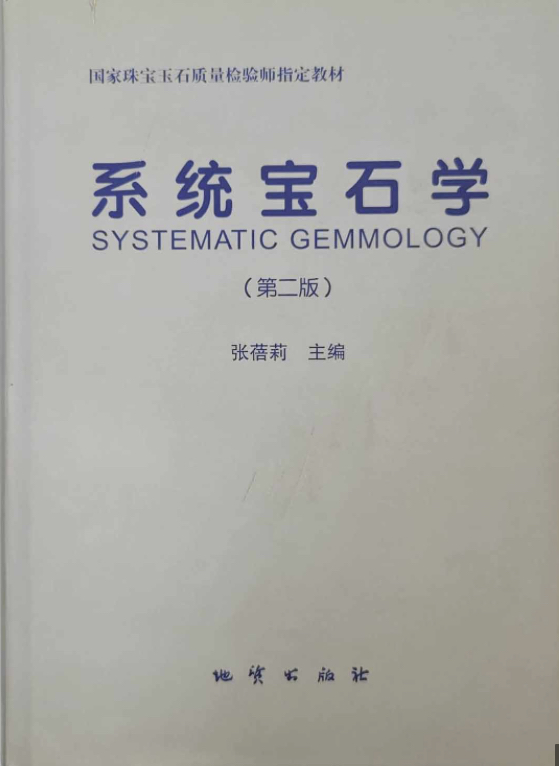
Systematic Gemology

系统宝石学
Book
Zhang, B. (2006) Systematic Gemology. [系统宝石学] Beijing, Geological Publishing House, 550 pp.
Record No. 28121  |  ISBN/ISSN: 9787120000000  |  Sinkankas/Born No.: NIS/NIB  |  Language: in Chinese  |  not seen
This is a comprehensive Chinese textbook covering the crystallography, optical, physical, and chemical properties of gemstones, their identification methods, and classification systems. It is widely used in gemological education and certification programs in China.

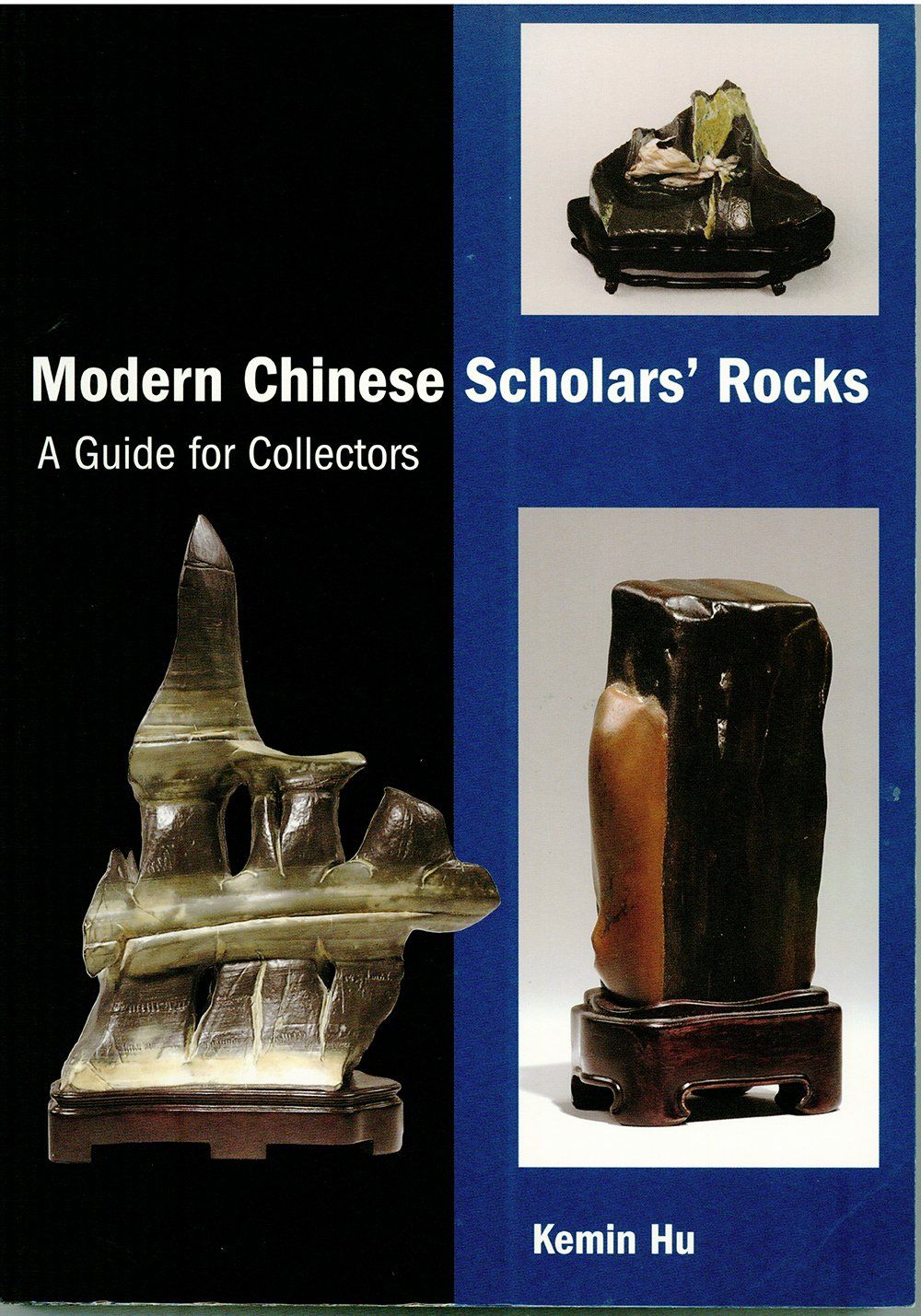
Modern Chinese Scholars’ Rocks | A Guide for Collectors

Book
Hu, K. (2006) Modern Chinese Scholars’ Rocks | A Guide for Collectors. Warren, CT, Floating Worlds Editions, 143 pp.
Record No. 7573  |  Sinkankas/Born No.: NIS/NIB  |  not seen
VSANA: This attractive paperback volume is the best introductory guide in English for people at the entry level of Chinese stone appreciation. The author has provided beautiful photographs and brief text about 38 major types of stones. These are the stones that visitors frequently encounter at the stone museums, markets, and classical gardens in China. Hu also includes chapters on how to make wood bases for stones and how best to display the stones. A short list of suggested English language references is given at the end of this book. This book was written by one of the most knowledgeable people in North America on Chinese stone appreciation, particularly stones from the dynastic periods of China. This book belongs on the shelf of anyone interested in artistic stones.

Exploring the Literature of Jade

Jade literature spans gemology, mineralogy, archaeology, art history, mining, carving and connoisseurship, and includes works on both jadeite and nephrite from around the world.

For an introduction to collecting books on this subject, read Hidden Treasure — Collecting the Literature of Jade.

About Four Treasures

Four Treasures is Lotus Gemology's freely accessible gemological reference database. Use the full database to search by author, title or keyword and explore literature on gemology, mineralogy, jewelry and related fields. Where available, hyperlinks on titles may lead directly to the full publication.

Search the Complete Four Treasures Database