Explore books, articles and historical sources on jade in Four Treasures, the Lotus Gemology reference database. This bibliography brings together matching records from the collection, with publication details, abstracts and cover images where available.
Jade References
The list below matches the terms jade, jadeite, nephrite or Fei Cui in the database's searchable fields. Some references discuss these materials as part of a broader subject.
3,461–3,480 of 3,783 matching references
The development of fei cui’s study in China
Conference Paper
Ouyang, C.M. (2006)The development of fei cui’s study in China. Proceedings of the First International Gem and Jewelry Conference, December 6–9, Bangkok: Gem and Jewelry Institute of Thailand, p. 44.
Record No. 7147 | Sinkankas/Born No.: NIS/NIB | not seen
Reference copied to clipboard!
gems, jade, jadeite, fei cui jade, jade nomenclature, fei cui
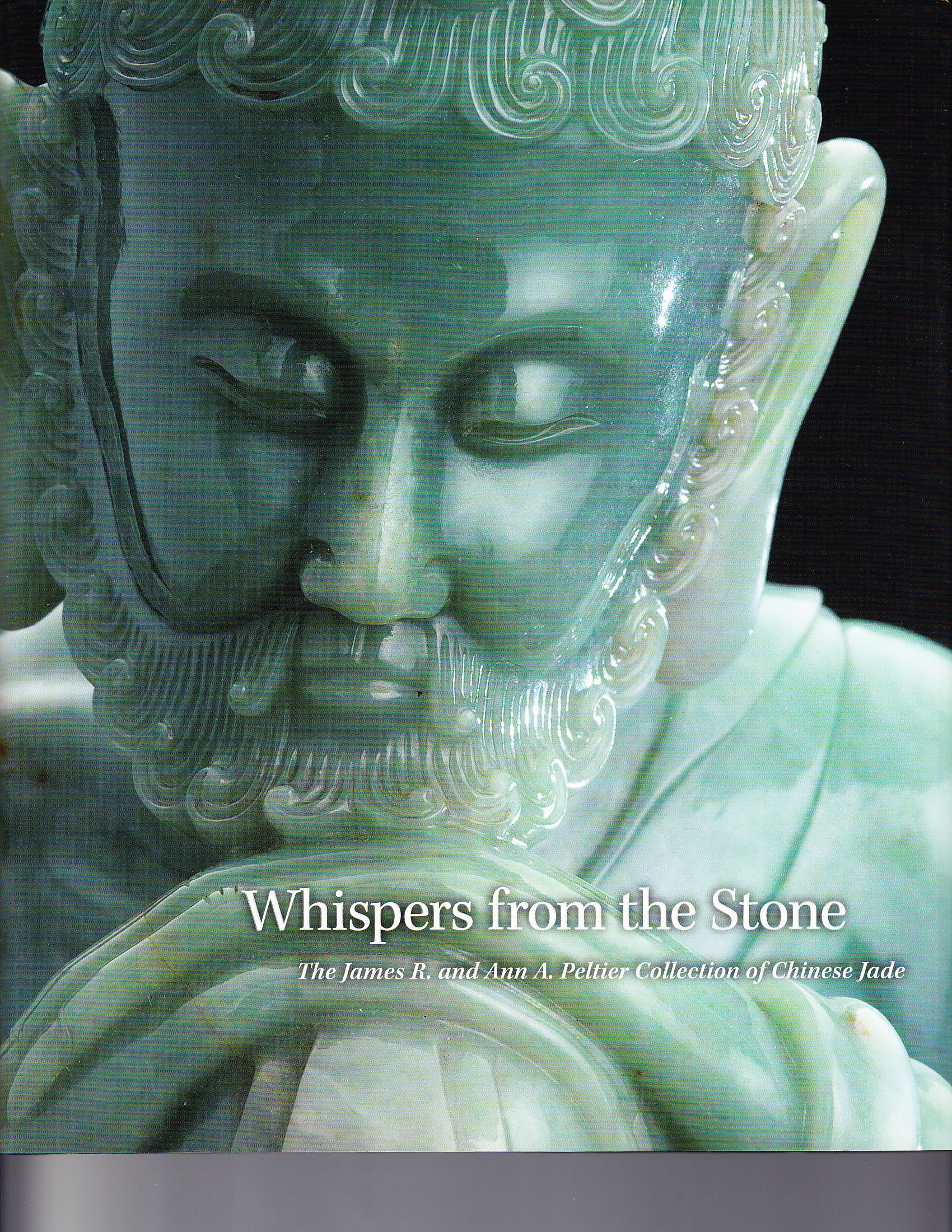
Whispers from The Stone: The James R. and Ann A. Peltier Collection of Chinese Jade
Book
Delacretaz, H. and Till, B. (2006)Whispers from The Stone: The James R. and Ann A. Peltier Collection of Chinese Jade. Baton Rouge, LA, LSU Museum of Art, 63 pp.
Record No. 5845 | Sinkankas/Born No.: NIS/NIB | not seen
Reference copied to clipboard!
gems, jade, jadeite, fei cui, nephrite
Longtime supporters of the LSU Museum of Art, Dr. and Mrs. Peltier have also been ardent admirers of Chinese jade carving for over three decades. Through generous donations, LSU MOA has shared in their admiration, acquiring key pieces of Chinese jade carving from the Peltier collection over the years. Whispers from the Stone draws upon the Peltiers’ personal collection of jade and the holdings of the museum to highlight this ancient and enduring Chinese art form.
East Zhou Jade Unearthed in Shaanxi
陝西出土東周玉器
Book
Liu, Y. (2006)East Zhou Jade Unearthed in Shaanxi. [陝西出土東周玉器] Beijing, Wen Wu Press [文物出版社], 241 pp.
Record No. 3967 | ISBN/ISSN: 7501019533 | Sinkankas/Born No.: NIS/NIB | Language: in Chinese | not seen
Reference copied to clipboard!
gems, jade, Chinese jade, nephrite, Chinese jade carving, archaic jade
An illustrated study of Eastern Zhou yu objects excavated in Shaanxi, emphasizing the distinctive traditions of the Qin state. An introductory essay and chronologically arranged plates document ritual implements, ornaments, pendants, and other carvings from the Spring and Autumn and Warring States periods. The material provides a basis for comparing changes in form and decoration, particularly Qin-style dragon motifs. An appendix examines Qin-style objects recovered from Western Han tombs.
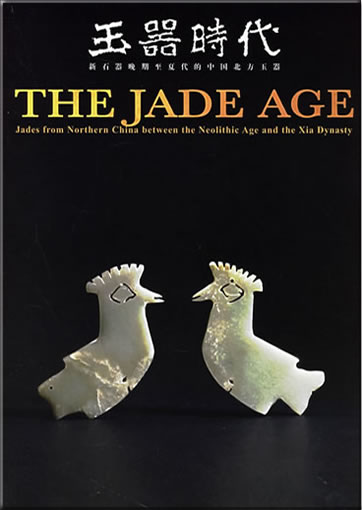
The Yu Age: Jades from Northern China between the Neolithic Age and the Xia Dynasty
玉器时代——新石器晚期至夏代的中国北方玉器
Book
Ai, D. (2006)The Yu Age: Jades from Northern China between the Neolithic Age and the Xia Dynasty. [玉器时代——新石器晚期至夏代的中国北方玉器] Beijing, 中国青年出版社 [China Youth Press], 131 pp.
Record No. 3964 | ISBN/ISSN: 9787500000000 | Sinkankas/Born No.: NIS/NIB | Language: in Chinese and English | not seen
Reference copied to clipboard!
gems, jade, Chinese jade, nephrite, Chinese jade carving, archaic jade
In this volume, avid jade collector and writer, Ai Dan, puts together his thoughts and expertise to bring us a fine collection of ancient Chinese jades with insightful commentary. With 48 examples from the Late Neolithic, Xia Dynasty and Hongshan Cultures, ranging from discs to congs (琮) to yues (钺), these examples represent the essence of ancient jades. Each piece is featured with an oversized image that displays its true clarity and color. The items in this compilation were excavated from sites in modern day Gansu, Shaanxi, Henan, and Shandong provinces as well as the area identified as the home to Hongshan Culture.
Collecting Chinese Seals
Book
Bernstein, S. (2006)Collecting Chinese Seals. San Francisco, S. Bernstein & Co., 121 pp.
Record No. 3844 | ISBN/ISSN: 963893270 | Sinkankas/Born No.: NIS/NIB | not seen
Reference copied to clipboard!
gems, jade, nephrite, jadeite, fei cui, soapstone, Chinese art
This volume documents the impressive collection of significant Chinese seals formed over a thirty year period by an American collector. The objects which comprise the collection serve as a commentary about collecting taste of Chinese art in the twentieth century. The use of seals as a medium to convey the authority of the owner is an ancient tradition which continues today... Collecting Chinese Seals discusses the use of seals in China from the Han period through the nineteenth century. Each seal has been carefully catalogued and translated so that those interested in this area of Chinese art and history will benefit highly from viewing these objects.
Record No. 3826 | ISBN/ISSN: 9787220000000 | Sinkankas/Born No.: NIS/NIB | Language: in Chinese | not seen
Reference copied to clipboard!
gems, jade, jadeite, fei cui, Burma, China
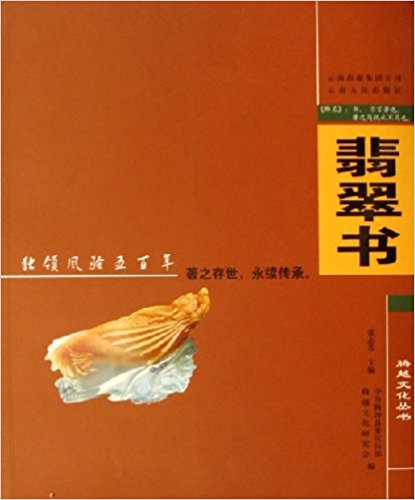
Jade out of rattan, Tengchong is the birthplace of jade culture. Jade is the king of jade. The red one is green and the green one is green. The Emerald Book" reviews the glorious history of Jadeite's management and processing in Tengchong's "Historic and prosperous Baibao Street, Xiongshangda Jiazha". It affirms that in recent years, the party committees, governments, and all walks of life in our city have revived the Tengchong jadeite industry and promoted it. The results of the Tengyue Jade Culture. The history of Tengchong jade was very good. It consolidated the cultural resources of Tengchong Jade, clarified the context of the development of Tengchong Jade, unified the publicity caliber of Tengchong Jade, and reproduced the magnificent and splendid jade of Tengchong. It is a relatively accurate, objective and authoritative jade monograph on the Jade Industry and Jade Culture of Tengchong. Excerpts. Teng Chiu's bite of jade. It is often said: "There are no three generations of rich people." This is a portrayal of jade merchants. The Tengchong jade merchant's so-and-so, their grandchildren have been poor enough to live in pawn and live, and finally sold their chairs and tables. They are lifting the “Big Spring Stool” and see the bottom of the stool with a line of small prints: “Only a split burn, no sales are allowed. "Eat" was indeed a jade cut, and Yubai was sold for several years. Eventually, because the grandchildren didn't think about doing business and didn't seek development, the family was drowned.. “The poor walks the razed side to leave the factory and encounters the roadside.” In the jade factory who had been digging into the jade factory, there were only one or two of the ten people who got rich, and many others died of poisoning or gambling. The Kachin Mountains were piled up, and hillocks were built. One of the author's old classmates in junior high school, "going the factory" for nearly 50 years, claimed to be "Wang Shichang old guest." A few years ago, I copied the author to a "go factory" song: "When I entered Pachangyu Field, the four sisters flew and took a nap; Samsung took advantage of the gambling and the six parents did not recognize the infectious disease; the five (捂) head was issued. In nine nine deaths and nine deaths, there were no seven (qi) heads planted into the red potion, eight (pulled out) dead eight lived and retired; two were concentrically holding the jewels, ten (real) hearts ten intended for feast and reciprocity.”. 1920s, There are two Tengchong overseas Chinese in Mandalay for fighting for a beautiful jade, hating each other and causing murder.. Tengchong jade giant merchants, in the early years of the Republic of China in the 60th high life in Mandalay, Myanmar friends sent a statue of Guanyin Guan Yin for his birthday, as if the seat engraved with the owner, the friend's name. After the king’s death, the children and grandchildren did not know the whereabouts of this jade statue. Until the 1960s, his great-grandson in Taiwan went to Hong Kong to participate in the trade fair and inadvertently saw this statue of Wang Shi Guan Yin. He took the opportunity to make an acquisition as a treasure of his family. Later, when asked by many parties, it was discovered that after the death of his great ancestor, his great-great-grandmother of the Yi nationality was sold and was sold to Hong Kong after being resold.. An old returned overseas Chinese from Tengchong, being careful and careful. Please ask jade workers to solve jade in the upstairs at home and close the door. Not only will the children and grandchildren see Jie Yu’s site, they will worry that the children and grandchildren will know that the family is rich and they will not be able to stand on their own feet. Such kind of Buddhist monks who are not extravagant and who have to work hard are praised by their fellow countrymen.. An old overseas Chinese in Mandalay purchased several pieces of small celestial celestial stones and put them into the bottom of the suitcases where they were loaded, ready to take them back to Tengchong. Prior to his departure, he was informed by the British and Burmese government police (Gala). When the old overseas Chinese saw two policemen entering the gate, they spurned his wife. His wife had a glimpse first, and then he clamoured with his husband. The two police officers were confused and had to come to "dissuade it." After more than half an hour they left. So the couple hurriedly took the box and returned to the country from the back door. And went to Tengchong to sell jade and got a good price and built a high-rise compound.. During the fall of Tengchong, an overseas Chinese belonging to the front of the Japanese military position evaded the homes of relatives and friends farther away. One day, the housekeeper’s servant Mi visited the owner. The housewife asked, “Has anyone turned over the stove and hired a rough apartment?” The questioner was interested in it, but the locals were unaware of what they meant. After a few days, this loyal, faithful maid chatted with the neighbor’s youth and said in a pleasant way: “Our host family is very playful and asks if I have anybody to pay for it.” This young man heard the “famous” in the night. Through the wall into the room, from the depths of the rough armpit floor disc out a clay pot, the tank is full of gold and silver, jade jewelry, stole and flew away.. During the same period of time, an old returned overseas Chinese who had always been meticulous and alert, often asked to take a cloth belt with gold and silver and jade jewelry, to avoid the dwellings in the remote villages. One day late at night, the Japanese monk suddenly came to surround the village and knocked at the door. The old returned overseas awakened, quickly ran through the back door of the pro-family home into the neighbor's house, climbed the tree for a while, and then rushed into the toilet to bury it under the slate, and finally escaped the Japanese harassment search. The villagers said that this old tactic is more sophisticated and can save lives and property.. During the fall of Tengchong, large Chinese tyrants Yang Jipin, a lone tiger, plucked a lot of money from the private sector; at the same time, they gambling on the rich children, who lost their cash and gambling with jade rings and lost all. During the same period, Zhang Wei, posing as an expeditionary chief of the government’s high-sector magistrate Zhang Wei, under the pretext of sending plainclothes teams and other fundraising funds, forcibly sent money to wealthy households in several suburban townships and extorted many jade gold and silver jewelry. After regaining Tengchong, Yang and Zhang were arrested and shot in accordance with the law, and many jade gold and silver jewelry were found on the two bodies.. Tengchong a family of jade, home kitchen stove base was excavated, stole a beautiful jade, cheaply sold. After influencing many people, they flow into Hong Kong. The owner later made a jade business in Hong Kong and found his own jade, and he immediately bought it. Although the original was returned to the original owner, it paid a huge sum of money.. After Tengchong returned to Qiao and returned to Myanmar in September 1944, he went back to Myanmar to do business. Until he was seriously ill, he told his only child: “There is jade in the stone floor of Tengchong's home kitchen. You try to get it back home.” After the country's reforms and opening up, this lady's wife returned home cooking. Unexpectedly, the household had been stolen and sold outside the county.. A certain woman from Tengchong, before leaving the country, will hand over the jewelry on her and her younger brother to their relatives and friends. When he went to visit someone in Mandalay, the necklace worn by the daughter-in-law of her friends and relatives was his own jade necklace. Those present were surprised. This so-called "people who don't care for their wealth" and "recognize people who don't recognize people" are also.. The expatriate living in Tengchong, Mandalay, and a certain castor mahjong gambling money, a certain armor with a "faba green" jade ring price bet, was a certain B win. A lady's wife, a few days not see her husband wearing this ring, repeatedly asked, and finally answered: "The bet lost." A lady with a lot of money to "redemption", a B said lightly: "Your husband is not a pawn I was lost to me. What is the reason for the redemption?”. One of the ten residents of Tengchong, an expatriate residence, had been married to a young Burmese woman for more than seventy years. This man and his wife had been living for years, and he was well aware of the circumstances in which he placed his belongings. In the middle of a bright moonlight, the old man was snoring and slept. The limping woman took it lightly, took one, and wrapped it in soft goods, including gold and silver jewelry, and slipped away overnight. When the old man woke up, not a few nine-year-old Burmese mothers and mothers discovered that they were in need of something. The cow was empty. A few long sighs, but also had to "dumb black ink -dark secret endurance". The fellow villagers could not help but joke: "For the corruption lost the treasure.". The protagonist of the above anecdote, has a true real name, time is also very specific. Carefully and thoughtfully, these people are mostly non-relatives in the elders and ancestors. They should not and do not need to clarify one thing. This is also in keeping with the old teaching of “loving ones” and “his leaders”. I just talk about things, knock a few small alarm bells. P50-51"
The Maya jade skull bead: 700 years as a military insignia?
Book Section
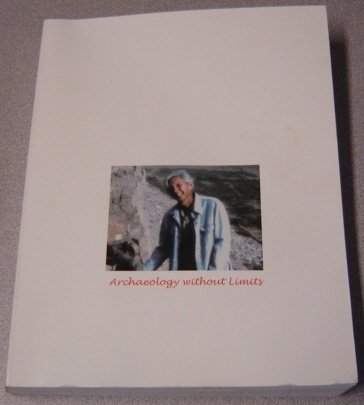
Dillon, B.D. and Christensen, W. (2005) The Maya jade skull bead: 700 years as a military insignia? In: Archaeology Without Limits: Papers in Honor of Clement W. Meighan, Lancaster, CA: Labyrinthos, pp. 369–385.
Record No. 28573 | Sinkankas/Born No.: NIS/NIB | not seen
Las fuentes de jade azul: Nuevos descubrimientos del proyecto arqueológico del jade
The sources of blue jade: New discoveries from the Jade Archaeological Project
Conference Paper
Hruby, Z., Romero, L.A. and Taube, K.A. (2005)Las fuentes de jade azul: Nuevos descubrimientos del proyecto arqueológico del jade. [The sources of blue jade: New discoveries from the Jade Archaeological Project] XVIII Simposio de Investigaciones Arqueológicas, 21 July 2004, Guatemala City: Ministerio de Cultura y Deportes, Instituto de Antropología e Historia,
Record No. 28510 | Sinkankas/Born No.: NIS/NIB | Language: in Spanish | not seen
A report on newly documented blue jadeite sources and ancient working sites in Guatemala’s upper Río El Tambor drainage, south of the Motagua River. Archaeological reconnaissance links natural outcrops with nearby settlements, production debris, and unfinished objects, providing evidence for local extraction and manufacture. The discoveries expand the known jadeite-producing region and identify potential sources of the translucent blue-green material prized by the Olmec. They also offer a basis for investigating the organization of production and exchange in ancient Mesoamerica.
Practical Fei Cui Studies
實用翡翠學
Book
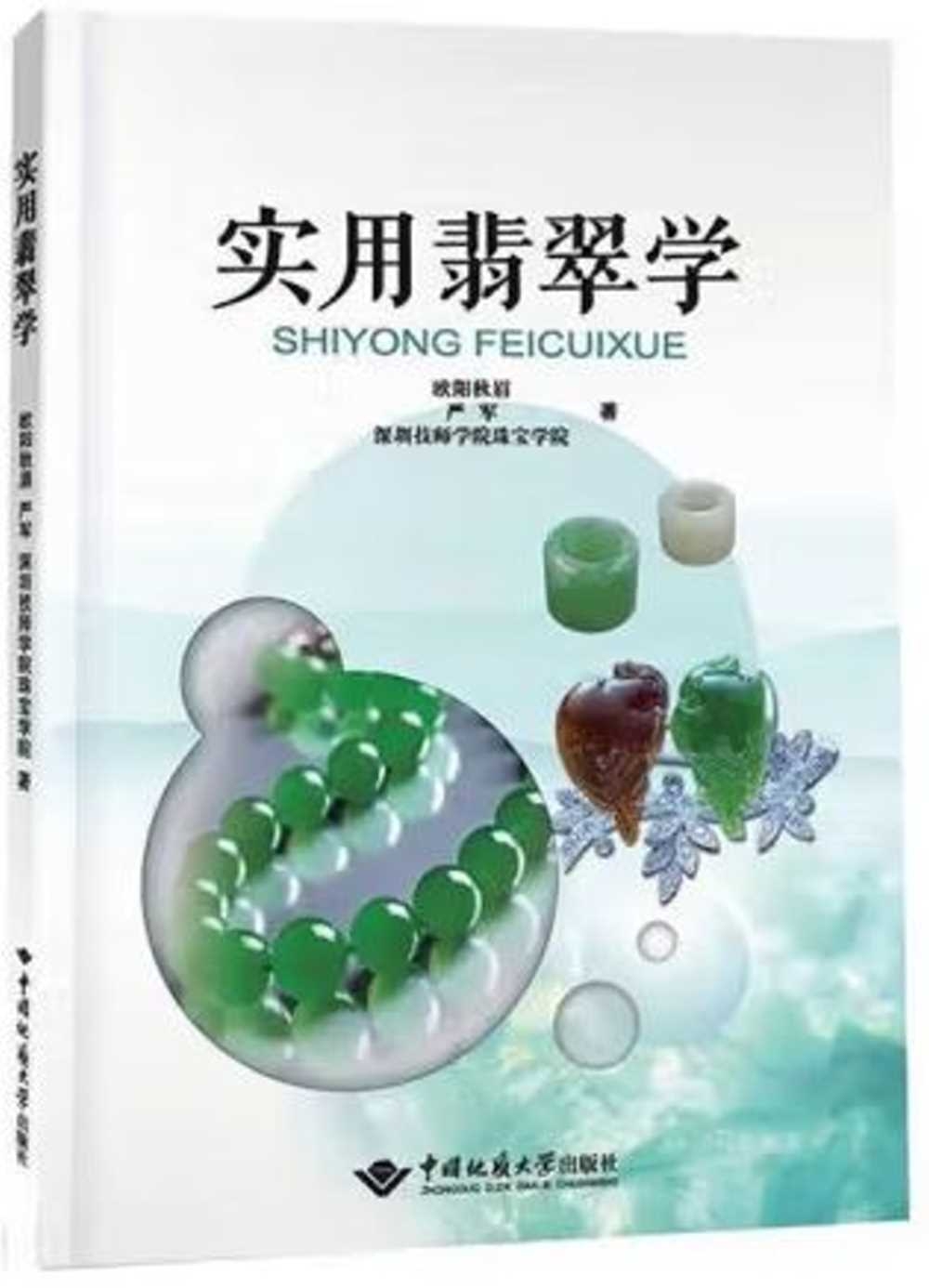
Ouyang, C.M. and Yan, J. (2005)Practical Fei Cui Studies. [實用翡翠學] Shanghai, Xuelin Publishing House, 254 pp.
Record No. 28256 | ISBN/ISSN: 9787560000000 | Sinkankas/Born No.: NIS/NIB | Language: in Chinese | not seen
This book is based on Professor Ouyang Qiumei's research and teaching practice of jade for more than 40 years, with unique insights and ideas. Through the practice of jade appreciation, the author systematically and comprehensively introduces the basic knowledge of jade, from the definition of jade and jade, to the method of distinguishing the origin of jade, to the classification standards of jade germplasm, and the method of jade processing and evaluation.
Sibirien-vom Ural bis Tschukotka
Siberia – from the Urals to Chukotka
Book Section
Hochleitner, R. (2005) Sibirien-vom Ural bis Tschukotka. [Siberia – from the Urals to Chukotka] In: Die schönsten Mineralien Rußlands [The most beautiful minerals of Russia], extraLapis No. 29, Munich: Christian Weise Verlag, pp. 52–67.
Record No. 27166 | Sinkankas/Born No.: NIS/NIB | Language: in German | not seen
Russia—a vast “mineral kingdom.” It stretches from Eastern Europe to the far reaches of northern Asia. Even during the time of the Russian tsars, magnificent mineral specimens were brought to the West. Whether from the Kola Peninsula, the Urals, the Baikal region, Transbaikalia, or the Russian Far East—each of these regions is known for minerals and gemstones that rank among the best in the world. Today, Dalnegorsk is one of Russia’s most famous and celebrated localities, yielding spectacular quartz crystals, calcite twins, water-clear fluorites, as well as high-quality ilvaite and galena in extraordinary form and variety. Contents: Mineralogical East–West friendships (Maximilian Glas) / The geological map of Russia (Christian Weise) / It began with beryl… (René Triebl) / The Kola Peninsula and Karelia (Rupert Hochleitner) / The Urals from the Arctic Ocean to the Aral Sea (Rupert Hochleitner) / Siberia – from the Urals to Chukotka (Rupert Hochleitner) / Far East from Dalnegorsk to Kamchatka (Rupert Hochleitner) / Important localities in Russia and their minerals (Michael Huber).
Der Ural vom Nordmeer zum Aralsee
The Urals from the Arctic Ocean to the Aral Sea
Book Section
Hochleitner, R. (2005) Der Ural vom Nordmeer zum Aralsee. [The Urals from the Arctic Ocean to the Aral Sea] In: Die schönsten Mineralien Rußlands [The most beautiful minerals of Russia], extraLapis No. 29, Munich: Christian Weise Verlag, pp. 30–51.
Record No. 27165 | Sinkankas/Born No.: NIS/NIB | Language: in German | not seen
Russia—a vast “mineral kingdom.” It stretches from Eastern Europe to the far reaches of northern Asia. Even during the time of the Russian tsars, magnificent mineral specimens were brought to the West. Whether from the Kola Peninsula, the Urals, the Baikal region, Transbaikalia, or the Russian Far East—each of these regions is known for minerals and gemstones that rank among the best in the world. Today, Dalnegorsk is one of Russia’s most famous and celebrated localities, yielding spectacular quartz crystals, calcite twins, water-clear fluorites, as well as high-quality ilvaite and galena in extraordinary form and variety. Contents: Mineralogical East–West friendships (Maximilian Glas) / The geological map of Russia (Christian Weise) / It began with beryl… (René Triebl) / The Kola Peninsula and Karelia (Rupert Hochleitner) / The Urals from the Arctic Ocean to the Aral Sea (Rupert Hochleitner) / Siberia – from the Urals to Chukotka (Rupert Hochleitner) / Far East from Dalnegorsk to Kamchatka (Rupert Hochleitner) / Important localities in Russia and their minerals (Michael Huber).
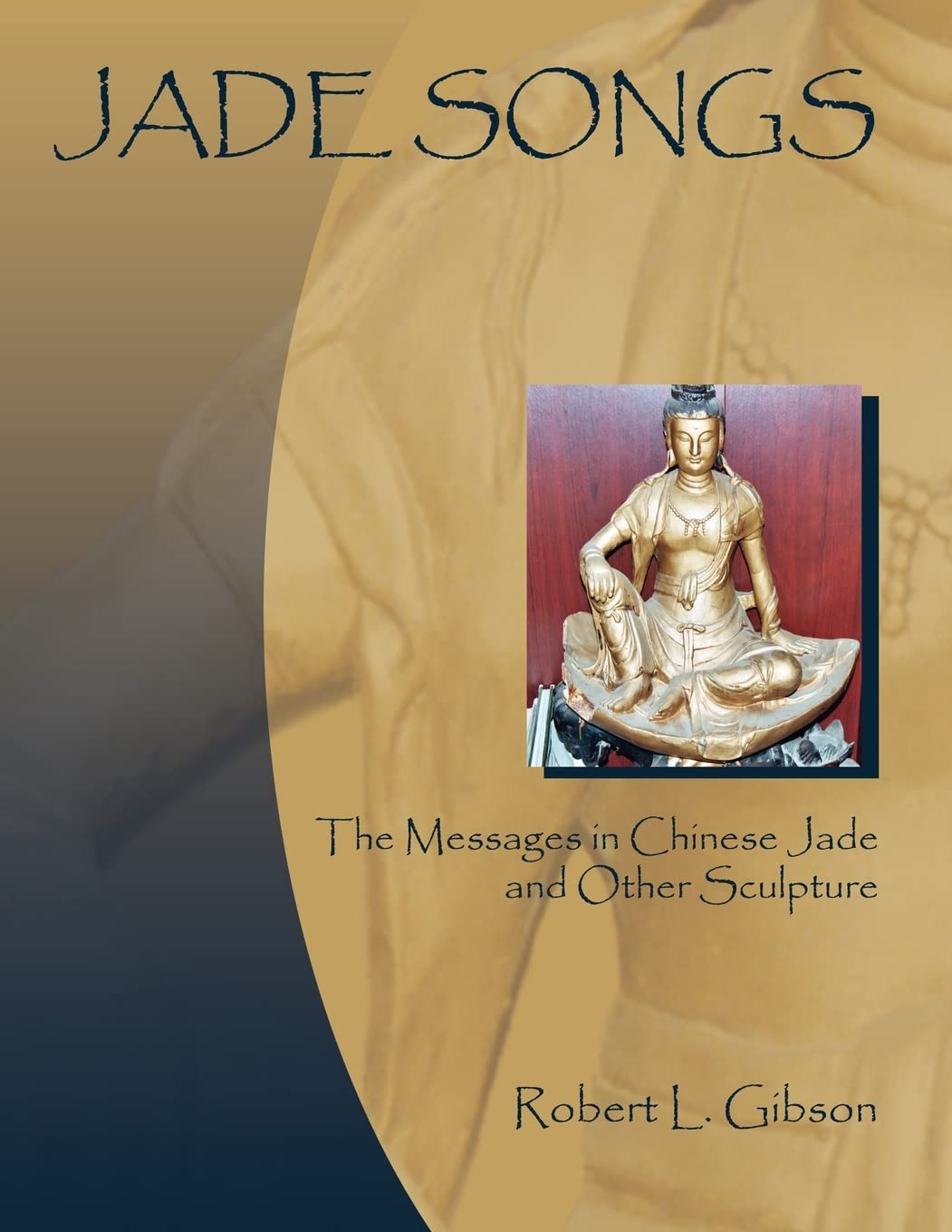
Jade Songs: The Messages in Chinese Jade and Other Sculpture
Book
Gibson, R.L. (2005)Jade Songs: The Messages in Chinese Jade and Other Sculpture. Bloomington, IN, Authorhouse, 96 pp.
Record No. 16467 | ISBN/ISSN: 9781420000000 | Sinkankas/Born No.: NIS/NIB | not seen
Reference copied to clipboard!
gems, jade, Chinese jade symbolism
Classic forms of Chinese jade, and other sculpted works, have a message. A song the piece sings.Knowing the prayer, legend, or lesson the piece sings enhances the experience a step beyond seeing the artwork, the value, or its function. Each figure represented can speak to you.Learn how the Chinese see their dragon as benevolent, rather than a menace. Read the story of the goddess, Quan yin. (a cindarella story). Illustrated, and explained, using the authors collection, are the songs of a different culture, and traditions thousands of years old. This book received generally poor reviews.
Zou, H.-q. (2005) The relations of jadeite development and trade between Myanmar and Tengchong in history.Academic Exploration (学术探索), No. 6, pp. 130–133.
Record No. 6725 | Sinkankas/Born No.: NIS/NIB | Language: in Chinese | not seen
Reference copied to clipboard!
gems, jade, jade trade between Myanmar and China, jadeite, fei cui
The economic interactions between China and Myanmar conducted through Tengchong began with the opening of the Southern Silk Road and have continued almost uninterrupted. The prosperity of these interactions has varied with changes in the relationship between China and Myanmar and external factors. In the history of Sino-Burmese trade, jade is a special commodity. Tengchong plays a unique and significant role in various aspects of Burmese jade, including mining, transportation, processing, and trade.
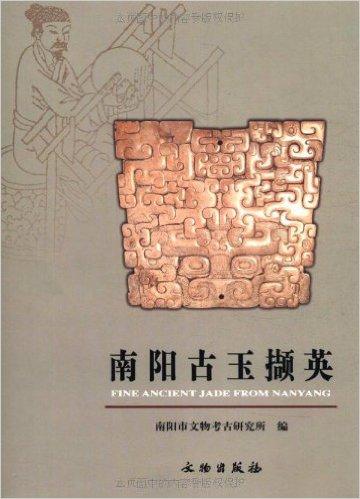
Fine Ancient Jade from Nanyang
南阳古玉撷英
Book
Nanyang City Cultural Relics and Archeology Research Institute [南阳市文物考古研究所] (2005)Fine Ancient Jade from Nanyang. [南阳古玉撷英] Beijing, Wenwu [文物出版社] – Cultural Relics Publishing House, 271 pp.
Record No. 3975 | ISBN/ISSN: 9787500000000 | Sinkankas/Born No.: NIS/NIB | Language: text in Chinese, introduction and captions in Chinese and English | not seen
Reference copied to clipboard!
gems, jade, Chinese jade, nephrite, Chinese jade carving, archaic jade
An illustrated study of ancient yu objects from Nanyang, with particular attention to objects made from locally sourced Dushan yu. Drawing on surveys of more than thirty museum and archaeological repositories, principally in Henan and Hubei, the volume brings together previously scattered material for systematic study. An introductory overview, plates, and accompanying descriptions document the objects and provide a foundation for investigating Nanyang’s carving traditions and the historical use of Dushan yu.
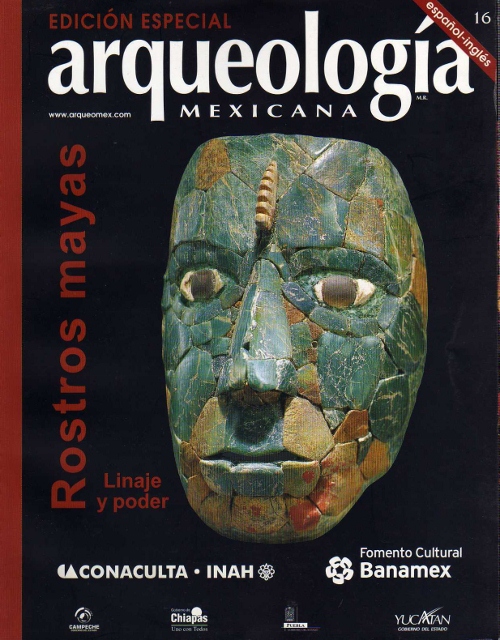
The restoration of the jade funerary masks. A reencounter with the faces of the past
Maya Faces: Lineage and Power
Journal Article
Martinez del Campo Lanz, S. and Filloy Nadal, L. (2004) The restoration of the jade funerary masks. A reencounter with the faces of the past. [Maya Faces: Lineage and Power]Arqueologia Mexicana, Edicion Especial Rostros Mayas. Linaje y poder, Mexico"", No.16, June,
Record No. 28724 | Sinkankas/Born No.: NIS/NIB | Language: in Spanish | not seen
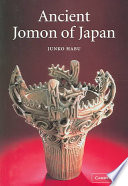
Junko Habu illustrates recent developments in the archaeology of the Jomon period (circa 14,500-300 BC) of Japan and presents new analyses. Unlike most prehistoric pottery using peoples, the Jomon people are thought to have been hunter-gatherers. Evidence of plant cultivation does exist, but none of the cultigens recovered from Jomon sites seems to have been used as a staple food resource. High site density, food storage, and long distance trade also characterize this Jomon period. Using ecological models of hunter-gatherer culture and behavior, Habu examines various aspects of Jamon culture including subsistence, settlement, rituals, crafts and trade, and presents a model of long-term change in hunter-gatherer cultural complexity. In this comprehensive analysis, Junko Habu helps to bridge the gap between largely Japanese discourse on this 10,000 year period of Japanese prehistory and the modern scientific debate on later hunter-gatherer societies.
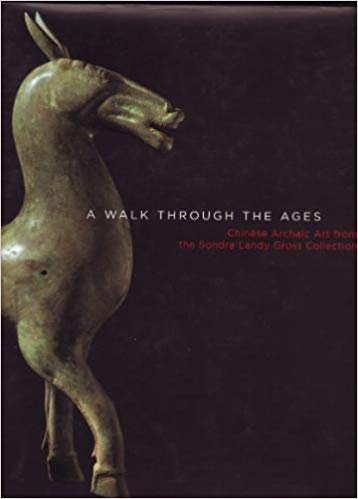
A Walk Through the Ages: Chinese Archaic Art from the Sondra Landy Gross Collection
Book
Pegg, R.A. (2004)A Walk Through the Ages: Chinese Archaic Art from the Sondra Landy Gross Collection. Brookville, NY, Hillwood Art Museum, 224 pp.
Record No. 3972 | ISBN/ISSN: 9780970000000 | Sinkankas/Born No.: NIS/NIB | not seen
Reference copied to clipboard!
gems, jade, Chinese jade, nephrite, Chinese jade carving, archaic jade
Three jade traders from Tengchong
Journal Article
Chang, W.-C. (2003) Three jade traders from Tengchong.Kolor: Journal on Moving Communities, Vol. 3, No. 1, pp. 15–34.
Record No. 16749 | Sinkankas/Born No.: NIS/NIB | not seen
Reference copied to clipboard!
gems, jade, fei cui, pyroxene jade, history of fei cui, jade trade in Burma
Exploring the Literature of Jade
Jade literature spans gemology, mineralogy, archaeology, art history, mining, carving and connoisseurship, and includes works on both jadeite and nephrite from around the world.
Four Treasures is Lotus Gemology's freely accessible gemological reference database. Use the full database to search by author, title or keyword and explore literature on gemology, mineralogy, jewelry and related fields. Where available, hyperlinks on titles may lead directly to the full publication.