Jade Bibliography

Jade Bibliography

Explore books, articles and historical sources on jade in Four Treasures, the Lotus Gemology reference database. This bibliography brings together matching records from the collection, with publication details, abstracts and cover images where available.

Jade References

The list below matches the terms jade, jadeite, nephrite or Fei Cui in the database's searchable fields. Some references discuss these materials as part of a broader subject.
3,501–3,520 of 3,779 matching references

Mineralogic components of fei cui and classification of pyroxene jade
Journal Article
Zou, T., Yu, X., Xia, F. and Chen, W. (1998) Mineralogic components of fei cui and classification of pyroxene jade. Yunnan Geology 云南地质, Vol. 17, No. Z1, pp. 338–349.
Record No. 7832  |  Sinkankas/Born No.: NIS/NIB  |  Language: in Chinese  |  not seen
Jade is primarily composed of the mineral aggregate of nephrite (NaAlSi₂O₆). In addition to nephrite, it sometimes contains other monoclinic pyroxene minerals, which have been identified as follows: chrome nephrite, translucent nephrite, sodium-chrome pyroxene nephrite, diopside, sodium-chrome pyroxene diopside, translucent sodium-chrome pyroxene, nephrite-like sodium-chrome pyroxene, sodium-chrome pyroxene, diopside, nephrite-like monoclinic omphacite, translucent monoclinic omphacite, jadeite, and jade-like minerals, among others. Only jade stones primarily composed of nephrite with a molar percentage greater than 50% can be called jade. Jade stones mainly composed of other monoclinic pyroxene minerals should be respectively called jade-like minerals, translucent jade-like minerals, diopside jade, nephrite-like diopside, sodium-chrome jade, translucent sodium-aluminum jade, and translucent sodium-chrome jade. Jadeite and “jade-like” minerals that are commonly found together with it often contain feldspar minerals such as magnesium hornblende, magnesio-calcic hornblende, magnesium-aluminum-sodium hornblende, iron-aluminum-sodium hornblende, chromium-iron-aluminum-sodium hornblende, chromium-aluminum-sodium hornblende, chromium-sodium hornblende, blue hornblende, chromium blue hornblende, and chromium-nyboite, among others. Among these, chromium-sodium hornblende is a newly discovered alkali hornblende mineral with the highest Cr₂O₃ content (up to 17.53% to 20.48%). Its chemical formula is: Na₀.₉₃₀(Ca₀.₀₇₅Na₁.₉₂₅)₂.₀₀(Mg₀.₁₅₆Fe₀.₃₇₉Ti₀.₀₁₃Al₀.₅₆₀Cr₂.₂₂₁)₃.₃₂₈(Si₇.₅₃₁Al₀.₄₆₉)₈.₀₀₀(OH)₂.

A cathodoluminescence (CL)-guided ion and electron microprobe tour of jadeitite chemistry and petrogenesis
Journal Article
Sorensen, S.S. and Harlow, G.E. (1998) A cathodoluminescence (CL)-guided ion and electron microprobe tour of jadeitite chemistry and petrogenesis. Abstracts with Programs, 1998 Annual Meeting, Geological Society of America, Vol. 30, A–60.
Record No. 7720  |  Sinkankas/Born No.: NIS/NIB  |  not seen

The Spirit of Gongshi | Chinese Scholar’s Rocks
Book
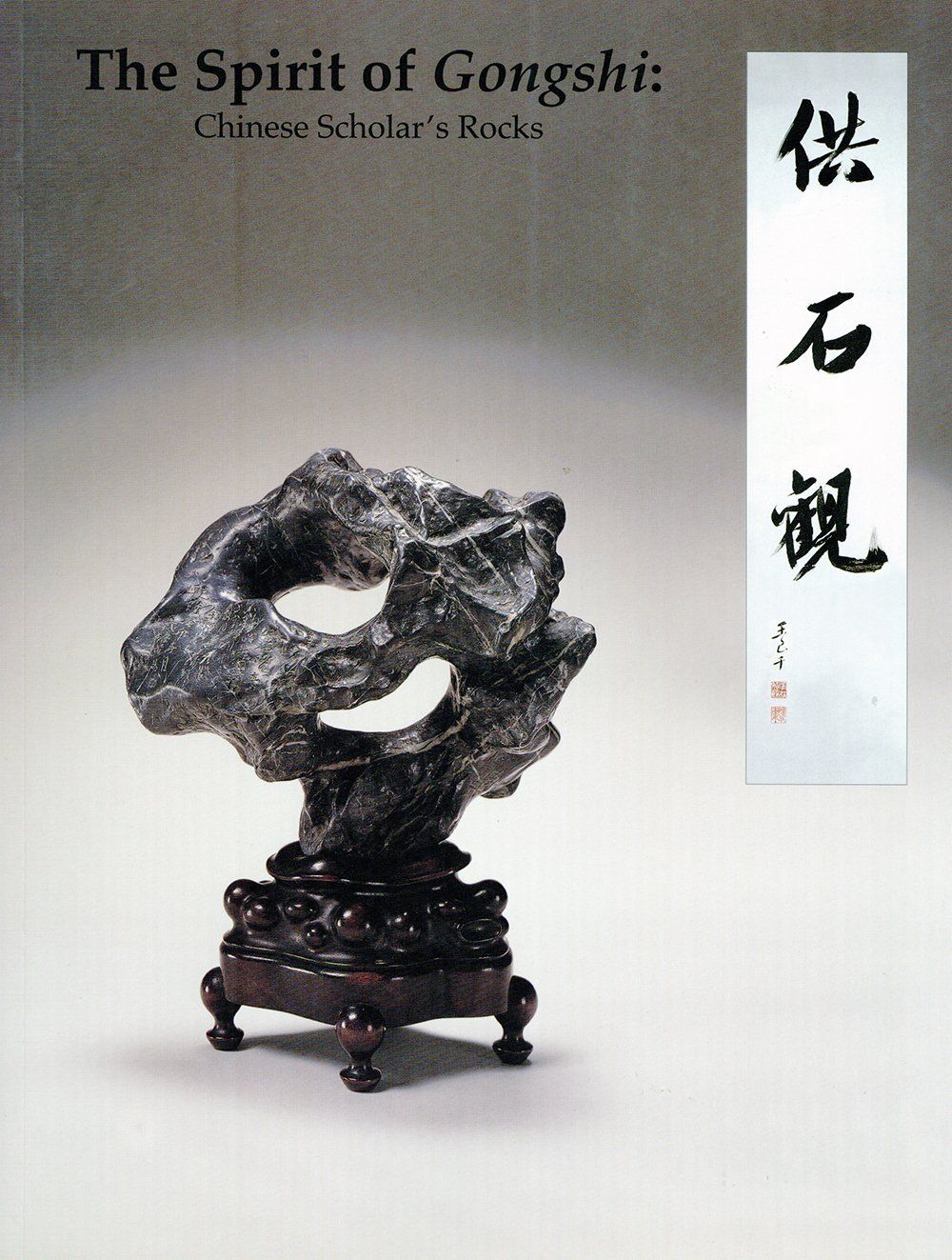
Hu, K. (1998) The Spirit of Gongshi | Chinese Scholar’s Rocks. Newton, MA, Media Resources, 128 pp.
Record No. 7587  |  ISBN/ISSN: 187852951X  |  Sinkankas/Born No.: NIS/NIB  |  not seen
VSANA: This interesting volume was Kemin Hu’s first book about Chinese stone appreciation and provides readers with an indication of Chinese stone appreciation in the United States in the mid- to late-1980s. It has one-page contributions from leading stone aficionados of the time including Ian Wilson, Richard Rosenblum, C.C. Wang and Hu Zhaokang, Kemin’s father and teacher. The text is in English and Chinese. The majority of the book is devoted to numerous, high quality photographs of outstanding stones from the collections of Richard Rosenblum, Ian and Susan Wilson, C.C. Wang (stones and paintings), Hu Zhaokang, Chang Dai Chien, and of historical and famous garden rocks in China. It is a valuable overview of many fine stones. The use of the word gongshi in the title has led many people in western countries to believe that this is the accepted and widely used term in China for stones appreciated as natural art objects. In later books, Hu shifted to use “scholar rocks” in describing Chinese stones.

Polar jade

Journal Article
Ward, F. (1998) Polar jade. Lapidary Journal, Vol. 52, No. 11, November, pp. 22–26.
Record No. 3703  |  Sinkankas/Born No.: NIS/NIB  |  seen

Characterization of violet jade from Turkey
Journal Article
Digennaro, M.A., Trossarelli, C. and Rinaudo, C. (1997) Characterization of violet jade from Turkey. Zeitschrift der Deutschen Gemmologischen Gesellschaft, Vol. 46, No. 3, pp. 169–174.
Record No. 28106  |  Sinkankas/Born No.: NIS/NIB  |  not seen

Jades Chinois: Pierres d'immortalité

Chinese Jades: Stones of Immortality
Book
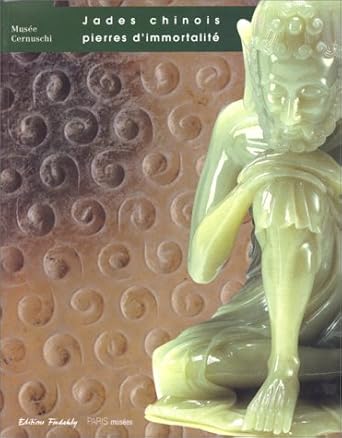
Musée Cernuschi (1997) Jades Chinois: Pierres d'immortalité. [Chinese Jades: Stones of Immortality] Paris, Musée Cernuschi, 204 pp.
Record No. 8088  |  ISBN/ISSN: 9782880000000  |  Sinkankas/Born No.: NIS/NIB  |  Language: in French  |  not seen
In China, jade is undoubtedly the most valuable material, a bit like gold in the West. Its hardness, inalterality and translucency have adorned it with magical and symbolic qualities. In the archaic periods, considered propitiatory, it conferred invulnerability to the fighter and immortality in the afterlife to the deceased. In more recent times, very decorative, complex and tortured sculptures were executed in these stones, technical tours of force. The Asian Art Museum in San Francisco (Avery Brundage Collection) has the largest jade set of American heritage institutions. The exhibition Chinese jades, stones of immortality" presents 129 pieces dated from the Neolithic to the beginning of the 20th century and provides an exhaustive overview of the evolution of the art of jade in China."

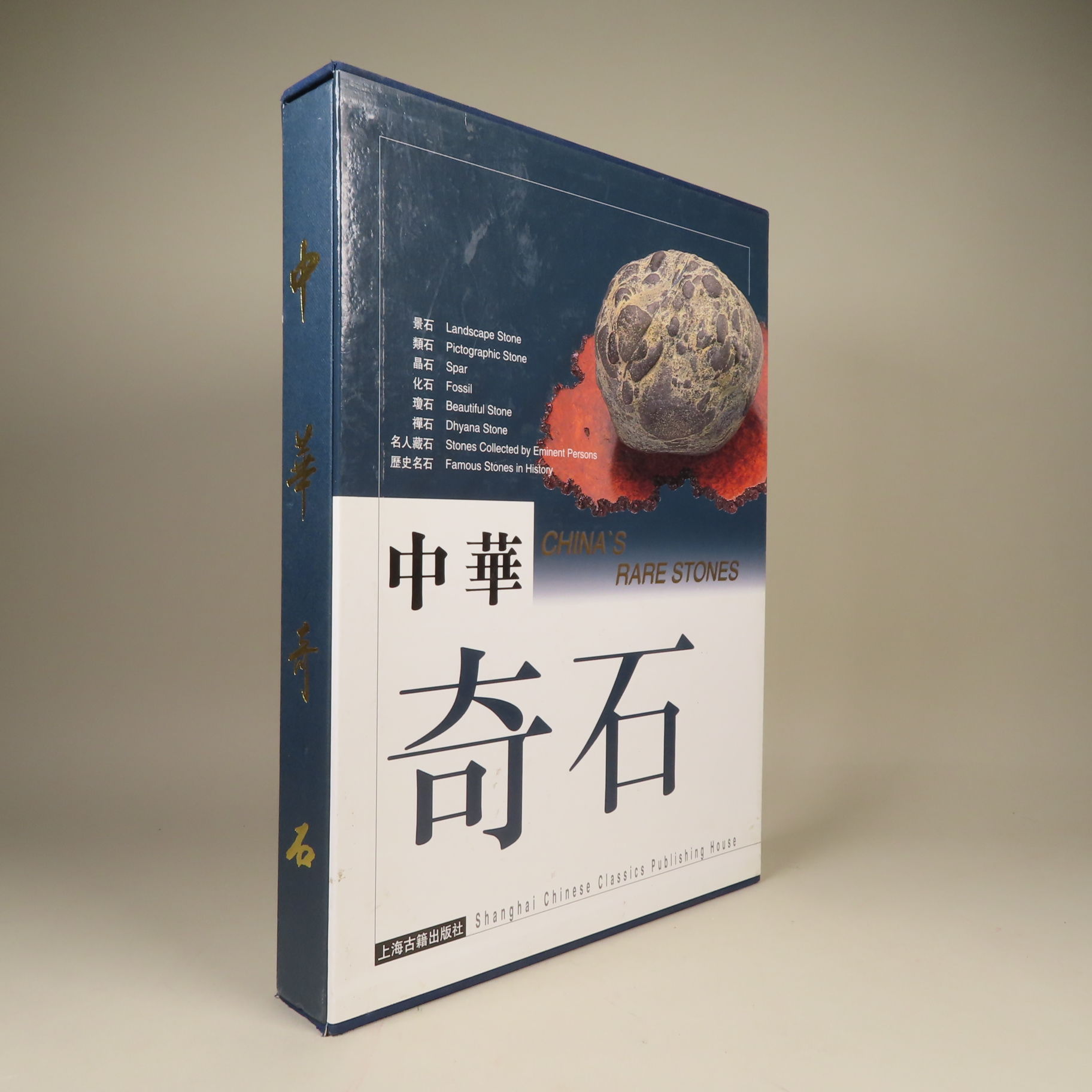
China’s Rare Stones

中华奇石
Book
Wang, J. (1997) China’s Rare Stones. [中华奇石] Shanghai, Shanghai Chinese Classics Publishing. House, 249 pp.
Record No. 7567  |  ISBN/ISSN: 9787530000000  |  Sinkankas/Born No.: NIS/NIB  |  Language: in Chinese and English  |  ordered
Contains Landscape stones, pictographic stones, spar, fossil, beautiful stone, dhyana stone, stones collected by eminent persons, and famous stones in history. Copiously illustrated with full color photographs throughout. Both English and Chinese text throughout.

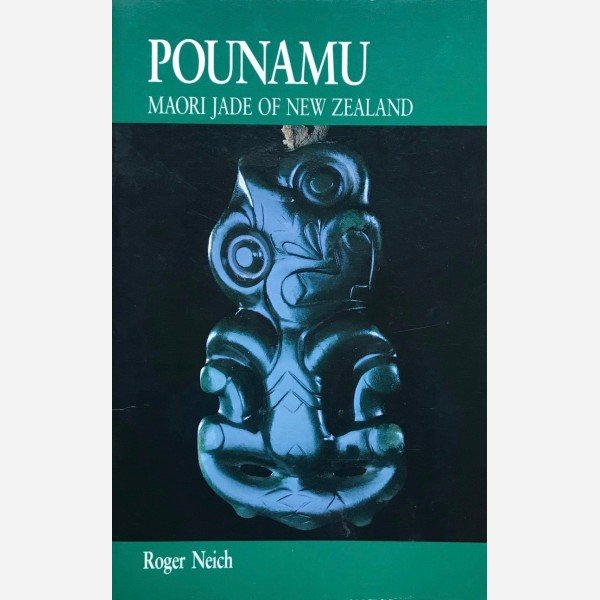
Pounamu: Maori jade of New Zealand

Book
Neich, R. (1997) Pounamu: Maori jade of New Zealand. Auckland, David Bateman, 32 pp.
Record No. 7176  |  ISBN/ISSN: 9781870000000  |  Sinkankas/Born No.: NIS/NIB  |  not seen

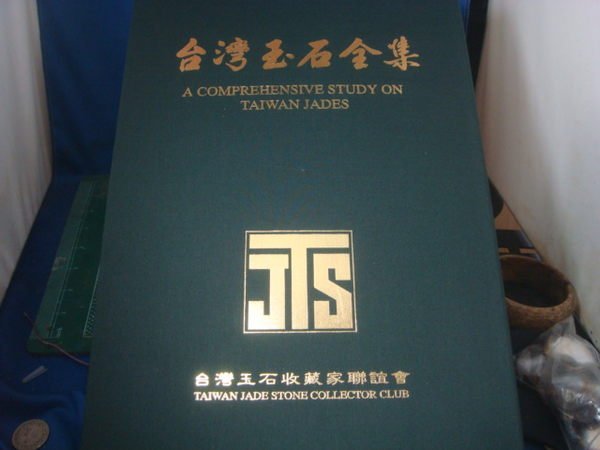
A Comprehensive Study on Taiwan Jades
台灣玉石全集
Edited Book
Wang, Q.X., editor (1997) A Comprehensive Study on Taiwan Jades. [台灣玉石全集]. Hua-Lien, Taiwan, Taiwan Jade Stone Collector Club, 358 pp..
Record No. 3963  |  Sinkankas/Born No.: NIS/NIB  |  Language: in Chinese and English  |  not seen
Wang presents an illustrated introduction to Taiwan’s ornamental stones, intended to promote knowledge of local stone culture and provide collectors with a systematic reference. Accessible explanations and extensive photography introduce the materials and their appreciation, while discussion encompasses carving, processing, collecting, care, and the contemporary market. The volume connects practical knowledge of working and collecting stones with their aesthetic appreciation, serving both newcomers and experienced enthusiasts interested in Taiwan’s stone resources and collecting traditions.

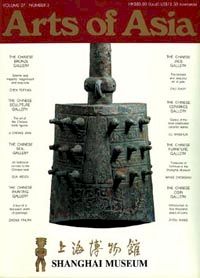
[Shanghai Museum:] The Chinese jade gallery
Journal Article
Shuyi, Z. (1997) [Shanghai Museum:] The Chinese jade gallery. Arts of Asia, Vol. 27, No. 3, May–June, pp. 82–87.
Record No. 3781  |  Sinkankas/Born No.: NIS/NIB  |  not seen

The identification of B + C jade

Journal Article
Wu, S.T. (1997) The identification of B + C jade. Journal of the Gemmological Association of Hong Kong, Vol. 20, pp. 27–29.
Record No. 2421  |  Sinkankas/Born No.: NIS/NIB  |  not seen

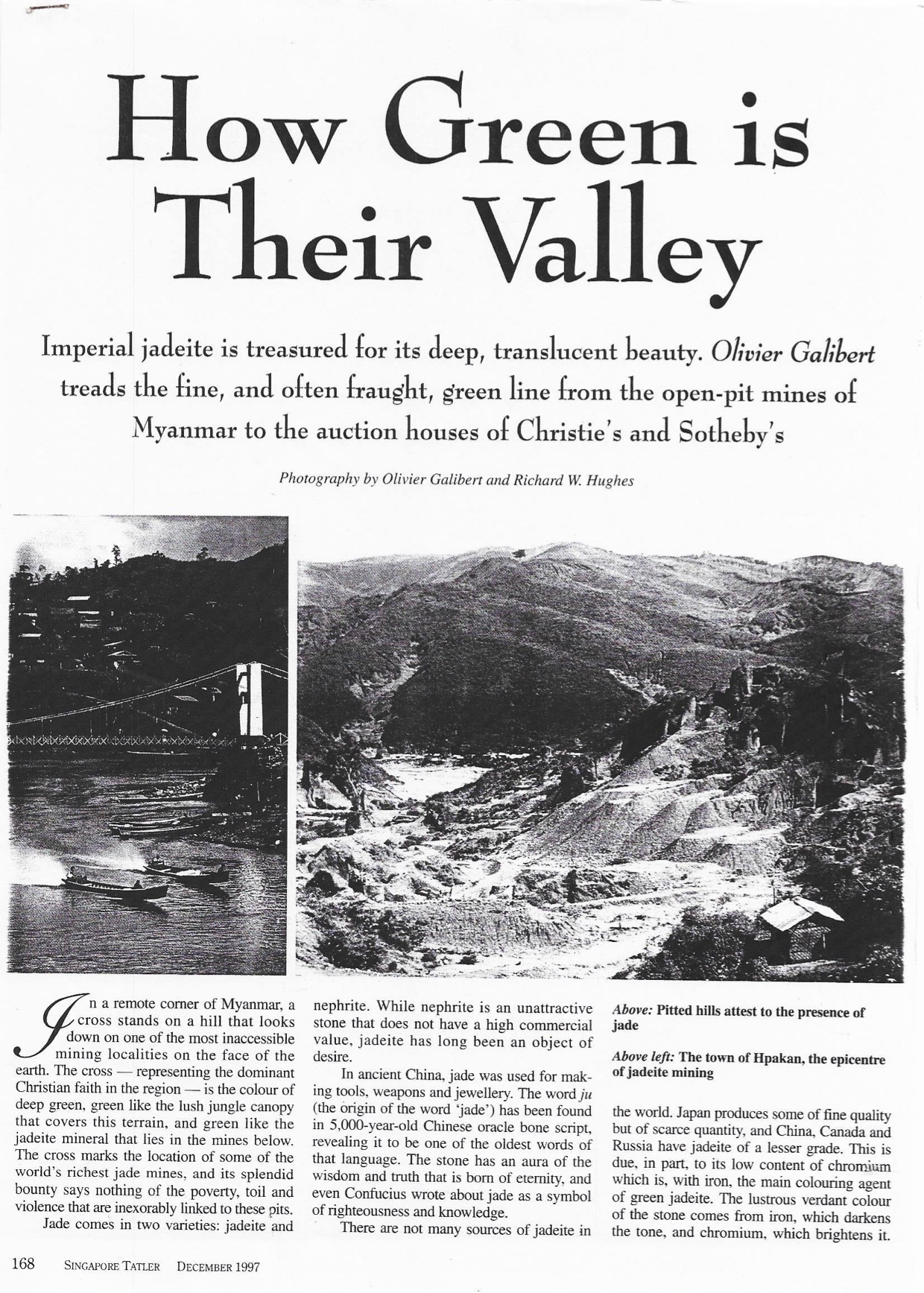
How green is their valley

Journal Article
Galibert, O. (1997) How green is their valley. Hong Kong Tattler, Vol. 21, No. 250, pp. 170–175; Malaysia Tattler, Vol. 9, No. 98, pp. 180–185; Singapore Tattler, Vol. 16, No. 183, pp. 168–173,
Record No. 2403  |  Sinkankas/Born No.: NIS/NIB  |  seen

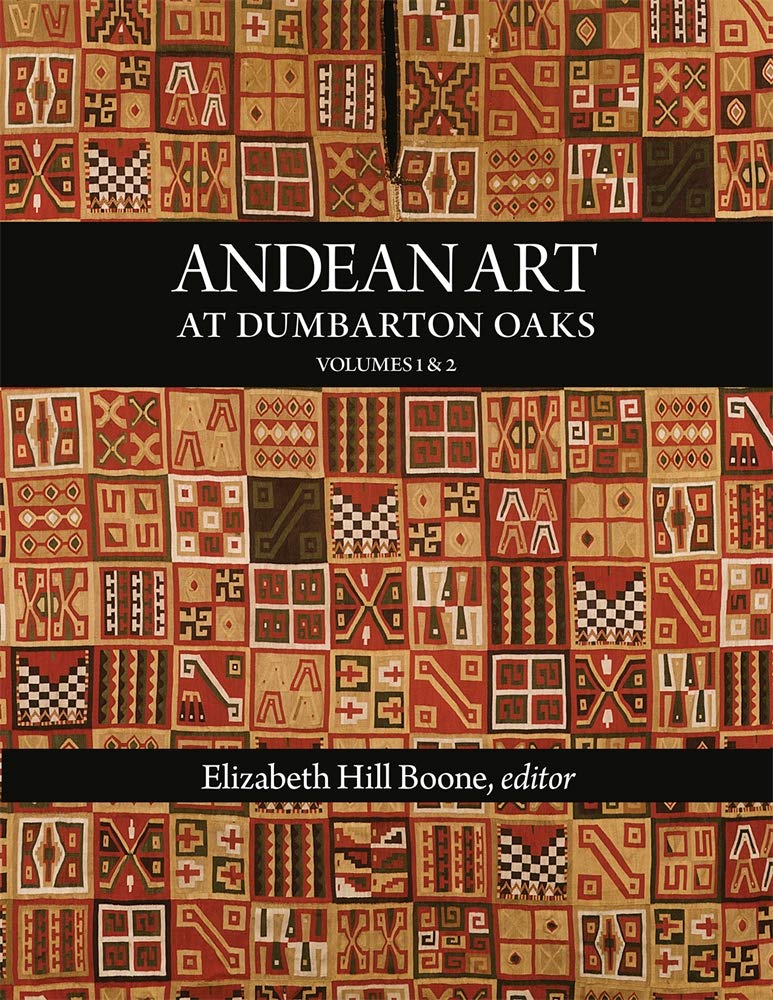
Andean Art at Dumbarton Oaks

Edited Book
Boone, E.H., editor (1996) Andean Art at Dumbarton Oaks.. Cambridge, MA, Harvard University Press, 2 Vols., 497 pp..
Record No. 28856  |  ISBN/ISSN: 9780880000000  |  Sinkankas/Born No.: NIS/NIB  |  not seen
Andean Art at Dumbarton Oaks presents the Andean portion of the Robert Woods Bliss Collection of Pre-Columbian Art. The volume superbly illustrates all 133 Andean objects in color plates and includes numerous complementary and comparative black-and-white illustrations and drawings. The body of Pre-Columbian art that Robert Woods Bliss carefully assembled over more than half a century, between 1912 and 1963, and which has been expanded slightly since his death, constitutes a remarkably significant collection. These works rank among the finest examples of the visual arts produced by Andean cultures. This Andean volume is the first in a planned series of four catalogues devoted to the entirety of the Bliss Pre-Columbian collection. The remaining volumes were intended to focus on objects from eastern Mesoamerica (Olmec and Maya), western Mesoamerica (Teotihuacan, Veracruz, Mixtec, and Aztec), and Lower Central America. Andean Art is composed of five thematic essays, shorter studies on the Andean cultures represented in the collection, and detailed discussions of the individual objects. These contributions were written by specialists in Pre-Columbian art and present the latest scholarly perspectives on Andean cultures and the works themselves. All thirteen authors bring broad expertise in Andean cultural history, archaeology, and art history to their essays, while focusing primarily on the objects in order to provide meaningful contexts and to demonstrate how these artworks, created and used with specific purposes, reveal distinctive qualities of Andean civilization. The volume gives readers a strong sense of how the creators and original owners of the objects in the Bliss collection used and valued these works on many levels. The authors also place individual pieces alongside comparable examples whenever possible. An especially notable feature of the book is the technical analysis of the metal objects contributed by metals specialist Heather Lechtman.

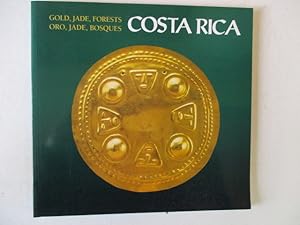
Gold, Jade, Forests: Costa Rica

Book
Calvo Mora, M., Bonilla Vargas, L. and Sanchez Perez, J. (1996) Gold, Jade, Forests: Costa Rica. Seattle, University of Washington Press, 108 pp.
Record No. 28586  |  ISBN/ISSN: 9780300000000  |  Sinkankas/Born No.: NIS/NIB  |  not seen
Gold, Jade, Forests: Costa Rica is a richly illustrated introduction to the archaeological and cultural heritage of Costa Rica before European contact. Focusing on the country’s remarkable traditions of jade carving and goldworking, the book explores how these precious materials served as symbols of power, status, religious belief, and social identity among ancient Costa Rican peoples. Through photographs of artefacts, archaeological sites, and natural landscapes, it traces the development of indigenous societies from the jade-working cultures of the first millennium AD to the later florescence of gold metallurgy, while also highlighting the tropical forests that shaped and sustained these civilizations. Published in conjunction with a major museum exhibition, the volume presents the artistic achievements and cultural history of pre-Columbian Costa Rica for a general audience. 
Raman spectroscopic analysis in the identification of bleached and polymer impregnated jadeite
Raman spectroscopic analysis in the identification of bleached and polymer impregnated jadeite

Journal Article
Yu, S., Lee, J. and Wu, S. (1996) Raman spectroscopic analysis in the identification of bleached and polymer impregnated jadeite. Journal of the Gemmological Association of Hong Kong, Vol. 19, pp. 21–26.
Record No. 28118  |  Sinkankas/Born No.: NIS/NIB  |  not seen

The study of Chinese archaic jades using non-destructive x-ray fluorescence spectroscopy

Journal Article
Douglas, J.G. (1996) The study of Chinese archaic jades using non-destructive x-ray fluorescence spectroscopy. Acta Geologica Taiwanica, Vol. 32, No. 12, pp. 43–54.
Record No. 16839  |  Sinkankas/Born No.: NIS/NIB  |  not seen
Mineralogical studies of Chinese archaic jade
Mineralogical studies of Chinese archaic jade

Journal Article
Wen, G. and Jing, Z. (1996) Mineralogical studies of Chinese archaic jade. Acta Geologica Taiwanica, No. 32, special issue, pp. 55–84.
Record No. 7834  |  Sinkankas/Born No.: NIS/NIB  |  not seen
Based on the Symposium on the Mineralogical Studies of Archaic Jades, jointly organized by the National Taiwan University and the Taiwan Museum, held at the University on January 12 and 13, 1996.

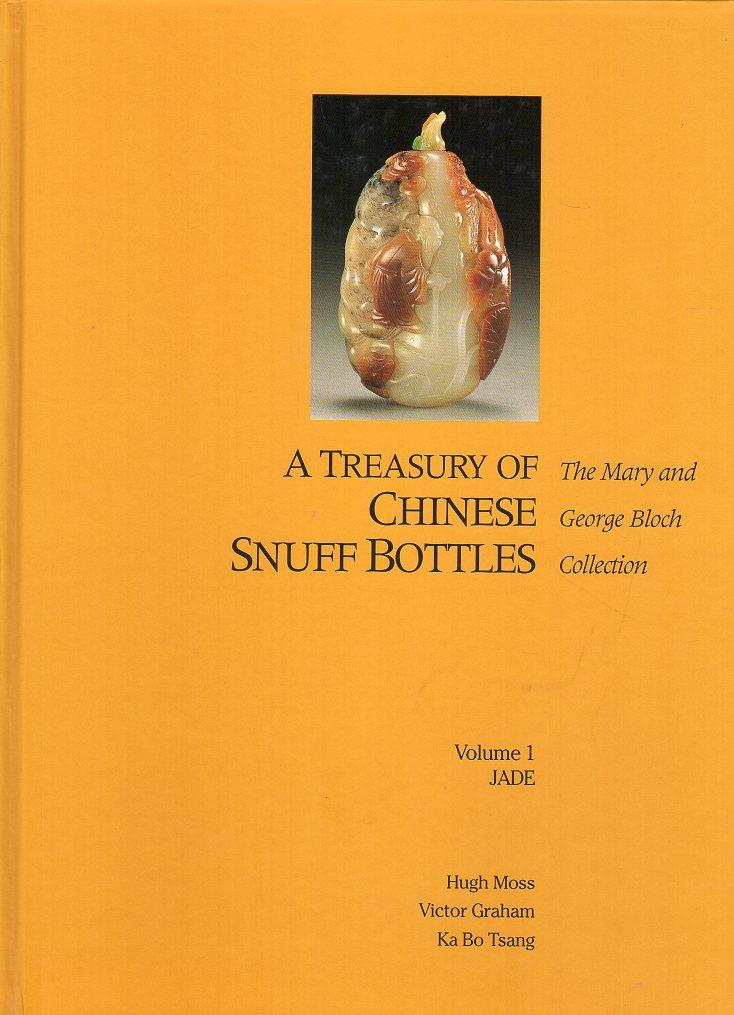
A Treasury of Chinese Snuff Bottles: The Mary and George Bloch Collection
Book
Moss, H., Graham, V. and Tsang, K.B. (1996) A Treasury of Chinese Snuff Bottles: The Mary and George Bloch Collection. Hong Kong, Herald International, Volume 1: Jade , 490 pp.
Record No. 5823  |  ISBN/ISSN: 9627502162  |  Sinkankas/Born No.: NIS/NIB  |  not seen
The first of 7 volumes covering the entire Bloch collection of over 1,400 bottles. Volume 1 Jade exhaustively covers every aspect of each of the 187 jade bottles in the Collection. Each piece demonstrates the genius of its carver, bringing out the best of the material and concept. An essential reference for lovers of Chinese snuff bottles, the subsequent volumes will cover other types of snuff bottle media, including agate, glass, ceramics, etc. Each volume is beautifully produced and individually numbered.

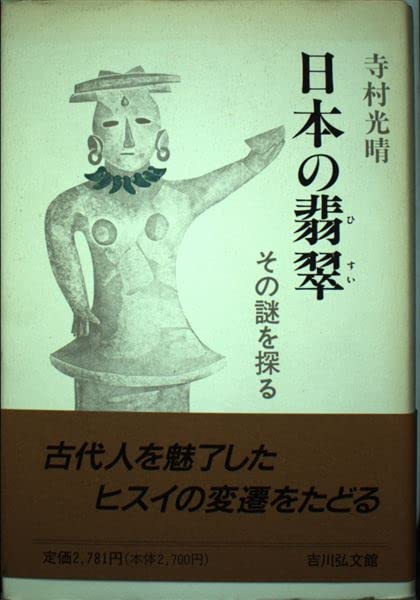
Japanese Jade: Exploring its Riddles

日本の翡翠―その謎を探る
Book
Teramura, M. (1995) Japanese Jade: Exploring its Riddles. [日本の翡翠―その謎を探る] Tokyo, Yoshikawa Kōbunkan, 284 pp.
Record No. 28527  |  ISBN/ISSN: 9784640000000  |  Sinkankas/Born No.: NIS/NIB  |  Language: in Japanese  |  not seen
Appearing in the Early Jōmon period and suddenly disappearing in the Nara period, the green stone known as “jade” captivated the people of ancient Japan. Tracing this stone so admired by the ancients, the book recounts the search for and discovery of its source localities and, while touching upon traditions such as the legend of Nunakawa-hime, approaches the true nature of this still mysterious jade.
The Jade Coast and the Amber Coast. The Middle Jomon production and circulation of rare ornaments in Central Japan

The Jade Coast and the Amber Coast. The Middle Jomon production and circulation of rare ornaments in Central Japan

Book Section
Bausch, I.R. (1995) The Jade Coast and the Amber Coast. The Middle Jomon production and circulation of rare ornaments in Central Japan. In: From the Jomon to Star Carr, Oxford: British Archaeological Reports
Record No. 28526  |  Sinkankas/Born No.: NIS/NIB  |  not seen

Exploring the Literature of Jade

Jade literature spans gemology, mineralogy, archaeology, art history, mining, carving and connoisseurship, and includes works on both jadeite and nephrite from around the world.

For an introduction to collecting books on this subject, read Hidden Treasure — Collecting the Literature of Jade.

About Four Treasures

Four Treasures is Lotus Gemology's freely accessible gemological reference database. Use the full database to search by author, title or keyword and explore literature on gemology, mineralogy, jewelry and related fields. Where available, hyperlinks on titles may lead directly to the full publication.

Search the Complete Four Treasures Database