Jade Bibliography

Jade Bibliography

Explore books, articles and historical sources on jade in Four Treasures, the Lotus Gemology reference database. This bibliography brings together matching records from the collection, with publication details, abstracts and cover images where available.

Jade References

The list below matches the terms jade, jadeite, nephrite or Fei Cui in the database's searchable fields. Some references discuss these materials as part of a broader subject.

3,521–3,540 of 3,779 matching references

Investigating the place of origin of jade beads
Investigating the place of origin of jade beads

玉類の原材産地を探る
Book Section
Warashina, T. (1995) Investigating the place of origin of jade beads. [玉類の原材産地を探る] In: Scientific Research on Ancient Cultural Properties: Research Results for Fiscal Year 1994 [古代文化財の自然科学的研究 — 平成6年度研究成果報告書], Kyoto: Kyoto University Research Reactor Institute, pp. 188–194.
Record No. 28523  |  Sinkankas/Born No.: NIS/NIB  |  Language: in Japanese  |  not seen
Investigates the geological sources of jade used to manufacture ancient Japanese beads and pendants. The study addresses the relationship between archaeological jade objects and potential raw-material sources, seeking to clarify the geographical movement of jade and its significance for understanding prehistoric exchange networks.

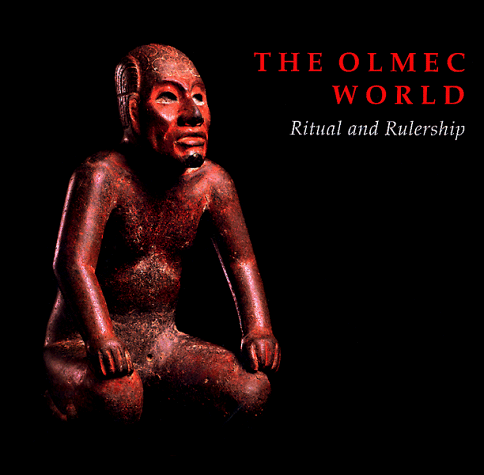
Crystal chemistry of barian enrichment in micas from metasomatized inclusions in serpentine, Motagua fault zone, Guatemala
Journal Article
Harlow, G.E. (1995) Crystal chemistry of barian enrichment in micas from metasomatized inclusions in serpentine, Motagua fault zone, Guatemala. European Journal of Mineralogy, Vol. 7, No. 4, pp. 775–789.
Record No. 28457  |  Sinkankas/Born No.: NIS/NIB  |  not seen
Abstract One to three coexisting micas with relatively high barium content, particularly in grain rims where coexisting celsian or hyalophane are present, have been found in jadeitites, albitites, and micaceous rocks from a serpentinite-matrix mélange along the Motagua Valley of Guatemala. Barian phengitic muscovite and/or phlogopite, with 0.4 to over 4 wt.% BaO (± paragonite), are found in the jadeitites. Barian phengite, from 1.2 to 8.9 wt.% BaO (0.25 cations per interlayer site), dominates in mica-rich rocks where celsian, cymrite, hyalophane and barite are minor but common. Compared to other reports of barian micas coexisting with Ba phases, the BaO values here are lower, probably due to low contents of Cr, Ti and Mn, lower formation temperatures and higher formation pressures. Barium content in phengite always exceeds that in coexisting phlogopite (Ph/Phl Dᴮᵃ = 1.2 to 9.5), which is likely due to the steric effects of high Mg and Si content in phengite and low Fe, Mn and Ti in phlogopite. Coexisting paragonite and late-stage preiswerkite have low but not always negligible barium content, as high as 0.3 wt.% BaO. The exchange Ba[4]AlK⁻¹Si⁻¹ is most commonly observed for zoning of Ba in micas. However, correlated phengite exchange, [6]Mg[4]Si[6]Al⁻¹[4]Al⁻¹, in certain rocks leads to an effective Ba⁶K⁻¹[6]Al⁻¹ exchange, which indicates a positive P/T growth trajectory and a pressure-volume limitation for increased tetrahedral aluminum in the mica structure.

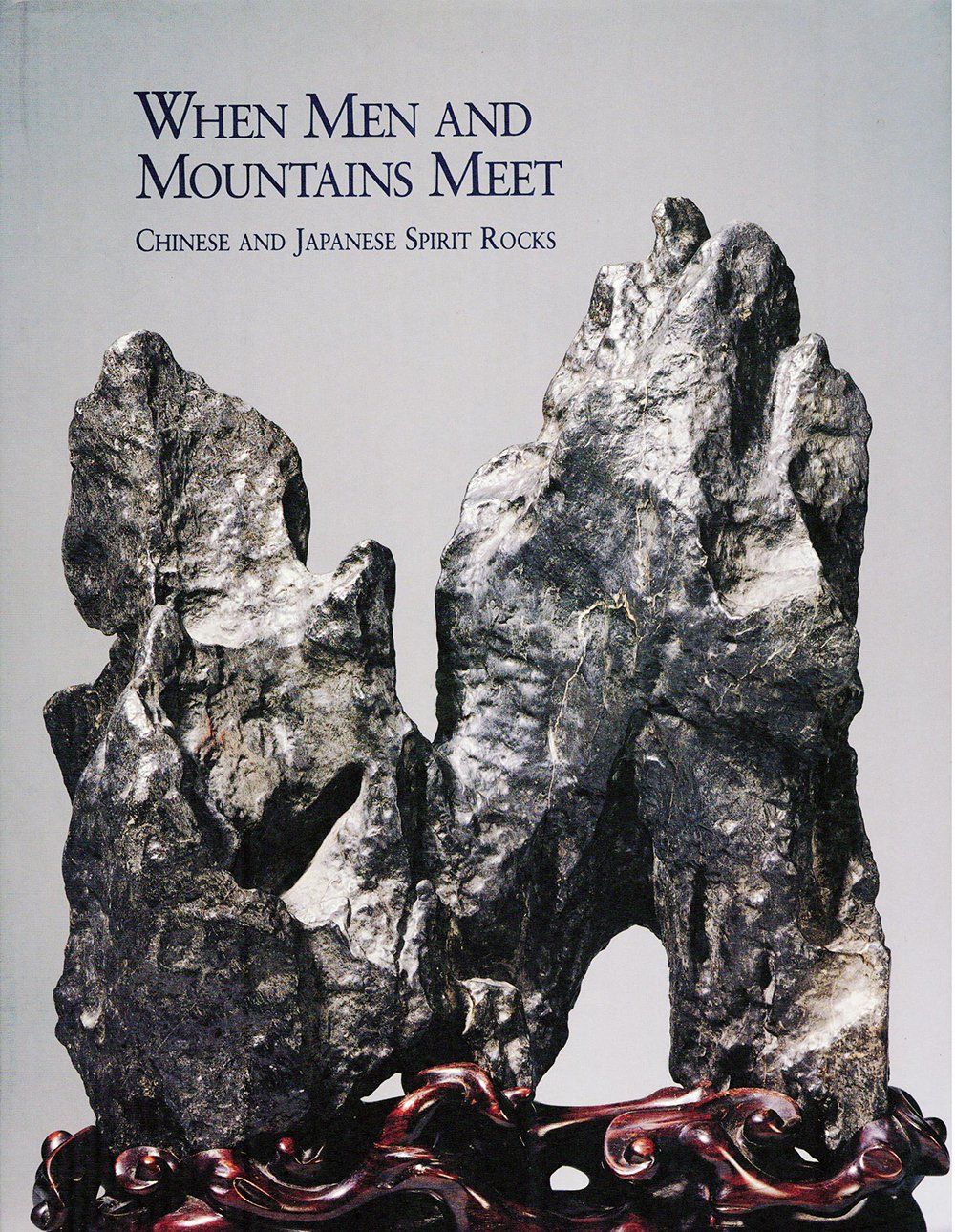
Rocks and minerals employed by the Olmec as carvings
Book Section
Harlow, G.E. (1995) Rocks and minerals employed by the Olmec as carvings. In: The Olmec World: Ritual and Rulership, Princeton, NJ: The Art Museum, Princeton University, pp. 123–124.
Record No. 28456  |  ISBN/ISSN: 810963116  |  Sinkankas/Born No.: NIS/NIB  |  not seen
Between 1400 and 400 BC, in what is now Mexico and Central America, the Olmec people created a magnificent culture, one too often overshadowed by those of the Maya and the Aztec. This catalogue accompanies an exhibition of over 250 Olmec works of art - ceramic, jade and stone - on display at the Art Museum, Princeton University in December 1995, and travelling to the Museum of Fine Arts, Houston. Essays by prominent scholars offer interpretations of such topics as the power of objects within the context of the Olmec ritual system. These identify and illustrate the fundamental themes of Olmec small-scale sculpture, the sacred role of the maize in Olmec ideology, and the relationship of Olmec culture to later civilizations. An illustrated glossary of motifs and symbols is provided to clarify the often highly abstract style and encoded iconography of the Olmec. The book also includes precise mineralogical descriptions of the lithic materials they used.

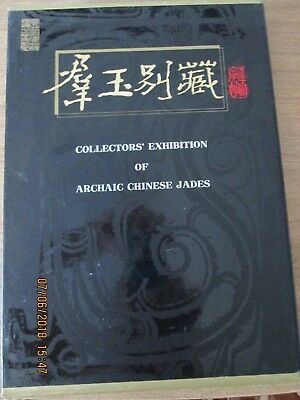
When Men and Mountains Meet | Chinese and Japanese Spirit Rocks
Book
Moss, P. and Harkins, B. (1995) When Men and Mountains Meet | Chinese and Japanese Spirit Rocks. London, Sydney Moss, unpaginated
Record No. 7572  |  Sinkankas/Born No.: NIS/NIB  |  not seen
This catalog of an early exhibition of 90 objects held in London is another important work to help people learn and understand about Chinese and Japanese stone appreciation. There are three essays at the beginning of this volume. The first and most important one is The Culture of Rocks in China and Japan, Meaning and Context contributed by John Hay. Each of the objects displayed has, at least, a full page color photograph with a description, size, and background information on the opposing page. The objects displayed were mainly stones, but there also sliced rock wall hangings, bronze castings, porcelain, dried fungi, paintings, and dried roots. It appears that most of the Chinese objects are from the Qing dynasty and were, at one time, in the hands of Japanese collectors due to the fact that some of the stones are kept in handmade Japanese boxes. There are more Ying stones illustrated than any other type of Chinese stones. Wall hangings with sliced rocks are also well represented. Japanese Furuya stones dominate the Japanese stones exhibited, although Kamo, Ibi, and Seta River stones are included. This is a beautifully produced book that serves as a valuable reference to Asian stone appreciation. It is a pity that it is out of print and almost impossible to purchase a copy today.

Collectors Exhibition of Archaic Chinese Jades
Edited Book
Teng, S.-P.i., editor (1995) Collectors Exhibition of Archaic Chinese Jades.. Taipei, National Palace Museum, 249 pp..
Record No. 6174  |  ISBN/ISSN: 9789580000000  |  Sinkankas/Born No.: NIS/NIB  |  Language: in Chinese and English  |  not seen
Catalogues archaic Chinese jades lent by private collectors to a 1995 exhibition at the National Palace Museum, Taipei. The bilingual publication surveys works from the Neolithic period through the Han dynasty, documenting the development of jade forms and decoration through illustrated entries and a chronological table of stylistic change. The objects include ceremonial blades, pendants, discs, and animal carvings, providing comparative material for the study of early Chinese jade workmanship. The catalogue brings privately held pieces into a broader historical framework and records works that had previously received limited publication. The jades are from four private collections (Chan-chi-hsuan, Piao-te-hsuan, Wu-yueh-yuan and Yang-te-t'ang.

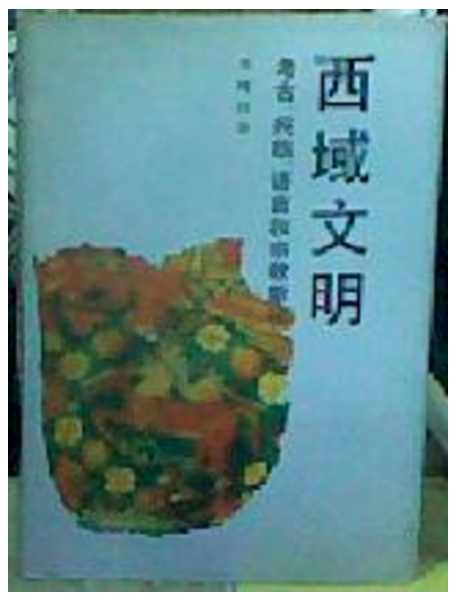
The Serindian Civilization: New Studies on Archaeology, Ethnology, Languages and Religions
西域文明—考古民族話言禾卩宗教亲斤论
Book
Lin, M. (1995) The Serindian Civilization: New Studies on Archaeology, Ethnology, Languages and Religions. [西域文明—考古民族話言禾卩宗教亲斤论] Beijing, Dongfang Chubanshe (see p. 5).
Record No. 4221  |  ISBN/ISSN: 9787510000000  |  Sinkankas/Born No.: NIS/NIB  |  Language: in Chinese  |  not seen
A collection of studies on the archaeology, peoples, languages, and religions of China’s Western Regions and their connections with neighbouring civilizations. Archaeological discoveries, inscriptions, manuscripts, and historical texts provide evidence for cultural exchange along the Silk Roads. Topics include ancient populations and migrations, coins and documents from Khotan, Buddhist communities, and the transmission of religious traditions, presenting the region as a meeting place of Chinese, Indian, Iranian, and Central Asian cultures. Contains mentions of jade in ancient China.

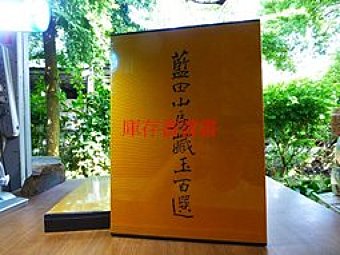
One Hundred Jades from the Lantien Shanfang Collection

蓝田山房藏玉百选
Book
Teng, S.-P.i. (1995) One Hundred Jades from the Lantien Shanfang Collection. [蓝田山房藏玉百选] Taipei, Nien-Hsi Foundation, 293 pp.
Record No. 4012  |  ISBN/ISSN: 9579937516  |  Sinkankas/Born No.: NIS/NIB  |  Language: in Chinese and English  |  not seen
Presents a bilingual illustrated catalogue of one hundred Chinese jades selected from the Lantien Shanfang collection assembled by Hsu Tso-li. Colour plates, comparative illustrations, and accompanying entries document the objects and provide material for studying their forms, decoration, and carving techniques. The selection includes early jade ornaments and figural carvings, Warring States pendant ensembles, and later works reflecting the continued appreciation and reinterpretation of ancient jade. The volume records an important private collection and supplies comparative examples for the study of Chinese jade craftsmanship and collecting.
Map of private and joint venture jadeite mining spots, Jade Tract, indicating active mines
Map of private and joint venture jadeite mining spots, Jade Tract, indicating active mines

Map
Chikayama, A. (1995) Map of private and joint venture jadeite mining spots, Jade Tract, indicating active mines.: unpublished?.
Record No. 2417  |  Sinkankas/Born No.: NIS/NIB  |  Language: in english  |  not seen
A map identifying private and joint-venture fei cui mining sites in Myanmar’s Jade Tract, indicating mines active in 1995.

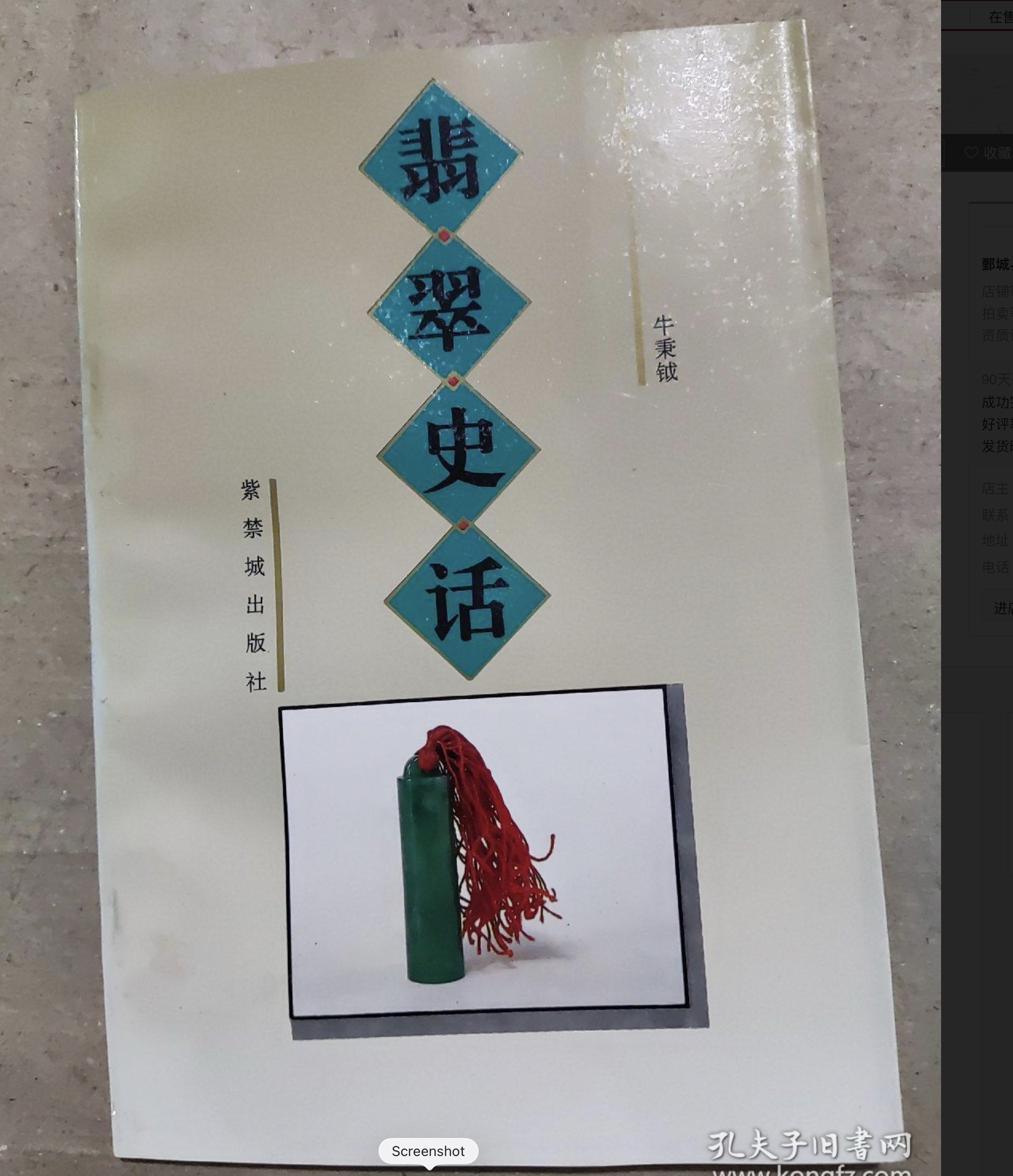
A Brief History of Fei Cui

翡翠简史
Book
Niu, B. (1994) A Brief History of Fei Cui. [翡翠简史] Beijing, Forbidden City Publishing House, 96 pp.
Record No. 28258  |  ISBN/ISSN: 9787800000000  |  Sinkankas/Born No.: NIS/NIB  |  Language: in Chinese  |  not seen
This book introduces the origin, composition, type, processing, finished product and its processing of jade, as well as the development overview and business mode of the jewelry industry in Beijing and Tianjin.

Hetian jade and its marketing

和田玉及貿易
Journal Article
Yang, F. and Abduriyim, A. (1994) Hetian jade and its marketing. [和田玉及貿易] Journal of China Gemstone, Vol. 1, pp. 81–84.
Record No. 7812  |  Sinkankas/Born No.: NIS/NIB  |  Language: in Chinese  |  not seen
An overview of Hetian nephrite jade and its trade, introducing the material in relation to its commercial circulation and marketing.

The Beauty of Jade

Qiepi Qiukui 茄皮秋葵
Book
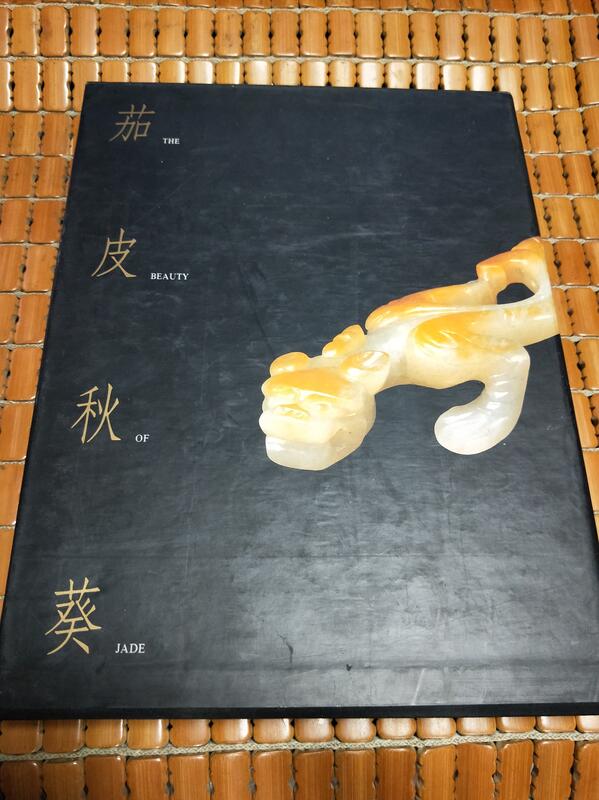
Jih Sun Foundation for Culture and Education (1994) The Beauty of Jade. [Qiepi Qiukui 茄皮秋葵] Taipei, Jih Sun Foundation for Culture and Education, 325 pp.
Record No. 3961  |  Sinkankas/Born No.: NIS/NIB  |  Language: in English and Chinese  |  not seen
A lavishly illustrated catalogue devoted to the appreciation of ancient Chinese jade objects. Detailed colour photographs emphasize the materials, colours, surface alteration, workmanship, forms, and decorative motifs of the pieces, accompanied by Chinese and English descriptions. The objects represent various traditional functions and forms, including personal ornaments, ritual and ceremonial objects, animal and figural carvings, vessels, and decorative works attributed to different periods of Chinese history. Published by the Jih Sun Foundation for Culture and Education as part of its promotion of Chinese cultural heritage, the volume is primarily a visual collection catalogue rather than a mineralogical or archaeological study. Its extensive photography makes it useful for comparative examination of jade-carving styles, iconography, craftsmanship, and traditional dating.

The Art of Featherwork in Mexico

Book
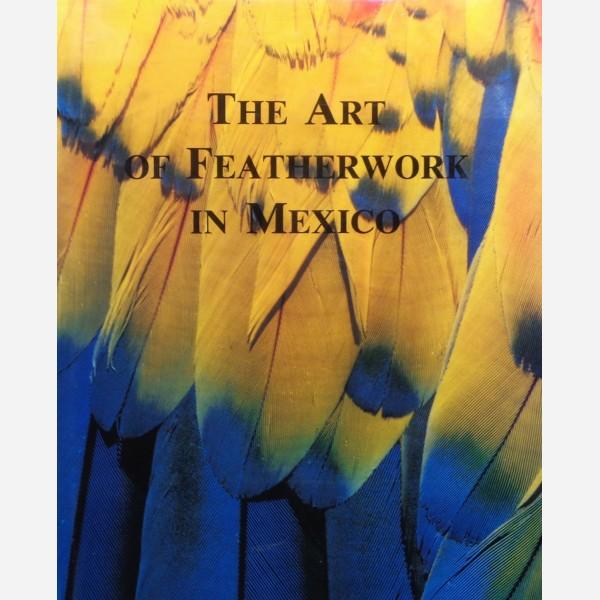
Castello Yturbide, T. (1993) The Art of Featherwork in Mexico. Mexico City, Fomento cultural Banamex, 255 pp.
Record No. 28651  |  ISBN/ISSN: 9789690000000  |  Sinkankas/Born No.: NIS/NIB  |  not seen
Featherworks were among the most highly prized objects in the early post-Conquest period. Hernan Cortes sent feathered objects to Holy Roman Emperor Charles V to dazzle him with their richness and unique qualities. Others, like Diego de Soto, carried packages of featherworks from New Spain to Spain to give to Charles V soon after the Spanish Conquest. Many featherworks found their way into cabinets of curiosities throughout Europe, no doubt collected because they symbolized the exotic “New World” across the Atlantic. Still today, feathered goods like the so-called Headdress of Moctezuma are some of the most prized possessions of European museums.
Grade B jadeite, an artificially processed one

Grade B jadeite, an artificially processed one

Journal Article
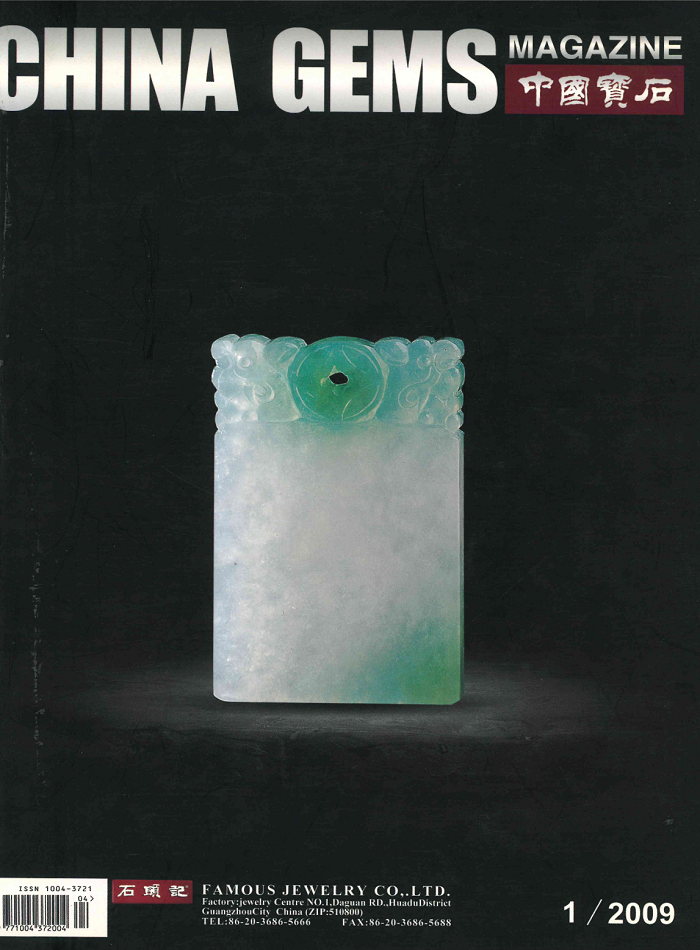
Wang, F.Q. (1993) Grade B jadeite, an artificially processed one. China Gems, pp. 47–48.
Record No. 28116  |  Sinkankas/Born No.: NIS/NIB  |  not seen
Examining texture critical in tests for type-B jadeite

Examining texture critical in tests for type-B jadeite

Journal Article
Ouyang, C.M. (1993) Examining texture critical in tests for type-B jadeite. Jewellery News Asia, pp. 96–100.
Record No. 28113  |  Sinkankas/Born No.: NIS/NIB  |  not seen
The identification of type B jadeite

The identification of type B jadeite

Journal Article
Mok, D. (1993) The identification of type B jadeite. Hong Kong Jewellery Magazine, pp. 80–82.
Record No. 28112  |  Sinkankas/Born No.: NIS/NIB  |  not seen
Value-enhanced jadeite: A necessary update
Value-enhanced jadeite: A necessary update

Journal Article
Brown, G. (1993) Value-enhanced jadeite: A necessary update. Jewellery World, Vol. 10/11, pp. 40, 42.
Record No. 28101  |  Sinkankas/Born No.: NIS/NIB  |  not seen

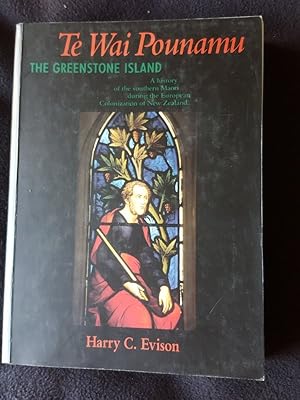
Te Wai Pounamu, the Greenstone Island | A history of the Southern Maori during the European Colonization of New Zealand
Book
Evison, H.C. (1993) Te Wai Pounamu, the Greenstone Island | A history of the Southern Maori during the European Colonization of New Zealand. Wellington, Aoraki Press (582 pp.).
Record No. 8060  |  ISBN/ISSN: 978091000000  |  Sinkankas/Born No.: NIS/NIB  |  not seen
Winner of New Zealand Book Award Non-Fiction Category 1994. When the southernmost corner of Polynesia became the most distant outpost of European expansion, what happened to the indigenous people? This book tells for the first time the story of the 19th-century penetration, annexation and colonization of southern New Zealand by Europeans, as it affected the local Maori inhabitants. This is not just a local history. The story is told in the broader context of New Zealand history and imperial politics. Base on first-hand contemporary sources it is a compelling narrative in which traders, sealers, whalers, missionaries, naval officers, Maori chiefs, colonists, government officials, Governors, judges, Royal Commissioners, politicians, ordinary Maori, academics, and the modern Waitangi Tribunal all have their say.

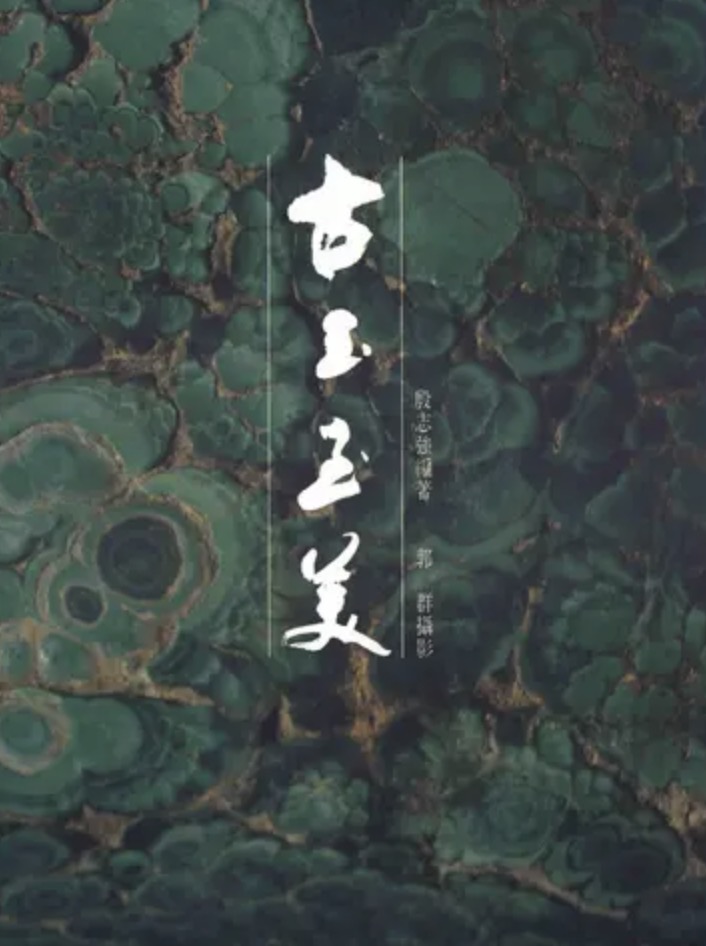
Ku-yü Chih-mei [Beauty of Chinese Archaic Jade]

古玉至美
Book
Yin, Z. and Guo, Q. (1993) Ku-yü Chih-mei [Beauty of Chinese Archaic Jade]. [古玉至美] Taipei, Art Book Co. [I-shu T’u-shu Kung-ssu], 379 pp.
Record No. 7793  |  Sinkankas/Born No.: NIS/NIB  |  Language: in Chinese with English captions  |  not seen
An illustrated study of 280 selected ancient Chinese jades, examining their beauty through material, form, craftsmanship, and cultural meaning. The discussion relates the objects’ visual and tactile qualities to jade’s distinctive place in Chinese thought and appreciation, combining close attention to individual carvings with a broader consideration of their cultural value. Chinese text is accompanied by English captions.
Travels in northern Kachin

Travels in northern Kachin

Film or Broadcast
Win Win Tin (1993) Travels in northern Kachin. Yangon: Videosoft Productions: Distributed by AV Media Ltd., ca. 35 min..
Record No. 7346  |  Sinkankas/Born No.: NIS/NIB  |  not seen
Glimpses of northern part of Kachin State, Burma.

An Appreciation of Fei Cui

翡翠鉴赏
Book
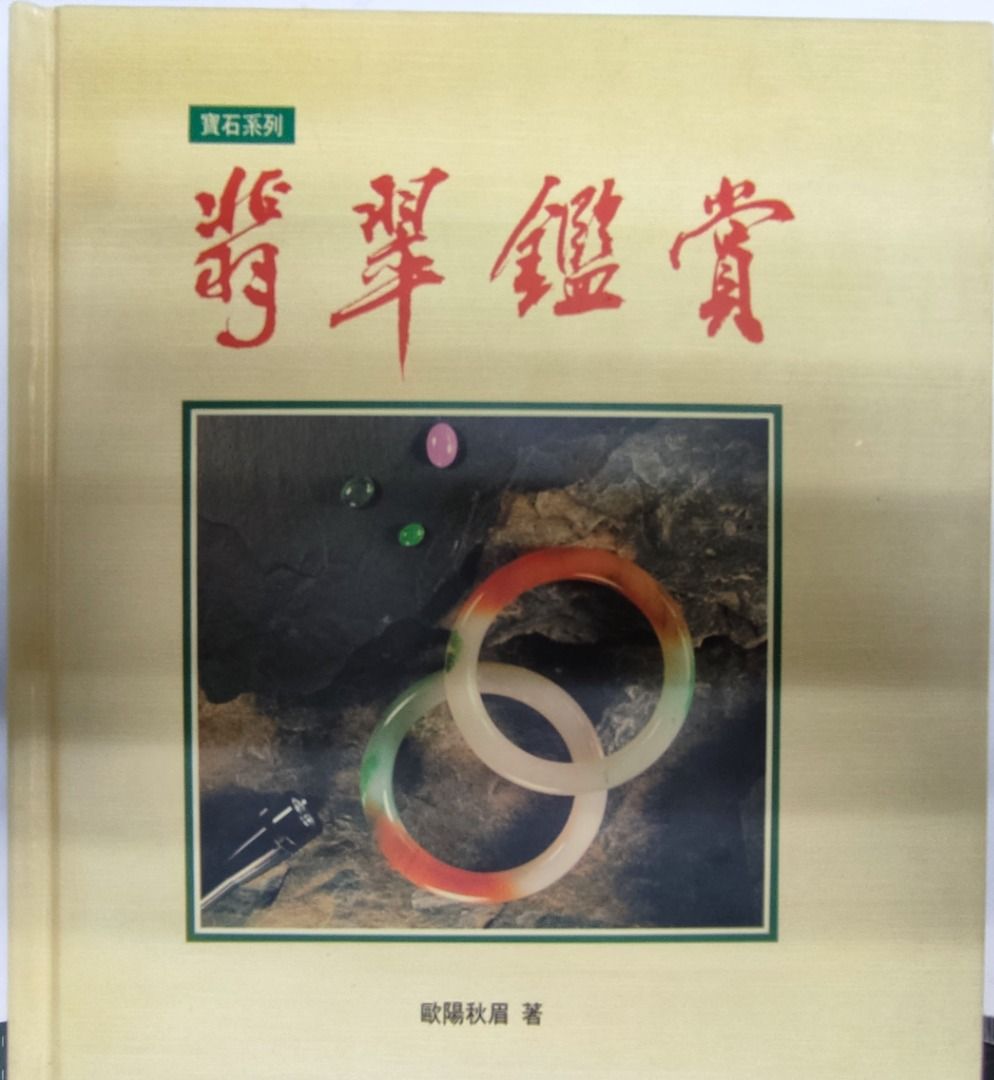
Ouyang, C.M. (1993) An Appreciation of Fei Cui. [翡翠鉴赏] Hong Kong, Cosmos Books, 191 pp.
Record No. 6773  |  ISBN/ISSN: 9622575846, 9789622575844  |  Sinkankas/Born No.: NIS/NIB  |  Language: in Chinese  |  not seen
An introduction to the appreciation, identification, and valuation of fei cui. Topics include flaws, artificial treatments and their detection, methods of assessing value, and examples of exceptional material. The book combines gemological examination with the practical concerns of collectors and buyers.

Exploring the Literature of Jade

Jade literature spans gemology, mineralogy, archaeology, art history, mining, carving and connoisseurship, and includes works on both jadeite and nephrite from around the world.

For an introduction to collecting books on this subject, read Hidden Treasure — Collecting the Literature of Jade.

About Four Treasures

Four Treasures is Lotus Gemology's freely accessible gemological reference database. Use the full database to search by author, title or keyword and explore literature on gemology, mineralogy, jewelry and related fields. Where available, hyperlinks on titles may lead directly to the full publication.

Search the Complete Four Treasures Database