Jade Bibliography

Jade Bibliography

Explore books, articles and historical sources on jade in Four Treasures, the Lotus Gemology reference database. This bibliography brings together matching records from the collection, with publication details, abstracts and cover images where available.

Jade References

The list below matches the terms jade, jadeite, nephrite or Fei Cui in the database's searchable fields. Some references discuss these materials as part of a broader subject.
3,541–3,560 of 3,779 matching references

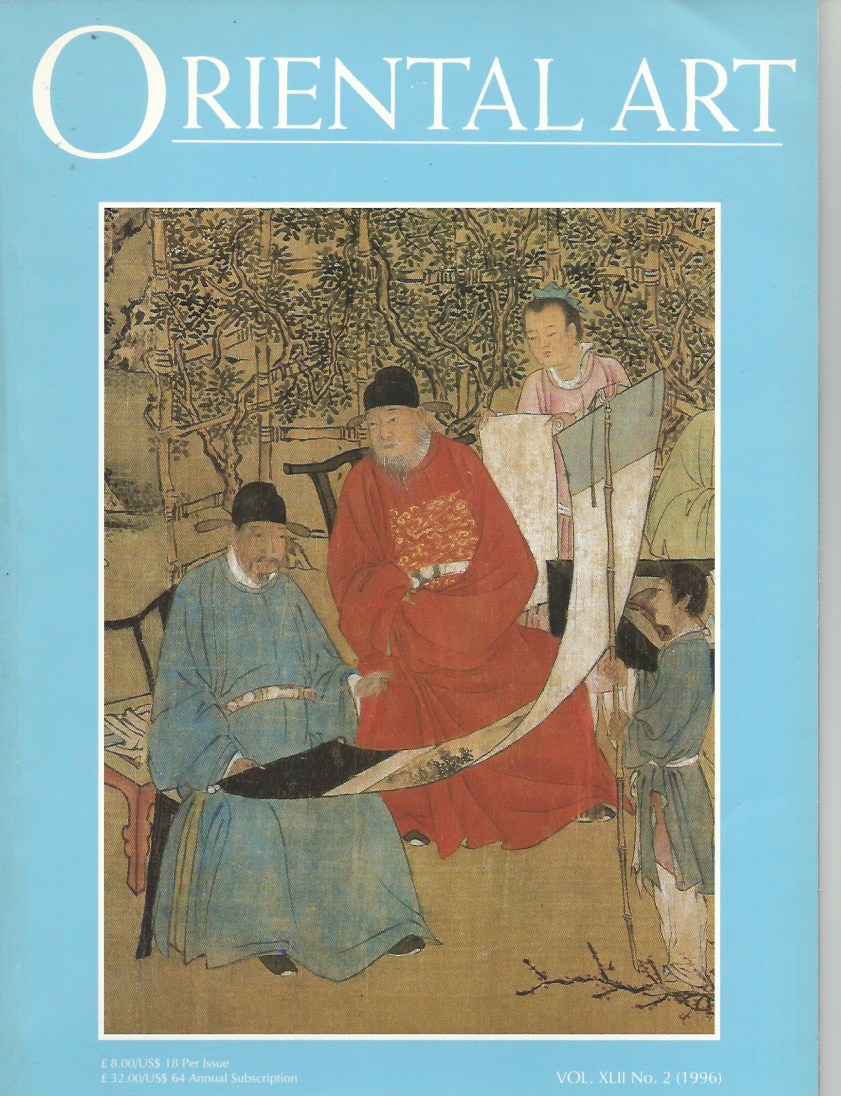
Colonel Guthrie’s jade collection: Jades of the Mughal era
Journal Article
Stronge, S. (1993/1994) Colonel Guthrie’s jade collection: Jades of the Mughal era. Oriental Art, Vol. 39, No. 4, pp. 4–13.
Record No. 4521  |  Sinkankas/Born No.: NIS/NIB  |  not seen

Ancient Jade from the Yangde Tang Collection
中国绘画全集 Yangde Tang Guyu Tezhan
Book
Chang Foundation (1993) Ancient Jade from the Yangde Tang Collection. [中国绘画全集 Yangde Tang Guyu Tezhan] Taipei, Chang Foundation, 39 + (1) pp, 12 full size color plates + 33 smaller color photos + 3 b/w illus.
Record No. 3878  |  Sinkankas/Born No.: NIS/NIB  |  Language: English and Chinese text  |  not seen
Although small, this collection contains 12 impressive archiac jades from the Hongshan culture to Western Han period.

Oro, Jade, Boques: Costa Rica

Gold, Jade, Forests: Costa Rica
Book
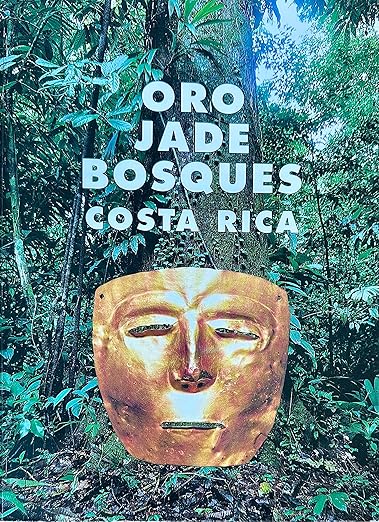
Calvo Mora, M., Bonilla Vargas, L. and Sanchez Perez, J. (1992) Oro, Jade, Boques: Costa Rica. [Gold, Jade, Forests: Costa Rica], FISA, Escudo de Oro, 156 pp.
Record No. 28594  |  ISBN/ISSN: 9788440000000  |  Sinkankas/Born No.: NIS/NIB  |  Language: in Spanish  |  not seen
This exhibition catalogue presents Costa Rica’s pre-Columbian heritage through gold ornaments and carved jade, relating these objects to the country’s forests and wildlife. Human and animal imagery—including frogs, bats, deer and felines—connects indigenous artistic production with its natural environment. Drawing on Costa Rican museum collections, the exhibition accompanied the country’s presentation at Seville’s Expo ’92.
Study of concept, nomenclature, species and classification of jade
Study of concept, nomenclature, species and classification of jade

Journal Article
Wang, C. (1992) Study of concept, nomenclature, species and classification of jade. Geology-Geochemistry, No. 6, pp. 24–29.
Record No. 6678  |  Sinkankas/Born No.: NIS/NIB  |  Language: in Chinese  |  not seen
The paper discusses the definition of jade virtue" in Chinese civilization and the distinction between jade and fei cui (jadeite), explores the gemological definitions and the Chinese-English nomenclature of nephrite (soft jade) and jadeite (hard jade), and further examines and identifies newly discovered varieties of jade and fei cui. Finally, it proposes a precise definition and systematic classification of jade."

Fei Cui

翡翠
Book
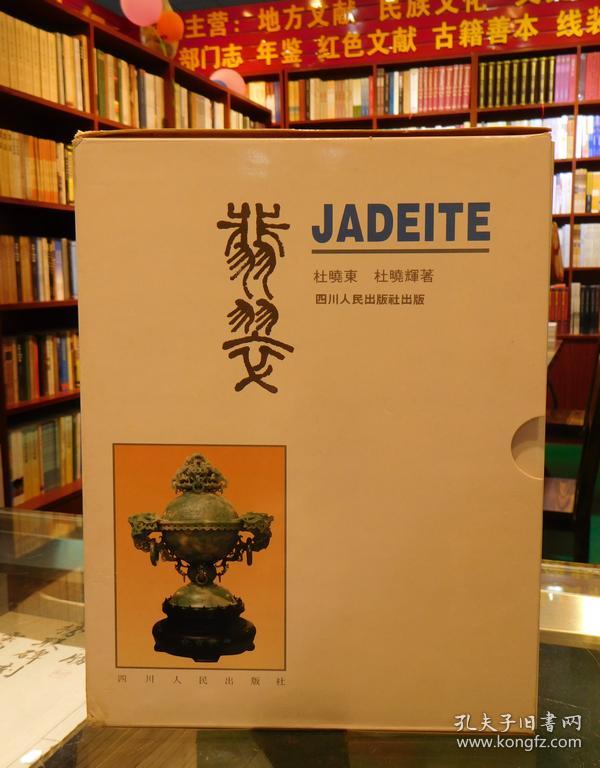
Du, X.D. and Du, X. (1992) Fei Cui. [翡翠] Chengdu, 四川人民出版社 [Sichuan People's Publishing House], 101 pp.
Record No. 4664  |  ISBN/ISSN: 9578794401  |  Sinkankas/Born No.: NIS/NIB  |  Language: in Chinese and English  |  not seen

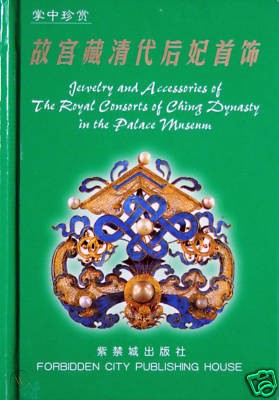
Jewelry and Accessories of the Royal Consorts of Ch’ing Dynasty in the Palace Museum
Book
Palace Museum (1992) Jewelry and Accessories of the Royal Consorts of Ch’ing Dynasty in the Palace Museum. Hong Kong, Forbidden City Publishing House, 152 pp.
Record No. 4415  |  ISBN/ISSN: 7800471683  |  Sinkankas/Born No.: NIS/NIB  |  Language: in English and Chinese  |  not seen
Beautifully illustrated, this book studies jewelry and accessories of the Qing court based on the collection of the Palace Museum, Beijing. Selected from the tens of thousands items in the collection, the items were divided into 5 categories: 1. Jewelry worn on the head; 2. Jewelry worn around the neck; 3. Jewelry worn on the hands; 4. Jewelry worn at the waist; and 5. Medallions, brooches, packet-watches, pendants, and others. The objects not only make extensive use of precious stones such as jades, rubies, and sapphires, but also exotic materials such as corals and Kingfisher feathers. This is a small book, it measures 13.7 x 9.8 cm. It illustrates 116 jewelry and ornaments of the royal consorts of Ch'ing dynasty with circa 140 color pictures, in bilingual, Chinese and English.

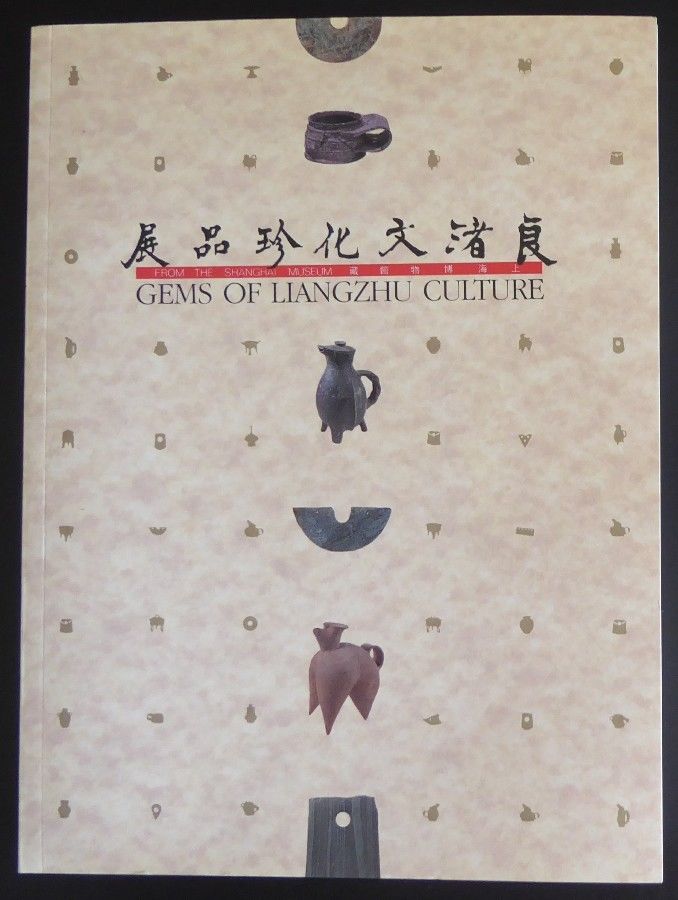
Gems of Liangzhu Culture from the Shanghai Museum
Book
Huang, X. (1992) Gems of Liangzhu Culture from the Shanghai Museum. Hong Kong, Shanghai Museum/Urban Council, 239 pp.
Record No. 3884  |  ISBN/ISSN: 9789630000000  |  Sinkankas/Born No.: NIS/NIB  |  Language: in English and Chinese  |  not seen
A bilingual exhibition catalogue presenting archaeological objects from the Shanghai Museum’s holdings of Liangzhu and related Neolithic cultures. Jade carvings form a prominent part of the selection, alongside other excavated artefacts. Ninety-three colour plates, supplemented by maps, plans, and drawings, document the objects and their archaeological context, providing comparative material for the study of prehistoric Chinese craftsmanship and material culture.

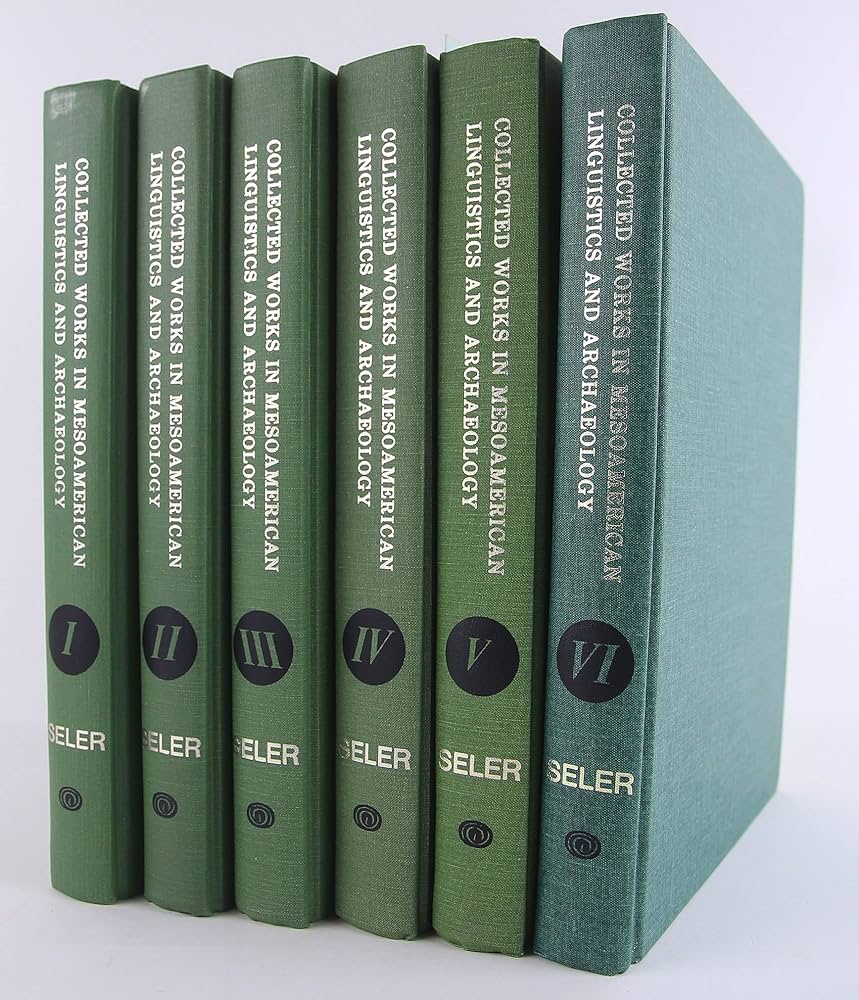
The jewelry craft of the ancient Mexicans and their art of working in stone and making feather ornaments
Book Section
Seler, E. (1991) The jewelry craft of the ancient Mexicans and their art of working in stone and making feather ornaments. In: Collected Works in Mesoamerican Linguistic and Archaeology, Culver City: Laberinthos, Vol. 2 , pp. 270–295.
Record No. 28652  |  Sinkankas/Born No.: NIS/NIB  |  not seen

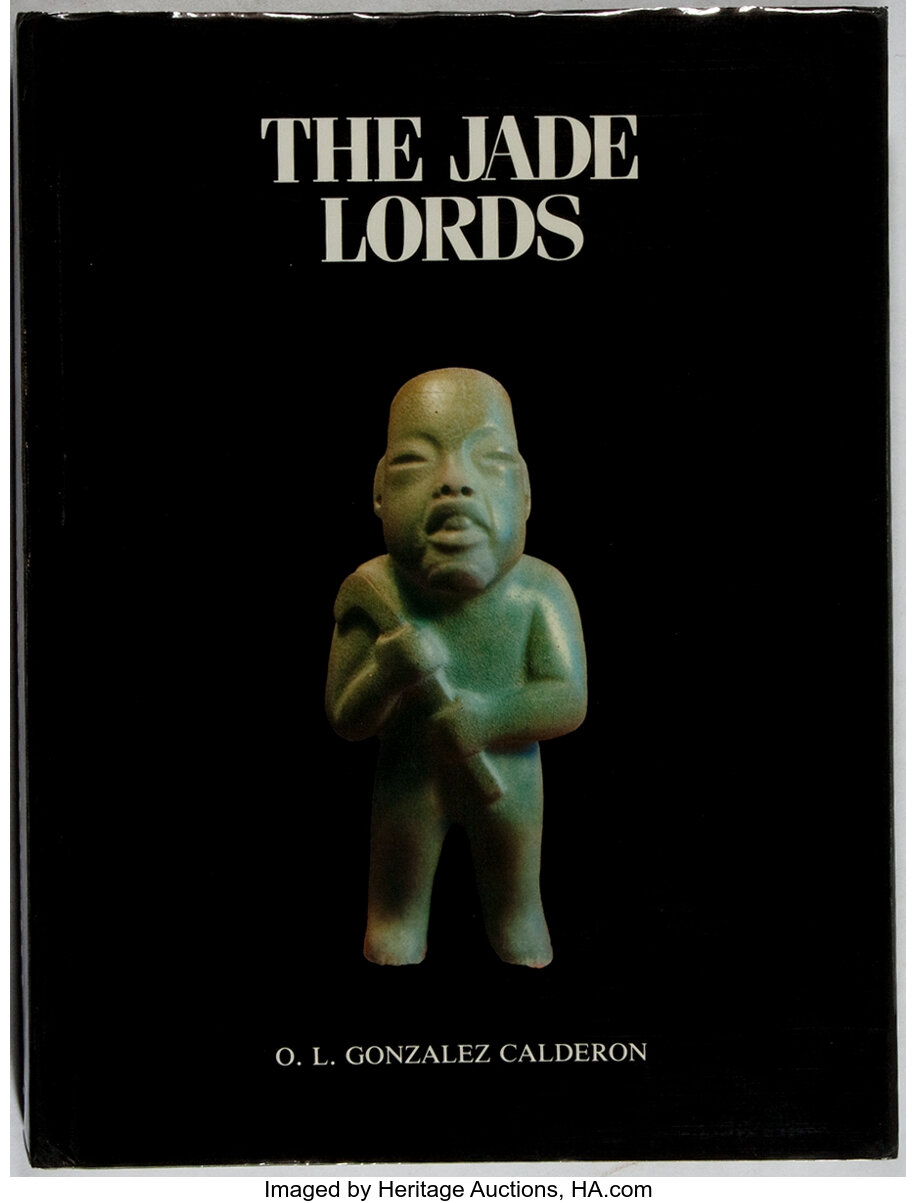
The Jade Lords

Book
Gonzalez Calderon, O.L. (1991) The Jade Lords. Coatzacoalcos, Mexico, O.L. González Calderón, 135 pp.
Record No. 28292  |  ISBN/ISSN: 9789710000000  |  Sinkankas/Born No.: NIS/NIB  |  not seen
The study of the minor Olmec schulpture is the fundamental basis of this book. To call it minor is a conotation of size and physical measure in terms of centimeters. The material used were jade, serpentine, clay, granite, basalt and wood. There is a special mention of the jade cult, because it established the zenith of the Olmec art. In the history of jade carving, nobody achieved nor even came close to compare with the magnificent realizations of the Olmec lapidaries and ther patrons, the Jade Lords. The Olmec Civilization was the creator of the most beautiful and impressive sculptural art works of all the Mesoamerican pre-Columbian art. It has been always an enigma: the sudden appearance of this magnificent art within a primitive environment, without the existence of any previous development stages. Now for the first time are exhibited here the achievements of long years of investigation around the Olmec problem. It has been possible to find enough evidence of the physical presence in America, 2,000 years ago, of transoceanic immigrants from the Old World, and also the cultural seeding they brought to the young Mesoamerica in those historical happenings, that influenced the cultural expressions of all the Mesoamerican Civilizations since the first one, the Olmec, until the two last, the Maya and the Aztec. The achieved facts permit also to make a definitive correction of many wrong statements about the Olmec occurred since the first explorations of Mathew Stirling until the works of Michael D. Coe, the two most outstanding American archaeologists. There are here published many new findings about the Olmec, being the most remarkable their original long distance communications system by the use of solar rays reflected in their marvelous hematite mirrors, a cultural feat that was the first step towards the Maya numerals and hieroglyphics. An English translation of: Los señores de jade (1991).

Lapidary craft specialization at Teotihuacan: Implications for community structure at 33:S3W1 and economic organization in the city
Journal Article
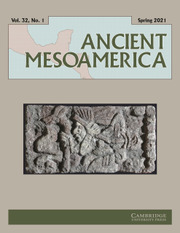
Widmer, R.J. (1991) Lapidary craft specialization at Teotihuacan: Implications for community structure at 33:S3W1 and economic organization in the city. Ancient Mesoamerica, Vol. 2, No. 1, pp. 131–147.
Record No. 4526  |  ISBN/ISSN: 9565361  |  DOI: https://dx.doi.org/10.1017/S0956536100000444  |  Sinkankas/Born No.: NIS/NIB  |  not seen
Excavations in the Classic Period apartment compound, site 33:S3W1, in the ancient city of Teotihuacan, Mexico, have revealed the existence of two lapidary workshops. These workshops were spatially discrete and separate from domestic quarters and were located on the periphery of the compound, but still inside it, in open courtyard areas with packed earth surfaces. A number of stone grinding tools and work surfaces initially identified these areas as lapidary workshops. This assessment was confirmed by microartifact analysis of associated soil samples which indicate that a number of different raw material classes were used in the lapidary production. All of these materials, with the exception of basalt, are imported from outside of the valley of Mexico. Differential use of raw materials is present and appears to be based on the value of the commodity. Basalt and slate are the most common materials used, with greenstone and shell being the scarcest. The volume of raw material debitage is much greater than would be required for local consumption by the compound, suggesting that the lapidary artifacts were produced for exchange in the market of Teotihuacan. The scale of production, however, does not appear to be large enough to indicate that these materials were produced for long-distance exchange.

Myanma Jade

Report
Myanma Gems Enterprise (1991) Myanma Jade. Myanma Gems Enterprise, Yangon,
Record No. 2418  |  ISBN/ISSN: unpublished report  |  Sinkankas/Born No.: NIS/NIB  |  not seen
Gemstones of Myanmar

Gemstones of Myanmar

Thesis
Nyan Thin (1991) Gemstones of Myanmar., Mawlamyine, Myanmar: University of Mawlamyine
Record No. 158  |  Sinkankas/Born No.: NIS/NIB  |  not seen

Classification and commercial evalution of “Feicui”

Journal Article
Cheng, X. and Xiao, L. (1990) Classification and commercial evalution of “Feicui”. Superhard Materials Engineering [珠宝], Vol. 25, No. Z1, pp. 8–15.
Record No. 7839  |  Sinkankas/Born No.: NIS/NIB  |  not seen
The Exploration of Jadeite is a monograph that systematically introduces the operation and appraisal of jadeite. It introduces the origin, distribution area and factory entrance of jadeite, the transportation to the jade factory, famous jade merchants and jade processing, technology, value, development history, etc. It highlights the identification and operation of jadeite, including the advantages and disadvantages of jadeite, the identification experience of jadeite skin, floor and green, and also introduces the practice and anecdotes of jadeite management in a certain length.
Maya Incised Jades and Slate Discs from Costa Rica
Maya Incised Jades and Slate Discs from Costa Rica

Unpublished Work
Reents-Budet, D. and Fields, V.M. (1989) Maya Incised Jades and Slate Discs from Costa Rica. Manuscript on file; unpublished report.
Record No. 28619  |  Sinkankas/Born No.: NIS/NIB  |  not seen

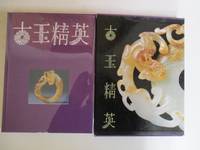
Gu Yu Jing Ying — The Art of Jade Carving in Ancient China
古玉精英
Book
Fu, Z. (1989) Gu Yu Jing Ying — The Art of Jade Carving in Ancient China. [古玉精英] Hong Kong, China Bookstore, 296 pp.
Record No. 7134  |  ISBN/ISSN: 9789620000000  |  Sinkankas/Born No.: NIS/NIB  |  Language: in Chinese  |  not seen
A substantial chronological study and illustrated catalogue of Chinese jade carving from the Neolithic period through the Qing dynasty. The book is divided into eight major historical sections covering Neolithic jades; Shang and Western Zhou; Spring and Autumn and Warring States; Qin and Han; Wei, Jin and Northern and Southern Dynasties; Sui, Tang and Five Dynasties; Song, Liao and Jin; and Ming and Qing. Within these periods it examines changing jade forms, decorative motifs, carving techniques and styles, using objects from the family collection together with rubbings and comparison with archaeologically excavated pieces. More than 300 illustrations document representative objects, making the work particularly useful for studying the chronological development of Chinese jade carving and ornament.

Liangzhu Jade Culture

良渚文化玉器
Edited Book
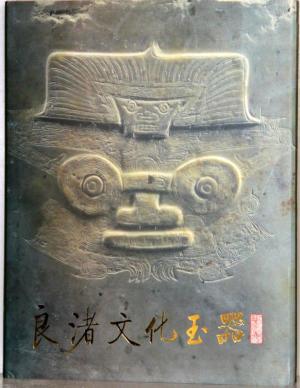
Zhejiang Institute of Cultural Relics and Archaeology, Shanghai Municipal Cultural Relics Management Committee and Nanjing Museum, editor (1989) Liangzhu Jade Culture. [良渚文化玉器]. Beijing and Hong Kong, Wen Wu and Woods Publishing Co., 235 pp..
Record No. 3968  |  ISBN/ISSN: 9789620000000  |  Sinkankas/Born No.: NIS/NIB  |  Language: in Chinese  |  not seen
A major archaeological catalogue of jade objects excavated from sites of the Liangzhu culture in the lower Yangtze region. Drawing principally on recent excavations in Zhejiang, Jiangsu and the Shanghai area, the volume illustrates and documents the characteristic Liangzhu jade repertoire, including cong tubes, bi discs, yue axes, bracelets, pendants and other ornaments, many bearing the distinctive human-and-animal mask motifs associated with Liangzhu jade carving. The archaeological contexts of the objects provide important evidence for their chronology, typology and ritual use, while the richness and distribution of jade in burials illuminate social differentiation and the development of an elite ceremonial system. The volume became a fundamental reference for the study and classification of Liangzhu jade; individual pieces from it continue to be used as comparative material in later scholarship.

Jade exchange in Mesoamerica and Central America
Book Section
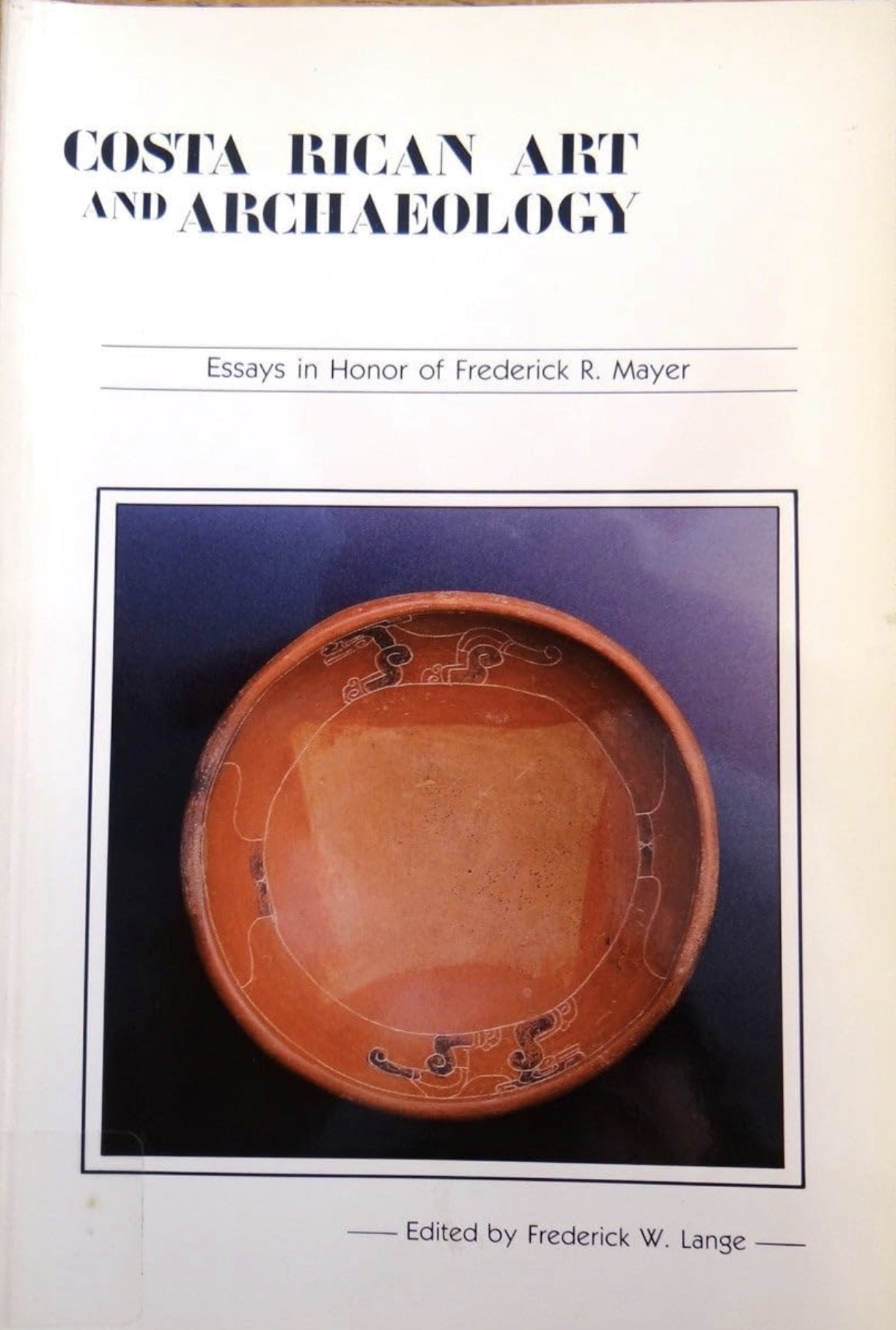
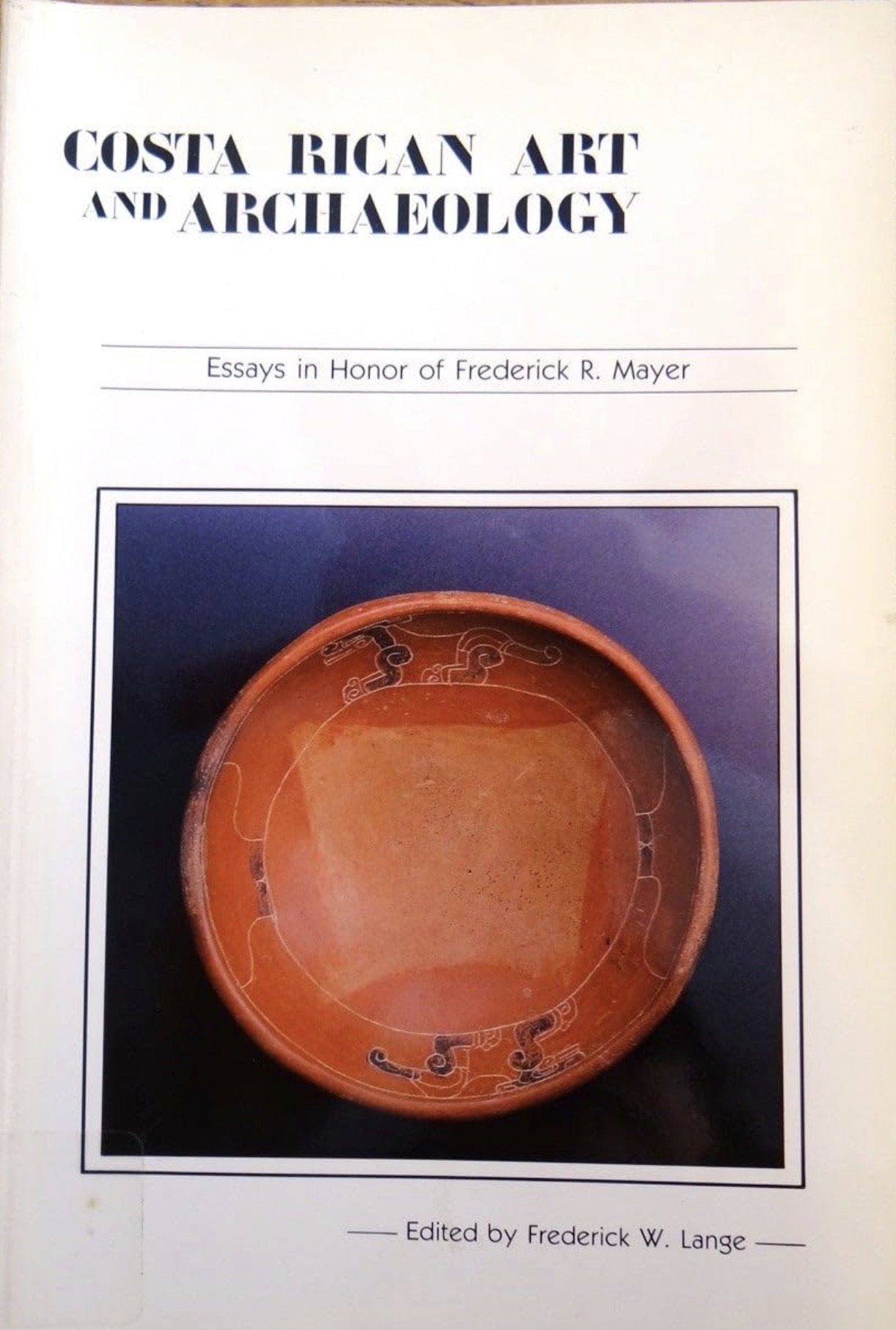
Lange, F.W. and Bishop, R. (1988) Jade exchange in Mesoamerica and Central America. In: Costa Rican Art and Archaeology, Boulder: University of Colorado Press, pp. 67–88.
Record No. 28632  |  ISBN/ISSN: 9781560000000  |  Sinkankas/Born No.: NIS/NIB  |  not seen

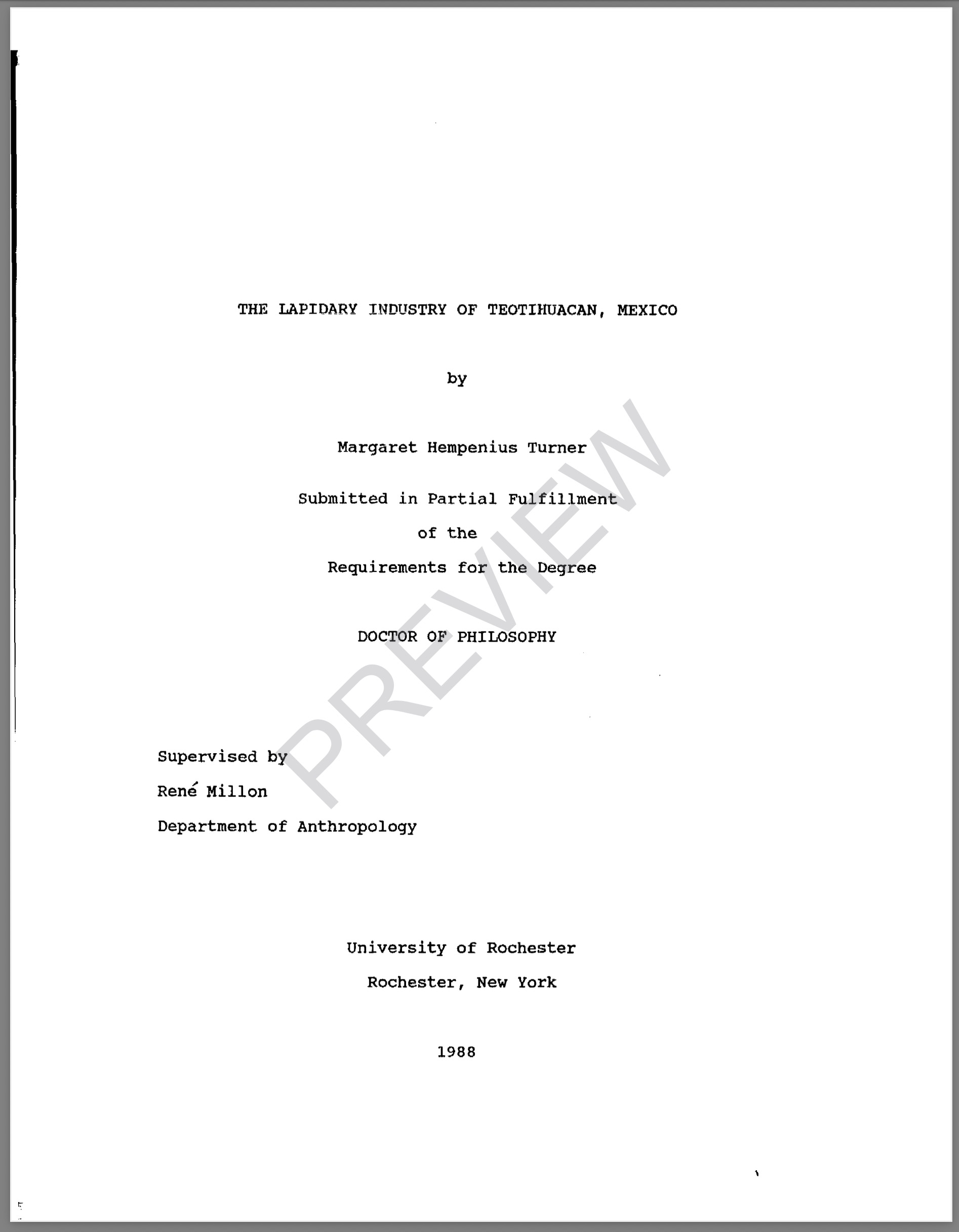
The Lapidary Industry of Teotihuacan, Mexico
Thesis
Turner, M.H. (1988) The Lapidary Industry of Teotihuacan, Mexico., Rochester, NY: University of Rochester, 1031 pp.
Record No. 28606  |  Sinkankas/Born No.: NIS/NIB  |  not seen
An analysis of fine stone and shell materials from Teotihuacan was undertaken to define the nature and organization of the city’s lapidary industry. More than 8,000 artefacts and manufacturing remains composed of jadeite, serpentine, slate, other fine stones and a wide variety of Atlantic and Pacific shell species were examined. These materials, recovered by the University of Rochester’s Teotihuacan Mapping Project, included complete and fragmentary beads, pendants, figurines and other ornaments, as well as small and minute waste fragments produced during manufacture. All specimens were identified and analysed both microscopically and macroscopically, and the resulting data were recorded in a computerized database. Three lines of evidence were used to investigate lapidary production at Teotihuacan. First, materials from a suspected workshop district were analysed to determine whether it had indeed functioned as a lapidary barrio. Second, lapidary materials recovered from twenty-seven test excavations were studied for evidence of production activities and for information regarding the use of fine stones and shells in a variety of contexts throughout the city. Third, materials from surface collections across all sectors of Teotihuacan were examined to identify patterns in the distribution and use of lapidary materials and to locate areas where high concentrations of manufacturing debris might indicate workshop activity. The results confirmed that lapidary workshops were concentrated in a barrio on the northeastern edge of the city, as earlier investigators had suspected. This district appears to have produced lapidary objects intended for the middle strata of Teotihuacan society and has therefore been interpreted as a barrio of local workshops. Additional local workshops may also have existed elsewhere within the city. Although the state probably controlled the flow of raw materials into these workshops, direct state control over production itself appears to have been limited. A second, more specialized level of lapidary production was also identified. Workshops located adjacent to major temple and pyramid precincts seem to have operated under the supervision of temple or palace authorities and produced luxury goods intended for the upper levels of society. The study further explored the symbolic significance of fine stones and shells as materials associated with fertility, abundance and prestige. Notably, it demonstrated that images of jadeite were employed as a form of glyphic notation in Teotihuacan mural painting, underscoring the cultural and ideological importance of jade within Teotihuacan society.

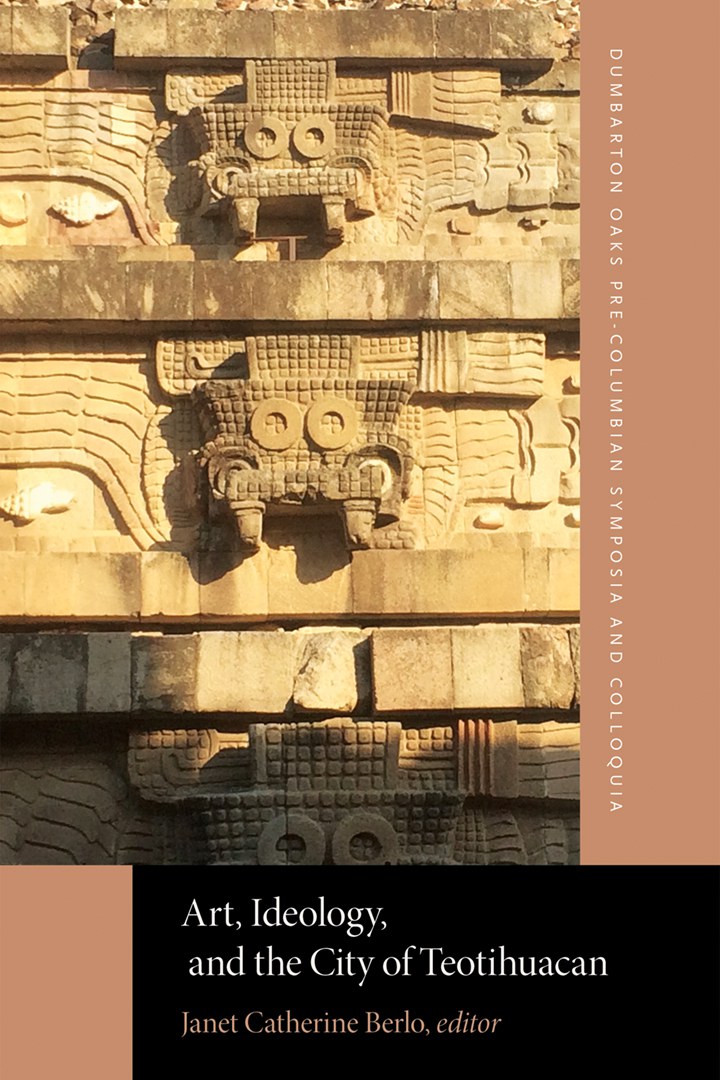
Style in lapidary technology: Identifying the Teotihuacan lapidary industry
Book Section
Turner, M.H. (1988) Style in lapidary technology: Identifying the Teotihuacan lapidary industry. In: Art, Ideology, and the City of Teotihuacan, Washington, DC: Dumbarton Oaks Research Library and Collection, 452 pp..
Record No. 28604  |  ISBN/ISSN: 9780880000000  |  Sinkankas/Born No.: NIS/NIB  |  not seen

Jadeite, greenstone, and the Pre-Columbian Costa Rican lapidary

Book Section
Chenault, M.L. (1988) Jadeite, greenstone, and the Pre-Columbian Costa Rican lapidary. In: Costa Rican Art and Archaeology, Boulder: University of Colorado Press, pp. 89–110.
Record No. 28422  |  ISBN/ISSN: 9781560000000  |  Sinkankas/Born No.: NIS/NIB  |  not seen

Exploring the Literature of Jade

Jade literature spans gemology, mineralogy, archaeology, art history, mining, carving and connoisseurship, and includes works on both jadeite and nephrite from around the world.

For an introduction to collecting books on this subject, read Hidden Treasure — Collecting the Literature of Jade.

About Four Treasures

Four Treasures is Lotus Gemology's freely accessible gemological reference database. Use the full database to search by author, title or keyword and explore literature on gemology, mineralogy, jewelry and related fields. Where available, hyperlinks on titles may lead directly to the full publication.

Search the Complete Four Treasures Database