Jade Bibliography

Jade Bibliography

Explore books, articles and historical sources on jade in Four Treasures, the Lotus Gemology reference database. This bibliography brings together matching records from the collection, with publication details, abstracts and cover images where available.

Jade References

The list below matches the terms jade, jadeite, nephrite or Fei Cui in the database's searchable fields. Some references discuss these materials as part of a broader subject.
141–160 of 3,775 matching references

Hetian jade • The original stone of heaven
Journal Article
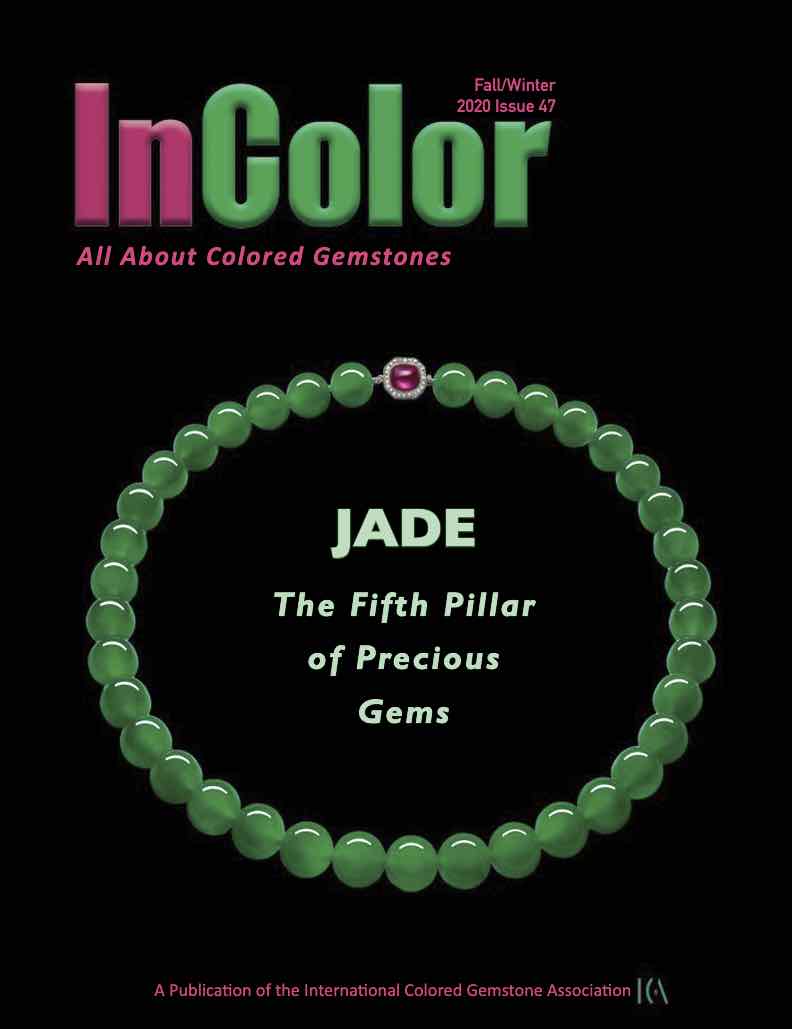
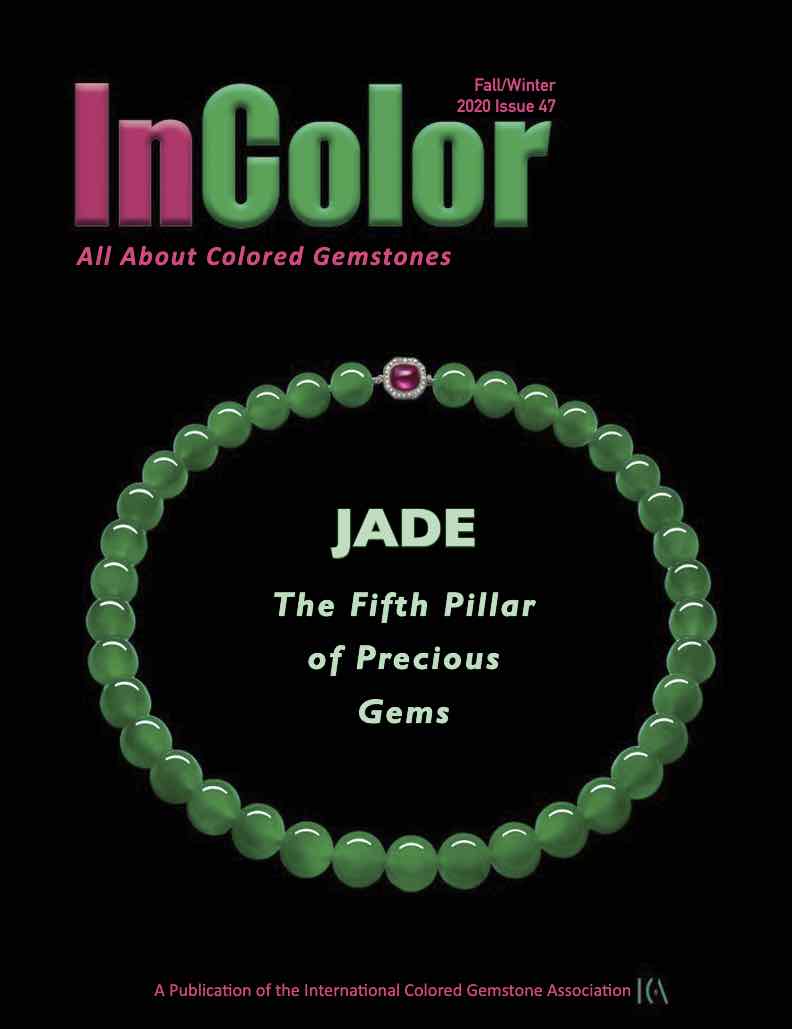
Zhou, Z. and Liu, Y. (2020) Hetian jade • The original stone of heaven. InColor, No. 47, Fall/Winter, pp. 18–25.
Record No. 6184  |  Sinkankas/Born No.: NIS/NIB  |  RWHL*
Great article on the history of Hetian jade from China’s Xinjiang Province

Treasures in Gold & Jade • Masterworks from Taiwan
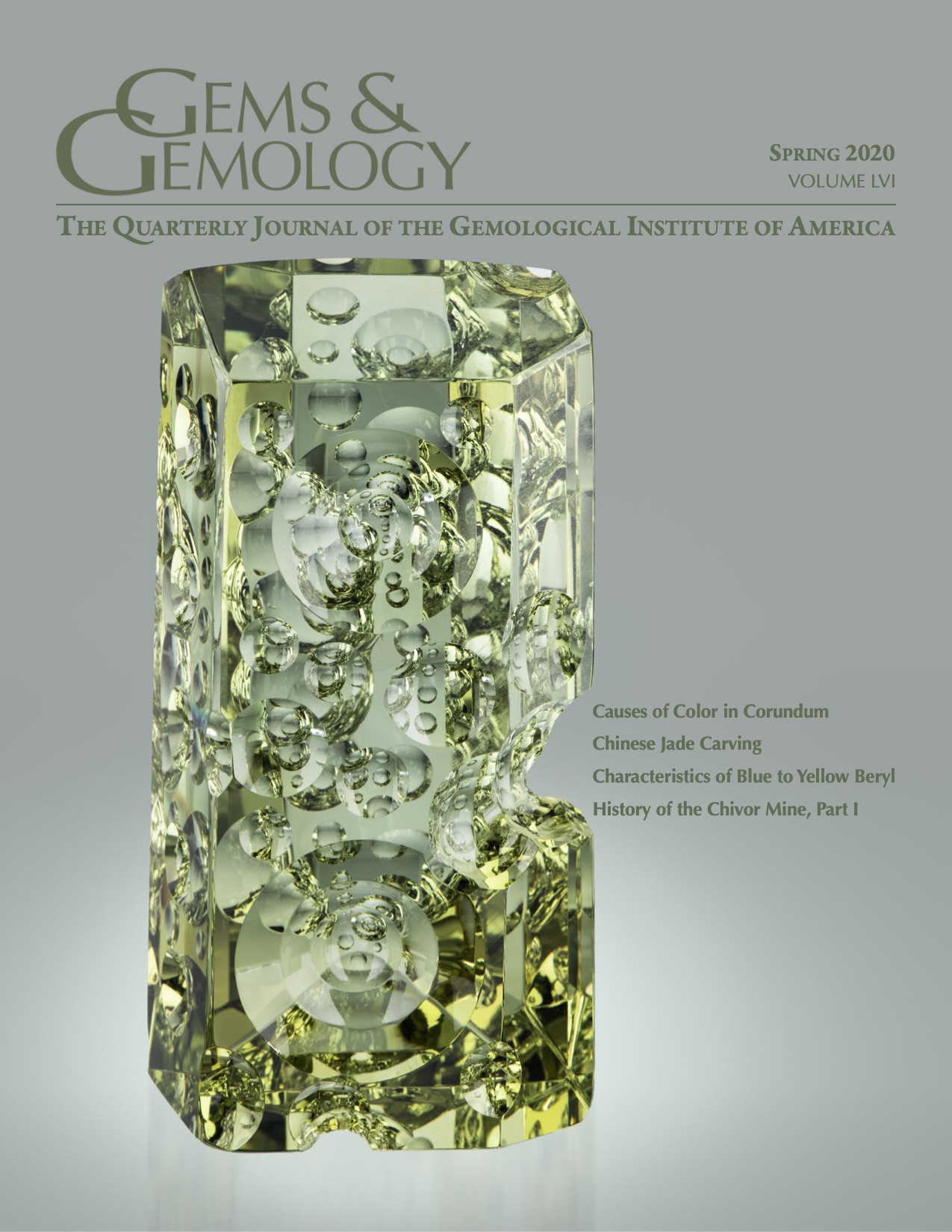
Edited Book
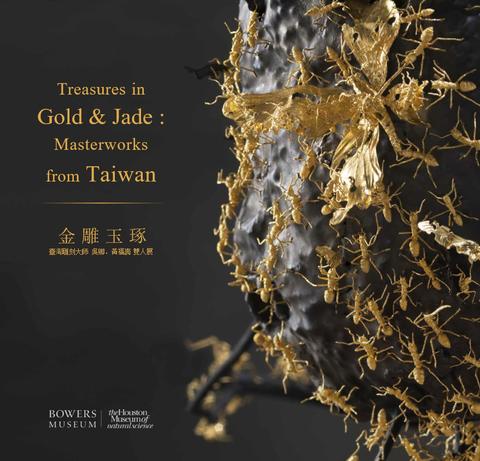
Keller, P.C., editor (2020) Treasures in Gold & Jade • Masterworks from Taiwan.. Santa Ana, CA, Bowers Museum, 84 pp..
Record No. 6181  |  ISBN/ISSN: 9780580000000  |  Sinkankas/Born No.: NIS/NIB  |  RWHL*
Exhibit catalog of an exhibition of gold (Wu Ching) and jade (Huang Fu Shou) art at the Bowers Museum and Houston Museum of Natural Science in 2020–2021. Treasures in Gold & Jade: Masterworks from Taiwan features works of incredible beauty and complexity by two of Taiwan’s premier living artists. Twenty-seven carvings by Huang Fu Shou show a surprising range of jade's colors: from emerald green to an almost pearlescent white. Fish springing from water, insects weightlessly clinging to blades of grass, and stone bending with litheness of fabric each push the boundaries of what is possible with the rigid medium.

Gem News International: Nephrite jade from multiple sources
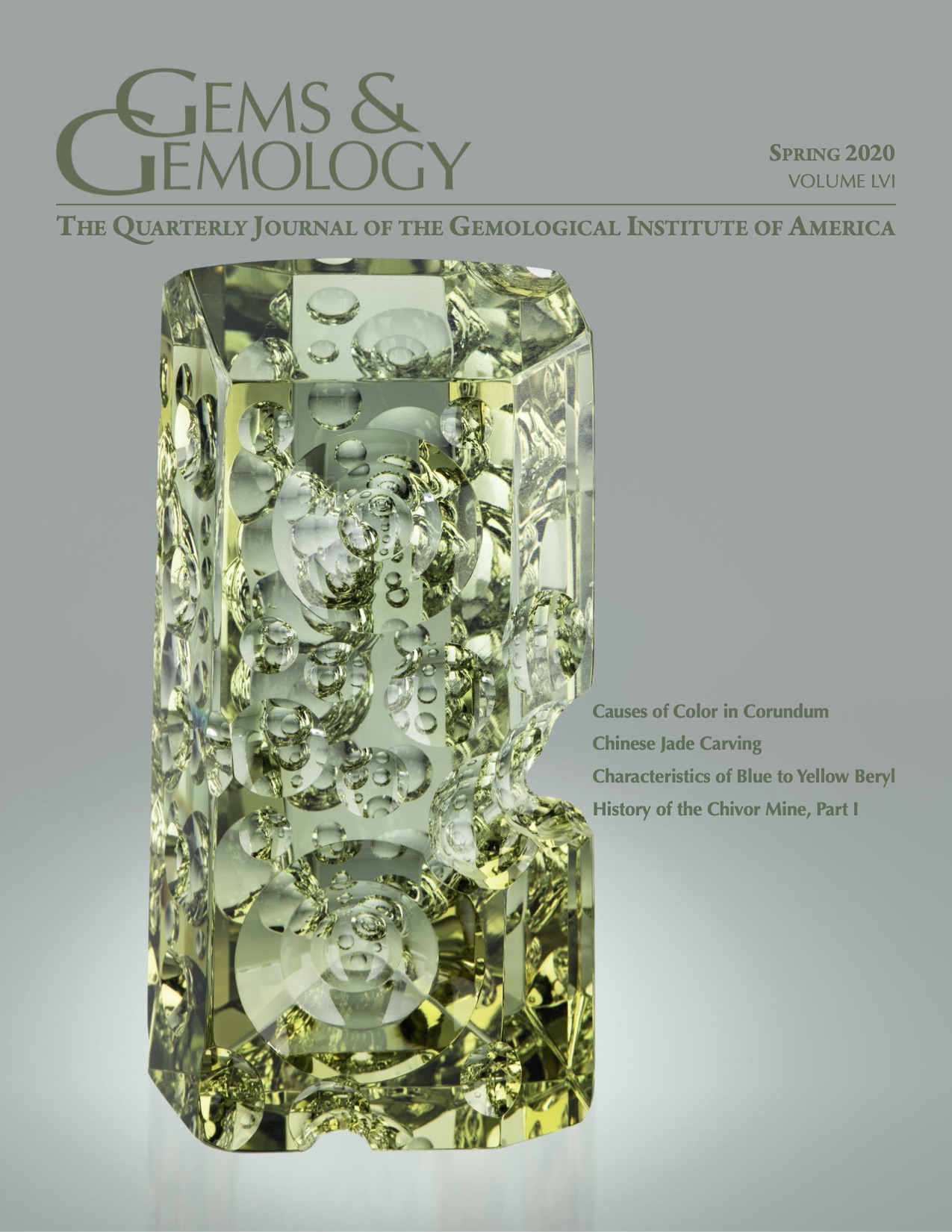
Journal Article
Hsu, T. and Stone-Sundberg, J. (2020) Gem News International: Nephrite jade from multiple sources. Gems & Gemology, Vol. 56, No. 1, Spring, pp. 165–166.
Record No. 6112  |  ISBN/ISSN: 0016626X  |  Sinkankas/Born No.: NIS/NIB  |  RWHL*

The evolution of Chinese jade carving craftsmanship
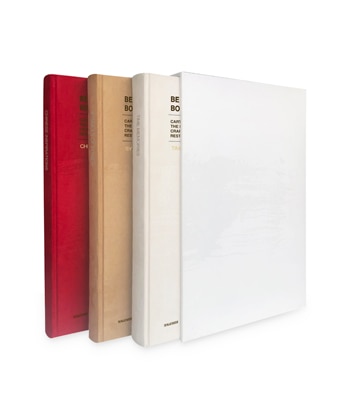
Journal Article
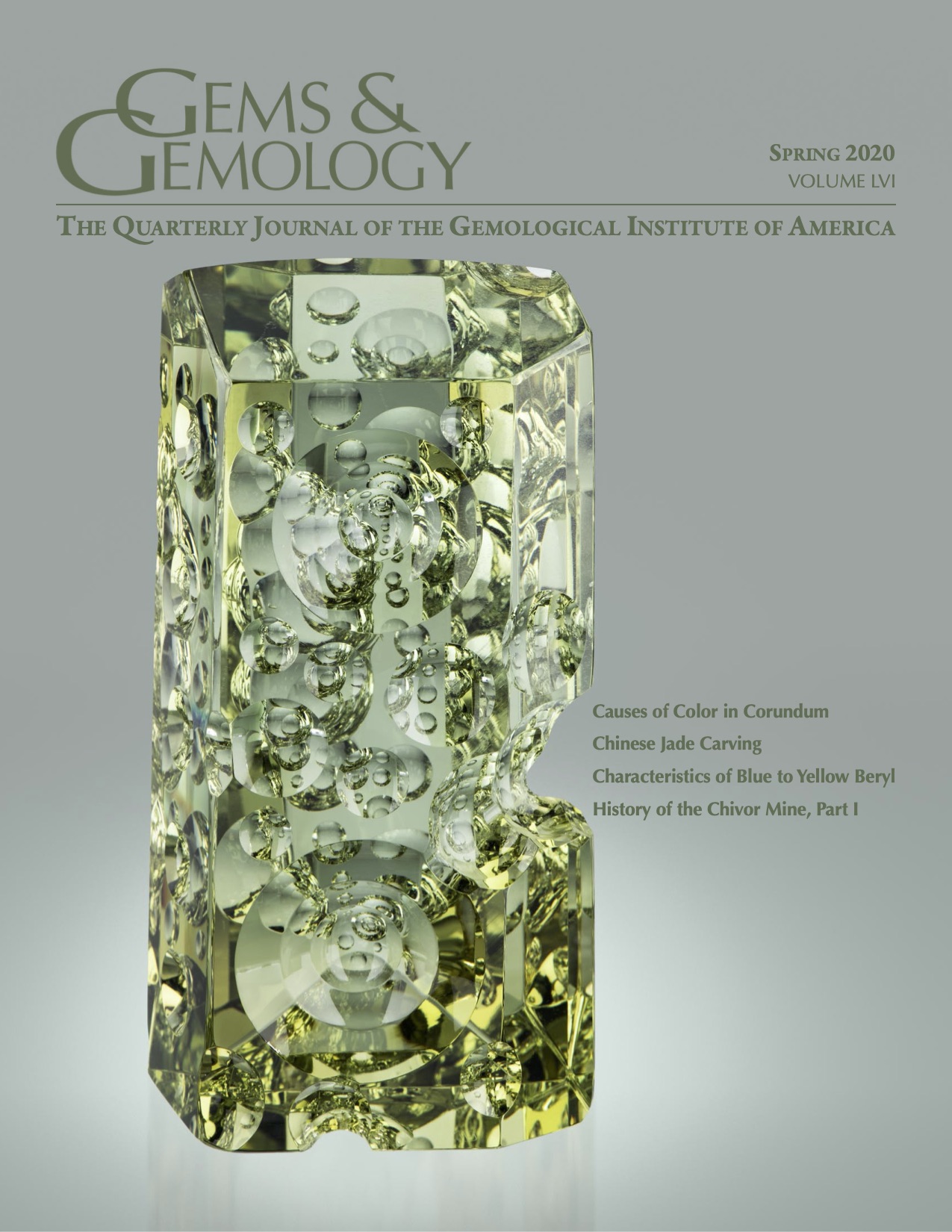
Wang, M. and Shi, G. (2020) The evolution of Chinese jade carving craftsmanship. Gems & Gemology, Vol. 56, No. 1, Spring, pp. 30–53.
Record No. 6108  |  ISBN/ISSN: 0016626X  |  DOI: https://dx.doi.org/10.5741/GEMS.56.1.30  |  Sinkankas/Born No.: NIS/NIB  |  RWHL*
Craftsmanship is a key element in Chinese jade carving art. In recent decades, the rapid development of tools has led to numerous changes in carving technology. Scholars are increasingly focusing on the carving craft in addition to ancient designs. Five periods have previously been defined according to the evolution of tools and craftsmanship, and the representative innovations of each period are summarized in this article. Nearly 2,500 contemporary works are analyzed statistically, showing that piercing and Qiaose, a technique to take artistic advantage of jade’s naturally uneven color, are the most commonly used methods. Current mainstream techniques used in China’s jade carving industry include manual carving, computer numerical control engraving, and 3D replicate engraving. With a rich heritage and ongoing innovation in jade craftsmanship, as well as increased automation, the cultural value and creative designs are both expected to reach new heights.​​

Beyond Boundaries: Cartier and the Palace Museum Craftsmanship and Restoration Exhibition
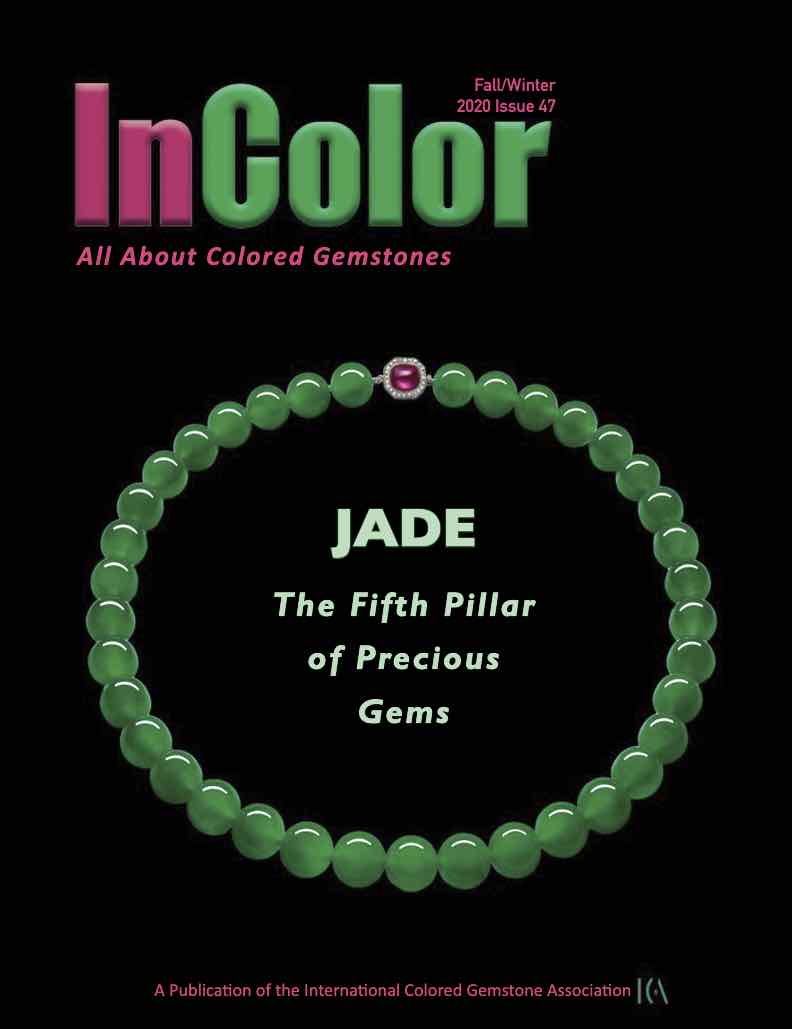
Book
Palace Museum (2020) Beyond Boundaries: Cartier and the Palace Museum Craftsmanship and Restoration Exhibition. Beijing, Forbidden City Publishing House, 3 Vols.
Record No. 4620  |  ISBN/ISSN: 9787510000000  |  Sinkankas/Born No.: NIS/NIB  |  Language: in English and Simplified Chinese  |  RWHL*
This lavishly illustrated three-volume catalogue accompanied the exhibition Beyond Boundaries: Cartier and the Palace Museum Craftsmanship and Restoration Exhibition, bringing together jewelry, timepieces, objets d’art, and related works from Cartier and the Palace Museum collections. The publication explores exchanges between Chinese and Western decorative traditions and examines the materials, techniques, design vocabulary, and craftsmanship embodied in the objects. Particular attention is given to the use of precious and ornamental stones, metals, enameling, carving, setting, and other specialist techniques, as well as to Chinese artistic motifs and materials that inspired Cartier creations. A major theme is conservation and restoration, including the collaborative study and restoration of historic Cartier pieces by specialists from the Palace Museum and Cartier. Through detailed object studies and extensive photography, the catalogue documents the interaction of Chinese and European craftsmanship and demonstrates how materials, techniques, forms, and motifs crossed cultural boundaries and were reinterpreted in luxury objects and jewelry. This superb book completely details the exhibition. Very scarce!

Contemporary jade carving in China

Journal Article
Shaw, A. (2020) Contemporary jade carving in China. InColor, No. 47, Fall/Winter, pp. 52–58.
Record No. 4401  |  Sinkankas/Born No.: NIS/NIB  |  RWHL*
Excellent article on contemporary jade carving in China.

Testing green jadeite jade

Journal Article
Mok, D. (2020) Testing green jadeite jade. InColor, No. 47, Fall/Winter, pp. 76–81.
Record No. 4400  |  Sinkankas/Born No.: NIS/NIB  |  RWHL*
Excellent article on the testing of jadeite jade.

Celestial Beings and Bird-Men • Human Flight in Chinese Jade
Book
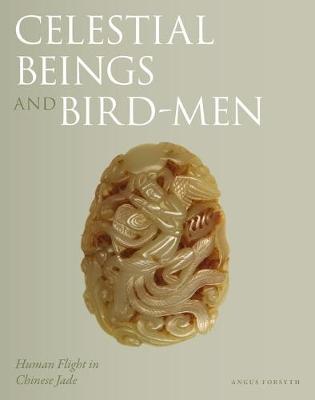
Forsyth, A. (2020) Celestial Beings and Bird-Men • Human Flight in Chinese Jade. London, Philip Wilson Publishers, 325 pp.
Record No. 4365  |  ISBN/ISSN: 9781780000000  |  Sinkankas/Born No.: NIS/NIB  |  RWHL*
Jade figurines depicting human flight are a varied and expressive manifestation of this most prized artistic medium. Angus Forsyth, a prominent collector of Chinese jade, in this book explores the making in the Middle Kingdom (over a 2000-year period, from the Han Dynasty onwards) of unique objects depicting figural movement through the air. He examines the depiction of apsaras (flying angels), kinnaras (bird-men), garudas (humanoid birds appearing in both Hindu and Buddhist mythology) and finally anthropomorphized bird headdress ornaments. He shows how these flying figures came to be associated with veneration of the gods and specific devotional practice. Examining a variety of representative objects, none of which has been seen in print before, the author reveals that the original concept behind flying celestial beings and bird-men originated not in China but in India and the Christianized West, via the Silk Road. A distinctive characteristic of Chinese artefacts is that, in contrast to their Western angelic counterparts, they often are wingless. The book discusses small and larger jade pieces alike.

Quality assessment of natural jadeite: Process and tips for appraisers
Journal Article
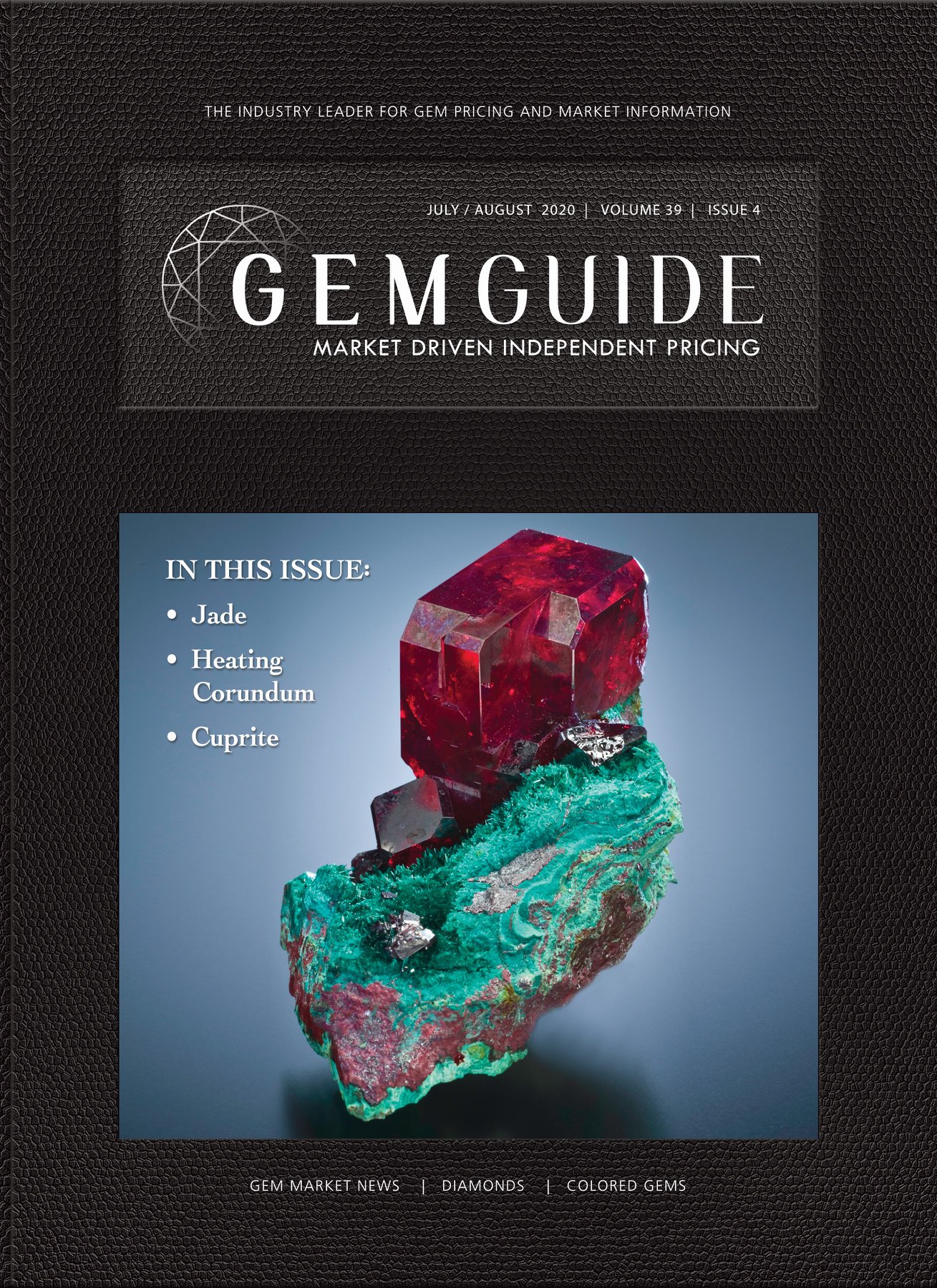
Schluessel, R. (2020) Quality assessment of natural jadeite: Process and tips for appraisers. GemGuide, Vol. 39, No. 4, July/August, pp. 1–7.
Record No. 4282  |  Sinkankas/Born No.: NIS/NIB  |  RWHL*
Most retailers and appraisers in the Western World lack the knowledge to judge the quality parameters and value of natural untreated jadeite.This is because natural jadeite material in all qualities is scarce in the western marketplace, and because they lack literary references to rely upon.

Gem News International: Jadeite jade and serpentine doublet
Journal Article
Lai, T.-A. (2020) Gem News International: Jadeite jade and serpentine doublet. Gems & Gemology, Vol. 56, No. 1, Spring, pp. 189–190.
Record No. 4262  |  ISBN/ISSN: 0016626X  |  Sinkankas/Born No.: NIS/NIB  |  RWHL*
Jadeite jade and serpentine doublet. The Lai Tai-An Gem Lab in Taipei recently received a carving presented as jadeite jade. The rectangular, uneven green piece, carved on one side but almost plain on the back and sides, weighed approximately 171.01 ct and measured approximately 50.4 × 39.9 × 7.4 mm (figure 64). Standard gemological testing revealed a spot RI of 1.66 on an area of the carved side, but surprisingly the smoother surfaces failed to yield clear readings. Microscopic observation revealed a coating in the areas where the failed RI attempts were made. Subsequent infrared analysis proved the carved side was jadeite jade owing to the relevant absorption valleys observed at 1167, 1077, 962, 853, 665, 587, 529, 476, and 433 cm⁻¹. However, the four sides and base revealed valleys at 1001, 646, 557, and 460 cm⁻¹, characteristic of serpentine despite the surface coating observed (figure 65). The client granted us permission to remove the coating in order to analyze the item in more detail. After removal of the coating, the four sides and base showed a lighter saturation of green color separated by a visible horizontal line (figure 66, B and D). Before coating removal, the layering was not as obvious (figure 66, A and C). Magnification confirmed that the object was composed of two different materials. Standard gemological testing of the lighter colored material yielded RIs of 1.56, consistent with those expected for serpentine and supported by the FTIR and Raman analyses. Jadeite jade and serpentine can have a very similar appearance. The identification of this particular piece proved relatively straightforward, but if it were mounted in a closed-back setting with only the carved face visible, a costly identification error could easily result.

Gems and the gem trade in India

Book Section
Ogden, J. (2019) Gems and the gem trade in India. In: Beyond Extravagance: A Royal Collection of Gems and Jewels, New York: Assouline, 2 Vols., Vol. 2 , pp. 542–593.
Record No. 29023  |  ISBN/ISSN: 9781610000000  |  Sinkankas/Born No.: NIS/NIB  |  RWHL*
Awakening a new understanding of the diverse tradition of Indian jewelry spanning four hundred years, the first edition of Beyond Extravagance in 2013 revealed for the first time the exceptional Al Thani Collection of the most important royal Indian jewels from the Mughal Empire to the British Raj to the twenty-first century. Exploring the centuries-long tradition of fine jewelry and art objects in India, to contemporary interpretations that continue to evolve today, this spectacular volume has been expanded and updated to highlight over 400 items in this magnificent collection. Key pieces include the carved jade wine cup of Emperor Jahangir, the Shah Jahan Dagger; inscribed imperial spinels belonging to emperors Akbar, Jahangir, and Shah Jahan; the Arcot II diamond and the Taj Mahal Emerald; and a ruby and pearl choker made by Cartier for the Maharaja of Patiala. Presenting a journey through the history of Indian jeweled objects, this splendid new edition features updated chapters by renowned jewelry experts including Vivienne Becker (The Impossible Collection of Jewelry); Katherine Prior (Maharajahs’ Jewels); Michael Spink, a specialist in Islamic and Indian art who lectures at the University of London; and Robert Skelton, one of the foremost authorities on Indian painting and fine objects. Edited by Amin Jaffer, senior curator of The Al Thani Collection, each section includes a detailed catalogue raisonné of featured pieces.

Beyond Compare | A Thousand Years of the Literati Aesthetic/Su Shi: Wood and Rock
Catalog
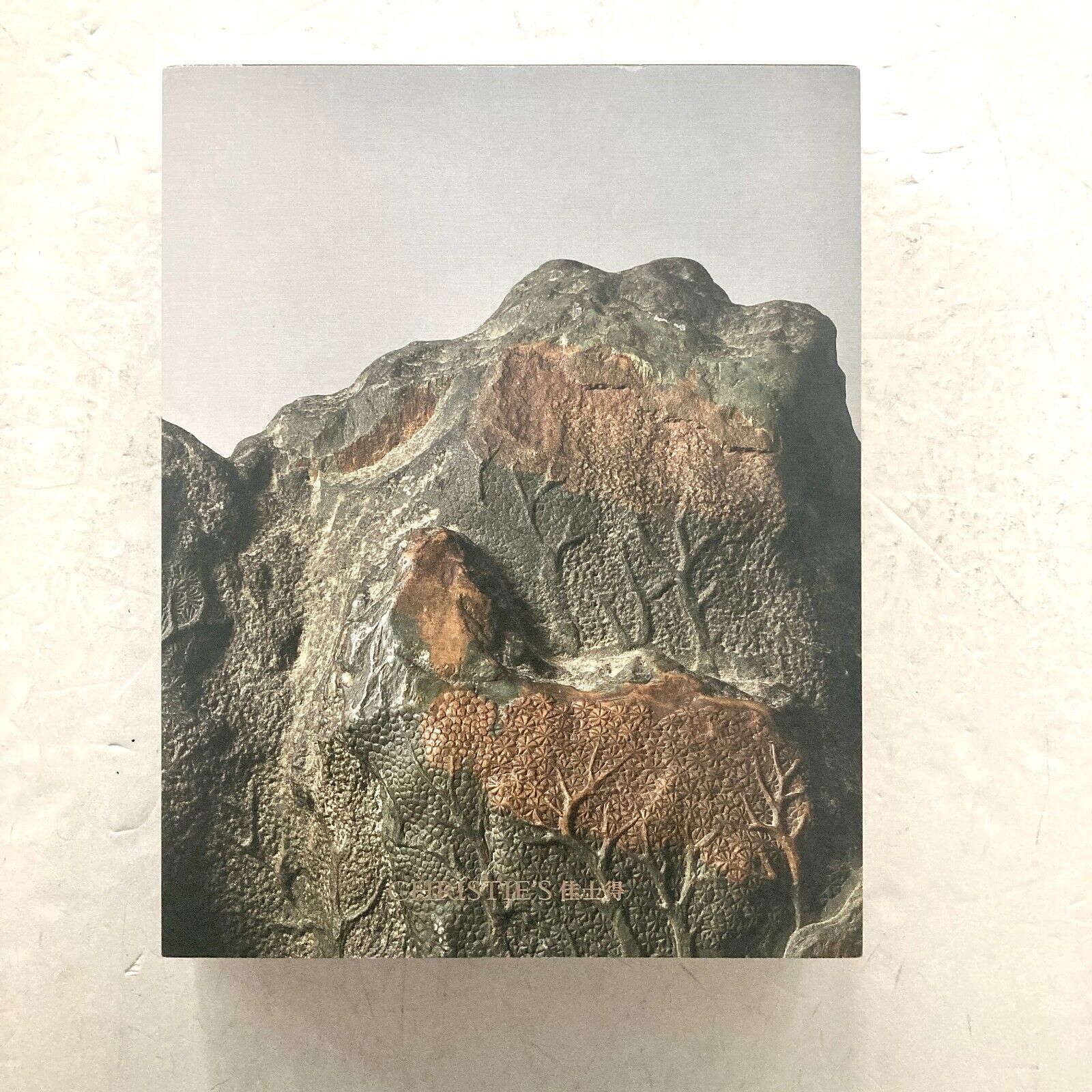
Christie’s (2019) Beyond Compare | A Thousand Years of the Literati Aesthetic/Su Shi: Wood and Rock. Hong Kong: Christie’s, 64, 199 pp..
Record No. 7571  |  Sinkankas/Born No.: NIS/NIB  |  RWHL*
Two-volume auction catalog with separate removable case.

Beyond Extravagance: A Royal Collection of Gems and Jewels
Edited Book
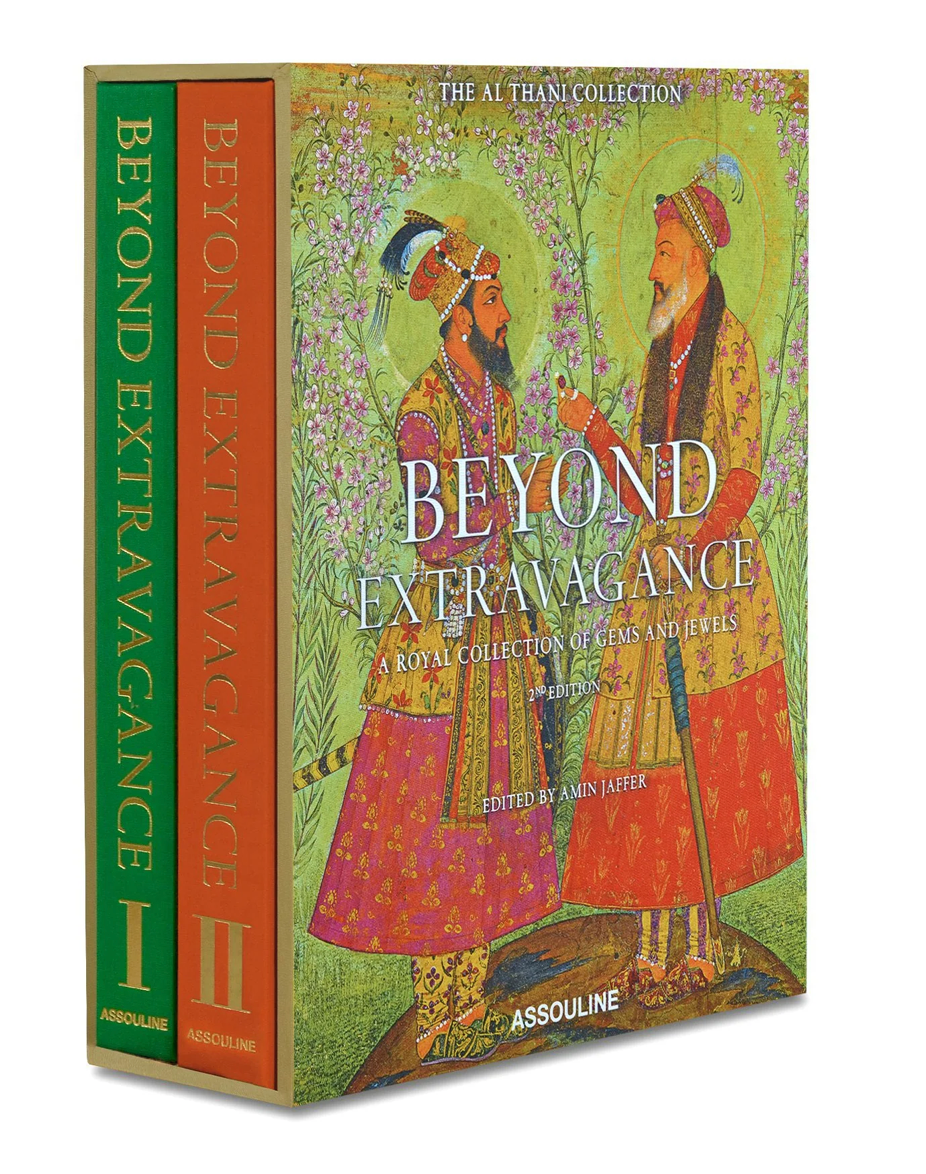
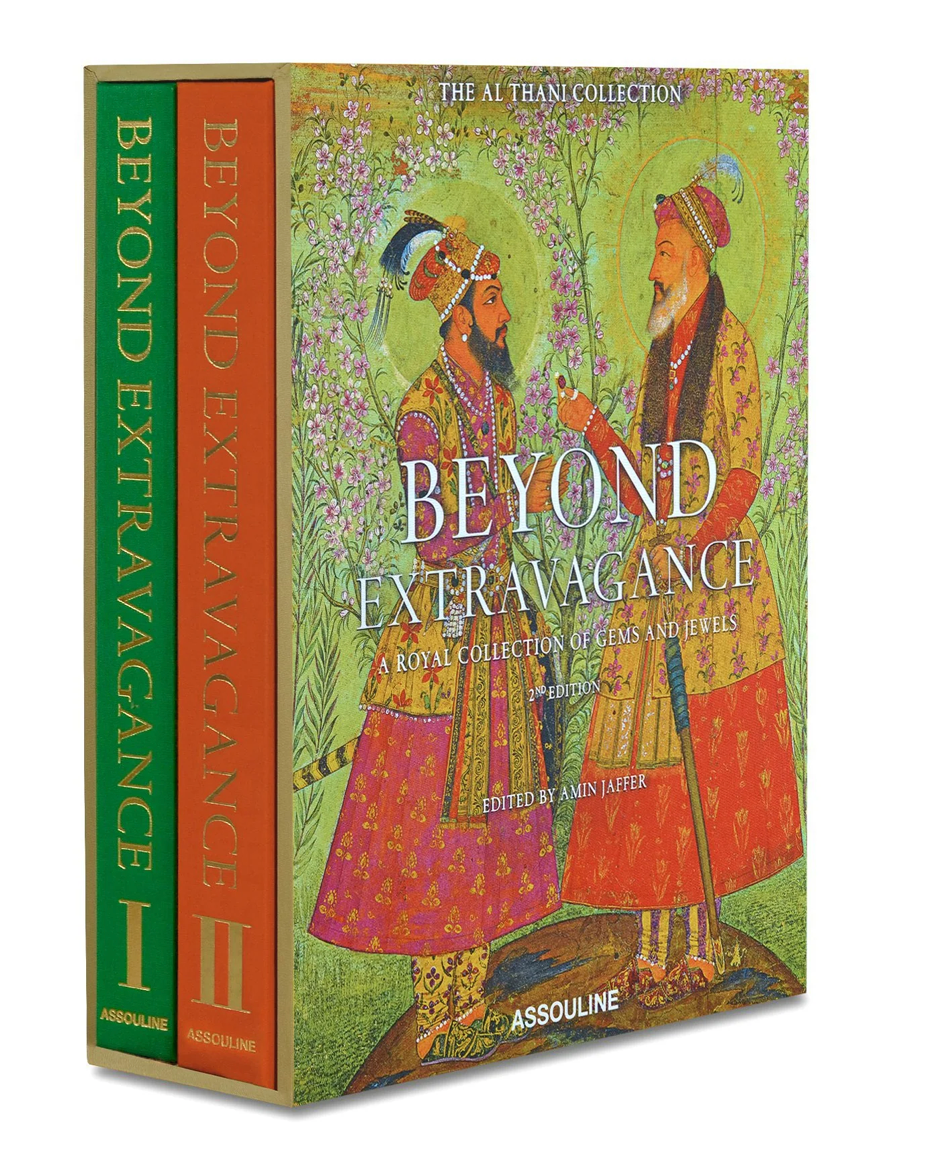
Jaffer, A., editor (2019) Beyond Extravagance: A Royal Collection of Gems and Jewels.. New York, Assouline, 2 Vols., 652 pp.. 2nd edition.
Record No. 6399  |  ISBN/ISSN: 9781610000000  |  Sinkankas/Born No.: NIS/NIB  |  RWHL*
Awakening a new understanding of the diverse tradition of Indian jewelry spanning four hundred years, the first edition of Beyond Extravagance in 2013 revealed for the first time the exceptional Al Thani Collection of the most important royal Indian jewels from the Mughal Empire to the British Raj to the twenty-first century. Exploring the centuries-long tradition of fine jewelry and art objects in India, to contemporary interpretations that continue to evolve today, this spectacular volume has been expanded and updated to highlight over 400 items in this magnificent collection. Key pieces include the carved jade wine cup of Emperor Jahangir, the Shah Jahan Dagger; inscribed imperial spinels belonging to emperors Akbar, Jahangir, and Shah Jahan; the Arcot II diamond and the Taj Mahal Emerald; and a ruby and pearl choker made by Cartier for the Maharaja of Patiala. Presenting a journey through the history of Indian jeweled objects, this splendid new edition features updated chapters by renowned jewelry experts including Vivienne Becker (The Impossible Collection of Jewelry); Katherine Prior (Maharajahs’ Jewels); Michael Spink, a specialist in Islamic and Indian art who lectures at the University of London; and Robert Skelton, one of the foremost authorities on Indian painting and fine objects. Edited by Amin Jaffer, senior curator of The Al Thani Collection, each section includes a detailed catalogue raisonné of featured pieces.

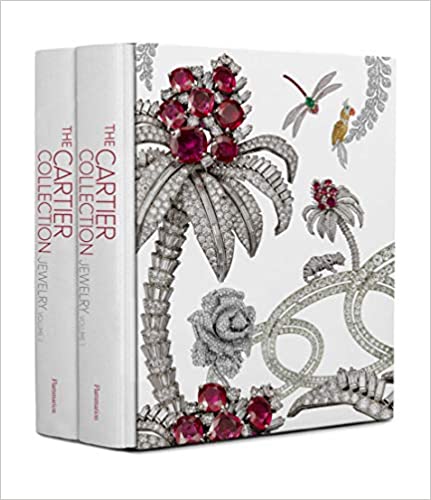
The Cartier Collection • Jewelry

Book
Chaille, F., Spink, M., Vachaudez, C., Coudert, T. and Petit, V. (2019) The Cartier Collection • Jewelry. Paris, Editions Flammarion, 720 pp.
Record No. 6283  |  ISBN/ISSN: 9782080000000  |  Sinkankas/Born No.: NIS/NIB  |  RWHL*
This lavish two-volume slipcased work is a publishing event for the quality of its design, full-size reproductions, extensive documentation, and illustrated chronology and index. With more than 3,000 pieces dating from the 1860s to the present, the Cartier Collection constitutes the world's largest collection of its kind. This luxury work traces the history of the collection's high jewelry holdings and attests to the originality and artistic genius that made Cartier a world-class jeweler. The two-volume set showcases the extraordinary pieces from collectors such as Queen Elizabeth, the Duchess of Windsor, Daisy Fellowes, Barbara Hutton, and Sir Bhupinder Singh, the Maharaja of Patiala, highlighting Cartier's mastery of the jeweler's art through highly original designs, unique colors, and legendary precious stones. More than 600 objects and drawings from Cartier's vast archives, some previously unseen, are reproduced at actual size and include Cartier's famous bestiary" of exotic animals as well as more recent rare brooches, necklaces, and bracelets from the 1960s and 1970s."

The various colors of jade

Journal Article
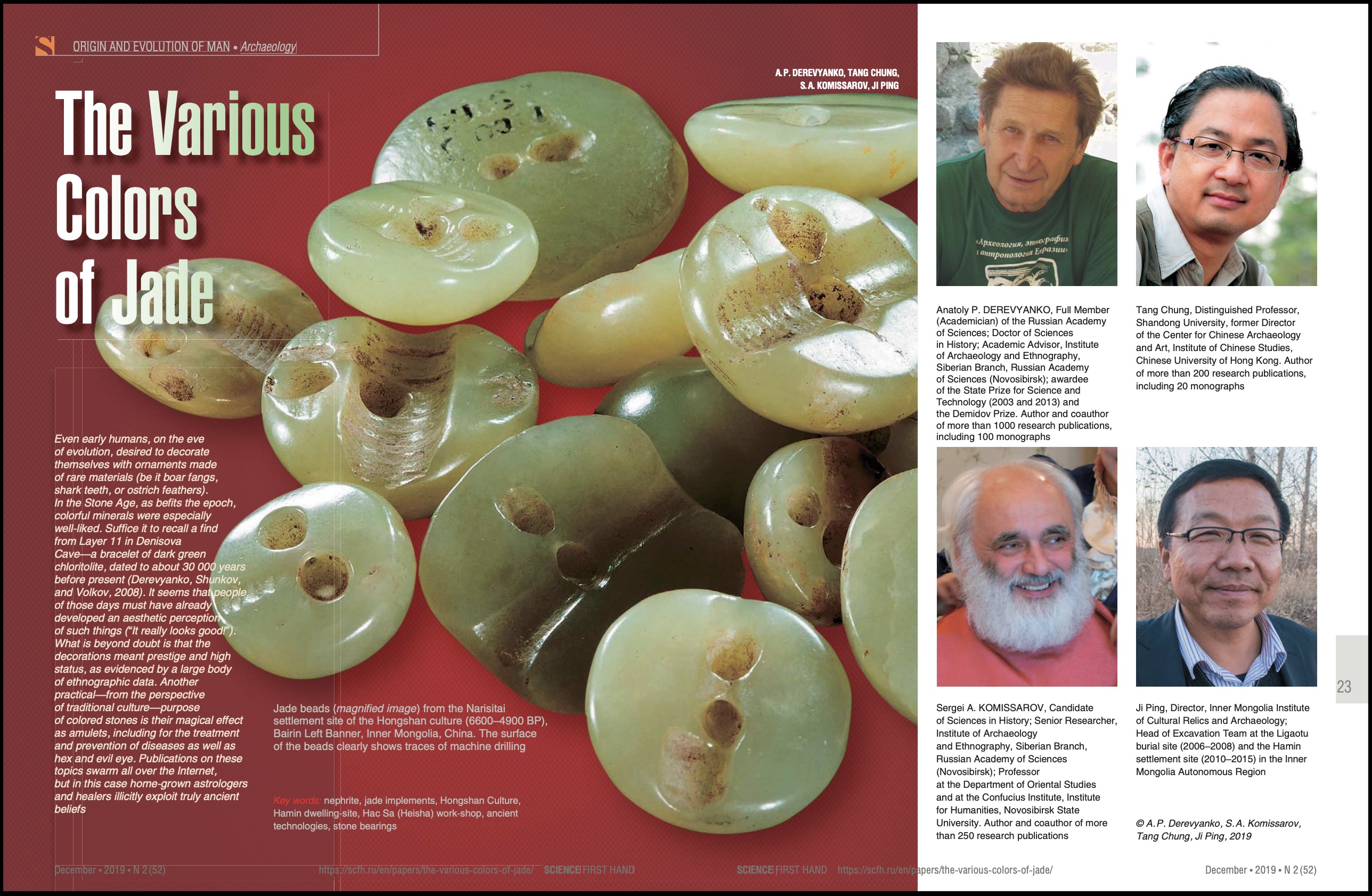
Derevyanko, A.P., Tang, C., Komissarov, A.S. and Ping, J. (2019) The various colors of jade. Science First Hand, Vol. 2, December, pp. 22–39.
Record No. 6238  |  Sinkankas/Born No.: NIS/NIB  |  RWHL*
Even early humans, on the eve of evolution, desired to decorate themselves with ornaments made of rare materials (be it boar fangs, shark teeth, or ostrich feathers). In the Stone Age, as befits the epoch, colorful minerals were especially well-liked. Suffice it to recall a find from Layer 11 in Denisova Cave—a bracelet of dark green chloritolite, dated to about 30 000 years before present (Derevyanko, Shunkov, and Volkov, 2008). It seems that people of those days must have already developed an aesthetic perception of such things (“It really looks good!”). What is beyond doubt is that the decorations meant prestige and high status, as evidenced by a large body of ethnographic data. Another practical—from the perspective of traditional culture—purpose of colored stones is their magical effect as amulets, including for the treatment and prevention of diseases as well as hex and evil eye. Publications on these topics swarm all over the Internet, but in this case home-grown astrologers and healers illicitly exploit truly ancient beliefs

Jade in the lab

Book Section
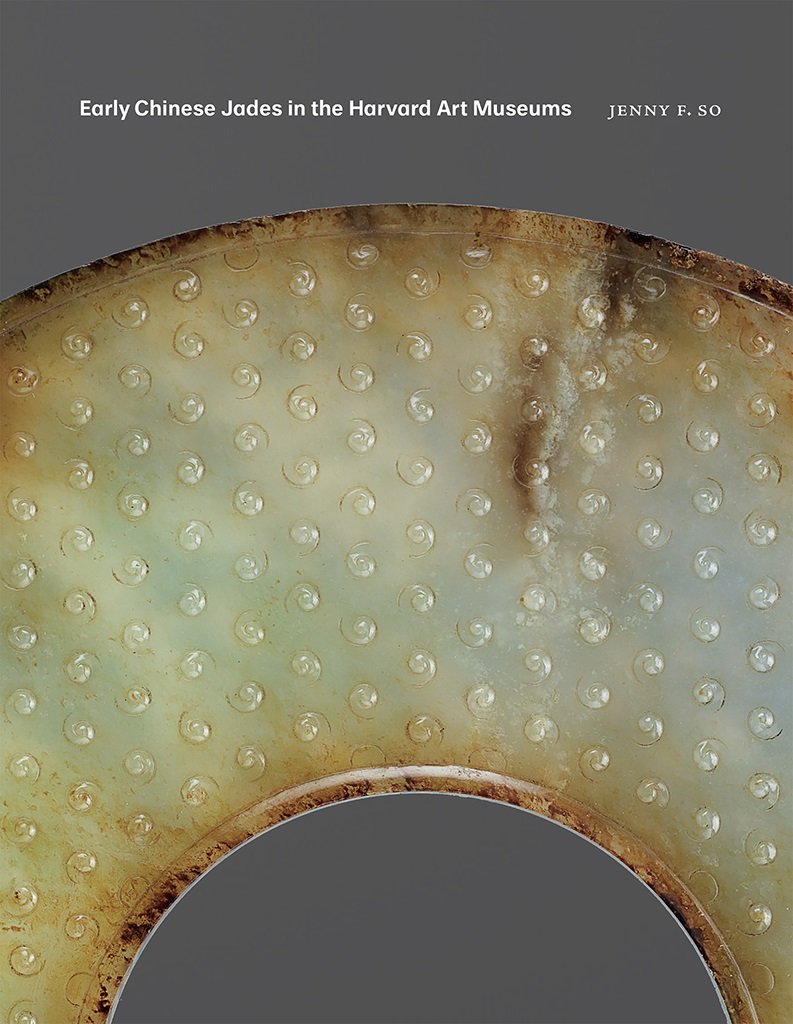
Eremin, K., Chang, A. and O’Connor, A. (2019) Jade in the lab. In: Early Chinese Jades in the Harvard Museum, Cambridge, MA: Harvard Art Museums, pp. 28–47.
Record No. 6208  |  ISBN/ISSN: 9780300000000  |  Sinkankas/Born No.: NIS/NIB  |  RWHL*
Jade has long played a major role in Chinese social, cultural, and political life. From personal ornamentation to funerary practice, from palace decoration to private devotion, this exquisite material has been revered by commoners and rulers alike. This book charts that vast story, beginning with an in-depth exploration of the stone itself—its unique material qualities and the challenges they raise for workmanship—and then moving chronologically to reveal exactly how jade developed its special moral, ritual, and political significance over millennia in China. The book draws particular attention to the peoples and the communities who quarried and worked the material, passing on their knowledge in a tradition that now spans Neolithic times to the present day. This sweeping narrative is told in part through high-quality examples selected from Harvard’s Grenville L. Winthrop Collection, which includes some of the finest examples of ancient or archaizing jades outside China. The volume highlights around one hundred of these jades, carefully chosen for the ways in which they help advance the broader historical narrative the book provides. Interwoven through the book’s main chapters, the Winthrop objects are further explored through engaging catalogue entries that detail the latest available information based on conservation analysis and archaeological finds. Jenny F. So is professor emerita in the Department of Fine Arts at The Chinese University of Hong Kong; she previously served as senior curator of ancient Chinese art at the Freer Gallery of Art and Arthur M. Sackler Gallery, Smithsonian Institution.

Flowering stone • The aesthetics and politics of Islamic jades at the Qing court
Book Section
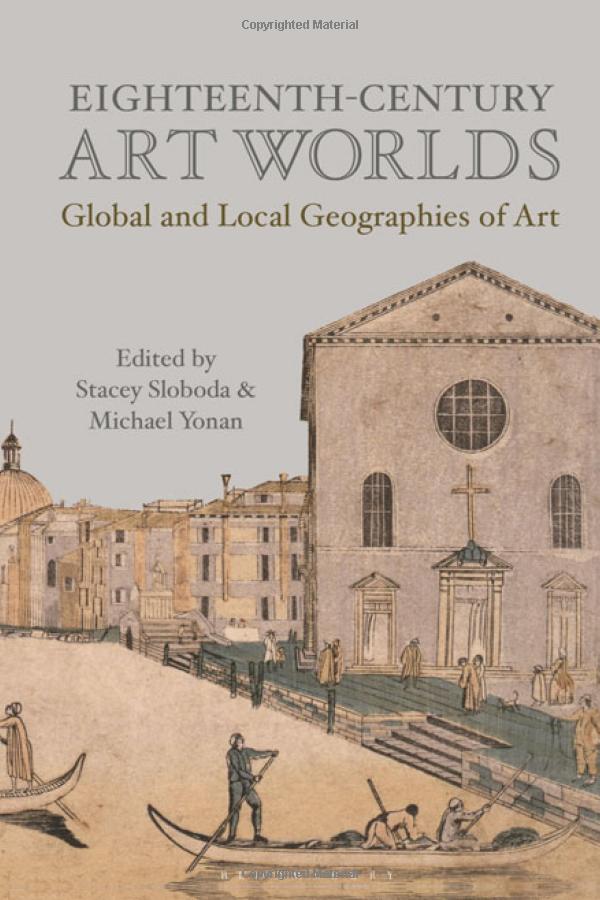
Kleutghen, K. (2019) Flowering stone • The aesthetics and politics of Islamic jades at the Qing court. In: Eighteenth-Century Art Worlds, New York: Bloomsbury Visual Arts, pp. 19–33.
Record No. 6183  |  ISBN/ISSN: 9781500000000  |  Sinkankas/Born No.: NIS/NIB  |  RWHL*
Mughal jades in terms of the politics of the Qing empire.

Mass spectrometric identification of adhesive utilized in a tian-tsui tiara of the mid-Qing Dynasty (1776–1839 CE) in the collection of the Tang Clan Folk Museum
Journal Article
Zhu, Z., Tan, P., Yang, J., Ge, H. and Liu, L. (2019) Mass spectrometric identification of adhesive utilized in a tian-tsui tiara of the mid-Qing Dynasty (1776–1839 CE) in the collection of the Tang Clan Folk Museum. Studies in Conservation, Vol. 64, No. 4,, 5/19/19 pp. 187–192.
Record No. 6147  |  ISBN/ISSN: 393630  |  DOI: https://dx.doi.org/10.1080/00393630.2018.1501961  |  Sinkankas/Born No.: NIS/NIB  |  RWHL*
This study identified and interpreted an adhesive used in the making of a tiara of the mid-Qing Dynasty (1776–1839 CE), in the collection of the Tang Clan Folk Museum. By performance of mass spectrometry-based proteomics, a sample of adhesive residue was identified as bovine collagen proteins at the molecular level with high confidence. The result highlights the first example of accurate determination of the origin of the adhesive adopted in the tian-tsui craft, providing novel information and contributing to study of the significance, development, and exchange of tian-tsui craftsmanship.

Lai Tai'an and You Zongzheng talk about jade
賴泰安與游宗錚談翡翠
Book
Lai, T.-A. and You, Z. (2019) Lai Tai'an and You Zongzheng talk about jade. [賴泰安與游宗錚談翡翠], 聖典文化 [Holy Code Culture], 160 pp.
Record No. 6139  |  ISBN/ISSN: 9789870000000  |  Sinkankas/Born No.: NIS/NIB  |  Language: in traditional Chinese  |  RWHL*
The four main points of this book ---- The mistakes made by others will never be made again. The concept is to analyze the essence of jade identification from the point of view of the appraiser. How to choose different colors of jade? Is it difficult to have both colors? Stone cracks? Broken jade...what to do?

Sensitive and rapid oxygen isotopic analysis of nephrite jade using large-geometry SIMS

Journal Article
Schmitt, A.K., Liu, M.-C. and Kohl, I.E. (2019) Sensitive and rapid oxygen isotopic analysis of nephrite jade using large-geometry SIMS. Journal of Analytical Atomic Spectrometry, Vol. 34, No. 3, pp. 561–569.
Record No. 6017  |  ISBN/ISSN: 2679477  |  DOI: https://dx.doi.org/10.1039/C8JA00424B  |  Sinkankas/Born No.: NIS/NIB  |  RWHL*
Nephrite jade is a rare and highly prized rock consisting mainly of finely intergrown amphibole of tremolite-actinolite composition which has been culturally used from the Paleolithic to modern times. Understanding and tracing its provenance is key for solving geological, archaeological, and gemmological problems. Previous approaches to identify nephrite sources utilized a wide range of visual, spectroscopic, and geochemical methods (based on analysis of major elements, trace elements, or isotopes), but these approaches are often limited by their discriminatory power, destructiveness, and/or analytical throughput. Here, we introduce O-isotopic analysis of nephrite using secondary ion mass spectrometry (SIMS) which affords superior spatial resolution and speed compared to other isotopic methods. By analysing a large number (n = 56) of geological samples from nephrite-bearing regions in the vicinity of Lake Baikal in southern Siberia, Russia, we assess intraand inter-specimen heterogeneity and test the sensitivity of O-isotopes to discriminate the provenance regions for nephrite. Intra-sample variability at the centimetre scale is ≤0.8‰, and typically less at the sub-millimetre scale when sampled by multiple ion beam spots ∼20 μm in diameter and with a depth resolution of few μm. Accurate SIMS analysis of nephrite requires correction for matrix-dependent instrumental mass fractionation, for which we developed an empirical calibration based on Mg + Ca cation allocation on the crystallographic B-site of amphibole. Ranges in SIMS δ18O for individual nephrite-bearing regions are +3.98 to +8.04‰ (East Sayan; n = 36), +5.21 to +11.76‰ (Dzhida; n = 13), and −17.16 to −22.95‰ (Vitim; n = 7). These results indicate that SIMS O-isotope analysis permits rapid discrimination not only for nephrite of different geologic origins (serpentinitic ultramafic or S-nephrite from East Sayan and Dzhida vs. dolomitic carbonate or D-nephrite from Vitim), but also for distinct geographic provenance of the same nephrite type (S-type nephrite from East Sayan vs. Dzhida regions).

Exploring the Literature of Jade

Jade literature spans gemology, mineralogy, archaeology, art history, mining, carving and connoisseurship, and includes works on both jadeite and nephrite from around the world.

For an introduction to collecting books on this subject, read Hidden Treasure — Collecting the Literature of Jade.

About Four Treasures

Four Treasures is Lotus Gemology's freely accessible gemological reference database. Use the full database to search by author, title or keyword and explore literature on gemology, mineralogy, jewelry and related fields. Where available, hyperlinks on titles may lead directly to the full publication.

Search the Complete Four Treasures Database