Emerald Bibliography

Emerald Bibliography

Explore books, articles and historical sources on emerald in Four Treasures, the Lotus Gemology reference database. This bibliography brings together matching records from the collection, with publication details, abstracts and cover images where available.

Emerald References

The list below matches the terms emerald or emeralds in the database's searchable fields. Some references discuss emeralds as part of a broader subject.

141–160 of 848 matching references
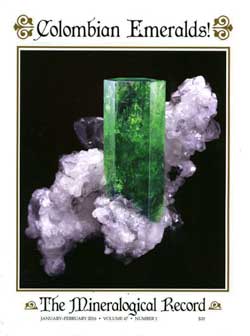
The emerald mines of Colombia; mines, minerals, history, treasures & legends

The emerald mines of Colombia; mines, minerals, history, treasures & legends

Moore, T.P. and Wilson, W.E. (2009)

Journal Article · Source: Mineralogical Record · Volume: Vol. 47 · Issue: No. 1, January–February · Pages: pp. 3–68

Abstract
Fantastic history of Colombia’s emerald mines, along with fine photos of emeralds in matrix and some cut stones and jewelry. A must have for emerald lovers.
Keywords
gems, beryl, emerald, Colombia, Muzo, Chivor, Cosquez
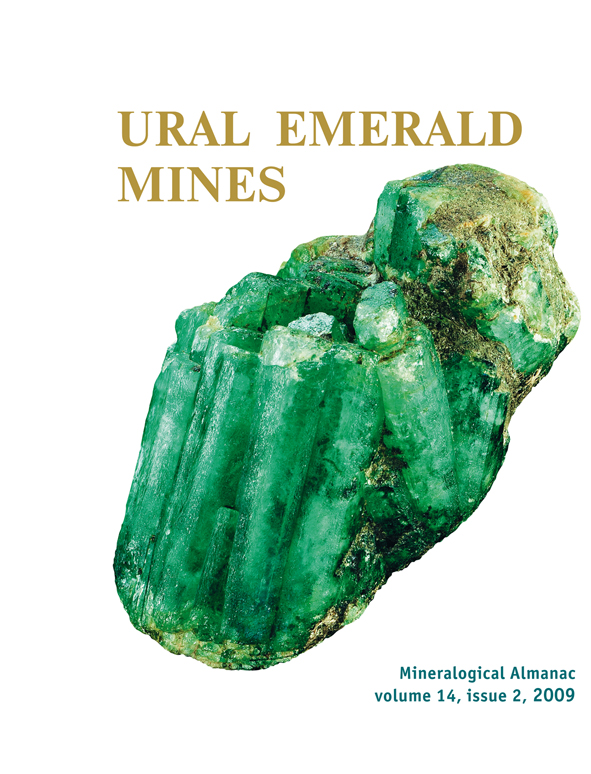
Ural emerald mines: Notes on mineralogy

Ural emerald mines: Notes on mineralogy

Zhernakov, V.I. (2009)

Journal Article · Source: Mineralogical Almanac · Volume: Vol. 14 · Issue: No. 2 · Pages: 125 pp. (whole issue)

Abstract
This full issue dwells on the Mineralogy of Ural Emerald Mines: a deposit which Russain geologists and mineralogists commonly refer as “Izumrudnye Kopi.” Besides description of minerals the issue contains information on history of research, notes on geology, list of minerals.
Keywords
gems, beryl, emerald, Russia, Malysheva, Russian beryl, emerald mines, Ural Mountains
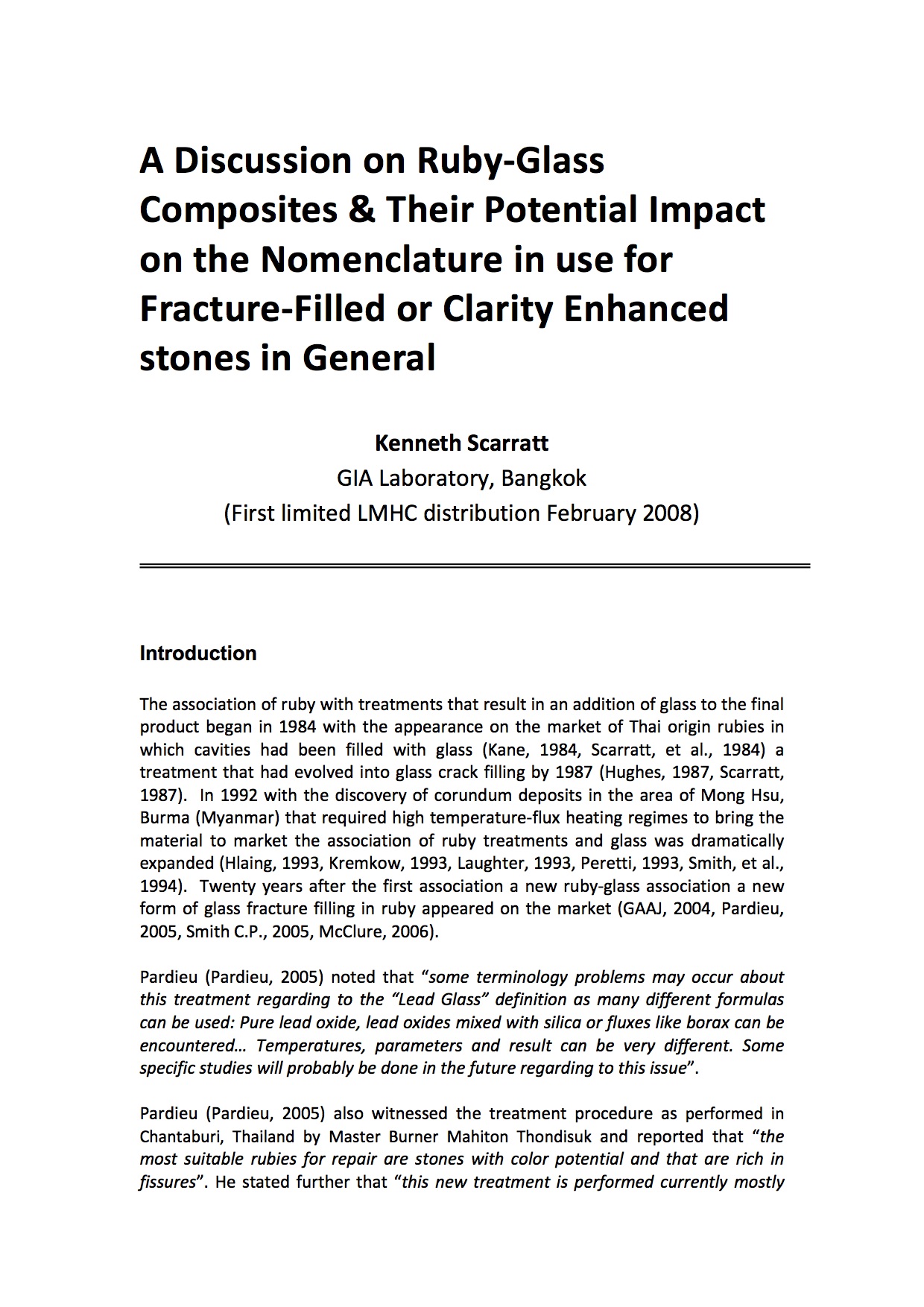
A Discussion on Ruby-Glass Composites & Their Potential Impact on the Nomenclature in use for Fracture‐Filled or Clarity Enhanced stones in General

A Discussion on Ruby-Glass Composites & Their Potential Impact on the Nomenclature in use for Fracture‐Filled or Clarity Enhanced stones in General

Scarratt, K. (2009)

Report · Publisher: Gemological Institute of America · Pages: 23 pp.

Abstract
The association of ruby with treatments that result in an addition of glass to the final product began in 1984 with the appearance on the market of Thai origin rubies in which cavities had been filled with glass (Kane, 1984, Scarratt, et al., 1984) a treatment that had evolved into glass crack filling by 1987 (Hughes, 1987, Scarratt, 1987). In 1992 with the discovery of corundum deposits in the area of Mong Hsu, Burma (Myanmar) that required high temperature-flux heating regimes to bring the material to market the association of ruby treatments and glass was dramatically expanded (Hlaing, 1993, Kremkow, 1993, Laughter, 1993, Peretti, 1993, Smith, et al., 1994). Twenty years after the first association a new ruby-glass association a new form of glass fracture filling in ruby appeared on the market (GAAJ, 2004, Pardieu, 2005, Smith C.P., 2005, McClure, 2006). Pardieu (Pardieu, 2005) noted that “some terminology problems may occur about this treatment regarding to the “Lead Glass” definition as many different formulas can be used: Pure lead oxide, lead oxides mixed with silica or fluxes like borax can be encountered... Temperatures, parameters and result can be very different. Some specific studies will probably be done in the future regarding to this issue”. Pardieu (Pardieu, 2005) also witnessed the treatment procedure as performed in Chantaburi, Thailand by Master Burner Mahiton Thondisuk and reported that “the most suitable rubies for repair are stones with color potential and that are rich in fissures”. He stated further that “this new treatment is performed currently mostly on Andilamena rubies (Madagascar) on which Mr. Thondisuk has had extensive experience but any ruby material with fissures could be “repaired”. It is a multi step treatment involving simple heating and the use of different lead rich compounds to fill the fissures and cavities of the stones. If most of the “repaired” stones seen were large size stones, stones less than 1 carat have also been treated this way”. While Pardieu did allude to wide tracts of glass crossing the surface of examples he examined in 2004 – 5 until recently (early 2008) the material observed in laboratories1 had an equivalence to treatments applied to “clarity enhance” emeralds (with the use of resins and oils) and diamonds (glass) and therefore the terminology used was adapted from these, i.e., minor, moderate or significant clarity enhancement. In reality the vast majority fell into the significant clarity enhancement category although as McClure (McClure, 2006) points out “ the efficiency of the treatment is such that a single large fracture in an otherwise clean ruby could be made to “disappear” to the unaided eye exactly as filled fractures can be made to “disappear” in emeralds and diamonds. In fact, we have already seen several stones that fall into this category. Further and following stability tests laboratories within the Laboratory Manual Harmonization Committee (LMHC)2 added “Glass filler may be unstable to elevated temperatures and to chemical agents. Special care shall be taken when repairing jewelry items set with glass filled corundum. During jewelry repair the unmounting of such stones is recommended” to reports on these stones. During a meeting of the LMHC held October 18th -20th 2007 in New York City, Dr. Pornsawat Wathanakul (Scientific Advisor to the GIT member) reopened discussions on glass fracture filling in ruby. Several members had noted myriads of large gas bubbles within the newer material being submitted to their laboratories and that in many cases the glass was filling wide seams crossing facets and seemed to be accounting for an ever increasing volume of the finished product. Further, it was surmised from observation that the material was being held together by the glass, i.e. the glass acting in similar manner to an adhesive. Following discussions and an agreement that this treatment went beyond what might be regarded as a “fracture filling or clarity enhancement process”, the group decided to describe this (heavily treated) material as “ruby-glass composites” i on all future identification reports. Further on November 13th 2007 American Gem Laboratories (AGL) announced that they were changing their reporting policies with regards these stones (AGL, 2007) and indicated that their report wording henceforth would be Identification: Composite Ruby, Standard enhancement: Heat, and Additional enhancement: Lead-glass. They also indicated a further comment would be added -This ruby has been heavily treated using a high refractive index lead-glass to fill fractures and cavities,vastly improving the apparent clarity and potentially adding weight. The glass may be damaged by a variety of solvents. This paper describes several “rubies” treated with glass and experiments carried out at GIA Laboratory (Bangkok) and at GIA New York that demonstrate the LMHC assumption – that the stones are being ‘bonded together’ by glass. As an implication of these experiments and given that several gemstones (ruby, emerald and diamond being the most often cited but others including tourmaline and quartz being not uncommon) are “clarity enhanced” through the infusion of fractures with oils, resins and glass, the paper also introduces new (February 2008) nomenclature for describing stones that have been clarity enhanced and those that are clearly composites.
Keywords
gems, corundum, treatments.6
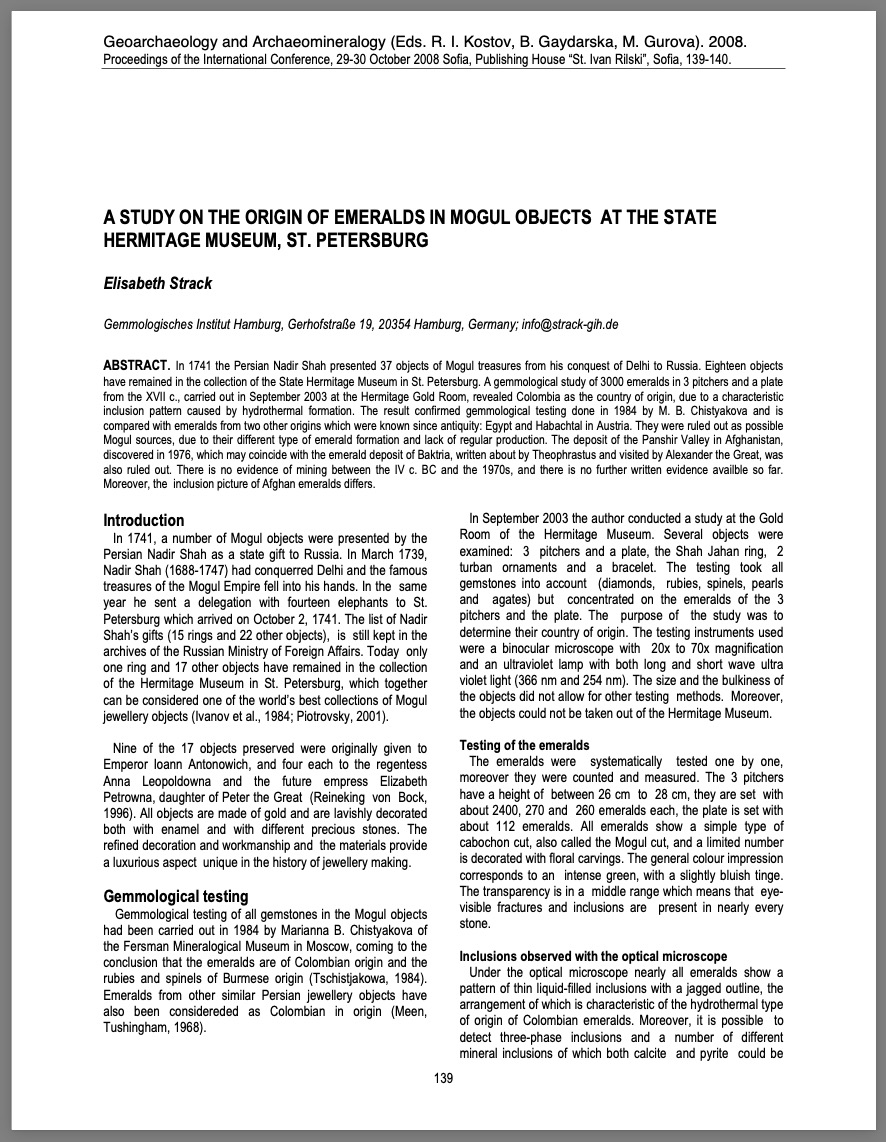
A study on the origin of emeralds in Mogul objects at the State Hermitage Museum, St. Petersburg

A study on the origin of emeralds in Mogul objects at the State Hermitage Museum, St. Petersburg

Strack, E. (2008)

Conference Paper · Source: Geoarchaeology and Archaeomineralogy | Proceedings of the International Conference · Publisher: St. Ivan Rilski · Pages: pp. 139–140

Abstract
In 1741 the Persian Nadir Shah presented 37 objects of Mogul treasures from his conquest of Delhi to Russia. Eighteen objects have remained in the collection of the State Hermitage Museum in St. Petersburg. A gemmological study of 3000 emeralds in 3 pitchers and a plate from the XVII c., carried out in September 2003 at the Hermitage Gold Room, revealed Colombia as the country of origin, due to a characteristic inclusion pattern caused by hydrothermal formation. The result confirmed gemmological testing done in 1984 by M. B. Chistyakova and is compared with emeralds from two other origins which were known since antiquity: Egypt and Habachtal in Austria. They were ruled out as possible Mogul sources, due to their different type of emerald formation and lack of regular production. The deposit of the Panjshir Valley in Afghanistan, discovered in 1976, which may coincide with the emerald deposit of Bactria, written about by Theophrastus and visited by Alexander the Great, was also ruled out. There is no evidence of mining between the IV c. BC and the 1970s, and there is no further written evidence available so far. Moreover, the inclusion picture of Afghan emeralds differs.
Keywords
gems, beryl, emerald, Mughal emerald, Russia, Hermitage, St. Petersburg, historical emerald
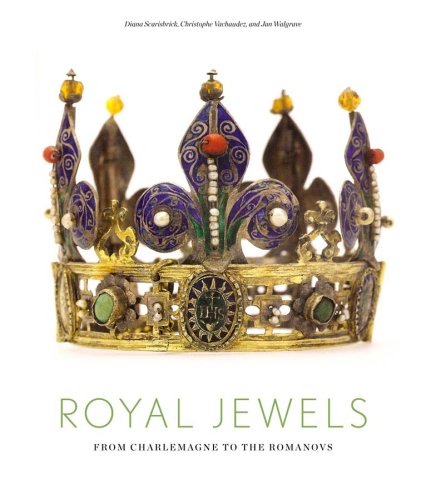
Royal Jewels | From Charlemagne to the Romanovs

Royal Jewels | From Charlemagne to the Romanovs

Scarisbrick, D., Vachaudez, C. and Walgrave, J. (2008)

Edited Book · Publisher: Vendome Press · Pages: 296 pp.

Abstract
This sumptuously illustrated book surveys 800 years of European monarchies through the jewels that symbolized their wealth, power, and prestige—adornments that hung from their necks, were sewn into their garments, and dripped from their fingers, often into the waiting hands of favored courtiers. Beginning with the gem-encrusted gold crowns of medieval kings and concluding with the glittering diamond tiaras of Belle Époque princesses, Royal Jewels showcases the exquisite range of gems worn by Europe’s legendary rulers. These dazzling artifacts are the remnants of a bygone age when jewels served as strategic tools in the politics of court favor and international diplomacy—such as Queen Elizabeth I’s gift of the famed “Drake” miniature to Sir Francis Drake or Catherine the Great’s presentation of a trove of emeralds, now a magnificent necklace, to the English ambassador. Empress Josephine, wife of Napoleon, understood the symbolic power of such adornments, proudly wearing the rough-hewn gold and sapphire talisman once buried with Charlemagne to link Napoleon to the legacy of the legendary emperor. Richly illustrated with photographs of the jewels themselves, as well as period paintings and vintage portraits of bejeweled royals and their families, Royal Jewels is the first book to assemble this unparalleled collection—remarkable both for its craftsmanship and for its relevance to the cultural and social history of Europe and the Western world. It is a treasure for anyone passionate about jewelry, fashion, or history.
Keywords
gems, crown jewels, Europe, Great Britain, Germany, France, glyptic
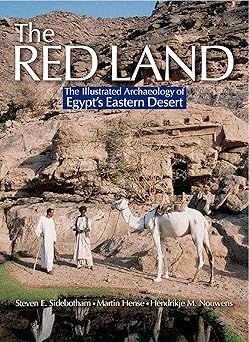
The Red Land: The Illustrated Archaeology of Egypt's Eastern Desert

The Red Land: The Illustrated Archaeology of Egypt's Eastern Desert

Sidebotham, S.E., Hense, M. and Nouwens, H.M. (2008)

Book · Publisher: American University in Cairo Press · Pages: 424 pp.

Abstract
Egypt's ancient sites between the Nile Valley and the Red Sea. For thousands of years Egypt has crowded the Nile Valley and Delta. The Eastern Desert, however, has also played a crucial―though until now little understood―role in Egyptian history. Ancient inhabitants of the Nile Valley feared the desert, which they referred to as the Red Land, and were reluctant to venture there, yet they exploited the extensive mineral wealth of this region. They also profited from the valuable wares conveyed across the desert between the Nile and the Red Sea ports, which originated from Arabia, Africa, India, and elsewhere in the east. Based on twenty years of archaeological fieldwork conducted in the Eastern Desert, The Red Land reveals the cultural and historical richness of this little known and seldom visited area of Egypt. A range of important archaeological sites dating from Prehistoric to Byzantine times is explored here in text and illustrations. Among these ancient treasures are petroglyphs, cemeteries, fortified wells, gold and emerald mines, hard stone quarries, roads, forts, ports, and temples. With 250 photographs and fascinating artistic reconstructions based on the evidence on the ground, along with the latest research and accounts from ancient sources and modern travelers, the authors lead the reader into the remotest corners of the hauntingly beautiful Eastern Desert to discover the full story of the area’s human history.
Keywords
gems, ancient gems, glyptic, Egypt, history of gemology, history of mineralogy, archaeogemology, archaeology, beryl, emerald, Cleopatra
Emerald deposits and occurrences: A review

Emerald deposits and occurrences: A review

Groat, L., Giuliani, G., Marshall, D.D. and Turner, B. (2008)

Journal Article · Source: Ore Geology Reviews · Volume: Vol. 34 · Pages: pp. 87–112

Abstract
Emerald, the green gem variety of beryl, is the third most valuable gemstone (after diamond and ruby). Although it is difficult to obtain accurate statistics, Colombia supplies most (an estimated 60%, worth more than $500,000,000 per year) of the world's emeralds. However there is speculation that the emerald mines in Colombia are becoming depleted. Brazil currently accounts for approximately 10% of world emerald production. Emeralds have also been mined in Afghanistan, Australia, Austria, Bulgaria, China, India, Madagascar, Namibia, Nigeria, Pakistan, South Africa, Spain, Tanzania, the United States, and Zimbabwe. Because it is difficult to obtain accurate analyses of beryllium, most published analyses of beryl are renormalized on the basis of 18 oxygen and 3 Be atoms per formula unit. The color of emerald is due to trace amounts of chromium and/or vanadium replacing aluminum at the Y site; in most cases the Cr content is much greater than that of V. To achieve charge balance, the substitution of divalent cations at the Y site is coupled with the substitution of a monovalent cation for a vacancy at a channel site. Beryl is relatively rare because there is very little Be in the upper continental crust. Unusual geologic and geochemical conditions are required for Be and Cr and/or V to meet. In the classic model, Be-bearing pegmatites interact with Cr-bearing ultramafic or mafic rocks. However in the Colombian deposits there is no evidence of magmatic activity and it has been demonstrated that circulation processes within the host black shales were sufficient to form emerald. In addition, researchers are recognizing that regional metamorphism and tectonometamorphic processes such as shear zone formation may play a significant role in certain emerald deposits. A number of genetic classification schemes have been proposed for emerald deposits. Most are ambiguous when it comes to understanding the mechanisms and conditions that lead to the formation of an emerald deposit. Studies of individual emerald deposits show that in most cases a combination of mechanisms (magmatic, hydrothermal, and metamorphic) were needed to bring Be into contact with the chromophores. This suggests the need for a more flexible classification scheme based on mode of formation. Stable isotopes can be used to estimate the contribution of each mechanism in the formation of a particular deposit. Such estimates could perhaps be more precisely defined using trace element data, which should reflect the mode of formation. Emerald may be identified in the field by color, hardness, and form. It will tend to show up in stream sediment samples but because its specific gravity is relatively low, it will not concentrate in the heavy mineral fraction. In Colombia, structural geology, the sodium content of stream sediment samples, and the lithium, sodium, and lead contents of soil samples have all been used to find emerald occurrences. Exploration for gem beryl could result in the discovery of new occurrences of non-gem beryl or other Be minerals that could become new sources of Be and Be oxide. Future efforts should go towards creating a comprehensive data base of emerald compositions (including trace elements), determination of the role of metamorphism in the formation of some emerald deposits, improved classification schemes, and more effective exploration guidelines.
Keywords
gems, beryl, emerald, Afghanistan, Brazil, Colombia, China, Zimbabwe, Pakistan, Zambia, Madagascar, Mozambique, inclusions, locality, species, provenance
Characterization of emeralds from a historical deposit: Byrud (Eidsvoll), Norway

Characterization of emeralds from a historical deposit: Byrud (Eidsvoll), Norway

Rondeau, B., Fritsch, E., Peucat, J.-J., Nordrum, F.S. and Groat, L. (2008)

Journal Article · Source: Gems & Gemology · Volume: Vol. 44 · Issue: No. 2, Summer · Pages: pp. 108–122

Abstract
An emerald deposit at Byrud, in southern Norway, yielded significant quantities of crystals and gem rough in the late 19ᵗʰ and early 20ᵗʰ centuries. Complex multiphase inclusions in the emeralds consist of water, gaseous methane, halite, sylvite, calcite, and a sulfide assemblage (pyrrhotite, galena, and sphalerite). This sulfide assemblage makes it easy to distinguish Byrud emeralds from those from other localities with a binocular microscope. The chemical composition of Byrud emeralds is also characteristic: they are colored mostly by vanadium (up to 1 wt.% V₂O₃), and contain low sodium and magnesium (0.1 wt.% oxide or less). Moreover, the relative amounts of iron, magnesium, chromium, rubidium, and cesium appear to be diagnostic. Infrared absorption spectra show that they contain little water. Emeralds from the Byrud deposit are still occasionally recovered by hobbyist collectors from the mine dumps.
Keywords
gems, beryl, emerald, Norway
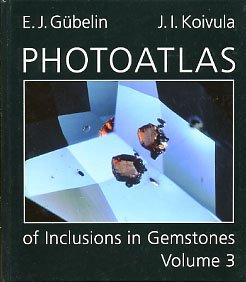
Photoatlas of Inclusions in Gemstones, Volume 3

Photoatlas of Inclusions in Gemstones, Volume 3

Gübelin, E.J. and Koivula, J.I. (2008)

Book · Publisher: Opinio Publishers · Pages: 672 pp.

Abstract
Photoatlas Volume 3, the final volume in the highly praised series, Photoatlas of Inclusions in Gemstones, focuses on inclusions in the major commercial gems (diamonds, rubies, sapphires, and emeralds) and inclusions in rare and unusual host materials, such as ekanite and taaffeite. This last book in the Photoatlas library concludes the 35-year collaboration of the renowned gemological authorities, E.J. Gübelin and J.I. Koivula. With the completion of Volume 3, Gübelin and Koivula have provided gemologists with the complete, authoritative photomicrographic reference volumes on inclusions in gemstones.
Keywords
corundum, inclusions.5, treatments.12, synthetic corundum.7, ruby, sapphire, Australia.12, Burma.12, Cambodia.12, China.12, Colombia.12, Greenland.12, India.12, Kashmir.12, Kenya.12, Madagascar.12, Malawi.12, Pakistan.12, Sri Lanka.12, Tanzania.12, Thailand.12, USA.12, Montana.12, tanzanite, spinel, gems
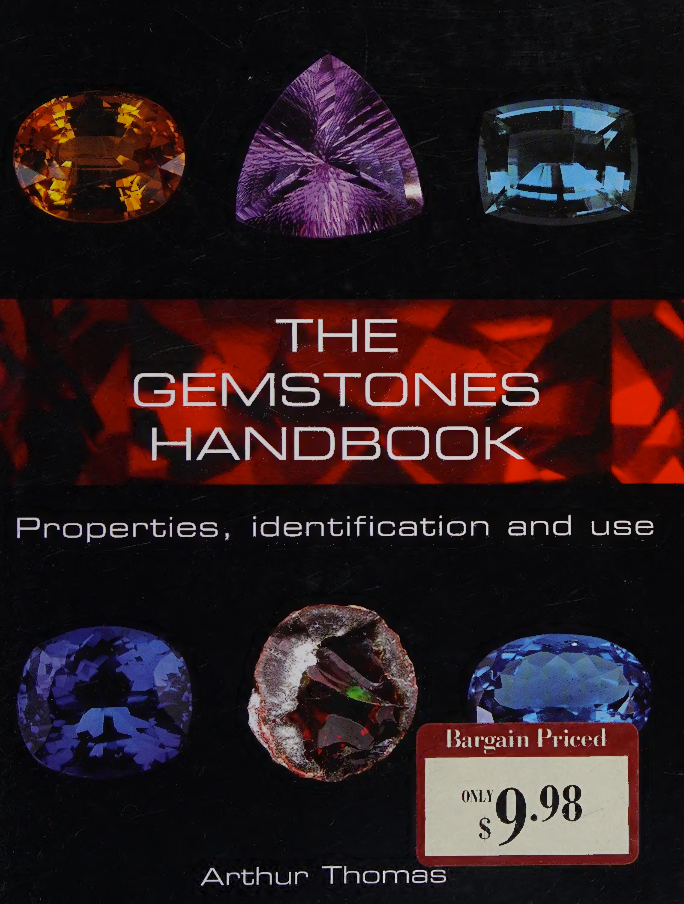
The Gemstones Handbook: Properties, Identification and Use

The Gemstones Handbook: Properties, Identification and Use

Thomas, A. (2008)

Book · Publisher: Fall River Press · Pages: 256 pp.

Abstract
This is a comprehensive guide to the fascinating world of precious gems and ornamental stones. As well as the naturally occurring minerals that have long been prized as gemstones, such as diamonds, emeralds and rubies, the book covers 'organic gems', including pearls, amber and coral, and synthetic gems and stimulants, or imitations. There is an introductory section that examines the appeal of gemstones, the history and the popularity of collecting, the basic rock types, principles of crystal formation and physical properties, while the main encyclopedic section provides information on the origins and makeup of over 200 major stones, their properties and qualities, as well as major world sources. The latter sections of the book cover the cutting and finishing processes, the ways in which stones can be enhanced or 'improved' and offers pointers on starting a collection and exploring the subject in greater depth.
Keywords
gems, general, properties
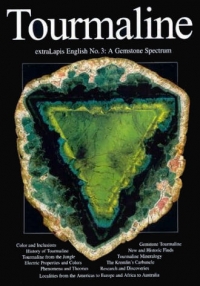
Tourmaline

Tourmaline

Staebler, G.A. (2008)

Edited Book · Source: extraLapis English · Publisher: Lithographie · Issue: No. 3 · Pages: 108 pp.

Abstract
In the gem and mineral world, the word tourmaline is synonymous with color. Tourmaline is found in almost every imaginable hue from ruby-red to emerald-green to electric blue. Amazingly, two or more intense and highly contrasting colors can even be found in the same stone making tourmaline a spectacular display specimen and gemstone. Tourmaline has been cherished in Europe's royal treasuries for centuries but until relatively recently was assumed to be ruby or zircon. extraLapis English No. 3 explores the world of tourmaline from its fascinating history to the most recent discoveries, while unforgettable images bring life to the story of the stone. Let extraLapis English No. 3 take you inside these colorful crystals and lead you to the places around the world where they are found.
Keywords
tourmaline, Brazil, Madagascar, California, Maine, USA, Namibia, Afghanistan, gems
Museum Review: Recovered treasures form Afghanistan

Museum Review: Recovered treasures form Afghanistan

Ogden, J. (2007)

Journal Article · Source: American Journal of Archaeology · Publisher: Archaeological Institute of America · Volume: Vol. 111 · Issue: No. 3 · Pages: pp. 559–563

Abstract
Six years ago, Taliban chief Mullah Omar ordered the destruction of all non-Islamic art and tombs in Afghanistan, a campaign that devastated the country’s cultural heritage—from the monumental Buddhas of Bamiyan to countless small artifacts—leaving perhaps only a third of the Kabul National Museum’s collection intact. It seemed once again that Afghanistan’s archaeological legacy was fated to be lost amid its long history of tribal conflict and instability. Yet the extraordinary gold, glass, stone, and ivory objects in the current exhibition tell another story. Two-thirds of the objects are jewellery or other precious items, and most are the gold ornaments from Tilia Tepe, believed lost but now astonishingly returned to public view. Many of the 200 works on display—spanning 2,500 years of Afghanistan’s history—are being shown to a Western audience for the first time. Most have secure provenance, with sites like Fullol, Ai-Khanoum, Tilia Tepe, and Begram well represented. For a jewellery historian, a common frustration in such exhibitions is the inability to examine pieces under a microscope; one must make do with a small close-focus monocular, which—despite amusing nearby visitors—allows for enough magnification at 45 cm to observe some construction and decorative details. The technical observations that follow are based on these less-than-ideal viewing conditions, compounded by the crowded exhibition space where many of the gold objects had to be viewed while obstructing a narrow, slow-moving line of visitors. One wonders what the average visitor learns in such a setting, especially when labels offer little more than the word “ring.”
Keywords
gems, Afghanistan, Panjshir Valley, beryl, emerald
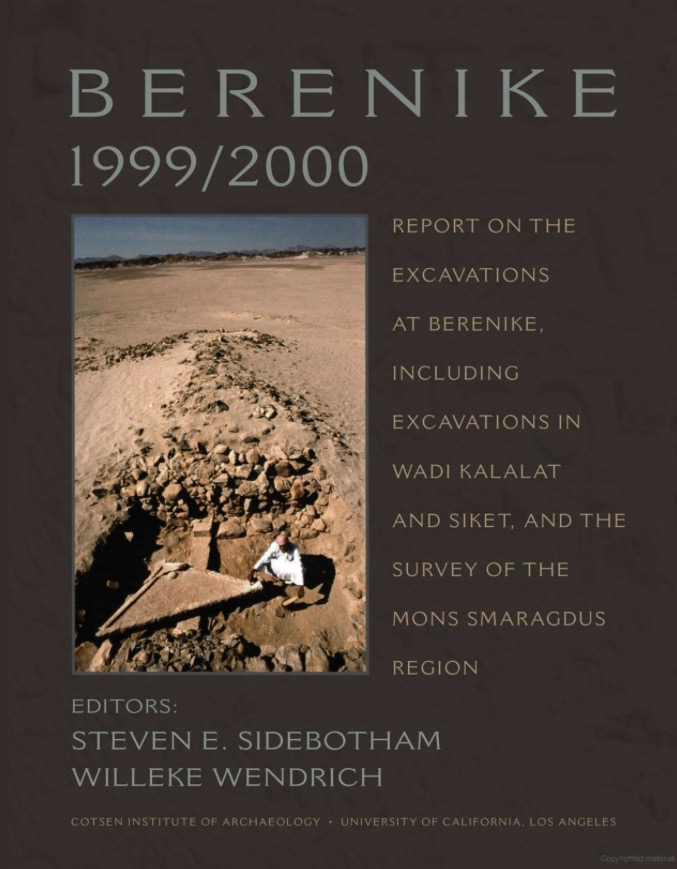
Survey of the emerald mines at Wadi Sikait 2000/2001 seasons

Survey of the emerald mines at Wadi Sikait 2000/2001 seasons

Foster, B.C., Rivard, J.-L., Sidebotham, S.E. and Cuvigny, H. (2007)

Book Section · Source: Berenike 1999-2000: Report on the Excavations at Berenike, Including Excavations in Wadi Kalalat and Siket, and the Survey of the Mons Smaragdus Region · Publisher: Cotsen Institute of Archaeology, UCLA · Issue: Cotsen Monograph 56 · Pages: pp. 304–343

Abstract
“It is curious that, with all the maps which had been examined before starting on this journey, we had no notion that we were close upon the houses and temples of perhaps the oldest and most extensive emerald mines in the world…” (Floyer 1893:417). While Floyer, leader of the scientific expedition dispatched by the Khedive, recognized the historical importance of the emerald mines at Wadi Sikait, neither he nor subsequent travelers recorded a detailed archaeological plan of the site (cf. MacAlister 1900:538). Situated in one of the key mining settlements of the region, known in antiquity as Mons Smaragdus, Sikait was strategically located near a vital segment of the trans-desert road system linking Berenike to the Nile, enhancing its regional significance. It was by far the largest and most densely built of the mining settlements surveyed in the area and clearly functioned as part of a broader network of trade and activity. Historical accounts underscore its importance, and its connectivity through extensive desert routes raises new questions about similar sites in the Eastern Desert. Despite this, no comprehensive survey had been conducted prior to the recent project. Lying about 45 km inland from the Red Sea, Sikait remains difficult to reach, which historically contributed to its preservation. However, modern coastal development has brought the site within easy access of tourists, vandals, and treasure hunters, whose actions, alongside natural erosion, have increasingly threatened its integrity. This growing danger—alongside the site’s archaeological and historical value—prompted the initiation of a detailed survey and assessment for potential future excavation.
Keywords
gems, beryl, emerald, Egypt, locality, species, Sikait
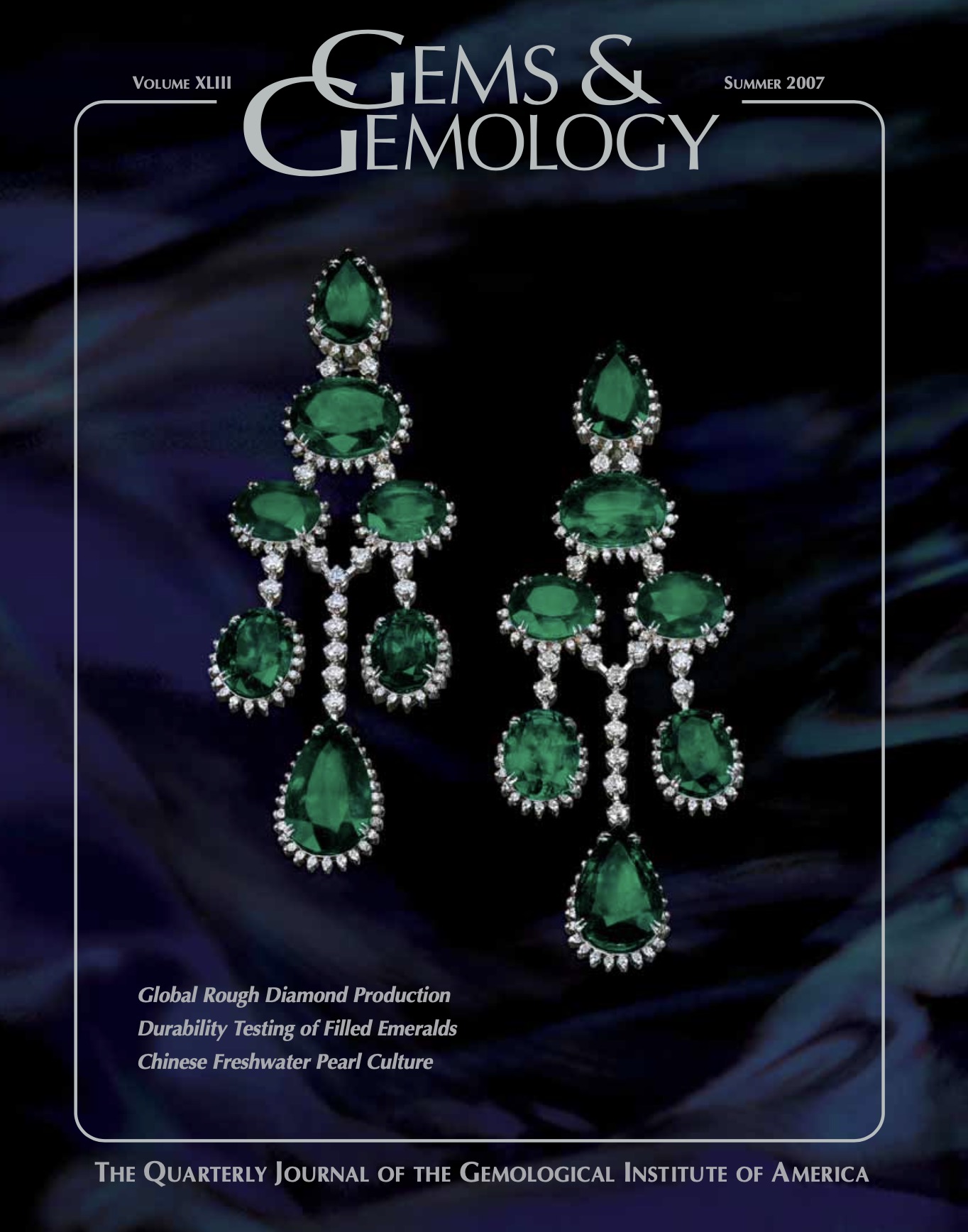
Durability testing of filled emeralds

Durability testing of filled emeralds

Johnson, M.L. (2007)

Journal Article · Source: Gems & Gemology · Volume: Vol. 43 · Issue: No. 2, Summer · Pages: pp. 120–137

Abstract
Researchers treated 128 emeralds with nine emerald fillers—Araldite 6010, cedarwood oil, paraffin oil, unhardened and surface-hardened Opticon, a mixture of cedarwood oil and Canada balsam, surface-hardened Norland Optical Adhesive 65, and the solid fillers Gematrat and Permasafe—and then exposed them (along with 14 unfilled emeralds) to common conditions of wear and cleaning. All emeralds were held for about six years, and most were then subjected to one of the following durability tests: exposure to long-wave UV radiation (a component of sunlight), to mild heat and incandescent light in a display case, to five chill-thaw cycles, and to a desiccation environment; ultrasonic cleaning with either warm water or BCR; and cleaning with steam or mild chemical solvents. Changes were evident in about 35% of the filled emeralds after the mild exposure tests (i.e., time, UV radiation, display case); those with liquid fillers were especially susceptible. The desiccation environment made fissures visible in a majority of emeralds. Hard fillers damaged their host emeralds by expanding cracks during durability testing, while chill-thaw cycling extended cracks in both filled and unfilled emeralds. Emeralds with liquid fillers were most susceptible to appearance changes due to ultrasonic cleaning and exposure to ethanol or acetone. Some observations on the effectiveness of different fillers on emerald appearance are also provided.
Keywords
gems, beryl, emerald, emerald fillers, emerald oiling, emerald treatments
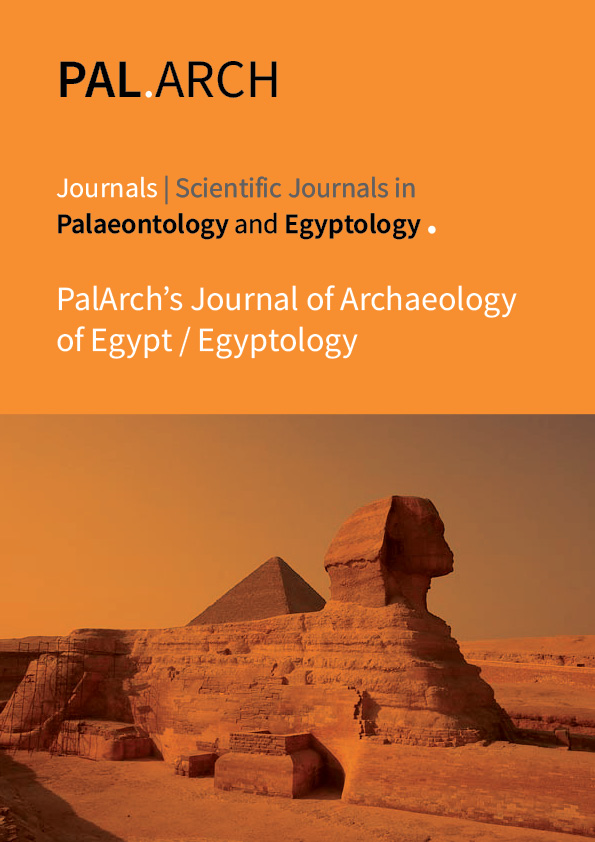
Archaeological geology of Wadi Sikait

Archaeological geology of Wadi Sikait

Harrell, J.A. (2006)

Journal Article · Source: PalArch’s Journal of Archaeology of Egypt/Egyptology · Volume: Vol. 4 · Issue: No. 1 · Pages: pp. 1–12

Abstract
Emerald, a green transparent variety of beryl, was among the most highly prized gemstones in antiquity. The earliest known emerald mine lies in the Wadi Sikait valley of Egypt’s southern Eastern Desert, where mining likely began in the late Ptolemaic period (1st century BC). Most activity, however, occurred in the Early and Late Roman periods (1st to mid-2nd centuries and 4th to early 6th centuries AD), with reduced operations during the Middle Roman period (late 2nd to 3rd centuries AD). Known to the Romans as smaragdus, emerald gave its name to the region—Mons Smaragdus, or Emerald Mountain. A geological survey conducted at Wadi Sikait aimed to map ancient workings, infer mining techniques, and analyze the geological context of the emerald deposits. Emeralds and green beryls were found in the contact zone between phlogopite schist and intrusive quartz and pegmatite veins. Excavated primarily with flat-edged chisels and pointed picks, the ancient workings are mostly shallow, open-cut trenches that trace the quartz and pegmatite veins; some extend as deep as 100 meters underground and remain largely unexplored. Romans also quarried steatite and quartz mica schist from the site for construction purposes.
Keywords
gems, beryl, emerald, Egypt, Sikait, archaeology
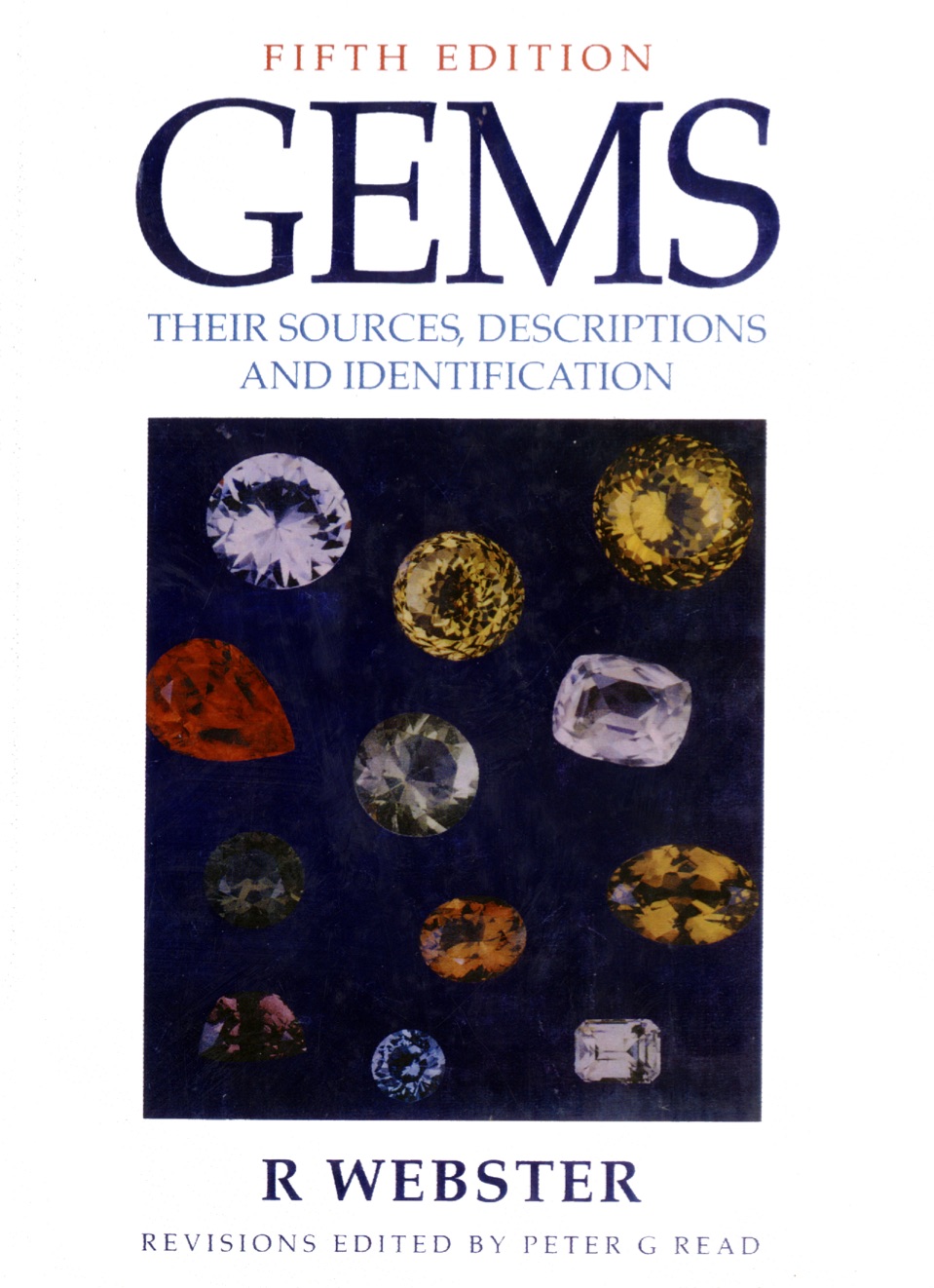
Gems: Their Sources, Descriptions and Identification

Gems: Their Sources, Descriptions and Identification

Webster, R. and O’Donoghue, M. (2006)

Book · Publisher: Butterworth-Heinemann · Pages: 873 pp.

Abstract
Since it was first published in 1962 ‘Gems’, written by Robert Webster and revised in its fourth edition by Basil Anderson, has become universally recognised as the most comprehensive and authoritative treatise on gem materials in the English language. In this fifth edition, edited by Peter Read, the forty chapters, appendices and tables have been revised by fifteen gemmologists chosen for their expertise in the relevant sections. Aimed at the professional jeweller and student gemmologist, Gems also caters for the collector of gems and the layperson who is interested in precious stones.
Keywords
corundum, ruby, sapphire, synthetic corundum.7, treatments.6, color.4, properties.3, assembled stones.8, gems, pearls, emerald, gemology
Applications of Laser Ablation-Inductively Coupled Plasma-Mass Spectrometry (LA-ICP-MS) to gemology

Applications of Laser Ablation-Inductively Coupled Plasma-Mass Spectrometry (LA-ICP-MS) to gemology

Abduriyim, A. and Kitawaki, H. (2006)

Journal Article · Source: Gems & Gemology · Volume: Vol. 42 · Issue: No. 2, Summer · Pages: pp. 98–118

Abstract
Laser ablation–inductively coupled plasma–mass spectrometry (LA-ICP-MS) is an important technique for quantitative chemical analysis. The authors have applied this minimally destructive technique to gemology to take advantage of its high spatial resolution, rapid and direct analysis of gemstones (whether loose or mounted), and precise measurement of a wide range of elements—even in ultra-trace amounts. This article summarizes LA-ICP-MS principles and describes the successful application of this technique to detecting beryllium diffusion treatment in corundum and identifying the geographic origin of emeralds. LA-ICP-MS is significantly less expensive than SIMS and more sensitive than LIBS, which is the least costly of the three instruments.
Keywords
corundum, chemistry.2, synthetic corundum.7, gems
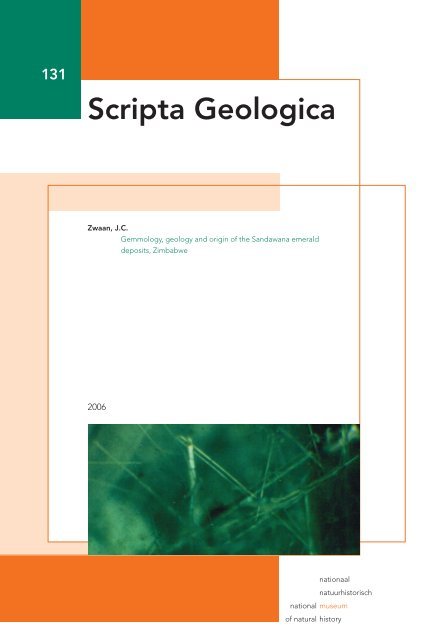
Gemmology, geology and origin of the Sandawana emerald deposits, Zimbabwe

Gemmology, geology and origin of the Sandawana emerald deposits, Zimbabwe

Zwaan, J.C. (2006)

Journal Article · Source: Scripta Geologica · Volume: Vol. 131 · Pages: 211 pp.

Abstract
As one of the most valuable gemstones, emeralds are known to occur in several countries of the world, such as Colombia, Zambia, Brazil, Pakistan, Afghanistan, Russia, Madagascar and Zimbabwe. The emerald deposits at Sandawana, Zimbabwe, are described, the emeralds from this deposit characterised and a model of emerald formation presented; this is compared with existing models.
Keywords
gems, beryl, emerald, Zimbabwe, Sandawana, inclusions
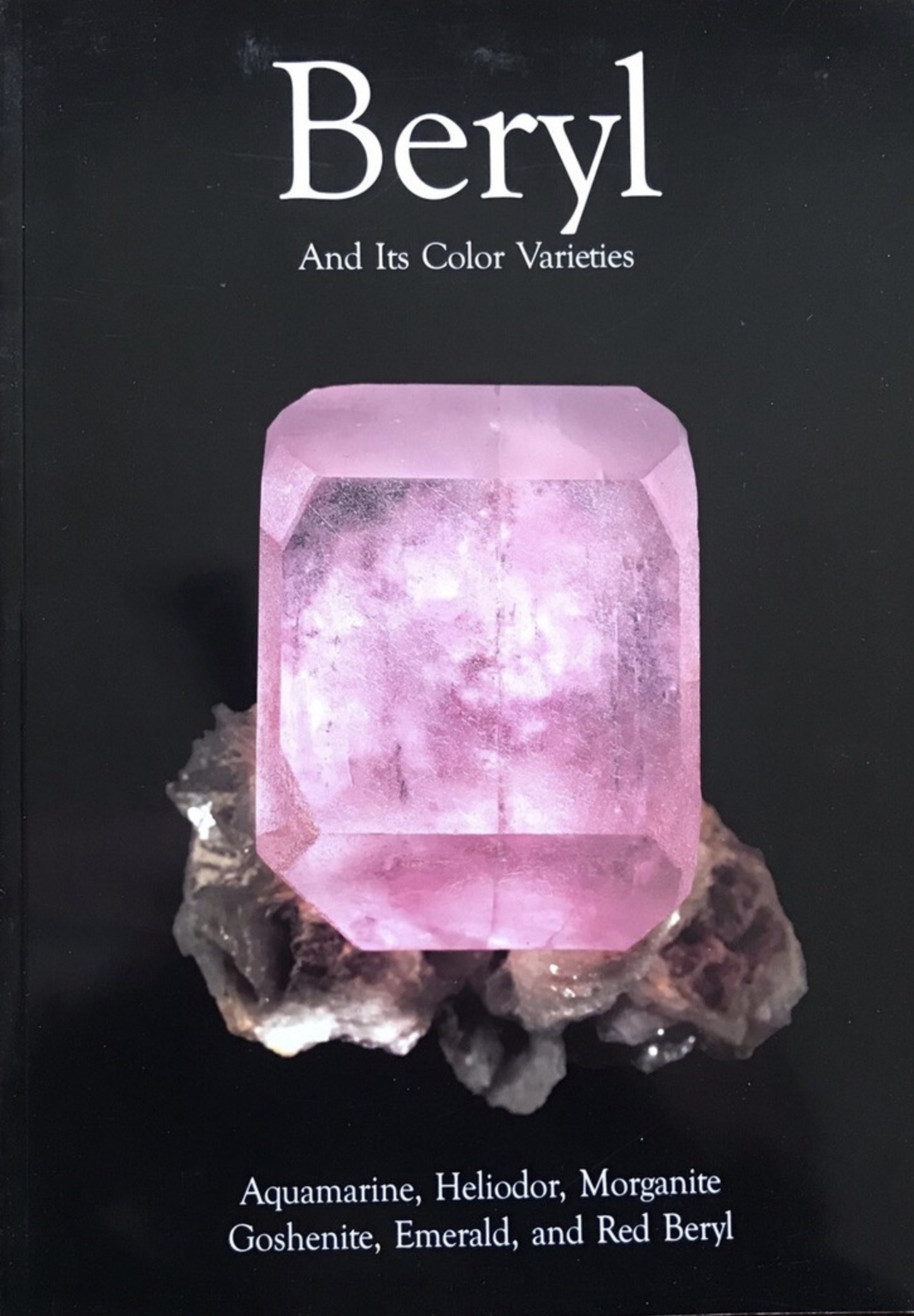
Gem beryl from Russia and Ukraine

Gem beryl from Russia and Ukraine

Lyckberg, P. (2005)

Book Section · Source: Beryl and Its Color Varieties · Publisher: Lapis International · Pages: pp. 49–57

Keywords
gems, beryl, emerald, morganite, goshenite, helioder, golden beryl Murskinka, Urals, Russia, Ukraine

Exploring the Literature of Emerald

Emerald literature spans gemology, mineralogy, deposits, identification, treatments, synthesis, history and the gem trade, with important sources covering deposits around the world.

For a curated guide to this subject, read Green Fire — Lotus Gemology's Guide to the Literature of Emerald.

About Four Treasures

Four Treasures is Lotus Gemology's freely accessible gemological reference database. Use the full database to search by author, title or keyword and explore literature on gemology, mineralogy, jewelry and related fields. Where available, hyperlinks on titles may lead directly to the full publication.

Search the Complete Four Treasures Database