Emerald Bibliography

Emerald Bibliography

Explore books, articles and historical sources on emerald in Four Treasures, the Lotus Gemology reference database. This bibliography brings together matching records from the collection, with publication details, abstracts and cover images where available.

Emerald References

The list below matches the terms emerald or emeralds in the database's searchable fields. Some references discuss emeralds as part of a broader subject.

161–180 of 848 matching references
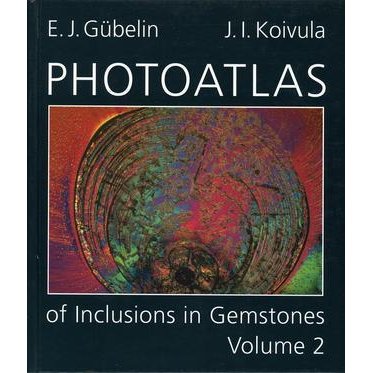
Cathodoluminescence (CL) of inclusions in gemstones

Cathodoluminescence (CL) of inclusions in gemstones

Ponahlo, J. (2005)

Book Section · Source: Photoatlas of Inclusions in Gemstones, Volume 2 · Publisher: Opinio Publishers · Pages: pp. 90–94

Abstract
Photoatlas, Volume 2, the long-anticipated successor to Photoatlas, Volume 1, was released in December, 2005. It covers gems other than diamonds, rubies, sapphires, and emeralds, which are covered in Volume 3. Like Photoatlas, Volume 1, which was first published in 1986, the second volume in the series will become a standard reference in the field of gemology. Once again, Dr. Eduard J. Gübelin and John I. Koivula have collaborated to produce an impressive pictorial atlas of gemstone inclusions. Renowned for their unique ability in capturing the beauty of the internal world of gemstones and bringing an artistic sensibility to a scientific subject in their photomicrographs, Dr. Gübelin and Mr. Koivula bring to Photoatlas, Volume 2 their considerable expertise and combined experience in laboratory gemology, mineralogy, geology and chemistry. The second volume in the Photoatlas series complements Photoatlas, Volume 1 with greater depth and scope, featuring inclusion specimens from localities discovered after 1986 and examples of treatment techniques and synthetics that have appeared in the gem market in the last two decades. Each chapter contains current information on the micro-characteristics of natural, synthetic and treated host materials along with a complete selection of photomicrographs and a suggested reference section. The Photoatlas suite is an indispensable resource for gemologists, mineralogists, collectors and jewelers.
Keywords
corundum, inclusions.5, treatments.12, synthetic corundum.7, ruby, sapphire, Australia.12, Burma.12, Cambodia.12, China.12, Colombia.12, Greenland.12, India.12, Kashmir.12, Kenya.12, Malawi.12, Pakistan.12, Sri Lanka.12, Tanzania.12, Thailand.12, USA.12, Montana.12, tanzanite, spinel, gems, jade, jadeite, fei cui, nephrite
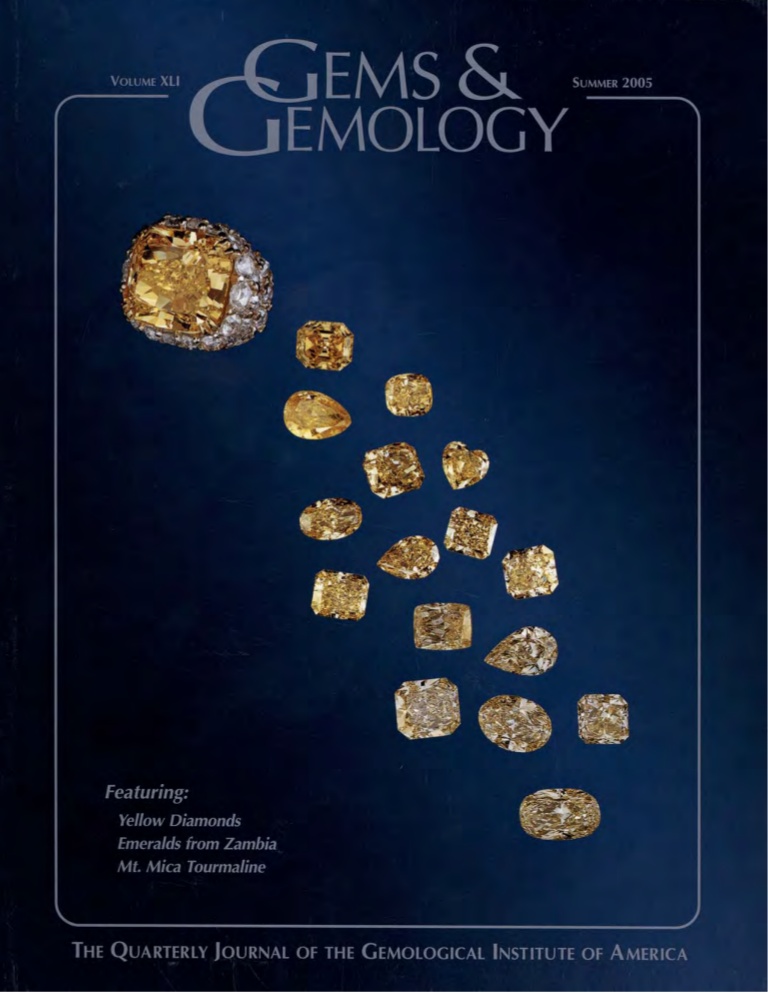
Emeralds from the Kafubu area, Zambia

Emeralds from the Kafubu area, Zambia

Zwaan, J.C., Seifert, A.V., Vrána, S., Laurs, B.M., Anckar, B., Simmons, W.B., Falster, A.F., Lustenhouwer, W.J., Muhlmeister, S., Koivua, J.I. and Garcia-Guilerminet, H. (2005)

Journal Article · Source: Gems & Gemology · Volume: Vol. 41, No. 2, Summer · Pages: pp. 116–148

Abstract
Zambia is considered the world’s second most important source of emeralds by value (after Colombia). The deposits are located near the Kafubu River in the Ndola Rural Restricted Area. Emeralds have been known from this region since 1928, but significant commercial production began only in the 1970s. As of mid-2004, most of the emeralds were being mined from large openpit operations at the Kagem, Grizzly, and Chantete concessions. Economic emerald mineralization is confined almost entirely to phlogopite reaction zones adjacent to Be-bearing quartz-tourmaline veins that metasomatically altered Cr-bearing metabasite host rocks. Nearly all of the rough is cut in India and Israel. Zambian emeralds have relatively high R.I. and S.G. values, with inclusions typically consisting of partially healed fissures, as well as actinolite, phlogopite, dravite, fluorapatite, magnetite, and hematite. They contain moderate amounts of Cr, Mg, and Na, moderate-to-high Fe contents, and relatively high Cs and Li. Although many features of Zambian emeralds are comparable to those from other commercially important localities, in many cases they may be separated by a combination of their physical properties, microscopic characteristics, and chemical composition.
Keywords
gems, bery, beryl, emerald, Zambia, inclusions, Kitwe
Photoatlas of Inclusions in Gemstones, Volume 2

Photoatlas of Inclusions in Gemstones, Volume 2

Gübelin, E.J. and Koivula, J.I. (2005)

Book · Publisher: Opinio Publishers · Pages: 830 pp.

Abstract
Photoatlas, Volume 2, the long-anticipated successor to Photoatlas, Volume 1, was released in December, 2005. It covers gems other than diamonds, rubies, sapphires, and emeralds, which are covered in Volume 3. Like Photoatlas, Volume 1, which was first published in 1986, the second volume in the series will become a standard reference in the field of gemology. Once again, Dr. Eduard J. Gübelin and John I. Koivula have collaborated to produce an impressive pictorial atlas of gemstone inclusions. Renowned for their unique ability in capturing the beauty of the internal world of gemstones and bringing an artistic sensibility to a scientific subject in their photomicrographs, Dr. Gübelin and Mr. Koivula bring to Photoatlas, Volume 2 their considerable expertise and combined experience in laboratory gemology, mineralogy, geology and chemistry. The second volume in the Photoatlas series complements Photoatlas, Volume 1 with greater depth and scope, featuring inclusion specimens from localities discovered after 1986 and examples of treatment techniques and synthetics that have appeared in the gem market in the last two decades. Each chapter contains current information on the micro-characteristics of natural, synthetic and treated host materials along with a complete selection of photomicrographs and a suggested reference section. The Photoatlas suite is an indispensable resource for gemologists, mineralogists, collectors and jewelers.
Keywords
corundum, inclusions.5, treatments.12, synthetic corundum.7, ruby, sapphire, Australia.12, Burma.12, Cambodia.12, China.12, Colombia.12, Greenland.12, India.12, Kashmir.12, Kenya.12, Malawi.12, Pakistan.12, Sri Lanka.12, Tanzania.12, Thailand.12, USA.12, Montana.12, tanzanite, spinel, gems, jade, jadeite, fei cui, nephrite
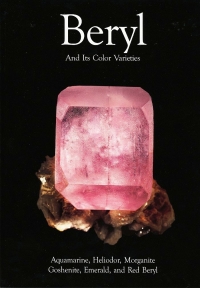
Beryl And Its Color Varieties

Beryl And Its Color Varieties

Falster, A.F., Jarnot, M.D., Neumeier, G., Simmons, W.B., Staebler, G.A., Wilson, T. and Wise, M. (2005)

Edited Book · Source: extraLapis English · Publisher: Lithographie · Issue: No. 7 · Pages: 112 pp.

Abstract
The colorful varieties of beryl -from clear goshenite, to vibrant emerald, to serene aquamarine -have been inspiring scientists, mystics and poets for millennia. Found in a range of shapes, sizes and colors, beryl is as diverse as the Earth in which it forms. Today, much is known and much remains unknown about the gemstone, mineral specimen and strategic ore that is beryl.
Keywords
gems, beryl, aquamarine, morganite, goshenite, heliodor
Alexandrite [Александрит: монография]

Alexandrite [Александрит: монография]

Alexandrite: Monograph

Kozlov, Y.S. (2005)

Book · Publisher: Nauka · Pages: 144 pp.

Abstract
Александрит (Eng. Alexandrite) — a monograph written by Russian scientist, Candidate of Technical Sciences Yury Sergeyevich Kozlov and published by the Russian Academy of Sciences publishing house Nauka". The monograph addresses topics related to the geology, mineralogy, and crystallography of the rare Group I gemstone — alexandrite. Special sections are dedicated to the study of alexandrite crystals using X-ray spectral analysis and IRL methods. The book includes tables of cathodoluminescence spectra of faceted reference samples, as well as data from international price catalogs on alexandrites. Of particular interest is the large volume of photographs and certificates of faceted specimens from the author’s personal collection."
Keywords
beryl, chrysoberyl, beryl, emerald, alexandrite, Russia, Urals, Malysheva, gems
The sourcing of Mesoamerican jade: Expanded geological reconnaissance in the Motagua Region, Guatemala

The sourcing of Mesoamerican jade: Expanded geological reconnaissance in the Motagua Region, Guatemala

Taube, K.A., Sisson, V.B., Seitz, R. and Harlow, G.E. (2004)

Book Section · Source: Olmec Art and Dumbarton Oaks · Publisher: Dumbarton Oaks Research Library and Collection · Issue: Pre-Columbian Art at Dumbarton Oaks, No. 2 · Pages: pp. 203–222

Abstract
The first European interest in jade arose from contact not with China, but with the New World. During the early sixteenth century, the Spanish conquistadors and later chroniclers were fascinated by the extremely high value the Aztec placed on jadeite, known as chalchihuitl in Nahuatl. In many early Spanish accounts, lacking prior knowledge of jade, it is commonly referred to as emerald, an incorrect term clearly derived from the precious as well as verdant quality of the stone. A direct participant in the conquest of Mexico, Bernal Díaz del Castillo mentioned that soon after delivering a rich treasure to Hernán Cortés at San Juan de Ulúa, an emissary of Moctezuma II offered Cortés a group of extremely precious jades along with other rare goods:
Keywords
gems, jade, jadeite, fei cui, Guatemala, Mesoamerica, geology, Montagua River, Mexico, Costa Rica, Honduras
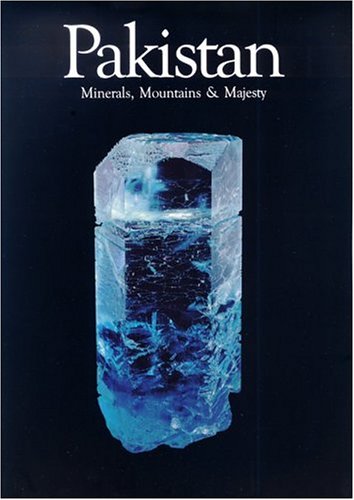
The many shades of Pakistan's green gemstones

The many shades of Pakistan's green gemstones

Hammer, V.M.F. (2004)

Book Section · Source: Pakistan: Minerals, Mountains & Majesty · Publisher: Lapis International · Pages: pp. 64–71

Abstract
For millennia, minerals and gemstones have been gathered and traded from the countries surrounding present-day Pakistan. While the Karakoram Mountains hosted portions of the Silk Road and other routes over which gems and minerals were traded, Pakistan's magnificent gem deposits were for the most part left undiscovered until the 20th century. Since then, a few daring miners, collectors and dealers have challenged the extreme climate, daunting terrain and rocky political landscape to bring the world some of its finest mineral treasures. No. 6 in the popular extraLapis English mineralogical monograph series, Pakistan - Minerals, Mountains & Majesty is packed with unmatched locality information, detailed maps, stories behind the finds and of course unforgettable photographs.
Keywords
gems, olivine, peridot, Pakistan, locality, species, lazulite, emerald
Aplicações de microscopia eletrônica de varredura (MEV) e sistema de energia dispersiva (EDS) no estudo de gemas: exemplos brasileiros

Aplicações de microscopia eletrônica de varredura (MEV) e sistema de energia dispersiva (EDS) no estudo de gemas: exemplos brasileiros

Applications of scanning electron microscopy (SEM) and energy dispersive system (EDS) in the study of gemstones: Brazilian examples.

Duarte, L.d.C., Juchem, P.L., Pulz, G.M., Brum, T.M.M.d., Chodur, N., Liccardo, A., Fischer, A.C. and Acauan, R.B. (2003)

Journal Article · Source: Pesquisas em Geociências · Volume: Vol. 30 · Issue: No. 2, Sept.–Dec. · Pages: pp. 3–15 · Language: in Portuguese

Abstract
This paper presents results of SEM and EDS study in some Brazilian gemstones. Emerald from Campos Verdes (GO) contains several mineral inclusions as talc, dolomite, chromite, pyrite, magnetite, etc. Sylvite crystals was firstly identified by SEM/EDS. These salt inclusions suggest percolation of K-bearing fluids during emerald crystallization. Emerald from Campos Verdes present higher concentration of Cr+3 in the outer green zones than in the inner colourless zones, showing that ion is a chromophore in this gemstone. SEM and EDS results combined with optical microscopy analyses demonstrate that amethyst from Rio Grande do Sul State (RS) contain needle-like inclusions of goethite and not cacoxenite and rutile as suggest by other workers. By these techniques it was possible to identify pyrolusite and hollandite as late minerals inside agate and quartz geodes from RS. SEM and EDS data of corundum from Barra Velha (SC) show that silk effect is produced by diaspore inclusions. These techniques also reveal that the asterism in this corundum is produced by empty needle-like channels instead of the presence rutile inclusions as commonly observed in other worldwide deposits. Rounded zircon inclusions are common in corundum from Indaiá, Palmeiras, Caputira and Campo Belo (MG). Sillimanite and/or kyanite inclusions in corundum crystals of secondary deposits from Indaiá suggest a metamorphic origin to this gemstone. Corundum from Caputira also contains several rounded rutile inclusions, which are diagnostic for this occurrence.
Keywords
gems, corundum, inclusions.5, Brazil.12, beryl, emerald, inclusions,
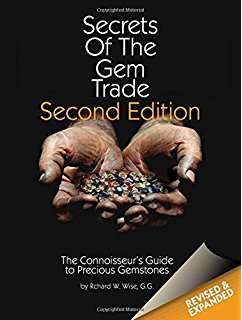
Secrets of the Gem Trade

Secrets of the Gem Trade

Wise, R.W. (2003, 2016)

Book · Publisher: Brunswick House Press · Pages: 274 pp.

Abstract
Divided into two parts, this comprehensive gemstone grading manual describes the criteria used to quality grade faceted gems, cabochons, pearls, opals, star stones and Catseyes. It applies the grading criteria to 35 of important gemstones, including diamond, ruby, sapphire, emerald, tourmaline, garnet, pearl, agate, and opal. Based on the author’s extensive experience in buying gems for his jewelry store, this book contains a weath of practical knowledge on gems. While the book occasionally slips when it comes to technical matters, it remains one of the best guides to buying gems. The second edition is greatly expanded. In the style of the first, it contains a wealth of practical knowledge, but would have benefitted from a technical editor. Both editions are highly recommended—RWH
Keywords
corundum, quality.10, gems, jade, jadeite, fei cui, nephrite, ruby, sapphire, emerald, amethyst, beryl, aquamarine, topaz, tourmaline, garnet, pearl, tanzanite, spinel, chalcedony, diamond, alexandrite
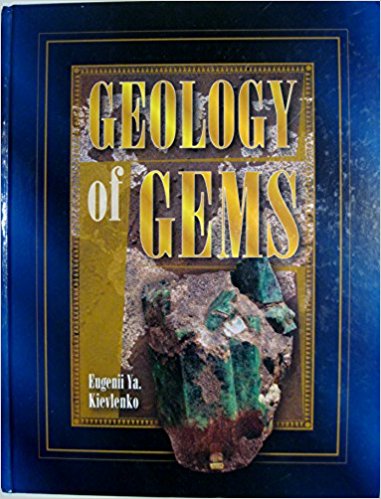
Geology of Gems

Geology of Gems

Kievlenko, E. (2003)

Book · Publisher: Ocean Pictures Ltd. · Pages: 432 pp. + xxxii

Abstract
Sinkankas: “Geology of Gemstone Deposits” taken on a world-wide basis. The first chapter discusses classification schemes, standard cutting styles, prices, synthetics, a genetic scheme of classification with relation to rock massifs, and a world-map showing deposits. The main text studies principal gemstones, other than diamond, namely ruby, sapphire, emerald, opal, beryl, topaz, tourmaline, peridot, garnet, turquoise, amethyst, chrysoprase, and others, with each being given a brief summary of important data followed by descriptions of deposits, country by country. The absence of many gemstones suggests that the study was confined to those that occur in the USSR. The final chapter summarizes occurrences in pegmatites, ultrabasic rocks, effusive rocks, sedimentary rocks, and alluvia. The numerous sketches in the text generally are previously published geological maps, plans, and cross-sections of gemstone deposits or areas, while the colored photographs which lead off the chapters depict the gemstones discussed therein; they are of poor quality. Bibliography appended (!) and includes non-Russian entries.
Keywords
corundum, Tajikistan.12, spinel, geology.11, gems
World emerald occurrences

World emerald occurrences

Grundmann, G. and Giuliani, G. (2002)

Book Section · Source: Emeralds of the World · Volume: extraLapis English No. 2 · Pages: pp. 24–35

Abstract
Since antiquity, emerald has been one of the most highly valuated gemstone: the first known mines were those of Cleopatra in ancient Egypt. Two thousand years ago Pliny wrote, Emerald-green is the most beautiful green of all." Leading researchers offer insight into many of the aspects of the world of emerald. -What is emerald? A portrait of a precious and unique member of the beryl family -How does emerald form? The events that conspired to bring about an unlikely outcome; -Where is emerald found? Worldwide localities including Canada, Namibia and China -Where are the richest deposits? Today's market sources: South America, Africa and Asia; -Is it possible to determine the origin of an emerald? Gemstone emerald: characteristics, inclusions and treatments;-What separates green beryl from emerald? The debate over optical, spectroscopic and chemical delineations; -How is emerald created in the lab and how can it be recognized? The history, process and detection of synthetic emerald; Plus etymology, history, legendary giants, local finds and more. extraLapis English No. 2, Emerald, provides a comprehensive look at this magnificent gemstone."
Keywords
beryl, emerald, Colombia, Russia, Afghanistan, Brazil, synthetic beryl, emerald, gems
Emeralds from Asia: Pakistan, Afghanistan and India – historically significant deposits

Emeralds from Asia: Pakistan, Afghanistan and India – historically significant deposits

Schwarz, D. and Giuliani, G. (2002)

Book Section · Source: Emeralds of the World · Volume: extraLapis English No. 2 · Pages: pp. 60–63

Abstract
Since antiquity, emerald has been one of the most highly valuated gemstone: the first known mines were those of Cleopatra in ancient Egypt. Two thousand years ago Pliny wrote, Emerald-green is the most beautiful green of all." Leading researchers offer insight into many of the aspects of the world of emerald. -What is emerald? A portrait of a precious and unique member of the beryl family -How does emerald form? The events that conspired to bring about an unlikely outcome; -Where is emerald found? Worldwide localities including Canada, Namibia and China -Where are the richest deposits? Today's market sources: South America, Africa and Asia; -Is it possible to determine the origin of an emerald? Gemstone emerald: characteristics, inclusions and treatments;-What separates green beryl from emerald? The debate over optical, spectroscopic and chemical delineations; -How is emerald created in the lab and how can it be recognized? The history, process and detection of synthetic emerald; Plus etymology, history, legendary giants, local finds and more. extraLapis English No. 2, Emerald, provides a comprehensive look at this magnificent gemstone."
Keywords
beryl, emerald, Colombia, Russia, Afghanistan, Brazil, synthetic beryl, emerald, gems
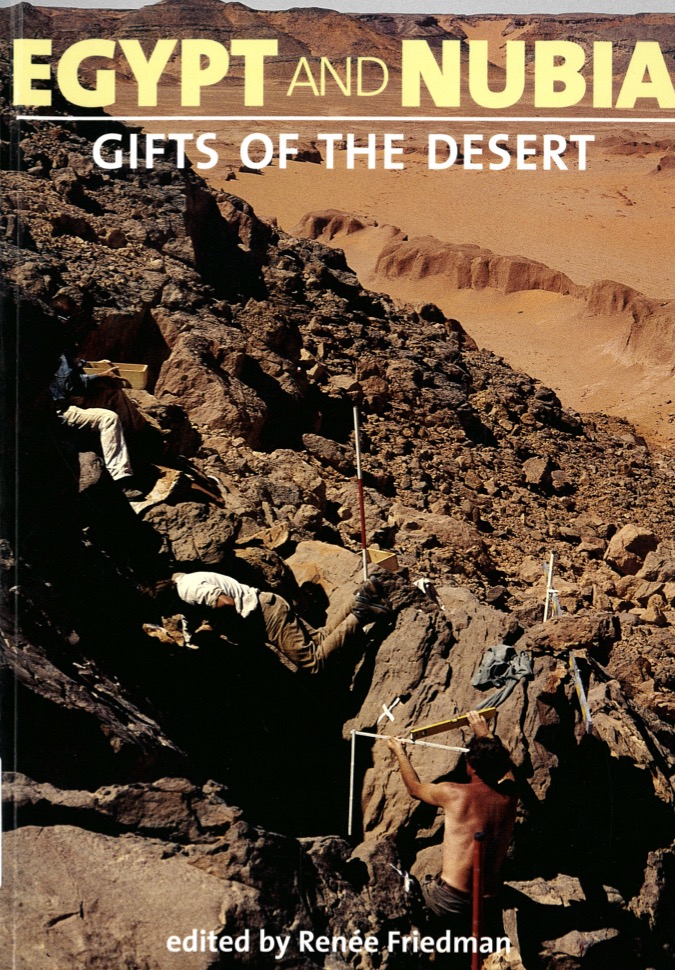
Life on the edge: Gemstones, politics and stress in the deserts of Egypt and Nubia

Life on the edge: Gemstones, politics and stress in the deserts of Egypt and Nubia

Shaw, I. (2002)

Book Section · Source: Egypt and Nubia: Gifts of the Desert · Publisher: British Museum Press · Pages: pp. 244–251

Abstract
This paper examines several mining and quarrying sites in the Egyptian and Nubian deserts, focusing on the interplay between politics, economics, and gemstone extraction during the Middle Kingdom and the Roman/Byzantine periods. While it remains uncertain whether the Egyptian king—or later the Roman emperor acting as pharaoh—monopolized large-scale metal and gemstone mining, the logistical demands of such expeditions imply that such centralized control was likely, if only because few others possessed the capacity to undertake them. Mining and quarrying ventures, like military campaigns, appear to have served as tools to reinforce centralized authority: symbolically asserting royal control over remote territories and materially enabling the ruler to reward high officials with precious goods. Funerary inscriptions and tomb texts attest to the king’s role in providing elite individuals with exotic materials for tomb construction and adornment. The conventional view holds that mining flourished during stable and prosperous times and declined during instability. However, this paper argues that, precisely because mining expeditions symbolized political and economic strength, regimes under pressure may have paradoxically increased such activities in an effort to project and consolidate authority. This book originates in an international colloquium held in the British Museum in 1998. It comprises 18 papers, written by leading scholars, each of whom explores an aspect of the use and exploitation of the deserts lying to the east and west of the Nile Valley by the ancient Egyptians and their prehistoric ancestors. Exploding the myth that Egypt was simply the Gift of the Nile", it aims to create an understanding of how the Egyptians perceived and exploited their wider environment."
Keywords
gems, Egypt, turquoise, lapis lazuli, carnelian, emerald, garnet, ancient gems
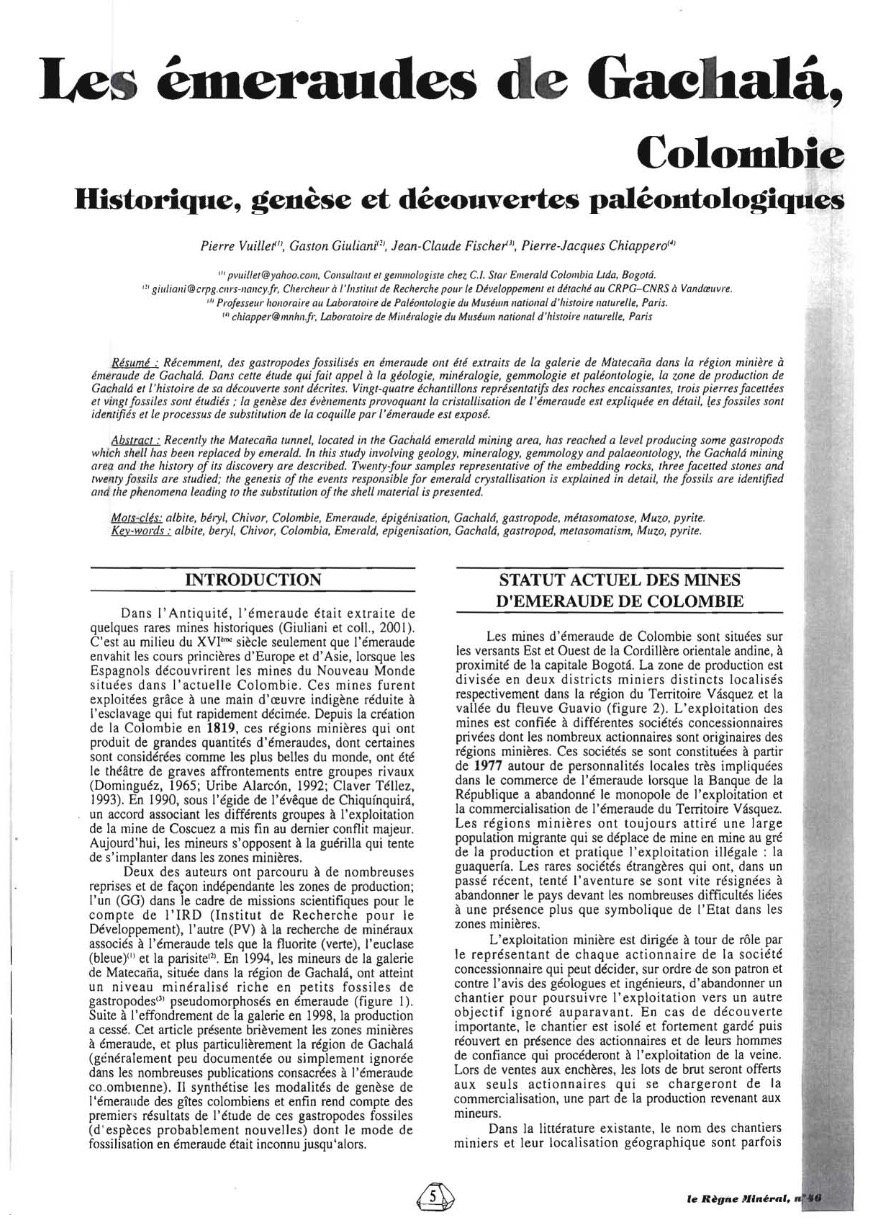
Les émeraudes de Gachala, Colombie

Les émeraudes de Gachala, Colombie

Emeralds of Gachala, Colombia

Vuillet, P., Giuliani, G., Fischer, J.-C. and Chiappero, P.-J. (2002)

Journal Article · Source: La Régne Minéral · Issue: No. 46 · Pages: pp. 5–18 · Language: in French

Abstract
Recently the Matecaiia tunnel, located in the Gachalâ emerald mining area, has reached a level producing some gastropods which shell has been replaced by emerald. In this study involving geology, mineralogy, gemmology and palaeontology, the Gachalá mining area and the history of ils discovery are described. Twenty-four samples representative of the embedding rocks, three facetted stones and twenty fossils are studied; the genesis of the events responsible for emerald crystallisation is explained in detail, the fossils are identified and the phenomena leading to the substitution of the shell material is presented.
Keywords
gems, beryl, emerald, Colombia, Chivor, Gachalá, Muzo, Cosquez, Peñas Blancas, beryl, emerald cat’s eye, beryl, emerald fossils, trapiche beryl, emerald
A Study of Colombian Corundum

A Study of Colombian Corundum

Duroc-Danner, J.M. (2002)

Thesis · Publisher: Université de Nantes · Pages: 217 pp.

Abstract
Colombia has long been reputed for producing fine emeralds. More recently, corundum has been recovered from streambeds and sands on both sides of the Rio Mayo, which forms part of the border between the departments of Cauca and Nariño. Although this area is reported in the literature as a new source of gem sapphire, it is interesting to note that it was known and described as early as the 16th century (References – Colombian corundum). The aim of this study is to analyse the gemmological properties, chemistry, and spectrometry, of these recently gathered Colombian corundums and demonstrate that if a basaltic origin dominates, non basaltic corundums coexist. Unfortunately, their characteristics being similar to corundums from other geographic origins, presently they cannot be separated.
Keywords
corundum, Colombia.12, gems
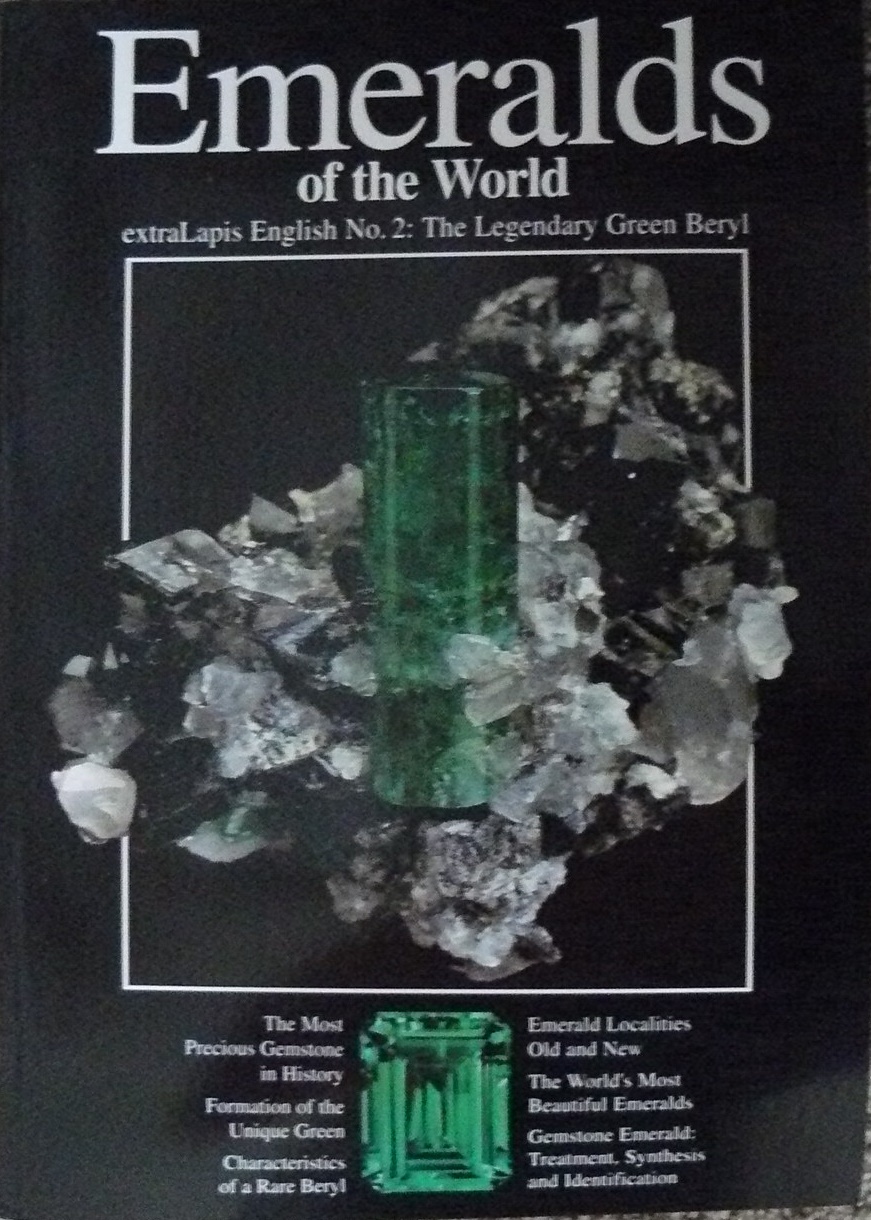
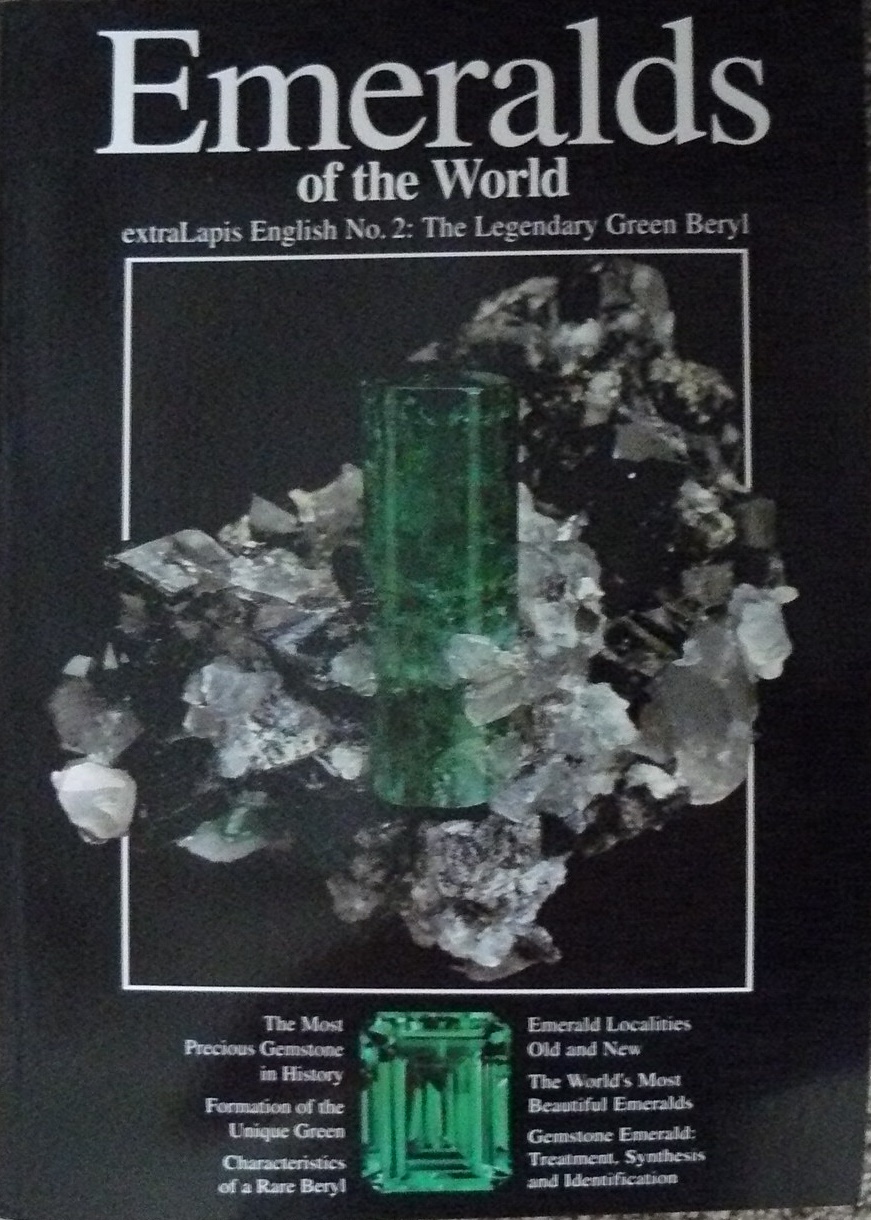
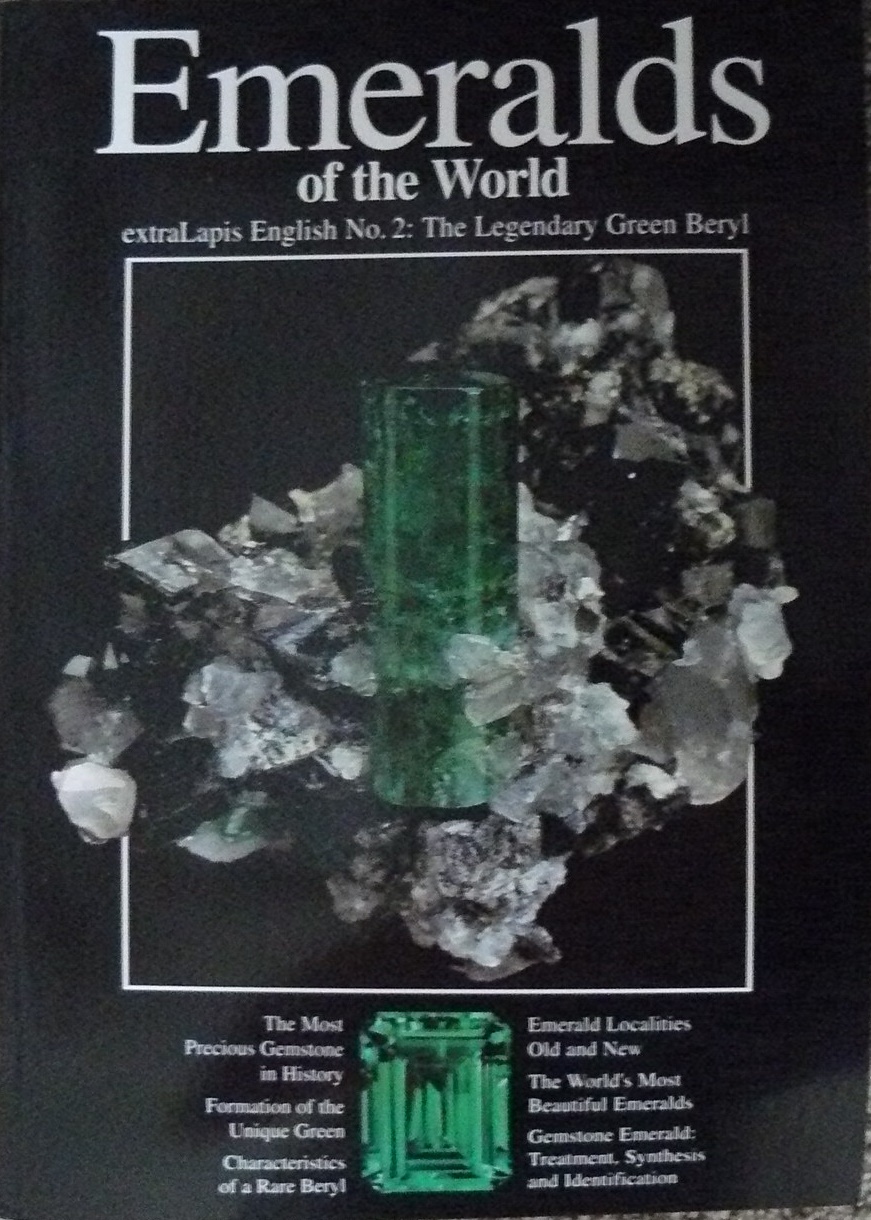
Emeralds of the World

Emeralds of the World

Giuliani, G., Jarnot, M.D., Ottaway, T., Sinkankas, J. and Staebler, G. (2002)

Edited Book · Source: extraLapis English · Volume: No. 2 · Pages: 102 pp.

Abstract
Since antiquity, emerald has been one of the most highly valuated gemstone: the first known mines were those of Cleopatra in ancient Egypt. Two thousand years ago Pliny wrote, Emerald-green is the most beautiful green of all." Leading researchers offer insight into many of the aspects of the world of emerald. -What is emerald? A portrait of a precious and unique member of the beryl family -How does emerald form? The events that conspired to bring about an unlikely outcome; -Where is emerald found? Worldwide localities including Canada, Namibia and China -Where are the richest deposits? Today's market sources: South America, Africa and Asia; -Is it possible to determine the origin of an emerald? Gemstone emerald: characteristics, inclusions and treatments;-What separates green beryl from emerald? The debate over optical, spectroscopic and chemical delineations; -How is emerald created in the lab and how can it be recognized? The history, process and detection of synthetic emerald; Plus etymology, history, legendary giants, local finds and more. extraLapis English No. 2, Emerald, provides a comprehensive look at this magnificent gemstone."
Keywords
beryl, emerald, Colombia, Russia, Afghanistan, Brazil, synthetic beryl, emerald, gems
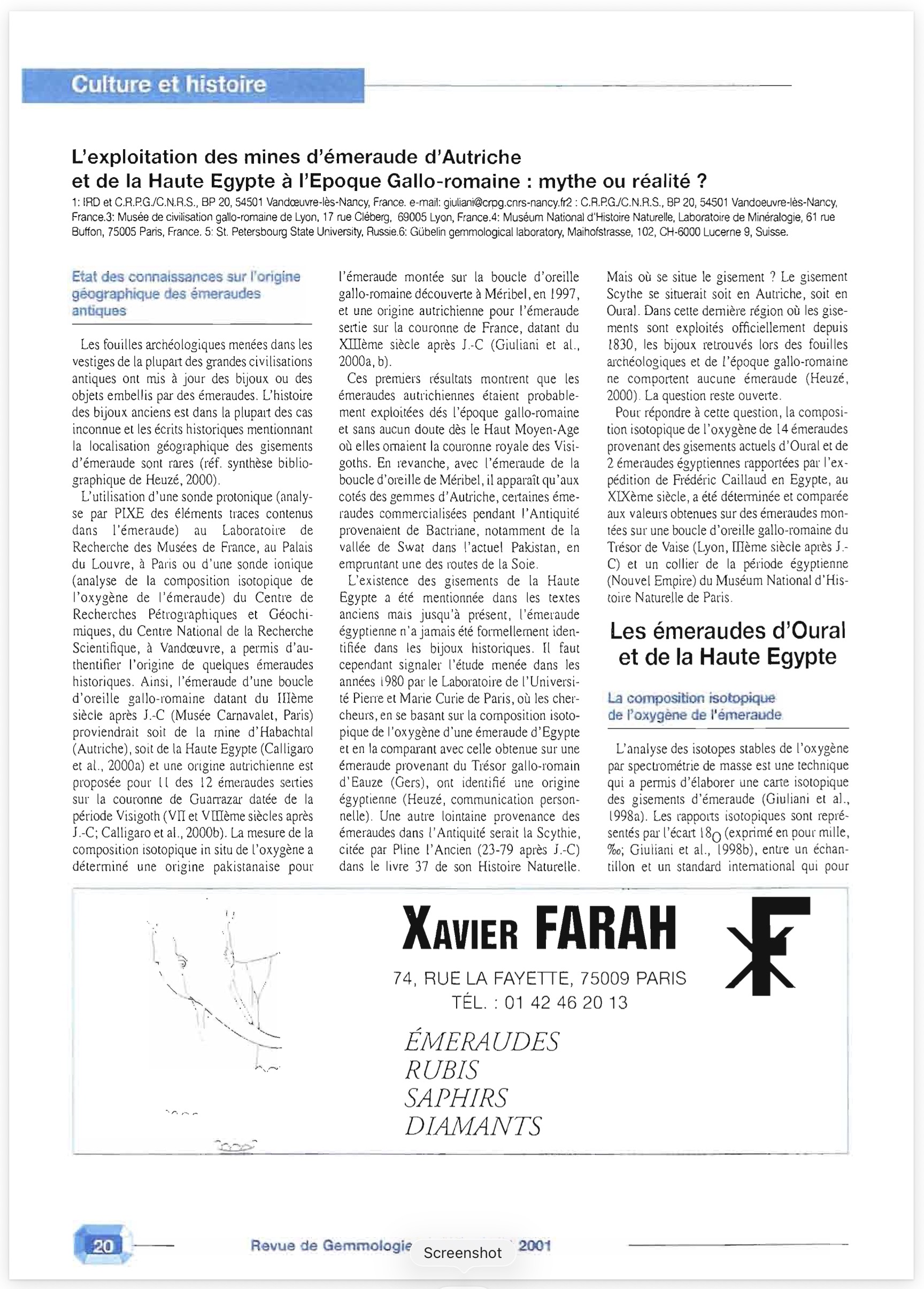
L’Exploitation des Mines d’Emeraude d’Autriche et de la Haute Egypte à l’Epoque Gallo-Romaine; Mythe ou Réalité?

L’Exploitation des Mines d’Emeraude d’Autriche et de la Haute Egypte à l’Epoque Gallo-Romaine; Mythe ou Réalité?

The exploitation of the emerald mines of Austria and Upper Egypt in the Gallo-Roman period: Myth or reality?

Giuliani, G. (2001)

Journal Article · Source: Revue de Gemmologie A.F.G. · Issue: No. 143 · Pages: pp. 20–24 · Language: in French

Abstract
Examines the ancient exploitation and trade of emeralds from Austria and Upper Egypt through oxygen-isotope analysis and inclusion studies of archaeological and historical specimens. Giuliani and co-authors compare emeralds from the Habachtal deposit in Austria, the Ural Mountains, and Egyptian deposits at Zabara, Sikait and Umm Kabo with emeralds from Gallo-Roman and Egyptian jewellery. Oxygen-isotope ratios, supplemented where necessary by the petrography of fluid inclusions, provide distinctive signatures capable of separating the principal ancient sources. An emerald from a third-century AD earring in the Vaise Treasure at Lyon yields an isotopic composition characteristic of Habachtal, demonstrating that Austrian emeralds were being exploited by the Gallo-Roman period. Four emeralds from an Egyptian necklace in the Muséum National d’Histoire Naturelle have isotope values consistent with Upper Egyptian material, while nineteenth-century specimens collected from the Egyptian mines confirm the restricted isotopic range of those deposits. The study also reviews earlier analyses indicating Austrian origins for emeralds in the Visigothic Guarrazar crown and the medieval French crown, an Egyptian origin for other Roman-period stones, and a Pakistani source for an emerald from a Gallo-Roman earring at Méribel. The results support the historical reality of active emerald mining in both Upper Egypt and Austria during Roman times and demonstrate that emeralds from more distant Asian sources also reached the Roman world through long-distance trade routes.
Keywords
gems, beryl, emerald, Egypt, Sikait, Austria, Habachtal, archaeology, geology, ancient gem trade, chemistry, oxygen isotopes
Arts of India

Arts of India

Christie’s (2001)

Catalog · Publisher: Christie’s

Abstract
Nice auction catalog of arts from India, including paintings, books and jewelry, particularly from the Mughal period.
Keywords
gems, bibliography, book collecting, books on India, art objects from India, emerald, Mughal jewelry, jade, Mughal jade
Jewels of the Nizams

Jewels of the Nizams

Bala Krishnan, U.R. (2001)

Book · Publisher: Dept. of Culture, Govt. of India in association with India Book House, Mumbai · Pages: 240 pp.

Abstract
One of the most outstanding collections of gemstones and jewellery was acquired by the Indian government in 1995. Sometimes worn but never shown, these jewels once belonged to the Nizams of Hyderabad, reputed to be the richest men in the world. Jewels of the Nizams is the first ever study and documentation of this collection. Once part of the Nizams’ state regalia and personal heritage, the ornaments date from the early 18th century to the early 20th century. Finely crafted from gold and silver and highlighted with exquisite enamelling, the jewels are set with Colombian emeralds, diamonds from the Golconda mines, Burmese rubies and spinels, and pearls from Basra and India. Though only a fraction of the legendary wealth of the Asaf Jah dynasty, the collection is breathtaking when translated into gem weights. There are over 25,000 diamonds weighing in excess of 12,000 carats, more than 2,000 emeralds weighing over 10,000 carats, and pearls exceeding 40,000 chows. Jewels of the Nizams documents this unique collection of jewels that give credence to legends, apocryphal tales and fading memories of a fabulously wealthy dynasty that ruled the Deccan for seven generations.
Keywords
corundum, spinel, ruby, sapphire, diamond, Tajikistan.12, quality.10, India.12, Precious stones India Hyderabad., Decoration and ornament India Hyderabad., gems

Exploring the Literature of Emerald

Emerald literature spans gemology, mineralogy, deposits, identification, treatments, synthesis, history and the gem trade, with important sources covering deposits around the world.

For a curated guide to this subject, read Green Fire — Lotus Gemology's Guide to the Literature of Emerald.

About Four Treasures

Four Treasures is Lotus Gemology's freely accessible gemological reference database. Use the full database to search by author, title or keyword and explore literature on gemology, mineralogy, jewelry and related fields. Where available, hyperlinks on titles may lead directly to the full publication.

Search the Complete Four Treasures Database