Gemology Books Bibliography

Gemology Books Bibliography

Explore books on gems, gemology, jewelry and mineralogy in Four Treasures, the Lotus Gemology reference database. This bibliography brings together matching book records from the collection, with publication details, abstracts and cover images where available.

Gemology Book References

The list below matches books concerning gemology and related subjects in the database's searchable fields. Some works cover several branches of gems, jewelry or mineralogy.

321–340 of 3,447 matching references
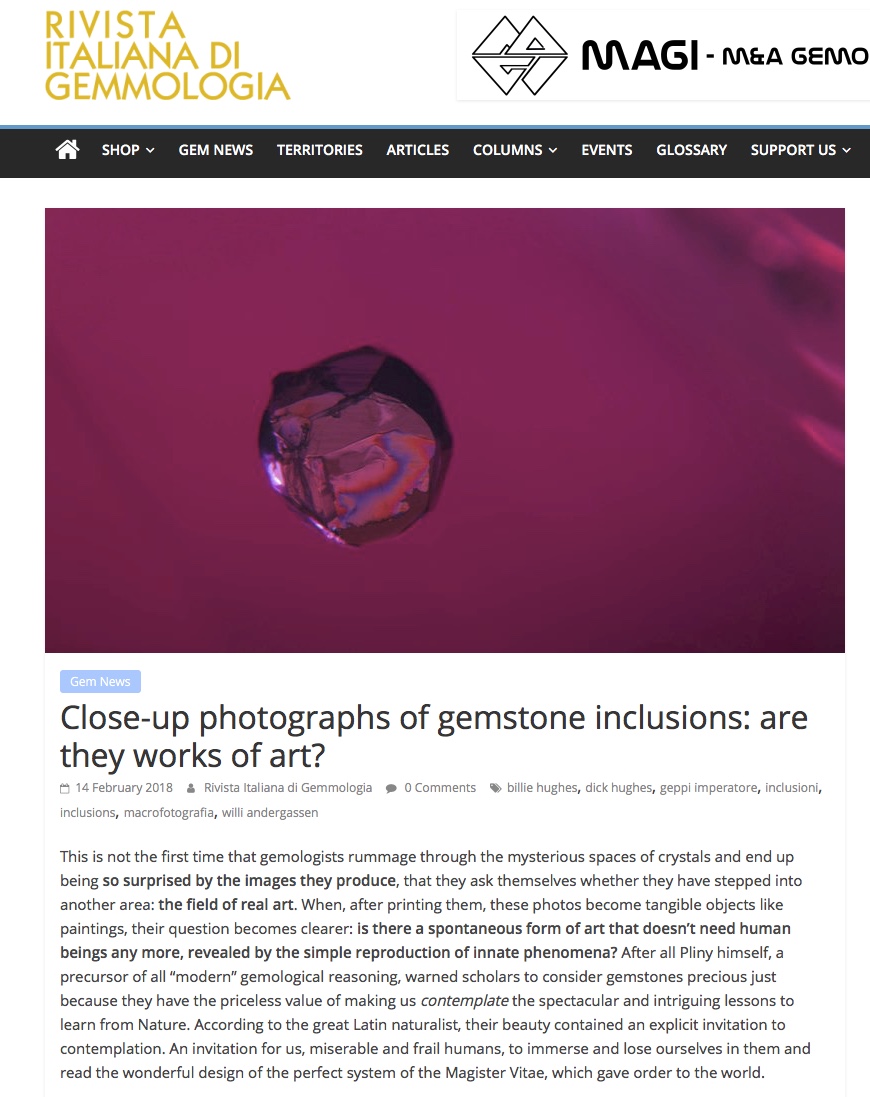
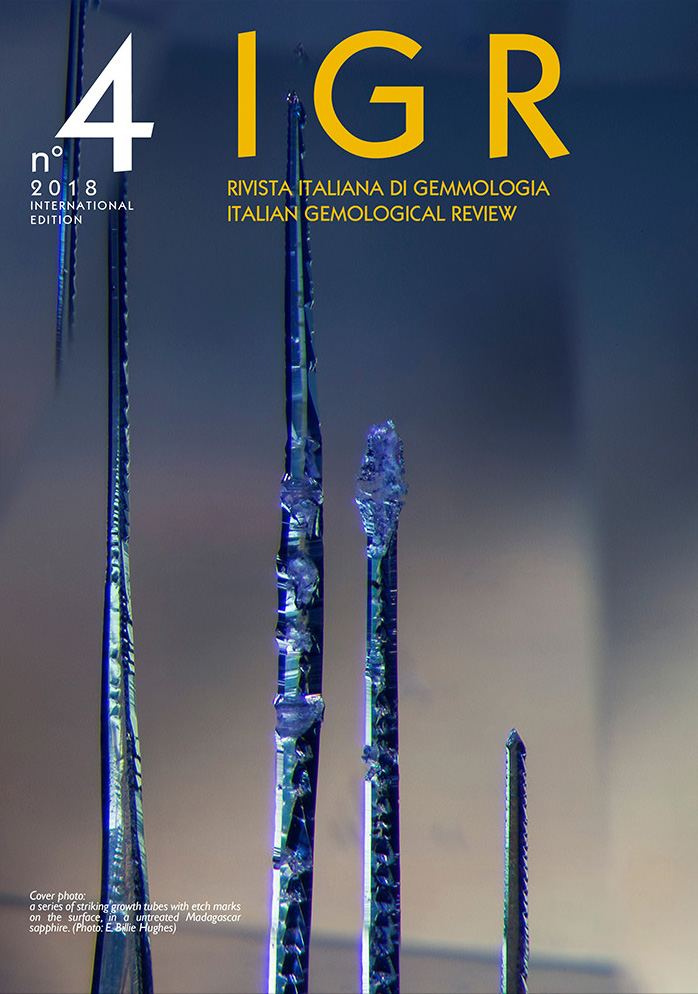
Close-up photographs of gemstone inclusions: Are they works of art?

Close-up photographs of gemstone inclusions: Are they works of art?

Minieri, P. (2018)

Web Page · Source: Rivista Italiana di Gemmologia – Italian Gemological Review · Issue: 18 February 2018

Abstract
This is not the first time that gemologists rummage through the mysterious spaces of crystals and end up being so surprised by the images they produce that they ask themselves whether they have stepped into another area: the field of real art. When, after printing them, these photos become tangible objects like paintings, their question becomes clearer: is there a spontaneous form of art that doesn’t need human beings any more, revealed by the simple reproduction of innate phenomena? After all Pliny himself, a precursor of all “modern” gemological reasoning, warned scholars to consider gemstones precious just because they have the priceless value of making us contemplate the spectacular and intriguing lessons to learn from Nature. According to the great Latin naturalist, their beauty contained an explicit invitation to contemplation. An invitation for us, miserable and frail humans, to immerse and lose ourselves in them and read the wonderful design of the perfect system of the Magister Vitae, which gave order to the world.
Keywords
gems, corundum, inclusions.5, photomicrography, E. Billie Hughes, Lotus Gemology
The untold story of Douros rubies

The untold story of Douros rubies

Malossi, A. (2018)

Journal Article · Source: Rivista Italiana di Gemmologia – Italian Gemological Review · Issue: No. 4 · Pages: pp. 57–68

Abstract
Extremely detailed discussion of the history and gemology of the Douros flux-grown synthetic ruby.
Keywords
gems, corundum, Synthetic corundum.7, flux ruby, Douros flux ruby
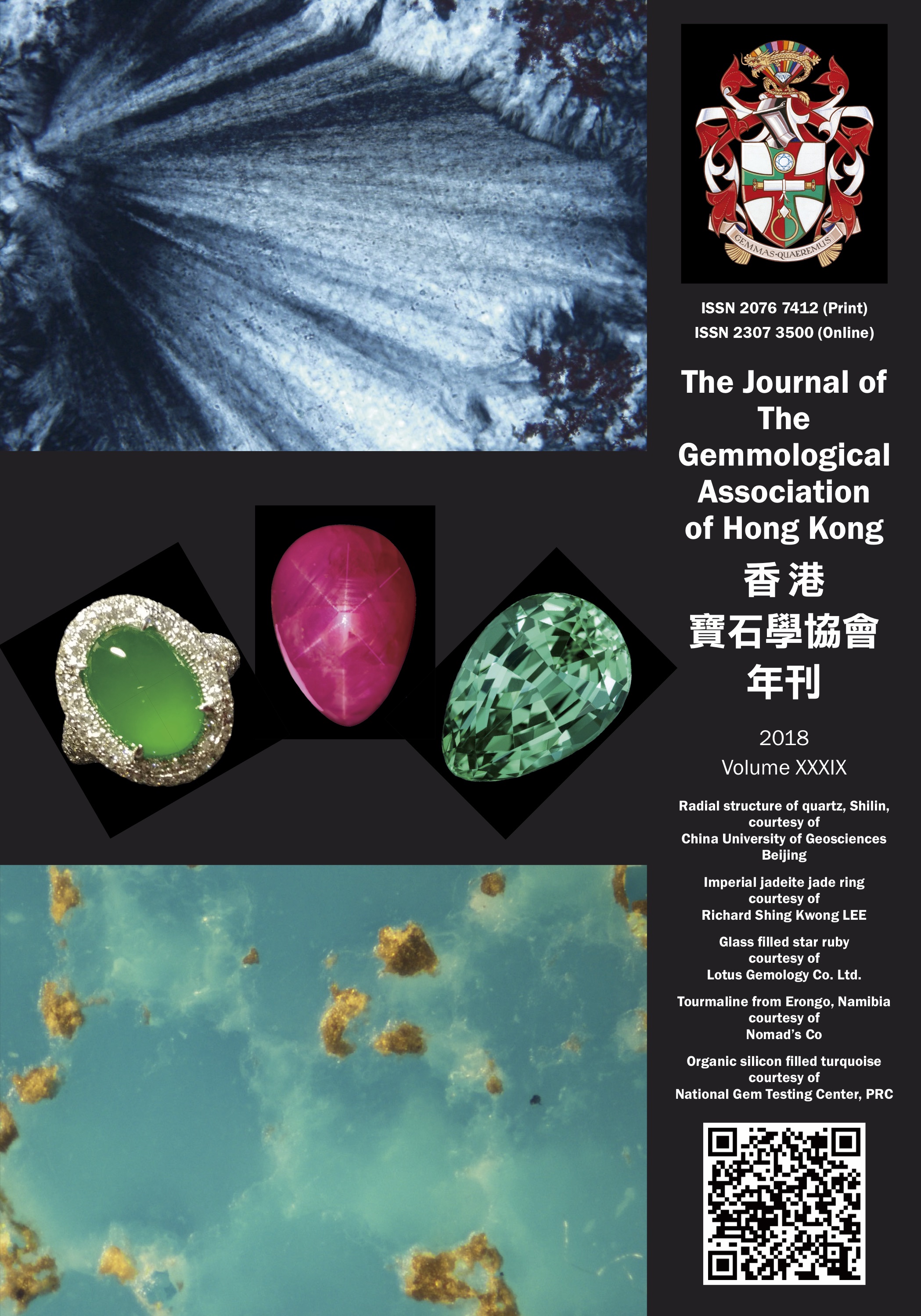
The art & science of reading rough jadeite jade: 2 parts science, 1 part art, and a lot of luck

The art & science of reading rough jadeite jade: 2 parts science, 1 part art, and a lot of luck

Lee, R.S.K. (2018)

Journal Article · Source: Journal of the Gemmological Association of Hong Kong · Volume: Vol. 39 · Pages: pp. 48–59

Abstract
Using a boulder owned by his family, the author describes and illustrates the process of assessing, cutting and evaluating jadeite jade rough to maximize its investment potential.
Keywords
gems, jade, jadeite, fei cui, Burma, jade business, jade trade
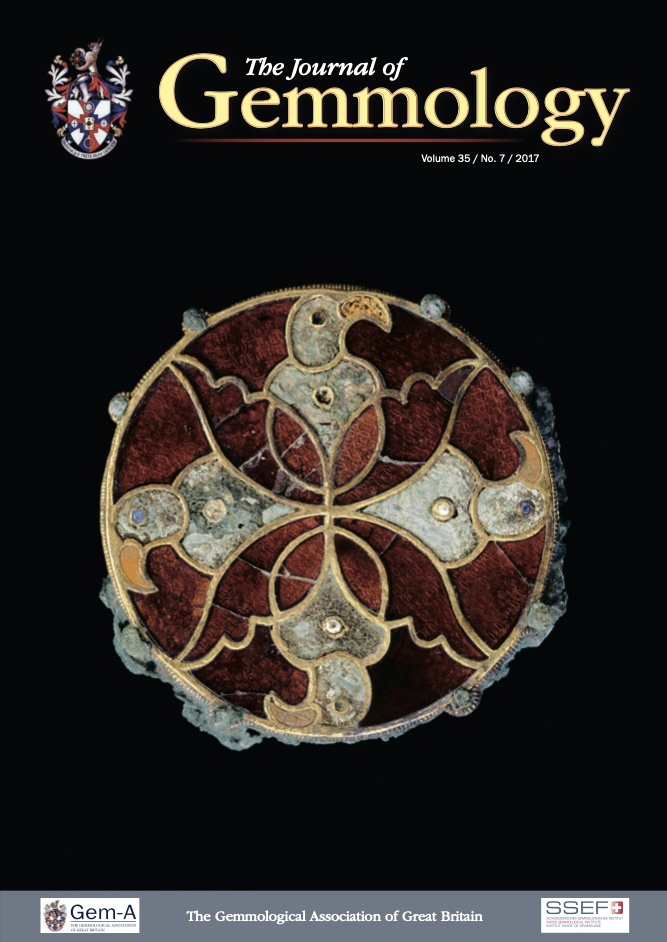
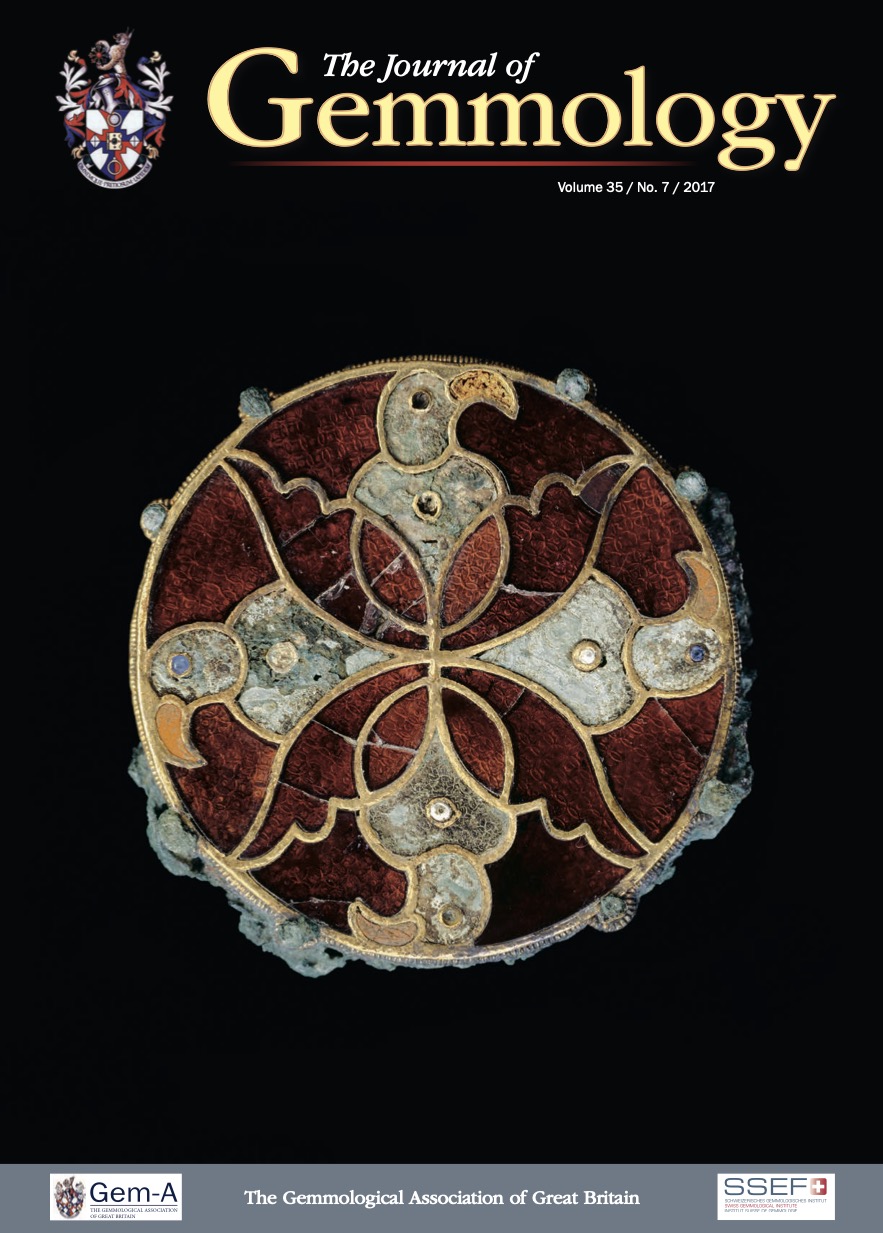
Counterfeiting gems in the 16th century: Giovan Battista Della Porta on glass ‘gem' making

Counterfeiting gems in the 16th century: Giovan Battista Della Porta on glass ‘gem' making

Mottana, A. (2017)

Journal Article · Source: Journal of Gemmology · Volume: Vol. 35 · Issue: No. 7 · Pages: pp. 652–666

Abstract
Glass simulants of gemstones were long produced without significant prejudice against their use. However, documentation of their manufacture is scarce due to the secrecy maintained by glassmaking guilds, despite the survival of some late medieval manuscripts that have recently come to light. These manuscripts reveal glass compositions and fabrication recipes that align with the trend initiated by 16th-century “writers of secrets,” who began to disclose technological knowledge to a broader public. Giovanni Battista Della Porta was the first to publish printed recipes for creating glass imitations of gemstones, alongside methods for enhancing natural gem materials. His Magiae Naturalis (1558), originally written in Latin to appeal to upper-class enthusiasts, was widely translated into the vernacular across Europe. The second and much-improved edition (1589), again in Latin, did not gain the same popularity—perhaps because the first edition had already saturated the market or, alternatively, due to the Catholic Church’s increasing restrictions on alchemical practices, which rendered even the title Magiae suspect. Despite these limitations, both editions helped popularize glass “gems” as decorative objects and stimulated their trade. Interest in glass gem-making peaked during the Baroque period, and Della Porta’s treatise was even translated into English in 1658.
Keywords
gems, early glass making, Porta, Natural Magick, gem counterfeiting, alchemy, early science, early mineralogy, early gemology, Della Porta, John Baptist
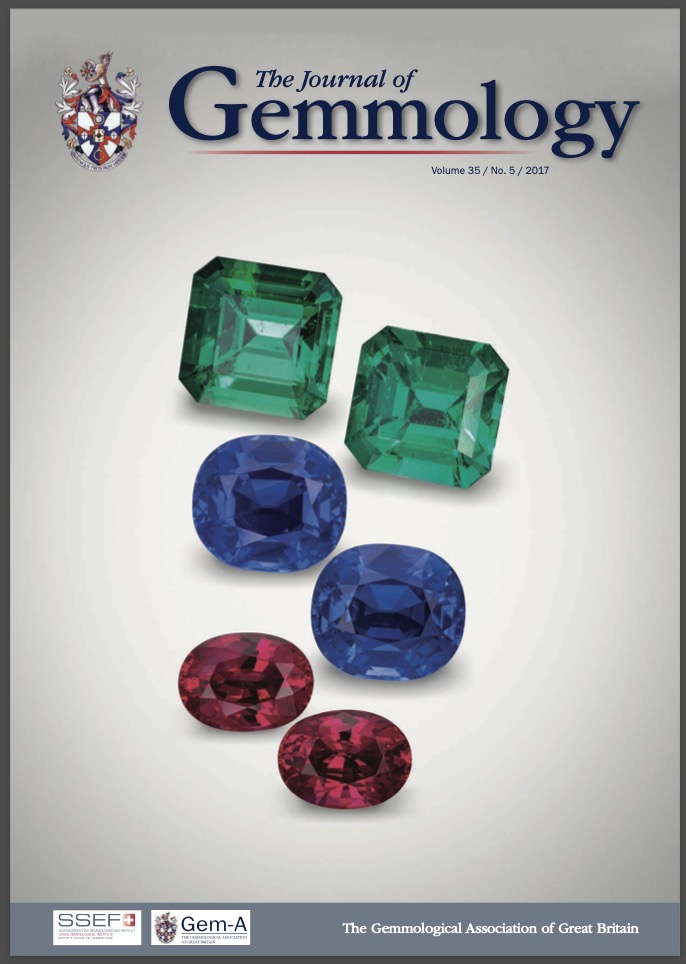
Rethinking laboratory reports for the geographical origin of gems

Rethinking laboratory reports for the geographical origin of gems

Ogden, J.M. (2017)

Journal Article · Source: Journal of Gemmology · Volume: Vol. 35 · Issue: No. 5 · Pages: pp. 416–423

Abstract
The proliferation of gemmological laboratory reports and the increasing emphasis on transparency to mitigate legal risk suggest that some gem-testing laboratories should revise the wording and content of their geographical origin reports. Drawing on the author’s broader study of legal issues surrounding expert opinions in the fields of art and antiques, the key proposals are: that opinions, rather than facts, be clearly identified as such within the main body of the report—not solely in the ‘terms and conditions’; that the observational or analytical basis for these opinions be briefly stated; and that laboratories consider indicating the level of confidence associated with their conclusions.
Keywords
gems, laboratory procedures, origin determination, country of origin
Gem Notes: Update on sapphires from Tigray, Northern Ethiopia

Gem Notes: Update on sapphires from Tigray, Northern Ethiopia

Bruce-Lockhart, S. (2017)

Journal Article · Source: Journal of Gemmology · Volume: Vol. 35 · Issue: No. 7 · Pages: pp. 580–582

Abstract
Following the discovery of sapphires in the Chila area of Tigray Province in late 2016, mining and trading activities in northern Ethiopia have become increasingly active. In collaboration with Ethiopia’s Ministry of Mines, the author visited sapphire mines and markets in the Tigray region for one week from late May to early June 2017. Sapphire mining was underway in the area surrounding Chila, which also serves as a trading hub. The deposits are all alluvial and extend northward from Aksum toward the Eritrean border. The initial discovery was near Chila (14°16’23.94”N, 38°38’4.26”E), with additional mining areas identified west-northwest of Chila (14°19’58.48”N, 38°36’4.86”E), east toward Rama, and west of Chila. In June 2017, higher-quality sapphires were found southeast of Chila near Aksum University. According to a 1999 geological map by the Geological Survey of Ethiopia, the sapphire-bearing region is predominantly underlain by Neoproterozoic basement rocks, with southern areas covered by Paleozoic to Mesozoic sediments and Tertiary volcanic rocks, especially around Aksum and locally near Chila. These Tertiary units include stratified basaltic rocks of the Koyetsa Volcanics, as well as the Adwa Trachyte and Phonolite, which now appear as isolated hills—remnants of broader eruptions later eroded. Given the magmatic characteristics of the sapphires, it is likely that the alluvial deposits resulted from the weathering of these Tertiary volcanic rocks. Geochemically, some of these volcanic units correlate with suites in central and southeastern Eritrea.
Keywords
gems, corundum, Ethiopia.12, sapphire, Chila, Tigray, locality, species
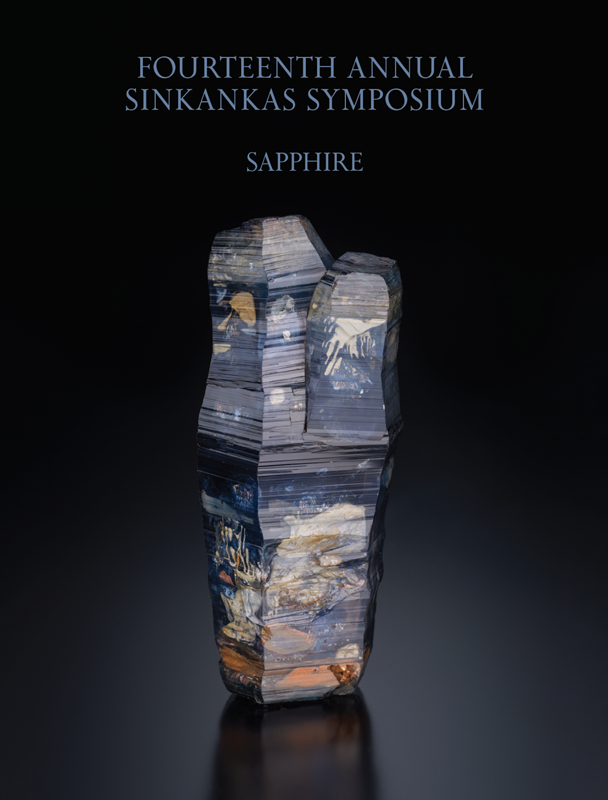
Archaeogemology of sapphire

Archaeogemology of sapphire

Thoresen, L. (2017)

Conference Paper · Source: Fourteenth Annual Sinkankas Symposium • Sapphire · Publisher: Pala International · Pages: pp. 74–91

Abstract
The ancient art of glyptic (gem carving) has a long history, but sapphire makes its debut at a relatively late date, during the ascent of the Roman Empire. Its appearance in the cultures around the Mediterranean coincides primarily with maritime trade that was only firmly established in the late ist century BC to early first century AD between Rome and India (Indike) /Sri Lanka (anc. Taprobane). Until the demise of the Roman Empire in the 6th century, sapphire was a rare gem available exclusively to royal patrons or the wealthy and privileged. Unengraved sapphires, primarily blue, were set in opulent gold jewelry, and examples survive in some of the most significant cameos and intaglios ever produced in classical antiquity. In South Asia, sapphires were also quite rare, but their transmission between the cultures of northeastern Afghanistan, Punjab (Pakistan, peninsular India, and Sri Lanka occurred as early as the gId century BC. Here, too, blue was the most common color, but examples of other colors, notably yellow, are also occasionally seen. In South Asia, sapphire cameos and intaglios were quite rare; they are seen mainly in the production of plain and inscribed beads. The barbarian invasions across the Western world in the first millennium AD disrupted the trading networks of the ancient world. The long tradition of gem carving waned, and interest in transparent colored gems, including sapphire, would not reawaken for centuries.
Keywords
gems, sapphire, corundum, history of gemology
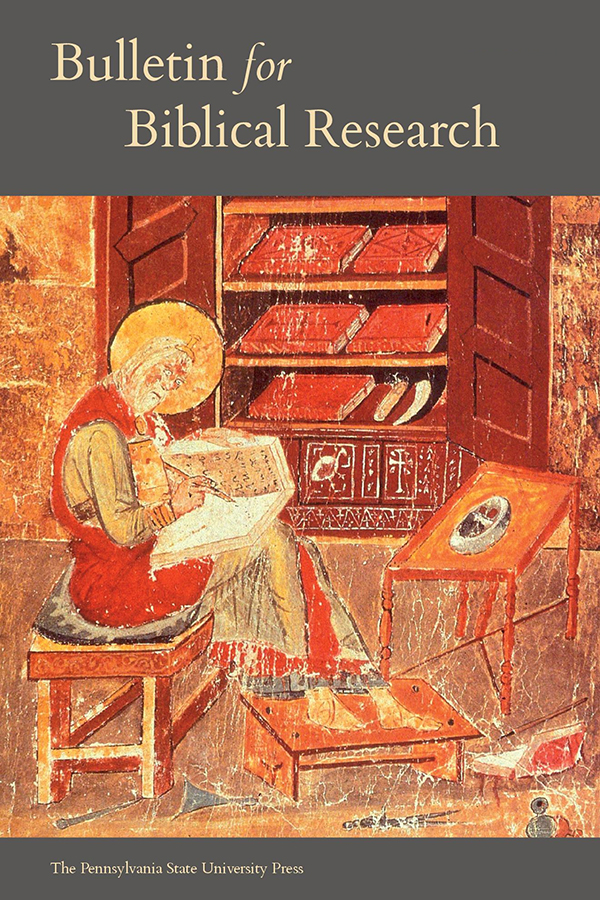
Hebrew gemstones in the Old Testament: A lexical, geological, and archaeological analysis

Hebrew gemstones in the Old Testament: A lexical, geological, and archaeological analysis

Harrell, J.A., Hoffmeier, J.K. and Williams, K.F. (2017)

Journal Article · Source: Bulletin for Biblical Research · Volume: Vol. 27 · Issue: No. 1 · Pages: pp. 1–52

Abstract
The Hebrew text of the OT names 27 rocks, minerals, and other materials that have been identified as gemstones in translations. These are mentioned most notably in the descriptionsof the high priest's breastplate (Exod 28:17–20 and 39:10–13 [36:17–20 LXX]) and the prince of Tyre's canopy (Ezek 28:13), but they are also found in dozens of other passages. This study attempts to identify these materials following a multidisciplinary approach that includes linguistic analysis (examining etymologies and descriptions of the stones), archaeological evidence (looking at the gemstones actually used in the Near East during the Late Bronze and Iron Ages as well as the ancient mines that may have supplied them), andgeological evidence (combining mineralogical and petrological data with knowledge of known gemstone deposits in the region). One or two possible identities are proposed for eachthe 27 materials, most of which are true gemstones.
Keywords
gems, history of gemology, gems in the Bible, turquoise, lapis lazuli, carnelian, jasper
De Anima, Physics

De Anima, Physics

On the Soul

Aristotle (2017, 2018)

Book · Publisher: Hackett · Pages: 227, 420 pp.

Abstract
These richly annotated, scrupulously accurate, and consistent translations of Aristotle's De Anima and Physics fit seamlessly with other volumes in the series. Sequentially numbered endnotes provide the information most needed at each juncture, while a detailed Index of Terms indicates places where focused discussion of key notions occurs. An illuminating general Introduction describes the book that lies ahead, explaining what sort of work it is and what sorts of evidence it relies on. The Physics is a foundational work of western philosophy, and the crucial one for understanding Aristotle's views on matter, form, essence, causation, movement, space, and time. This richly annotated, scrupulously accurate, and consistent translation makes it available to a contemporary English reader as no other does—in part because it fits together seamlessly with other closely associated works in the New Hackett Aristotle series, such as the Metaphysics, and forthcoming De Caelo and On Coming to Be and Passing Away. Eventually the series will include all of Aristotle's works.
Keywords
gems, history of gemology, jade, Fischer-Other
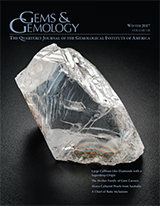
Vesuvianite in Burmese ruby

Vesuvianite in Burmese ruby

Renfro, N. and Koivula, J.I. (2017)

Journal Article · Source: Gems & Gemology · Volume: Vol. 53 · Issue: No. 4, Winter · Pages: p. 469

Keywords
corundum, inclusions.5, Burma.12, gems
An unusual blue synthetic star spinel

An unusual blue synthetic star spinel

Promwongnan, S., Ounom, P., Maneekrajangsaeng, M. and Leelawatanasuk, T. (2017)

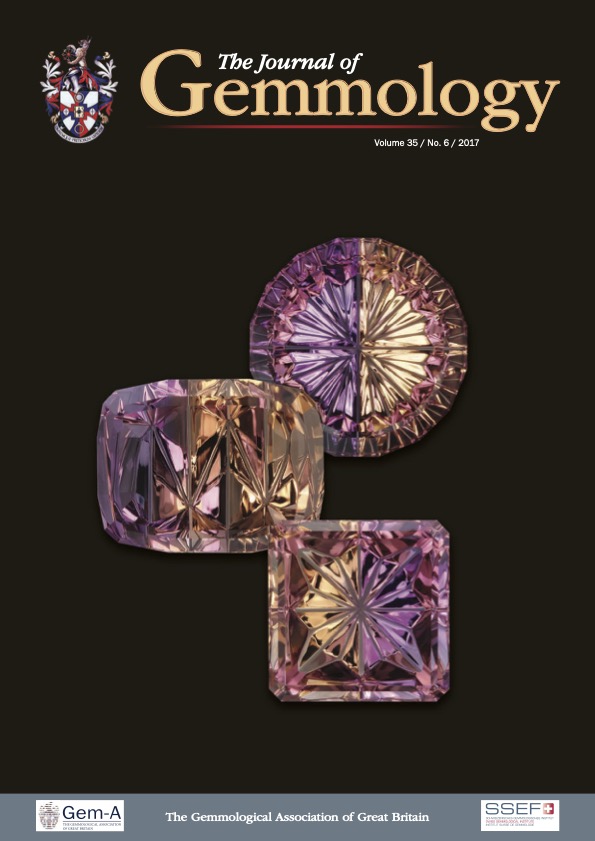
Journal Article · Source: Journal of Gemmology · Volume: Vol. 35 · Issue: No. 6 · Pages: pp. 500–503

Abstract
In late 2016, the Gem and Jewelry Institute of Thailand’s (GIT) laboratory encountered an unu- sual 28.21 ct blue synthetic spinel that displayed a six-rayed star (Figure 58). Although various synthetic spinels have been reported previously in the literature (e.g. Nassau, 1980), this sample merited a more in-depth study due to the uncommon presence of its asterism.
Keywords
gems, spinel, synthetic spinel, synthetic star spinel
Characterization and provenance of ancient gemstones: Case study of a gold-and-sapphire jewel dating from the Roman imperial period and found in a tomb in Colonna, Italy

Characterization and provenance of ancient gemstones: Case study of a gold-and-sapphire jewel dating from the Roman imperial period and found in a tomb in Colonna, Italy

Butini, E., Butini, F., Angle, M., Cerino, P., Angelis, A., de, Tomei, N. and Altamura, F. (2017)

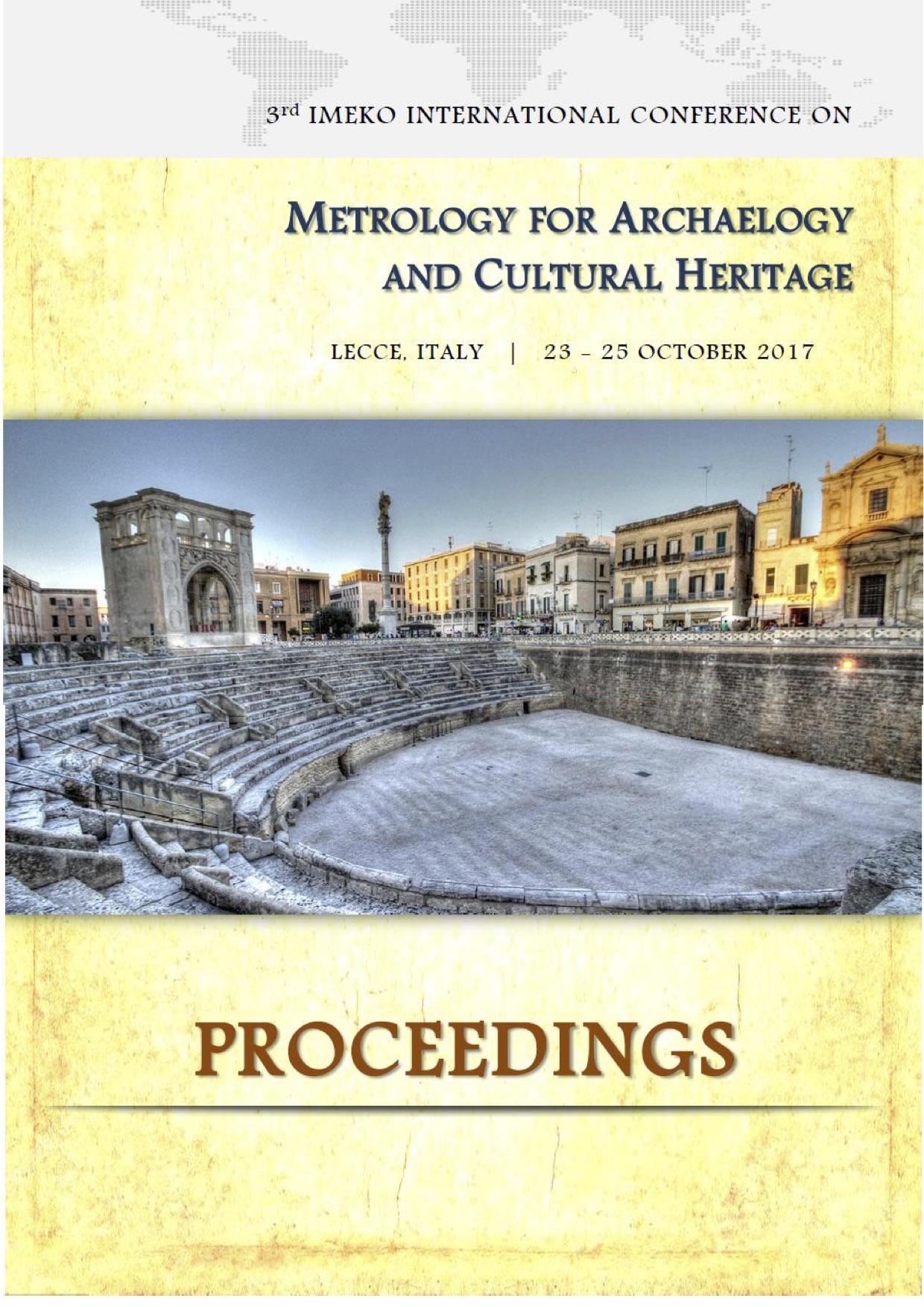
Conference Paper · Source: 3rd IMEKO International Conference on Metrology for Archaelogy and Cultural Heritage · Pages: pp. 312–317

Abstract
In 2011, an extraordinary piece of gold jewelry set with precious stones was found in a woman’s tomb discovered not far from Rome and dating from the third century AD. Our examination and archaeometric analyses enabled us to identify the technique used to make the jewel and to characterize the nature and provenance of the gemstones. The analyses showed that all the stones were natural sapphires. Their inclusions and gemmological features indicate that they came from southern and south- eastern Asia, thus gaining insights about trade routes and the luxury-goods market during the Roman imperial period.
Keywords
gems, corundum, History.1
Laboratory analysis of an extraordinary artifact: A sapphire tiara found during the excavations in Colonia (Rome)

Laboratory analysis of an extraordinary artifact: A sapphire tiara found during the excavations in Colonia (Rome)

Butini, E. and Butini, F. (2017)

Journal Article · Source: Rivista Italiana di Gemmologia – Italian Gemological Review · Issue: No. 1 · Pages: pp. 37–43

Abstract
In 2011, in Colonna (a small town not far from Rome), the excavation for the foundations of a private building led to the discovery of a monumental tomb from the Roman era. The sarcophagus found inside the tomb contained the mummified remains of a woman and an astonishing golden tiara enriched by sapphires.
Keywords
gems, corundum, history.1
Gemological applications of UV-Vis-NIR spectroscopy

Gemological applications of UV-Vis-NIR spectroscopy

Scarani, A. and Åström, M. (2017)

Journal Article · Source: Rivista Italiana di Gemmologia – Italian Gemological Review · Issue: No. 1 · Pages: pp. 32–35

Abstract
UV-Vis-NIR (Ultra Violet-Visible-Near Infrared) Spectroscopy allows to analyse the interaction between matter and electromagnetic radiation in the Ultraviolet, Visible and Near Infrared wavelength range. The spectral range of these instruments, depending on the model, can go from 200 nanometers (nm) of the C-Ultraviolet until 1100 nm of the Near Infrared and it’s quite broader than the visible region (400-700 nm) available by using the optical spectroscope. The theoretical principles, which will not been elaborated in this article, refer to the optical spectroscopy: every single material subjected to radiation reacts in a specific way by absorbing portions of such radiation. If these absorption bands are presented as a chart, they can provide an effective material identification method. Absorption and transmission are directly linked to the chemical composition and crystal structure of the gem. About the visible spectral range, when comparing directly observed spectra we are familiar with to the ones recorded by spectrophotometers, it is important to underline that the sensitivity of human is not constant for the whole visible range. The sensitivity of the human eye is at maximum at about 550 nm and gradually decreases towards both longer and shorter wavelength directions. This fact leads to reduced perception of the bands closer to the visible range ends, while the CCD sensors equipping the modern UV-Vis-NIR units perform in a far more efficient way.
Keywords
gems, corundum, turquoise, diamond, advanced instruments, spectroscopy
Culture et Histoire: Le talisman de Charlemagne: nouvelles decouvertes historiques et gemmologiques

Culture et Histoire: Le talisman de Charlemagne: nouvelles decouvertes historiques et gemmologiques

Culture and History: Charlemagne’s talisman: New historical and gemological discoveries

Panczer, G., Riondet, G., Forest, L., Krzemnicki, M.S. and Faure, F. (2017)

Journal Article · Source: Revue de Gemmologie A.F.G. · Issue: No. 199, March · Pages: pp. 18–25 · Language: in French

Abstract
Panczer and colleagues re-examine the celebrated Talisman of Charlemagne, combining historical research with modern gemological investigation to clarify the history, materials, and possible provenance of this important Carolingian jewel. The study discusses the talisman’s traditional association with Charlemagne, its subsequent history and transmission, and the uncertainties surrounding its original function and contents. Detailed examination of the gemstones and construction provides new information on the nature and characteristics of the central stone and surrounding gems, while comparison with historical sources and related objects helps reassess earlier interpretations of the jewel. By integrating gemology with documentary and art-historical evidence, the authors refine the understanding of the talisman’s chronology and history and illustrate how scientific examination can contribute to the study of an exceptional medieval jeweled object.
Keywords
corundum, quality.10, gems
Gem News International: A new discovery of emeralds from Ethiopia

Gem News International: A new discovery of emeralds from Ethiopia

Renfro, N., Sun, Z., Nemeth, M., Vertriest, W., Raynaud, V. and Weeramonkhonlert, V. (2017)

Journal Article · Source: Gems & Gemology · Volume: Vol. 53 · Issue: No. 1, Spring · Pages: pp. 114–116

Abstract
In recent years Ethiopia has gained considerable attention in the gem trade for large amounts of high-quality opal from an area near Wegel Tena (B. Rondeau et al., 2010, “Play-of-color opal from Wegel Tena, Wollo Province, Ethiopia,” Summer 2010 G&G, pp. 90–105). Apart from opal, emeralds have been sporadically mined, near Dubuluk, for more than a decade. This deposit is located about 80 km from the Kenyan border. Gemfields has been exploring this deposit since July 2015 (Fall 2012 GNI, pp. 219–220).
Keywords
gems, beryl, emerald, Ethiopia
Inclusions in natural, synthetic and treated sapphire

Inclusions in natural, synthetic and treated sapphire

Renfro, N., Koivula, J.I., Muyal, J., McClure, S.F., Schumacher, K. and Shigley, J.E. (2017)

Journal Article · Source: Gems & Gemology · Volume: Vol. 53 · Issue: No. 2, Summer · Pages: pp. 213–214

Abstract
This is the second chart in G&G’s series focused on micro-features often observed in natural, treated, and synthetic gems. Sapphire (figure 1) was chosen because of its enduring importance within the gem trade. Demand for this gem species has been the driving force behind the development of treat ment techniques to improve natural stones and the continued production of inexpensive synthetics. Natural sapphires, which originate in certain ig-neous or metamorphic geologic environments are commonly treated to improve their color or clarity. The most common processes involve heat treatment to improve color. Synthetic sapphires have been pro-duced for more than a century, mostly by melt, flux, or hydrothermal solution methods (Hughes, 2017). All of these materials are widely encountered in the jewelry trade.
Keywords
corundum, sapphire, inclusions.5, synthetic corundum.7, gems

Building a Gemological Library

Gemological books range from general identification manuals and textbooks to specialized works on individual gems, mineralogy, jewelry, treatments, synthesis, history and gem-producing regions.

For a curated selection of particularly useful books, read The Gemologist's Core Library — Classic Books on Gemology, Jewelry and Mineralogy.

About Four Treasures

Four Treasures is Lotus Gemology's freely accessible gemological reference database. Use the full database to search by author, title or keyword and explore literature on gemology, mineralogy, jewelry and related fields. Where available, hyperlinks on titles may lead directly to the full publication.

Search the Complete Four Treasures Database