Gemology Books Bibliography

Gemology Books Bibliography

Explore books on gems, gemology, jewelry and mineralogy in Four Treasures, the Lotus Gemology reference database. This bibliography brings together matching book records from the collection, with publication details, abstracts and cover images where available.

Gemology Book References

The list below matches books concerning gemology and related subjects in the database's searchable fields. Some works cover several branches of gems, jewelry or mineralogy.
2,301–2,320 of 3,681 matching references

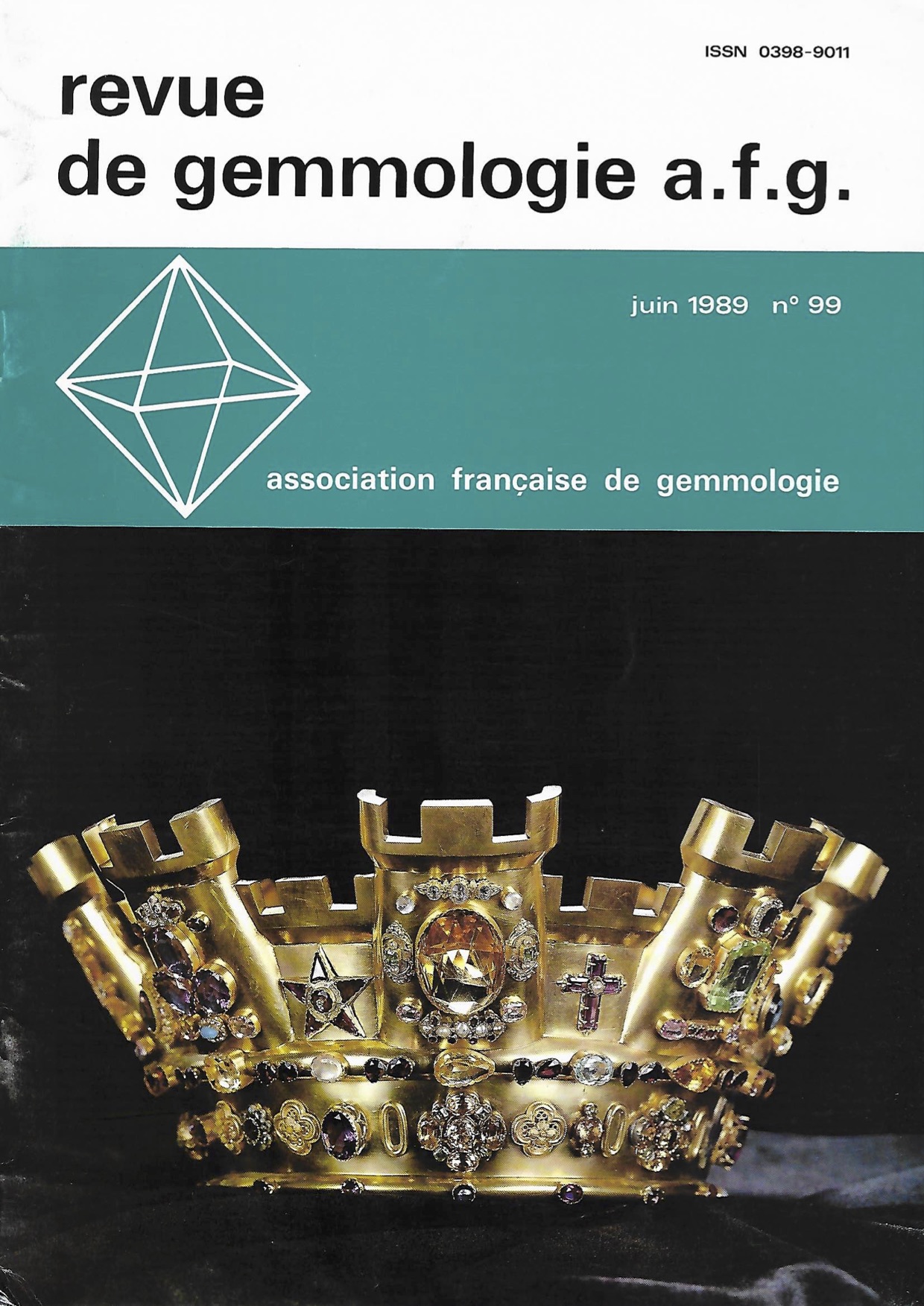
Gem Trade Lab Notes: Diffusion-treated sapphires in fine jewelry
Journal Article
Hargett, D. (1991) Gem Trade Lab Notes: Diffusion-treated sapphires in fine jewelry. Gems & Gemology, Vol. 27, No. 3, Fall, pp. 178–179.
Record No. 935  |  ISBN/ISSN: 0016626X  |  Sinkankas/Born No.: NIS / NIB  |  RWHL
View Individual Record ↗

Dans la vallée des rubis

In the valley of rubies
Journal Article
Gübelin, E.J. (1991–92) Dans la vallée des rubis. [In the valley of rubies] Revue de Gemmologie A.F.G., No. 109, December, pp. 7–9, 1 map; No. 111, June, pp. 5–8,
Record No. 904  |  Sinkankas/Born No.: NIS / NIB  |  Language: in French  |  RWHL
View Individual Record ↗
A two-part account of the ruby deposits of Mogok, Myanmar, based on Gübelin’s visit to the celebrated mining district. The first part describes the journey to Mogok and outlines the geology of the ruby-bearing region. The second turns to mining operations and the rubies themselves, together with aspects of their buying and selling in Mogok. The articles provide a concise firsthand description of the Mogok ruby district during the period when Myanmar’s gem industry was beginning to become more accessible to foreign gemologists. Contemporary Journal of Gemmology abstracts confirm these respective contents.

Gem Trade Lab Notes: Synthetic sapphire with triangular inclusions
Journal Article
DelRe, N. (1991) Gem Trade Lab Notes: Synthetic sapphire with triangular inclusions. Gems & Gemology, Vol. 27, No. 1, Spring, p. 45.
Record No. 659  |  ISBN/ISSN: 0016626X  |  Sinkankas/Born No.: NIS / NIB  |  RWHL
View Individual Record ↗

Gem Trade Lab Notes: Early synthetic rubies
Journal Article
Crowningshield, G.R. (1991) Gem Trade Lab Notes: Early synthetic rubies. Gems & Gemology, Vol. 27, No. 3, Fall, pp. 177–178.
Record No. 636  |  ISBN/ISSN: 0016626X  |  Sinkankas/Born No.: NIS / NIB  |  RWHL
View Individual Record ↗

Gem Trade Lab Notes: Diffused star sapphire update
Journal Article
Crowningshield, G.R. (1991) Gem Trade Lab Notes: Diffused star sapphire update. Gems & Gemology, Vol. 27, No. 1, Spring, pp. 44–45.
Record No. 635  |  ISBN/ISSN: 0016626X  |  Sinkankas/Born No.: NIS / NIB  |  RWHL
View Individual Record ↗

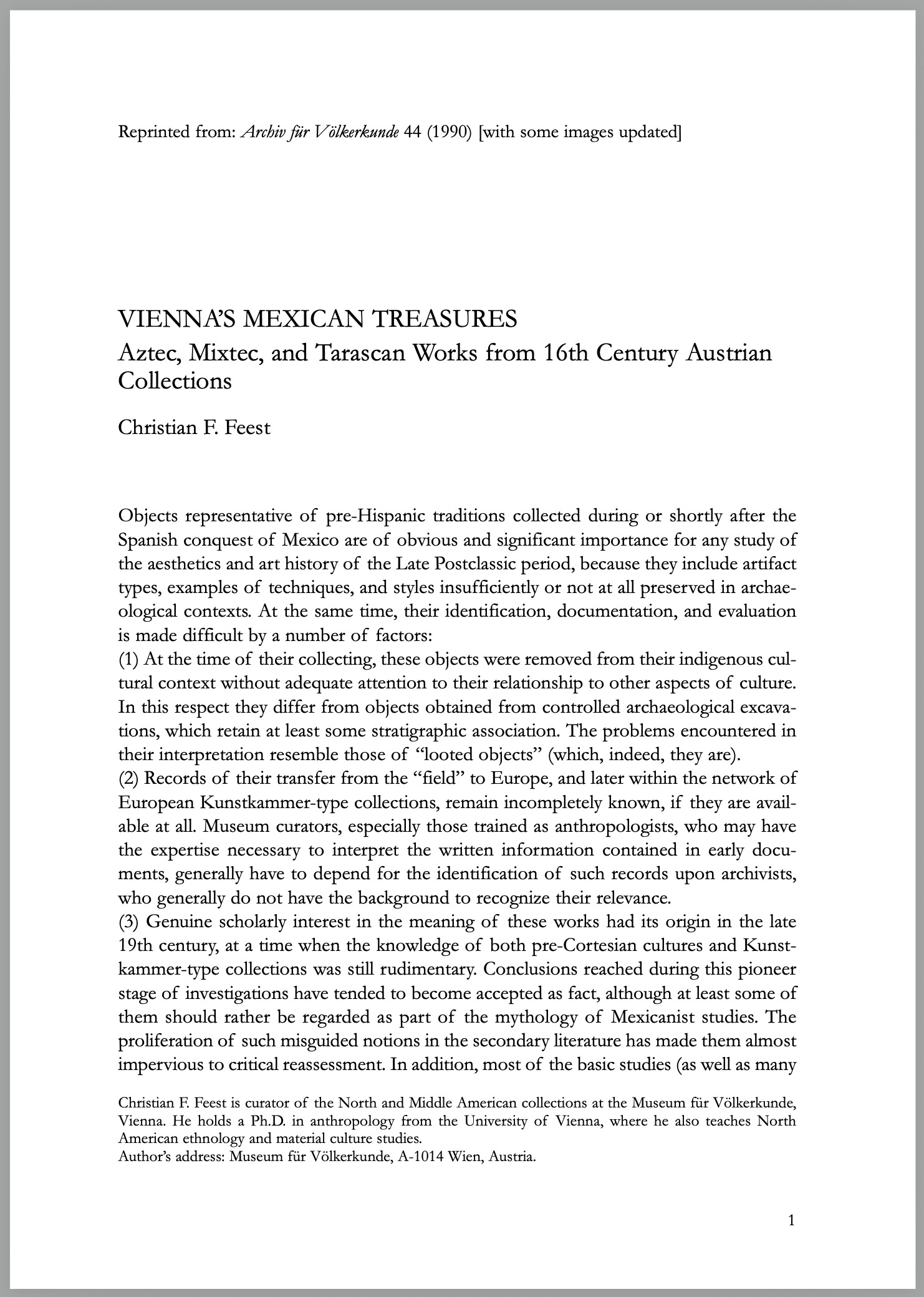
A Forest of Kings: The Untold Story of the Ancient Maya
Book
Schele, L. and Freidel, D. (1990) A Forest of Kings: The Untold Story of the Ancient Maya. New York, William Morrow, 542 pp.
Record No. 28635  |  Sinkankas/Born No.: NIS / NIB  |  RWHL
View Individual Record ↗
The recent interpretation of Maya hieroglyphs has given us the first written history of the New World as it existed before the European invasion. In this book, two of the first central figures in the massive effort to decode the glyphs, Linda Schele and David Freidel, make this history available in all its detail. A Forest of Kings is the story of Maya kingship, from the beginning of its institution and the first great pyramid builders two thousand years ago to the decline of Maya civilization and its destruction by the Spanish. Here the great historic rulers of pre-Columbian civilization come to life again with the decipherment of their writing. At its height, Maya civilization flourished under great kings like Shield-Jaguar, who ruled for more than sixty years, expanding his kingdom and building some of the most impressive works of architecture in the ancient world. Long placed on a mist-shrouded pedestal as austere, peaceful stargazers, the Maya elites are now known to have been the rulers of populous, aggressive city-states. Hailed as a Rosetta stone of Maya civilization" (Brian M. Fagan, author of People of the Earth), A Forest of Kings is "a must for interested readers," says Evon Vogt, professor of anthropology at Harvard University."

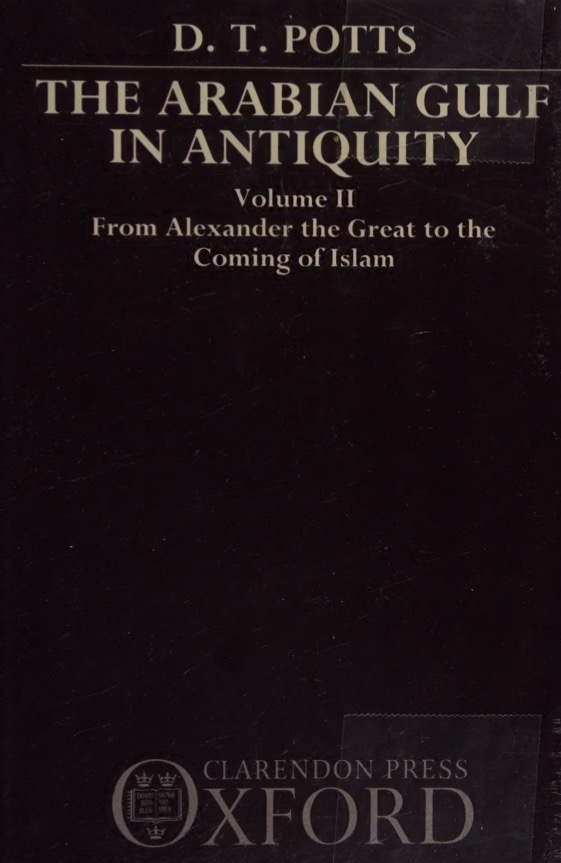
Vienna’s Mexican treasures: Aztec, Mixtec, and Tarascan works from 16th-century Austrian collections
Journal Article
Feest, C.F. (1990) Vienna’s Mexican treasures: Aztec, Mixtec, and Tarascan works from 16th-century Austrian collections. Archiv für Völkerkunde, Vol. 44, pp. 1–64.
Record No. 28492  |  Sinkankas/Born No.: NIS / NIB  |  RWHL
View Individual Record ↗
Objects representative of pre-Hispanic traditions collected during or shortly after the Spanish conquest of Mexico are of obvious and significant importance for any study of the aesthetics and art history of the Late Postclassic period, because they include artifact types, examples of techniques and styles insufficiently or not at all preserved in archaeological contexts. At the same time, their identification, documentation and evaluation are made difficult by a number of factors: (1) At the time of their collecting, these objects were removed from their indigenous cultural context without adequate attention to their relationship to other aspects of culture. In this respect they differ from objects obtained from controlled archaeological excavations, which retain at least some stratigraphic association. The problems encountered in their interpretation resemble those of “looted objects” (which, indeed, they are). (2) Records of their transfer from the “field” to Europe, and later within the network of European Kunstkammer-type collections, remain incompletely known, if they are available at all. Museum curators, especially those trained as anthropologists, who may have the expertise necessary to interpret the written information contained in early documents, generally have to depend for the identification of such records upon archivists, who generally do not have the background to recognize their relevance. (3) Genuine scholarly interest in the meaning of these works had its origin in the late nineteenth century, at a time when knowledge of both pre-Cortesian cultures and Kunstkammer-type collections was still rudimentary. Conclusions reached during this pioneer stage of investigations have tended to become accepted as fact, although at least some of them should rather be regarded as part of the mythology of Mexicanist studies. The proliferation of such misguided notions in the secondary literature has made them almost impervious to critical reassessment. In addition, most of the basic studies (as well as many of their sources) have been published in German, which has not been helpful in bringing the results to the attention of Anglophone and Hispanic professional audiences.

The Arabian Gulf in Antiquity, Volume II: From Alexander the Great to the Coming of Islam
Book
Potts, D.T. (1990) The Arabian Gulf in Antiquity, Volume II: From Alexander the Great to the Coming of Islam. Oxford, Clarendon Press, 2 Vols., 419, 392 pp.
Record No. 27285  |  ISBN/ISSN: 9780200000000  |  Sinkankas/Born No.: NIS / NIB  |  RWHL
View Individual Record ↗
The Arabian Gulf has, since the early 1970's, been one of the most promising areas of research in ancient near-eastern archaeology. Until now, however, there has been no attempt to synthesize the archaeology and history of this region from the beginnings of human settlement to the rise of Islam. Drawing on a wide array of archaeological, epigraphic, and literary sources, Dr. Potts presents here for the first time a comprehensive study of the area in two volumes. The period from Alexander the Great to the coming of Islam, including a full discussion of Christianity in the area, comprises the second volume. The first volume covers the Pleistocene to the Achaemenian period. Both volumes are written in a clear and readable manner and are fully illustrated with figures and plates.

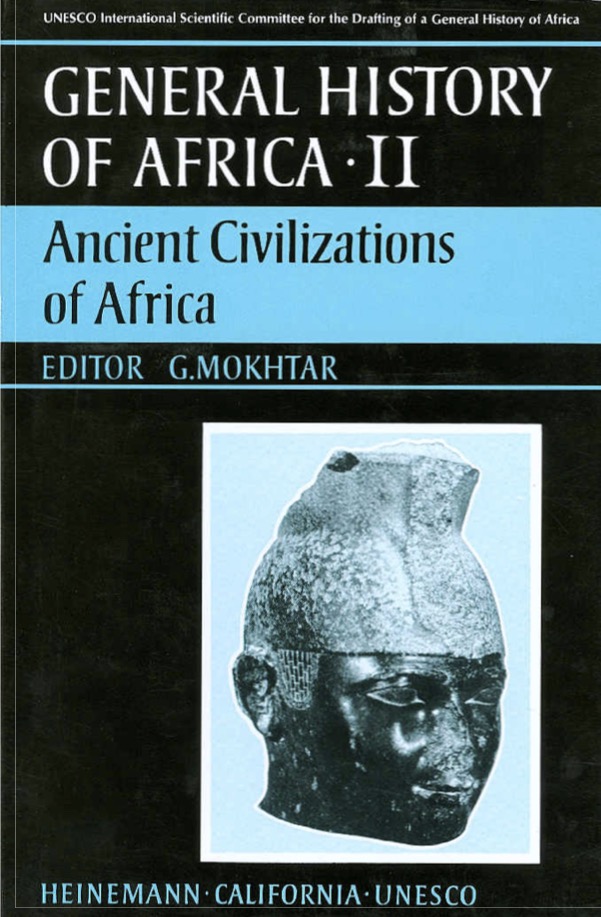
The Unesco General History of Africa, II, Ancient Civilizations of Africa
Book
Mokhtar, G. (1990) The Unesco General History of Africa, II, Ancient Civilizations of Africa. Berkeley, University of California Press, 804 pp.
Record No. 26985  |  ISBN/ISSN: 520039130  |  Sinkankas/Born No.: NIS / NIB  |  RWHL
View Individual Record ↗
This collectively authored volume, edited by G. Mokhtar, surveys the development of African societies from the later prehistoric periods to approximately the seventh century CE, placing the continent’s ancient civilizations within a connected African history. Twenty-nine chapters are organized around four broad regions: Egypt and Nubia, the Ethiopian highlands, North Africa and the Sahara, and sub-Saharan Africa with Madagascar. The substantial treatment of the Nile valley examines the origins of ancient Egyptians, Pharaonic political and social institutions, agriculture, economic organization, religion, writing, artistic and scientific achievements, and Egypt’s relations with other African societies. Hellenistic and Roman Egypt are considered alongside the continuity and transformation of earlier traditions. Chapters on Nubia trace developments through Kerma, Napata, Meroe, and the Christian kingdoms, emphasizing both distinctive local cultures and the region’s role in exchanges between the Mediterranean and the African interior. The Ethiopian section addresses pre-Aksumite societies, Aksum’s political economy and commercial connections, and the establishment of Christianity. North African chapters examine indigenous populations, Carthage, Roman and post-Roman societies, and Saharan settlement and communication. The remaining contributions synthesize evidence for eastern, western, central, and southern Africa, including hunting and gathering, food production, settlement, ironworking, maritime commerce, and emerging social and political complexity. Madagascar is treated through its settlement history and cultural connections across the Indian Ocean. Throughout, environmental change, population movement, technological development, trade, and religious transformation provide themes linking otherwise uneven regional records. The volume challenges historical approaches that detach Egypt and North Africa from the rest of the continent or assume that sub-Saharan history begins only with later written accounts. Archaeological discoveries, inscriptions, linguistic comparisons, material culture, and documentary sources are brought together, while competing interpretations are retained in controversial areas, notably the peopling of ancient Egypt. The editor repeatedly stresses the scarcity and unequal geographical distribution of evidence, uncertainties in chronology, and the provisional character of many reconstructions. The concluding synthesis emphasizes African foundations, local initiative, and interaction with neighboring regions, while identifying research priorities in archaeology, ancient communication routes, migration, language relationships, and cultural exchange. The work offers both an extensive synthesis of scholarship and a framework for further investigation rather than a uniformly documented narrative of the continent’s ancient past.

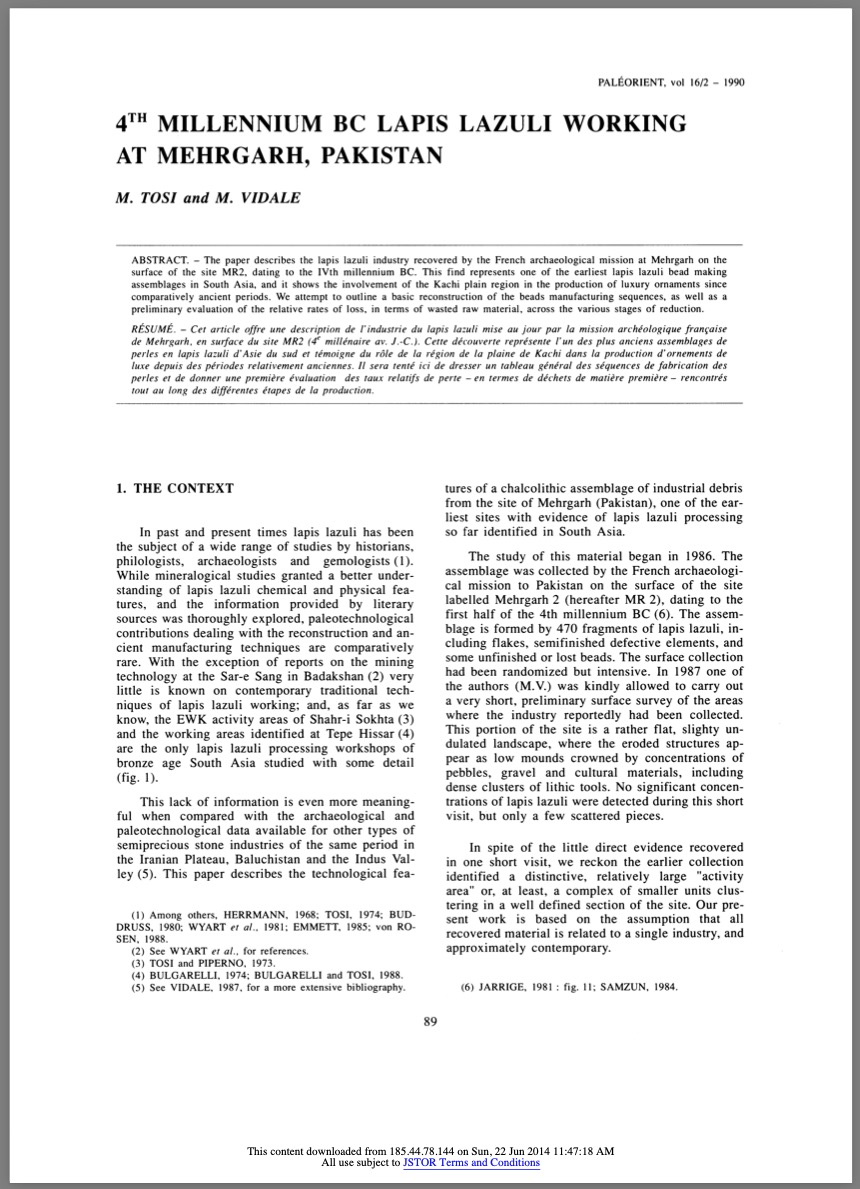
4th millenium BC lapis lazuli working at Mehrgarh, Pakistan
Journal Article
Tosi, M. and Vidale, M. (1990) 4th millenium BC lapis lazuli working at Mehrgarh, Pakistan. Paléorient, Vol. 16, No. 2, pp. 89–99.
Record No. 26927  |  Sinkankas/Born No.: NIS / NIB  |  RWHL
View Individual Record ↗
Lapis lazuli working at Mehrgarh, Pakistan, dates back to the 4th millennium BC, as documented by Massimo Vidale and Maurizio Tosi in their 1990 study published in Paléorient (Vol. 16, No. 2, pp. 89–99). Their research highlights evidence of early lapis working techniques in one of the earliest Neolithic settlements of South Asia. The Chagai Hills are considered a possible source of the material, with lapis lazuli from this region characterized by a greenish hue due to diopside inclusions—an observation consistent with later gemological accounts, including those in ExtraLapis. Earlier use of lapis at Mehrgarh has also been noted by Jarrige (1985: 285), who reports finds from Period I, dating to the 7th millennium BC, making it one of the earliest known occurrences of lapis lazuli use, as later referenced by Moorey.

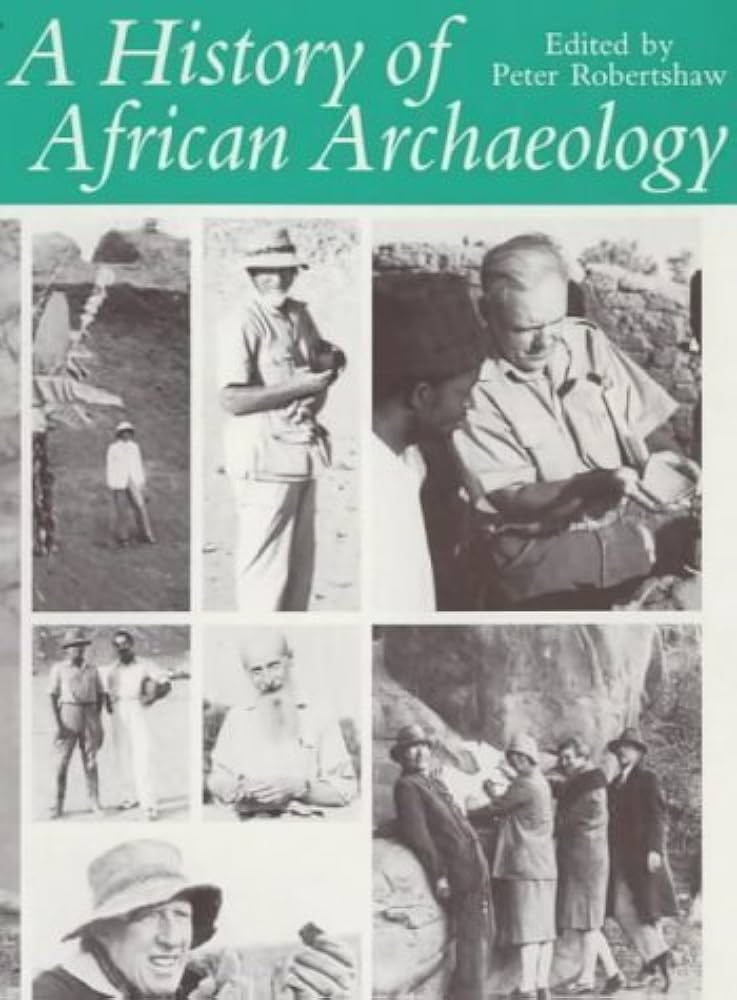
Oral traditions, archaeology & history: A short reflective history
Book Section
Schmidt, P.R. (1990) Oral traditions, archaeology & history: A short reflective history. In: A History of African Archaeology, London: J. Currey, pp. 252–270.
Record No. 26881  |  ISBN/ISSN: 9780850000000  |  Sinkankas/Born No.: NIS / NIB  |  RWHL
View Individual Record ↗
The use of oral traditions as part of the direct historical approach in African archaeology has become a widely adopted method in the study of Iron Age cultures. This trend stems from three main factors. First, many African societies have only undergone intense cultural transformation within the last century, thereby preserving more intact historical thought systems than in regions with a longer history of industrialization. Second, since literacy is largely a modern development in many African societies, archaeologists are prompted to consult indigenous histories that were not previously recorded, as well as oral accounts documented by educated elites, missionaries, travelers, and colonial administrators. Third, the richness of oral traditions concerning specific places and historical events has proven especially valuable for archaeologists seeking to identify sites and interpret their function and meaning. As a result, the African context—particularly in regions with established state systems and well-preserved oral historiographies—has provided an ideal and conducive environment for the integration of oral tradition into archaeological research.

Late Quaternary archaeological research in the Horn of Africa
Book Section
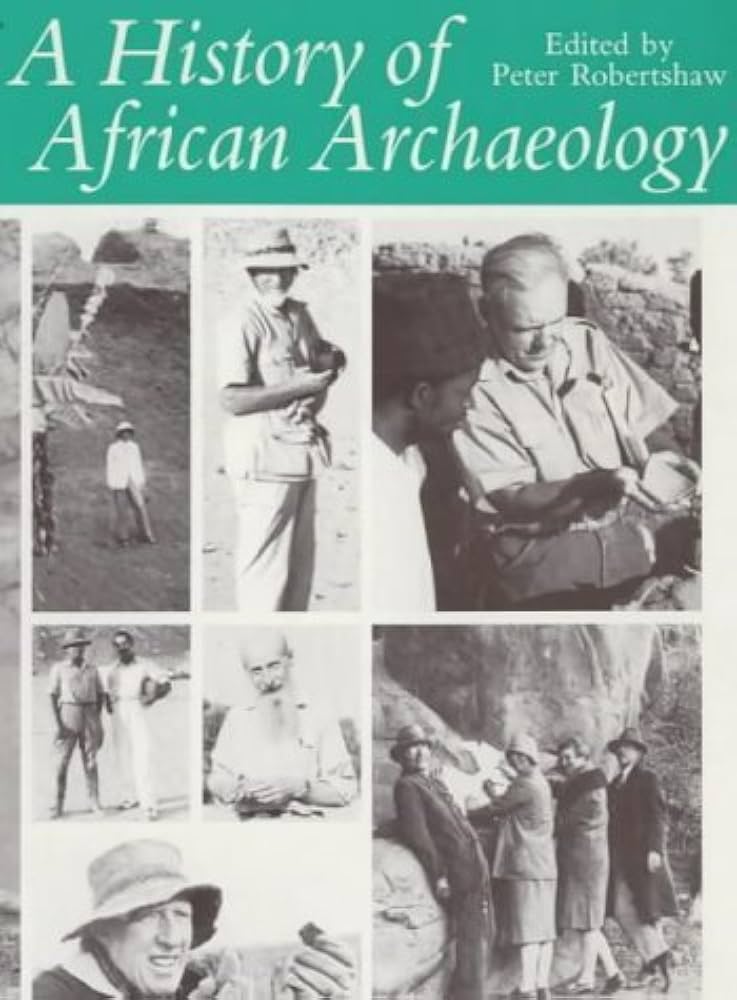
Brandt, S.A. and Fattovich, R. (1990) Late Quaternary archaeological research in the Horn of Africa. In: A History of African Archaeology, London: J. Currey, pp. 95–208.
Record No. 26880  |  ISBN/ISSN: 9780850000000  |  Sinkankas/Born No.: NIS / NIB  |  RWHL
View Individual Record ↗
The purpose of this chapter is to provide an overview of late Quaternary (Upper Pleistocene and Holocene) archaeological research in the Horn of Africa—specifically Djibouti, Ethiopia, and Somalia. Rather than offering an exhaustive literature review, the chapter presents both an objective and interpretive outline of how archaeological thought has developed concerning the region’s later prehistory and early history. The discussion focuses on three key themes that best illustrate the historical trajectory of archaeology in the Horn: the evolution of the Axumite kingdom, the origins of food production, and the later prehistory of hunter-gatherer populations.

‘Hidden History’: Iron Age archaeology in Southern Africa
Book Section
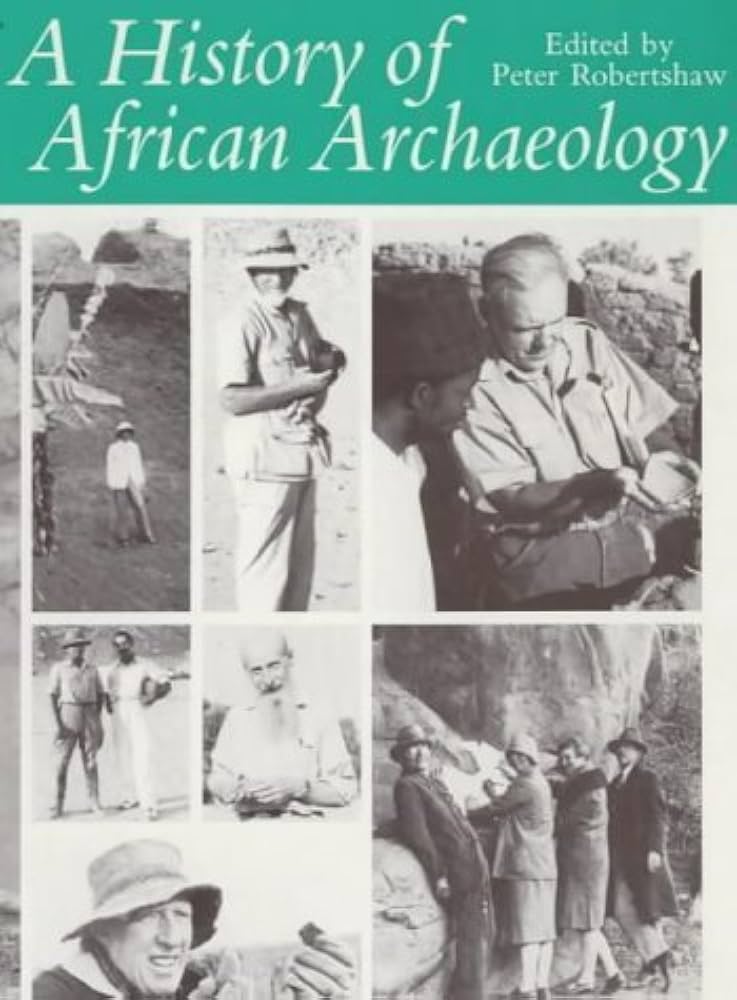
Hall, M. (1990) ‘Hidden History’: Iron Age archaeology in Southern Africa. In: A History of African Archaeology, London: J. Currey, pp. 59–77.
Record No. 26879  |  ISBN/ISSN: 9780850000000  |  Sinkankas/Born No.: NIS / NIB  |  RWHL
View Individual Record ↗
One of the persistent illusions in Southern African archaeology is the belief that the past can be approached neutrally—that artefacts will ‘speak for themselves’ and archaeologists can reconstruct the histories of past communities in a purely scientific, unbiased manner. This assumption, already challenged in other contexts, is especially problematic in a region where history has long been contested terrain. Colonial settlers used historical interpretations to legitimize land appropriation; Afrikaner nationalist historians crafted ethnic narratives to justify segregation; liberal historians often downplayed the role of capital accumulation in segregationist policies; and African nationalist historians have sought to construct histories that affirm national identity (Cornevin 1980; Legassick 1980; Marks 1986a; Ranger 1979; Saul and Gelb 1981). It is naïve to imagine archaeology can be exempt from such political processes. In reviewing the history of archaeological research on Southern Africa’s farming communities—still frequently, if inaccurately, labeled the ‘Iron Age’—this study proceeds from the premise that all interpretations of the past are inextricably bound to the present. This does not mean history is mere propaganda, nor that archaeologists lack rigor in evaluating evidence. While distortions exist, particularly in interpretations of Great Zimbabwe, the connection between past and present is usually more subtle. Present-day concerns shape historical questions, and contemporary assumptions—‘common-sense’ notions about society—influence how fragmentary archaeological data are interpreted. Moreover, Southern African archaeologists have long engaged with international schools of thought, further complicating the historiographical landscape, which becomes a layered assemblage of interpretations, assumptions, and data that are not easily disentangled.

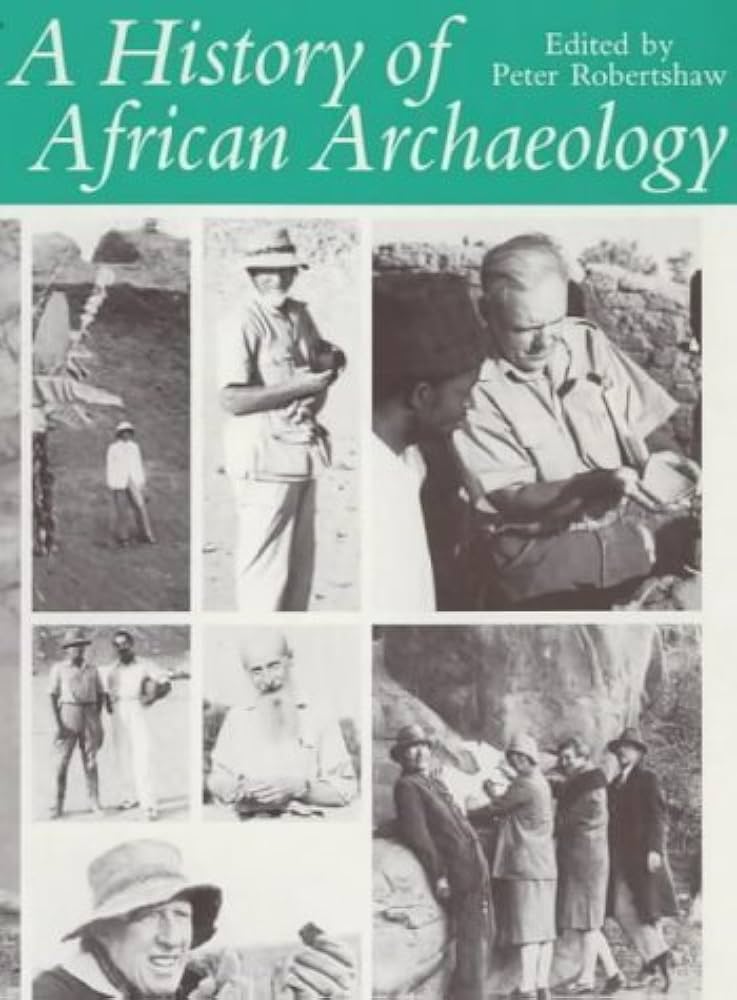
A History of African Archaeology

Edited Book
Robertshaw, P., editor (1990) A History of African Archaeology.. London, J. Currey, 378 pp..
Record No. 26860  |  ISBN/ISSN: 9780850000000  |  Sinkankas/Born No.: NIS / NIB  |  RWHL
View Individual Record ↗
This is the first book to chronicle the development of African archaeology as a subject. Archaeologists have been excavating in Africa for over 200 years. Contributors place the subject within the broader political, social and economic context. Not only have the attitudes and aspirations of both colonialism and nationalism been important influences on the development of African archaeology, but certain discoveries have also had considerable political impact. Contributors include J.D.Clark, Thurstan Shaw and Peter Shinnie, who have been atthe forefront of African archaeology for 50 years.

Gem localities of the 1980s

Journal Article
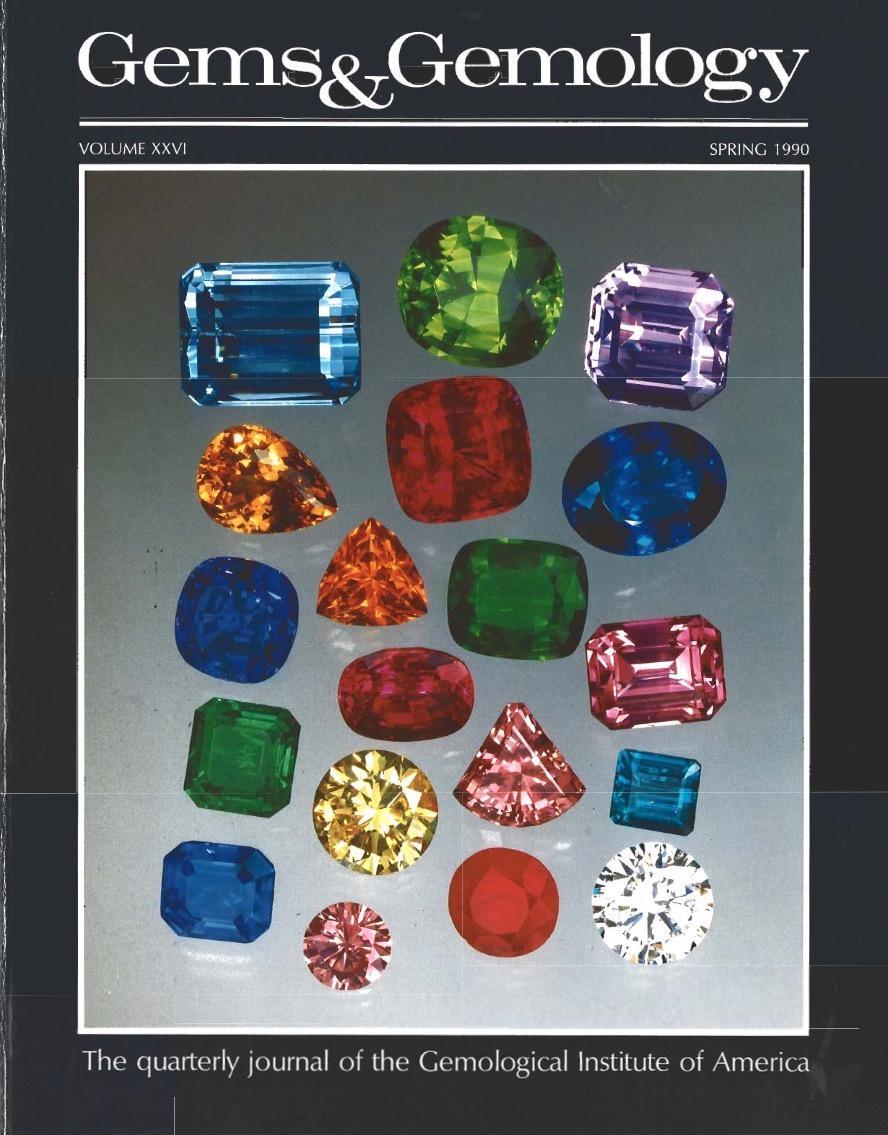
Shigley, J.E., Dirlam, D.M., Schmetzer, K. and Jobbins, E.A. (1990) Gem localities of the 1980s. Gems & Gemology, Vol. 26, No. 1, Spring, pp. 4–31.
Record No. 26754  |  Sinkankas/Born No.: NIS / NIB  |  RWHL
View Individual Record ↗
The 1980s witnessed significant developments in the discovery of new sources for diamonds and colored gemstones, alongside increased production at many established mining sites. This article highlights important new finds and major gem-producing localities from the decade, offering brief descriptions of each and assessing their impact on the jewelry industry. Additionally, it includes an index of key recent publications related to these gemstone occurrences.

Star rhodolite garnet from Tanzania

Journal Article
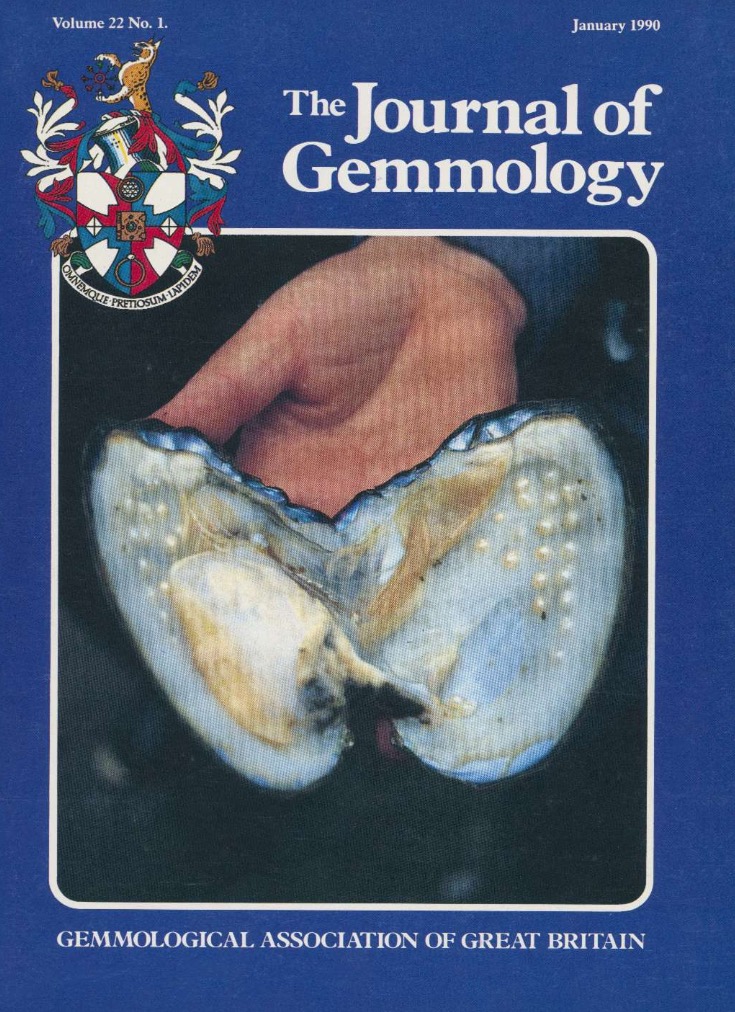
Kammerling, R.C. and Koivula, J.I. (1990) Star rhodolite garnet from Tanzania. Journal of Gemmology, Vol. 22, No. 1, pp. 16–18.
Record No. 26707  |  ISBN/ISSN: 221252  |  Sinkankas/Born No.: NIS / NIB  |  RWHL
View Individual Record ↗
This article describes the first reported occurrence of asteriated rhodolite garnet from Tanzania and details the specimen’s gemmological properties. Acicular rutile crystals are well-known inclusions in almandine garnets (Webster, 1983; Gübelin and Koivula, 1986; Liddicoat, 1987), and when fashioned en cabochon, stones with a relatively dense and even distribution of these needle-like inclusions may exhibit asterism, typically as a four- or six-rayed star. Sources of star almandine garnet include India (Webster, 1983; Rohrbach, 1986) and the Emerald Creek area of Idaho, USA (Zeitner, 1986; Rohrbach, 1986). Rhodolite, a reddish-purple to purple garnet composed of a mixture of almandine and pyrope, was first described from North Carolina, USA (Hidden and Pratt, 1898), and is also found in Sri Lanka (Webster, 1983), a major commercial source (Federman, 1984). In recent decades, African localities such as Zimbabwe (Campbell, 1972), Madagascar (Campbell, 1973), and Tanzania (Phillips, 1962; Sinkankas, 1968; Sarofim, 1970; Pough, 1973) have also produced rhodolite, with Tanzania now serving as an important commercial source (Federman, 1984). Like almandine, rhodolite from several sources may contain acicular rutile inclusions (Campbell, 1972; Webster, 1983), though few references have noted these inclusions producing asterism in rhodolite (Rohrbach, 1986). The authors recently examined a rhodolite garnet cabochon that displayed a four- or six-rayed star, depending on the viewing angle. The stone was cut from rough purchased and fashioned by Mr. Barton Curren of Glyptic Illusions, Topanga, California, USA, from a Tanzanian parcel reportedly originating from the Kangala mine. According to Curren, the rough was relatively inexpensive due to its higher inclusion content compared to other Tanzanian rhodolite he had previously acquired.

A black jade dilemma

Journal Article
Koivula, J.I., Fryer, C.W., Kane, R.E. and Kammerling, R.C. (1990) A black jade dilemma. Journal of Gemmology, Vol. 22, No. 3, July, pp. 131–135.
Record No. 7182  |  ISBN/ISSN: 221252  |  Sinkankas/Born No.: NIS / NIB  |  RWHL
View Individual Record ↗
Three of four opaque black gems being represented in the trade as the pyroxene jadeite were identified by X-ray diffraction as rocks containing a maior component of amphibole, probably kaersutite. The fourth stone showed the diffraction pattern for jadeite. Since the basic gemnmological properties of some amphiboles like kaersutite overlap those of jadeite, routine gemmological testing cannot separate the two. More advanced testing techniques, such as X-ray diffraction and chemical analysis, are needed to make this separation.

Gem News: Treated Paraíba tourmalines
Journal Article
Koivula, J.I. and Kammerling, R.C. (1990) Gem News: Treated Paraíba tourmalines. Gems & Gemology, Vol. 26, No. 1, Spring, pp. 103–104.
Record No. 6451  |  ISBN/ISSN: 0016626X  |  Sinkankas/Born No.: NIS / NIB  |  RWHL
View Individual Record ↗

The Pharoahs’ forgotten emerald mines
Journal Article
Grubessi, O., Aurisicchio, C. and Castiglioni, A. (1990) The Pharoahs’ forgotten emerald mines. Journal of Gemmology, Vol. 22, No. 3, July, pp. 164–177.
Record No. 6068  |  ISBN/ISSN: 221252  |  Sinkankas/Born No.: NIS / NIB  |  RWHL
View Individual Record ↗
The aim of latest expedition to Djebel Sikeit and Djebel Zabarah by the brothers Angelo and Alfredo Castiglioni was the re-discovery of the Pharaoh's emerald mines. The Castiglioni expedition was successful in the re-discovery of these forgotten ancient mines and has collected samples and documents on these famous deposits of precious stones, providing emer- ald specimens of great interest to gemmologists and archaeologists, as will be revealed in this paper.

Spectroscopic evidence of heat treatment of blue sapphires from Sri Lanka—additional data

Journal Article
Schmetzer, K. and Kiefert, L. (1990) Spectroscopic evidence of heat treatment of blue sapphires from Sri Lanka—additional data. Journal of Gemmology, Vol. 22, No. 2, April, pp. 80–82.
Record No. 5397  |  ISBN/ISSN: 221252  |  Sinkankas/Born No.: NIS / NIB  |  RWHL
View Individual Record ↗
Differences in the absorption spectra of particular types of natural blue untreated and heat-treated sapphires are due to the presence or absence of Fe³⁺ absorption bands of distinct intensities. These features, identified by spectroscopic investigations, are useful for the recognition of artificial heat treatment in samples of the trade.

Building a Gemological Library

Gemological books range from general identification manuals and textbooks to specialized works on individual gems, mineralogy, jewelry, treatments, synthesis, history and gem-producing regions.

For a curated selection of particularly useful books, read The Gemologist's Core Library — Classic Books on Gemology, Jewelry and Mineralogy.

About Four Treasures

Four Treasures is Lotus Gemology's freely accessible gemological reference database. Use the full database to search by author, title or keyword and explore literature on gemology, mineralogy, jewelry and related fields. Where available, hyperlinks on titles may lead directly to the full publication.

Search the Complete Four Treasures Database