Gemstone Inclusions Bibliography

Gemstone Inclusions Bibliography

Explore books, articles and historical sources on inclusions in gemstones in Four Treasures, the Lotus Gemology reference database. This bibliography brings together matching records from the collection, with publication details, abstracts and cover images where available.

Gemstone Inclusion References

The list below matches the terms inclusion or inclusions in the database's searchable fields. Some references discuss inclusions as part of a broader subject.

61–80 of 1,109 matching references
New insights into chromogenic mechanism and the genesis of blue jadeite from Guatemala

New insights into chromogenic mechanism and the genesis of blue jadeite from Guatemala

Liu, Y., Xu, B., Zhao, S., Zhao, M., Li, Z. and Hao, W. (2025)

Electronic Article · Source: Minerals · Volume: Vol. 15 · Issue: No. 9 · Pages: pp. 963

Abstract
While existing studies on Guatemalan jadeite have predominantly focused on green varieties, the coloration mechanisms and origin of its blue counterparts remain poorly understood. Therefore, the present study provides the first comprehensive investigation of the Guatemalan blue jadeite using an integrated analytical approach, which combines Raman spectroscopy, micro X-ray fluorescence (µ-XRF), electron microprobe analysis (EMPA), X-ray diffraction (XRD), UV-Vis spectroscopy, and cathodoluminescence (CL) imaging on seven representative samples. The results demonstrate that these jadeites consist of two distinct phases: a primary jadeite phase (NaAlSi₂O₆) and a secondary omphacite that forms by metasomatic alteration by Mg-Ca-Fe-rich fluids. Spectroscopic analysis reveals that the blue coloration is primarily controlled by Fe³⁺ electronic transitions (with characteristic absorption at 381 nm and 437 nm) coupled with Fe²⁺-Ti⁴⁺ intervalence charge transfer, supported by µ-XRF mapping showing strong Fe-Ti spatial correlation with color intensity. CL imaging documents a multi-stage formation history involving initial high-pressure crystallization (Jd-I) followed by fluid-assisted recrystallization forming Jd-II and omphacite. The detection of CH₄, CO, and H₂O in the fluid inclusions by Raman spectroscopy indicates formation in a serpentinization-related reducing environment, while distinct CL zoning patterns confirm a fluid-directed crystallization (P-type) origin. These findings not only clarify the chromogenic processes and petrogenesis of Guatemalan blue jadeite but also establish key diagnostic criteria for its identification, advancing our understanding of fluid-derived jadeite formation in subduction zone environments.
Keywords
gems, jade, fei cui, pyroxen jade, jadeite, kosmochlor, Guatemala, cathodoluminescence, guatemalan, cause of color, P-type jadeitite, omphacite, fluid transport, fluid precipitation-to-metasomatic product, metasomatism
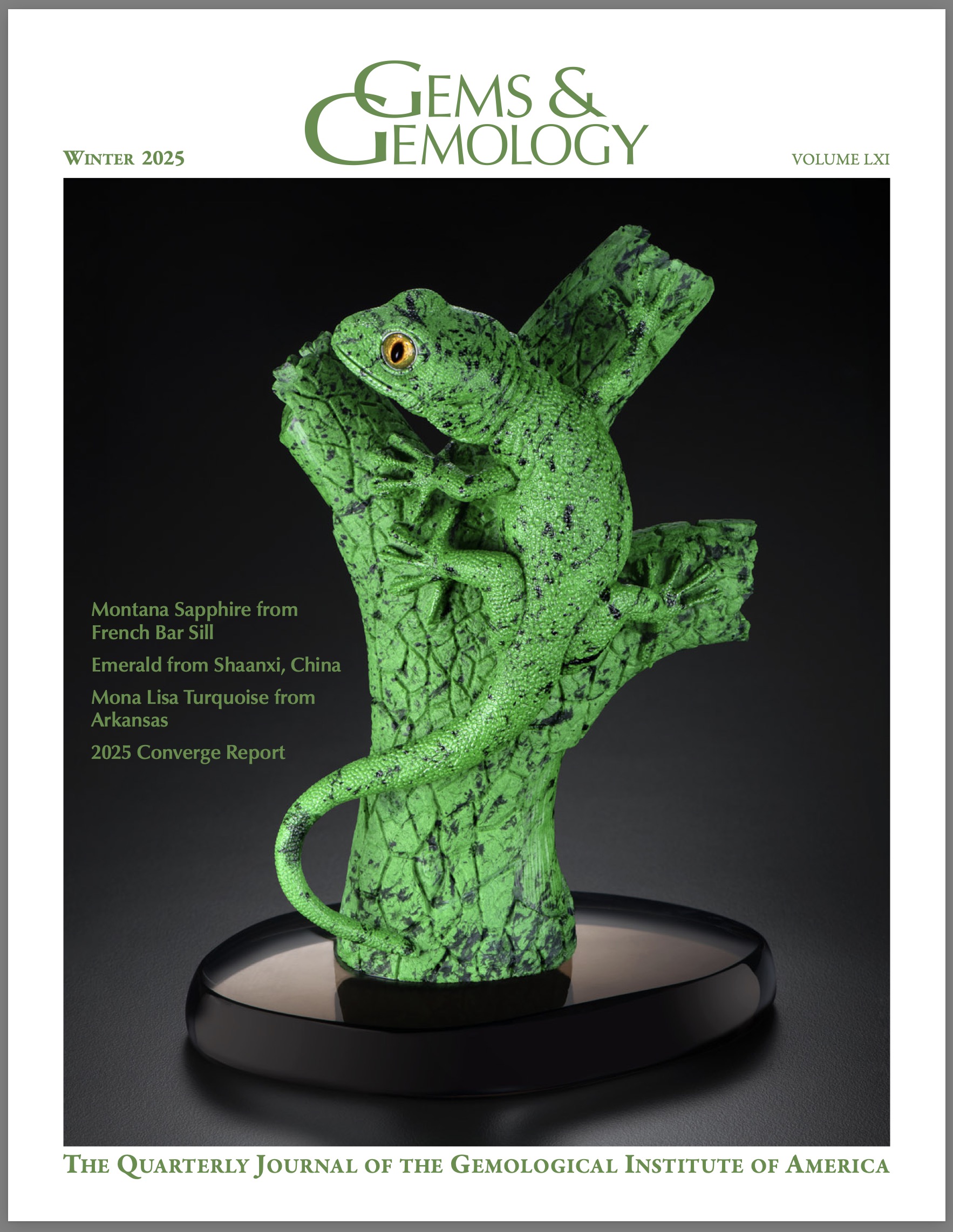
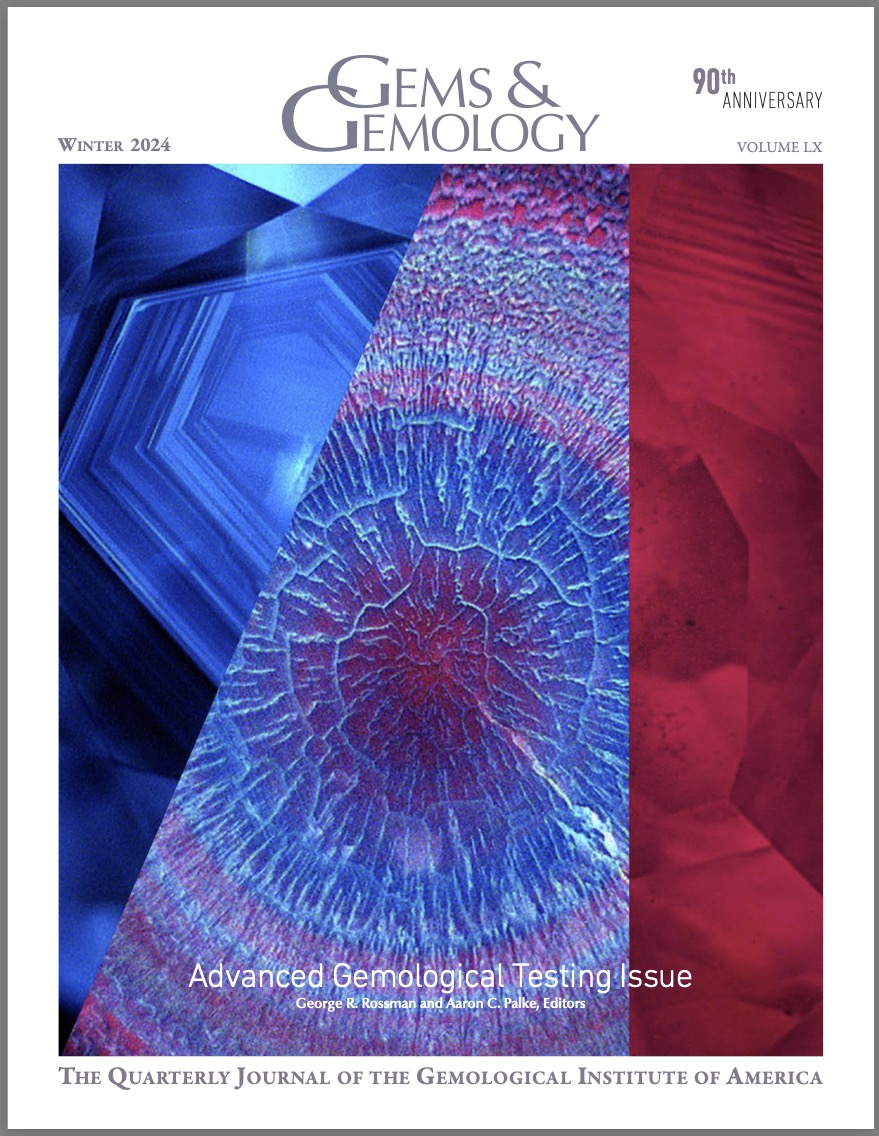
Characterization of emeralds from Zhen'an County in Shaanxi, China

Characterization of emeralds from Zhen'an County in Shaanxi, China

Guo, Y., Yu, X. and Zheng, Y. (2025)

Journal Article · Source: Gems & Gemology · Volume: Vol. 61 · Issue: No. 4, Winter · Pages: pp. 354–373

Abstract
In 2017, the first emerald deposit in the Qinling Orogenic Belt was found in Zhen’an County, Shaanxi Province, China. This study presents a comprehensive analysis of the gemological, spectroscopic, and trace element characteristics of a select set of Zhen’an emerald samples based on standard and advanced gemological methods, including gem microscopy, ultraviolet/visible/near-infrared spectroscopy, Fourier-transform infrared spectroscopy, Raman spectroscopy, and laser ablation–inductively coupled plasma–mass spectrometry. Microscopic studies revealed that Zhen’an emerald exhibits longitudinal striations and inclined growth steps on its hexagonal prism faces and contains an abundance of two-phase (gas/liquid) fluid inclusions. A variety of mineral inclusions were identified, including phlogopite, plagioclase, scheelite, calcite, talc, and hematite. Some crystals display color zoning, with a deeper green rim containing elevated vanadium and iron. Zhen’an emerald’s dominant chromophore is vanadium, and the material is characterized by a high vanadium concentration, notably low chromium, a moderate iron concentration, and an elevated ratio of gallium to cesium. These unique geochemical signatures of Zhen’an emerald, along with their internal features, could be a robust tool for discerning emerald from this deposit.
Keywords
gems, beryl, emerald, China, Zhen'an, Shaanxi
The primary sapphire occurrence at French Bar Sill along the Missouri River, near Helena, Montana

The primary sapphire occurrence at French Bar Sill along the Missouri River, near Helena, Montana

Kane, R.E., Pettman, K.L., Palke, A.C., Turnier, R.B., Berg, R.B., Renfro, N.D. and Smith, C.P. (2025)

Journal Article · Source: Gems & Gemology · Volume: Vol. 61 · Issue: No. 4, Winter · Pages: pp. 332–353

Abstract
Sapphires have been mined in Montana since being discovered at Eldorado Bar, along the Missouri River, in 1865. The most valuable gold deposit in the area was mined near the top of the French Bar complex from 1867 to 1869. On portions of the Virginia terrace and the Center terrace, the French Bar sill, which sparsely contained sapphires in a host rock—identified here as a basaltic trachyandesite, but described elsewhere as a minette—was reported by Kunz in 1891. Other than Yogo Gulch, where the sapphires are in a lamprophyre dike, the French Bar sill is Montana’s only other source of gem-quality in situ sapphire. New ownership of the property in 2020 has resulted in the largest production to date, although it is still sparse. In this study, the authors examined 80 French Bar sill sapphires in matrix; 16 sapphires removed from the matrix, ranging from very small to 17.99 ct; 4 faceted stones; and 5 partly polished crystals. Trace element chemistry and inclusions were consistent with—and generally indistinguishable from—faceted Montana sapphires from the secondary deposits of the Missouri River, Rock Creek, and Dry Cottonwood Creek. This indicates that while the magmatic material (Eocene volcanism) that transported the sapphires from deep within the earth was different in certain cases, such as with French Bar sill, the genesis of the sapphires may be the same or similar. Many of the surface resorption features are similar, but one important distinction exists. Around 25% of Missouri River alluvial sapphires have encrustations of spinel, likely a result of reaction during transport by a mafic magma. Primary French Bar sill sapphires always have an encrustation of biotite (phlogopite) mica, but never spinel. The French Bar sill itself is certainly too small in extent to have supplied all the alluvial sapphires found at the Missouri River.
Keywords
gems, corundum, USA.12, Montana.12, Missouri River, French Bar, Eldorado Bar, sapphire, geology.11
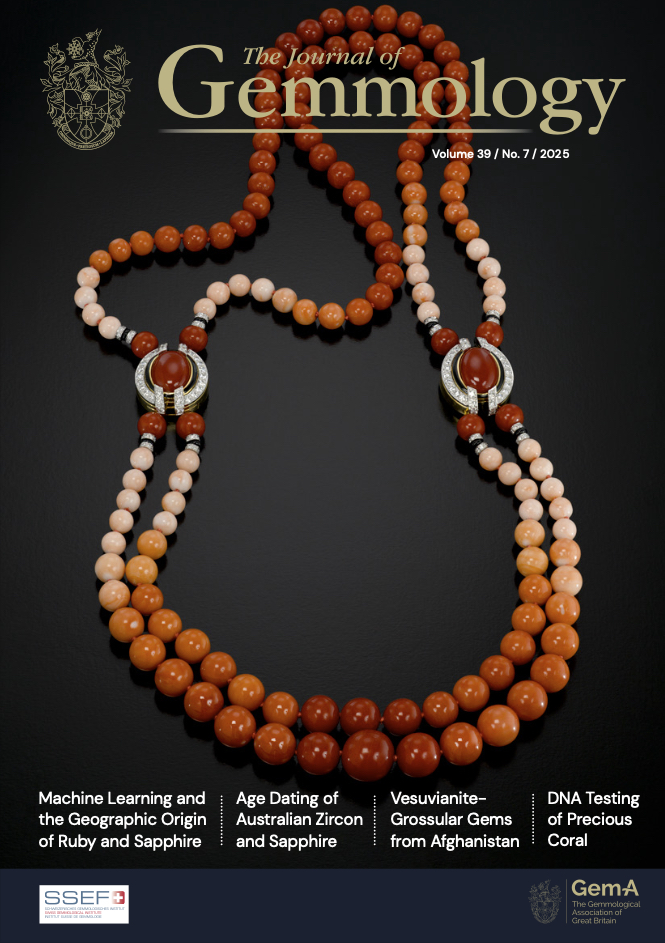
Age dating of gem-quality zircon and sapphire from the New England gem fields, New South Wales, Australia, and its application to the geological origin of the sapphires

Age dating of gem-quality zircon and sapphire from the New England gem fields, New South Wales, Australia, and its application to the geological origin of the sapphires

Abduriyim, A., Sutherland, F.L., Coldham, T.S. and Belousova, E. (2025)

Journal Article · Source: Journal of Gemmology · Volume: Vol. 39 · Issue: No. 7 · Pages: pp. 656–671

Abstract
Transparent pale yellow to brown zircon megacrysts occur with gem corundum in alluvial deposits linked to alkali basalts of the Inverell–Glen Innes District, New South Wales, Australia. Previous LA-ICP-MS analyses of zircons from Kings Plains, Mary Anne Gully, and Swan Brook showed chemical homogeneity and yielded two age groups: 216–174 Ma (Late Triassic–Early Jurassic) and 45–37.7 Ma (Eocene). New U-Pb dating of zircon inclusions in gem-quality blue sapphires produced concordant ages of 37 ± 1.7 Ma (Kings Plains) and 35.1 ± 1.6 Ma (Mary Anne Gully), matching the 38–33 Ma K-Ar ages of the Maybole volcanic suite and aligning with the younger zircon population. These results, together with gemmological and chemical evidence, demonstrate a genetic connection between sapphire crystallisation in the deep crust or mantle and subsequent transport to the surface by alkali basaltic magmas.
Keywords
gems, corundum, Australia.12, zircon, geology.11, New England District
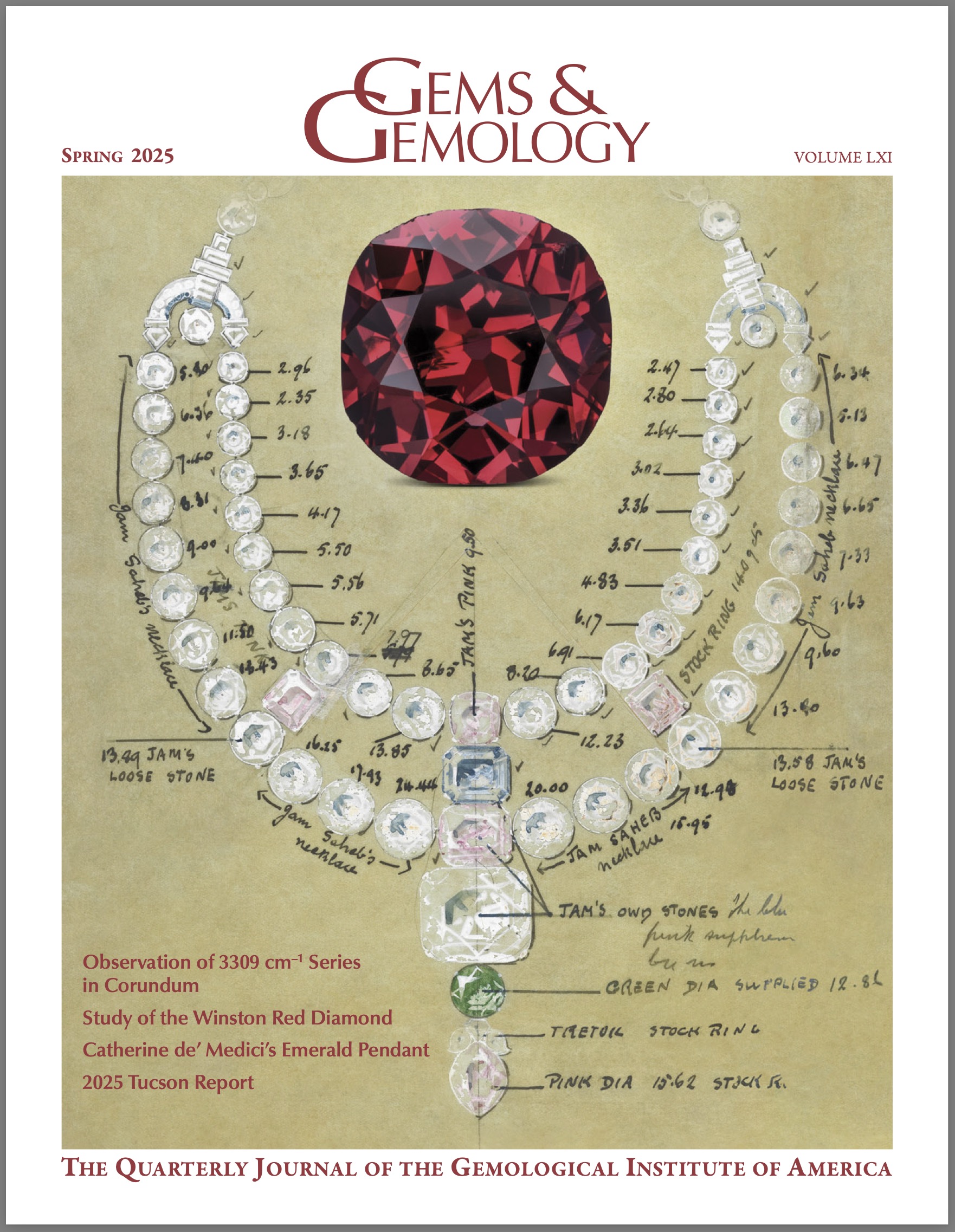
G&G Micro-World: Prismatic zircon in Kashmir sapphire

G&G Micro-World: Prismatic zircon in Kashmir sapphire

Estrella, A. and Smith, T. (2025)

Journal Article · Source: Gems & Gemology · Volume: Vol. 61 · Issue: No. 1, Spring · Pages: p. 80

Abstract
Recently, the author examined a faceted blue oval sapphire. Standard gemological properties and chemical analysis indicated a geographic origin of Kashmir. Microscopic examination revealed internal graining, fine particle banding, and fingerprint inclusions. Interestingly, elongated zircon inclusions were also observed, displaying attractive birefringent interference colors under cross-polarized filters caused by the splitting of light in the doubly refractive crystals. Kashmir sapphire is one of the rarest and most valuable gemstones in the world, renowned for its beauty and quality, and this stone was no exception. [RWH: With brief notes like this, one should not place too much confidence in the origin determination]
Keywords
gems, advanced testing, cathodoluminescence, CL
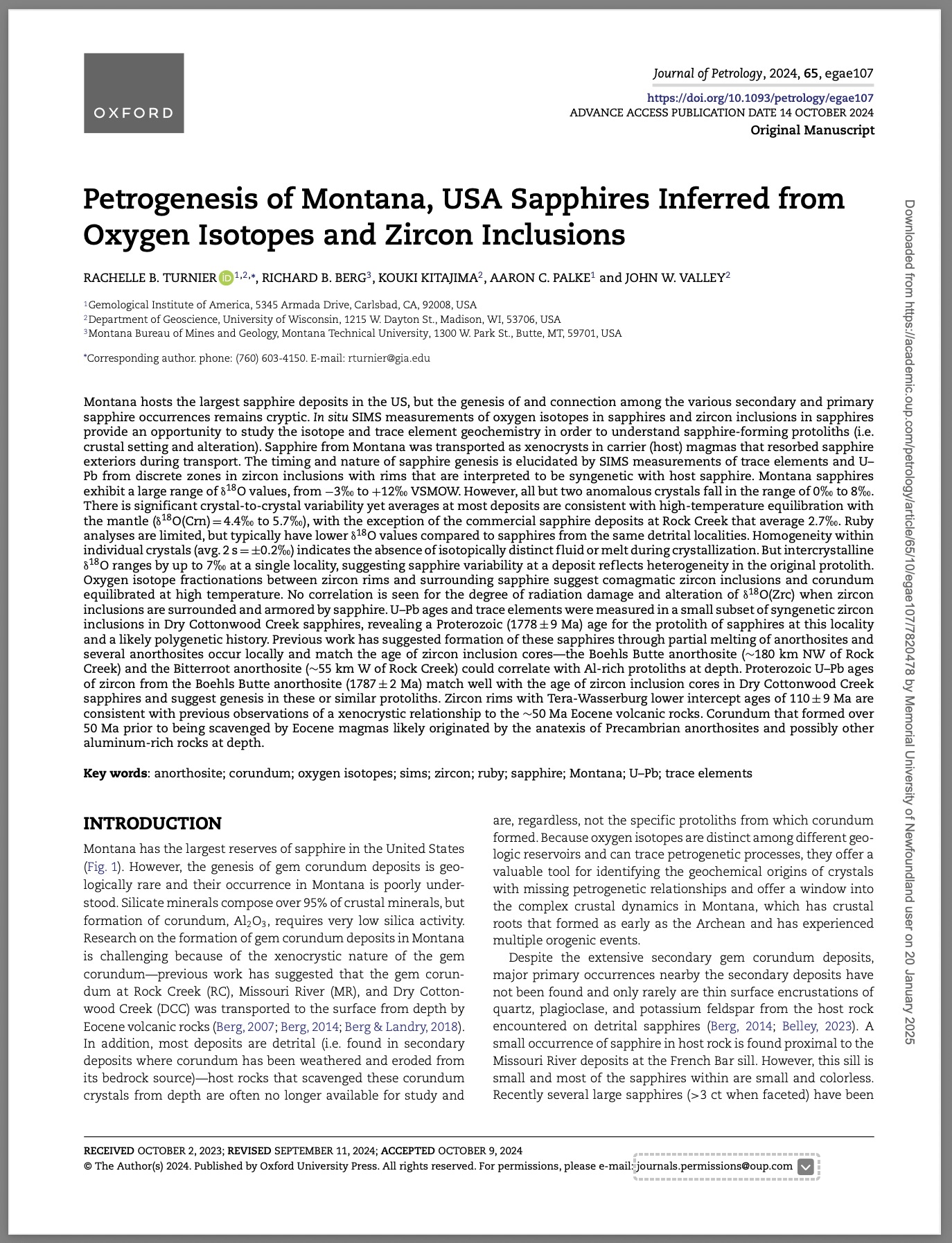
Petrogenesis of Montana, USA sapphires inferred from oxygen isotopes and zircon inclusions

Petrogenesis of Montana, USA sapphires inferred from oxygen isotopes and zircon inclusions

Turnier, R.B., Berg, R.B., Kitajima, K., Palke, A.C. and Valley, J.W. (2024)

Journal Article · Source: Journal of Petrology · Volume: Vol. 65 · Issue: No. 10 · Pages: pp. 1–19

Abstract
Montana hosts the largest sapphire deposits in the US, but the genesis of and connection among the various secondary and primary sapphire occurrences remain cryptic. In situ SIMS measurements of oxygen isotopes in sapphires and zircon inclusions in sapphires provide an opportunity to study the isotope and trace element geochemistry in order to understand sapphire-forming protoliths (i.e. crustal setting and alteration). Sapphire from Montana was transported as xenocrysts in carrier (host) magmas that resorbed sapphire exteriors during transport. The timing and nature of sapphire genesis is elucidated by SIMS measurements of trace elements and U–Pb from discrete zones in zircon inclusions with rims that are interpreted to be syngenetic with host sapphire. Montana sapphires exhibit a large range of δ¹⁸O values, from −3‰ to +12‰ VSMOW. However, all but two anomalous crystals fall in the range of 0‰ to 8‰. There is significant crystal-to-crystal variability yet averages at most deposits are consistent with high-temperature equilibration with the mantle (δ¹⁸O(Crn) = 4.4‰ to 5.7‰), with the exception of the commercial sapphire deposits at Rock Creek that average 2.7‰. Ruby analyses are limited, but typically have lower δ¹⁸O values compared to sapphires from the same detrital localities. Homogeneity within individual crystals (avg. 2σ = ±0.2‰) indicates the absence of isotopically distinct fluid or melt during crystallization. But intercrystalline δ¹⁸O ranges by up to 7‰ at a single locality, suggesting sapphire variability at a deposit reflects heterogeneity in the original protolith. Oxygen isotope fractionations between zircon rims and surrounding sapphire suggest comagmatic zircon inclusions and corundum equilibrated at high temperature. No correlation is seen for the degree of radiation damage and alteration of δ¹⁸O(Zrc) when zircon inclusions are surrounded and armored by sapphire. U–Pb ages and trace elements were measured in a small subset of syngenetic zircon inclusions in Dry Cottonwood Creek sapphires, revealing a Proterozoic (1778 ± 9 Ma) age for the protolith of sapphires at this locality and a likely polygenetic history. Previous work has suggested formation of these sapphires through partial melting of anorthosites and several anorthosites occur locally and match the age of zircon inclusion cores — the Boehls Butte anorthosite (∼180 km NW of Rock Creek) and the Bitterroot anorthosite (∼55 km W of Rock Creek) could correlate with Al-rich protoliths at depth. Proterozoic U–Pb ages of zircon from the Boehls Butte anorthosite (1787 ± 2 Ma) match well with the age of zircon inclusion cores in Dry Cottonwood Creek sapphires and suggest genesis in these or similar protoliths. Zircon rims with Tera-Wasserburg lower intercept ages of 110 ± 9 Ma are consistent with previous observations of a xenocrystic relationship to the ∼50 Ma Eocene volcanic rocks. Corundum that formed over 50 Ma prior to being scavenged by Eocene magmas likely originated by the anatexis of Precambrian anorthosites and possibly other aluminum-rich rocks at depth.
Keywords
gems, corundum, USA.12, Montana.12, chemistry, geology.11
Gem News International: Update on inclusion scenes in Mozambican rubies

Gem News International: Update on inclusion scenes in Mozambican rubies

Vertriest, W. (2024)

Journal Article · Source: Gems & Gemology · Volume: Vol. 60 · Issue: No. 1, Spring · Pages: pp. 137–138

Abstract
In August 2022, a team of GIA gemologists visited the ruby mines near Montepuez in the Cabo Delgado province of northern Mozambique (Fall 2022 GNI, pp. 383–386). This included a visit to the deposits farther west in the region, near the village of Caraia. This mining area is north of the N14 road, while most of the previously known productive ruby deposits are southeast of this highway. Ruby mining near Caraia has been ongoing for more than a decade but was mostly limited to artisanal mining activity until 2017. In the last few years, the ruby deposits have been developed on a larger scale by Fura Gems. The first official sale of this material took place in late 2021, and regular auctions have been organized since then (Fall 2021 GNI, pp. 276–277). During GIA’s visit in August 2022, gemologists collected a large suite of rough rubies directly from the wash plant and sort house at the mine site. The samples ranged from 0.1 to 1.2 g and were transparent and fracture-free. The vast majority contained some crystal inclusions, and an extensive inclusion study of this material matched well with the known data from Mozambican ruby, with one exception. The most common inclusions are bands of fine silk, short needles, and particles, including reflective platelets. Mozambican rubies typically show three distinctive types of solid crystals: transparent greenish amphibole crystals with a stubby to elongated shape; pseudohexagonal frosty mica crystals with small expansion fractures; and black opaque sulfide crystals with a metallic luster. All of these features were prevalent in the rubies mined near Caraia. However, one observation stood out: in 8 of the 85 studied samples, zircon crystal inclusions were found. While zircon crystals are also transparent, their relief is higher than that of the more common amphibole crystals. They also tend to be smaller and are rarely elongated in rubies. The most efficient way to identify them is by viewing the stones between crossed polarizers, which highlights the obvious stress halos around the slightly radioactive zircon crystals (figure 1). In all of GIA’s samples, the identification was also confirmed by confocal Raman spectroscopy. To our knowledge, zircon crystals have not been previously documented in rubies from Mozambique. They are, however, a hallmark for rubies from Madagascar (A.C. Palke et al., “Geographic origin determination of ruby,” Winter 2019 G&G, pp. 580–613). The presence of zircon crystal inclusions is often a decisive discriminator in the origin determination of rubies. The inclusion scenes of high-quality Mozambican and Malagasy rubies can look very similar, but only the latter were known to have abundant zircon inclusions. This is no longer true now that zircon inclusions have also been identified in rubies from Mozambique.
Keywords
gems, corundum, ruby, Mozambique.12, Madagascar.12, inclusions.5, zircon, primary rutile
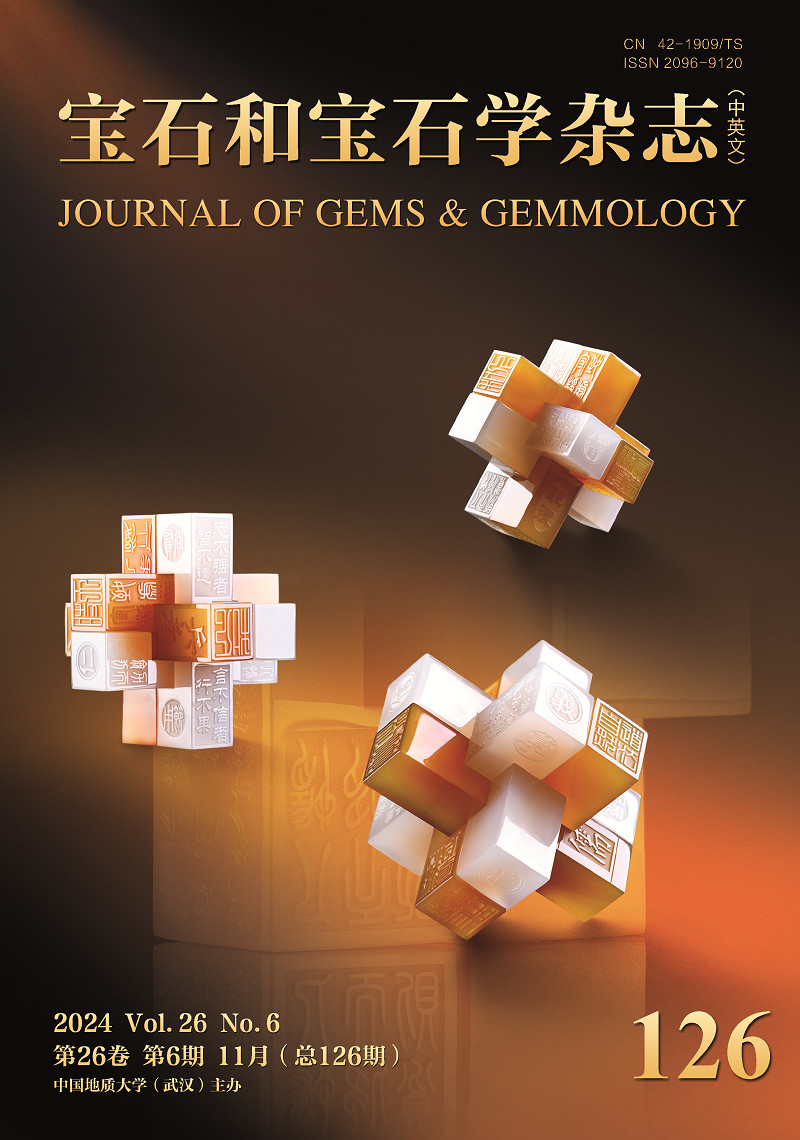
Late but precious: The dissemination and use of emerald in the Ming Dynasty in China

Late but precious: The dissemination and use of emerald in the Ming Dynasty in China

Cao, Y., Yang, M. and Luo, Z. (2024)

Journal Article · Source: Journal of Gems & Gemmology · Volume: Vol. 26 · Issue: No. 6 · Pages: pp. 140–147 · Language: in Chinese with English abstract

Abstract
Emerald is one of the five internationally recognized precious gemstones, highly favored by people for its unique color and charm, and holds an important historical position in China. This article is based on archaeological discoveries of Chinese emeralds and combined with clues from ancient literature to explore the time, evolution of name, usage pattern, and source of emerald in China during the Ming Dynasty. It is found that although there was exchange and interaction of coloured gemstones between China and Central and Western Asia during the Han and Wei dynasties, it was not until the Yuan and Ming dynasties that emerald were discovered in China.Emerald entered China through trade, tribute, and other means, and was accepted by China. Its name was transliterated from a foreign language and gradually evolved from Zhumula" and "Zumula" to "Emerald", which is still used today. Through gemmological and spectroscopic testing of the unenset emeralds unearthed from the tomb of Liangzhuang King, it was found that the inclusion characteristics and mass fraction characteristics of the emerald in the tomb of Liangzhuang King were similar to those in Egypt and Austria, such as FeO, MgO, Cr2O3, V2O3, etc. Based on the historical background and the premise that the emerald from the tomb of Liangzhuang King was brought back through the Maritime Silk Road, it is believed that the emerald may have originated from Egypt or Austria. Although emerald entered China relatively late, it held an important position in the social and cultural context of the Ming Dynasty. As a precious gemstone material, emerald was mainly used for leather belt decoration by nobles, reflecting to some extent the hierarchical system in the ritual system and becoming a symbol of social status."
Keywords
gems, beryl, emerald, use of emerald in China
Shining a light on gemstone properties: An exploration of photoluminescence spectroscopy

Shining a light on gemstone properties: An exploration of photoluminescence spectroscopy

Eaton-Magaña, S., Jones, D.C., Turnier, R.B. and Breeding, C.M. (2024)

Journal Article · Source: Gems & Gemology · Volume: Vol. 60 · Issue: No. 4, Winter · Pages: pp. 494–517

Abstract
Photoluminescence (PL) spectroscopy is a powerful testing method for gemstones in which absorption of light leads to emission at longer wavelengths, revealing valuable insights into the material’s composition, structure, and optical properties. In gemology, PL is a crucial tool for identifying and characterizing gemstones, understanding their geological history, detecting treatments and synthetics, and providing clues about the presence of impurities, defects, and inclusions. The advantages and disadvantages of PL will be explored along with a survey of its applications among various gemstones including diamonds, pearls, and chromium-containing gems, with a focus on emerging techniques such as PL mapping, fluorescence lifetime, and large-scale statistical analysis. This article highlights the significance of PL spectroscopy applied to gemstones, revealing new insights into these natural wonders and helping distinguish them from their treated and laboratory-grown counterparts.
Keywords
gems, gemology, basic gemology, advanced gemology, gem testing, spectroscopy, photoluminescence spectroscopy, PL spectroscopy
Quantitative analysis of photoluminescence spectrum of red spinel from four localities and its application in provenance tracing

Quantitative analysis of photoluminescence spectrum of red spinel from four localities and its application in provenance tracing

Zhou, J., Wang, C., Ye, Y. and Shen, A. (2024)

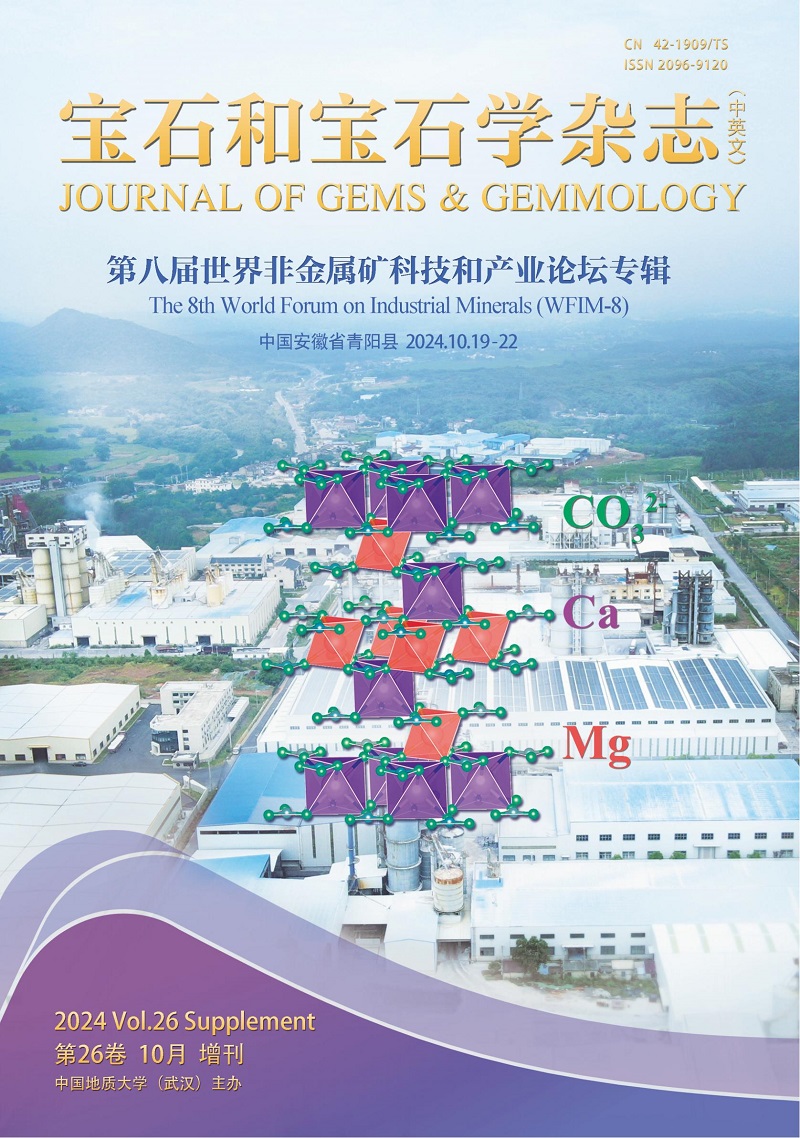
Journal Article · Source: Journal of Gems & Gemmology · Volume: Vol. 26 · Issue: No. S1, October · Pages: pp. 46–49 · Language: in Chinese with English abstract

Abstract
Gem-quality spinel is an important category of gemstones. Currently, deposits such as Mansin, Namya, and Mahenge, known for yielding high-value single spinel crystals, have appeared. Over the past five years, there has been over 200% increase in the number of papers related to spinel compared to the previous five years. Current research mainly focuses on using geochemical analysis and inclusions characteristics for provenance tracing; however, there are shortcomings such as overlapping discriminant features and the absence of inclusions in gem-quality spinel. Therefore, delving into the crystallographic properties and its application in rapid non-destructive testing of spinel are conducive to the developing provenance tracing technologies suitable for the domestic quality inspection industry, which is of great significance for the domestic gemmological research and industry development. PL spectrum of spinel is constituted by a series of N-lines, each of which is associated with the arrangement of PL centers of Mg²⁺ and Al³⁺ in spinel. This laid a solid foundation for the application of PL spectrum of spinel. Based on the ordered-disordered phase transition characteristics of spinel, our research group has demonstrated in preliminary studies that the ratio of the R peak (ordered peak) to the N peak (disordered peak) in PL spectrum of spinel can finely reflect the degree of disorder, and established a thermodynamic model to quantitatively calculate its thermal history (closure temperature). In this study, 308 red spinel samples from Myanmar, Tanzania, Vietnam, and Tajikistan (Fig. 1) were studied. The main results are as follows: (1) Validation of method applicability. This study has demonstrated that even when chromium content of spinel is below the detection limit of LA-ICP-MS, it may also detect the PL spectrum of Cr³⁺ within the spinel (Fig. 2). This indicates extremely high PL efficiency of Cr in spinel, proving that our research method is not only applicable to red spinels but can also be broadly applied to the majority of gem-quality spinels. (2) Based on quantitative and qualitative analysis methods, the photoluminescence spectral characteristics of chromium ions in spinels from each locality were summarized, selecting spectral features significant for provenance identification. Under liquid nitrogen test conditions, spinels from all four localities exhibited four common N peaks of N1, N3, N2, and N5, within the zero-phonon line range (14 480–14 640 cm⁻¹) (Fig. 3). Meanwhile, Tanzanian spinels could be further subdivided into types I and II based on the feature of N2 peak. (3) Quantitative calculations of the ordered-disordered phase transition equilibrium constants (k values) and closure temperatures of spinel samples from four localities were applied to determine discriminant for provenance tracing. The k values of Tanzanian spinels range from 1.13×10⁻⁶–2.47×10⁻⁴; Tajikistan spinels range from 1.75×10⁻⁵–2.85×10⁻⁴; Vietnam spinels range from 1.29×10⁻⁵–3.13×10⁻³; Myanmar spinels range from 1.03×10⁻⁴–2.65×10⁻³. The results indicate that the degree of disorder of spinel crystals from four localities is Myanmar/Vietnam > Tajikistan > Tanzania. Moreover, combining with statistical methods, the closure temperature ranges of spinels from four localities were obtained: Tanzanian spinels range from 1 057 K to 1 072 K; Myanmar spinels are from 1 196 K to 1 218 K; Tajikistan spinels are from 1 128 K to 1 141 K; Vietnam spinels are from 1 057 K to 1 250 K. In summary, this study has summarized equilibrium constants for ordered-disordered phase transitions, closure temperatures, and spectral features with provenance tracing significance based on PL spectrum of ions in spinel. We have not only accumulated a large amount of reliable data but also further optimized data analysis methods in quantitative calculation and statistics. These achievements have validated the practical application feasibility of our preliminary theoretical research and advanced the development of spinel provenance tracing technology. Meanwhile, this also advanced the development of the researches in using spinel as a medium to constrain geological thermal history.
Keywords
gems, spinel, Burma, Myanmar, Tajikistan, Tanzania, Vietnam, color, spectra, PL spectra
Ikons | The Beauty of Fine Minerals

Ikons | The Beauty of Fine Minerals

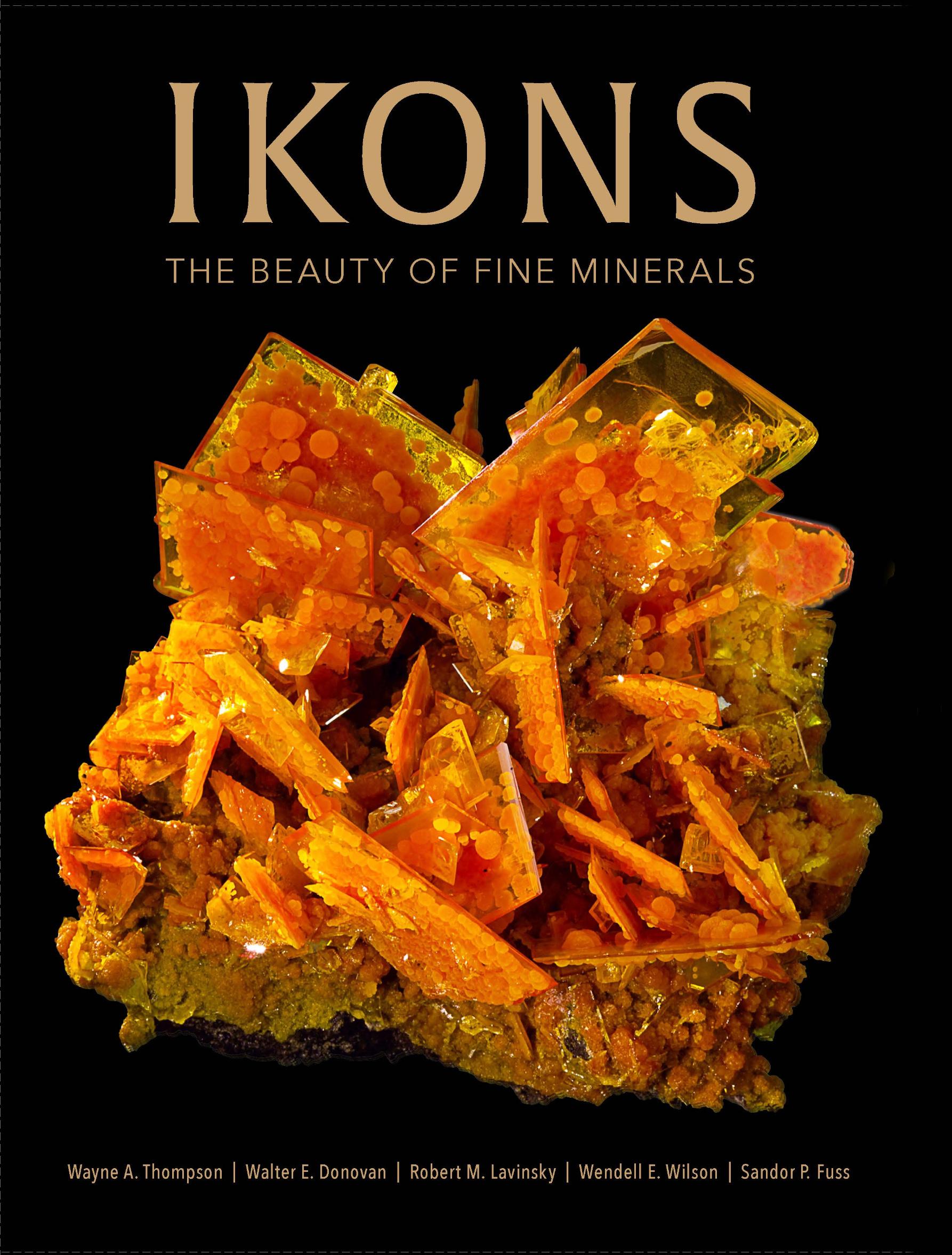
Thompson, W.A., Donovan, W.E., Lavinsky, R.M., Wilson, W.E. and Fuss, S.P. (2024)

Book · Publisher: Mineralogical Record · Pages: 480 pp.

Abstract
In 2007, the Mineralogical Record published Wayne Thompson’s ground-breaking, 192-page book Ikons, Classics and Contemporary Masterpieces of Mineralogy—the first primer for aspiring collectors of world-class minerals. It contained informative chapters covering aspects of collection building, desirability factors and even investment value, and was illustrated by a Gallery of 77 photos of the finest specimens that, at one time or another, had passed through the author’s hands. The photos and text presented in this new Ikons book (subtitled The Beauty of Fine Minerals) are intended to provide a broad understanding of world-class mineral specimens from the standpoint of beauty. This is an area of high exclusivity and high financial stakes, nearly inaccessible to most collectors. The authors give a look into that mystique, and offer some practical suggestions for collectors who aspire to building a world-class collection of their own. The Gallery of 448 specimens of 123 species from 258 different localities is not restricted to any one dealer or collector, but is drawn from all specimens known to the authors from public and private sources worldwide. In this aspect it follows more closely in the footsteps of Peter Bancroft’s famous 1973 book, The World’s Finest Minerals and Crystals, which contained a panel of experts’ choices of 76 specimens they considered to be the finest in the world at that time. Many of those choices have been obsoleted by subsequent discoveries, which this new volume brings up to date in grand style. Also included is a selection of interesting stories about the actual discovery of specific world-class specimens—from the “front lines” of mineral collecting, as it were. A “world-class” specimen is one which, in simplest terms, is suitable for inclusion in the world’s finest mineral collections. The designation involves some refined distinctions. Some specimens have an unforgettable visual presence, such that their images stay in the memory of the viewer. Some combine exceptional quality with important provenance and historical significance. Others, although collected too recently to be considered historical, are among the finest and most beautiful of their type. These are the “rock stars” of mineralogy, each one distinguished by exceptional quality, beauty and style, in some cases enhanced by their unique histories and provenances. Many mineral collectors will probably never have the opportunity to own a world-class specimen. But then, neither will most of us ever own a painting by Rembrandt, DaVinci, or Van Gogh. Our inability to own them personally need not prevent us from appreciating and enjoying them, and so it is with minerals. World-class specimens are important, universally acknowledged reference points of study. The Old Masters teach us things that we could not have learned from lesser examples, and so do the greatest mineral specimens—specimens that have achieved a pinnacle of beauty only hinted at by lesser examples. This visually stunning, blockbuster of a book is dedicated to the appreciation of such objects as the ultimate expressions of mineralogy. Be prepared to be blown away.
Keywords
gems, minerals, mineral collecting
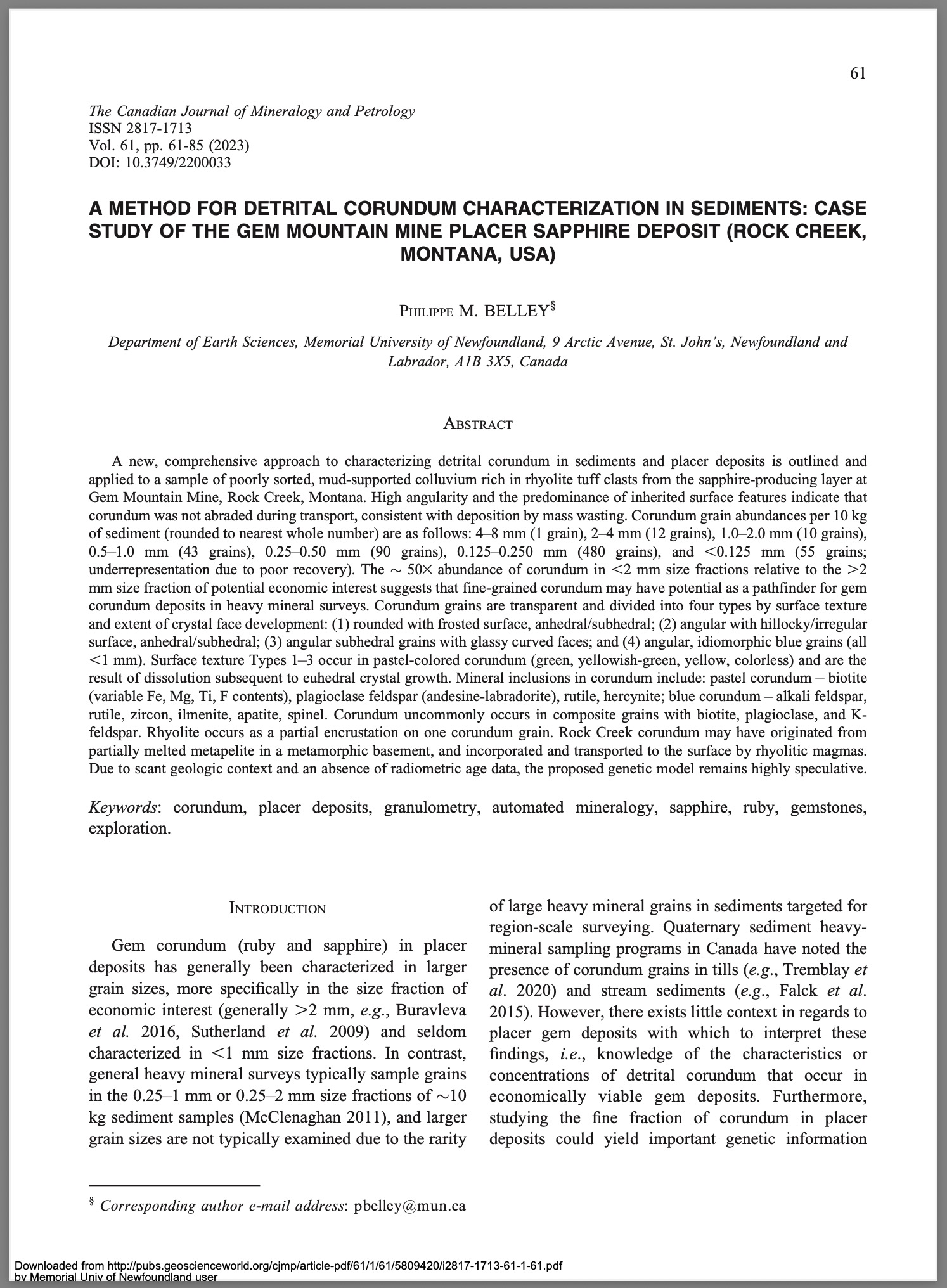
A method for detrital corundum characterization in sediments: Case study of the Gem Mountain mine placer sapphire deposit (Rock Creek, Montana, USA)

A method for detrital corundum characterization in sediments: Case study of the Gem Mountain mine placer sapphire deposit (Rock Creek, Montana, USA)

Belley, P.M. (2023)

Journal Article · Source: The Canadian Journal of Mineralogy and Petrology · Volume: Vol. 61 · Issue: No. 1 · Pages: pp. 61–85

Abstract
A new, comprehensive approach to characterizing detrital corundum in sediments and placer deposits is outlined and applied to a sample of poorly sorted, mud-supported colluvium rich in rhyolite tuff clasts from the sapphire-producing layer at Gem Mountain Mine, Rock Creek, Montana. High angularity and the predominance of inherited surface features indicate that corundum was not abraded during transport, consistent with deposition by mass wasting. Corundum grain abundances per 10 kg of sediment (rounded to nearest whole number) are as follows: 4–8 mm (1 grain), 2–4 mm (12 grains), 1.0–2.0 mm (10 grains), 0.5–1.0 mm (43 grains), 0.25–0.50 mm (90 grains), 0.125–0.250 mm (480 grains), and
Keywords
gems, corundum, USA.12, Montana.12, chemistry, geology.11, inclusions.5
Gemmological and spectral characteristics of emerald from Panjsher Valley, Afghanistan

Gemmological and spectral characteristics of emerald from Panjsher Valley, Afghanistan

Dong, X., Chen, T. and Zhou, Z. (2023)

Journal Article · Source: Journal of Gems & Gemmology · Volume: Vol. 25 · Issue: No. 6 · Pages: pp. 17–29 · Language: in Chinese with English abstract

Abstract
Quality and origin are important factors influencing the price of emeralds. Emeralds from different localities exhibit distinct gemmological characteristics that serve as key indicators for origin determination. This study investigates emerald samples from the Panjshir mining area in Afghanistan, using advanced analytical methods including optical microscopy, infrared spectroscopy, micro UV-visible–near-infrared spectroscopy, and Raman spectroscopy to examine their gemmological features, internal inclusions, chemical composition, and color origin. The color of the Afghan emeralds ranges from light green to dark green, with crystals commonly forming short hexagonal prisms or tabular shapes. Black and brown associated minerals are visible externally. Under the Chelsea filter, most samples exhibit localized red reactions. The primary inclusions are multiphase fluid inclusions—needle-like, shuttle-shaped, or tubular—containing rock salt, potassium salt, and solid minerals. Raman spectroscopy indicates that the liquid phase is predominantly H₂O, while solid inclusions are mainly calcite and hematite. Other mineral inclusions include hematite, calcite, amorphous carbon, quartz, carbonaceous matter, and apatite. LA-ICP-MS analysis shows that the main chemical components are BeO, Al₂O₃, and SiO₂, with trace elements including Ca, Mg, Ti, Li, Na, K, Rb, Cs, Cr, and V. Infrared spectroscopy reveals the presence of both Type I and Type II water, with Type II water showing stronger absorption, indicating a predominance of Type II water in these emeralds. This correlates with the high alkali metal content measured by LA-ICP-MS, as Type II water content is positively associated with alkali levels in beryl. UV-visible spectra confirm that Cr³⁺ and V³⁺ are the chromophores responsible for color. The gemmological, spectroscopic, and chemical characteristics of these Afghan emeralds provide a scientific basis for origin determination.
Keywords
gems, beryl, emerald, Afghanistan, Panjshir
Non-destructive study of Egyptian emeralds preserved in the collection of the museum of the Ecole des Mines

Non-destructive study of Egyptian emeralds preserved in the collection of the museum of the Ecole des Mines

Nikopoulou, M., Karampelas, S., Gaillou, E., Hennebois, U., Maouche, F., Herreweghe, A., Papadopoulou, L., Melfos, V., Kantiranis, N., Nectoux, D. and Delaunay, A. (2023)

Journal Article · Source: Minerals · Volume: Vol. 13 · Issue: No. 2 · Pages: pp. 158–172

Abstract
In the present study, rough emerald single crystals and rough emeralds in the host rock from the ruins of Alexandria and from Mount Zabargad in Egypt, preserved in the collection of the museum of the Ecole des Mines (Mines Paris—PSL) since the late 19th or early 20th century, are investigated. All samples were characterized by non-destructive spectroscopic and chemical methods during a week-long loan to the LFG. Raman, FTIR and UV-Vis-NIR spectroscopy revealed that Egyptian emeralds contain H₂O molecules accompanied by relatively high concentrations of alkali ions and are colored by chromium and iron. Additionally, EDXRF showed that the emeralds from Egypt contain up to 84 ppm Rb and low amounts (below 200 ppm) of Cs. Inclusions and parts of the host rock were also observed under optical microscope and analyzed with Raman spectroscopy. Tube-like structures, quartz, calcite, dolomite, albite and phlogopite are associated minerals, and inclusions are identified in these historic emeralds from Egypt. This work will hopefully further contribute to the characterization of emeralds of archaeological significance.
Keywords
gems, beryl, emerald, Egypt
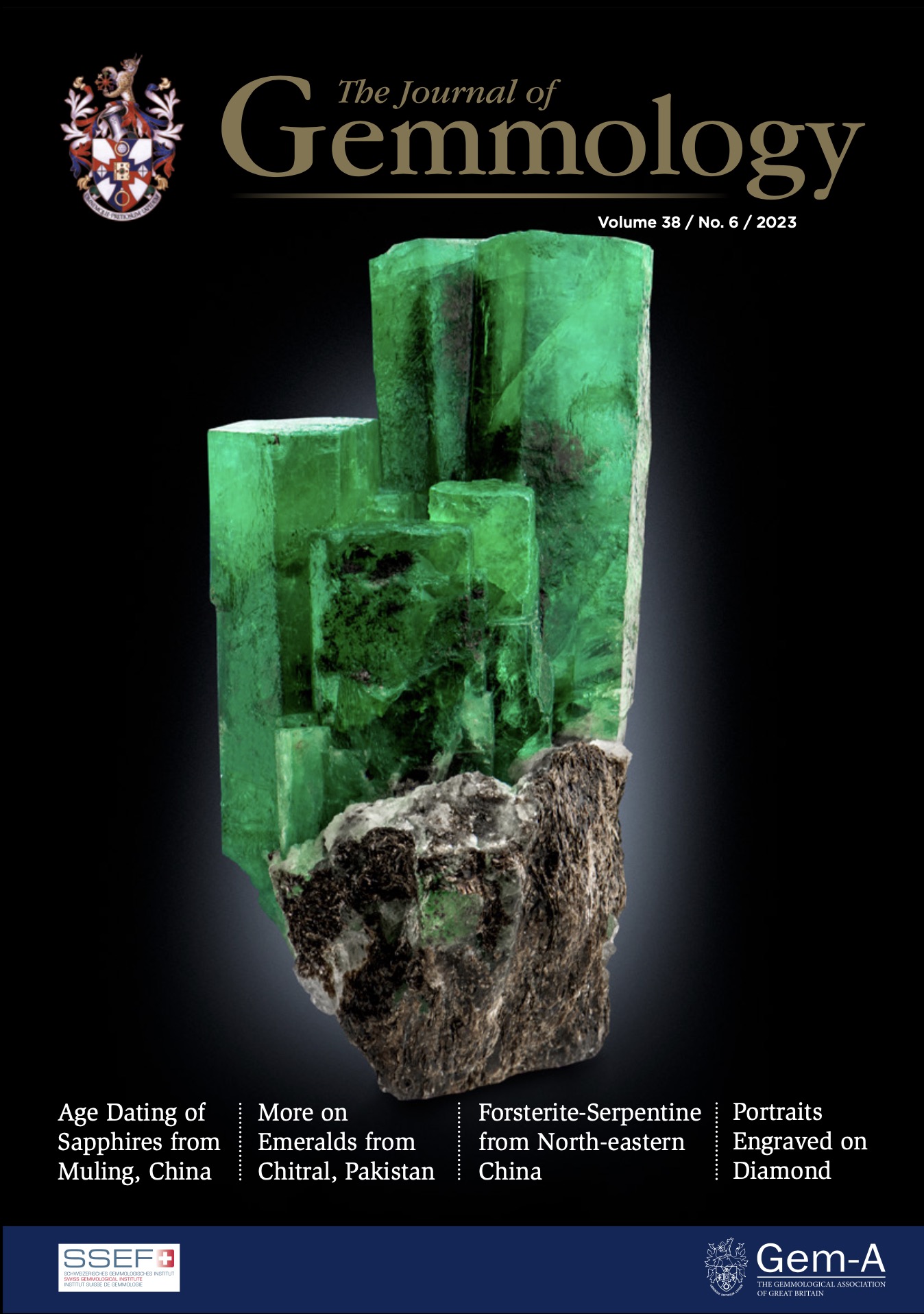
Comparison of emeralds from the Chitral District, Pakistan, with other Pakistani and Afghan emeralds

Comparison of emeralds from the Chitral District, Pakistan, with other Pakistani and Afghan emeralds

Hanser, C.S., Stephan, T., Gul, B., Häger, T. and Botcharnikov, R.E. (2023)

Journal Article · Source: Journal of Gemmology · Volume: Vol. 38 · Issue: No. 6 · Pages: pp. 582–599

Abstract
Emeralds from various deposits in Pakistan (Chitral, Swat, and Khaltaro) and Afghanistan (Panjshir and Laghman) were examined and compared. In addition, we compared the lighter-coloured Chitral emeralds from our previous study to newly acquired, more deeply coloured samples from Chitral. The specimens were characterised by Raman, FTIR, and UV–Vis–NIR spectroscopy. Chemical analyses by EPMA and LA-ICP-MS also were performed on the samples from Chitral and Khaltaro. Distinguishing features of our Chitral emeralds include a lack of three-phase inclusions, a strong Fe²⁺-related absorption at about 830 nm in the UV–Vis–NIR spectra, and elevated Cs and Li contents. These characteristics may provide clues for geographic origin determination.
Keywords
gems, beryl, emerald, Afghanistan, Pakistan, emerald origin, Chitral, Swat, Khaltaro, inclusions
Gemmological characteristic of pink spinel from Yên Bái, Vietnam

Gemmological characteristic of pink spinel from Yên Bái, Vietnam

Wu, Y. and Di, J. (2023)

Journal Article · Source: Journal of Gems & Gemmology · Volume: Vol. 25 · Issue: No. 2, March · Pages: pp. 11–20 · Language: in Chinese with English abstract

Abstract
Yên Bái in northern Vietnam is a new source of pink spinel, yet research on spinels from this locality remains limited. In this study, pink spinel samples from Yên Bái were systematically examined using conventional gemmological instruments, laser ablation inductively coupled plasma mass spectrometry (LA-ICP-MS), ultraviolet-visible absorption spectrophotometry, fluorescence spectrometry, and other analytical techniques. The results showed that the spinels from Yên Bái exhibit poor roundness, and some retain their original crystal habit. The samples range from transparent to translucent, with strong fluorescence and surface etching. Rich solid and liquid inclusions were observed under the microscope, including octahedral inclusions, tubular inclusions, and numerous fluid inclusions distributed along healing fissures. The UV-Vis absorption spectra were generally consistent across samples; however, magenta-colored stones could be distinguished from others by their low vanadium and high iron content. Most samples exhibited strong pink fluorescence, with slight variations in intensity. Two-dimensional fluorescence spectra were largely consistent and showed characteristic Cr³⁺ emission lines. Chemically, the main constituents were MgO and Al₂O₃, with SiO₂ ranging from 0.70% to 1.06% and CaO content below 0.1%—a typical signature of spinel from dolomitic-marble-type deposits. Compared to marble-hosted pink spinels from other regions, the Yên Bái material can be distinguished from spinels from Tajikistan and Tanzania based on trace elements such as Fe/Sn, Ni, and Zn, though partial overlap exists with spinels from Myanmar.
Keywords
gems, spinel, Vietnam, Luc Yen
Dehydration of diaspore and goethite during low-temperature heating as criterion to separate unheated from heated rubies and sapphires

Dehydration of diaspore and goethite during low-temperature heating as criterion to separate unheated from heated rubies and sapphires

Krzemnicki, M.S., Lefèvre, P., Zhou, W., Braun, J. and Spiekermann, G. (2023)

Electronic Article · Source: Minerals · Volume: Vol. 13 · Issue: No. 12 · Pages: 17 pp.

Abstract
Gem-quality rubies and sapphires are often commercially heat treated at about 800°C or higher to enhance their color and clarity, and hence quality. For this study, selected corundum samples containing diaspore and goethite inclusions were heated step-by-step to a maximum of 1000°C with the aim of monitoring the dehydration and phase transformation of these oxyhydroxides to corundum and hematite during heating. Based on our experiments and in agreement with the literature, the dehydration of diaspore in corundum occurs between 525 and 550°C, whereas goethite transforms to hematite between 300 and 325°C. As both diaspore and goethite may be present as inclusions in rubies, sapphires, and other corundum varieties (e.g., pink sapphires, padparadscha), these dehydration reactions and phase transformations can be considered important criteria to separate unheated from heated stones, specifically in cases in which other methods (e.g., microscopy, FTIR) are unsuccessful.
Keywords
gems, corundum, treatments.6, ruby, sapphire, low-temperature heating, diaspore, goethite, Raman
Gemological-mineralogical characteristic of spinels from Sri Lanka

Gemological-mineralogical characteristic of spinels from Sri Lanka

Lomthong, P., Schwarz, D., Zoysa, E.G., Chen, Y. and Liu, Y. (2023)

Journal Article · Source: Journal of Gems & Gemmology · Volume: Vol. 25 · Issue: No. 11, November · Pages: pp. 42–57

Abstract
A comprehensive mineralogical and gemological study was conducted on 340 unheated spinels from Sri Lanka, specifically from the mining areas of Horana, Eheliyagoda, Ratnapura, and Okkampatiya. Sri Lankan spinels exhibit a wide range of colors, including the commonly seen pink to purplish pink, as well as green and blue hues. Compared to spinels from other regions like Myanmar, Vietnam, and Tanzania, Sri Lankan spinels are notably richer in inclusions. Common inclusions across the studied areas include dolomite, apatite, zircon, and chondrodite. Additionally, spinels from Horana contain graphite and forsterite, while those from Okkampitiya include graphite and rutile. Partially healed fissures are prevalent in Okkampitiya spinels, but unlike Vietnamese spinels, dislocations and growth structures are generally absent. LA-ICP-MS analyses revealed no significant geochemical differences among the mining regions, though cobalt-blue spinels showed Co concentrations ranging from 11 to 120 ppm. UV-visible absorption spectra demonstrated variable contributions of Cr³⁺, V³⁺, and Fe²⁺, which account for the spinels’ color variations from pink, red, and orange to purple and blue-green. Infrared and Raman spectroscopy confirmed that none of the analyzed samples showed evidence of heat treatment.
Keywords
gems, spinel, inclusions, Sri Lanka
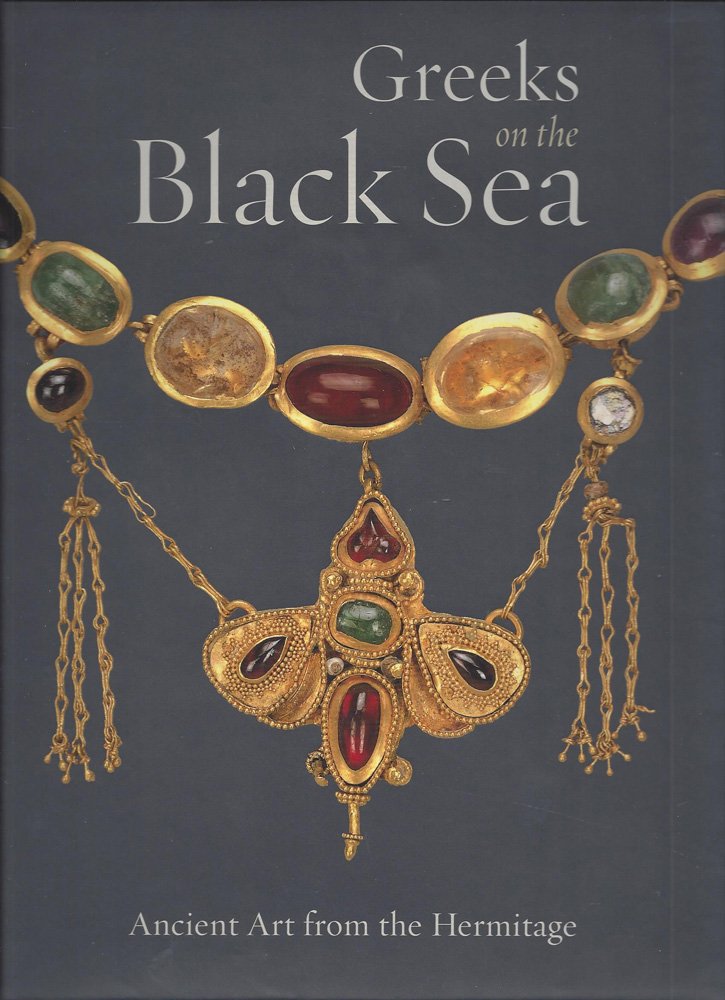
Amber | Treasures from the Baltic Sea | 16th–18th Century

Amber | Treasures from the Baltic Sea | 16th–18th Century

Kugel, A. and Kulka, R. (2023)

Book · Publisher: Kugel · Pages: 368 pp.

Abstract
From Roman times to the 18th century, many recognised the inherent value of amber and hypothesised its origin, some assuming it to be whale sperm, others, solidified lynx urine. Its mystery endowed it with medicinal virtues. Amber was recommended as a powder to cure melancholy, toothache, and epilepsy, among other ailments, and as a love filter. The occasional inclusions of insects and small animals found trapped in amber have also made it a symbol of immortality. Pliny the Elder was the first to unveil its nature as the result of plant resin, but it wasn’t until 1757 that the Russian scientist Mikhail Lomonossov determined its true origin. Amber is a fossilised resin originating, in the case of the objects exhibited, from a prehistoric forest dating back to some 30 to 40 million years, located under the Baltic Sea, between the towns of Danzig (today Gdansk in Poland) and Königsberg (today Kaliningrad in Russia), then, in East Prussia. In the 16th century, Grand Master Albert of Brandenburg-Ansbach (1490–1568) converted to Protestantism and transformed the territories of the Order of the Teutonic Knights in the Duchy of Prussia. This marked the beginning of a tremendous expansion in the trade and production of amber works of art. They became Prussia’s diplomatic gifts par excellence and were sought after to adorn the ‘Kunstkammern’ of Europe’s sovereigns and princes. It took nearly 20 years to collect the fifty pieces on display in this exhibition. Combining sculptures, caskets, tankards, and game boards, the wide variety of objects presented illustrate the fascination for amber through the 16th, 17th, and 18th centuries.
Keywords
gems, amber, amber identification, Baltic Sea, Europe, Kalingrad, Königsberg
Pink to purple sapphires from Ilakaka, Madagascar: Insights to separate unheated from heated samples

Pink to purple sapphires from Ilakaka, Madagascar: Insights to separate unheated from heated samples

Karampelas, S., Hennebois, U., Mevellec, J.-Y., Pardieu, V., Delaunay, A. and Fritsch, E. (2023)

Journal Article · Source: Minerals · Volume: Vol. 13 · Issue: No. 5 · Pages: 14 pp.

Abstract
The present study is focused on the analysis of zircon inclusions found in pink to purple sapphires from Ilakaka (Madagascar) with an optical microscope, Fourier-transform infrared (FTIR), and micro-Raman spectroscopy in order to update previous knowledge and find insights to separate heated from unheated samples. In total, 157 zircon inclusions in 15 unheated samples and 74 zircon inclusions in 6 heated samples are analysed using micro-Raman spectroscopy with standardised parameters. The full width at half maximum (FWHM) of the main Raman band due to anti-symmetric stretching vibration ν₃ of the SiO₄ tetrahedron in the zircon structure has been carefully measured. In the unheated samples, it ranges from 6.26 to 21.73 cm⁻¹ with an average of 10.74 cm⁻¹, a median of 10.04 cm⁻¹, and a standard deviation of 2.84 cm⁻¹. On the other hand, it is lower in the heated samples, ranging from 4.83 to 14.97 cm⁻¹ with an average of 7.23 cm⁻¹, median of 7.06 cm⁻¹, and standard deviation of 1.63 cm⁻¹. In our unheated samples, the FWHM was rarely below 7 cm⁻¹. In our heated samples, the FWHM was rarely above 12 cm⁻¹ but mostly below 8 cm⁻¹, with a variation restricted to less than 3 cm⁻¹ in the same sample. The present work will hopefully further contribute to more accurately identifying the low-temperature heat treatment of pink sapphires from Ilakaka, Madagascar.
Keywords
gems, corundum, treatments.6, Madagascar.12, heat treatment, Ilakaka, zircon inclusions, microraman

Exploring the Literature of Gemstone Inclusions

The literature of gemstone inclusions covers identification, origin determination, treatments, synthesis, mineral inclusions, fluid inclusions and other internal features of natural and synthetic gems.

For a curated selection of important sources, read Inclusions in Gemstones — Hyperion Literature Sources.

About Four Treasures

Four Treasures is Lotus Gemology's freely accessible gemological reference database. Use the full database to search by author, title or keyword and explore literature on gemology, mineralogy, jewelry and related fields. Where available, hyperlinks on titles may lead directly to the full publication.

Search the Complete Four Treasures Database