Ruby & Sapphire Bibliography

Ruby & Sapphire Bibliography

Explore books, articles and historical sources on ruby, sapphire and corundum in Four Treasures, the Lotus Gemology reference database. This bibliography brings together matching records from the collection, with publication details, abstracts and cover images where available.

Ruby & Sapphire References

The list below matches the terms ruby, rubies, sapphire or corundum in the database's searchable fields. Some references discuss these gems as part of a broader subject. Linked titles take you to external links where you may find the full reference.

221–240 of 4,669 matching references
Beryllium incorporation in corundum

Beryllium incorporation in corundum

Jollands, M.C. and Balan, E. (2022)

Journal Article · Source: Mineralogical Magazine · Pages: pp. 1–9

Abstract
The structure of corundum is not amenable to accommodating beryllium, yet Be is commonly added to corundum for purposes of colour modification. Where the main sites in corundum are octahedrally coordinated, Be is tetrahedrally coordinated in all known Be minerals. To attempt to explain this discrepancy, the configurations of Be in the Be–Al–O±H system were determined using density functional theory (DFT). In the Be–Al–O system, the most likely Be configuration is in triangular coordination, replacing Al and bonded to three oxygen atoms on the basal plane (large triangle) of the Al-vacant octahedral site. When H is added, OH groups form at the opposite face of the same octahedron, pointing either into or out of the site. Be–H (beryllium hydride) defects are also stable at the DFT level, with Be bonded to three O and one H. As some defects contain O–H or Be–H bonds, the DFT calculations can be corroborated by FTIR spectroscopy. Spectra recorded from 1000 corundum crystals with elevated Be confirm that bands centred at 3062 and 2490 cm⁻¹ correspond to Be-associated defects. Polarised spectra show that the band at 2490 cm⁻¹ resolves into two, one centred at 2491 cm⁻¹ with a shoulder at 2523 cm⁻¹, one of which is probably associated with a Be–H bond. The 3062 cm⁻¹ band resolves into at least three, including a major band at 3058 cm⁻¹, a shoulder at 3140 cm⁻¹, and a small, sharp band at 3082 cm⁻¹. Whilst there are caveats relating to curve fitting and baseline subtraction, the 3058 cm⁻¹ band can probably be attributed to the defect where H points into the Al-vacant octahedral site, and the 3140 cm⁻¹ band to the defect where the H points out. To our knowledge, this is the first occurrence of Be in triangular coordination proposed for a naturally occurring mineral. This substitution mechanism may also explain the high diffusivity of Be, as Be is effectively associated with its own Al vacancy.
Keywords
gems, corundum, treatments.6, beryllium diffusion
Microscopic exploration of gem and mineral surfaces

Microscopic exploration of gem and mineral surfaces

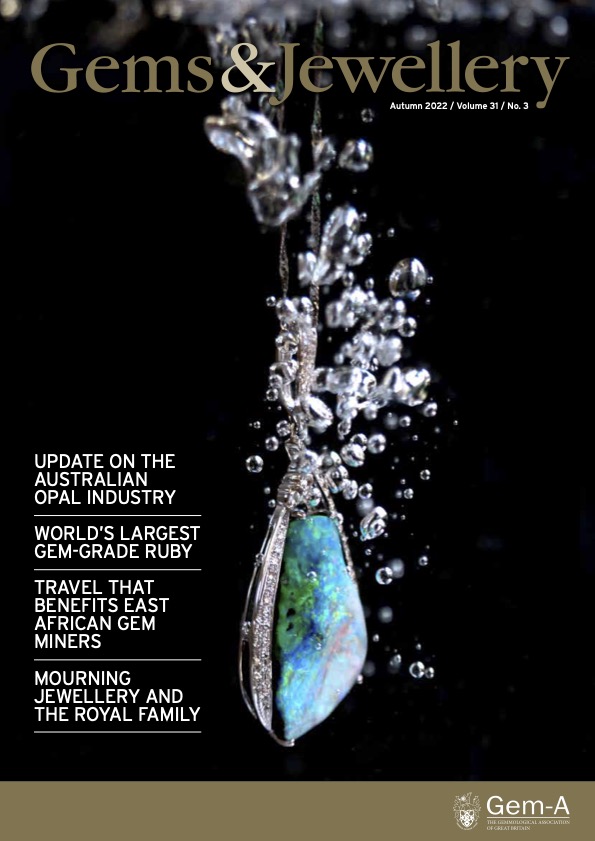
Renfro, N. (2022)

Journal Article · Source: Gems&Jewellery · Volume: Vol. 31 · Issue: No. 3 · Pages: pp. 22–25

Abstract
Nathan Renfro, GIA’s manager of colored stones, explains how studying the surface of minerals and gemstones can provide a wealth of information about the material.
Keywords
gems, corundum, inclusions.5, diamond, quartz, synthetic ruby
Inclusion and spectral characteristics of sapphire from Ilakaka, Madagascar

Inclusion and spectral characteristics of sapphire from Ilakaka, Madagascar

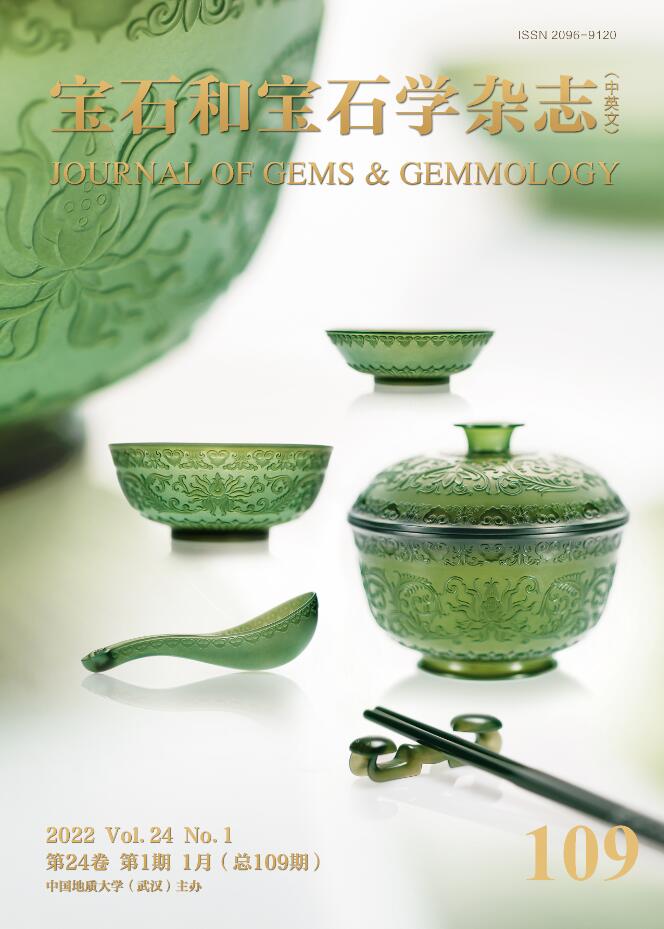
Liang, B. and Chen, M. (2022)

Journal Article · Source: Journal of Gems & Gemmology · Volume: Vol. 24 · Issue: No. 1 · Pages: pp. 28–38 · Language: in Chinese with English Abstract

Abstract
The inclusions and spectral characteristics of blue and orange sapphire from Ilakaka, Madagascar have been studied by Raman spectroscopy, infrared spectroscopy, LA-ICP-MS, UV-Vis-NIR absorption spectroscopy and fluorescence spectroscopy. This study aimed to enrich the information of characteristics of sapphire from Ilakaka, Madagascar. The results showed that the characteristic inclusions of sapphire from Ilakaka included a large number of liquid CO₂-filled negative crystals and healed fissures filled with pseudosecondary inclusions such as goethite and sulfur. It also contained a variety of solid inclusions, such as calcite, graphite, phlogopite, rutile, hematite and kaolinite. The content of Fe in sapphire was positively correlated with the intensity of blue tone. The absorption lines at 377, 387 nm and 451 nm associated with Fe³⁺ were found in all types of sapphire, and the increase of Fe content could promote the formation of Fe³⁺–Fe³⁺ exchange-coupled ion pairs and enhance the absorption at 377 nm and 451 nm. R1 (694 nm) and R2 (693 nm) fluorescence lines of Cr³⁺ were observed in the fluorescence spectra of almost all samples. Orange sapphires had wide fluorescence peaks at 400–480 nm. The low temperature annealing experiment showed that these fluorescence peaks had poor thermal stability and tended to disappear when heated to 250 °C, while the fluorescence peaks increased significantly when heated to 300 °C. The thermo behavior of those fluorescence peaks may be associated with hole centers [V_Al⁺ + O⁻] and [Mg²⁺ + O⁻].
Keywords
gems, corundum, Madagascar.12, Ilakaka, sapphire
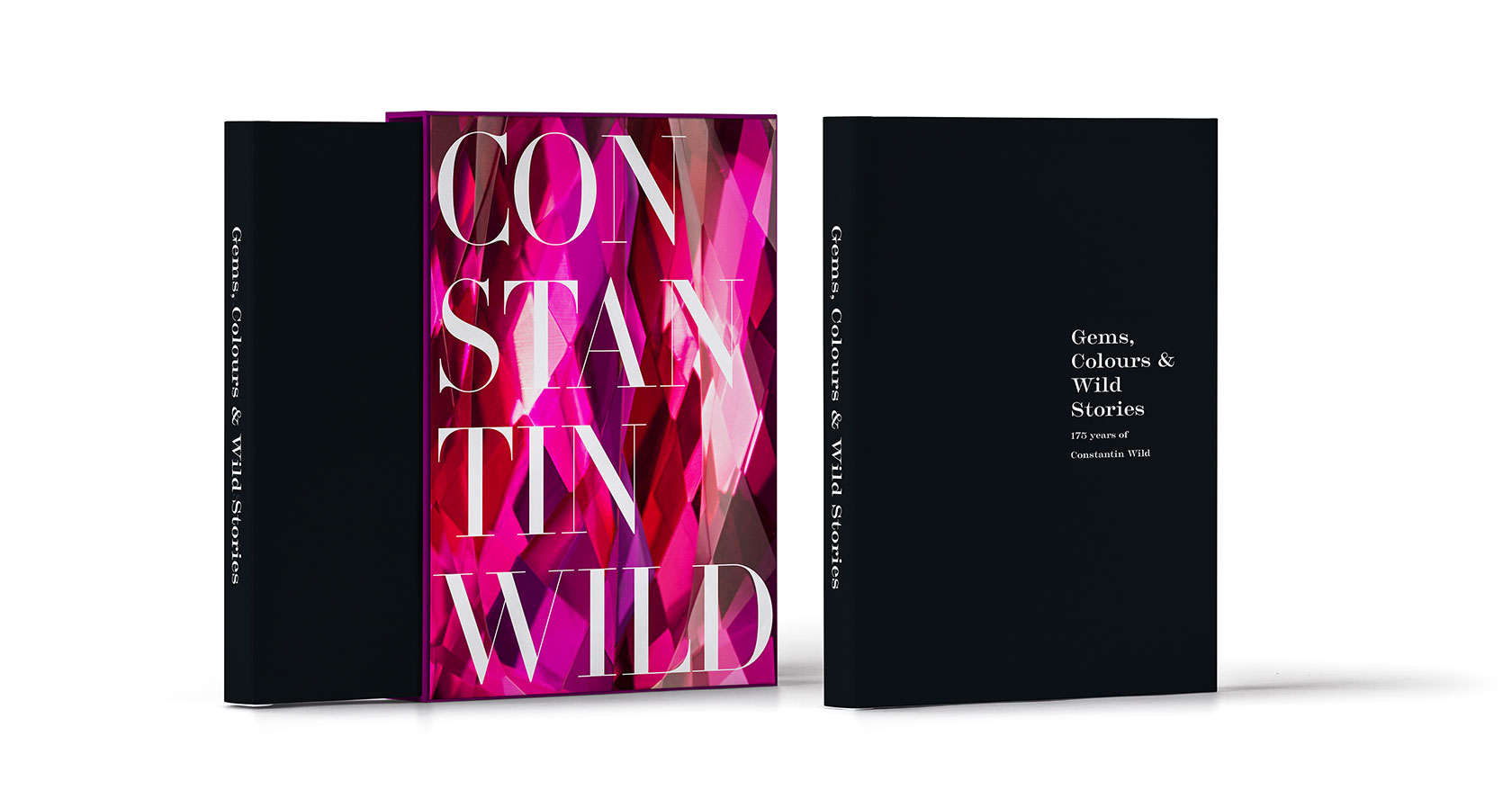
Gems, Colours and Wild Stories • 175 Years of Constantin Wild

Gems, Colours and Wild Stories • 175 Years of Constantin Wild

Wild, C. and Hald, N. (2021)

Edited Book · Publisher: Arnoldsche · Pages: 312 pp.

Abstract
Blurb: Founded in Idar-Oberstein in 1847, the company Constantin Wild has left its mark on the world of gemstones like barely any other enterprise. For its 175th anniversary, Constantin Wild, great-grandson of the company’s founder, has been out on the trail of history. He now takes us back to the beginnings of the Wild family, which looks back on a tradition of 400 years of artistic stonecutting and also in the trading of one-of-a-kind gemstones. Travel with him around the globe on the quest for the most beautiful and rarest stones. Discover sublime items of jewelry—a selection of the very best, the zenith of international haute joaillerie. Their beauty begins with the stone, and often enough this begins chez Constantin Wild: without that fine cut, by adept craftsmen and artists, the expressive color of the gemstone fails to come into its own. Only once it has been subjected to these processes can the gemstone unfold its true character, to reach its final fiery, vivacious brilliance. The opulently designed publication Gems, Colours & Wild Stories is an homage to and an affirmation of love for the irrepressible diversity of these extremely valuable gemstones. With contributions by Vivienne Becker, Katinka Champion, Maria Doulton, Richard R. Drucker, Çiğdem Lüle, Katerina Perez, and Gary Roskin. RWH: This is an outstanding publication, in terms of design and execution, from the text through the photography, layout and printing. Highly recommended.
Keywords
gems, quality analysis, aesthetics, fine gems, cutting, topaz, imperial topaz, beryl, aquamarine, Idar-Oberstein, hauyne, peridot, tourmaline, canary tourmaline, paraiba tourmaline, ruby, spinel, sapphire
The evaluation of jewellery prices in the Medieval Islamic world

The evaluation of jewellery prices in the Medieval Islamic world

Bakir, A. (2021)

Journal Article · Source: Cappadocia Journal of History and Social Sciences · Volume: Vol. 16 · Issue: April · Pages: pp. 27–76 · Language: in English with Turkish abstract

Abstract
The geographies where Muslims lived in the Middle Ages had very fertile lands in terms of underground and aboveground resources. In the vast lands from China and India in the east to Muslim Spain in the west, from the Caucasus in the north to Central Africa in the south, all metals including gold and silver, as well as all kinds of precious stones—primarily ruby and pearls, which were considered noble stones—were mined and traded. Preserving the vitality of these two areas (production and trade) was of course possible by introducing precious stones into the market in the form of jewellery and ornaments after very important processes. The excessive demand and passion for using especially the expensive stones and luxury items made from them, particularly among palace members and the wealthy stratum of the Islamic world, inevitably enlivened the market. For this reason, ruby, ruby-like, and pearl-like gemstones found buyers at very high prices in the Islamic world. However, as inexpensive precious stones also found significant buyers, especially from the middle and poor strata, they were put into the market in large quantities. Jewellery prices in the medieval Islamic world varied greatly from one country to another, from one age to another. At the same time, depending on the commercial and professional skills of the merchants, the craftsmanship of ornaments made of precious stones, the economic fluctuations of the period (such as times of prosperity or crisis), and the proximity or distance of the quarries from the place of sale, there were great differences. In this study, we tried to make an evaluation in the light of the information given by our sources about jewellery prices, which had a vibrant production and trade in the Early and Late Middle Ages since the birth of Islam. In addition, we have not neglected to mention other aspects of precious stones in order not to overwhelm the work with numbers. With this situation, the study inevitably exceeded the limit for readers and researchers. If we have a fault, be forgiven!
Keywords
gems, commerce, trade, early trade, gem prices, jewelry prices
Overview of gemstone resources in China

Overview of gemstone resources in China

Yu, X., Long, Z., Zhang, Y., Qin, L., Zhang, C., Xie, Z., Wu, Y., Yan, Y., Wu, M. and Wan, J. (2021)

Journal Article · Source: Crystals · Volume: Vol. 11 · Issue: No. 10 · Pages: 22 pp.

Abstract
Gemstones are minerals of gem qualities used for adornment and decoration with the attributes of beauty, durability and rarity. Traditionally, although China has been regarded as the most important source for nephrite, over the past decades, a large variety of gemstone resources have been newly discovered in China owing to continuous exploration works. The vast land with various geological and geochemical backgrounds is rich in gemstone resources with potential for new deposits discoveries. In pegmatites, gemstones are related to granitic magma events and mainly occur in pegmatitic cavities, such as tourmaline, aquamarine, spodumene, spessartine, moonstone, quartz, apatite, and topaz. The eruption of Tertiary basaltic magma provides gem-quality sapphire, spinel, olivine, garnet, and zircon. The supergene oxidation zones of some copper and iron deposits in Hubei and Anhui province host gem-quality turquoise and malachite. Moreover, the formation of the nephrite deposit in China is mostly related to the carbonatite and serpentinite rocks involved in the metamorphic-metasomatic processes. This paper comprehensively introduces the distribution of gemstones deposits, as well as the gemological and mineralogical characteristics of gemstones in China. Our present investigation provides insights into the gemstone potential of China for further exploitation.
Keywords
gems, gem deposits, jade, gemology, mineralogy, China
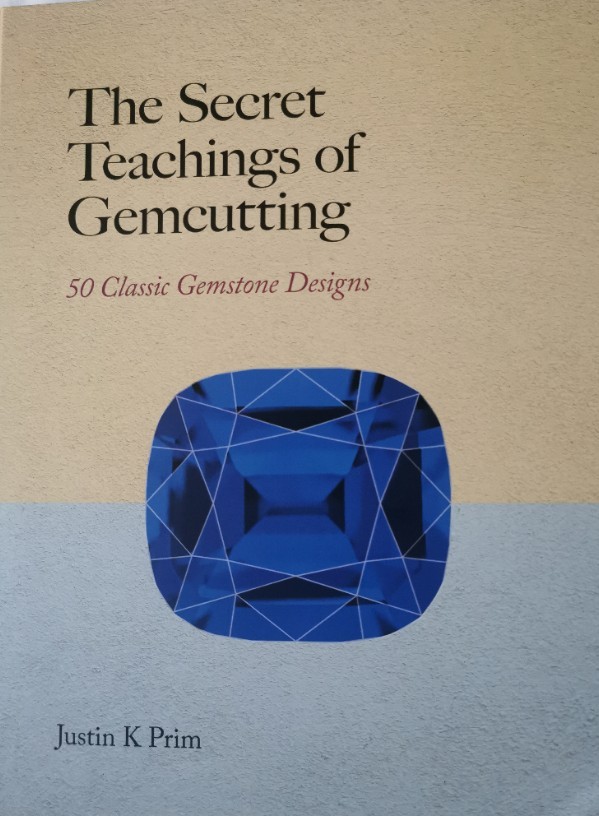
The Secret Teachings of Gemcutting — 50 Classic Gemstone Designs

The Secret Teachings of Gemcutting — 50 Classic Gemstone Designs

Prim, J.K. (2021)

Book · Publisher: Magus Publishing · Pages: 238 pp.

Abstract
The Secret Teachings of Gemcutting is a collection of classic gemstone cutting designs spanning 500 years. 50 gemstone designs are presented here with full color photos, design information, cutting advice, and historical background. This collection consists of the time tested, industry-standard gemstone designs that can been found in the jewelry from high-end brands as well as independent bespoke jewelry designers. Each design is presented in two different height options so that they are compatible with both lower RI stones (such as amethyst and emerald) and higher RI stones (such as ruby, sapphire, and spinel). Aside from the designs, the book includes 30 pages of essential gemology for cutters which contains invaluable information about gemstone design, optics, crystal systems, hand preforming, gemstone physics, modifying diagrams, pairing rough gems with appropriate designs, and more. This information is critical for cutters who want to understand how these elements influence the appearance of the final stone.
Keywords
gems, lapidary, gem cutting, France, Jura mountains
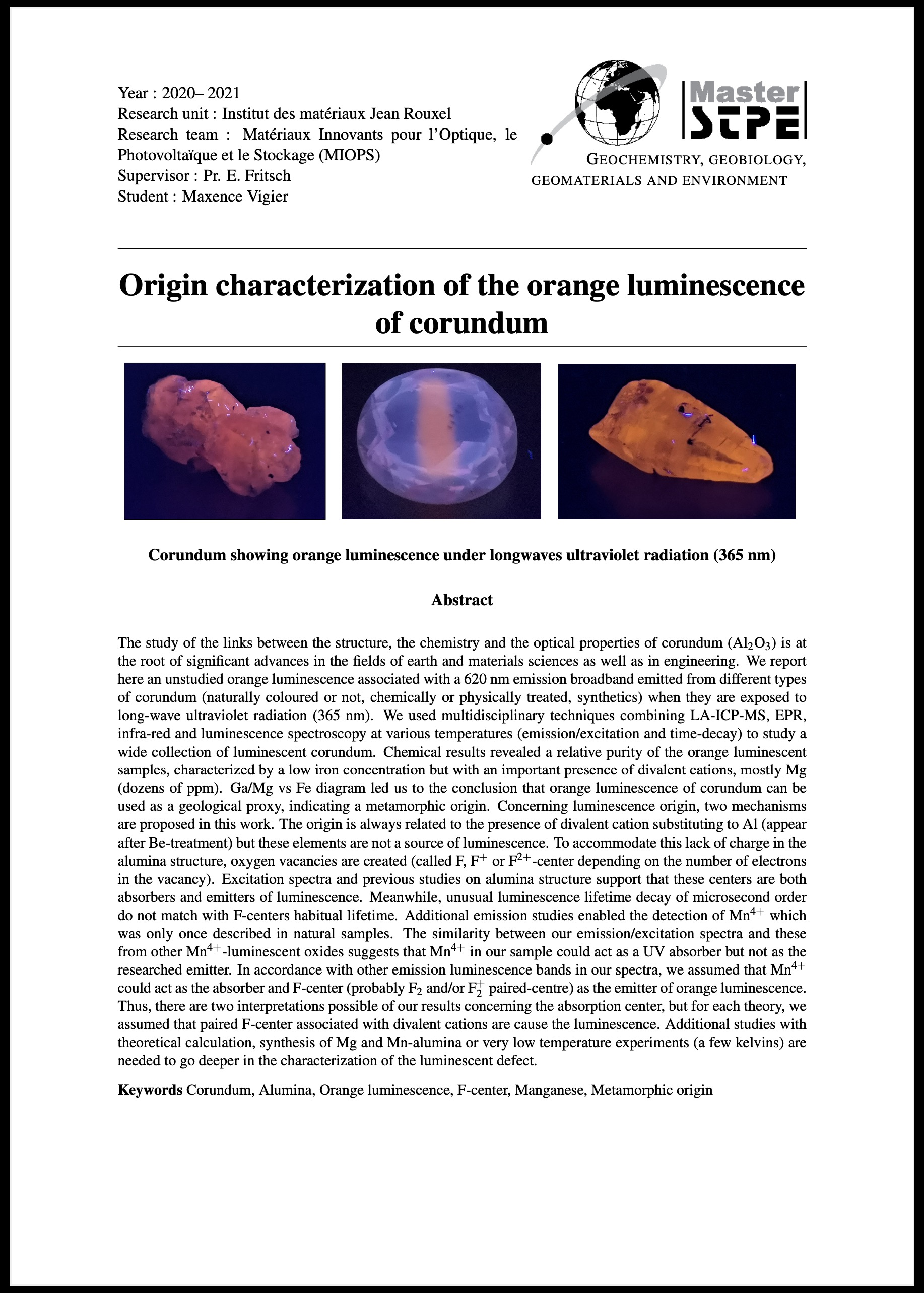
Origin characterization of the orange luminescence of corundum

Origin characterization of the orange luminescence of corundum

Vigier, M. (2021)

Thesis · Publisher: Institute of Materials Jean Rouxel (IMN) · Pages: 30 pp.

Abstract
The study of the links between the structure, chemistry, and optical properties of corundum (Al₂O₃) has led to important advances in earth and materials sciences and engineering. This work reports a previously unstudied orange luminescence, characterized by a 620 nm emission broadband observed in various types of corundum (natural, treated, synthetic) under long-wave ultraviolet radiation (365 nm). Using multidisciplinary methods—LA-ICP-MS, EPR, infrared, and temperature-dependent luminescence spectroscopy (emission, excitation, time-decay)—the study examined a broad collection of luminescent corundum. Chemically, these orange-luminescent samples were relatively pure, low in iron but notably containing divalent cations, especially Mg (in the tens of ppm). A Ga/Mg vs Fe plot suggests that this orange luminescence serves as a geological proxy for metamorphic origin. Two luminescence mechanisms are proposed. Though the presence of divalent cations substituting for Al (potentially introduced by Be-treatment) is essential, these cations are not themselves luminescent. Their substitution creates charge imbalances, accommodated by oxygen vacancies—F, F⁺, or F²⁺ centers—known to act as both absorbers and emitters. However, the observed microsecond-scale decay times are atypical of isolated F-centers. Emission studies also detected Mn⁴⁺, rarely reported in natural samples, and the similarity to Mn⁴⁺ spectra in other oxides suggests that Mn⁴⁺ might function as a UV absorber rather than the luminescent center. Consequently, the orange emission is attributed to paired F-centers (likely F₂ and/or F₂⁺) associated with divalent cations, with Mn⁴⁺ potentially playing an indirect sensitizing role. Further studies, including theoretical modeling, synthesis of Mg/Mn-doped alumina, and ultra-low temperature experiments, are needed to fully characterize the defect responsible for this luminescence.
Keywords
gems, corundum, color.4, luminescence, fluorescence
Spectral characteristics and color origin of unstable yellow sapphire

Spectral characteristics and color origin of unstable yellow sapphire

Wang, Y., Yang, L., Li, M., Yang, P., Shen, A.H. and Wang, C. (2021)

Journal Article · Source: Spectroscopy and Spectral Analysis · Volume: Vol. 41 · Issue: No. 8 · Pages: pp. 2611–2617 · Language: in Chinese

Abstract
Yellow sapphire is one of the most obvious color instability reported. Color instability of gemstones refers to the phenomenon that gemstones are exposed to ultraviolet or sunlight to produce color changes visible to the naked eye. The color instability of gemstones has attracted attention as early as 1981. Schiffmann[1] reported that a yellow sapphire from Sri Lanka faded significantly to light yellow after 36 hours of irradiation under 365 nm ultraviolet light. In recent years, Cara Williams et al. [2] reported in 2016 that the color of a yellow sapphire of unknown origin changed from yellow to colorless after being heated at low temperature, and returned to yellow when exposed to long-wave ultraviolet or sunlight for a period of time. In 2018, Michael S Krzemnicki et al. [3] found that this color instability also appeared in the color Papalacha sapphire. This phenomenon of color instability greatly affects the commercial value of gemstones and is not conducive to market stability. How to effectively identify this color unstable gemstone and what will lead to the emergence of gemstone color instability is an important topic in current gemology research.
Keywords
gems, corundum, color.4, treatments.6, irradiation, irradiation paper on ruby, yellow sapphire
On the complexity of spinels: Magnetic, electronic, and polar ground states

On the complexity of spinels: Magnetic, electronic, and polar ground states

Tsurkan, V., Krug von Nidda, H.-A., Deisenhofer, J., Lunkenheimer, P. and Loidl, A. (2021)

Journal Article · Source: Physics Reports · Volume: Vol. 926 · Issue: 3 September · Pages: pp. 1–86

Abstract
This review aims to summarize more than 100 years of research on spinel compounds, mainly focusing on the progress in understanding their magnetic, electronic, and polar properties during the last two decades. Over the years, more than 200 different spinels, with the general formula AB₂X₄, were identified or synthesized in polycrystalline or single-crystalline form. Many spinel compounds are magnetic insulators or semiconductors; however, a number of spinel-type metals exist including superconductors and some rare examples of d-derived heavy-fermion compounds. In the early days, they gained importance as ferrimagnetic or even ferromagnetic insulators with relatively high saturation magnetization and high ordering temperatures, with magnetite being the first magnetic mineral known to mankind. From a technological point of view, spinel-type ferrites with the combination of high electrical resistance, large magnetization, and high magnetic ordering temperature made them promising candidates for many applications. However, spinels are also known as beautiful gemstones, with the famous “Black Prince’s Ruby” in the front centre of the Imperial State Crown. In addition, spinels are important for earth tectonics, and the detection of magnetite in a Martian meteorite even led to the speculation of life on Mars. However, most importantly in the perspective of this review, spinels played an outstanding role in the development of concepts of magnetism, in testing and verifying the fundamentals of magnetic exchange, in understanding orbital-ordering and charge-ordering phenomena including metal-to-insulator transitions, in developing the concepts of magnetic frustration, in establishing the importance of spin–lattice coupling, and in many other aspects. The still mysterious Verwey transition in magnetite was one of the very first illuminating examples of this complexity, which results from the fact that some ions can exist in different valence states in spinels, even at a given sublattice. In addition, the A-site as well as the B-site cations in the spinel structure form lattices prone to strong frustration effects resulting in exotic ground-state properties. The A-site ions are arranged in a diamond lattice. This bipartite lattice shows highly unusual ground states due to bond-order frustration, with a strength depending on the ratio of inter- to intra-sublattice exchange interactions of the two interpenetrating face-centred cubic lattices. The occurrence of a spiral spin-liquid state in some spinels is an enlightening example. Very recently, even a meron (half-skyrmion) spin structure was identified in MnSc₂S₄ at moderate external magnetic fields. In case the A-site cation is Jahn–Teller active, additional entanglements of spin and orbital degrees of freedom appear, which can give rise to a spin–orbital liquid or an orbital glass state. In systems with such a strong entanglement, the occurrence of a new class of excitations—spin–orbitons—has been reported. The B-site cations form a pyrochlore lattice, one of the strongest contenders of frustration in three dimensions. A highly degenerate ground state with residual zero-point entropy and short-range spin ordering according to the ice rules is one of the fascinating consequences, which is known already for more than 50 years. At low temperatures, in B-site spinels the occurrence of spin molecules has been reported, strongly coupled spin entities, e.g., hexamers, with accompanying exotic excitations. A spin-driven Jahn–Teller effect is a further possibility to release magnetic frustration. This phenomenon has been tested in detail in a variety of spinel compounds. In addition, in spinels with both cation lattices carrying magnetic moments, competing magnetic exchange interactions become important, yielding ground states like the time-honoured triangular Yafet–Kittel structure. Very recently, it was found that under external magnetic fields this triangular structure evolves into very complex spin orders, which can be mapped on spin super-liquid and spin super-solid phases. In addition, due to magnetic frustration, competing interactions, and coupling to the lattice, very robust magnetization plateaus appear in a variety of spinel compounds as function of an external magnetic field. Furthermore, spinels gained considerable importance in elucidating the complex physics driven by the interplay of spin, charge, orbital, and lattice degrees of freedom in materials with partly filled d shells. This entanglement of the internal degrees of freedom supports an exceptionally rich variety of phase transitions and complex ground states, in many cases with emerging functionalities. It also makes these materials extremely susceptible to temperature, pressure, or external magnetic and electric fields, an important prerequisite to realize technological applications. Finally, yet importantly, there exists a long-standing dispute about the possibility of a polar ground state in spinels, despite their reported overall cubic symmetry. Indeed, recently a number of multiferroic spinels were identified, including multiferroic spin super-liquid and spin super-solid phases. The spinels also belong to the rare examples of multiferroics, where vector chirality alone drives long-range ferroelectric order. In addition, a variety of spinel compounds were investigated up to very high pressures up to 40 GPa and in high magnetic fields up to 100 T, revealing complex (p,T) and (H,T)-phase diagrams.
Keywords
gems, spinel compounds, spinel chemistry, spinel
Raman spectroscopic investigation of zircon in gem-quality sapphire: Application in origin determination

Raman spectroscopic investigation of zircon in gem-quality sapphire: Application in origin determination

Xu, W. and Krzemnicki, M.S. (2021)

Journal Article · Source: Journal of Raman Spectroscopy · Volume: Vol. 52

Abstract
In this study, zircon inclusions in selected 115 unheated sapphires originating from metamorphic deposits were studied by confocal micro‐Raman spectroscopy. By comparing Raman features of zircon inclusions in gem‐quality sapphires from Myanmar, India (Kashmir), Sri Lanka, and Madagascar, it could be established that those of younger age (sapphires from Myanmar and India [Kashmir]) contain zircon inclusion which exhibit relatively low ʋ1 and ʋ3 band positions and also smaller FWHM (ʋ3) than those in the older sapphires from Sri Lanka and Madagascar. Binary plotting of ʋ1 versus ʋ3 frequencies (Figure 3) and ʋ3 wavenumber versus FWHM of the studied zircon inclusions provide a method to distinguish young sapphires formed during Alpine‐Himalayan orogeny (Kashmir, Myanmar) from those related to the Pan‐African orogeny (Sri Lanka, Madagascar). This study shows the potential of the non‐destructive method on zircon inclusions in sapphires to be used to distinguish their origin as a service to the commercial gem trade. Zircon inclusions in selected 115 unheated sapphires originating from metamorphic deposits—Myanmar, India (Kashmir), Sri Lanka, and Madagascar—were studied by confocal micro‐Raman spectroscopy. This study shows the potential of the non‐destructive method on zircon inclusions in sapphires to be used to distinguish their origin as a service to the commercial gem trade.
Keywords
gems, corundum, inclusions.5, India.12, Kashmir sapphire, Madagascar.12, Sri Lanka.12, Burma.12, zircon
Sintered transparent polycrystalline ceramics: The next generation of fillers for clarity enhancement in corundum

Sintered transparent polycrystalline ceramics: The next generation of fillers for clarity enhancement in corundum

Mansoor, M., Mansoor, M., Mansoor, M., Themelis, T. and Şahin, F.Ç. (2021)

Journal Article · Source: Synthesis and Sintering · Volume: Vol.1 · Pages: pp. 183–188

Abstract
A significant proportion of mined natural corundum (ruby and sapphire) contains fractures, which negatively affect a gemstone’s clarity and value. Over the past decades, heat treatment techniques have been developed for either fracture healing or filling to make such gems marketable. The clarity enhancement processes are mainly based on techniques which are either not durable, as in the case of lead silicate fillers, or do not yield perfect transmittance through a fracture, as in the case of borax-based fluxes. Therefore, the gemstone treatment community is actively in pursuit of better techniques for clarity enhancement in corundum. Given that application of pressure is a recent advancement in the heat treatment processes of natural sapphire, it is essential to explore the possibilities regarding different outcomes such treatments can have. In this perspective paper, we have briefly described how the application of pressure during heat treatments can lead to in-situ sintering of transparent polycrystalline ceramics within the fractures of corundum, which can result in clarity enhancement. Spinel-structure-based fillers can be tailored to mimic corundum in terms of tribological, chemical, and optical properties. Therefore, gemstones treated with such fillers will be durable, unlike currently used glass-based filler material. We also provide a possible explanation for ghost-fissures in sapphires heated under pressure, as being a by-product of an in-situ sintering process of ceramic fillers that are thermodynamically compatible with Al₂O₃. The prospect of transparent polycrystalline ceramics in the gem and jewelry industry opens a new field of research in this area, given that ceramic fillers can outperform currently used methods and materials for clarity enhancement in gemstones. In essence, we present a novel application for sintered transparent polycrystalline ceramics.
Keywords
gems, corundum, treatments.6
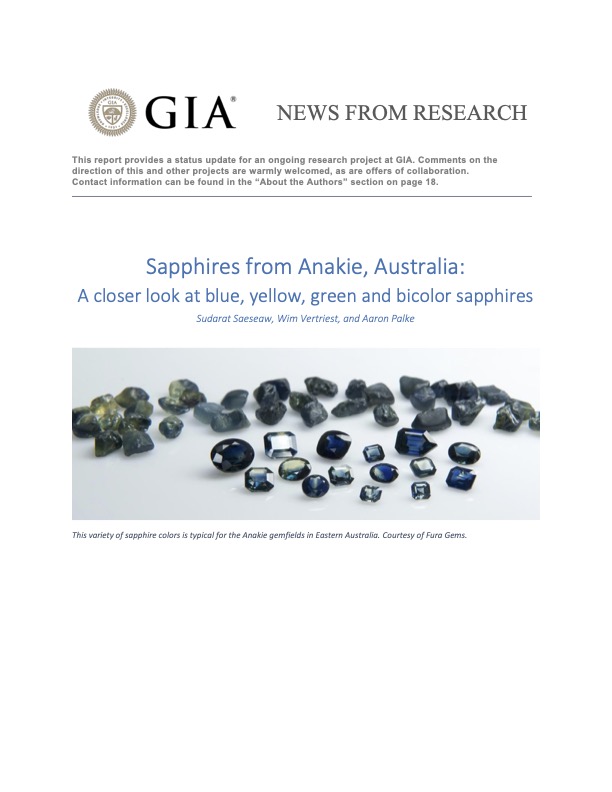
Sapphires from Anakie, Australia: A Closer Look at Blue, Yellow, Green and Bicolor Sapphires

Sapphires from Anakie, Australia: A Closer Look at Blue, Yellow, Green and Bicolor Sapphires

Saeseaw, S., Vertriest, W. and Palke, A. (2021)

Report · Source: GIA News from Research · Publisher: Gemological Institute of America · Pages: 18 pp.

Abstract
Australia has a long and rich sapphire mining history, yet the blue gems from Down Under have rarely been fully appreciated. While they were most desired in the early 1900s, their position has faded to the background. That doesn’t mean that mining stopped; both large and small operations kept operating in the last decades. Recent efforts have cast a new light on the variety of sapphires in Australia, which includes classic blues and yellow, green, and bicolor stones. This suite of colors is also referred to as BGY sapphires, which are classically related to alkali-basalt eruptions. In this study, we take a deeper look at the colors of these sapphires and what caused them, as well as the inclusion scenes observed in these gems.
Keywords
gems, corundum, Australia.12, Queensland, Rubyvale, Sapphire
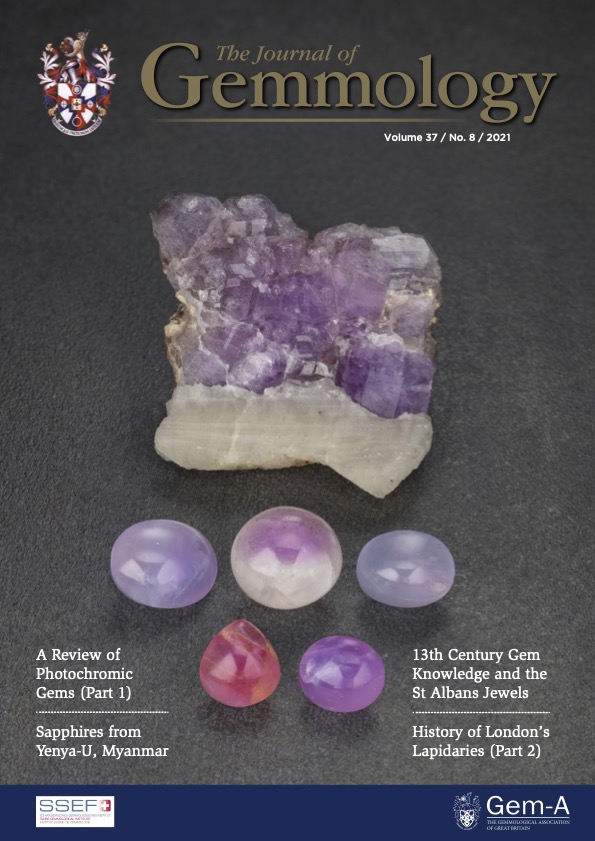
Gem knowledge in the thirteenth century: The St Alban jewels

Gem knowledge in the thirteenth century: The St Alban jewels

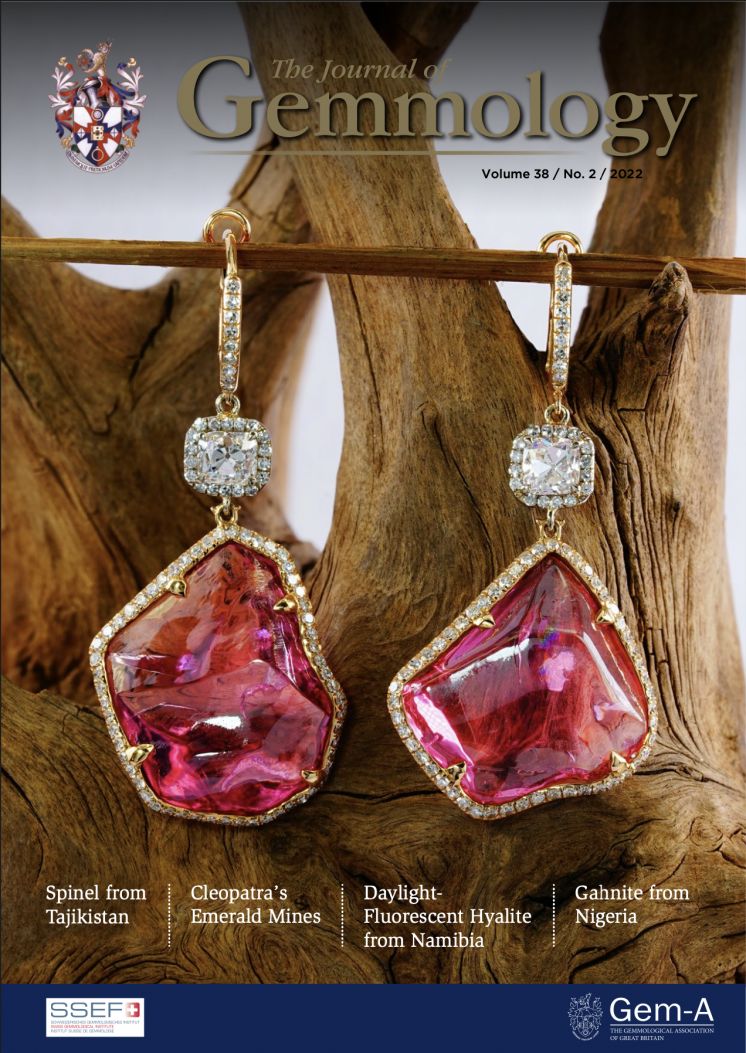
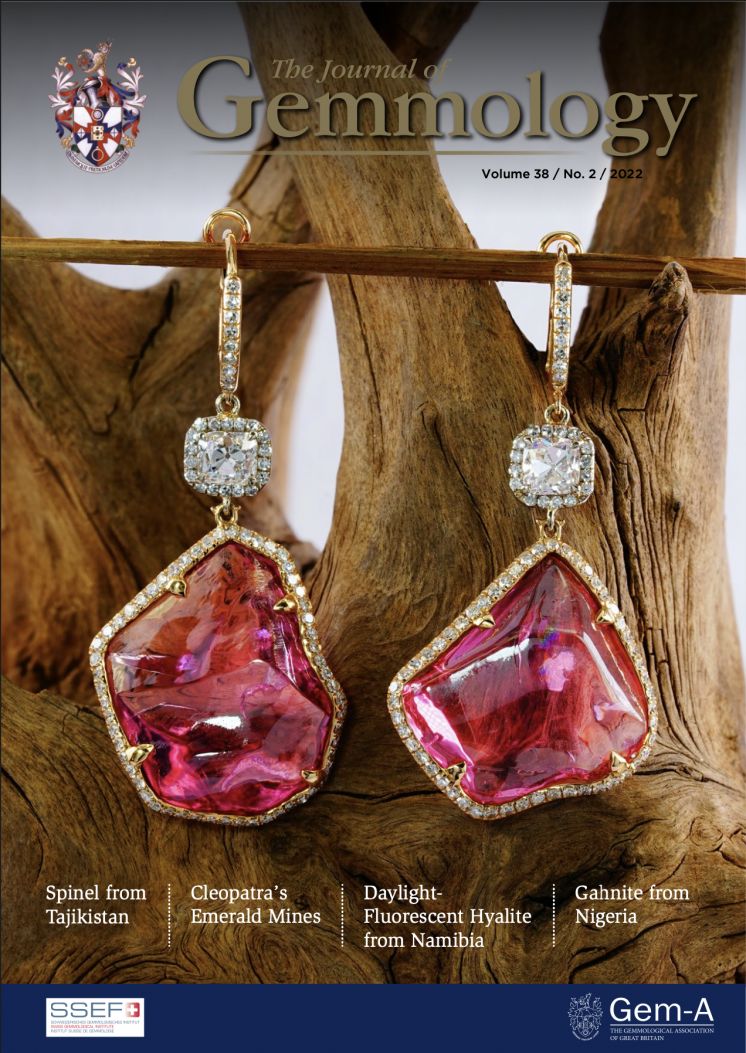
Ogden, J.M. (2021)

Journal Article · Source: Journal of Gemmology · Volume: Vol. 37 · Issue: No. 8 · Pages: pp. 816–834

Abstract
Medieval documents can provide information about the types of gems in use at that time and their terminology. Some such texts show a level of sophistication regarding what we might consider to be early gemmology, prompting questions as to how such knowledge was passed on. This article considers the range of gems used in thirteenth-century England and the level of gemmological knowledge at the time, based on an inventory of the treasures owned by St Albans Abbey that was drawn up in 1257. The compiler was the monk and polymath Matthew Paris (ca. 1200–1259), and the inventory is noteworthy for its detailed descriptions and colour paintings of each object. From these we can learn about the range of gems familiar during that period, as well as the way in which different qualities and origins were described, and even some terminology used for jewellery settings.
Keywords
gems, corundum, History.1, sapphire, ruby
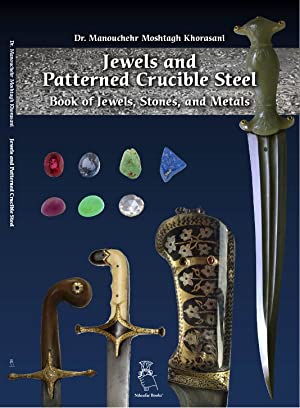
Jewels and Patterned Crucible Steel: Books of Jewels, Stones, and Metals

Jewels and Patterned Crucible Steel: Books of Jewels, Stones, and Metals

Khorasani, M.M. (2021)

Book · Publisher: Niloufar Books · Pages: 178 pp.

Abstract
The present book is a translation and annotation of a copy of the Persian book Goharnāmeh [Book of Jewels] written by Mohammad ben Mansur. The manuscript has 110 sheets and each page consists of 19 lines. The manuscript is written in Persian in naste’aliq script. Mohammad ben Mansur wrote the manuscript Goharnāmeh for the ruler Uzun Hasan Āq Qoyonlu in the 9th-century hijra (15th century CE), mentioning the name of the son of Sultan Ozun Hasan Āq Qoyonlu, namely Sultan Xalil as well. In the first section of his book, Ben Mansur talks about different types of stones. This part consists of twenty-one parts. In the second section of his book, Ben Mansur explains different types of metals. The present book clearly shows that patterned crucible steel was considered a gohar (jewel) in Persian. The book consists of the following parts; 1. Introduction: This part provides the historical background of the manuscript, its author, and the topics of the manuscript. 2. Goharnāmeh [Book of Jewels] by Mohammad ben Mansur: This part provides a detailed analysis and comparison of similar books of jewels and gems in Persian and places it in its historical context. 3. Mines and farms/fisheries: This part talks about the geographical locations of mines and pearl fisheries as described in the Goharnāmeh, and interestingly, it measures all these locations from the Persian Gulf, Sri Lanka, Egypt, and other locations in comparison to the geographical location of Canary Islands. 4. Classification of stones and animal products: This section describes all precious stones, semi-precious stones, and other stones, animal products, and metals as described in the book Goharnāmeh, and compares its descriptions to the modern geological and scientific descriptions of these items. The precious, semi-precious stones, and other stones include: yāqut (ruby, oriental topaz, white sapphire, pleonaste, oriental emerald, sapphire); emerald; peridot; diamond; chrysoberyl cat’s eye; spinel (shades of red, garnet red, yellow, blue, green, brown, orange and black); turquoise (green and blue); chalcedony (agate and carnelian, blue chalcedony and other colors); precious stones resembling yāqut (zircon, garnet, and bādehenj); onyx; magnet; corundite (emery); malachite; lapis lazuli; jade; rock crystal; amethyst; jetstone; rain stone; jaundice stone; limestone; olive stone; eaglestone; blood stone; milk stone; mouse stone; moonstone; color stone; sleep stone; miskal stone; marcasite;
Keywords
gems, metals, Arabic mineralogy, ruby, sapphire, spinel, pearl, corundum, history.1, jade, Fischer-Other

Exploring the Literature of Corundum

Ruby and sapphire research spans mineralogy, gem deposits, identification, treatments, synthesis and the history of the gem trade. Older publications can also be useful for tracing terminology, early observations and accounts of mining localities. Publication dates and the original source should be considered when using historical descriptions.

For an introduction to collecting books on this subject, read Ruby & Sapphire Books: Collecting the Literature of Corundum.

About Four Treasures

Four Treasures is Lotus Gemology's freely accessible gemological reference database. Use the full database to search by author, title or keyword and explore literature on gemology, mineralogy, jewelry and related fields. Where available, hyperlinks on titles may lead directly to the full publication.

Search the Complete Four Treasures Database