Ruby & Sapphire Bibliography

Ruby & Sapphire Bibliography

Explore books, articles and historical sources on ruby, sapphire and corundum in Four Treasures, the Lotus Gemology reference database. This bibliography brings together matching records from the collection, with publication details, abstracts and cover images where available.

Ruby & Sapphire References

The list below matches the terms ruby, rubies, sapphire or corundum in the database's searchable fields. Some references discuss these gems as part of a broader subject. Linked titles take you to external links where you may find the full reference.

241–260 of 4,669 matching references
The early modern global trade of diamonds and gems: An Armenian family firm on the crossroads of caravan and maritime trade (ca. 1670–1730)

The early modern global trade of diamonds and gems: An Armenian family firm on the crossroads of caravan and maritime trade (ca. 1670–1730)

Tajiryan, S. (2020)

Thesis · Publisher: University of California, Los Angeles · Volume: PhD thesis · Pages: 293 pp.

Abstract
This dissertation analyzes the Early Modern global luxury commodity trade of diamonds and gems conducted between the Indian Subcontinent and the Mediterranean during 1670s and 1730s. It examines the involvement of the Armenian mercantile network of merchants from New Julfa, Isfahan in this global trade by focusing on the previously unpublished and unstudied body of archival documents from state and private archives in Italy, the UK, Armenia, Iran and beyond. By focusing on a single family firm of professional gem merchants, the Minasians, their network of agents and business activities, this dissertation argues against the previously presumed idea by economic historians that early modern Asian merchants and family firms were merely peddlers in the face of the European chartered joint-stock companies. Operating from Isfahan and Livorno all the way to the Russian, Ottoman and Mughal Empires, the previously little-studied Minasian archival documents demonstrate that these gem merchants’ business ventures covered vast distances and included all three “gunpowder empires” of the early modern period. This dissertation also sheds light on the specifics of decision making, as well as the role of social capital in the long-distance business operations of this family firm. It argues that the systematic circulation of information and market knowledge played a key role in the business and decision-making culture of this family firm. Moreover, their detailed knowledge of early modern gem markets and the efficient information circulation through correspondence provided the most accurate, combined use of the caravan and maritime trade routes, whichever was cheaper and safer at any one moment. By offering a new narrative on the agency of the Minasian family firm in the early modern Eurasian long-distance trade, this dissertation makes an argument that the above-mentioned practices could be representative of a bigger body of Asian family firms operating in late seventeenth and eighteenth century Eurasia.
Keywords
gems, history of gemology, history of the gem trade, Russia, Ottomans, Mughal, diamond, ruby
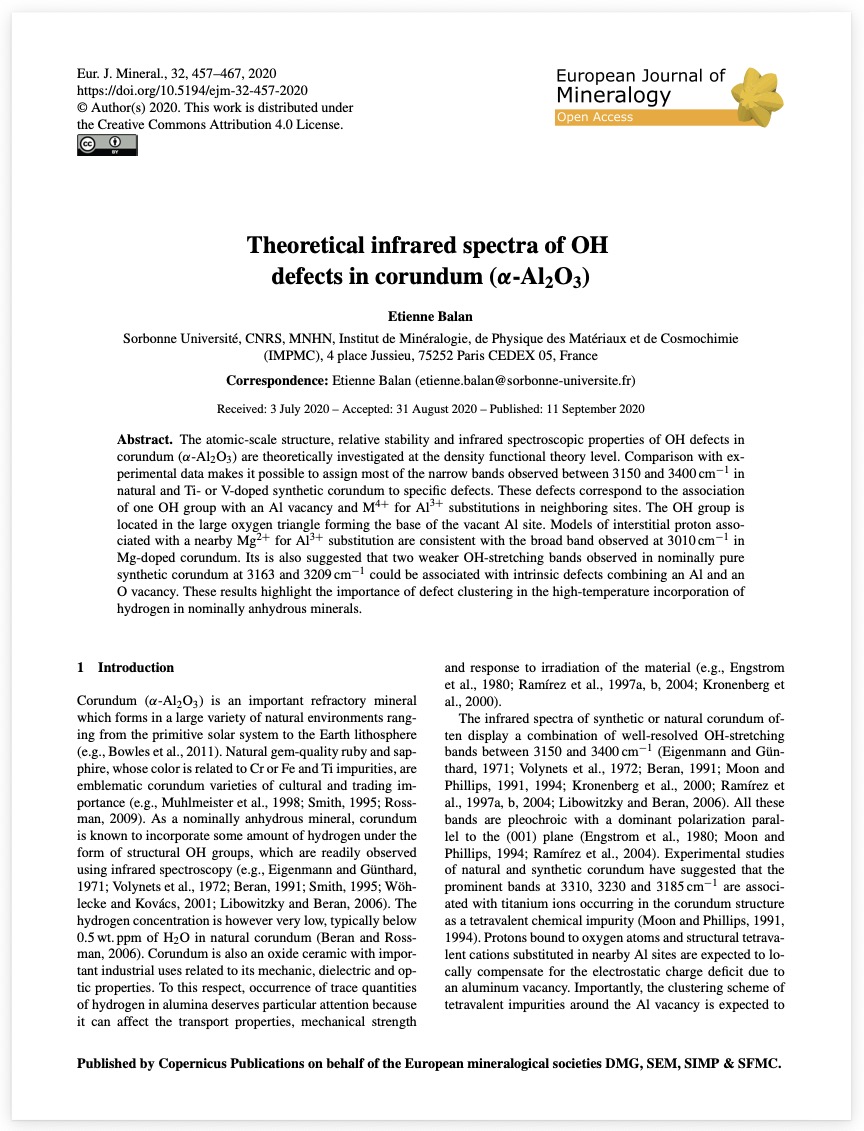
Theoretical infrared spectra of OH defects in corundum (α-Al₂O₃)

Theoretical infrared spectra of OH defects in corundum (α-Al₂O₃)

Balan, E. (2020)

Journal Article · Source: European Journal of Mineralogy · Volume: Vol. 32 · Issue: No. 5 · Pages: pp. 457–467

Abstract
The atomic-scale structure, relative stability and infrared spectroscopic properties of OH defects in corundum (α-Al₂O₃) are theoretically investigated at the density functional theory level. Comparison with experimental data makes it possible to assign most of the narrow bands observed between 3150 and 3400 cm⁻¹ in natural and Ti- or V-doped synthetic corundum to specific defects. These defects correspond to the association of one OH group with an Al vacancy and M⁴⁺ for Al³⁺ substitutions in neighboring sites. The OH group is located in the large oxygen triangle forming the base of the vacant Al site. Models of interstitial proton associated with a nearby Mg²⁺ for Al³⁺ substitution are consistent with the broad band observed at 3010 cm⁻¹ in Mg-doped corundum. It is also suggested that two weaker OH-stretching bands observed in nominally pure synthetic corundum at 3163 and 3209 cm⁻¹ could be associated with intrinsic defects combining an Al and an O vacancy. These results highlight the importance of defect clustering in the high-temperature incorporation of hydrogen in nominally anhydrous minerals.
Keywords
gems, corundum, synthetic corundum.7, spectroscopy, FTIR
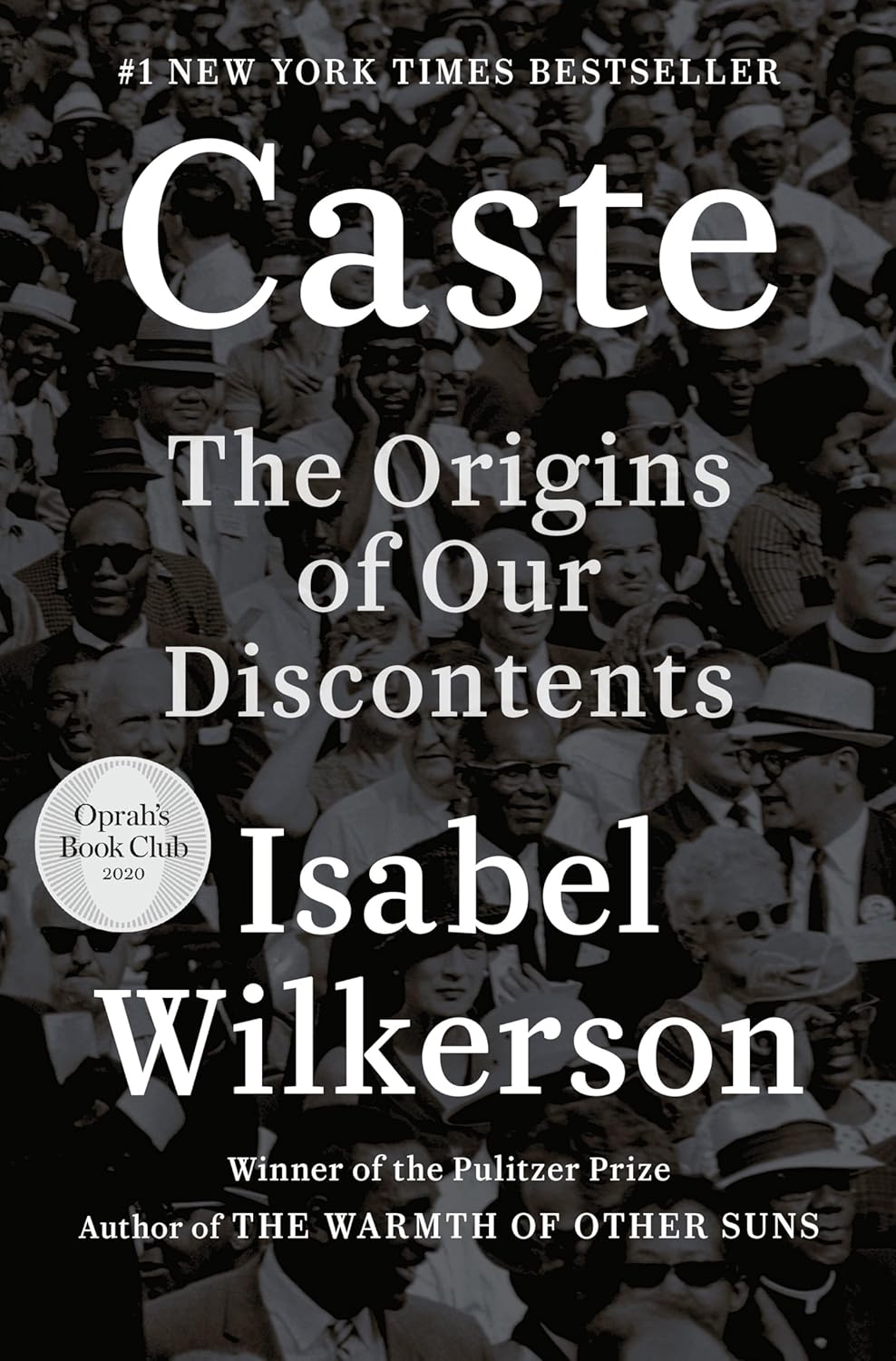
Caste | The Origins of Our Discontents

Caste | The Origins of Our Discontents

Wilkerson, I. (2020)

Book · Publisher: Random House · Pages: 544 pp.

Abstract
“As we go about our daily lives, caste is the wordless usher in a darkened theater, flashlight cast down in the aisles, guiding us to our assigned seats for a performance. The hierarchy of caste is not about feelings or morality. It is about power—which groups have it and which do not.” Beyond race, class, or other factors, there is a powerful caste system that influences people’s lives and behavior and the nation’s fate. Linking the caste systems of America, India, and Nazi Germany, Isabel Wilkerson explores eight pillars that underlie caste systems across civilizations, including divine will, bloodlines, stigma, and more. Using riveting stories about people—including Martin Luther King, Jr., baseball’s Satchel Paige, a single father and his toddler son, Wilkerson herself, and many others—she shows the ways that the insidious undertow of caste is experienced every day. Finally, she points forward to ways America can move beyond the artificial and destructive separations of human divisions, toward hope in our common humanity.
Keywords
gems, origin determination, ruby, sapphire
Low-temperature heat treatment of pink sapphires from Ilakaka, Madagascar

Low-temperature heat treatment of pink sapphires from Ilakaka, Madagascar

Saeseaw, S., Khowpong, C. and Vertriest, W. (2020)

Journal Article · Source: Gems & Gemology · Volume: Vol. 56 · Issue: No. 4, Winter · Pages: pp. 448–457

Abstract
Rutile, titanium dioxide (TiO₂), is a tetragonal mineral that generally occurs in corundum as silk (exsolution-formed needles), dust-like exsolution particles, or macroscopic crystal inclusions. Rutile crystals can have orange to deep red-brown coloration, and the crystal shapes can be rounded or euhedral. The author recently examined a 4.24 ct faceted transparent blue sapphire from Afghanistan. The stone contained dusty flake-like inclusions, naturally healed fractures, lathe-like inclusions, twinning, rounded colorless crystals identified as apatite (RRUFF R040098), and an unusual long prismatic orange crystal identified as rutile (RRUFF R040049). This rutile crystal shape (figure 12) is not typical for corundum, particularly in blue sapphire.
Keywords
gems, corundum, treatments.6, inclusions.5, Madagascar.12, pink sapphire
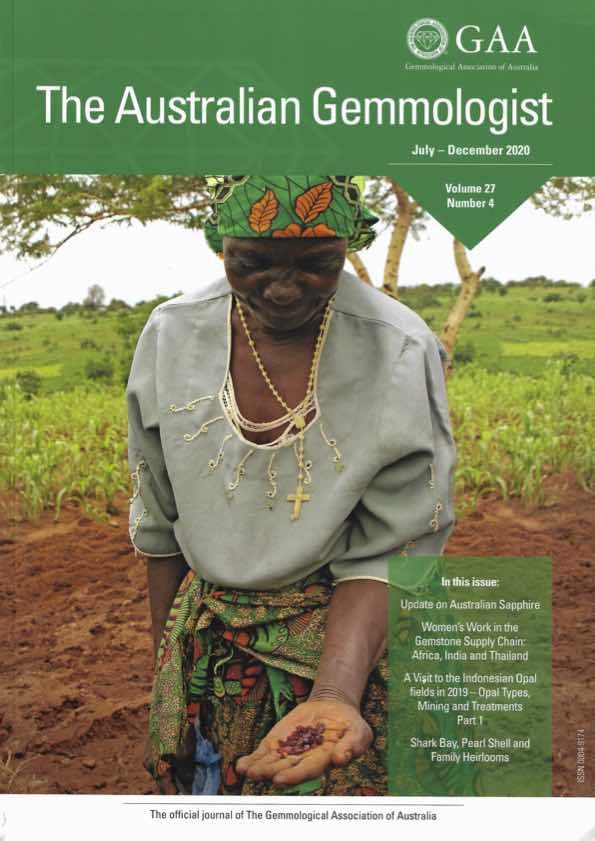
Update on Australian sapphires

Update on Australian sapphires

Graham, I.T., Raffan, N., Bottrill, R., Duncan, D.M., Birch, W.D., Downes, P.J., Stocklmayer, S.M. and Giuliani, G. (2020)

Journal Article · Source: Australian Gemmologist · Volume: Vol. 27 · Issue: No. 4, July–Dec. · Pages: pp. 175–189

Abstract
Short descriptions of all of the sapphire deposits in Australia.
Keywords
gems, corundum, Australia.12
Identification of opaque sulfide inclusions in rubies from Mogok, Myanmar and Montepuez, Mozambique

Identification of opaque sulfide inclusions in rubies from Mogok, Myanmar and Montepuez, Mozambique

Vertriest, W. and Palke, A. (2020)

Book Section · Source: Mineralogy and Geochemistry of Ruby · Publisher: MDPI · Pages: pp. 205–221

Abstract
The red variety of corundum owes its color and strong fluorescence to the presence of Cr, as well as traces of Fe. The latter can reduce the fluorescence and thus impact the appearance of the final gem. Gem quality rubies are rarely available for scientific study and even less common in their rough form. Opaque inclusions in rubies are often removed during faceting and remain unidentified. This study aims to identify opaque inclusions in rubies from the two most common origins seen in the high end market today: Mogok, Myanmar and Montepuez, Mozambique. Using electron probe microanalaysis (EPMA) the inclusions were identified as sphalerite and pyrrhotite in Mogok rubies. The paragenesis of Myanmar, marble-related rubies is fairly well understood and no Fe-rich minerals apart from sulfides have been identified. Opaque inclusions in Mozambican rubies are a complex mix of Fe-Cu-Ni sulfides with exsolution textures. These inclusions are interpreted to be small amounts of sulfide melt trapped during corundum formation. The different sulfide phases crystallized from this entrapped melt and some phases experienced later exsolution during cooling. The formation of amphibole-related, Mozambican rubies is not well understood, but it is obvious that very different processes are at work compared to the marble-related Myanmar ruby deposits.
Keywords
gems, corundum, inclusions.5, Mozambique.12, Burma.12
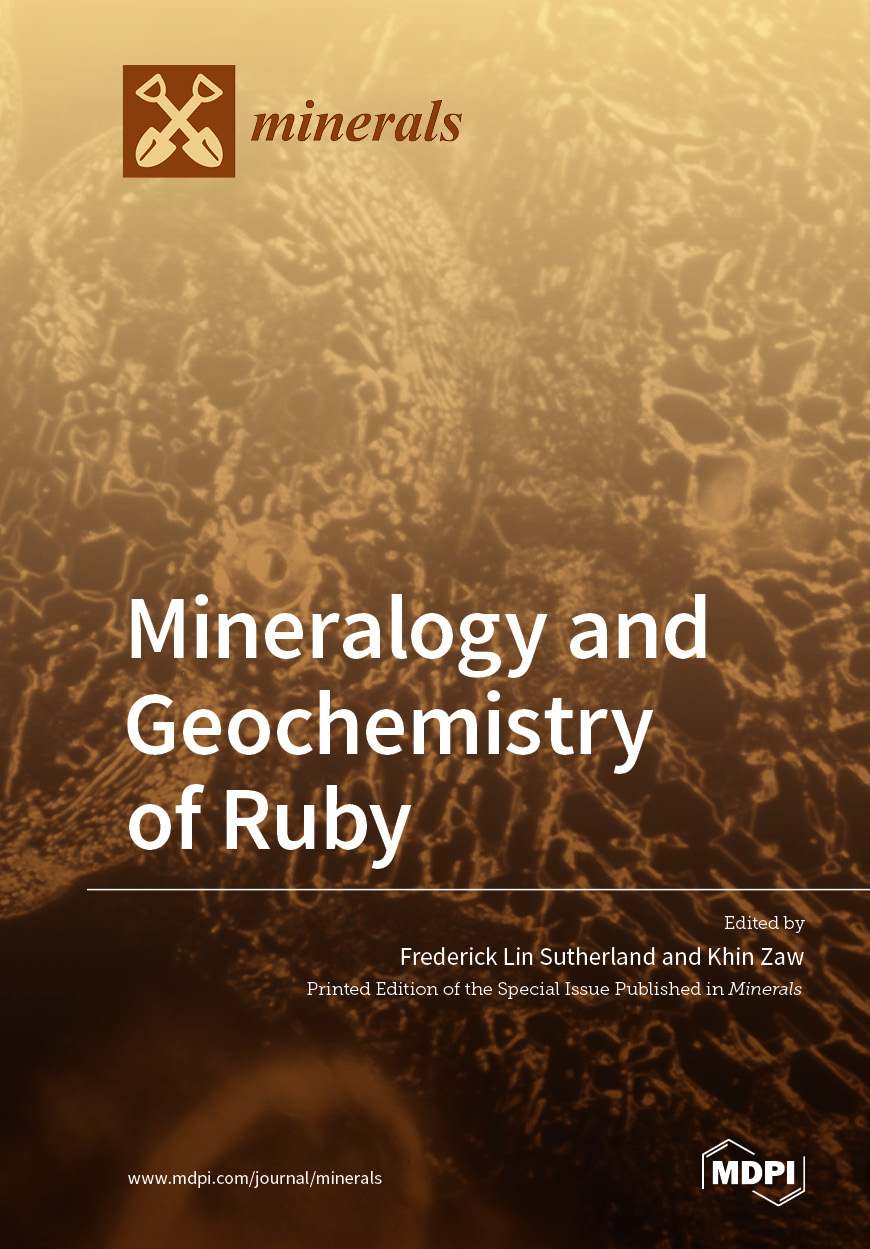
Mineralogy and Geochemistry of Ruby

Mineralogy and Geochemistry of Ruby

Sutherland, F.L. and Zaw, K. (2020)

Edited Book · Publisher: MDPI · Pages: 221 pp.

Abstract
Great collection of technical articles on ruby, sapphire and spinel.
Keywords
gems, corundum, chemistry.3, spinel, Mozambique.12,
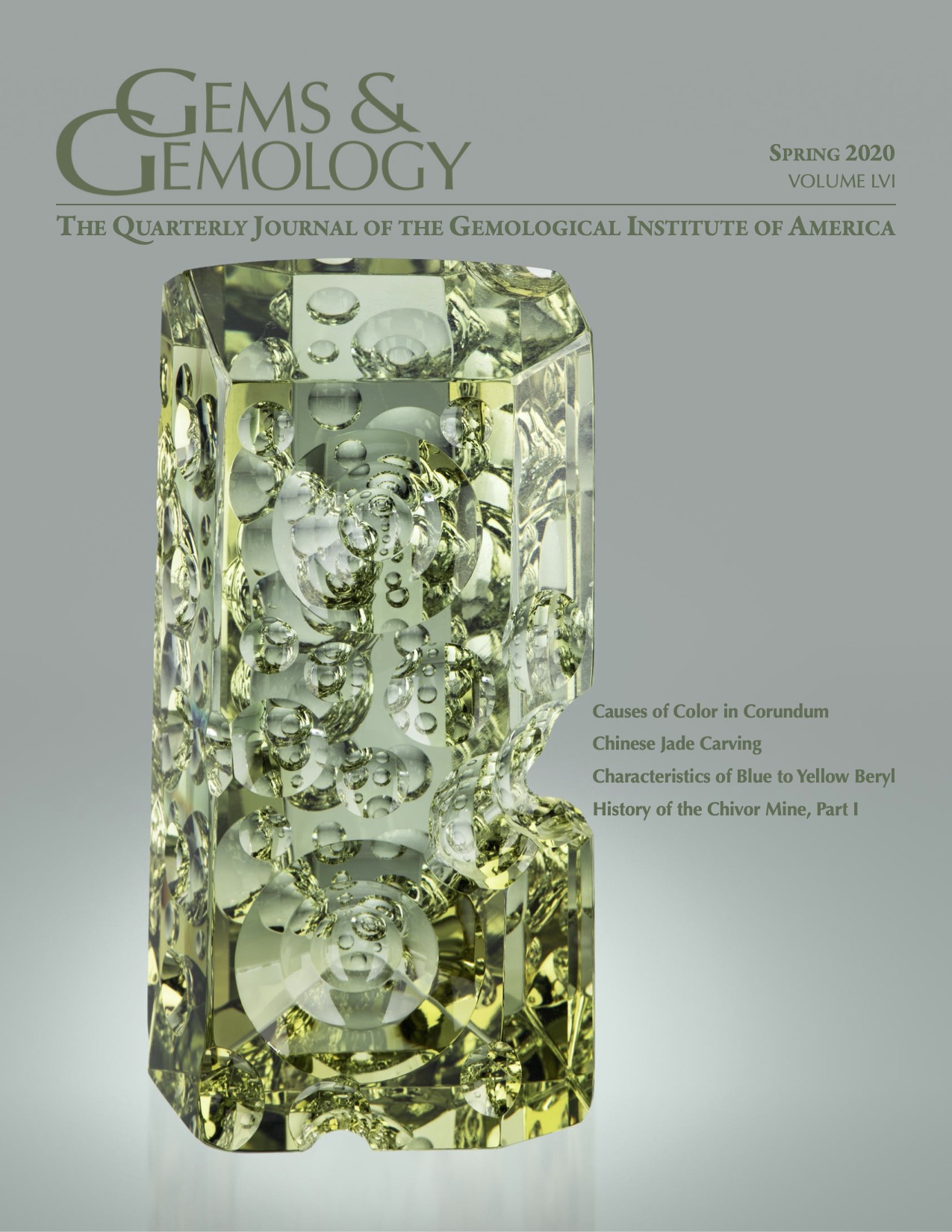
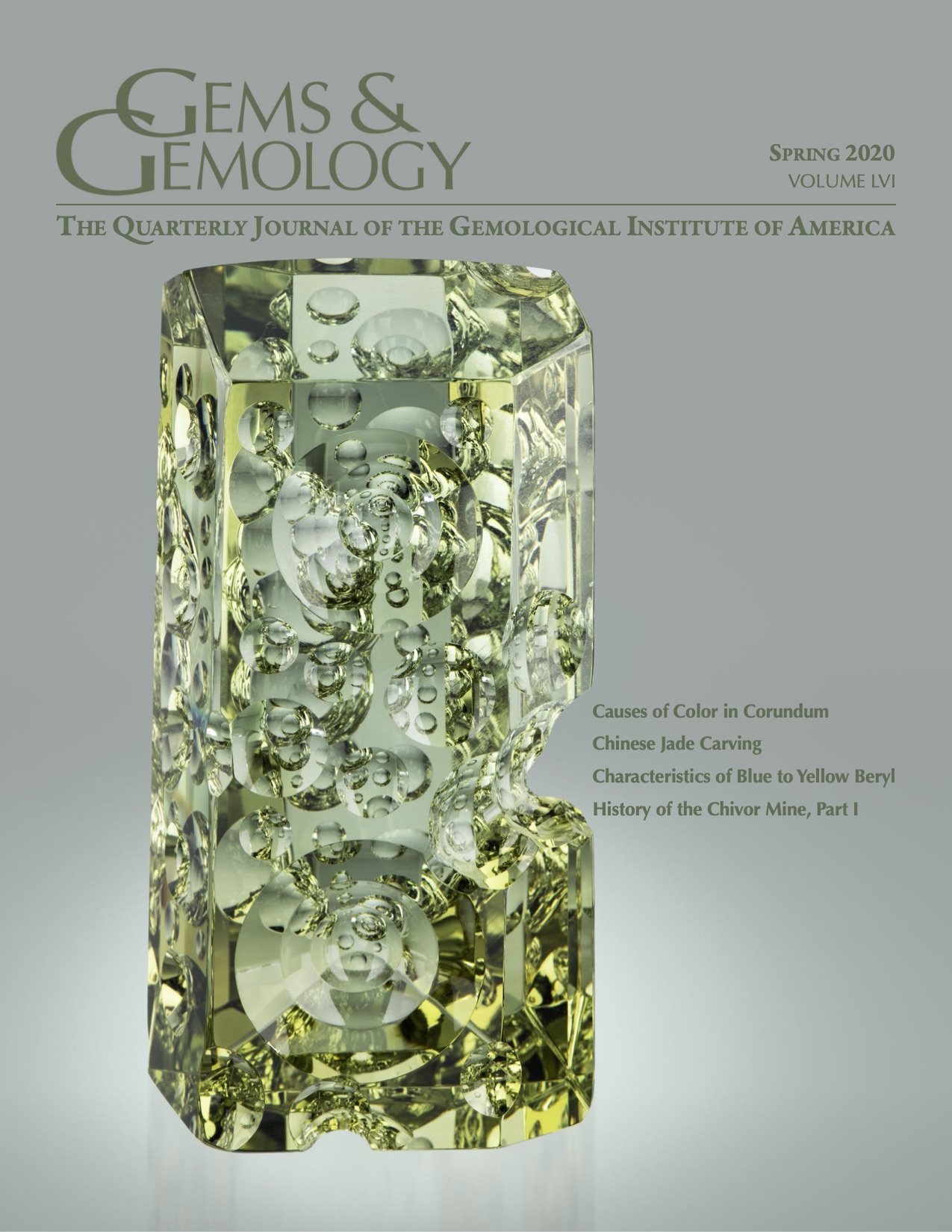
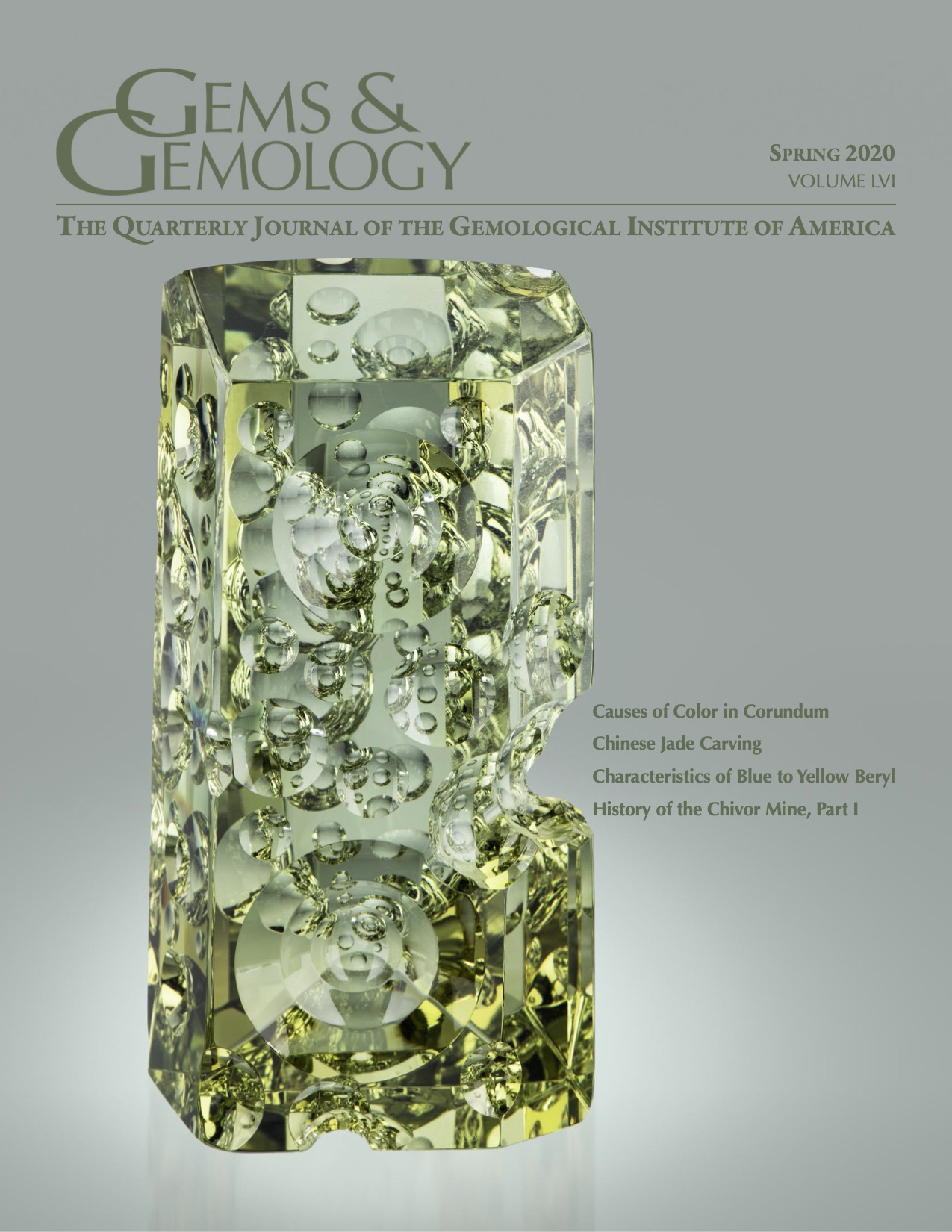
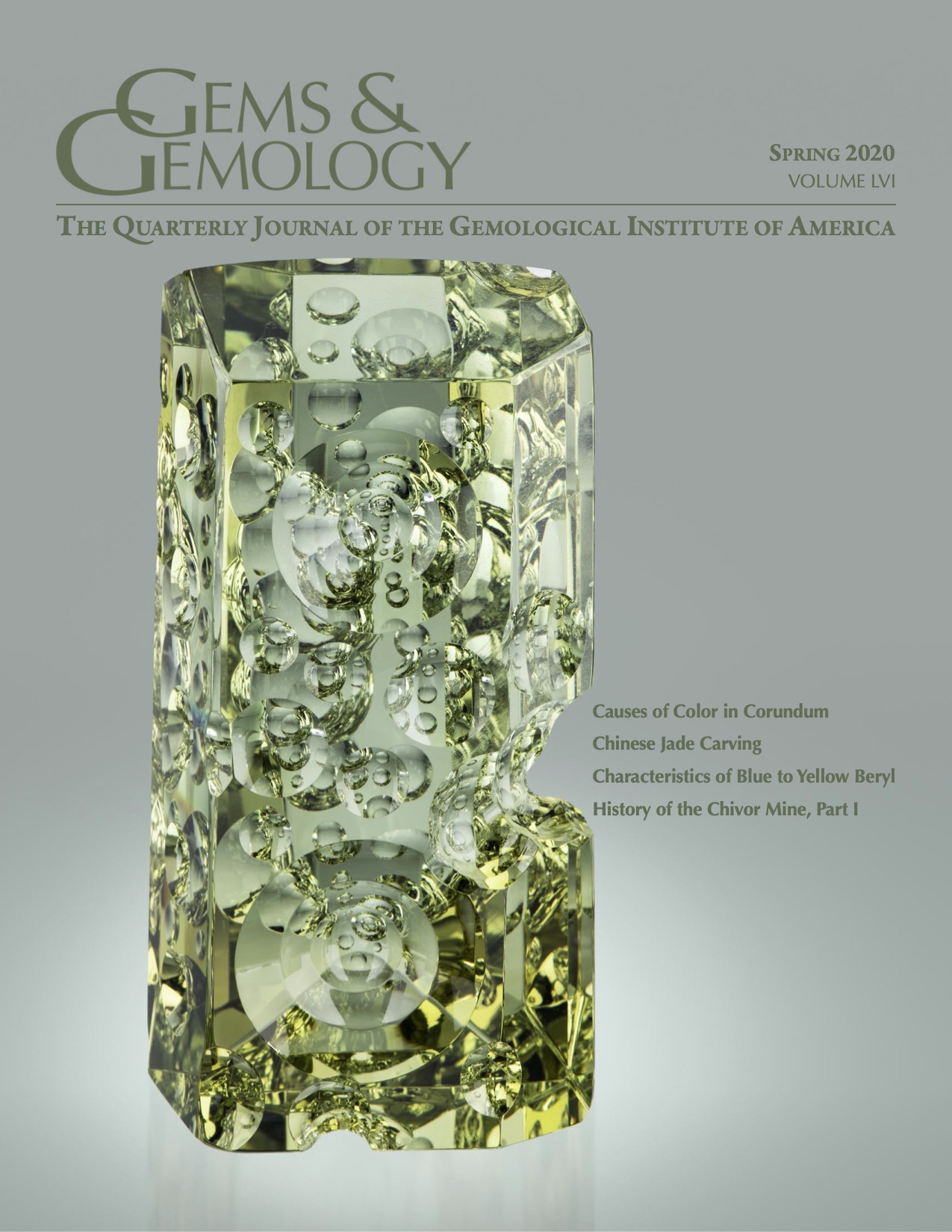
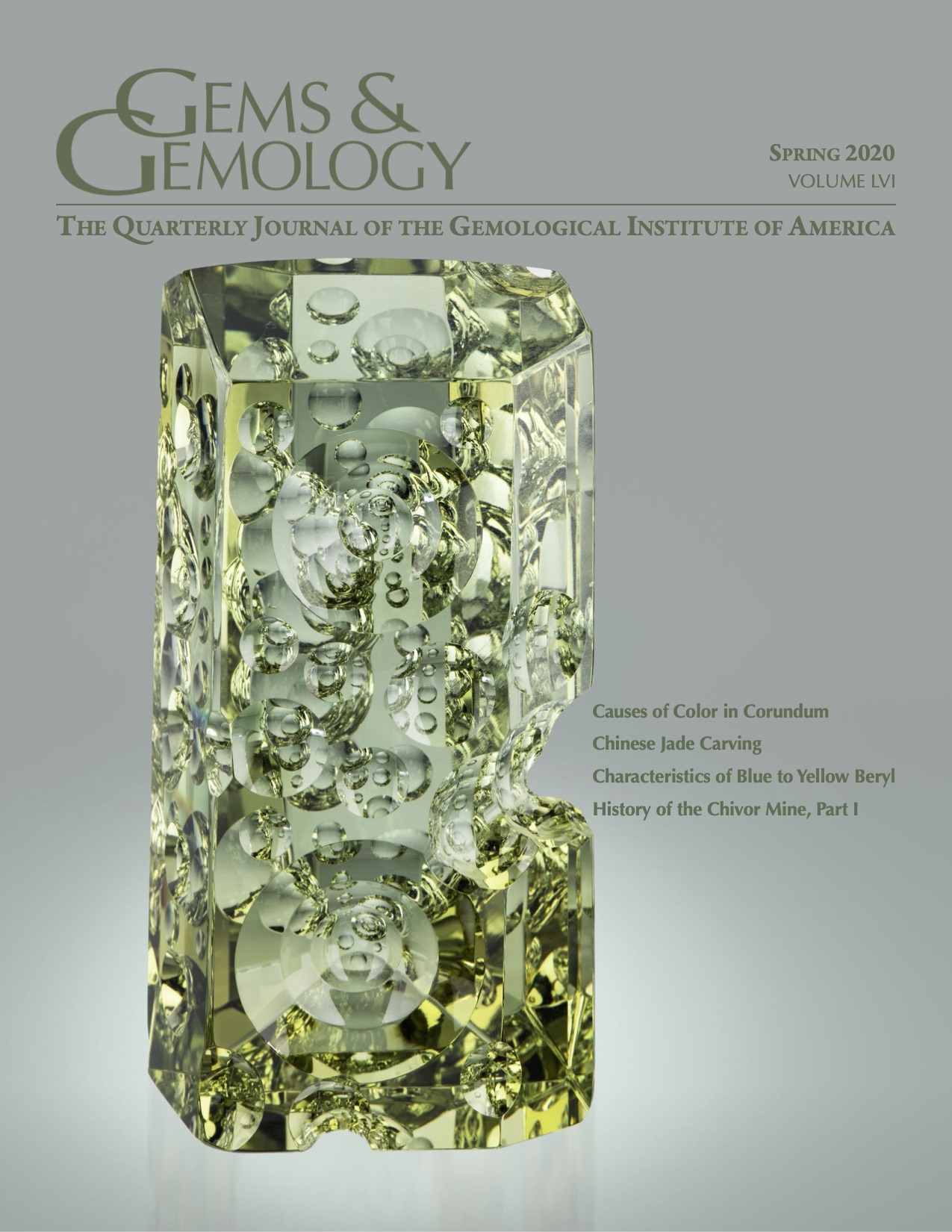
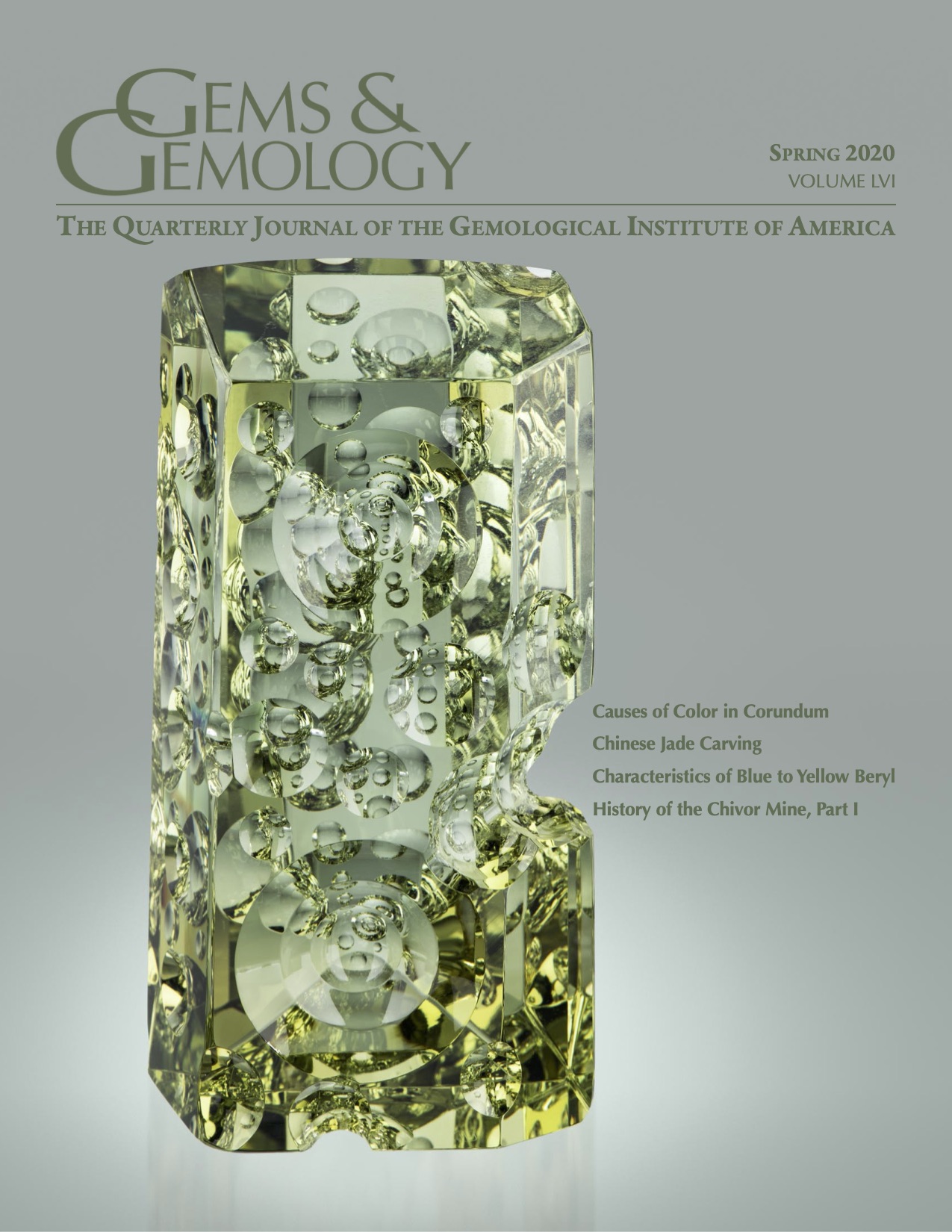
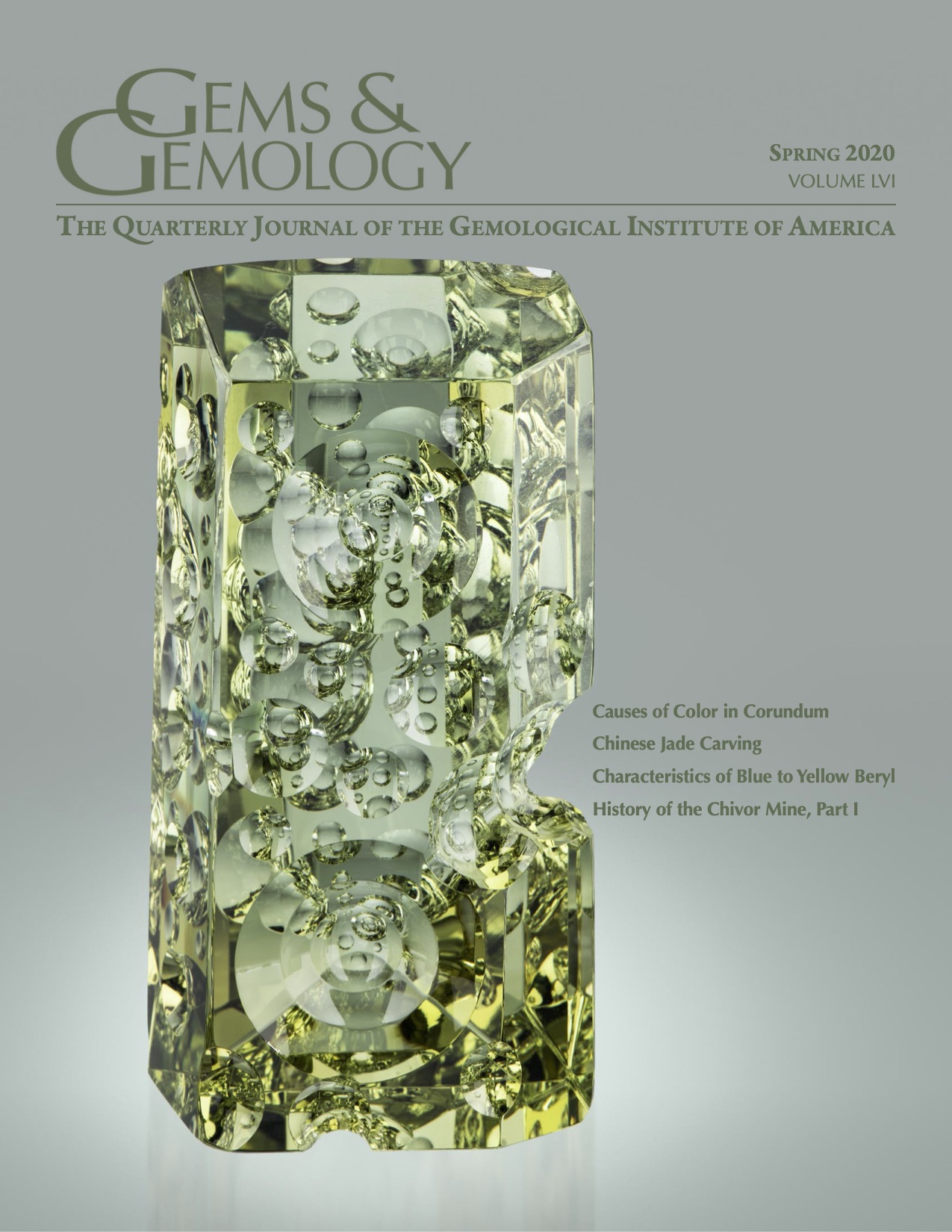
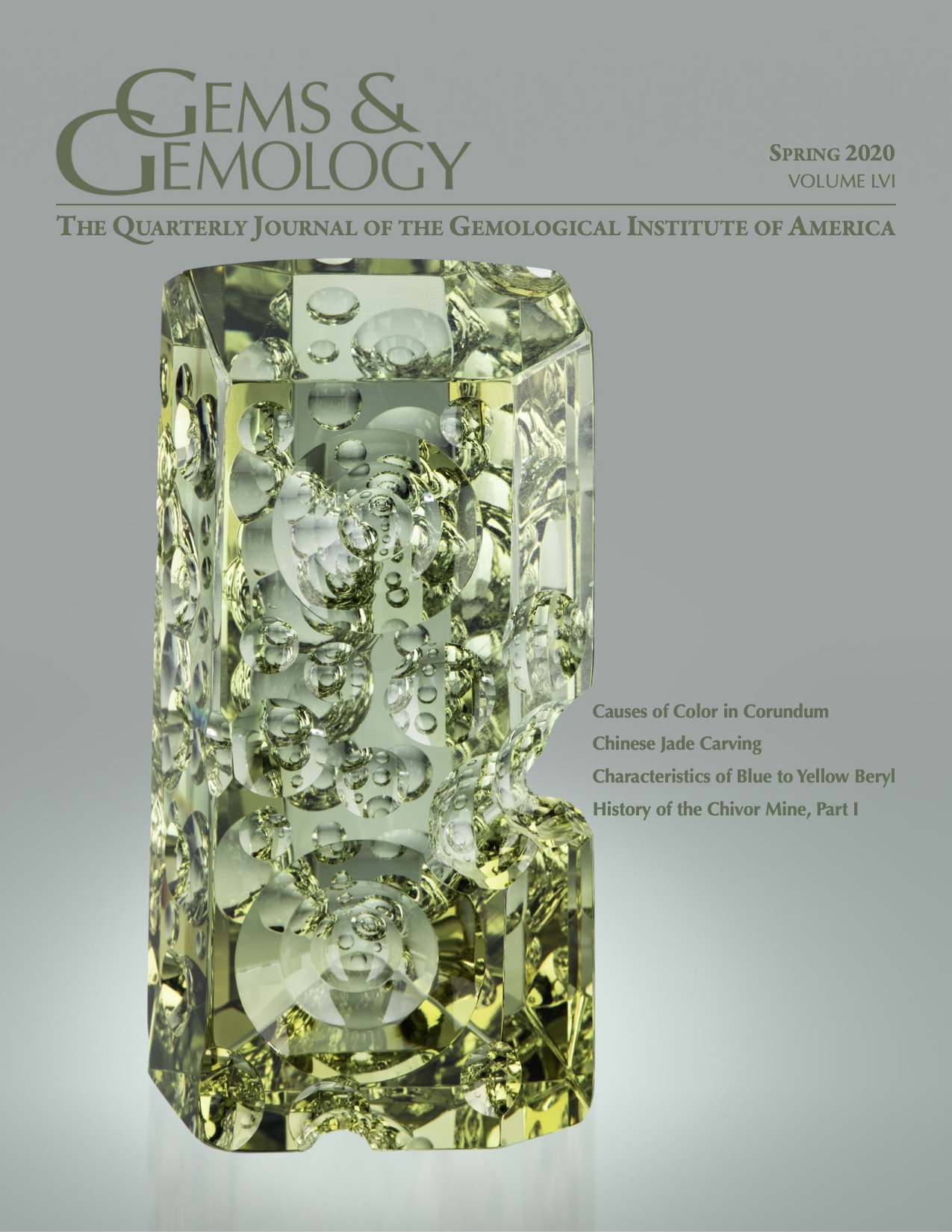
A quantitative description of the causes of color in corundum

A quantitative description of the causes of color in corundum

Dubinsky, E.V., Stone-Sundberg, J. and Emmett, J.L. (2020)

Journal Article · Source: Gems & Gemology · Volume: Vol. 56 · Issue: No. 1, Spring · Pages: pp. 2–28

Abstract
The color of a gemstone is inextricably linked to its chemical composition, yet the quantitative relationship between color and chemistry is poorly understood in most cases. Here we use corundum to present a comprehensive quantitative description of the causes of color in a gem material and illustrate its predictive power. Natural corundum has six major chromophores that cause color: Cr³⁺, h•–Cr³⁺, Fe³⁺, h•–Fe³⁺, Fe²⁺–Ti⁴⁺, and V³⁺. We use synthetic samples doped with a single chromophore to study their light absorption behavior in isolation. Natural samples are used as well to study single chromophores, and we can subtract out the absorption of additional chromophores that might be present. Combining quantitative visible absorption spectroscopy with chemical analysis by SIMS, we are able to calculate the absorption cross section of each chromophore. The absorption cross section information is used to determine the depth of color that would occur in corundum of a given size (optical path length) containing a specific chromophore of a given concentration.
Keywords
gems, corundum, color.4, ruby, sapphire
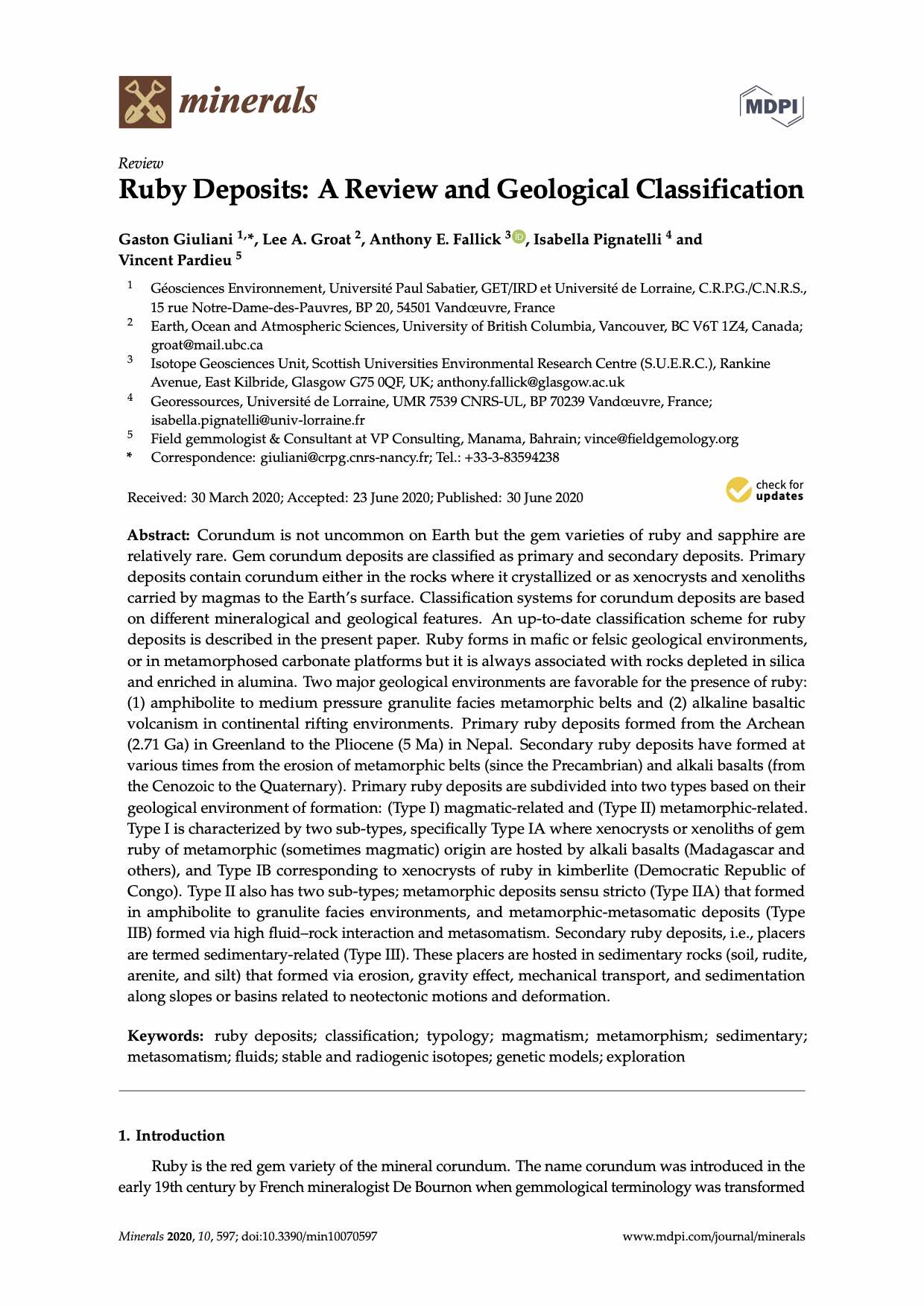
Ruby deposits: A review and geological classification

Ruby deposits: A review and geological classification

Giuliani, G., Groat, L.A., Fallick, A.E., Pignatelli, I. and Pardieu, V. (2020)

Journal Article · Source: Minerals · Volume: Vol. 10 · Issue: No. 597 · Pages: 83 pp.

Abstract
Corundum is not uncommon on Earth, but the gem varieties of ruby and sapphire are relatively rare. Gem corundum deposits are classified as primary and secondary deposits. Primary deposits contain corundum either in the rocks where it crystallized or as xenocrysts and xenoliths carried by magmas to the Earth’s surface. Classification systems for corundum deposits are based on different mineralogical and geological features. An up-to-date classification scheme for ruby deposits is described in the present paper. Ruby forms in mafic or felsic geological environments, or in metamorphosed carbonate platforms, but it is always associated with rocks depleted in silica and enriched in alumina. Two major geological environments are favorable for the presence of ruby: (1) amphibolite to medium pressure granulite facies metamorphic belts and (2) alkaline basaltic volcanism in continental rifting environments. Primary ruby deposits formed from the Archean (2.71 Ga) in Greenland to the Pliocene (5 Ma) in Nepal. Secondary ruby deposits have formed at various times from the erosion of metamorphic belts (since the Precambrian) and alkali basalts (from the Cenozoic to the Quaternary). Primary ruby deposits are subdivided into two types based on their geological environment of formation: (Type I) magmatic-related and (Type II) metamorphic-related. Type I is characterized by two sub-types, specifically Type IA where xenocrysts or xenoliths of gem ruby of metamorphic (sometimes magmatic) origin are hosted by alkali basalts (Madagascar and others), and Type IB corresponding to xenocrysts of ruby in kimberlite (Democratic Republic of Congo). Type II also has two sub-types: metamorphic deposits sensu stricto (Type IIA) that formed in amphibolite to granulite facies environments, and metamorphic-metasomatic deposits (Type IIB) formed via high fluid–rock interaction and metasomatism. Secondary ruby deposits, i.e., placers, are termed sedimentary-related (Type III). These placers are hosted in sedimentary rocks (soil, rudite, arenite, and silt) that formed via erosion, gravity effect, mechanical transport, and sedimentation along slopes or basins related to neotectonic motions and deformation.
Keywords
gems, corundum, geology.11
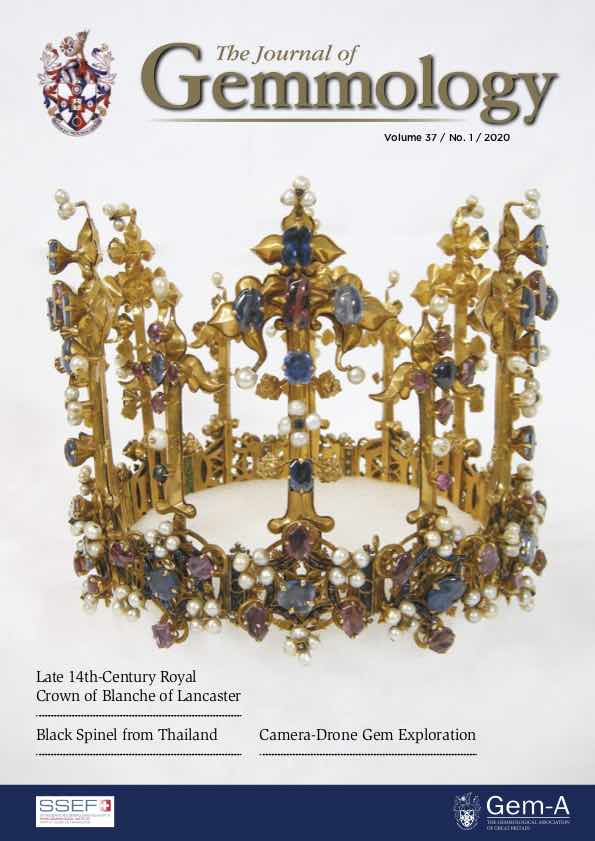
The late 14th-century royal crown of Blanch of Lancaster—History and gem materials

The late 14th-century royal crown of Blanch of Lancaster—History and gem materials

Schmetzer, K. and Gilg, H.A. (2020)

Journal Article · Source: Journal of Gemmology · Volume: Vol. 37 · Issue: No. 1 · Pages: pp. 26–64

Abstract
The richly bejewelled crown preserved in the Treasury of the Munich Residence offers a window into both European dynastic history and contemporaneous decorative practices and gem use. The crown’s history can be traced from the late 14th-century court of Richard II and his wife Anne of Bohemia in London; through its role as part of the dowry in 1402 of Blanche of Lancaster, bride of future Elector Palatine Louis III in Germany; to its later decades in Heidelberg, Mannheim and finally Munich by the late 18th century. In this study, all gem materials currently decorating the piece—one of few extant examples of Late Middle Ages royal regalia—were identified by a combination of microscopy, EDXRF analysis and Raman spectroscopy, using mobile instru- ments on site at the museum. The gems included blue and pink sapphires, pink spinels, garnets, emeralds, diamond octahedra and pearls. Various imitations were also present, including black- coated gold pyramids (substituting for diamonds) and green and pink lead glass. The forms of the gems reflect a progression from use of merely irregularly shaped polished pebbles, to rudimentary shaping or preforming without sharp edges, to sharply faceted regular shapes, thereby demon- strating the transition in gemstone fashioning as the Late Middle Ages gave way to the Renaissance.
Keywords
gems, corundum, history.1, sapphire, spinel, ruby
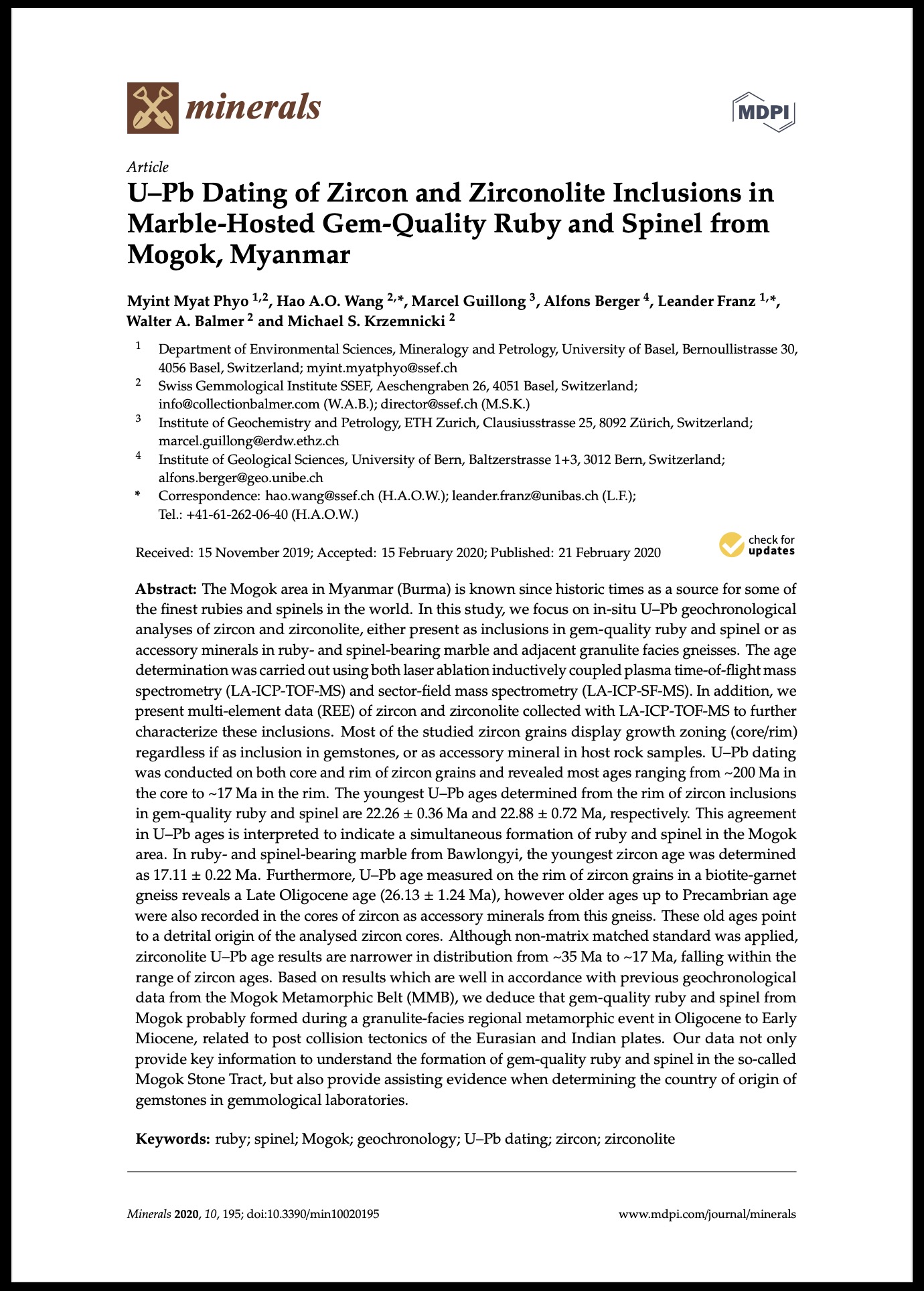
U–Pb dating of zircon and zirconolite Inclusions in marble-hosted gem-quality ruby and spinel from Mogok, Myanmar

U–Pb dating of zircon and zirconolite Inclusions in marble-hosted gem-quality ruby and spinel from Mogok, Myanmar

Phyo, M.M., Wang, H.A.O., Guillon, M., Berger, A., Franz, L., Balmer, W. and Krzemnicki, M.S. (2020)

Journal Article · Source: Minerals · Volume: Vol. 10 · Issue: No. 195 · Pages: 18 pp.

Abstract
The Mogok area in Myanmar (Burma) is known since historic times as a source for some of the finest rubies and spinels in the world. In this study, we focus on in-situ U–Pb geochronological analyses of zircon and zirconolite, either present as inclusions in gem-quality ruby and spinel or as accessory minerals in ruby- and spinel-bearing marble and adjacent granulite facies gneisses. The age determination was carried out using both laser ablation inductively coupled plasma time-of-flight mass spectrometry (LA-ICP-TOF-MS) and sector-field mass spectrometry (LA-ICP-SF-MS). In addition, we present multi-element data (REE) of zircon and zirconolite collected with LA-ICP-TOF-MS to further characterize these inclusions. Most of the studied zircon grains display growth zoning (core/rim) regardless if as inclusion in gemstones, or as accessory mineral in host rock samples. U–Pb dating was conducted on both core and rim of zircon grains and revealed most ages ranging from ~200 Ma in the core to ~17 Ma in the rim. The youngest U–Pb ages determined from the rim of zircon inclusions in gem-quality ruby and spinel are 22.26 ± 0.36 Ma and 22.88 ± 0.72 Ma, respectively. This agreement in U–Pb ages is interpreted to indicate a simultaneous formation of ruby and spinel in the Mogok area. In ruby- and spinel-bearing marble from Bawlongyi, the youngest zircon age was determined as 17.11 ± 0.22 Ma. Furthermore, U–Pb age measured on the rim of zircon grains in a biotite-garnet gneiss reveals a Late Oligocene age (26.13 ± 1.24 Ma), however older ages up to Precambrian age were also recorded in the cores of zircon as accessory minerals from this gneiss. These old ages point to a detrital origin of the analysed zircon cores. Although non-matrix matched standard was applied, zirconolite U–Pb age results are narrower in distribution from ~35 Ma to ~17 Ma, falling within the range of zircon ages. Based on results which are well in accordance with previous geochronological data from the Mogok Metamorphic Belt (MMB), we deduce that gem-quality ruby and spinel from Mogok probably formed during a granulite-facies regional metamorphic event in Oligocene to Early Miocene, related to post collision tectonics of the Eurasian and Indian plates. Our data not only provide key information to understand the formation of gem-quality ruby and spinel in the so-called Mogok Stone Tract, but also provide assisting evidence when determining the country of origin of gemstones in gemmological laboratories.
Keywords
gems, corundum, inclusions.5, Burma.12, zircon, zirconolite, Mogok, spinel
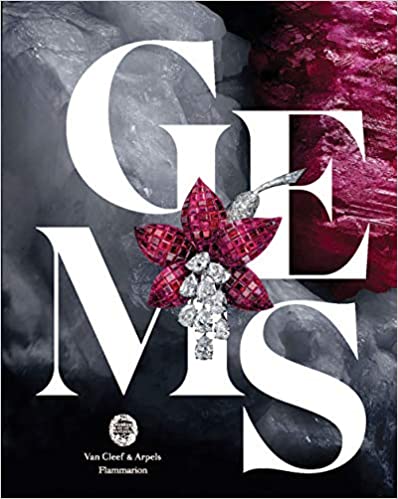
Gems

Gems

Farges, F. (2020)

Edited Book · Publisher: Van Cleef & Arpels/Flammarion · Pages: 304 pp.

Abstract
Both a reference book and an exhibition catalog, Gems unveils the fascinating world of minerals and gems through a dialogue between the prestigious collections of the Muséum national d'histoire naturelle in Paris and the great French jeweler Van Cleef & Arpels. The Muséum national d'histoire naturelle in Paris welcomes the exhibition Gems from September 16, 2020 to May 4, 2021.
Keywords
gems, ruby, sapphire, opal, pearl, beryl, emerald, jewelry, general volume on gems
G&G Microworld: Phenomenon resembling play-of-color in sapphire

G&G Microworld: Phenomenon resembling play-of-color in sapphire

LeCroy, B. (2020)

Journal Article · Source: Gems & Gemology · Volume: Vol. 56 · Issue: No. 1, Spring · Pages: pp. 143–144

Abstract
A phenomenon resembling play-of-color was seen in a 4.13 ct unheated sapphire recently examined by the author. When tilted in darkfield lighting (watch the video below), the sapphire displayed this noteworthy effect, which is most commonly seen in precious opal. It occurred within a small section of a single fine, milky cloud with an unusual shape (figure 1, left). The cloud also possessed extensive transparent graining confined within its borders, best seen in brightfield illumination (figure 1, right). Some regions of the cloud displayed an appearance of rainbow graining with spectral colors confined to the linear grain lines and looked one-dimensional. Other regions, however, expressed a soft billowy broad flash of altering colors with diffuse edges resembling play-of-color and did not follow linear grain lines (figure 2). Play-of-color in opal is defined as a display of spectral colors due to the diffraction of light as it passes through organized, submicroscopic spherical particles. It is possible that the combination of fine milky particles and abundant transparent graining within the cloud were able to diffract light in a way that resembles play-of-color.
Keywords
gems, corundum, inclusions.5

Exploring the Literature of Corundum

Ruby and sapphire research spans mineralogy, gem deposits, identification, treatments, synthesis and the history of the gem trade. Older publications can also be useful for tracing terminology, early observations and accounts of mining localities. Publication dates and the original source should be considered when using historical descriptions.

For an introduction to collecting books on this subject, read Ruby & Sapphire Books: Collecting the Literature of Corundum.

About Four Treasures

Four Treasures is Lotus Gemology's freely accessible gemological reference database. Use the full database to search by author, title or keyword and explore literature on gemology, mineralogy, jewelry and related fields. Where available, hyperlinks on titles may lead directly to the full publication.

Search the Complete Four Treasures Database