Gemology Books Bibliography

Gemology Books Bibliography

Explore books on gems, gemology, jewelry and mineralogy in Four Treasures, the Lotus Gemology reference database. This bibliography brings together matching book records from the collection, with publication details, abstracts and cover images where available.

Gemology Book References

The list below matches books concerning gemology and related subjects in the database's searchable fields. Some works cover several branches of gems, jewelry or mineralogy.

2,401–2,420 of 3,681 matching references

World Map of Gem Deposits

World Map of Gem Deposits

Map
Swiss Gemmological Society (1988) World Map of Gem Deposits. Berne: Kummerly & Frey.
Record No. 2208  |  Sinkankas/Born No.: NIS / NIB  |  RWHL
View Individual Record ↗

American natural pearls

Journal Article
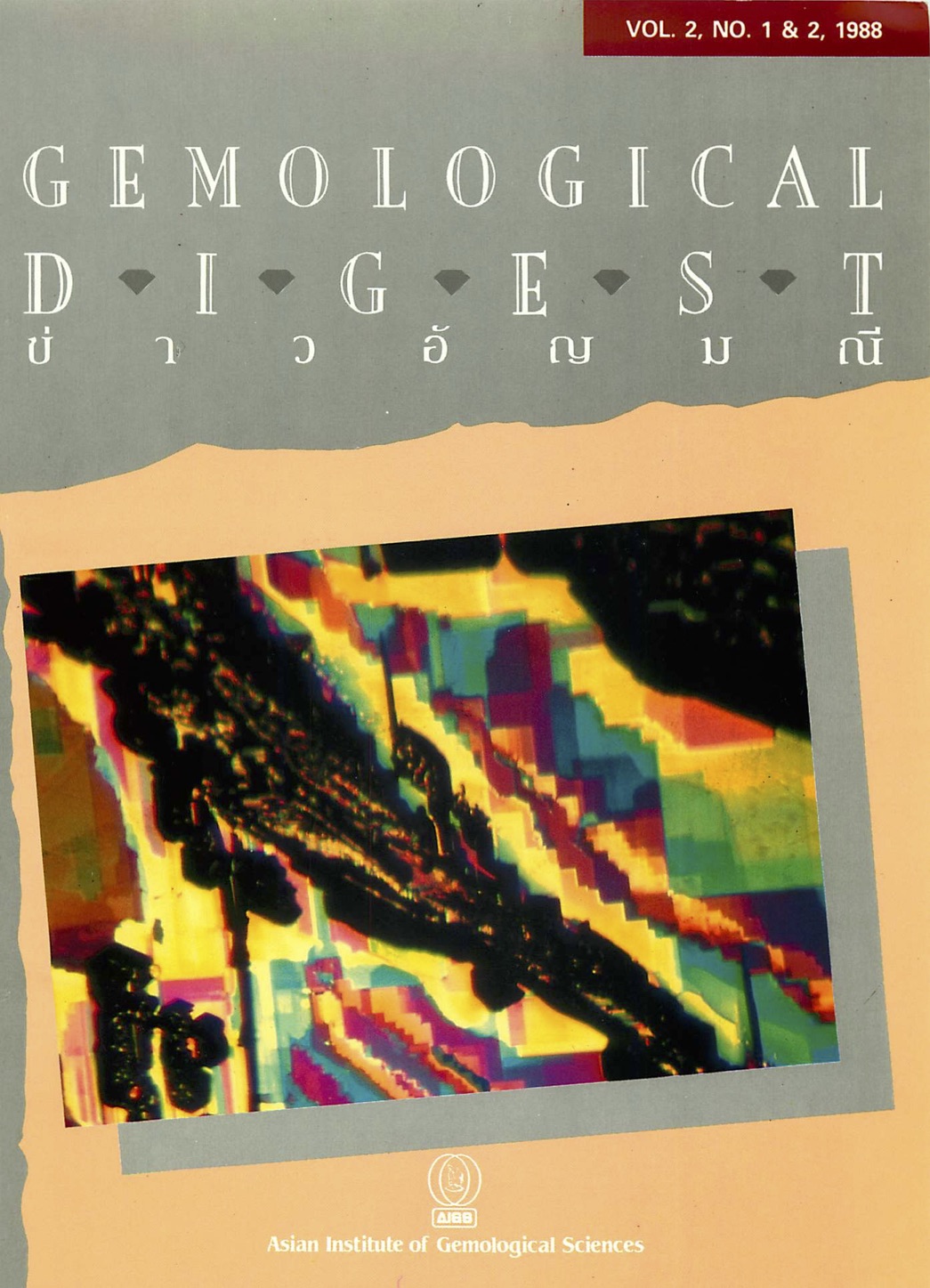
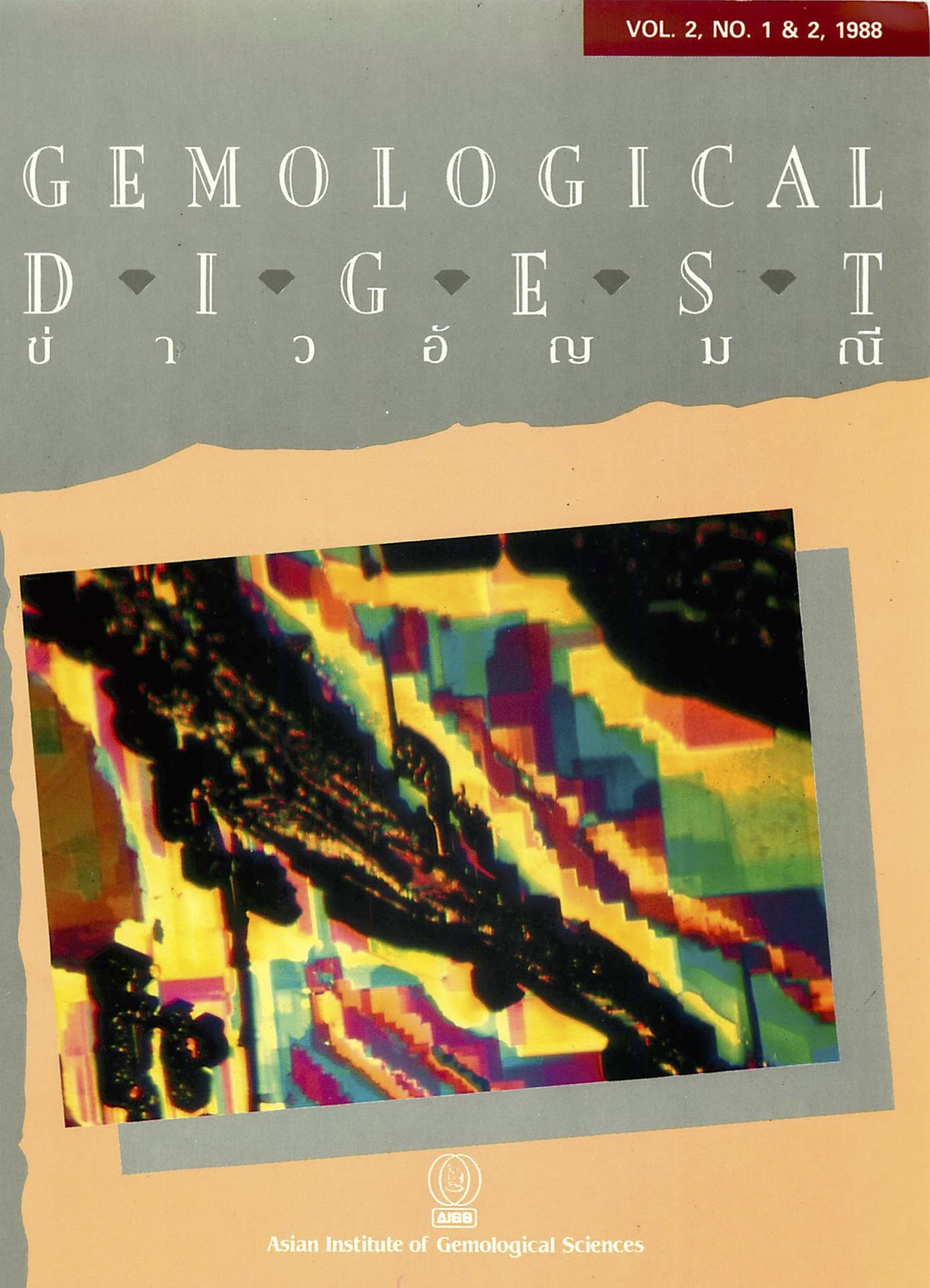
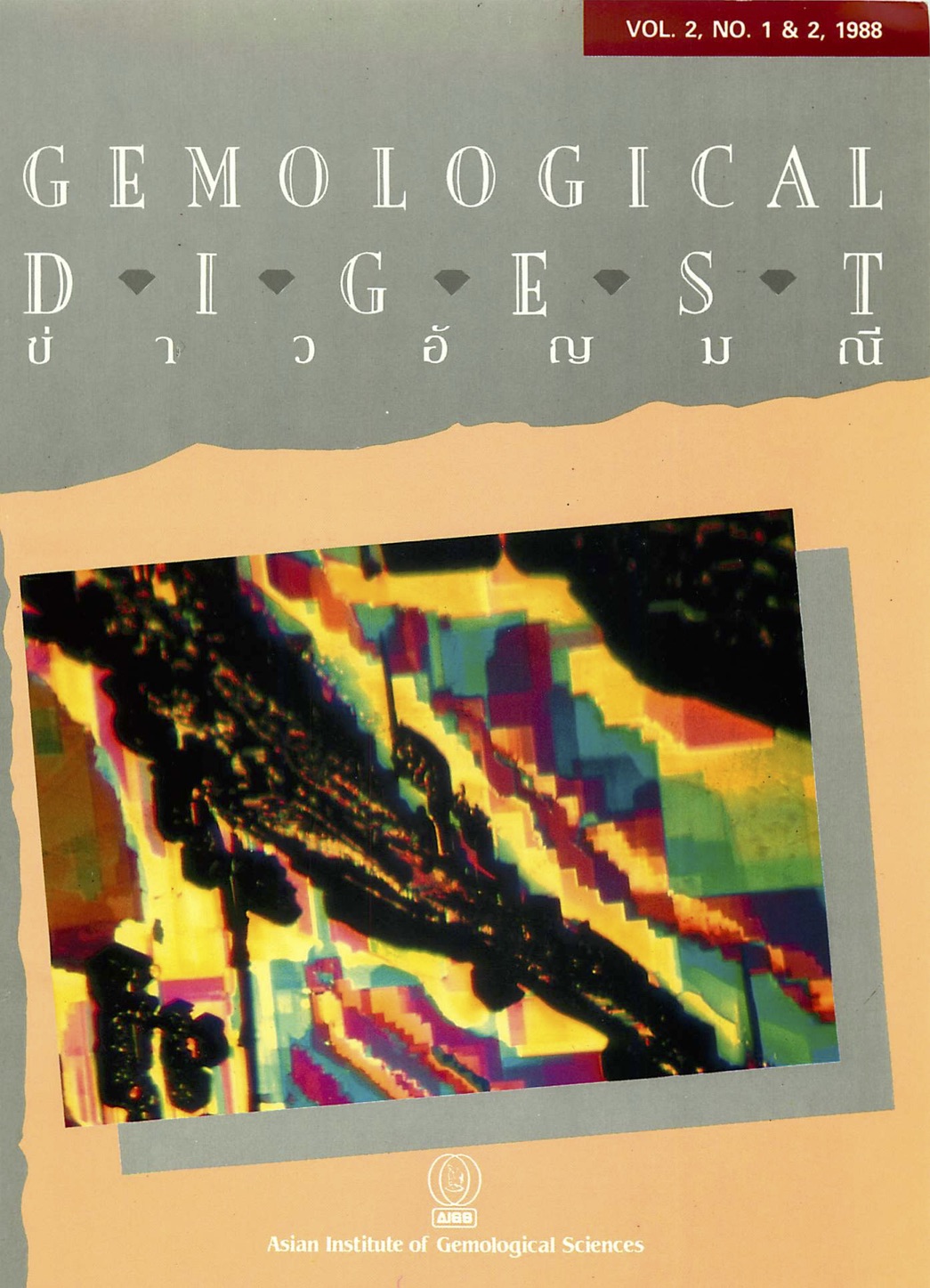
Rogers, G.V. (1988) American natural pearls. Gemological Digest, Vol. 2, Nos. 1–2, pp. 22–24.
Record No. 2003  |  Sinkankas/Born No.: NIS / NIB  |  RWHL
View Individual Record ↗
This introductory account reviews the historical importance, commercial decline, continuing production, and relative value of American natural freshwater pearls. Once widely sought, including by European royalty, these pearls had become unfamiliar to many jewellers by the late twentieth century, with a small output largely selected by specialist dealers and connoisseurs. Their rarity is illustrated by nineteenth-century statistics suggesting that approximately 1,000–1,200 bivalves had to be opened to obtain one attractive, marketable pearl. Most pearls were baroque, with pear-shaped examples uncommon and round examples particularly rare. Much of the historical supply was recovered incidentally during harvesting of American river mussels for the mother-of-pearl button industry. The author attributes the subsequent collapse of the trade to several interacting developments: plastics displaced shell in button manufacture, inexpensive and predominantly round Japanese cultured pearls became commercially abundant, and the Great Depression sharply reduced demand for luxury goods. Demand for American shells later revived because Japanese pearl growers valued them as material for cultured-pearl bead nuclei, bringing renewed incidental discoveries of natural pearls. Production nevertheless remained below earlier levels, especially for large specimens, and much of the larger material illustrated came from stocks collected decades previously. The scarcity of large pearls is related to their long development within long-lived mussels, with some pearls said to require twenty or thirty years to form. Pollution and overharvesting are identified as additional pressures that reduced the availability of older, larger shellfish. To place contemporary prices in historical perspective, the article compares nineteenth-century pearl transactions with workers’ weekly earnings. An American pearl weighing 25 carats, bought by Tiffany in 1857 for US$1,500, is presented as equivalent to approximately 300 weeks of a worker’s wages at that time. A second example, weighing 100 carats and valued at US$25,000, illustrates the exceptional historical valuation of very large natural pearls. Rogers argues that attractive examples, particularly imaginative baroque forms resembling wings, birds, or fish, remained comparatively affordable in 1988. He anticipates that greater public recognition and demand could increase prices and recommends books by Alexander Farn and Jean Taburiaux for further study.

Black slag, moon rock or natural glass?
Journal Article
Kessler, P.F. (1988) Black slag, moon rock or natural glass? Gemological Digest, Vol. 2, Nos. 1 & 2, pp. 15–19.
Record No. 1990  |  Sinkankas/Born No.: NIS / NIB  |  RWHL
View Individual Record ↗
This review introduces tektites as silica-rich natural glasses and examines their physical properties, historical uses, geographical distribution, characteristic shapes, and disputed origins. Tektites are described as containing approximately 68–82% silica and exceptionally little water, with an average water content near 0.005%. Reported hardness is 6–7, specific gravity 2.33–2.55, and refractive index 1.475–1.53; the latter two properties decrease as silica content increases. Colours are principally black or dark green, with brown and grey examples less common. The historical discussion traces their use as tools, amulets, and jewellery and reviews changing explanations ranging from artificial glass and volcanic ejecta to lunar or meteorite-related sources. Chemical differences from manufactured glass and obsidian, low water content, sparse bubbles, and distinctive surface features are presented as important evidence in these debates. Four major strewn fields are surveyed: Australasian, Ivory Coast, Central European, and North American. Their distribution is interpreted as recording discrete events rather than unrelated local formation, and possible associations with the Bosumtwi and Ries impact craters are discussed. Morphological categories comprise microtektites, commonly recovered from ocean-bottom cores; blocky, layered Muong Nong material; splash forms resembling spheres, droplets, dumbbells, and discs; and Australian flanged buttons. Surface pits, grooves, flanges, and spalled areas are considered in relation to aerodynamic shaping, atmospheric ablation, and thermal shock. Internal flow structures, compositional variations, and strain birefringence provide further evidence concerning melting and cooling. Particular attention is given to layered Muong Nong tektites and their comparatively high volatile contents, which may preserve information about precursor materials and proximity to deposition sites. The author reviews evidence favouring an impact-related terrestrial origin, including similarities to continental materials, differences from analysed lunar rocks, limited cosmic-ray exposure, and possible meteoritic metal inclusions. A proposed sequence involves impact melting of terrestrial rock or soil, ejection above the atmosphere, volatile loss and solidification, followed by atmospheric re-entry and surface modification. Competing interpretations and unresolved problems are retained within the discussion rather than presented as settled. A concluding aside treats claims of moldavite’s supposed mystical properties with scepticism and notes their connection with jewellery marketing.

Photomicrography of gemstones

Journal Article
Goutiere, A., de (1988) Photomicrography of gemstones. Gemological Digest, Vol. 2, No. 3, pp. 35–36.
Record No. 1970  |  Sinkankas/Born No.: NIS / NIB  |  RWHL
View Individual Record ↗
A. de Goutière introduces gemstone inclusion photomicrography through a practical account of equipment, lighting, film handling, and specimen preparation, illustrated with three examples of his own work. Addressing gemologists who may be discouraged by perceived technical difficulty or cost, he explains that a good binocular microscope, a single-lens reflex camera with automatic exposure, and a suitable connecting adapter provide the basic means to begin. Inspired by E. Gübelin’s Internal World of Gemstones, the author adopted a Wetzlar trinocular microscope mounted on an Eichhorst Gemmaster base, allowing an Olympus OM-2 camera to remain attached and ready for use. He identifies the camera’s compact construction, low weight, and off-the-film metering as useful features, with automatic exposure determination freeing attention for composition and focusing. His preferred photographic material is Ektachrome 160 tungsten professional film, prepared in ten-exposure cassettes to shorten the interval between taking photographs and reviewing results and to reduce waste when a partly exposed roll requires immediate processing. Unexposed film is stored under refrigeration. Lighting receives particular emphasis: de Goutière considers fiber-optic pinpoint illumination essential for this work and describes using as many as three light guides together with transmitted illumination. He stresses the need to arrange the lighting carefully, compose the image deliberately, and keep specimens completely clean, since even a small particle of dust can spoil a photograph. The illustrations demonstrate different subjects and combinations of illumination. A thin liquid-film inclusion in colorless Mexican topaz is photographed at 17× using oblique illumination. An insect trapped with a flower in Dominican amber, notable for its bright red eye, is shown at 8× with partially polarized transmitted light combined with oblique illumination. A goethite cluster in amethyst, compared visually with an Apollo spacecraft and bearing a small red crystal on its blunt end, is recorded at 14× using oblique and transmitted illumination. The article recommends the Photoatlas of Inclusions in Gemstones by E.J. Gübelin and J.I. Koivula and lists further reading on microscope photography, inclusion photography, and controllable pinpoint lighting. It presents an accessible starting method grounded in the author’s working practice rather than an exhaustive technical treatment.

The sapphires of Penglai, Hainan Island, China
Journal Article
Furui, W. (1988) The sapphires of Penglai, Hainan Island, China. Gems & Gemology, Vol. 24, No. 3, Fall, pp. 155–160.
Record No. 1809  |  ISBN/ISSN: 0016626X  |  Sinkankas/Born No.: NIS / NIB  |  RWHL
View Individual Record ↗
The sapphire deposit at Penglai, on Hainan Island, is potentially the largest in China. Gem-quality sap-phires, at least one as large as 35.5 ct, have been found in alluvial gravels approximately 2 k m south-east of the city of Penglai. Gem-quality zircon and a few pieces,of, what might be considered ruby have also been recovered in the course of the geologic study of this area, which has not yet been commer-cially developed. The average size of the sapphires is 2-5 mm. They are similar in appearance and gemological properties to sapphires from Australia, Thai-land, and Kampuchea.

Corundum ‘type’ categories

Journal Article
Sersen, W.J. (1988) Corundum ‘type’ categories. Gemological Digest, Vol. 2, No. 1–2, pp. 3–9.
Record No. 1578  |  Sinkankas/Born No.: NIS / NIB  |  RWHL
View Individual Record ↗
Corundum “type” categories are presented as a practical system for describing the overall color appearance of rubies and blue sapphires, teaching colored stone grading and communicating international market preferences. Developed from a classification introduced by Henry Ho in 1981, the system requires consideration of the combined effects of hue, intensity, tone, fluorescence, pleochroism, inclusions, color zoning and cutting proportions. Types describe appearance rather than geographic origin and are not intended as a ranking of relative value. The author argues that traditional geographic descriptions, such as “Burmese” ruby or “Ceylon” sapphire, can identify recognizable appearances shared by stones from several sources; consequently, origin alone should not determine a stone’s category or justify a quality premium. Definitions distinguish hue position and intensity, assessed through flashes of brilliance, from tone, assessed through the overall lightness or darkness of the stone. Windowing, extinction, pleochroism and zoning receive particular attention because they alter the perceived distribution and strength of color. Five ruby categories are described: Type A, predominantly pure red; Type B, pinkish red with lower color intensity; Type C, slightly orangy red, commonly with inclusions that scatter light and reduce extinction; Type D, blackish red with high tone, strong extinction and weak fluorescence; and Type E, fluorescent purplish pink to red, commonly with silk and comparatively little visible extinction. Four blue sapphire categories are distinguished: Type A, intensely colored, slightly violetish “royal blue”; Type B, “milky blue,” with minute particles or silk that diffuse light; Type C, brighter, lower-toned “cornflower blue,” often with visible zoning; and Type D, dark “inky blue,” commonly associated with iron absorption, color banding and conspicuous greenish-blue pleochroism. The categories are then applied to purchasing preferences reported for Japan, France, Germany, England, Italy, Switzerland, the United States, Australia and the Middle East. These descriptions encompass differences in preferred color, clarity, proportions and finish, while recognizing that purchasing patterns also reflect affordability and resale conditions. Japanese and German buyers are described as favoring comparatively lighter appearances, English and Australian buyers as commonly accepting darker material, and French and Italian buyers as placing greater emphasis on color than on clarity or proportions. Despite these market differences, the author reports broad agreement among connoisseurs on exceptional quality: ruby combining intense fluorescent red with a slight yellow component, and sapphire combining intense, slightly violetish blue with good clarity, moderate tone and a bright appearance. A slight milkiness producing a velvety texture is also prized by some sapphire connoisseurs. Type classification is ultimately recommended as an aid to understanding the interacting causes of color appearance and matching stones to particular markets.

Introduction to al-Biruni’s Book on Precious Stones and Minerals (al-Jamahir fi ma’rifat al-jawahir), with Interpretation and Evaluation
Book
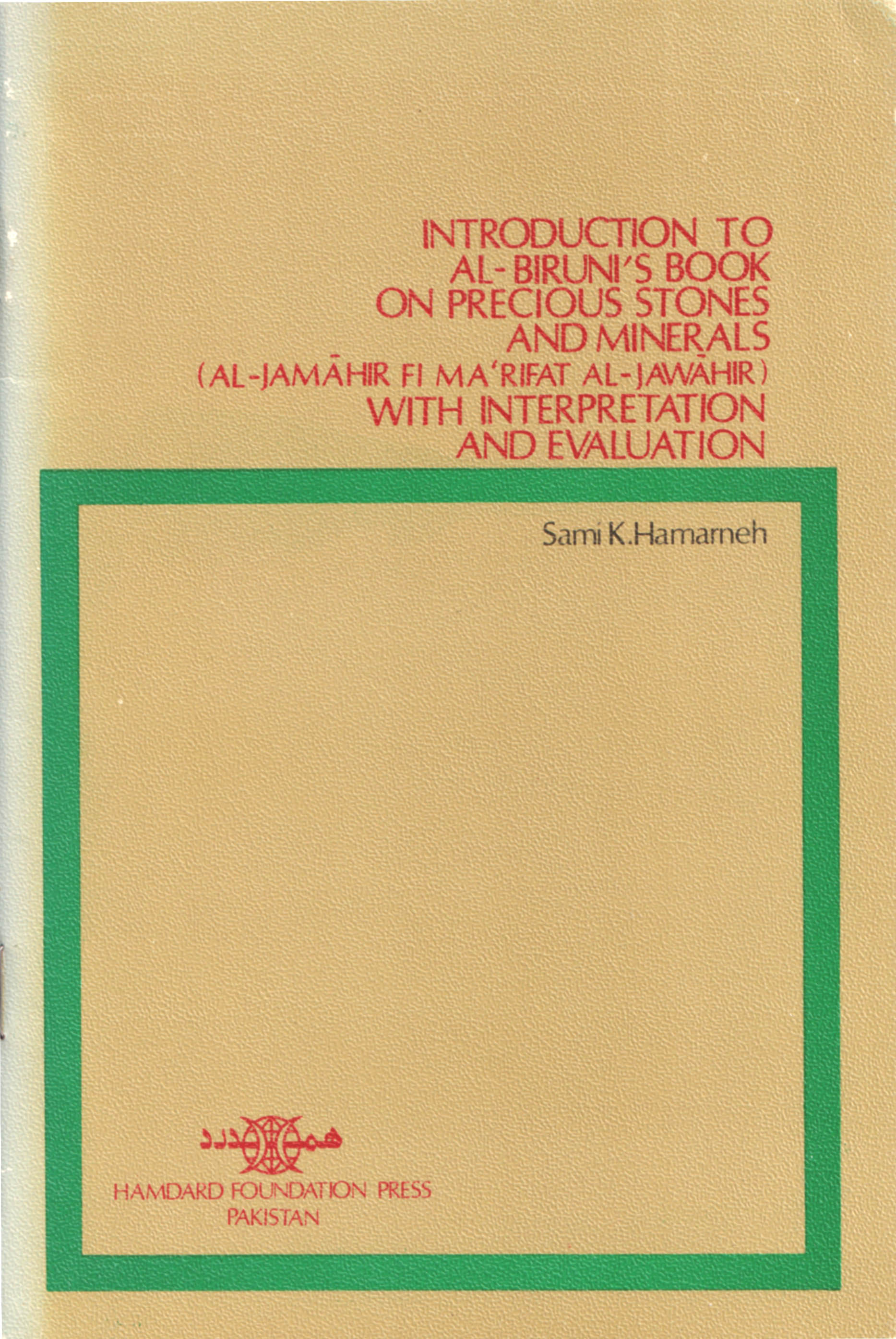
Hamarneh, S.K. (1988) Introduction to al-Biruni’s Book on Precious Stones and Minerals (al-Jamahir fi ma’rifat al-jawahir), with Interpretation and Evaluation. Karachi, Pakistan, Hamdard Foundation Press, 34 pp.
Record No. 926  |  Sinkankas/Born No.: NIS / NIB  |  RWHL
View Individual Record ↗
Introduces and evaluates al-Bīrūnī’s Kitāb al-Jamāhir fī maʿrifat al-jawāhir, his treatise on precious stones and minerals. Provides an interpretive guide to the work and assesses its contribution to the history of gemology and mineralogy.

A doublet made of a natural green sapphire crown and a Verneuil synthetic ruby pavilion
Journal Article
Duroc-Danner, J.M. (1988) A doublet made of a natural green sapphire crown and a Verneuil synthetic ruby pavilion. Journal of Gemmology, Vol. 21, No. 1, January, pp. 12–14.
Record No. 685  |  ISBN/ISSN: 221252  |  Sinkankas/Born No.: NIS / NIB  |  RWHL
View Individual Record ↗
With all the concern to recognise the modern synthetics (Knischka, Chatham, Kashan, Ramaura, Inamori) one would tend to give too quickly a natural origin to a stone presenting at first sight unequivocal inclusions, and thus forget to check for a possible doublet. The two rubies received recently by the writer for identification fall into this category.

Travels in Persia: 1673–1677

Book
Chardin, J. (1988) Travels in Persia: 1673–1677. Mineola, NY, Dover, 287 pp. (see p. 167 for derivation of terms like yakut, hyacinth, jewelry, etc.).
Record No. 496  |  Sinkankas/Born No.: NIS / NIB  |  RWHL
View Individual Record ↗
Chardin describes Safavid Persia through the observations of a French jeweller and merchant whose dealings brought him into close contact with the royal court at Isfahan. Accounts of audiences, banquets, diplomatic exchanges and court intrigue accompany broader discussions of government, commerce, manufacturing, manners and the natural environment. Of particular gemmological interest are his detailed negotiations to sell jewels to the shah, revealing the influence of court officials over valuation, access to the ruler and payment. He explains the authority of the chief goldsmith, who supervised royal work in gold, silver and precious stones and received commissions on transactions. His dealings with the nazir expose the additional gifts and financial concessions expected from merchants seeking royal patronage. Descriptions of diplomatic presents and the fees associated with their reception further demonstrate how precious objects circulated through courtly and commercial networks. Chardin also records bargaining through concealed finger signals and the importance of merchants and intermediaries in international trade. These passages provide a firsthand account of the practical and political circumstances of the seventeenth-century jewellery trade, embedded within a wide-ranging portrait of Persian society.

Chalcatzingo jade and fine stone objects
Book Section
Thomson, C.W. (1987) Chalcatzingo jade and fine stone objects. In: Ancient Chalcatzingo, Austin: University of Texas Press, pp. 295–304.
Record No. 28562  |  Sinkankas/Born No.: NIS / NIB  |  RWHL
View Individual Record ↗
Beginning in the thirteenth century BC, the Olmec of southern Veracruz and Tabasco created sculptural forms that were revolutionary in the New World. They not only carved multi-ton public monuments of basalt; they also made jade objects, the first well-documented instance in the Americas of the working of this refractory stone. The art of the Olmec is profoundly serious, rational, and “great” art, and is in no way derivative. To anyone who has seen and held Olmec jades, their unusual artistic excellence is immediately apparent: in the grace, restraint, and decorum of their lines; in their logarithmic curves and smooth, closed forms. Olmec jades are tactile as well as visual objects because of the extremely high polish with which they were finished. (The ancient Chinese had a term for this quality of jade: pa wan; literally, “hold and enjoy.”) The word jade derives from the Spanish piedra de ijada (“stone of the side”), for the stone was believed to have curative powers for liver ailments and pains in the side. Today, the word jade is a general term encompassing two varieties of stone: nephrite and jadeite. This chapter uses jade and jadeite interchangeably.

A cache of early jades from Chacsinkin, Yucatan
Journal Article
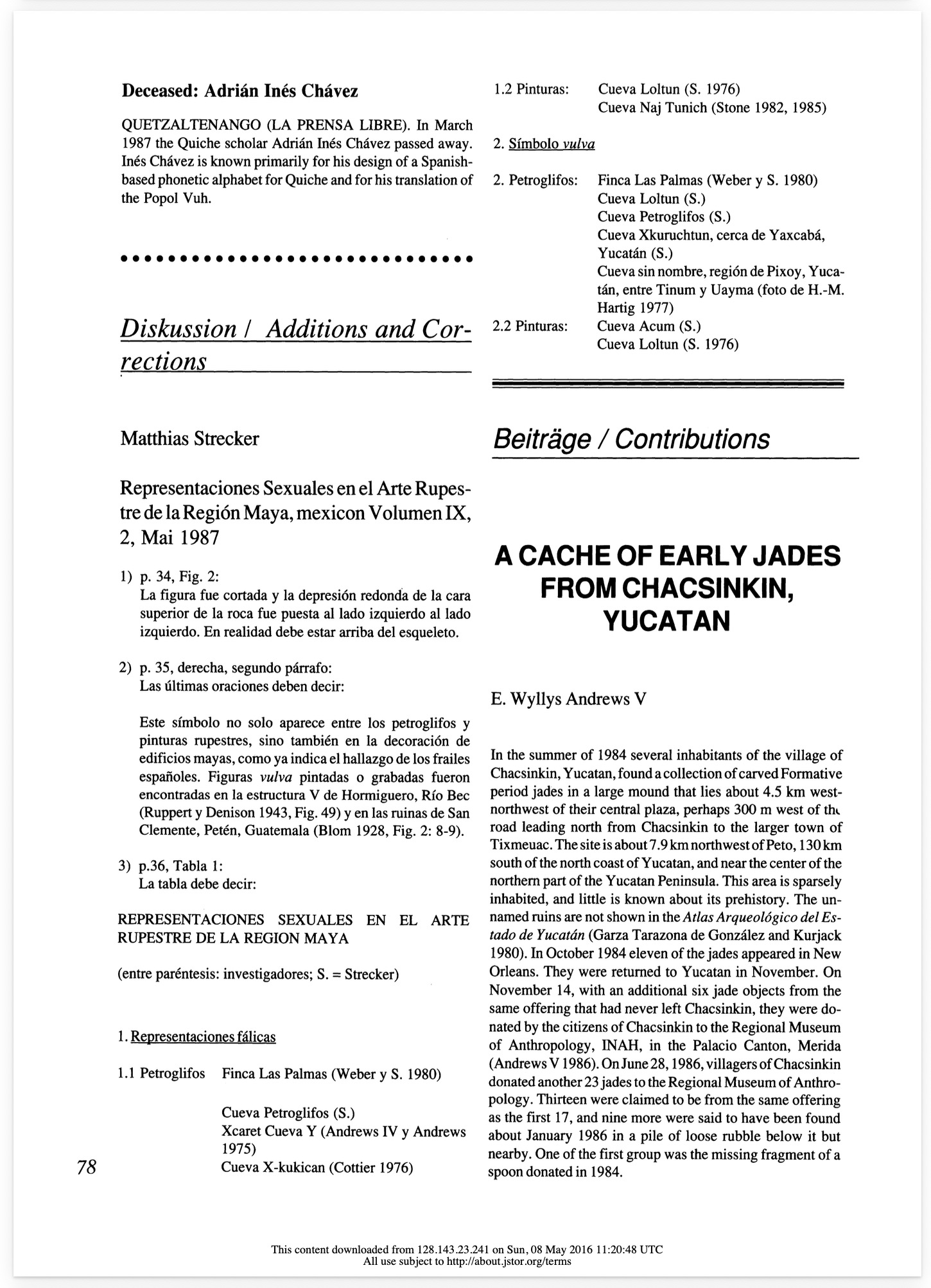
Andrews, E.W. (1987) A cache of early jades from Chacsinkin, Yucatan. Mexicon, Vol. 9, No. 4, pp. 78–85.
Record No. 28404  |  ISBN/ISSN: 7205988  |  Sinkankas/Born No.: NIS / NIB  |  RWHL
View Individual Record ↗
In the summer of 1984, several inhabitants of the village of Chacsinkín, Yucatán, discovered a collection of carved Formative-period jades within a large mound situated about 4.5 km west-northwest of the village plaza and approximately 300 m west of the road leading north from Chacsinkín to the larger town of Tixmeuac. The site lies about 7.9 km northwest of Peto, 130 km south of the northern coast of Yucatán and near the centre of the northern Yucatán Peninsula. This region is sparsely inhabited and little is known of its prehistory. The unnamed ruins are not recorded in the Atlas Arqueológico del Estado de Yucatán (Garza Tarazona de González and Kurjack, 1980). In October 1984, eleven of the jade objects appeared in New Orleans, but they were returned to Yucatán the following month. On 14 November, together with an additional six jade objects from the same offering that had never left Chacsinkín, they were donated by the citizens of Chacsinkín to the Regional Museum of Anthropology of INAH in the Palacio Cantón, Mérida (Andrews V, 1986). On 28 June 1986, villagers of Chacsinkín donated another twenty-three jades to the Regional Museum of Anthropology. Thirteen were said to belong to the same offering as the original seventeen objects, while nine others were reportedly found around January 1986 in a pile of loose rubble below and near the original deposit. One object from the first group proved to be the missing fragment of a spoon donated in 1984.

Some aspects of lapidary craft at Moenjodaro in the light of the surface record on the Moneer S.E. Area
Book Section
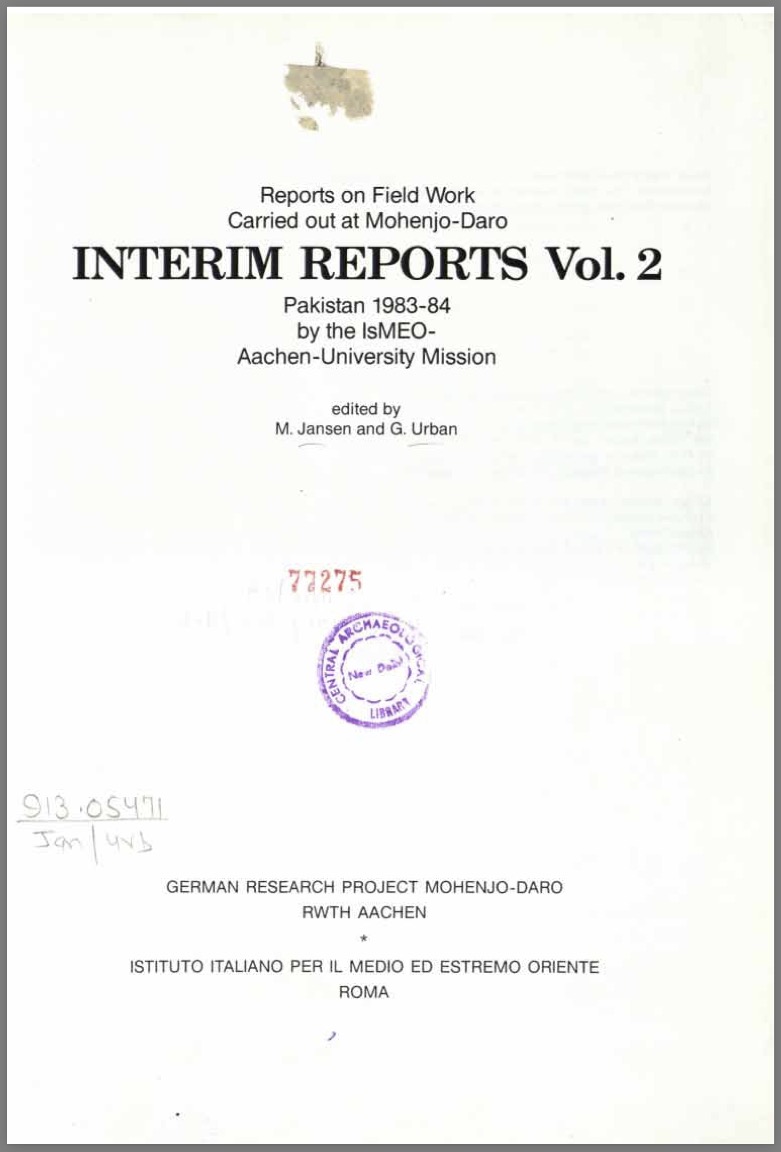
Vidale, M. (1987) Some aspects of lapidary craft at Moenjodaro in the light of the surface record on the Moneer S.E. Area. In: Reports on Field Work Carried out at Mohenjo-Daro: Interim Reports, Pakistan 1983–84, Aachen: IsMEO-Aachen-University Mission, pp. 113–149.
Record No. 26964  |  Sinkankas/Born No.: NIS / NIB  |  RWHL
View Individual Record ↗
This study examines evidence of lapidary (stone-working) craft activity at the Indus Valley site of Moenjodaro, focusing specifically on surface findings from the Moneer South East Area. Triggered by earlier excavations—particularly by N.G. Majumdar and J.H. Mackay—the research considers artefacts such as unfinished beads and waste material to evaluate the extent and organization of semi-precious stone manufacturing. Vidale highlights the spatial concentration of production debris and infrastructure, suggesting the presence of bead-making workshops. The study also draws attention to the complexity of the manufacturing process, including sequential production stages and the reuse of defective items. Findings indicate a sophisticated technological tradition within the broader urban context of the Harappan Civilization and point toward the emergence of specialized craft sectors during the third millennium BC.

Reports on Field Work Carried out at Mohenjo-Daro: Interim Reports, Pakistan 1982–83, Vol. 1 and 1983–84 Vol. 2
Edited Book
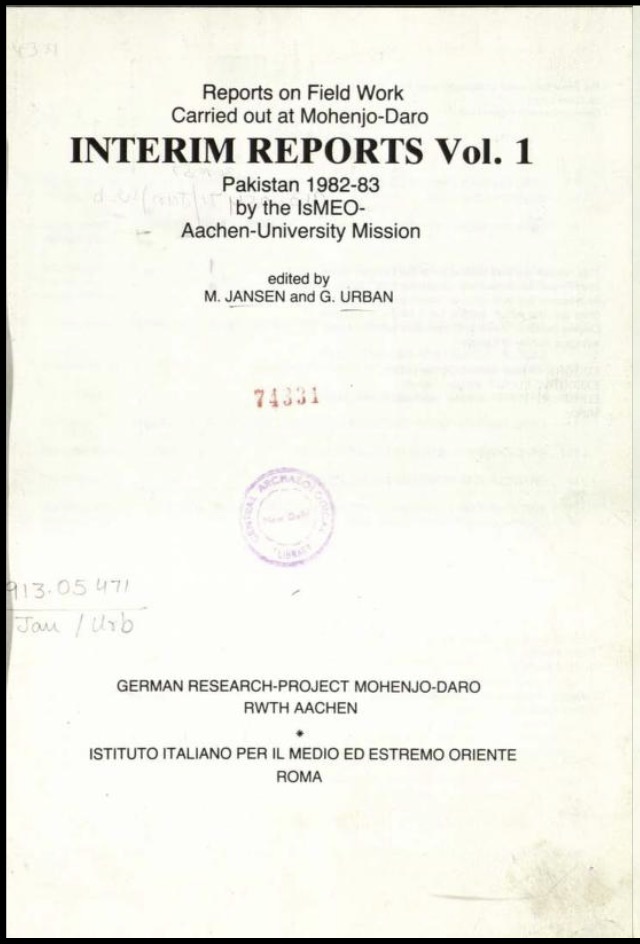
Jansen, M. and Urban, G., editor (1987) Reports on Field Work Carried out at Mohenjo-Daro: Interim Reports, Pakistan 1982–83, Vol. 1 and 1983–84 Vol. 2.. Aachen, German Research-Project Mohenho-Daro, 205 pp..
Record No. 26963  |  Sinkankas/Born No.: NIS / NIB  |  RWHL
View Individual Record ↗
The IsMEO participation in the Moenjodaro Project, jointly with the RWTH, is aimed at expanding some aspects of the scientific project initiated at the end of the sixties with the excavations of Shahr-i Sokhta, the main protohistorical center in Iranian Sistan. Both initiatives are motivated by the same determination to enlarge the study of early Indo-Iranian civilizations of the third millennium BC, incorporating the Middle Asian Bronze Age urban cultures recently brought to light. The discovery of these pristine stone formations across the oases belts of eastern Iran, southern Turkmenia and Afghanistan has opened up a much deeper historical perspective, defining the cultural complexity that the emergence of the greater religious and political movements underwent in this part of Asia. Such expansion into the prehistoric period can only be based on the integration of a broad spectrum of disciplines in long-term research programmes. The experience gathered at Shahr-i Sokhta has highlighted how fruitful such a multidirectional approach can be to a critical understanding of early urbanism and its cultural implications. This type of strategy has become quite a standard procedure of IsMEO in its tackling of the ever-complex problems involved in the study of Asian civilizations. More institutionalized forms of international cooperation are corollary to such a policy of long-term investments. The agreement IsMEO and RWTH signed in Rome on December 14th 1983 to cooperate on the exploration of Moenjodaro represents the first milestone in such a direction.

Archaologie und Chemie – Einblicke in die Vergangenheit
Archaeology and chemistry – Insights into the past
Book
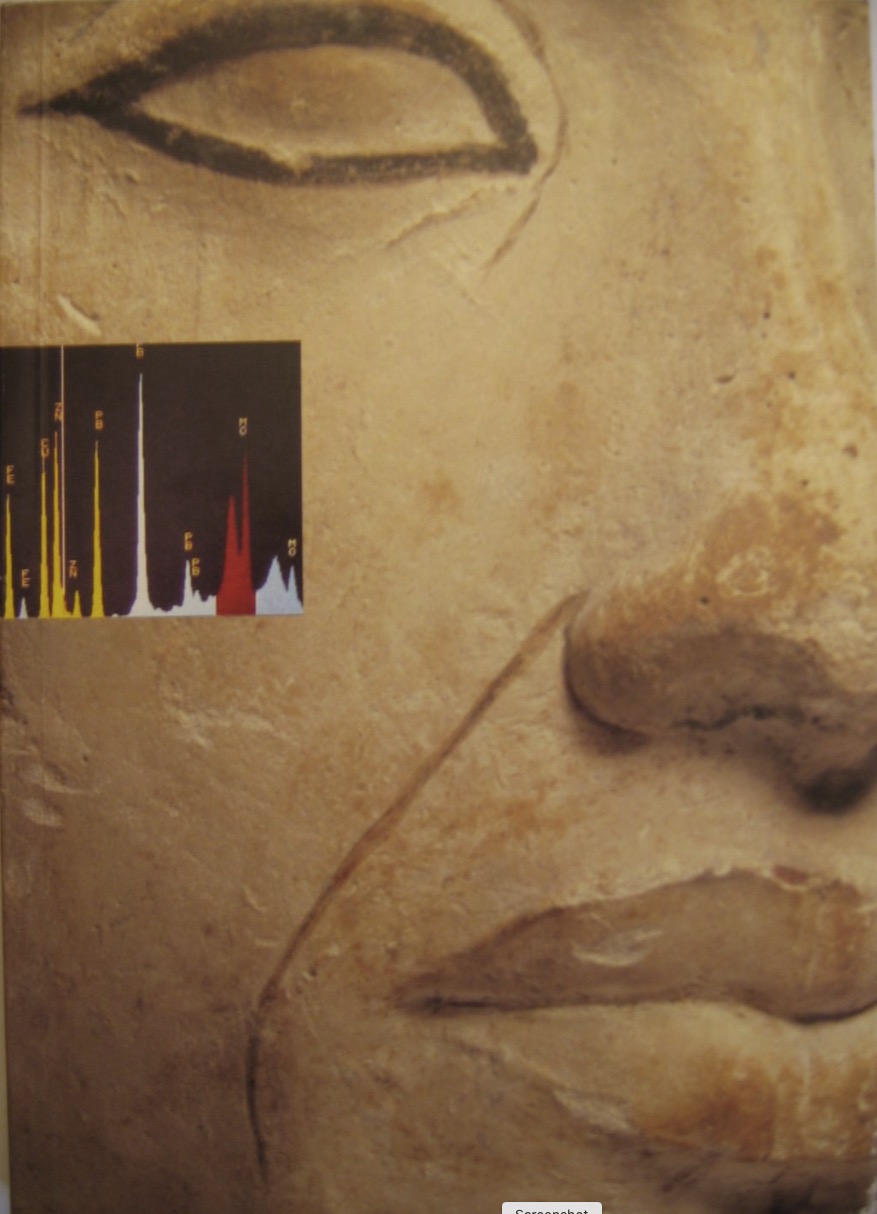
Riederer, J. (1987) Archaologie und Chemie – Einblicke in die Vergangenheit. [Archaeology and chemistry – Insights into the past] Berlin, Staatliche Museen Preussischer Kulturbesitz, 276 pp.
Record No. 26950  |  ISBN/ISSN: 9783890000000  |  Sinkankas/Born No.: NIS / NIB  |  Language: in German  |  RWHL
View Individual Record ↗
As a contribution to the 750th anniversary of Berlin, the Association of the Chemical Industry, together with the State Museums of the Prussian Cultural Heritage, presents within the framework of the exhibition “Archaeology and Chemistry – Insights into the Past” an aspect of scientific work that has a special tradition in this city—namely, the contribution of chemistry to archaeological research. This field was founded in Berlin nearly 200 years ago, when Martin Heinrich Klaproth, in the late 18th century, began conducting chemical analyses on objects of cultural and historical significance. A second milestone in the collaboration between archaeologists and chemists was the establishment of the first chemical laboratory ever in a museum, namely at the Royal Museums in Berlin in 1888. This laboratory became a model for similar institutions that were established in other European capitals only decades later. Today, the Rathgen Research Laboratory of the State Museums of the Prussian Cultural Heritage in Berlin continues this tradition, providing archaeology with insights into the materials and techniques of earlier times through modern analytical methods. This enables a more comprehensive and precise representation of the historical context of a particular cultural-historical era. An important aspect of chemistry’s contribution to cultural-historical research—namely conservation and restoration, beginning with excavation recovery and continuing to the creation of suitable exhibition conditions in the museum—was already addressed in 1977 as part of the exhibition “Art and Chemistry”, initiated and funded by the Association of the Chemical Industry (VCI). The focus of that exhibition was to show that the careful safeguarding of a work of art’s material substance, from discovery to museum presentation, is a fundamental prerequisite for its scholarly interpretation, since even the most seemingly insignificant detail can be of crucial importance to the historian for reconstructing historical contexts. In the scholarly interpretation of our cultural heritage, methods of material analysis now play a key role.

The Changing Past: Farmers, Kings and Traders in Southern Africa, 200–1860
Book
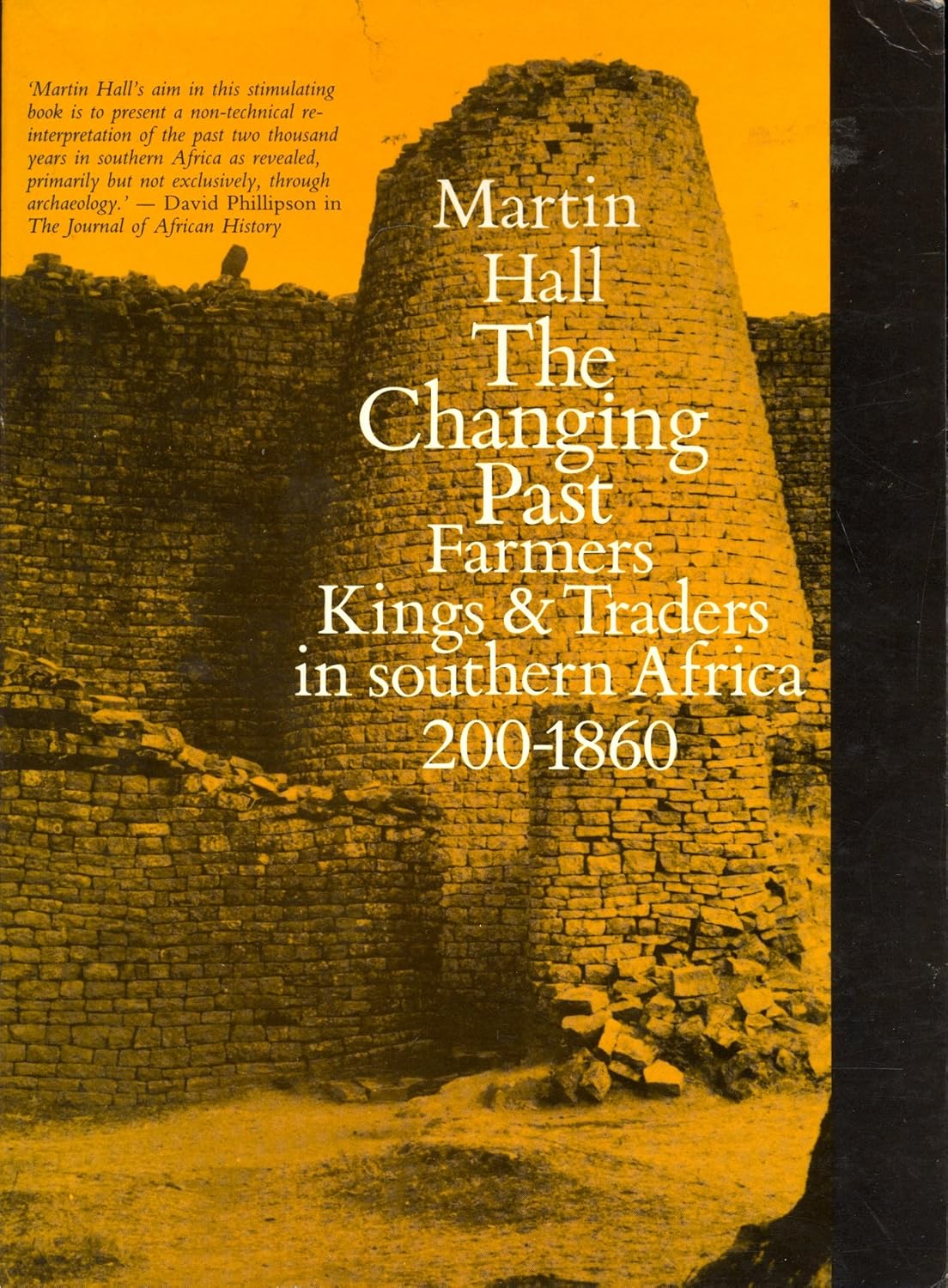
Hall, M. (1987) The Changing Past: Farmers, Kings and Traders in Southern Africa, 200–1860. Capetown, James Currey, 161 pp.
Record No. 26878  |  ISBN/ISSN: 9780850000000  |  Sinkankas/Born No.: NIS / NIB  |  RWHL
View Individual Record ↗
In this overview of the origins and development of black societies in southern Africa, Martin Hall reconstructs the region’s past by throughly examining both the archaeological and the historical records. Beginning with the gradual southward movement of the earliest farmers nearly two thousand years ago, Hall tracks the emergence of precolonial states such as Mapungubwe and Great Zimbabwe. Farmers, Kings, and Traders concludes with the devastating effects of colonialism. Through a close reading of the accounts of early travelers, colonialists, archaeologists, and historians, Hall places in context the often contradictory histories that have been written of this region. The result is an illuminating look at how ideas about the past have themselves changed over time.

Experimental evidence for the use of a diamond drill in Sri Lanka ca. A.D. 700–1000
Journal Article
Gorelick, L. and Gwinnett, A.J. (1987) Experimental evidence for the use of a diamond drill in Sri Lanka ca. A.D. 700–1000. Scanning Electron Microscopy, Vol. 1986, No. 2, pp. 473–477.
Record No. 26326  |  Sinkankas/Born No.: NIS / NIB  |  RWHL
View Individual Record ↗
The use of a diamond splinter turned by a bow drill to drill the quartz beads in present day Cambay, India has been documented. A group of Cambay beads were made available for study. They were compared with a similar group of quartz beads excavated in Mantai, Sri-Lanka. These were dated stratigraphically c.700-1000 A.D. Silicone impressions were made of the drill holes from selected beads from both Cambay and Mantai. These were examined by means of scanning electron microscopy. The pattern of drilling was the same, suggesting that the technique of drilling with a diamond splinter and bow drill was an ancient one. This has not been previously reported.

World map of gem deposits

Journal Article
Gübelin, E.J. and Schiffmann, C.A. (1987) World map of gem deposits. Transactions of the XXI International Gemmological Conference, Brazil, 1987, p. 111.
Record No. 7717  |  Sinkankas/Born No.: NIS / NIB  |  RWHL
View Individual Record ↗

Infrared spectroscopy in gem identification
Journal Article
Fritsch, E. and Stockton, C.M. (1987) Infrared spectroscopy in gem identification. Gems & Gemology, Vol. 23, No. 1, Spring, pp. 18–26.
Record No. 5503  |  ISBN/ISSN: 0016626X  |  Sinkankas/Born No.: NIS / NIB  |  RWHL
View Individual Record ↗
Infrared spectroscopy is a powerful tool for gein identification and research. Absorptions of a gem material in the infrared region of the electromagnetic spectrum are due to vibrations in the crystal structure; they can be used to help separate one gem material from another or to detect certain types of treatments. The arrthors describe the new Nicolet 60SX Fourier transform infrared spectrometer recently acquired by GIA'S Research Department, and outline the detection of polymer-impregnation of opal as an example of the use of infrared spectroscopy in gemology

The Lennix synthetic emerald

Journal Article
Gübelin, E.J., Graziani, G. and Martini, M. (1987) The Lennix synthetic emerald. Gems & Gemology, Vol. 23, No. 3, Fall, pp. 140–147.
Record No. 5061  |  ISBN/ISSN: 0016626X  |  Sinkankas/Born No.: NIS / NIB  |  RWHL
View Individual Record ↗
The Lennix synthetic emerald, currently n~anufacturedin France, is a dark green, moderately transparent to translucent material grown by flux fusion. With the microscope, zones of lighter and darker green are evident. For the most part, the gemological properties of this synthetic emerald overlap those of natural einer-aids, although the low refractive-index and specific-gravity values are good indi-cators that this material is synthetic. The presence of wispy veil" inclusions pro-vides conclusive proof of synthetic origin, as do the chemical analyses, infrared transmission spectra, and cathodo-luminescence."

Sapphirine (not sapphire) in a ruby from Bo Rai, Thailand

Journal Article
Koivula, J.I. and Fryer, C.W. (1987) Sapphirine (not sapphire) in a ruby from Bo Rai, Thailand. Journal of Gemmology, Vol. 20, No. 6, April, pp. 369–370.
Record No. 4854  |  ISBN/ISSN: 221252  |  Sinkankas/Born No.: NIS / NIB  |  RWHL
View Individual Record ↗
Sapphirine inclusions are identified in a rough ruby from Bo Rai, Trat Province, Thailand, in what the authors report as the first documented occurrence of this mineral as an inclusion in any gem material. The host is a purplish-red, tabular, etched crystal weighing 0.91 ct, collected by Peter C. Keller during investigations of the local ruby mines. Three dark greenish-blue grains occur within the ruby, the largest exposed where the crystal had broken across its centre. Their unusual appearance prompted examination after conventional gemmological testing confirmed the identity of the host. Microscopy showed rounded, anhedral grains, suggesting that they formed before their incorporation into the ruby. Because the inclusions were very dark, an 80 W pinpoint fibre-optic illuminator was required to transmit sufficient light through the exposed grain for optical examination. It proved birefringent and displayed green and deep blue pleochroic colours, initially suggesting sapphire. To test this interpretation, the exposed inclusion was scraped with a fine diamond-tipped tool to obtain a minute quantity of powder for X-ray diffraction. The sample was mounted in a Debye–Scherrer powder camera and exposed for 4.5 hours using nickel-filtered copper radiation generated at 46 kV and 26 mA. Its diffraction pattern differed clearly from the corundum reference pattern, excluding sapphire. Interplanar spacings were measured with a Nies overlay scale corrected for film shrinkage, and diffraction-line intensities were estimated visually. Comparison with reference data produced an exact match with monoclinic sapphirine, a magnesium aluminium silicate represented by the formula (Mg,Al)₈(Al,Si)₆O₂₀. Although sapphirine had previously been described as a faceted gemstone, its occurrence enclosed within another gem was considered a new observation. The authors emphasise the ease with which small sapphirine grains can be mistaken for sapphire because of their similar appearance, despite substantial chemical and physical differences. In this specimen, colour, pleochroism and association with ruby all favoured an initially plausible but incorrect identification. The study demonstrates the importance of analytical confirmation when identifying unfamiliar inclusions whose optical appearance resembles a more common mineral.

Building a Gemological Library

Gemological books range from general identification manuals and textbooks to specialized works on individual gems, mineralogy, jewelry, treatments, synthesis, history and gem-producing regions.

For a curated selection of particularly useful books, read The Gemologist's Core Library — Classic Books on Gemology, Jewelry and Mineralogy.

About Four Treasures

Four Treasures is Lotus Gemology's freely accessible gemological reference database. Use the full database to search by author, title or keyword and explore literature on gemology, mineralogy, jewelry and related fields. Where available, hyperlinks on titles may lead directly to the full publication.

Search the Complete Four Treasures Database