Gemstone Inclusions Bibliography

Gemstone Inclusions Bibliography

Explore books, articles and historical sources on inclusions in gemstones in Four Treasures, the Lotus Gemology reference database. This bibliography brings together matching records from the collection, with publication details, abstracts and cover images where available.

Gemstone Inclusion References

The list below matches the terms inclusion or inclusions in the database's searchable fields. Some references discuss inclusions as part of a broader subject.

101–120 of 1,111 matching references
U–Pb dating of zircon and zirconolite Inclusions in marble-hosted gem-quality ruby and spinel from Mogok, Myanmar

U–Pb dating of zircon and zirconolite Inclusions in marble-hosted gem-quality ruby and spinel from Mogok, Myanmar

Phyo, M.M., Wang, H.A.O., Guillon, M., Berger, A., Franz, L., Balmer, W. and Krzemnicki, M.S. (2020)

Journal Article · Source: Minerals · Volume: Vol. 10 · Issue: No. 195 · Pages: 18 pp.

Abstract
The Mogok area in Myanmar (Burma) is known since historic times as a source for some of the finest rubies and spinels in the world. In this study, we focus on in-situ U–Pb geochronological analyses of zircon and zirconolite, either present as inclusions in gem-quality ruby and spinel or as accessory minerals in ruby- and spinel-bearing marble and adjacent granulite facies gneisses. The age determination was carried out using both laser ablation inductively coupled plasma time-of-flight mass spectrometry (LA-ICP-TOF-MS) and sector-field mass spectrometry (LA-ICP-SF-MS). In addition, we present multi-element data (REE) of zircon and zirconolite collected with LA-ICP-TOF-MS to further characterize these inclusions. Most of the studied zircon grains display growth zoning (core/rim) regardless if as inclusion in gemstones, or as accessory mineral in host rock samples. U–Pb dating was conducted on both core and rim of zircon grains and revealed most ages ranging from ~200 Ma in the core to ~17 Ma in the rim. The youngest U–Pb ages determined from the rim of zircon inclusions in gem-quality ruby and spinel are 22.26 ± 0.36 Ma and 22.88 ± 0.72 Ma, respectively. This agreement in U–Pb ages is interpreted to indicate a simultaneous formation of ruby and spinel in the Mogok area. In ruby- and spinel-bearing marble from Bawlongyi, the youngest zircon age was determined as 17.11 ± 0.22 Ma. Furthermore, U–Pb age measured on the rim of zircon grains in a biotite-garnet gneiss reveals a Late Oligocene age (26.13 ± 1.24 Ma), however older ages up to Precambrian age were also recorded in the cores of zircon as accessory minerals from this gneiss. These old ages point to a detrital origin of the analysed zircon cores. Although non-matrix matched standard was applied, zirconolite U–Pb age results are narrower in distribution from ~35 Ma to ~17 Ma, falling within the range of zircon ages. Based on results which are well in accordance with previous geochronological data from the Mogok Metamorphic Belt (MMB), we deduce that gem-quality ruby and spinel from Mogok probably formed during a granulite-facies regional metamorphic event in Oligocene to Early Miocene, related to post collision tectonics of the Eurasian and Indian plates. Our data not only provide key information to understand the formation of gem-quality ruby and spinel in the so-called Mogok Stone Tract, but also provide assisting evidence when determining the country of origin of gemstones in gemmological laboratories.
Keywords
gems, corundum, inclusions.5, Burma.12, zircon, zirconolite, Mogok, spinel
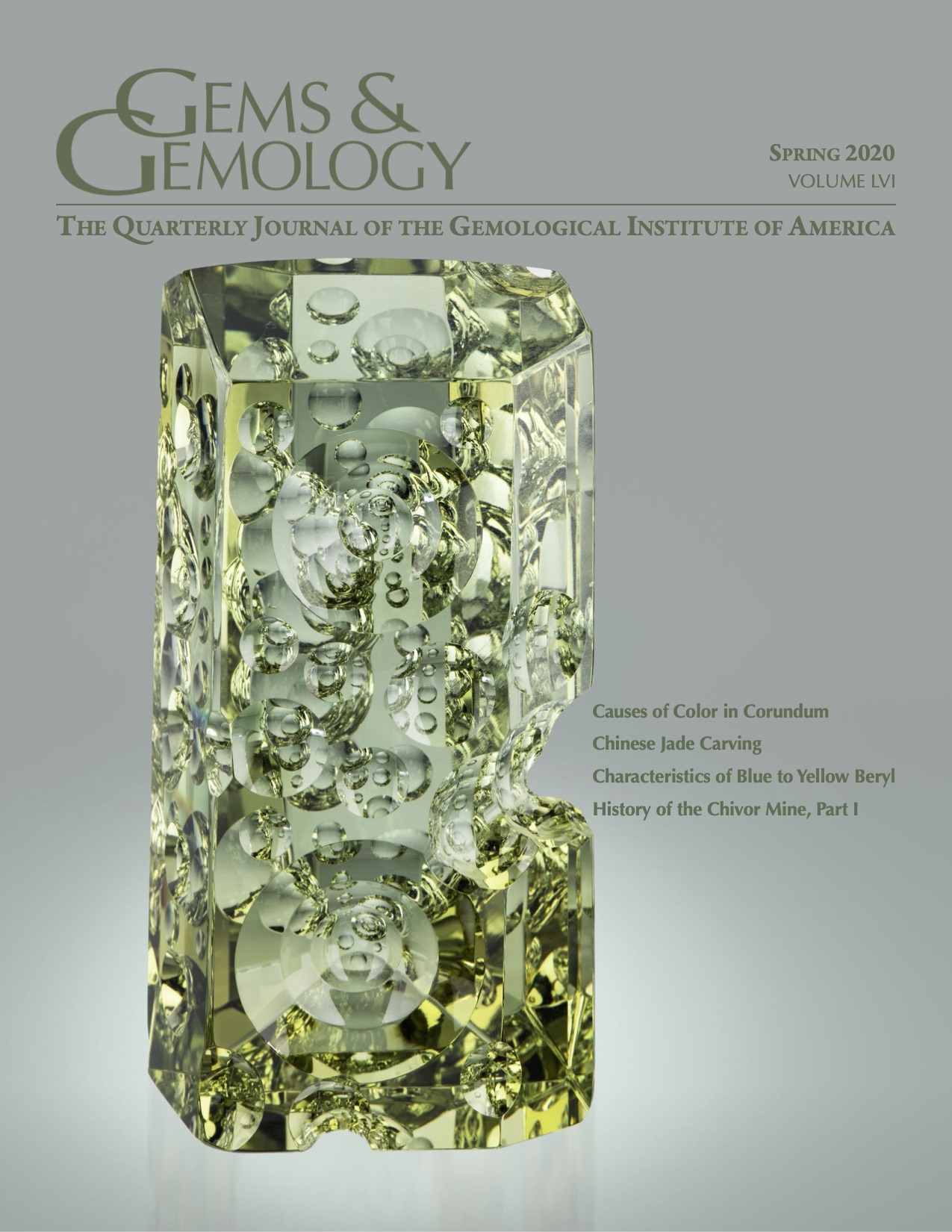
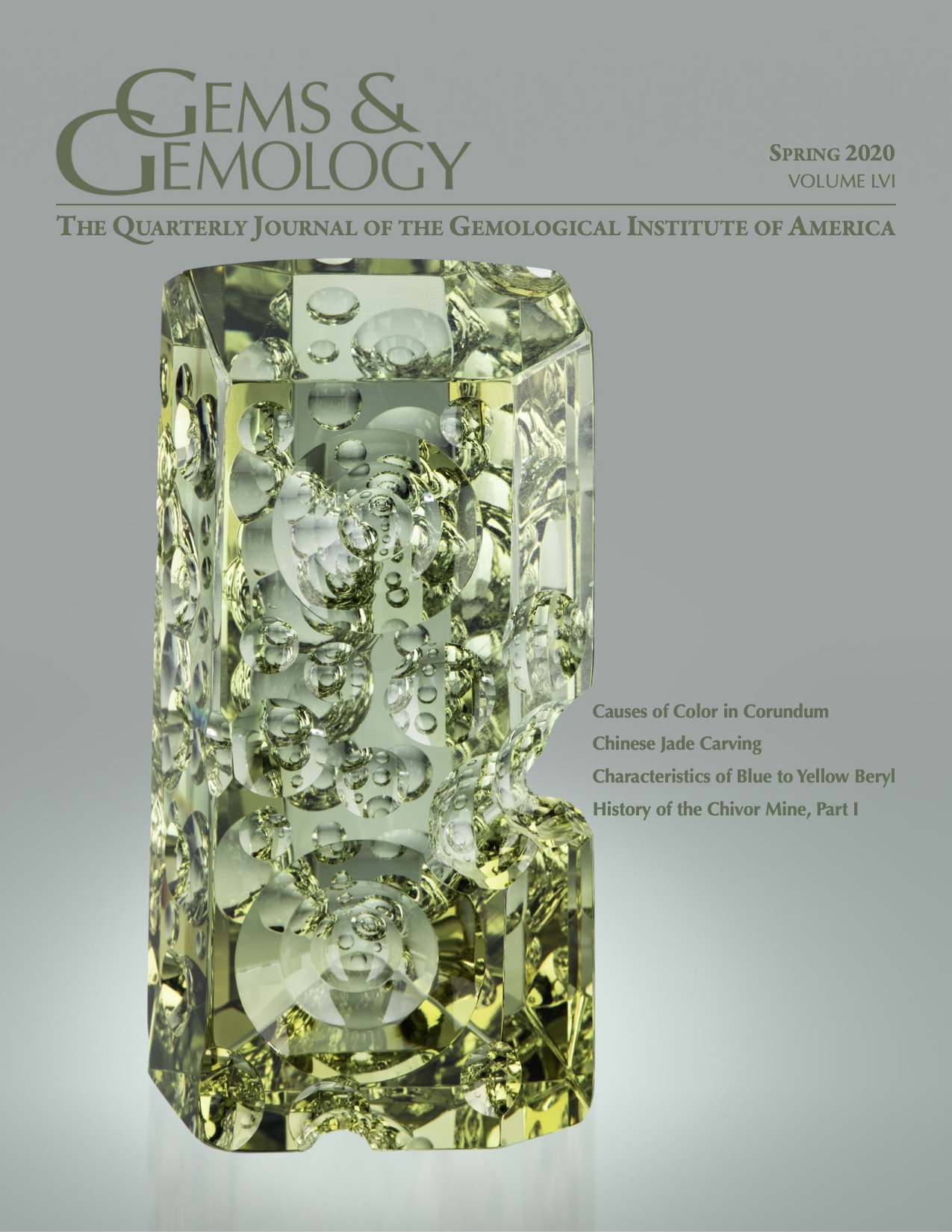
G&G Microworld: Phenomenon resembling play-of-color in sapphire

G&G Microworld: Phenomenon resembling play-of-color in sapphire

LeCroy, B. (2020)

Journal Article · Source: Gems & Gemology · Volume: Vol. 56 · Issue: No. 1, Spring · Pages: pp. 143–144

Abstract
A phenomenon resembling play-of-color was seen in a 4.13 ct unheated sapphire recently examined by the author. When tilted in darkfield lighting (watch the video below), the sapphire displayed this noteworthy effect, which is most commonly seen in precious opal. It occurred within a small section of a single fine, milky cloud with an unusual shape (figure 1, left). The cloud also possessed extensive transparent graining confined within its borders, best seen in brightfield illumination (figure 1, right). Some regions of the cloud displayed an appearance of rainbow graining with spectral colors confined to the linear grain lines and looked one-dimensional. Other regions, however, expressed a soft billowy broad flash of altering colors with diffuse edges resembling play-of-color and did not follow linear grain lines (figure 2). Play-of-color in opal is defined as a display of spectral colors due to the diffraction of light as it passes through organized, submicroscopic spherical particles. It is possible that the combination of fine milky particles and abundant transparent graining within the cloud were able to diffract light in a way that resembles play-of-color.
Keywords
gems, corundum, inclusions.5
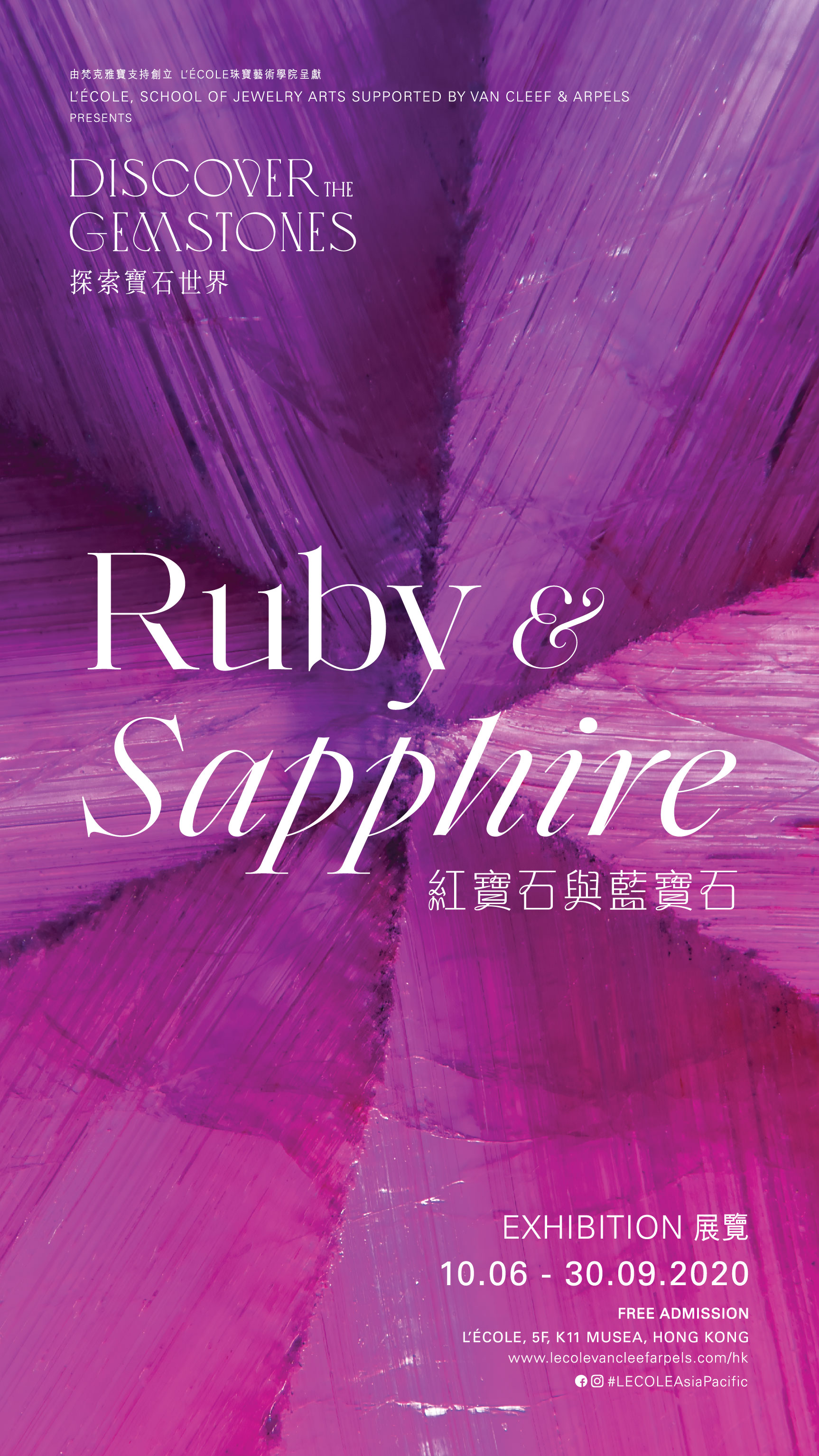
Ruby & Sapphire

Ruby & Sapphire

L’École Asia Pacific–School of Jewelry Arts (2020)

Book · Source: Discover the Gemstones · Publisher: L’École Asia Pacific–School of Jewelry Arts · Pages: 46 pp. · Language: in English & traditional Chinese

Abstract
Lovely catalog of an exhibition put on by L’École Asia Pacific–School of Jewelry Arts in Hong Kong. The exhibit ran from 10 June to 20 September 2020 and featured inclusion photos from Lotus Gemology’s E. Billie Hughes, Wimon Manorotkul and Richard Hughes, along with essays on various aspects of ruby and sapphire written by Olivier Segura, Capucine Juncker and Billie Hughes, Richard Hughes and Paolo Minieri. The exhibit also offered a collectable series of postcards of inclusion photos.
Keywords
gems, corundum, inclusions.5
Emerald deposits: A review and enhanced classification

Emerald deposits: A review and enhanced classification

Giuliani, G., Groat, L., Marshall, D., Fallick, A.E. and Branquet, Y. (2019)

Journal Article · Source: Minerals · Volume: Vol. 9 · Issue: No. 2: 105, February · Pages: 63 pp.

Abstract
Although emerald deposits are relatively rare, they form in specific yet varied geological settings, and current classification models are often too restrictive, leading to confusion about the precise formation mechanisms of certain occurrences; emerald is essentially beryl containing sufficient concentrations of chromium and vanadium to produce its characteristic green hues, and its formation depends on conditions supplying both beryllium and chromium or vanadium—traditionally grouped into three types: desilicated pegmatite-related deposits formed by metasomatic fluid interaction with beryllium-rich pegmatites intruding Cr- or V-rich rocks; sedimentary deposits, responsible for much gem-quality emerald, formed by brine interaction with Cr/V-bearing sedimentary rocks along faults; and the rarer metamorphic-metasomatic deposits involving deep crustal fluids and metamorphosed shales, carbonates, and ultramafic rocks—with all three models requiring tectonic activity, which can transform one type into another through metamorphism and partial melting, thus blurring distinctions; to address the limitations, this paper proposes an enhanced classification system based on geological environment (magmatic or metamorphic), host-rock type, metamorphic grade, mineralization style, and fluid characteristics, accounting for multi-stage processes, beryllium remobilization, and using chemical, isotopic, and fluid inclusion studies to support genetic models, thereby categorizing emeralds into two main types: Type I (tectonic magmatic-related) with sub-types in (IA) mafic-ultramafic rocks (e.g. Brazil, Zambia, Russia), (IB) sedimentary rocks (e.g. China, Canada, Norway), and (IC) granitic rocks (e.g. Nigeria); and Type II (tectonic metamorphic-related) with sub-types in (IIA) mafic-ultramafic rocks (e.g. Brazil, Austria), (IIB) sedimentary rocks (e.g. Colombia, Canada, USA), (IIC) metamorphic rocks (e.g. China, Afghanistan, USA), and (IID) metamorphosed and remobilized or hidden intrusion-related deposits (e.g. Austria, Egypt, Australia, Pakistan), plus some unclassified occurrences.
Keywords
gems, beryl, emerald, Colombia, Afghanistan, Brazil, Russia, Mozambique, Madagascar, Zambia, Zimbabwe, India, geology, analytical, provenance, emerald worldwide
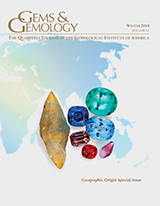
Geographic origin determination of blue sapphire

Geographic origin determination of blue sapphire

Palke, A.C., Saeseaw, S., Renfro, N., Sun, Z. and McClure, S.F. (2019)

Journal Article · Source: Gems & Gemology · Volume: Vol. 55 · Issue: No. 4 · Pages: pp. 536–579

Abstract
Geographic origin determination, one of the most pressing issues facing modern gemological laboratories, is especially challenging for blue sapphire. Reliable origin determination requires careful analysis of a stone’s inclusions and trace element chemistry as well as spectroscopic data. Some stones have characteristic inclusion scenes or trace element chemistry that make it easy to determine their origin, but in many cases there is significant overlap for blue sapphire from distinct geographic localities. The most commonly encountered inclusions are rutile silk and particle clouds. In some stones the silk or clouds may take on a distinct appearance and the origin may be accurately determined. But in many cases the evidence presented by inclusions within a stone is ambiguous. This contribution outlines the methods and criteria used at GIA for geographic origin determination of blue sapphire.
Keywords
gems, corundum, sapphire, origin determination, Burma.12, India.12, Kashmir.12, Madagascar.12, Thailand.12, Sri Lanka.12, Nigeria.12, Australia.12, Ethiopia.12, analytical, provenance
Geographic origin determination of ruby

Geographic origin determination of ruby

Palke, A.C., Saeseaw, S., Renfro, N., Sun, Z. and McClure, S.F. (2019)

Journal Article · Source: Gems & Gemology · Volume: Vol. 55 · Issue: No. 4 · Pages: pp. 580–612

Abstract
Over the last several decades, geographic origin determination for fine rubies has become increasingly important in the gem trade. In the gemological laboratory, rubies are generally broken down into two groups based on their trace element chemistry: marble-hosted (low-iron) rubies and high-iron rubies. High-iron rubies are usually a straightforward identification based on their inclusions and trace element profiles. Marble-hosted rubies can be more challenging, with some deposits showing overlap in some of their inclusion scenes. But many marblehosted rubies, especially Burmese stones from Mogok and Mong Hsu, can be accurately identified based on their internal features and trace element profiles. This contribution will outline the methods and criteria used at GIA for geographic origin determination for ruby.
Keywords
gems, corundum, ruby, origin determination, Burma.12, Mozambique.12, Madagascar.12, Kenya.12, Tajikistan.12, Vietnam.12, Afghanistan.12
Geographic origin determination of emerald

Geographic origin determination of emerald

Saeseaw, S., Renfro, N., Palke, A.C., Sun, Z. and McClure, S.F. (2019)

Journal Article · Source: Gems & Gemology · Volume: Vol. 55 · Issue: No. 4 · Pages: pp. 614–646

Abstract
The gem trade has grown to rely on gemological laboratories to provide origin determination services for emeralds and other fine colored stones. In the laboratory, this is mostly accomplished by careful observations of inclusion characteristics, spectroscopic analysis, and trace element profile measurements by laser ablation–inductively coupled plasma–mass spectrometry (LA-ICP-MS). Inclusions and spectroscopy can often separate Colombian emeralds from other sources (although there is some overlap between Colombian, Afghan, and Chinese [Davdar] emeralds). For non-Colombian emeralds, trace element analysis by LA-ICP-MS is needed in addition to information from the stone’s inclusions. The relative chemical diversity of emeralds from worldwide deposits allows confidence in origin determination in most cases. This contribution outlines the methods and criteria used at GIA for geographic origin determination for emerald.
Keywords
gems, beryl, emerald, Colombia, Muzo, Chivor, Cosquez, Zambia, Afghanistan, Panjshir, Zimbabwe, Brazil, China, Ethiopia
Geographic origin determination of alexandrite

Geographic origin determination of alexandrite

Sun, Z., Palke, A.C., Muyal, J., DeGhionno, D. and McClure, S.F. (2019)

Journal Article · Source: Gems & Gemology · Volume: Vol. 55 · Issue: No. 4 · Pages: pp. 660–681

Abstract
The gem and jewelry trade has come to place increasing importance on the geographic origin of alexandrite, as it can have a significant impact on value. Alexandrites from Russia and Brazil are usually more highly valued than those from other countries. In 2016, GIA began researching geographic origin of alexandrite with the intent of offering origin determination as a laboratory service. Unfortunately, collecting reliable samples with known provenance can be very difficult. Alexandrite is often recovered as a byproduct of mining for other gemstones (e.g., emerald and corundum), so it can be difficult to secure reliable parcels of samples because production is typically erratic and unpredictable. The reference materials studied here were examined thoroughly for their trace element chemistry profiles, characteristic color-change ranges under daylight-equivalent and incandescent illumination, and inclusion scenes. The data obtained so far allow us to accurately determine geographic origin for alexandrites from Russia, Brazil, Sri Lanka, Tanzania, and India. Future work may help to differentiate alexandrites from other localities.
Keywords
gems, chrysoberyl, alexandrite, Russia, Brazil, Sri Lanka, India, Tanzania
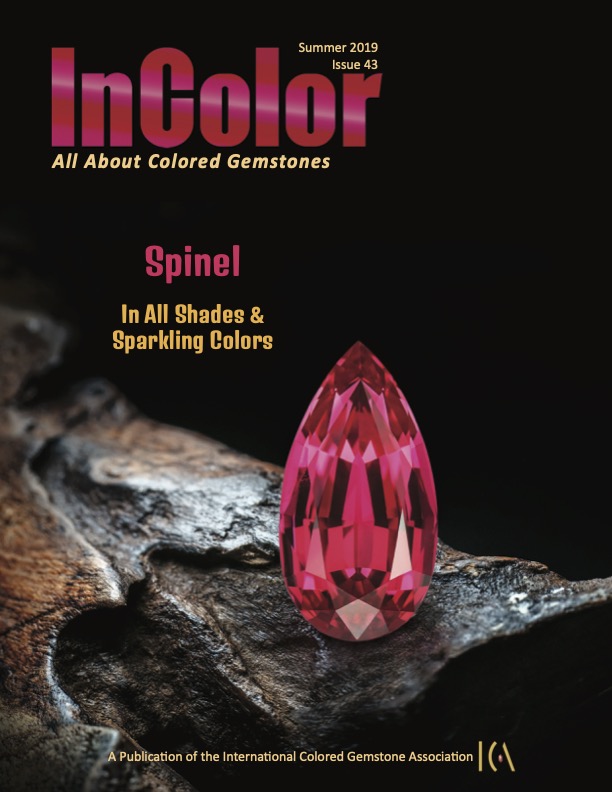
Spinels from Sri Lanka

Spinels from Sri Lanka

Lomthong, P., Schwarz, D., Zoysa, G., Yanyu, C. and Liu, Y. (2019)

Journal Article · Source: InColor · Issue: No. 43, Summer · Pages: pp. 40–52

Abstract
Sri Lanka has been known for its exceptional spinels for centuries. Most of these beautiful gems are found in colors of red to purple, although some cobalt-bearing blue varieties have been discovered in a few locations. All spinel mining occurs in alluvial deposits in specific areas in the southwestern parts of the island.
Keywords
gems, spinel, Sri Lanka, inclusions
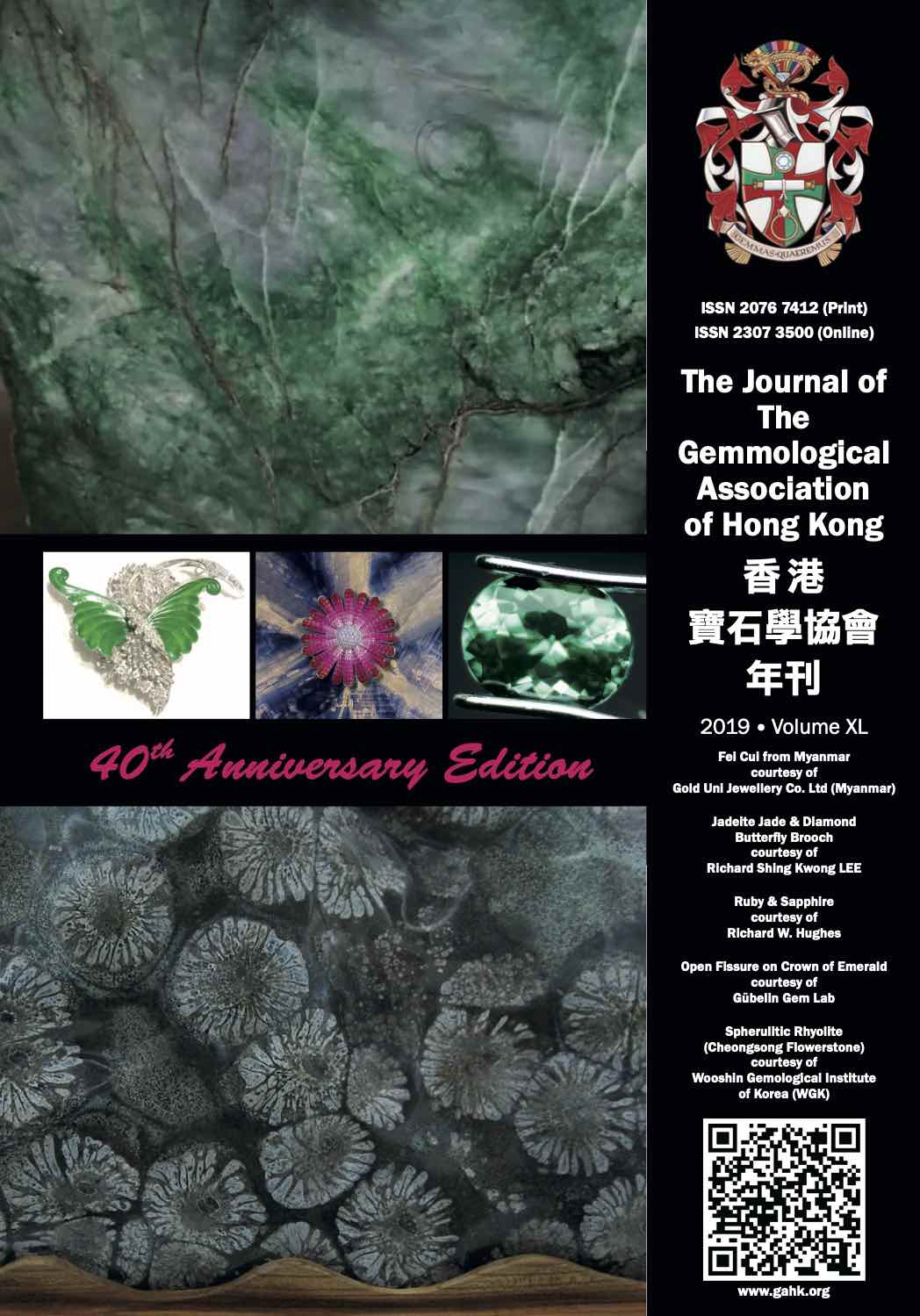
Blue diffusion-treated natural & synthetic sapphires recently available in the market

Blue diffusion-treated natural & synthetic sapphires recently available in the market

Pisutha-Arnond, V., Promwongnan, S., Narudeesombat, N., Ounorn, P., Leelawatanasuk, T., Sripoonjan, T., Nilhud, N. and Atichat, W. (2019)

Journal Article · Source: Journal of the Gemmological Association of Hong Kong · Volume: Vol. 40 · Pages: pp. 87–95

Abstract
Since 2015, a large quantity of a new blue diffused synthetic sapphire has appeared in the Chanthaburi market. It is interesting to compare its gemmological properties with those of a blue diffused natural sapphire that came onto the market in 2012. In immersion, both types of blue diffused sapphires showed the “spiders’ web effect” — a cut-related colouration pattern — and rather high titanium content on the surface of the samples, both effects being diagnostic evidence of Ti-diffusion treatment. The synthetic test stone, however, also displayed strong chalky blue fluorescence to SWUV radiation (also in the DiamondView™), the presence of curved bands, minute particles or gas bubbles under a microscope, very low Ga contents, and no Fe³⁺-related absorption peaks on the UV–Vis spectra. In contrast, the natural one showed the occurrence of tension discs, altered solid inclusions and altered fingerprints, often with colour concentration along healed fractures, cavities seen under the microscope, significant Ga content, and some Fe³⁺-related absorption peaks on the UV–Vis spectra. The thickness of the blue colour rim of the diffused natural stone was apparently much thicker than that of the diffused synthetic one. The reason is that it is the penetration depth of titanium that controls the colour rim thickness of the natural stone, while it is the penetration depth of iron that controls that of the synthetic one. Because of the difference in colour rim thickness and the repolishing process, the “spiders’ web effect” in the natural stone is less pronounced, while that in the synthetic one is more obvious. The formation of the blue colour rim and multi-element diffusion found in both synthetic and natural sapphires are also discussed here.
Keywords
gems, corundum, treatments.6, synthetic corundum.7, titanium diffusion
Mineral inclusions in ruby and sapphire from the Bo Welu gem deposit in Chanthaburi, Thailand

Mineral inclusions in ruby and sapphire from the Bo Welu gem deposit in Chanthaburi, Thailand

Promwongnan, S. and Sutthirat, C. (2019)

Journal Article · Source: Gems & Gemology · Volume: Vol. 55 · Issue: No. 3, Fall · Pages: pp. 354–369

Abstract
The mineral inclusions of alluvial ruby and sapphire from the Bo Welu gem deposit in Thailand’s Chanthaburi Province were collected and investigated. This deposit is directly related to a basaltic terrain. Raman spectroscopy and electron probe micro-analyzer (EPMA) measurements allow the identification of mineral inclusions of pyrope-rich garnet, sillimanite, high-Al diopside, sapphirine, nepheline, quartz, feldspar (mostly plagioclase), spinel, sulfide, anhydrite, and silicate melts in ruby and purple sapphire. Zircon, alkali feldspar (mostly with high Na content), monazite, columbite, and sulfide were identified in blue sapphire. This study represents the first report of several inclusions in ruby and sapphire from this gem deposit.The mineral inclusions of alluvial ruby and sapphire from the Bo Welu gem deposit in Thailand’s Chanthaburi Province were collected and investigated. This deposit is directly related to a basaltic terrain. Raman spectroscopy and electron probe micro-analyzer (EPMA) measurements allow the identification of mineral inclusions of pyrope-rich garnet, sillimanite, high-Al diopside, sapphirine, nepheline, quartz, feldspar (mostly plagioclase), spinel, sulfide, anhydrite, and silicate melts in ruby and purple sapphire. Zircon, alkali feldspar (mostly with high Na content), monazite, columbite, and sulfide were identified in blue sapphire. This study represents the first report of several inclusions in ruby and sapphire from this gem deposit.
Keywords
gems, corundum, Thailand.12, Inclusions.5
An update on mineral inclusions and their composition in ruby from the Bo Rai gem field in Trat Province, eastern Thailand

An update on mineral inclusions and their composition in ruby from the Bo Rai gem field in Trat Province, eastern Thailand

Promwongnan, S. and Sutthirat, C. (2019)

Journal Article · Source: Journal of Gemmology · Volume: Vol. 36 · Issue: No. 7 · Pages: pp. 634–645

Abstract
The Bo Rai alluvial gem field in Trat Province, eastern Thailand, was a major mining site for Thai ruby during the early 1980s, and this material continues to circulate in the gem market worldwide. For this study, approximately 1,000 Bo Rai ruby samples were examined and pre-screened for mineral inclusions. The rough stones usually formed platy, waterworn, tabular crystals with etched or resorbed surfaces. UV-Vis-NIR spectroscopy indicated a relatively high Fe content, which was confirmed by trace-element analysis. Solid inclusions typically consisted of Al-rich pyroxene, plagioclase and pyrope with subordinate sillimanite and spinel (both of which are reported here for the first time), as well as sulphides and silicate melt inclusions. The inclusion assemblage of pyroxene, plagioclase, pyrope and spinel closely resembles the mineralogy of mafic granulite xenoliths in alkali basalt associated with the Bo Rai gem field, which supports ruby formation in mafic granulite prior to being transported to the earth’s surface via basaltic eruptions.
Keywords
gems, corundum, ruby, Thailand.12, Bo Rai
U-Pb ages of zircon inclusions in sapphires from Ratnapura and Balangoda (Sri Lanka) and implications for geographic origin

U-Pb ages of zircon inclusions in sapphires from Ratnapura and Balangoda (Sri Lanka) and implications for geographic origin

Elmaleh, E., Schmidt, S.T., Karampelas, S., Link, K., Kiefert, L., Süssenberger, A. and Paul, A. (2019)

Journal Article · Source: Gems & Gemology · Volume: Vol. 55 · Issue: No. 1, Spring · Pages: pp. 18–28

Abstract
Five sapphires from the secondary placer deposits of Ratnapura and Balangoda in Sri Lanka were classified as being of metamorphic/metasomatic/non-basalt-related origin based on trace-element analysis (LA-ICP-MS) and inclusion characterization. Two sapphires—one from each deposit—contained suitable zircon inclusions that were dated using the LA-ICP-MS method. They yielded U-Pb ages of approximately 549 Ma. The results suggest that the zircon enclosed in the sapphires probably formed in a high-temperature event at the end of the Pre-cambrian granulite facies metamorphism of the ancient Gondwana continent and that this event coincides with the crystallization of the sapphires. The metamorphic character of these sapphires is confirmed from the trace-element composition as well as the solidand liquid-phase inclusions.
Keywords
gems, corundum, inclusions.5, Sri Lanka.12
Observations on the heat treatment of basalt-related blue sapphires

Observations on the heat treatment of basalt-related blue sapphires

Soonthorntanikul, W., Khowpong, C., Atikarnsakul, U., Saeseaw, S., Sangsawong, S., Vertriest, W. and Palke, A. (2019)

Report · Source: GIA News From Research · Publisher: Gemological Institute of America · Pages: 60 pp.

Abstract
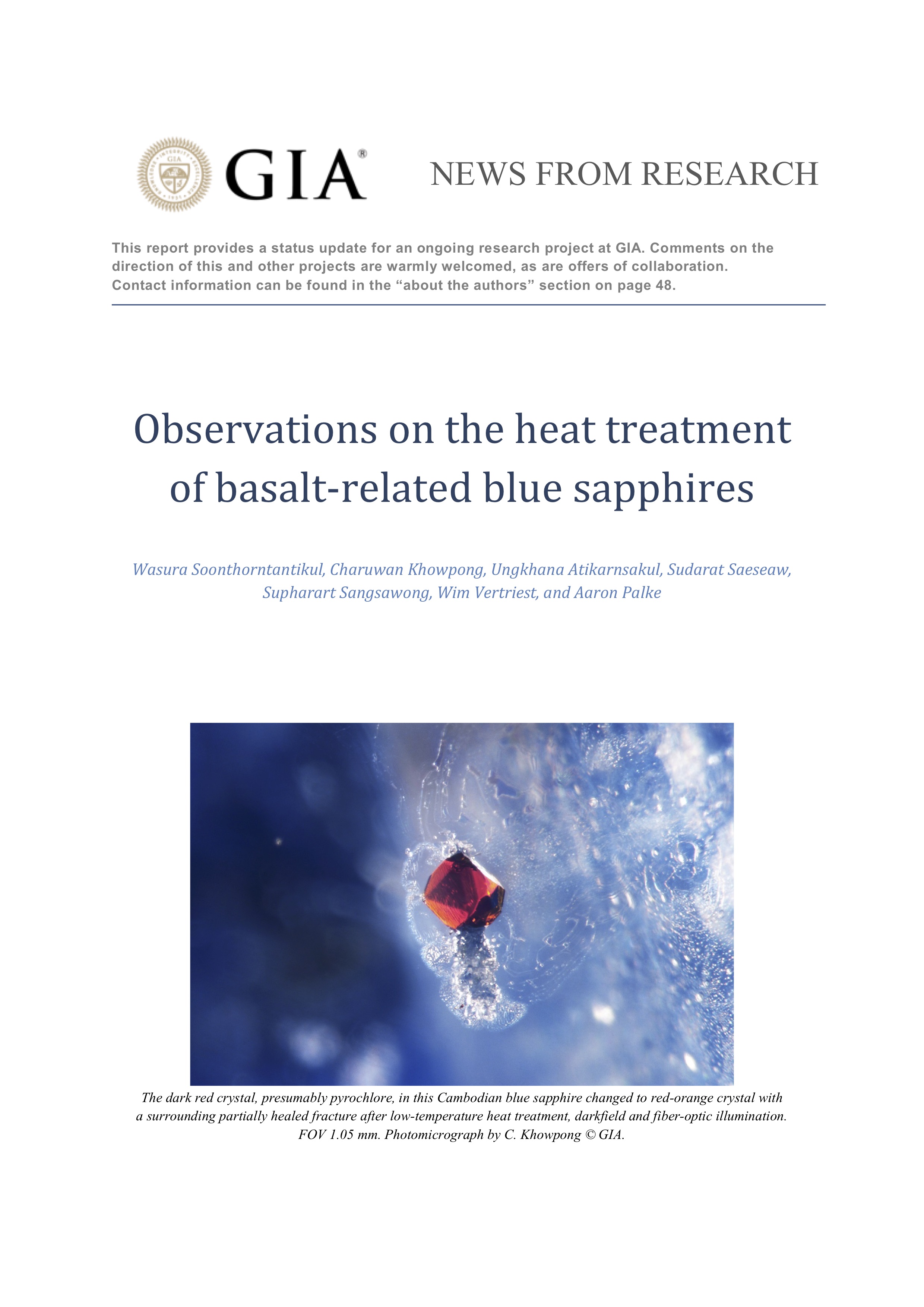
Basalt-related blue sapphires typically have an oversaturated blue color causing the stones to be too dark when faceted. Low-temperature heat treatment can lighten dark material. However, it is difficult to identify this treatment using standard gemological testing and microscopic examination. For instance, unheated sapphires are transported to the earth’s surface by hot, basaltic magma which may have thermally altered their inclusions, causing them to look similar to those seen in artificially heated material. In this study, 50 basalt-related blue sapphires were heat treated in air (oxidizing atmosphere). Changes in color appearance, UV fluorescence, internal features, and spectroscopic properties post treatment were compared with the results before treatment to find suitable approaches for detecting heat treatment on blue sapphires from basalt-related deposits. The main factors affecting the sapphires’ response to heat treatment include the temperatures employed and the duration of the treatment process. Initial experiments at temperatures of 500–1500 °C for 7 hours showed that the blue color appears to lighten at 700 °C and higher. Temperatures ranging from 700 to 1050 °C were then selected for a more in-depth study on the effect of heating time with durations of 1.75, 7, and 28 hours. The results showed negligible change to a slight lightening of the blue color after treatment at 700 °C, while an obvious lightening of the blue color occurred at 900 and 1050 °C. Some mineral inclusions, iron stains, and partially healed fractures showed signs of alteration during these heating experiments, while needles and minute particles did not show any signs of change. All unheated samples studied were inert to short-wave ultraviolet radiation. After heating, most remained inert under short-wave UV, but a few samples exhibited a very weak chalky green fluorescence. FTIR spectra obtained from the samples varied considerably, with differences in peak intensities before and after heating. Differences were also seen as the duration of heating was changed. In most cases, unheated blue sapphires from basalt-related deposits revealed the characteristic 3309 cm⁻¹ series (sharp peaks at 3309, 3232 and 3186 cm⁻¹) in the FTIR spectrum with the intensity of 3232 cm⁻¹ being much lower than that of 3309 cm⁻¹. After heating at 700 °C and 900 °C, the intensity of the 3309 cm⁻¹ peak decreased and the 3232 cm⁻¹ peak increased, respectively. However, in most cases, some samples that initially showed a relatively intense 3232 cm⁻¹ peak before treatment exhibited a more intense 3309 cm⁻¹ peak and a less intense 3232 cm⁻¹ peak post treatment. After heating at 1050 °C for 1.75 hours, we recorded a decrease in the intensity of the 3309 cm⁻¹ peak and an increase in the 3232 cm⁻¹ peak, to the point where they were of almost comparable intensity. When subsequently heated for 7 and 28 hours, the intensity of the 3309 cm⁻¹ peak increased and that of the 3232 cm⁻¹ peak decreased. UV-Vis-NIR spectra obtained from the samples heated at 900 °C and 1050 °C for 1.75, 7, and 28 hours showed a reduction in the height/intensity of the broad band centered at 580 nm related to an Fe²⁺–Ti⁴⁺ intervalence charge transfer. This reduction is the root cause of the lighter color after heat treatment. The results of this study showed that even with advanced testing, it is very challenging to separate basalt-related sapphires that have been artificially heated from natural unheated stones, owing to the variable results associated with the experimental temperatures and durations used. Inclusion studies may provide sufficient evidence in some cases, but even when comparing the inclusions seen before and after treatment, separation often remains challenging.
Keywords
gems, corundum, Australia.12, Cambodia.12, China.12, Thailand.12, Nigeria.12, inclusions.5, treatments.6, basalt, sapphire
Spinel from Mogok, Myanmar—A detailed inclusion study by Raman microspectroscopy and scanning electron microscopy

Spinel from Mogok, Myanmar—A detailed inclusion study by Raman microspectroscopy and scanning electron microscopy

Myint Myat Phyo, Bieler, E., Franz, L., Balmer, W. and Krzemnicki, M.S. (2019)

Journal Article · Source: Journal of Gemmology · Volume: Vol. 36 · Issue: No. 5 · Pages: pp. 418–435

Abstract
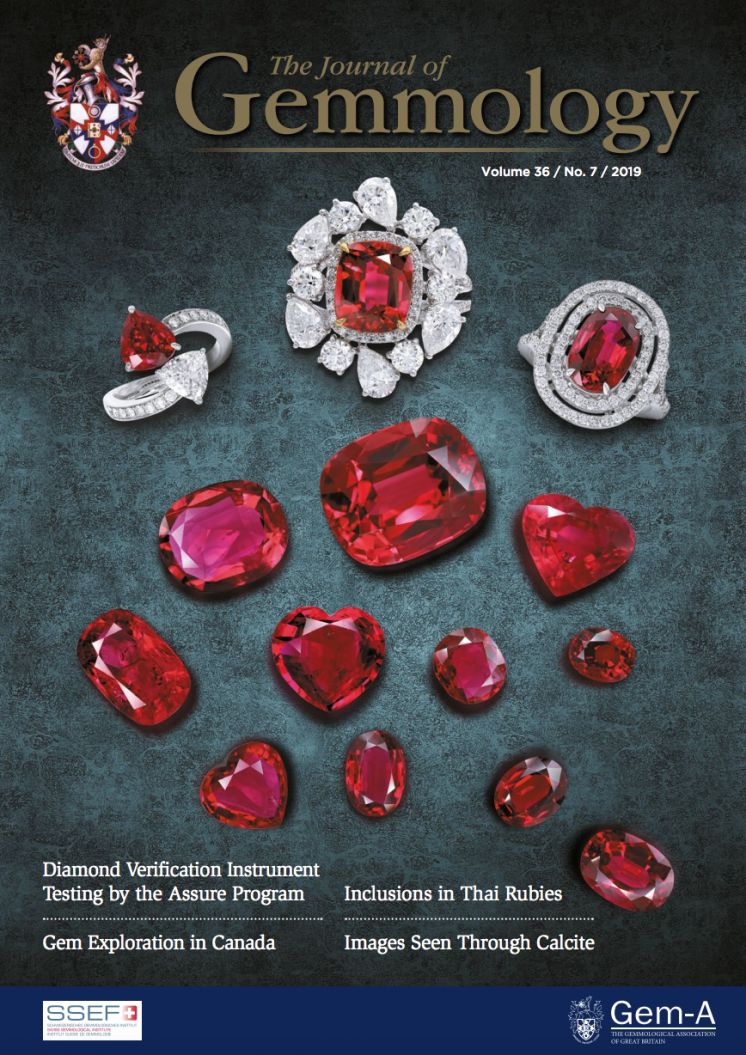
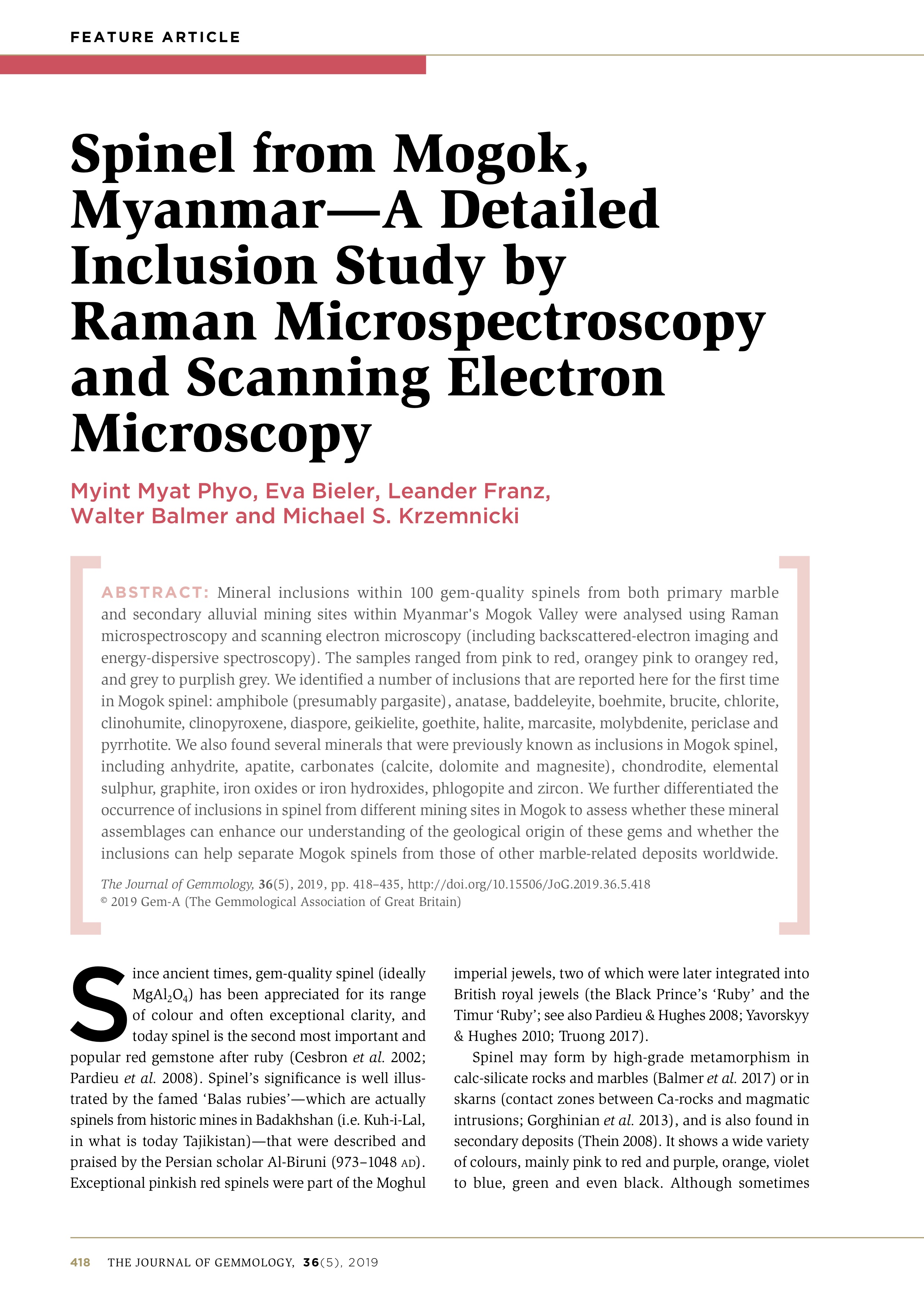
Mineral inclusions within 100 gem-quality spinels from both primary marble and secondary alluvial mining sites within Myanmar's Mogok Valley were analysed using Raman microspectroscopy and scanning electron microscopy (including backscattered-electron imaging and energy-dispersive spectroscopy). The samples ranged from pink to red, orangey pink to orangey red, and grey to purplish grey. We identified a number of inclusions that are reported here for the first time in Mogok spinel: amphibole (presumably pargasite), anatase, baddeleyite, boehmite, brucite, chlorite, clinohumite, clinopyroxene, diaspore, geikielite, goethite, halite, marcasite, molybdenite, periclase and pyrrhotite. We also found several minerals that were previously known as inclusions in Mogok spinel, including anhydrite, apatite, carbonates (calcite, dolomite and magnesite), chondrodite, elemental sulphur, graphite, iron oxides or iron hydroxides, phlogopite and zircon. We further differentiated the occurrence of inclusions in spinel from different mining sites in Mogok to assess whether these mineral assemblages can enhance our understanding of the geological origin of these gems and whether the inclusions can help separate Mogok spinels from those of other marble-related deposits worldwide.
Keywords
gems, spinel, inclusions, Burma, Mogok
Colourblind: The use of Greek colour terminology in cultural linguistics in the late nineteenth and early twentieth centuries

Colourblind: The use of Greek colour terminology in cultural linguistics in the late nineteenth and early twentieth centuries

Funke, M. (2018)

Book Section · Source: Brill's Companion to Classics and Early Anthropology · Publisher: Brill · Pages: pp. 255–276

Abstract
Deciphering colour terms from early Greek poetry (that is, from poetry prior to the fifth century) is one of Classical philology’s longest-standing conundrums. What should a modern reader make of Homer’s “wine-dark” (οἶνοψ) cattle or his “violet” (ἰοειδής) sea? How is it that only a select few of the hues from Newton’s seven-colour ROYGBIV spectrum are represented in early Greek poetry? Through its ongoing assessment and comparison of languages from all over the world representing a wide variety of cultures, cultural linguistics offers a means of addressing these difficult questions. In its earlier stages, however, scholars in this sub-field of anthropology turned to the work of Classical philologists on Greek colour terms, using Homeric Greek in particular as one of their comparanda. This chapter does not attempt to answer the thorny questions posed above, which are likely to inspire a great deal of scholarship for years to come, but rather will trace the beginnings of colour term study by both philologists and anthropologists. If it is true that, as Turner claims, “anthropology presents perhaps the most tangled case of philological influence on a humanistic discipline,” then the history of the study of colour terms provides a clear narrative of how the roots of these disciplines grew entangled with each other. I relate this story beginning with nineteenth-century work on Homer which linked colour terminology to the ancient Greeks’ visual capabilities and situating it in the context of the scientific work of Sir Isaac Newton on colour, John Dalton on colour-blindness, and Charles Darwin on evolution. I then take up the origins of cultural linguistics, tracing how this process parallels the development of anthropology itself, before moving on to the work of early twentieth-century philologists on colour. In the final section of this chapter, I return to mid-century cultural linguistics, specifically Brent Berlin and Paul Kay’s inclusion of Homeric Greek in their seminal Basic Color Terms in 1969. I address why this dialect of ancient Greek has had such influence in the history of the study of colour terms and how varying trends in cultural linguistics have affected its use by both anthropologists and classicists. Much like classical studies, the study of colour terms is fundamentally interdisciplinary, currently requiring the participation of, according to Dedrick and Paramei, “psychophysicists and physiologists, cognitive psychologists and linguists, ethnographers and ethnoscientists, computer scientists and philosophers and neuropsychologists and ophthalmologists and literary scholars (who must) take each other seriously, on pain of mistake or irrelevance.” This chapter maps out where the work of classicists and anthropologists on colour terms has intersected and diverged to examine the enduring influence of Homeric Greek on this field of study.
Keywords
gems, color science, color theory, art, anthropology, Rome, ancient color terms, Greece, Greek poetry
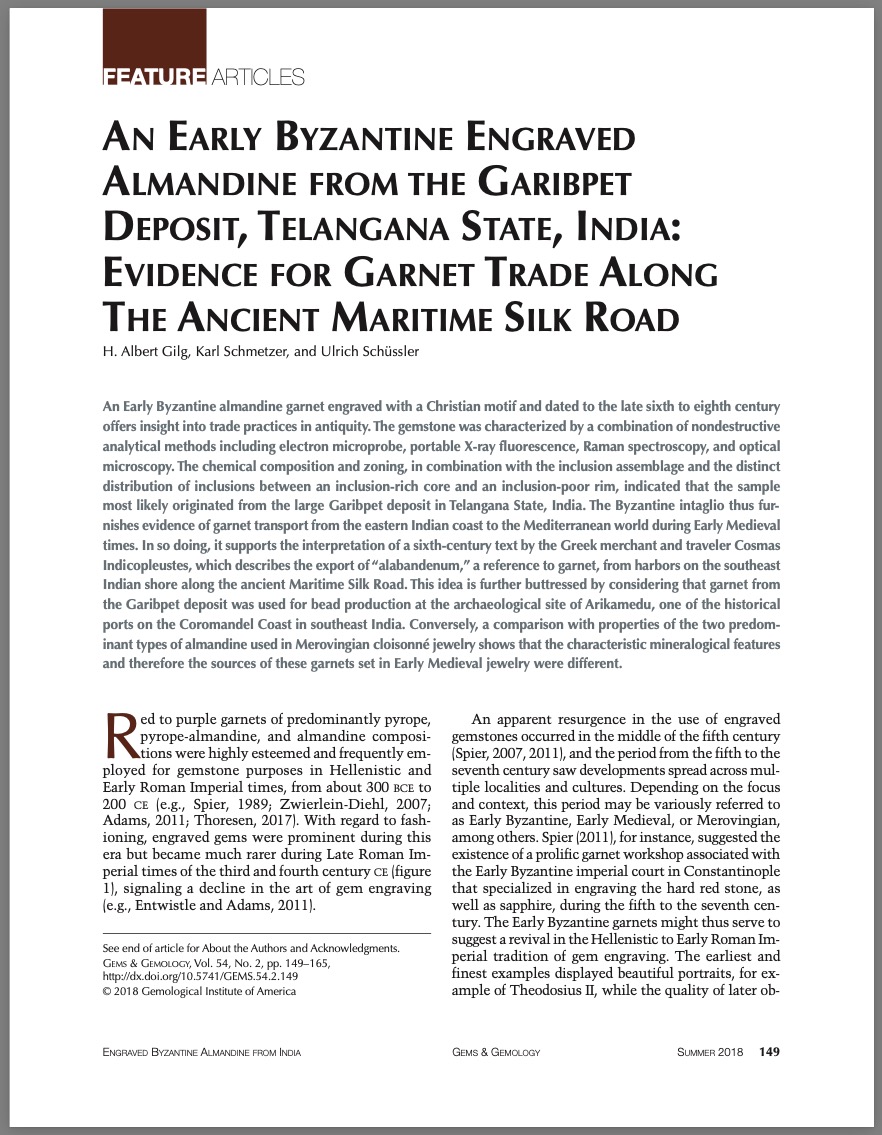
An early Byzantine engraved almandine from the Garibpet deposit, Telanga State, India: Evidence for garnet trade along the ancient Maritime Silk Road

An early Byzantine engraved almandine from the Garibpet deposit, Telanga State, India: Evidence for garnet trade along the ancient Maritime Silk Road

Gilg, H.A., Schmetzer, K. and Schüssler, U. (2018)

Journal Article · Source: Gems & Gemology · Volume: Vol. 54 · Issue: No. 2, Summer · Pages: pp. 149–165

Abstract
An Early Byzantine almandine garnet engraved with a Christian motif and dated to the late sixth to eighth century provides valuable insight into ancient trade practices. The gemstone was analyzed using nondestructive techniques such as electron microprobe, portable X-ray fluorescence, Raman spectroscopy, and optical microscopy. Its chemical composition, inclusion assemblage, and the distribution of inclusions—dense in the core and sparse in the rim—suggest the stone likely originated from the Garibpet deposit in Telangana State, India. This supports the account of sixth-century Greek traveler Cosmas Indicopleustes, who described the export of “alabandenum” (garnet) from southeast Indian ports along the Maritime Silk Road. Additional support comes from evidence that garnets from Garibpet were used for bead production at Arikamedu, a known port on India’s Coromandel Coast. However, when compared to the characteristics of almandine garnets used in Merovingian cloisonné jewelry, the mineralogical features suggest those garnets came from different sources.
Keywords
gems, ancient gemology, ancient jewelry, garnet, pyrope-almandine, India, locality, species, analytical, almandine
Boehmite needles in corundum are Rose channels

Boehmite needles in corundum are Rose channels

Notari, F., Fritsch, E., Caplan, C. and Hainschwang, T. (2018)

Journal Article · Source: Gems & Gemology · Volume: Vol. 54 · Issue: No. 3, Fall · Pages: p. 257

Abstract
Crystallographically oriented, linear inclusions in corundum are often referred to as “boehmite needles” or “polycrystalline boehmite” (boehmite is the orthorhombic aluminum hydroxide γ-AlOOH). These inclusions are oriented along the edges of the rhombohedral faces and form angles of about 90°. They are always found at the intersection of twin lamellae, formed by twinning along the rhombohedral faces. They contain apparently polycrystalline material tentatively identified (at least in some cases) as boehmite. These are common in natural corundum and sometimes used as a criterion to separate natural from synthetic corundum. Boehmite can be recognized through its infrared absorption. The great majority of the “needle”-containing gem corundum showed no boehmite infrared absorption, thus leading us to believe that these inclusions have a different origin. Microscopic observation reveals three aspects: some are lath- or ribbon-shaped, others are clearly negative crystals, and sometimes they appear as dotted lines. At the outcrop of the feature on the gem’s surface there is most commonly a void that can be followed into the gem, so the “needle” is essentially empty. This feature was also documented in a flux-grown synthetic ruby with no boehmite infrared signal. These channels are favored during titanium diffusion and take on color first, as diffusion is much faster in the empty space. It is known that in a small number of materials—some metals, calcite, and diamond—hollow channels may form at the intersection of twin lamellae, caused by deformation twinning. This was discovered by Gustav Rose (1868) in calcite, and thus the features are called “Rose channels” (figure 1). We believe that “boehmite needles” are in fact Rose channels. Even when very small, these channels would explain the optical relief observed, without a change in chemistry or infrared absorption. They fit the crystallographic nature of the structures observed.
Keywords
gems, corundum, inclusions.5

Exploring the Literature of Gemstone Inclusions

The literature of gemstone inclusions covers identification, origin determination, treatments, synthesis, mineral inclusions, fluid inclusions and other internal features of natural and synthetic gems.

For a curated selection of important sources, read Inclusions in Gemstones — Hyperion Literature Sources.

About Four Treasures

Four Treasures is Lotus Gemology's freely accessible gemological reference database. Use the full database to search by author, title or keyword and explore literature on gemology, mineralogy, jewelry and related fields. Where available, hyperlinks on titles may lead directly to the full publication.

Search the Complete Four Treasures Database