Gemology Books Bibliography

Gemology Books Bibliography

Explore books on gems, gemology, jewelry and mineralogy in Four Treasures, the Lotus Gemology reference database. This bibliography brings together matching book records from the collection, with publication details, abstracts and cover images where available.

Gemology Book References

The list below matches books concerning gemology and related subjects in the database's searchable fields. Some works cover several branches of gems, jewelry or mineralogy.

261–280 of 3,436 matching references
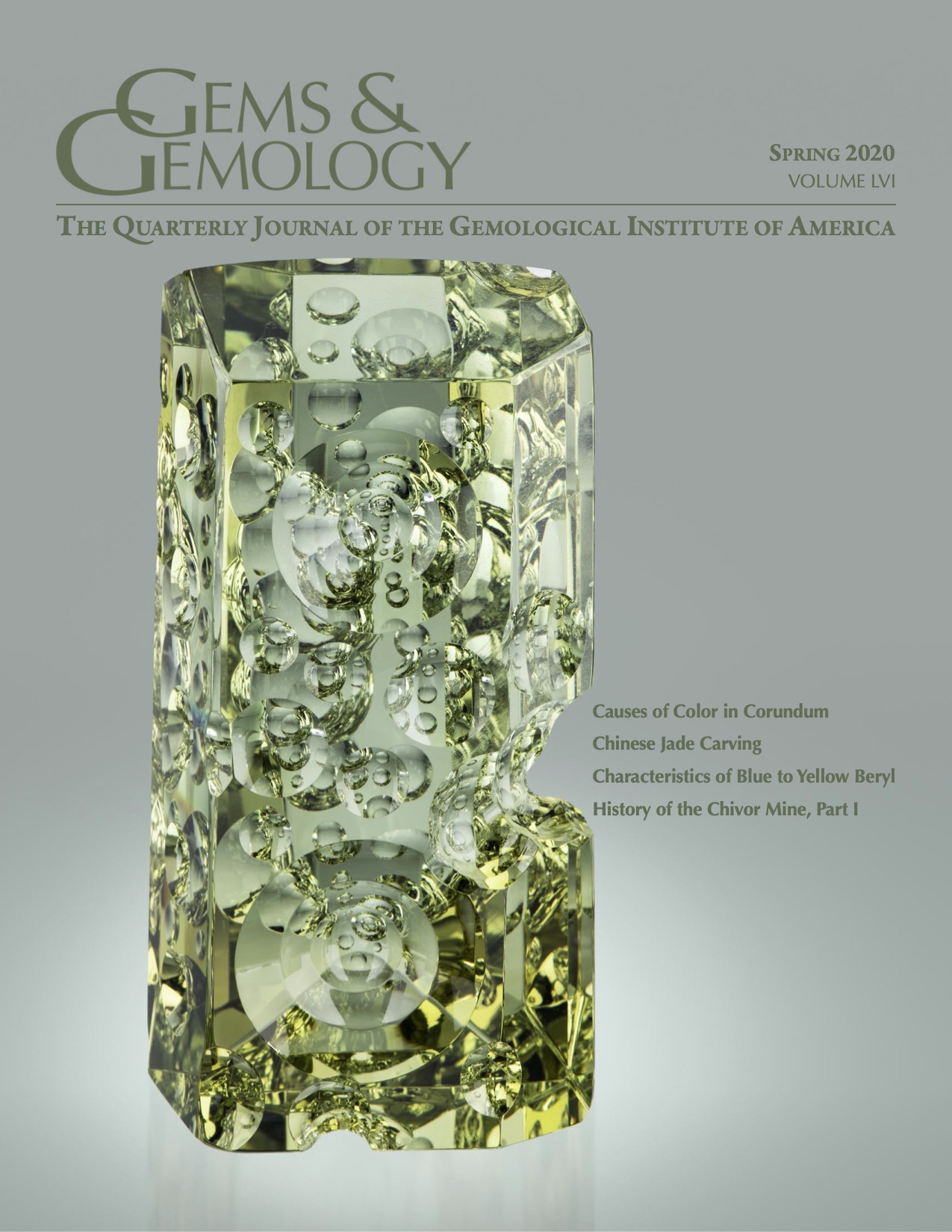
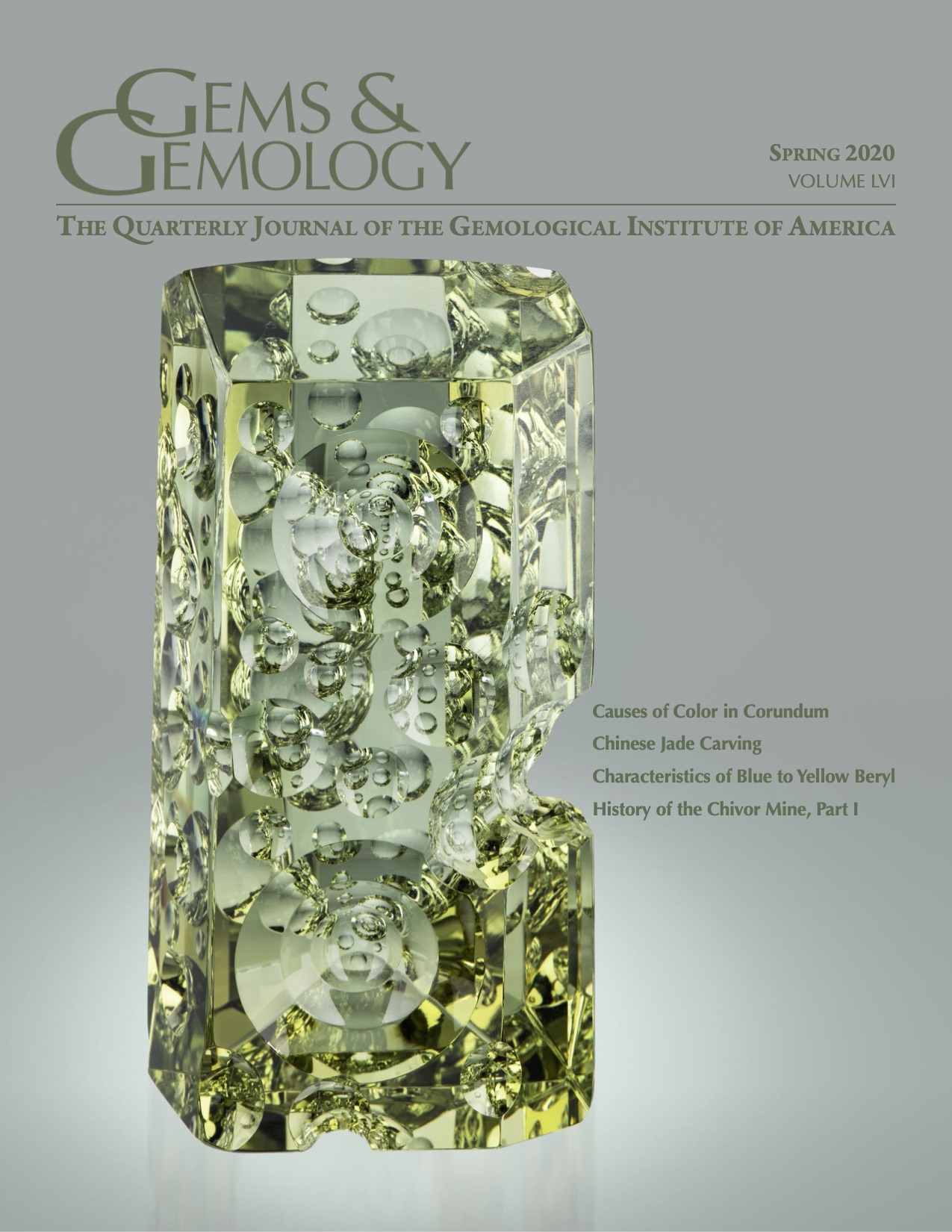
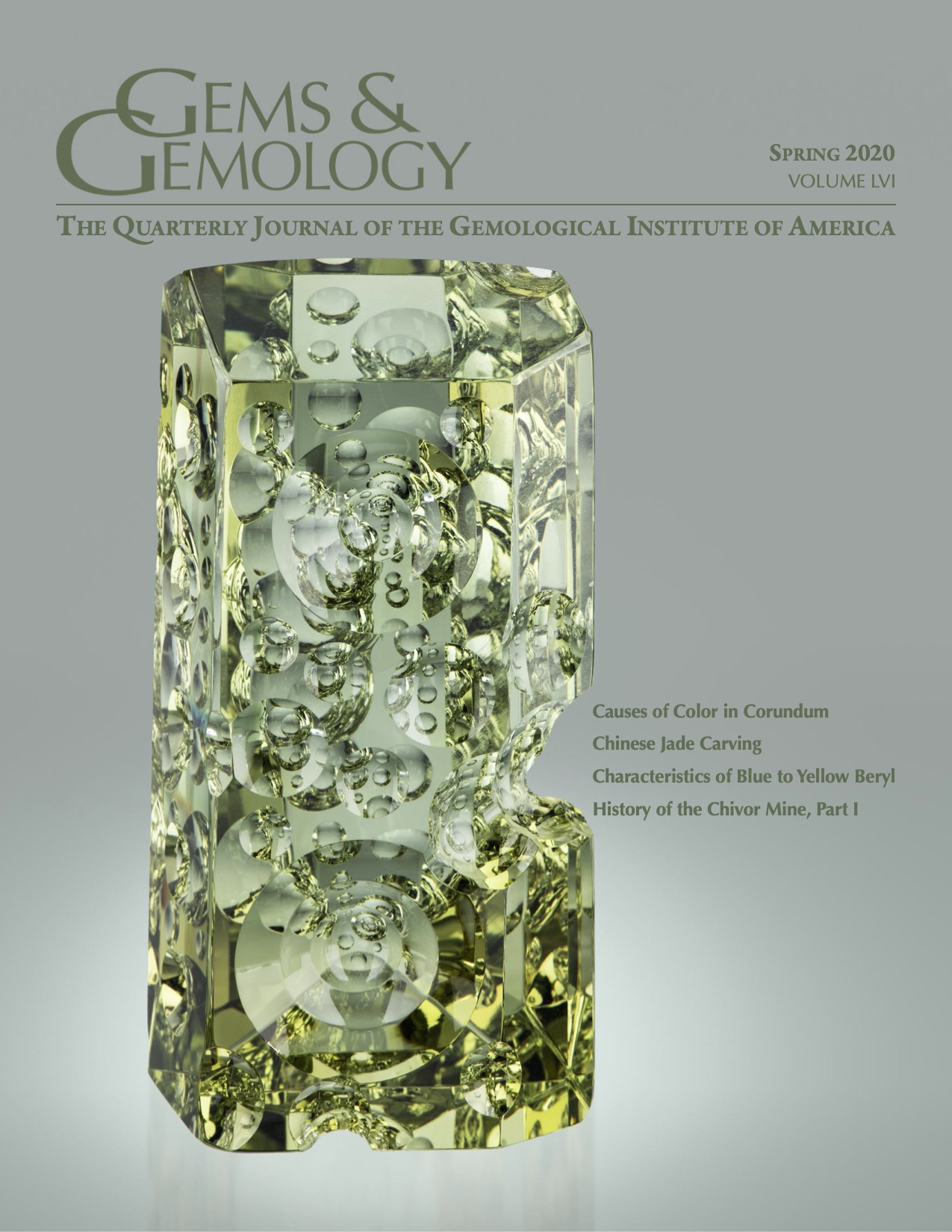
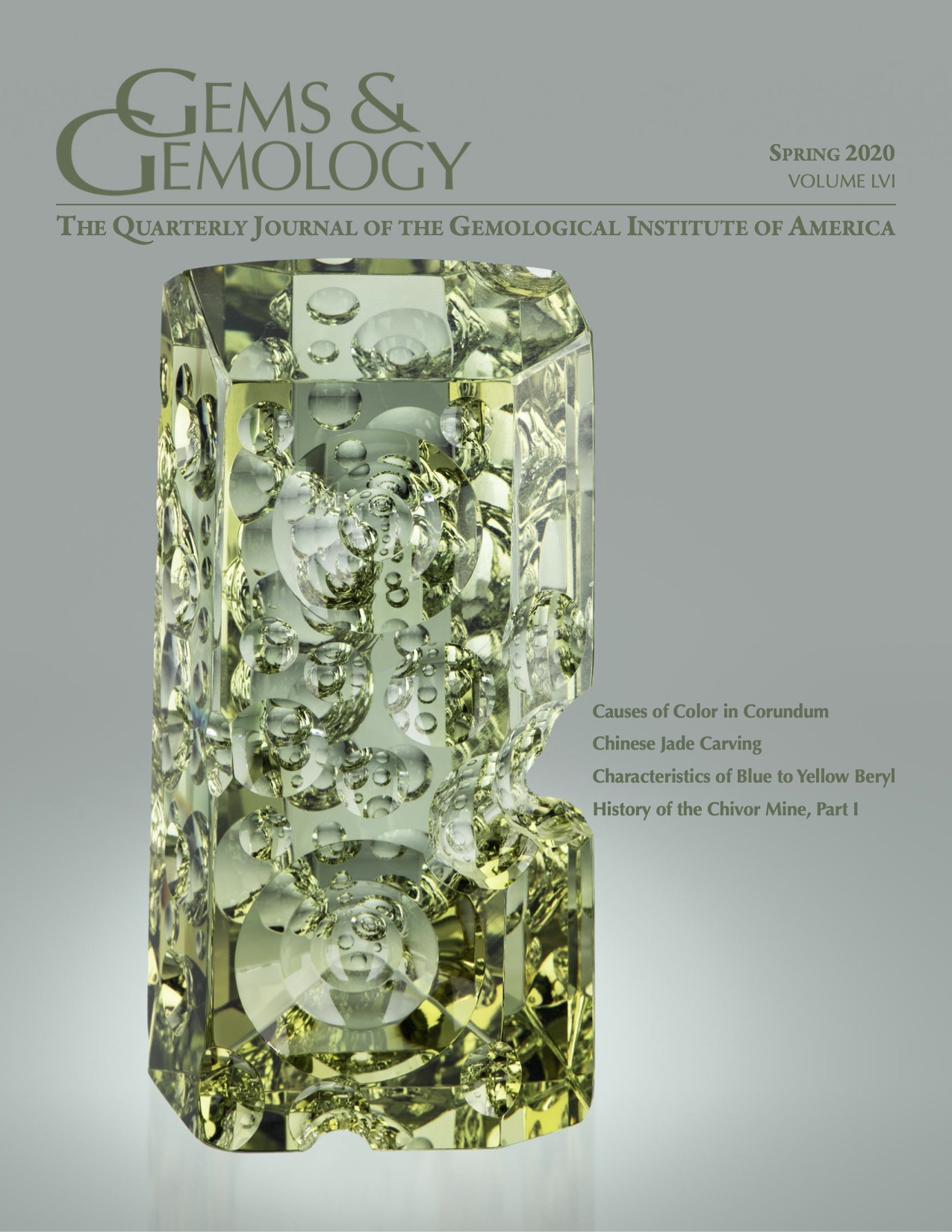
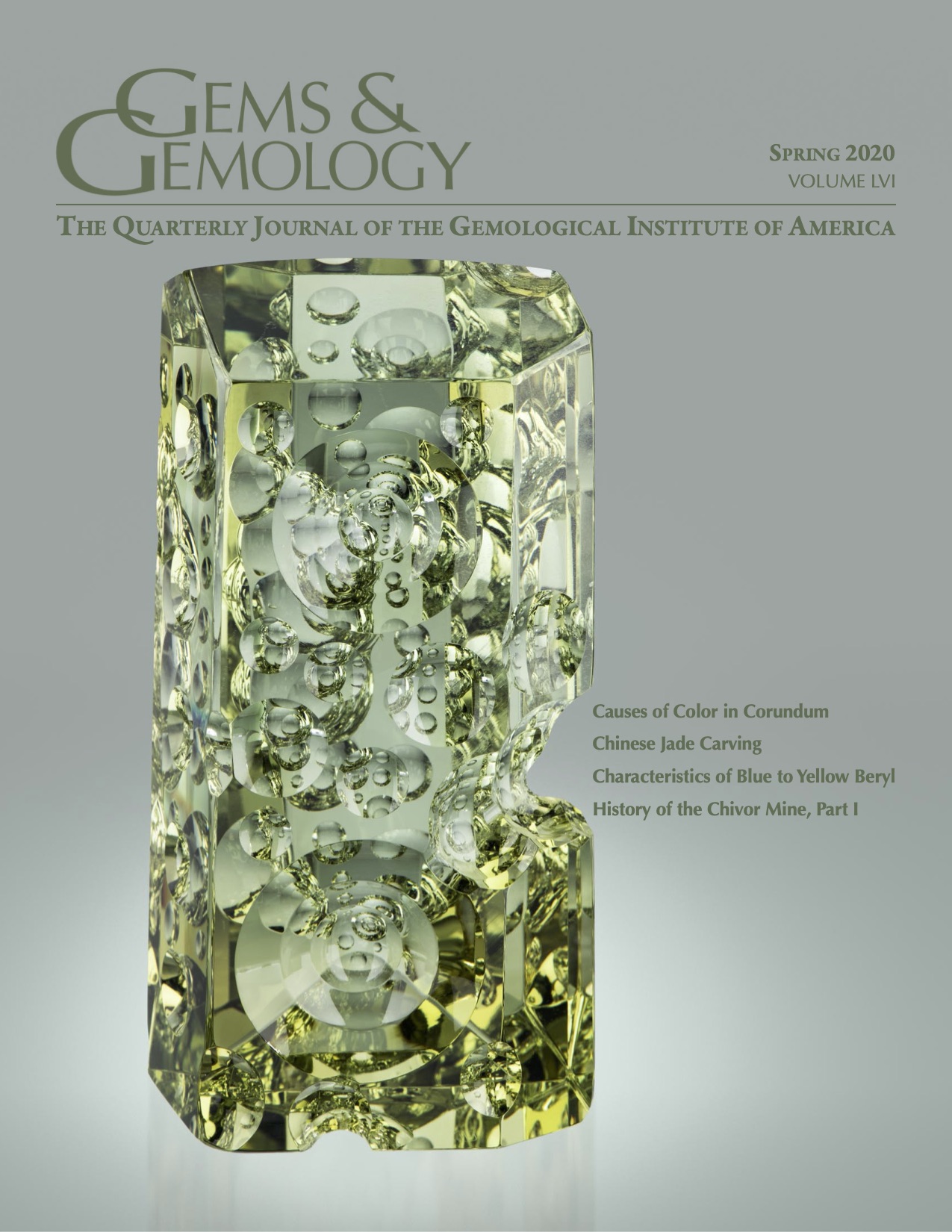
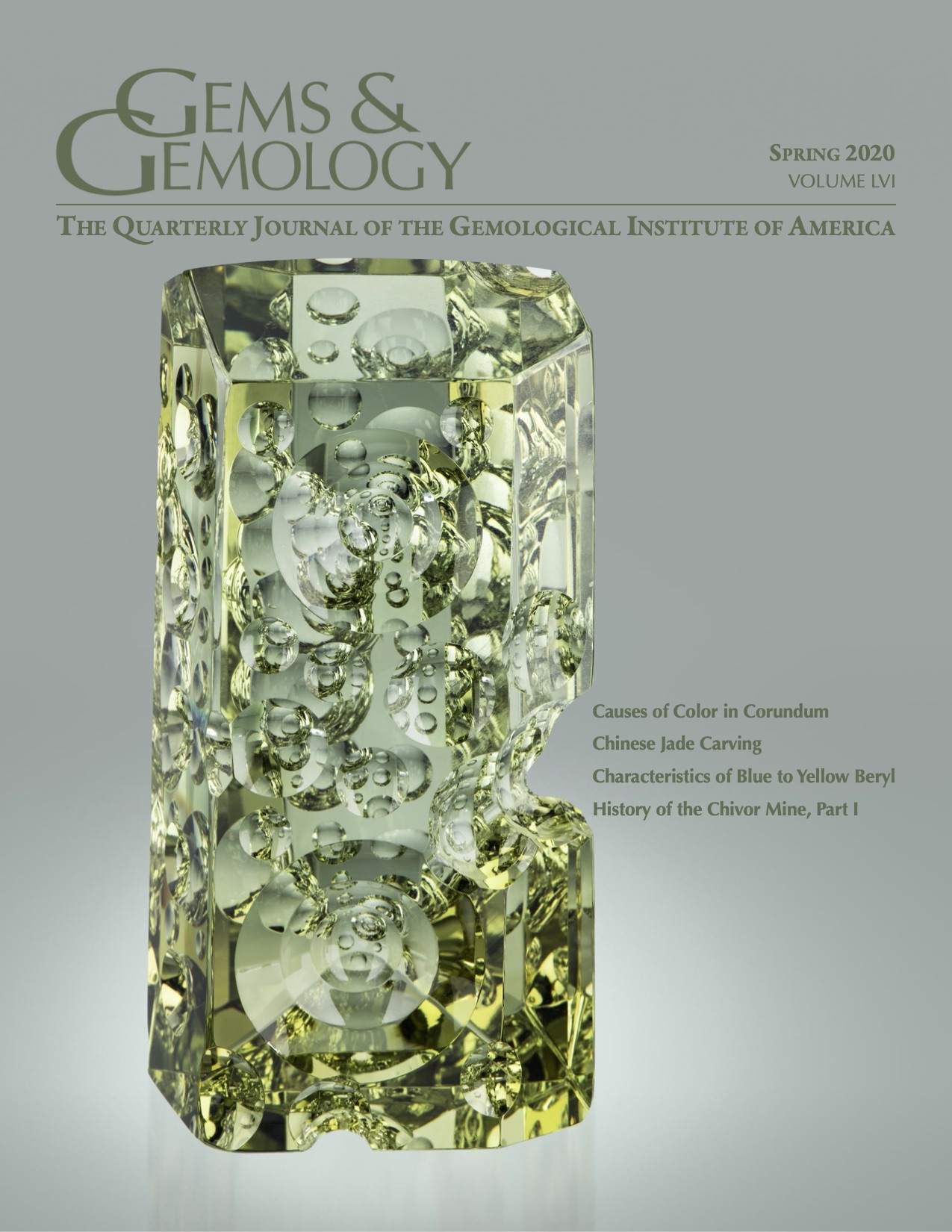
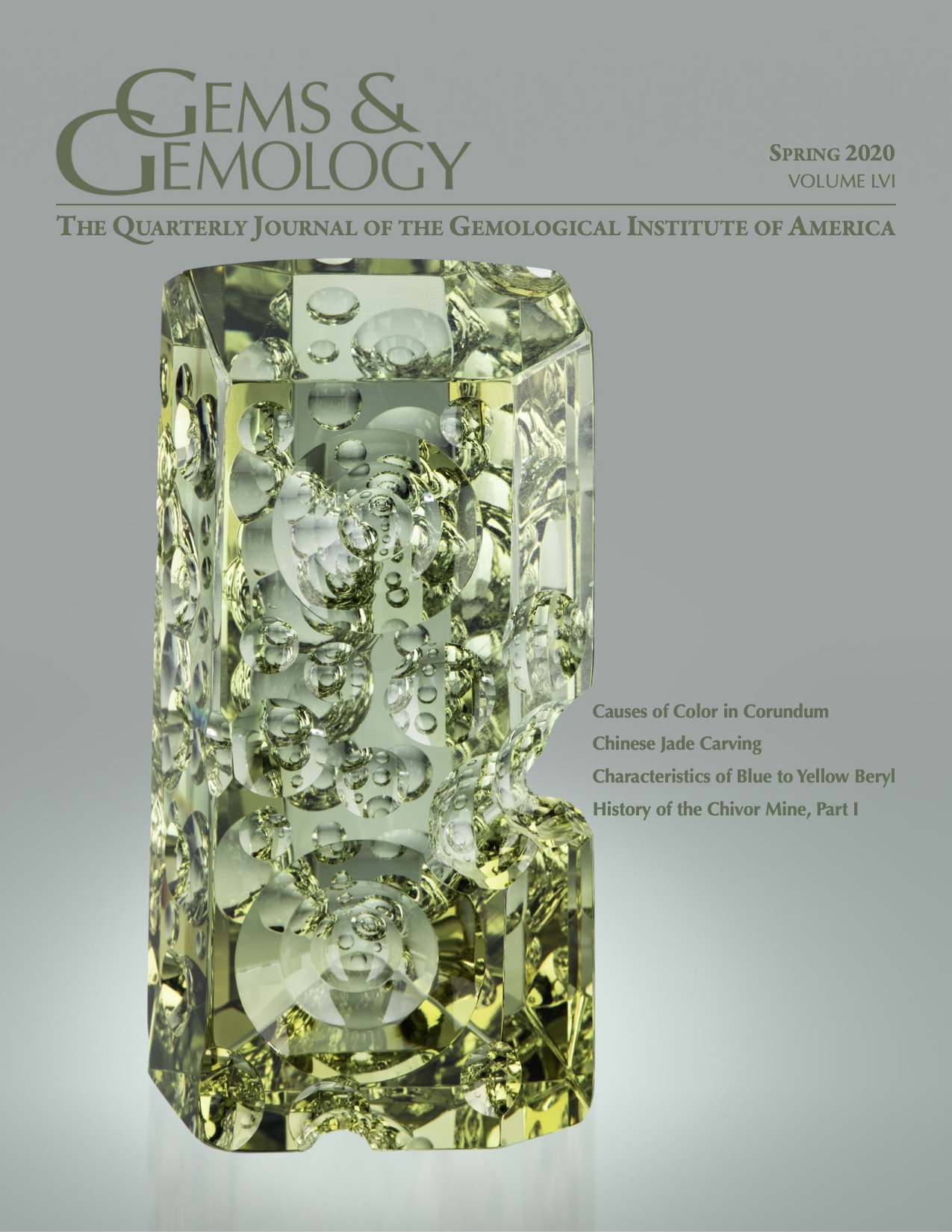
History of the Chivor emerald mine, Part 1 (1880–1925): From rediscovery to early production

History of the Chivor emerald mine, Part 1 (1880–1925): From rediscovery to early production

Schmetzer, K., Martayan, G. and Ortiz, J.G. (2020)

Journal Article · Source: Gems & Gemology · Volume: Vol. 56 · Issue: No. 1, Spring · Pages: pp. 66–109

Abstract
The history of the Chivor emerald mine in Colombia is rife with legend and adventure. The tale traces from early exploitation by indigenous people, to work by the Spanish in the sixteenth and seventeenth centuries, to 200 years of abandonment and jungle overgrowth. The story then picks up with rediscovery near the turn of the twentieth century by the Colombian mining engineer Francisco Restrepo using clues from a historical manuscript. Still the saga continued, with repeated shortages of investment funds driving multiple ownership changes and little progress toward mining the largely inaccessible deposit. The German gem merchant Fritz Klein, in cooperation with Restrepo, pursued limited mining activities with a small number of workers for a few months prior to the outbreak of World War I. After the war, the American company Colombian Emerald Syndicate, Ltd., took ownership, and mining operations resumed under the new leadership. Ownership changed yet again in the 1920s, followed by multiple cycles of expanding and shrinking mining activity, interrupted by completely unproductive periods.
Keywords
gems, beryl, emerald, Colombia, Chivor
The evolution of Chinese jade carving craftsmanship

The evolution of Chinese jade carving craftsmanship

Wang, M. and Shi, G. (2020)

Journal Article · Source: Gems & Gemology · Volume: Vol. 56 · Issue: No. 1, Spring · Pages: pp. 30–53

Abstract
Craftsmanship is a key element in Chinese jade carving art. In recent decades, the rapid development of tools has led to numerous changes in carving technology. Scholars are increasingly focusing on the carving craft in addition to ancient designs. Five periods have previously been defined according to the evolution of tools and craftsmanship, and the representative innovations of each period are summarized in this article. Nearly 2,500 contemporary works are analyzed statistically, showing that piercing and Qiaose, a technique to take artistic advantage of jade’s naturally uneven color, are the most commonly used methods. Current mainstream techniques used in China’s jade carving industry include manual carving, computer numerical control engraving, and 3D replicate engraving. With a rich heritage and ongoing innovation in jade craftsmanship, as well as increased automation, the cultural value and creative designs are both expected to reach new heights.​​
Keywords
gems, jade, jadeite, fei cui, nephrite, China, Chinese jade carving
A quantitative description of the causes of color in corundum

A quantitative description of the causes of color in corundum

Dubinsky, E.V., Stone-Sundberg, J. and Emmett, J.L. (2020)

Journal Article · Source: Gems & Gemology · Volume: Vol. 56 · Issue: No. 1, Spring · Pages: pp. 2–28

Abstract
The color of a gemstone is inextricably linked to its chemical composition, yet the quantitative relationship between color and chemistry is poorly understood in most cases. Here we use corundum to present a comprehensive quantitative description of the causes of color in a gem material and illustrate its predictive power. Natural corundum has six major chromophores that cause color: Cr³⁺, h•–Cr³⁺, Fe³⁺, h•–Fe³⁺, Fe²⁺–Ti⁴⁺, and V³⁺. We use synthetic samples doped with a single chromophore to study their light absorption behavior in isolation. Natural samples are used as well to study single chromophores, and we can subtract out the absorption of additional chromophores that might be present. Combining quantitative visible absorption spectroscopy with chemical analysis by SIMS, we are able to calculate the absorption cross section of each chromophore. The absorption cross section information is used to determine the depth of color that would occur in corundum of a given size (optical path length) containing a specific chromophore of a given concentration.
Keywords
gems, corundum, color.4, ruby, sapphire
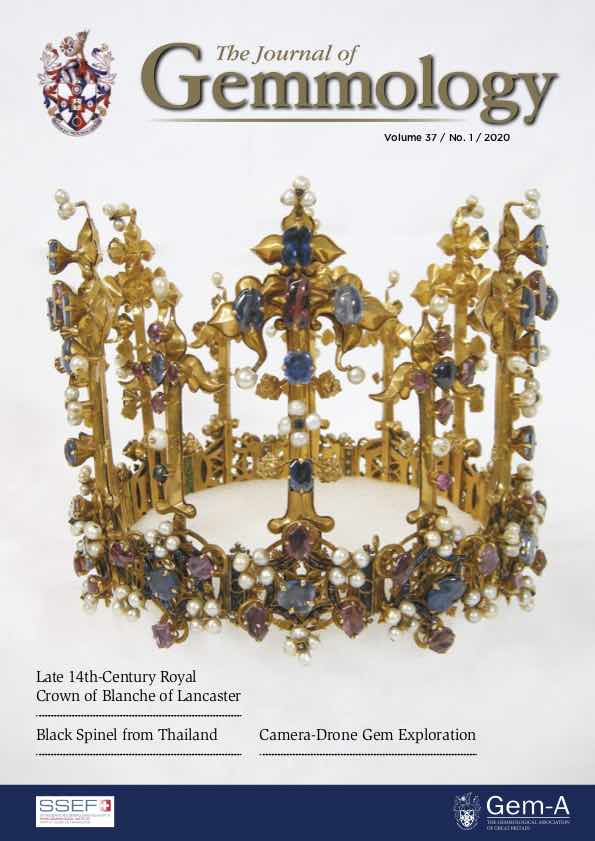
The late 14th-century royal crown of Blanch of Lancaster—History and gem materials

The late 14th-century royal crown of Blanch of Lancaster—History and gem materials

Schmetzer, K. and Gilg, H.A. (2020)

Journal Article · Source: Journal of Gemmology · Volume: Vol. 37 · Issue: No. 1 · Pages: pp. 26–64

Abstract
The richly bejewelled crown preserved in the Treasury of the Munich Residence offers a window into both European dynastic history and contemporaneous decorative practices and gem use. The crown’s history can be traced from the late 14th-century court of Richard II and his wife Anne of Bohemia in London; through its role as part of the dowry in 1402 of Blanche of Lancaster, bride of future Elector Palatine Louis III in Germany; to its later decades in Heidelberg, Mannheim and finally Munich by the late 18th century. In this study, all gem materials currently decorating the piece—one of few extant examples of Late Middle Ages royal regalia—were identified by a combination of microscopy, EDXRF analysis and Raman spectroscopy, using mobile instru- ments on site at the museum. The gems included blue and pink sapphires, pink spinels, garnets, emeralds, diamond octahedra and pearls. Various imitations were also present, including black- coated gold pyramids (substituting for diamonds) and green and pink lead glass. The forms of the gems reflect a progression from use of merely irregularly shaped polished pebbles, to rudimentary shaping or preforming without sharp edges, to sharply faceted regular shapes, thereby demon- strating the transition in gemstone fashioning as the Late Middle Ages gave way to the Renaissance.
Keywords
gems, corundum, history.1, sapphire, spinel, ruby
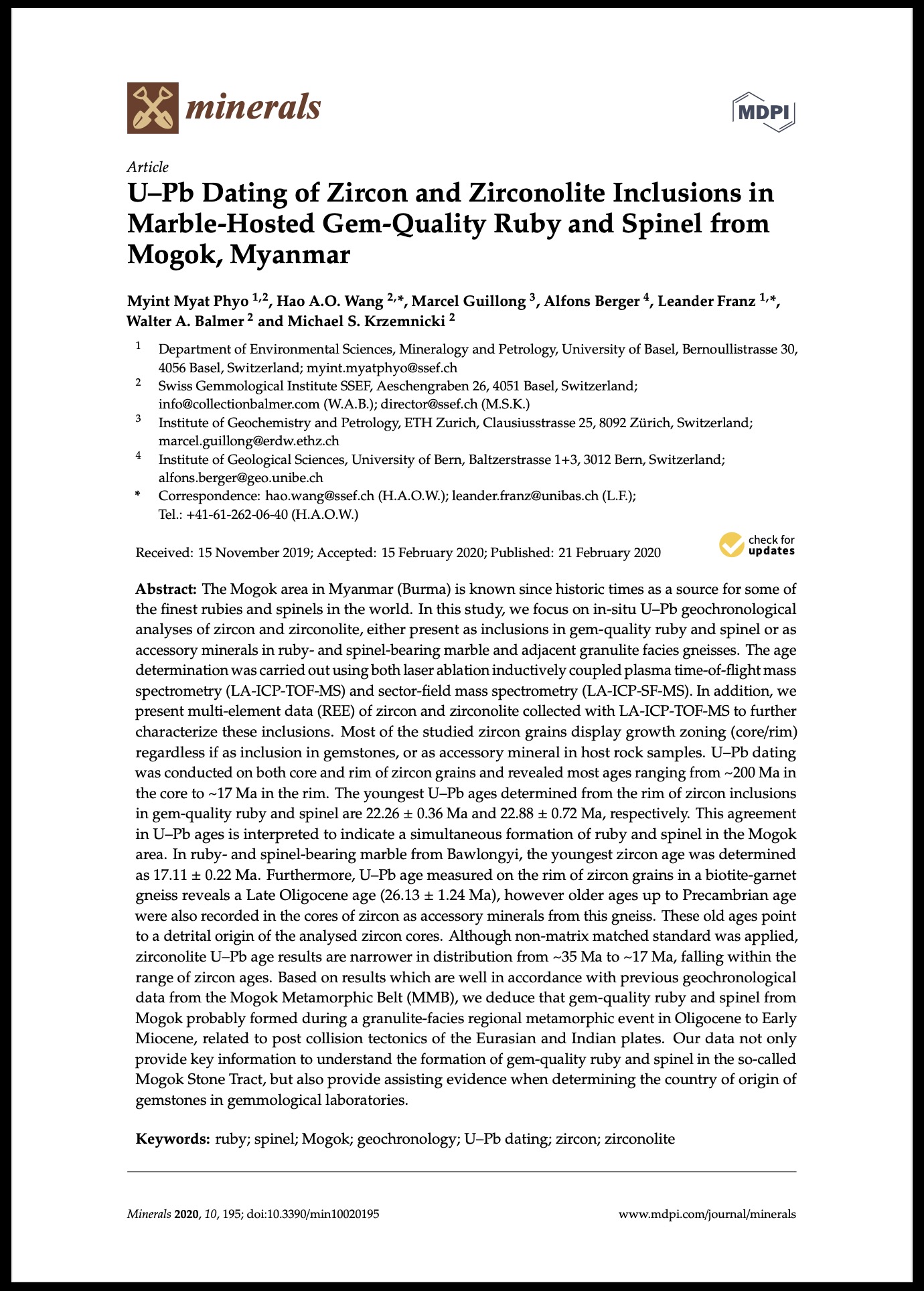
U–Pb dating of zircon and zirconolite Inclusions in marble-hosted gem-quality ruby and spinel from Mogok, Myanmar

U–Pb dating of zircon and zirconolite Inclusions in marble-hosted gem-quality ruby and spinel from Mogok, Myanmar

Phyo, M.M., Wang, H.A.O., Guillon, M., Berger, A., Franz, L., Balmer, W. and Krzemnicki, M.S. (2020)

Journal Article · Source: Minerals · Volume: Vol. 10 · Issue: No. 195 · Pages: 18 pp.

Abstract
The Mogok area in Myanmar (Burma) is known since historic times as a source for some of the finest rubies and spinels in the world. In this study, we focus on in-situ U–Pb geochronological analyses of zircon and zirconolite, either present as inclusions in gem-quality ruby and spinel or as accessory minerals in ruby- and spinel-bearing marble and adjacent granulite facies gneisses. The age determination was carried out using both laser ablation inductively coupled plasma time-of-flight mass spectrometry (LA-ICP-TOF-MS) and sector-field mass spectrometry (LA-ICP-SF-MS). In addition, we present multi-element data (REE) of zircon and zirconolite collected with LA-ICP-TOF-MS to further characterize these inclusions. Most of the studied zircon grains display growth zoning (core/rim) regardless if as inclusion in gemstones, or as accessory mineral in host rock samples. U–Pb dating was conducted on both core and rim of zircon grains and revealed most ages ranging from ~200 Ma in the core to ~17 Ma in the rim. The youngest U–Pb ages determined from the rim of zircon inclusions in gem-quality ruby and spinel are 22.26 ± 0.36 Ma and 22.88 ± 0.72 Ma, respectively. This agreement in U–Pb ages is interpreted to indicate a simultaneous formation of ruby and spinel in the Mogok area. In ruby- and spinel-bearing marble from Bawlongyi, the youngest zircon age was determined as 17.11 ± 0.22 Ma. Furthermore, U–Pb age measured on the rim of zircon grains in a biotite-garnet gneiss reveals a Late Oligocene age (26.13 ± 1.24 Ma), however older ages up to Precambrian age were also recorded in the cores of zircon as accessory minerals from this gneiss. These old ages point to a detrital origin of the analysed zircon cores. Although non-matrix matched standard was applied, zirconolite U–Pb age results are narrower in distribution from ~35 Ma to ~17 Ma, falling within the range of zircon ages. Based on results which are well in accordance with previous geochronological data from the Mogok Metamorphic Belt (MMB), we deduce that gem-quality ruby and spinel from Mogok probably formed during a granulite-facies regional metamorphic event in Oligocene to Early Miocene, related to post collision tectonics of the Eurasian and Indian plates. Our data not only provide key information to understand the formation of gem-quality ruby and spinel in the so-called Mogok Stone Tract, but also provide assisting evidence when determining the country of origin of gemstones in gemmological laboratories.
Keywords
gems, corundum, inclusions.5, Burma.12, zircon, zirconolite, Mogok, spinel
Gem News International: Jadeite jade and serpentine doublet

Gem News International: Jadeite jade and serpentine doublet

Lai, T.-A. (2020)

Journal Article · Source: Gems & Gemology · Volume: Vol. 56 · Issue: No. 1, Spring · Pages: pp. 189–190

Abstract
Jadeite jade and serpentine doublet. The Lai Tai-An Gem Lab in Taipei recently received a carving presented as jadeite jade. The rectangular, uneven green piece, carved on one side but almost plain on the back and sides, weighed approximately 171.01 ct and measured approximately 50.4 × 39.9 × 7.4 mm (figure 64). Standard gemological testing revealed a spot RI of 1.66 on an area of the carved side, but surprisingly the smoother surfaces failed to yield clear readings. Microscopic observation revealed a coating in the areas where the failed RI attempts were made. Subsequent infrared analysis proved the carved side was jadeite jade owing to the relevant absorption valleys observed at 1167, 1077, 962, 853, 665, 587, 529, 476, and 433 cm⁻¹. However, the four sides and base revealed valleys at 1001, 646, 557, and 460 cm⁻¹, characteristic of serpentine despite the surface coating observed (figure 65). The client granted us permission to remove the coating in order to analyze the item in more detail. After removal of the coating, the four sides and base showed a lighter saturation of green color separated by a visible horizontal line (figure 66, B and D). Before coating removal, the layering was not as obvious (figure 66, A and C). Magnification confirmed that the object was composed of two different materials. Standard gemological testing of the lighter colored material yielded RIs of 1.56, consistent with those expected for serpentine and supported by the FTIR and Raman analyses. Jadeite jade and serpentine can have a very similar appearance. The identification of this particular piece proved relatively straightforward, but if it were mounted in a closed-back setting with only the carved face visible, a costly identification error could easily result.
Keywords
gems, jade, jadeite, fei cui, serpentine, assembled stones
G&G Microworld: Phenomenon resembling play-of-color in sapphire

G&G Microworld: Phenomenon resembling play-of-color in sapphire

LeCroy, B. (2020)

Journal Article · Source: Gems & Gemology · Volume: Vol. 56 · Issue: No. 1, Spring · Pages: pp. 143–144

Abstract
A phenomenon resembling play-of-color was seen in a 4.13 ct unheated sapphire recently examined by the author. When tilted in darkfield lighting (watch the video below), the sapphire displayed this noteworthy effect, which is most commonly seen in precious opal. It occurred within a small section of a single fine, milky cloud with an unusual shape (figure 1, left). The cloud also possessed extensive transparent graining confined within its borders, best seen in brightfield illumination (figure 1, right). Some regions of the cloud displayed an appearance of rainbow graining with spectral colors confined to the linear grain lines and looked one-dimensional. Other regions, however, expressed a soft billowy broad flash of altering colors with diffuse edges resembling play-of-color and did not follow linear grain lines (figure 2). Play-of-color in opal is defined as a display of spectral colors due to the diffraction of light as it passes through organized, submicroscopic spherical particles. It is possible that the combination of fine milky particles and abundant transparent graining within the cloud were able to diffract light in a way that resembles play-of-color.
Keywords
gems, corundum, inclusions.5
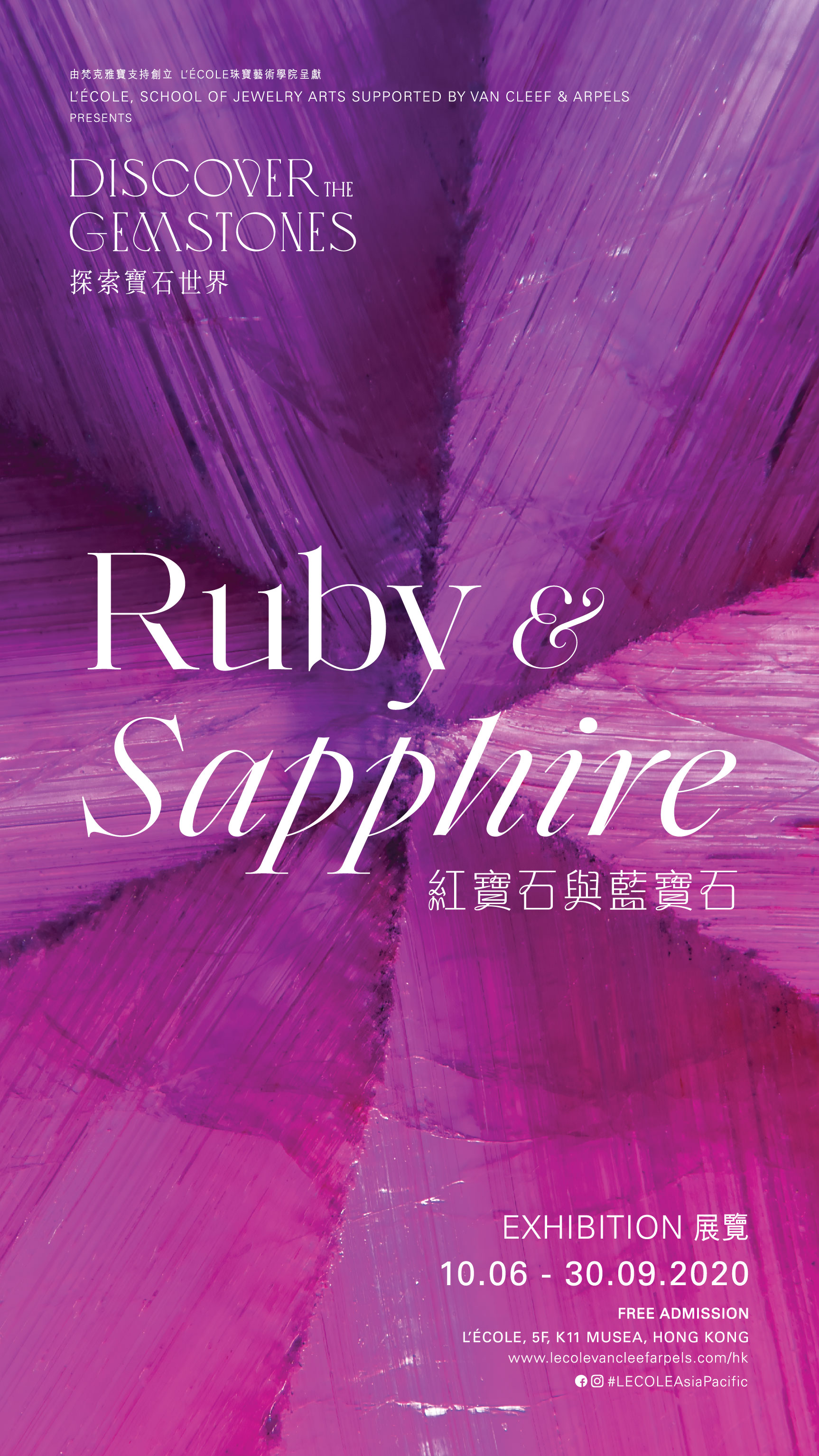
Ruby & Sapphire

Ruby & Sapphire

L’École Asia Pacific–School of Jewelry Arts (2020)

Book · Source: Discover the Gemstones · Publisher: L’École Asia Pacific–School of Jewelry Arts · Pages: 46 pp. · Language: in English & traditional Chinese

Abstract
Lovely catalog of an exhibition put on by L’École Asia Pacific–School of Jewelry Arts in Hong Kong. The exhibit ran from 10 June to 20 September 2020 and featured inclusion photos from Lotus Gemology’s E. Billie Hughes, Wimon Manorotkul and Richard Hughes, along with essays on various aspects of ruby and sapphire written by Olivier Segura, Capucine Juncker and Billie Hughes, Richard Hughes and Paolo Minieri. The exhibit also offered a collectable series of postcards of inclusion photos.
Keywords
gems, corundum, inclusions.5
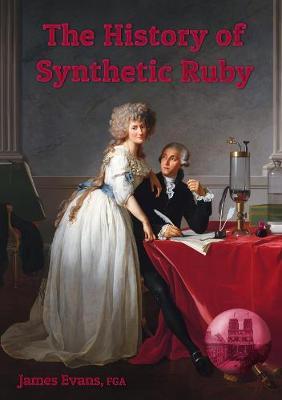
The History of Synthetic Ruby

The History of Synthetic Ruby

Evans, J. (2020)

Book · Publisher: Lustre Gemmology · Pages: 48 + 12 pp.

Abstract
Nice booklet detailing the history of synthetic ruby. While there is some good stuff inside, the author inexplicably failed to do a full literature search, thus missing some important details, such as those relating to the Geneva ruby.
Keywords
gems, corundum, synthetic corundum.7
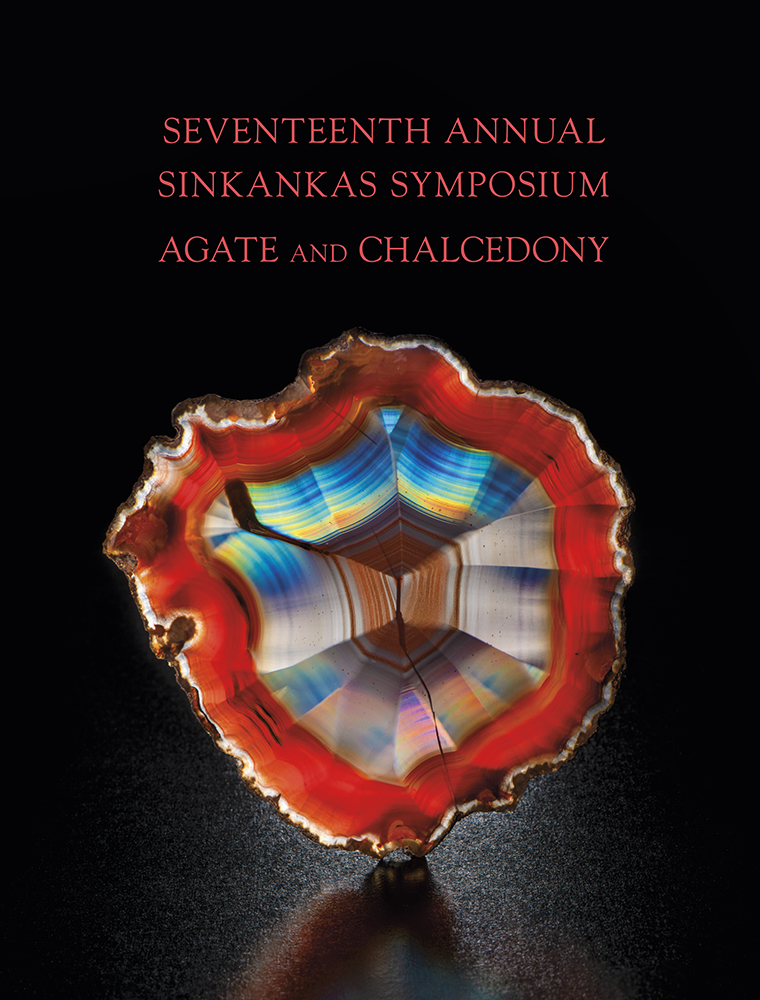
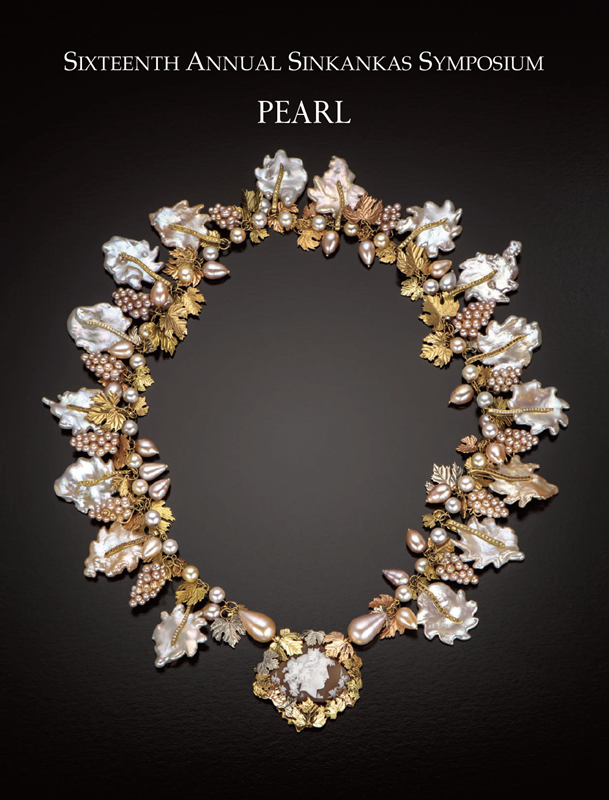
Seventeenth Annual Sinkankas Symposium • Agate & Chalcedony

Seventeenth Annual Sinkankas Symposium • Agate & Chalcedony

Various Authors (2019)

Conference Proceedings · Source: John Sinkankas Symposium · Publisher: Gemological Society of San Diego/Gemological Institute of America · Pages: 140 pp.

Abstract
The theme of the 17th Annual Sinkankas Symposium was Agate and Chalcedony, presented in a virtual format in 2021.
Keywords
gems, chalcedony, agate, quartz,
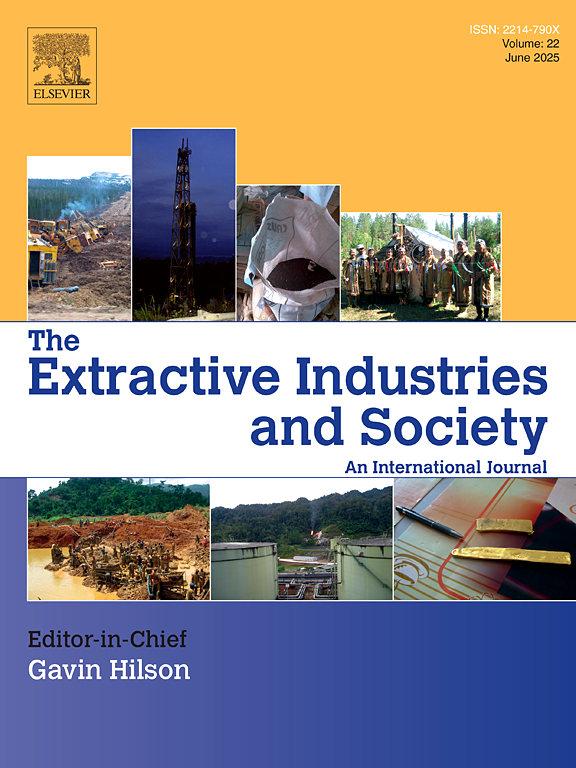
Central Asian crypto-Jews in the global emerald economy

Central Asian crypto-Jews in the global emerald economy

Brazeal, B. (2019)

Journal Article · Source: The Extractive Industries and Society · Volume: Vol. 6 · Issue: No. 4 · Pages: pp. 273–283

Abstract
A large proportion of the international trade in the world's finest emeralds is controlled by a community descended from Central Asian crypto-Jews. They were brought to the Islamic holy city of Mashad, in northeastern Iran, to serve as treasurers for the Khorosan Empire. In 1839 they were forced to convert en masse to Islam. They retained a Jewish identity in secret. They came to specialize in the international trade in high-value merchandise. A centuries-long history of discrimination impelled the members of this community to emigrate to Israel. From there, they went to Queens, New York. Members of this community began traveling to Colombia to purchase precious emeralds. Their experience in international, semi-licit trade, their access to credit through family connections, allowed them to prosper in the Colombian emerald trade. Members of this community still travel back and forth between Bogotá and New York's diamond district moving the world's finest emeralds. The geology and gemology of emeralds makes them unlike any other mineral commodity. The descendents of the central Asian crypto-Jews took advantage of a difficult historical conjuncture and came to dominate the international trade in this precious stone.
Keywords
gems, beryl, emerald, history of emeralds in Colombia, Muzo, Coscuez, Chivor
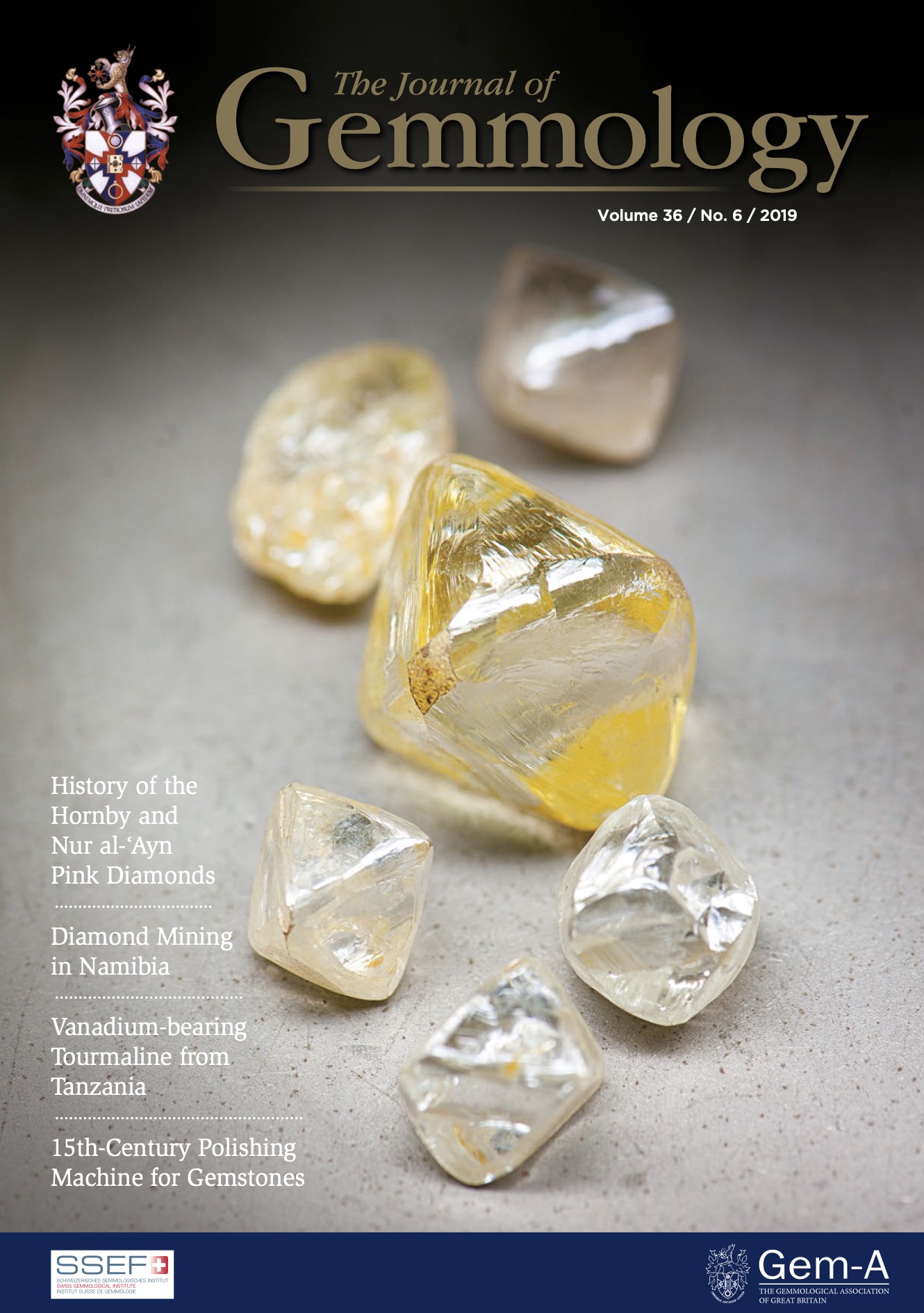
Gem Notes: Searching for the Sancy diamond

Gem Notes: Searching for the Sancy diamond

Ogden, J.M. (2019)

Journal Article · Source: Journal of Gemmology · Volume: Vol. 36 · Issue: No. 6 · Pages: pp. 507–508

Abstract
In 1888, reports in the British press claimed that the maharaja of Patiala possessed immense wealth in jewels, including “a fabulously costly diamond necklace, in which figures the famous Sancy diamond purchased from the Empress Eugenie” (Sheffield Evening Telegraph, 20 December 1888, p. 2). This assertion of the Patiala maharajas’ ownership of the Sancy diamond was frequently repeated thereafter. However, the question remains: was this truly the historic Sancy diamond?
Keywords
gems, diamond, famous diamonds, India, Nur al-‘Ayn, pink diamond, Iran Crown Jewels, Persia
Mr. Hornby’s diamond: Its travels, diplomatic role and possible equation with the Nur al-‘Ayn

Mr. Hornby’s diamond: Its travels, diplomatic role and possible equation with the Nur al-‘Ayn

Ogden, J.M. (2019)

Journal Article · Source: Journal of Gemmology · Volume: Vol. 36 · Issue: No. 6 · Pages: pp. 512–522

Abstract
The Hornby diamond has received little attention in gemological literature, with most sources simply stating that it was supposedly sold to a Persian shah in the early 1800s. However, detailed information can be found in a book by British diplomat Sir Harford Jones Brydges, written in the 1830s. Drawing from this and other documents, the history of this ~60 ct pink diamond can be traced from Iranian Shah Karim Khan to India, then to Britain where it was auctioned, and ultimately back to the Iranian court. There, as a diplomatic gift, it played a role in thwarting Napoleon’s ambitions to invade British India. If the diamond remains part of the Iranian Crown Jewels, it may very well be the pink Nūr al-‘Ayn (“Light of the Eye”), which is estimated to weigh around 60 ct.
Keywords
gems, diamond, famous diamonds, India, Nur al-‘Ayn, pink diamond, Iran Crown Jewels, Persia
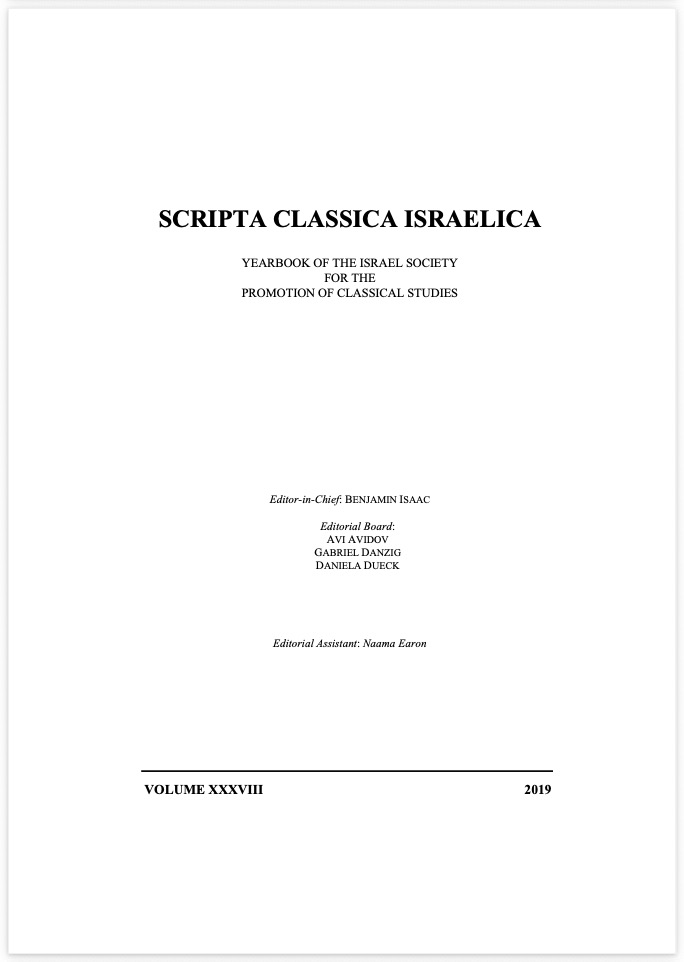
Gems in Ancient Rome: Pliny's Vision

Gems in Ancient Rome: Pliny's Vision

González, J.P. (2019)

Journal Article · Source: Scripta Classica Israelica · Volume: Vol. 38 · Pages: pp. 139–151

Abstract
Greco-Roman culture classified a great variety of gems. Authors such as Theophrastus, Plutarch and Pliny the Elder dealt with the subject. To know which gems were most highly valued in ancient Rome, it is essential to consult book 37 of Pliny the Elder. Book 37 of Pliny’s Natural History is one of the few accounts on precious stones, gems and amber that collects information from various sources of antiquity, which in many cases have survived only thanks to Pliny’s transcription. He catalogued the most prestigious gems, and discussed their origin, their exploitation techniques, their properties and their etymology. This corpus collects a total of 240 different variants of gems, of which, in 93 cases, its place of origin is known. In order to know to what extent the words of Pliny reflect the reality of the Roman market, we have analyzed as examples ten catalogs of modern collections of gems from various places and compared them with Pliny’s comments. This analysis confirms the fact that the urban Roman elites valued precious stones extracted from the territories beyond the Roman Empire, especially those of the East. The ten catalogues contain more than 4000 different gems and glasses. It compares the information in Pliny’s book on gems with ten current catalogs of various museums, adding more than 4000 analyzed copies. Both of these sources similar results and therefore confirms the interest of the Romans for these productions.
Keywords
gems, ancient gemology, ancient jewelry, Theophrastus, Plutharch, Pliny, early lapidaries
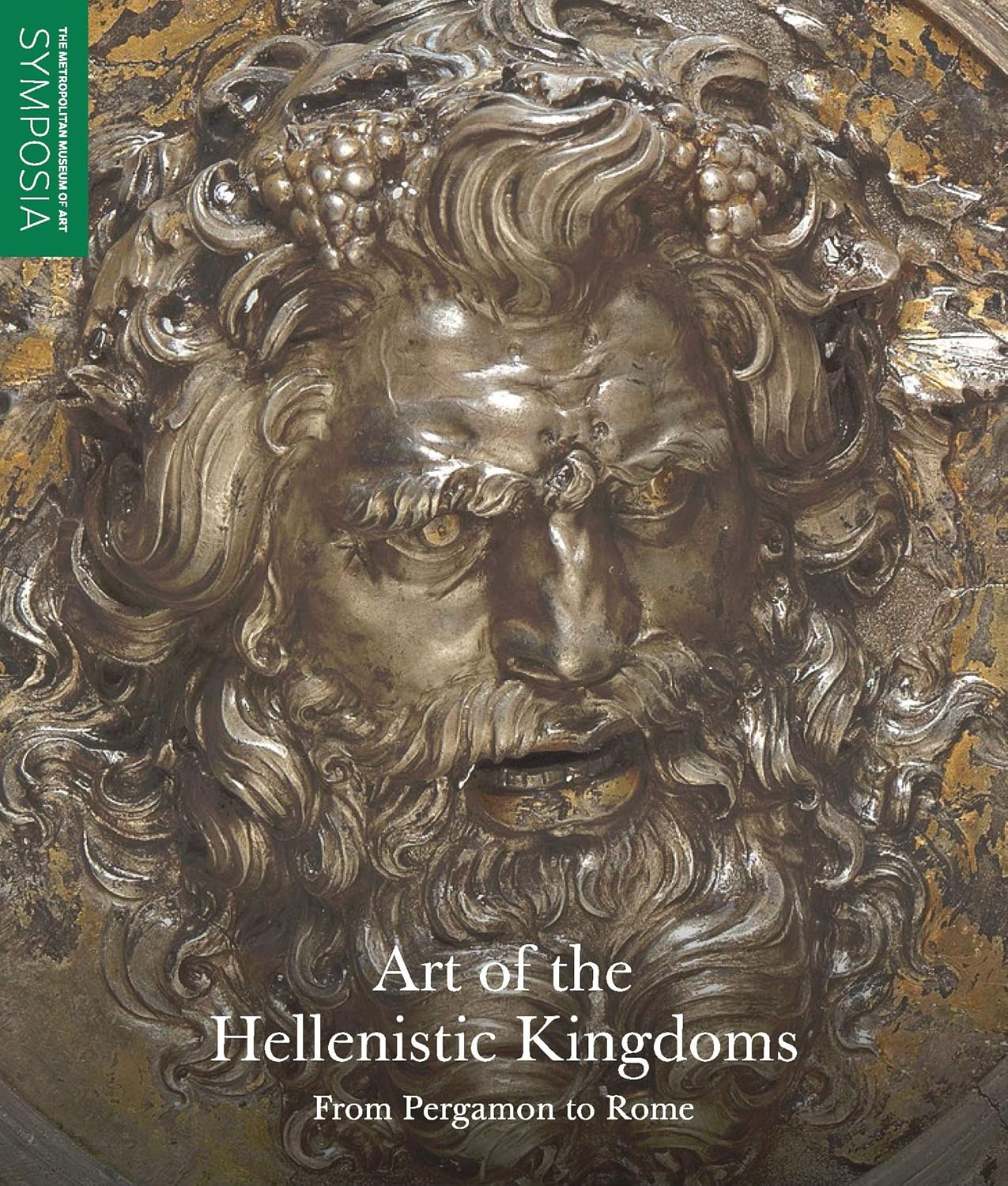
Precious gems and poetry in the Hellenistic royal courts

Precious gems and poetry in the Hellenistic royal courts

Spier, J. (2019)

Book Section · Source: Art of the Hellenistic Kingdoms | From Pergamon to Rome · Publisher: Metropolitan Museum of Art · Pages: pp. 31–37

Abstract
The rediscovery of over a hundred lost epigrams by Poseidippos of Pella (ca. 310–240 B.C.) in a papyrus recently acquired by the University of Milan has revealed remarkable evidence of the importance of precious gems in the court of the Ptolemies. The first twenty works, comprising the section known as the Lithika, or “poems about stones,” are concise and charming epigrams that are playful yet rich in imagery, drawing on both the natural world and the social life of Hellenistic Egypt. These descriptions of stones are not mere literary fabrications but reflect a genuine fascination within the Ptolemaic court for exotic and precious gems. This handsome newly designed addition to The Metropolitan Museum of Art’s symposia series furthers the study of one of the most influential but less known periods of Greek art and culture. It is based on papers given at a two-day scholarly symposium held in conjunction with the award-winning exhibition “Pergamon and the Hellenistic Kingdoms of the Ancient World,” on view at the Metropolitan in 2016. The twenty diverse essays exemplify the international scope of the Hellenistic arts, which cover the three centuries between the death of Alexander the Great in 323 B.C. and the suicide of Cleopatra in 30 B.C. Subjects range from twenty-first century approaches to museum displays of archaeological material to the circulation of artists and works of art throughout the Mediterranean and the influence of Hellenistic art and its legacy in the ancient Roman world. Among the topics discussed are aspects of royal self-presentation and important elements of iconography and style in coins, gems, mosaics, sculpture, vessels, and wall paintings, in mediums including bronze, faience, glass, marble, silver, and terracotta. Authored by a number of internationally renowned scholars, the essays in this volume highlight the holdings of the Metropolitan and markedly demonstrate the artistic innovations and technical mastery of Hellenistic artists, offering new insights into the vitality and complexity of Hellenistic art.
Keywords
gems, ancient gemology, early gemology, ancient mineralogy, early trade, ancient lapidary, glyptic, Greek, Roman, cameos, intaglios
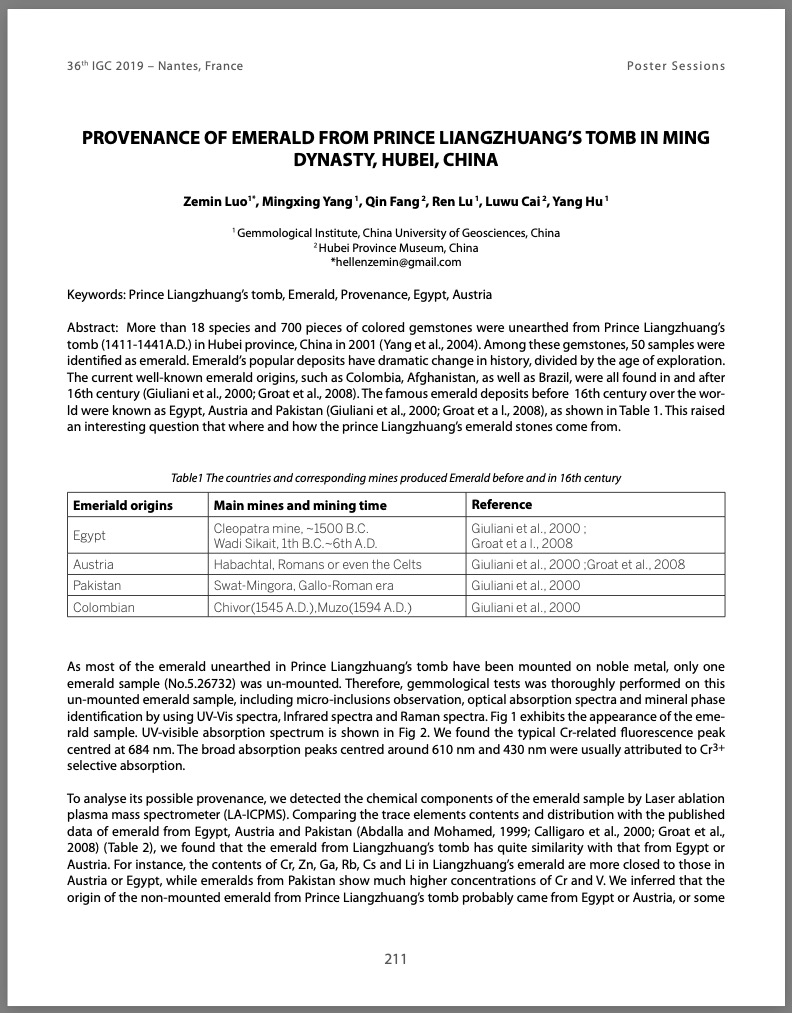
Provenance of emerald from Prince Liangzhuang’s tomb in Ming dynasty, Hubei, China

Provenance of emerald from Prince Liangzhuang’s tomb in Ming dynasty, Hubei, China

Luo, Z., Yang, M., Fang, Q., Lu, R., Cai, L. and Hu, Y. (2019)

Conference Paper · Source: 36th International Gemmological Conference · Pages: pp. 209–211

Abstract
In 2001, over 18 species and 700 pieces of colored gemstones were unearthed from the tomb of Prince Liangzhuang (1411–1441 A.D.) in Hubei province, China, including 50 identified emeralds (Yang et al., 2004). This discovery raises intriguing questions about the provenance of these emeralds, since major sources such as Colombia, Afghanistan, and Brazil were only discovered during or after the 16th century (Giuliani et al., 2000; Groat et al., 2008). Before that time, well-known emerald sources included Egypt, Austria, and Pakistan (Giuliani et al., 2000; Groat et al., 2008). To investigate, chemical analysis using laser ablation inductively coupled plasma mass spectrometry (LA-ICP-MS) was conducted on the emeralds from Liangzhuang’s tomb. Comparison of trace element concentrations (e.g., Cr, Zn, Ga, Rb, Cs, and Li) with published data from ancient sources (Abdalla and Mohamed, 1999; Calligaro et al., 2000; Groat et al., 2008) revealed a strong similarity with emeralds from Egypt or Austria, while those from Pakistan showed significantly higher Cr and V levels. The results suggest that the prince’s emeralds likely originated from Egypt or Austria, or perhaps from another now-forgotten source. This finding supports the idea that long-distance trade in emeralds between East and West may have existed before the Age of Exploration and the 15th-century maritime expeditions of Zheng He.
Keywords
gems, beryl, emerald, China, Egypt

Building a Gemological Library

Gemological books range from general identification manuals and textbooks to specialized works on individual gems, mineralogy, jewelry, treatments, synthesis, history and gem-producing regions.

For a curated selection of particularly useful books, read The Gemologist's Core Library — Classic Books on Gemology, Jewelry and Mineralogy.

About Four Treasures

Four Treasures is Lotus Gemology's freely accessible gemological reference database. Use the full database to search by author, title or keyword and explore literature on gemology, mineralogy, jewelry and related fields. Where available, hyperlinks on titles may lead directly to the full publication.

Search the Complete Four Treasures Database