Jade Bibliography

Jade Bibliography

Explore books, articles and historical sources on jade in Four Treasures, the Lotus Gemology reference database. This bibliography brings together matching records from the collection, with publication details, abstracts and cover images where available.

Jade References

The list below matches the terms jade, jadeite, nephrite or Fei Cui in the database's searchable fields. Some references discuss these materials as part of a broader subject.

41–60 of 3,746 matching references
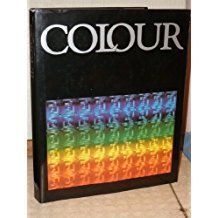
Colour

Colour

Varley, H. (1983)

Edited Book · Publisher: Marshall Editions Ltd. · Pages: 256 pp.

Abstract
Outstanding survey of various aspects of color. Each two-page spread examines a different aspect of color. This book cannot be recommended highly enough.
Keywords
corundum, color.4, quality.10, gems, jade, color, color science, color theory
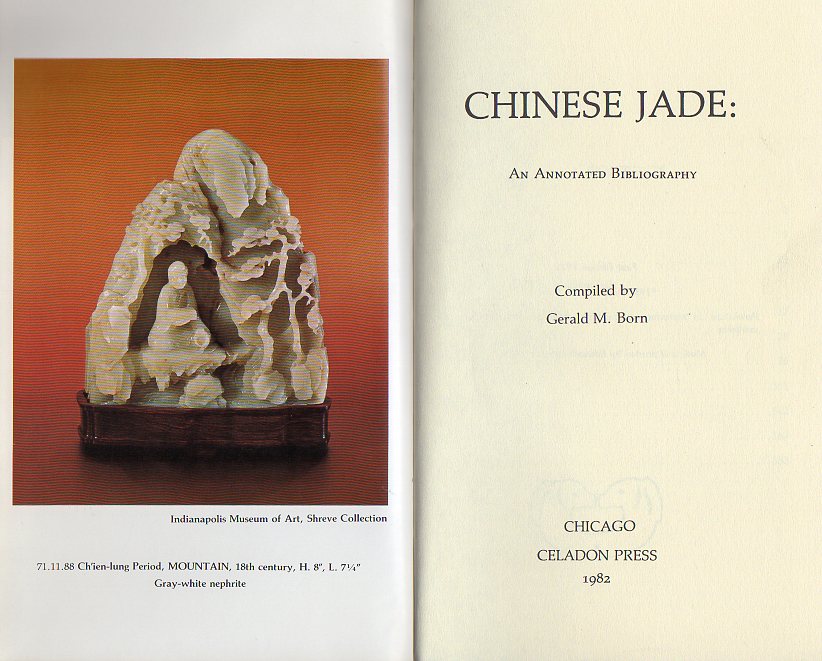
Chinese Jade: An Annotated Bibliography

Chinese Jade: An Annotated Bibliography

Born, G.M. (1982)

Book · Publisher: Celadon Press · Pages: 431 pp.

Abstract
For those who aspire to collect books, a good bibliography is to the collector as a good map is to an explorer. Without it, one can easily become lost. Fortunately, jade book collectors have access to several first-class bibliographies. Top of the list is that of Gerald Born (1982), who produced this solid work. Bibliography is tedious work, and we are blessed by Born’s attention to detail. Sinkankas: Foreword by Joan Hartmann-Goldsmith, “destined to become the standard reference.” Bibliography “limited to material available in English” and covering “a period from about 1880 … until 1981.” There is a very useful essay on the development of jade literature in two parts, the first on Chinese sources and the second on English sources, each with references cited. The bibliography is arranged alphabetically by author for the most part, providing physical descriptions and content analyses with comments, which may range from a line or two to a full page or more. By far the largest number of entries are journal articles. Where known, library and collection holdings are indicated. Up to that time, the best available bibliography on jade. Commonly, enough detail is provided to enable a researcher to dispense with actual examination of the reference.
Keywords
jade, jadeite, fei cui, nephrite, Burma, China, Taiwan, Wyoming, Mesoamerica, Russia, bibliography, etc., gems
[Entires issues devoted to jade]

[Entires issues devoted to jade]

Various Authors (1980–2002)

Journal Article · Source: Bulletin of the Friends of Jade · Volume: Vols. 1–10

Abstract
This series of ten volumes contains a great deal of interest for those interested in jade. Must haves for the students of jade.
Keywords
jade, jadeite, fei cui, nephrite, China, Burma, Switzerland, Guatemala, Costa Rica, Canada, USA, Wyoming, California, British Columbia, Russia, Kazakhstan, New Zealand, Australia, gems
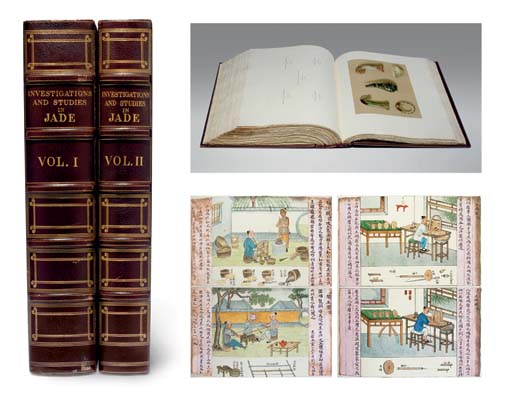
The Bishop Collection: Investigations and Studies in Jade

The Bishop Collection: Investigations and Studies in Jade

Bishop, H.R. (1906)

Book · Publisher: The Bishop Collection · Pages: 277, 293 pp.

Abstract
One of the earliest jade books in English is also the rarest, largest, and most sumptuous: The Bishop Collection: Investigations and Studies in Jade (1906). Bishop (1840–1902) was a businessman and philanthropist. Retiring at age 36, he devoted his attention to fine arts. In 1878, he began acquiring the finest examples of Chinese jade, from Late Neolithic through Qing dynasty periods. Bishop’s fascination with jade was not limited to China, but included specimens from other cultures, both carved and uncarved. His collection grew to more than 1000 pieces and is unparalleled even today. In 1902, just before his death, he gifted his entire collection to New York’s Metropolitan Museum of Art, where much of it is on view today. But Bishop was no mere acquirer of jade, and his book is far more than just a catalog. He was determined, at this embryonic stage of jade scholarship, to answer questions regarding its mineralogy and properties, where it was found, how it was carved, its significance and symbolism, and many other important aspects. To organize these studies, he enlisted prominent mineralogist Dr. George Frederick Kunz, who in turn assembled a team of 28 specialists in every aspect of jade. They documented the results of this 20-year project in an “elephant folio” two-volume set measuring 25 × 19 inches (63.5 × 48 cm) and weighing 125 pounds (57 kg). No expense was spared. Printed on handmade paper, the volumes include 20 original watercolors, 36 copper etchings, 17 woodcuts, and 36 color lithographs, some by famed lithographer Louis Prang. Many of Bishop’s finest jades were shipped to Paris just for artists to prepare the color plates. For this project, Bishop set aside $50,000 (equivalent to US$1.5 million today). Only 100 sets were printed and the plates were then destroyed and the type scattered. Eight sets were given to family members, six to crowned heads of state in Europe and Asia, and the balance distributed to scholarly libraries worldwide. No copies were for sale. Readers are therefore unlikely to encounter a set outside of a major library. The one or two sets that have escaped into general commerce have sold for over US$200,000. A steal, considering that, at the time of their publication, they represented the most expensive books ever produced on Earth. Although more than a century has passed, much remains of value. The color plates of Chinese craftsmen cutting, carving, and polishing jade, for example, continue to be reproduced in books. True students of jade will want to seek out the closest library holding a set and arrange to enjoy these magnificent volumes.
Keywords
gems, jade, jadeite, fei cui, nephrite, Burma, China, Fischer-Other, Broken Bangle
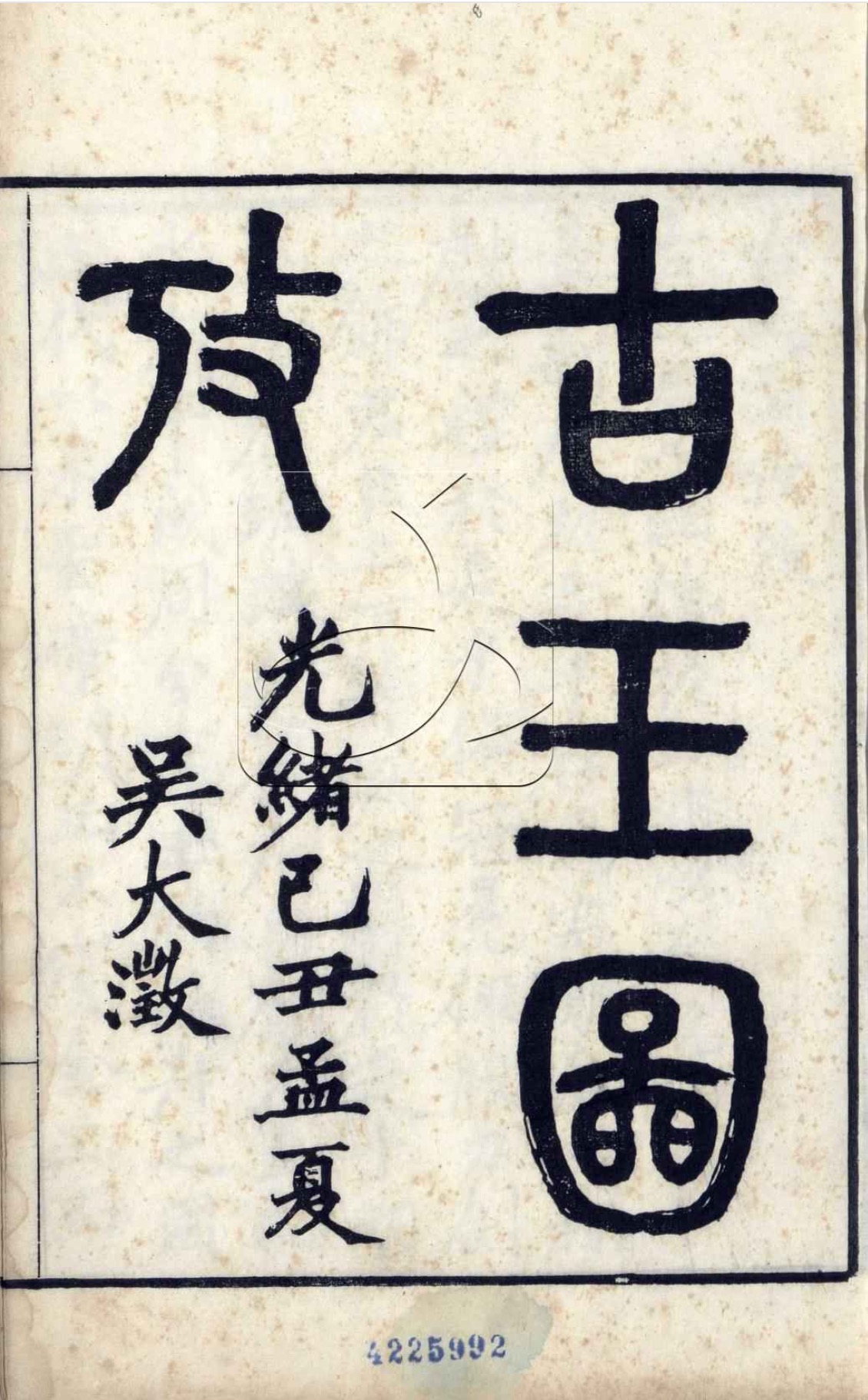
Illustrated Study of Ancient Jades

Illustrated Study of Ancient Jades

古玉圖考 Guyu Tukao (Ku Yu Tu Kao)

Wu Dacheng (Wu Ta-Ch’eng) (1889)

Book · Pages: 85, 78 pp. · Language: in Chinese

Abstract
Chinese statesman, scholar, and connoisseur Wu Dacheng (Wu Ta-Ch’eng; 1835–1902) collected a wide variety of Chinese antiquities, but most especially jades. Wu was among the first to deduce the use and meaning of many of the ancient jades being unearthed in China. He gave the first plausible explanations for such ritual jades as the cong, huang, and xuanji. Wu published his findings in his famous book Guyu Tukao (Ku yü t'u k'ao) in 1889. Originally two volumes, it illustrates 245 jades in woodcuts done by his brother. It was later reprinted in four volumes and then again (in Taipei) in 1971. Laufer relied heavily—perhaps too heavily—on Wu’s writings and reproduced in his book 95 of Wu’s illustrations. Sinkankas: In two quarto volumes published in 1889 by the well-known scholar and statesman, Wu Ta-cheng, who was born in Suzhou in 1833. He graduated as tsin shih in 1868 and became a member of the Hanlin Academy.” He continues, “In his work on jades, two hundred and fifteen pieces are illustrated in outline, reduced to seven-tenths of their original size, described according to their coloring, identified with their ancient names, and explained with quotations from ancient literature. The text is a facsimile reprint of Wu’s own expressive and energetic handwriting. The engravings… are far above average… executed with care and in good proportionate measurements.” Laufer, who highly esteemed this work, further stated, “I was forced to reproduce the material of Wu almost in its entirety [in his Jade] owing to its great archaeological importance.” See also the Wong Collection (mentioned above), which in part furnished the material for the study described herein. Una Pope-Hennessy, in Jade Miscellany (pp. 59-60), also reviews this work but gives the publication date as 1884: “This book consists of four thin volumes, small octavo in size, containing two hundred and fifteen drawings, about which Dr. Laufer entertained no suspicions. The objects dealt with are limited in type, but their colors are described, and for the benefit of Chinese readers, quotations from the classics are included. The text reproduced the author’s bold brush writing.” Born 21; Yang 0909. According to Goette (p. 302), the author issued his Su Ku Yin Kao [Investigations into Old Jade] some years later. This version adds appropriate punctuation, spacing, and italics where needed, while fixing small errors and inconsistencies in names and citations.
Keywords
gems, jade, China, Chinese jade carving, Chinese lapidary arts, archaic jades
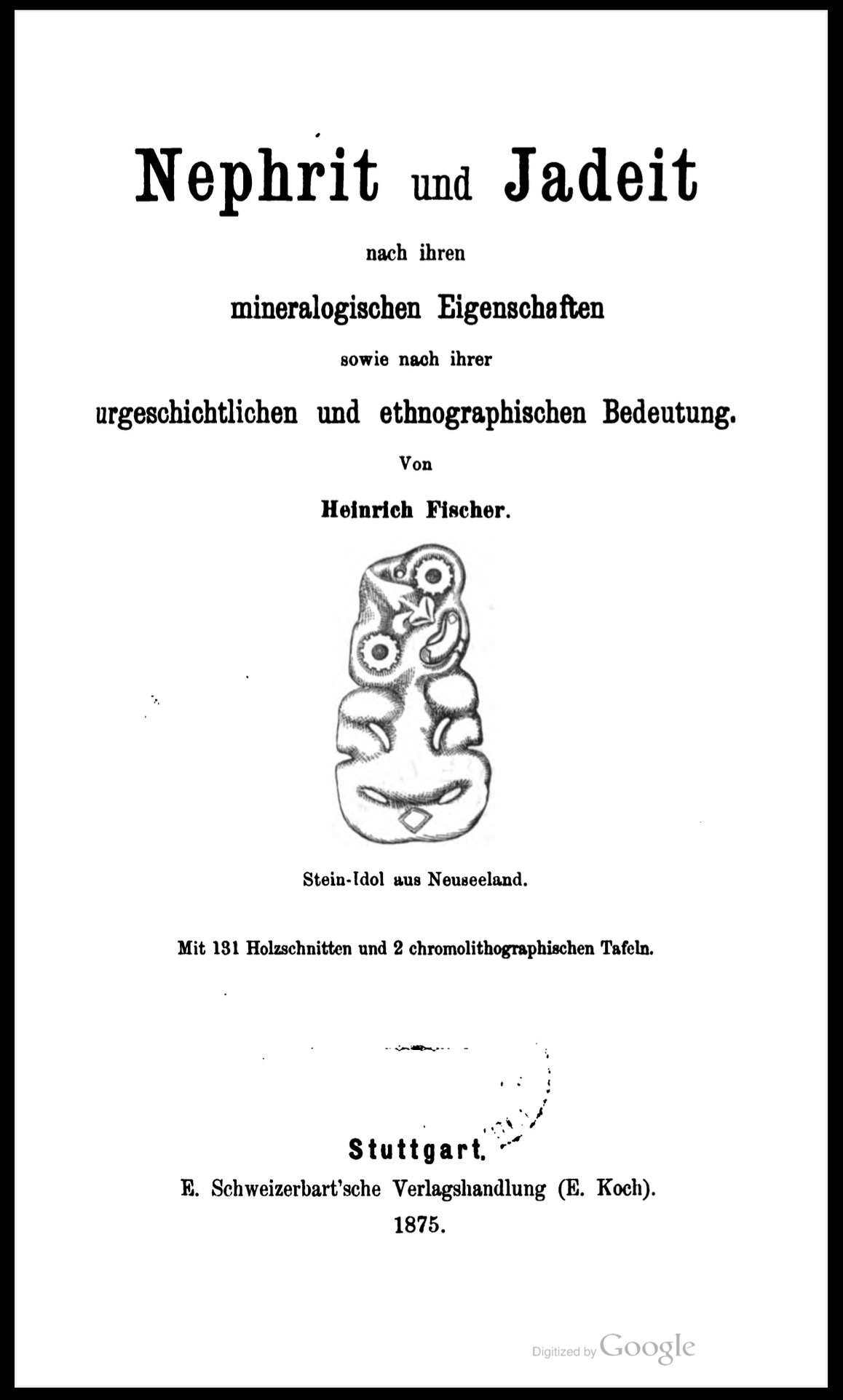
Nephrit und Jadeit

Nephrit und Jadeit

Nephrite and Jadeite

Fischer, H. (1875)

Book · Publisher: E. Schweizerbart'sche Verlagshandlung (E. Koch) · Pages: 409 pp. · Language: in German

Abstract
Sinkankas: Astounding work, both for its content involving an enormous amount of research into the literature, and its commentaries upon nephrite and jadeite jades as then known from all parts of the world and in all cultures. The first part, called the introduction, really consists of a potpourri of information on many aspects of jade and considers such topics as the ethnographic-archaeologic significance of jade, original and secondary jade deposits, jade deposits in various countries, nomenclatural problems, misidentifications, the literature on deposits, museums with jade collections, carved jades and their uses, curious lore of jade, etc. However, it is the second and by far the largest part, pp. 63–318, that surely must still be the most exhaustive survey of the cultural-historical-scientific literature pertaining in whole or part to jade that has ever been assembled within the covers of one book; it remains truly unique. The literature is dealt with chronologically according to this scheme: authors before Christ, and authors after Christ, the latter subdivided into annual periods of 1 to 100, 100–1200, 1200–1300 AD, and so on, by centuries, finally finishing with the period 1800 to 1875. In all, about 260 excerpts are taken from the authors and supplied with Fischer’s commentary; the name of the author and his work are given, brief bibliographical data, and the substance of the remarks (if a direct quotation is not supplied). Obviously Fischer examined almost all the works, apologizing in places for his inability to obtain copies in those few instances where he could not personally examine the book. All future students of jade, especially of jade in antiquity, must forever be grateful to Fischer for this convenient compilation. The third part is entitled “Special Natural Historical Part” and is no less interesting than the preceding matter, but like the first part, is a conglomerate of facts and further information on jade deposits, mineralogy, analyses, origin of jade, species of jade minerals, impurities in jade, and other topics, plus addenda to other text sections and remarks on the jadeite sculpture of Costa Rica and the largest known masses of nephrite. Preliminary to his description of two Meso-American jadeites, P. J. J. Valentini, “Two Mexican chalchihuites, etc.” (1881, which see), provides an excellent summary of Fischer’s treatise. He notes specially Fischer’s conviction that jades in America, “though they were dug from American soil, cannot possibly be considered indigenous to this continent,” thus adding fuel to the then raging “jade question,” or the theory that all jades came from Asia and were transported as worked objects or raw pieces across the Siberia–Aleutians route into the Americas. In general, while the work is a goldmine of information, it is poorly organized and the reader is well advised always to consult the index first before attempting to find any bit of data. The text drawings are simple outline type showing many kinds of objects and motifs thereon while the two color plates depict more or less faithfully the colors of jade specimens shown as rectangular bars; one bar is of amazonite, for comparison only. An extremely rare work; I have seen only one other copy for sale in 30 years.
Keywords
jade, jadeite, fei cui, nephrite, gems, Fischer-Book
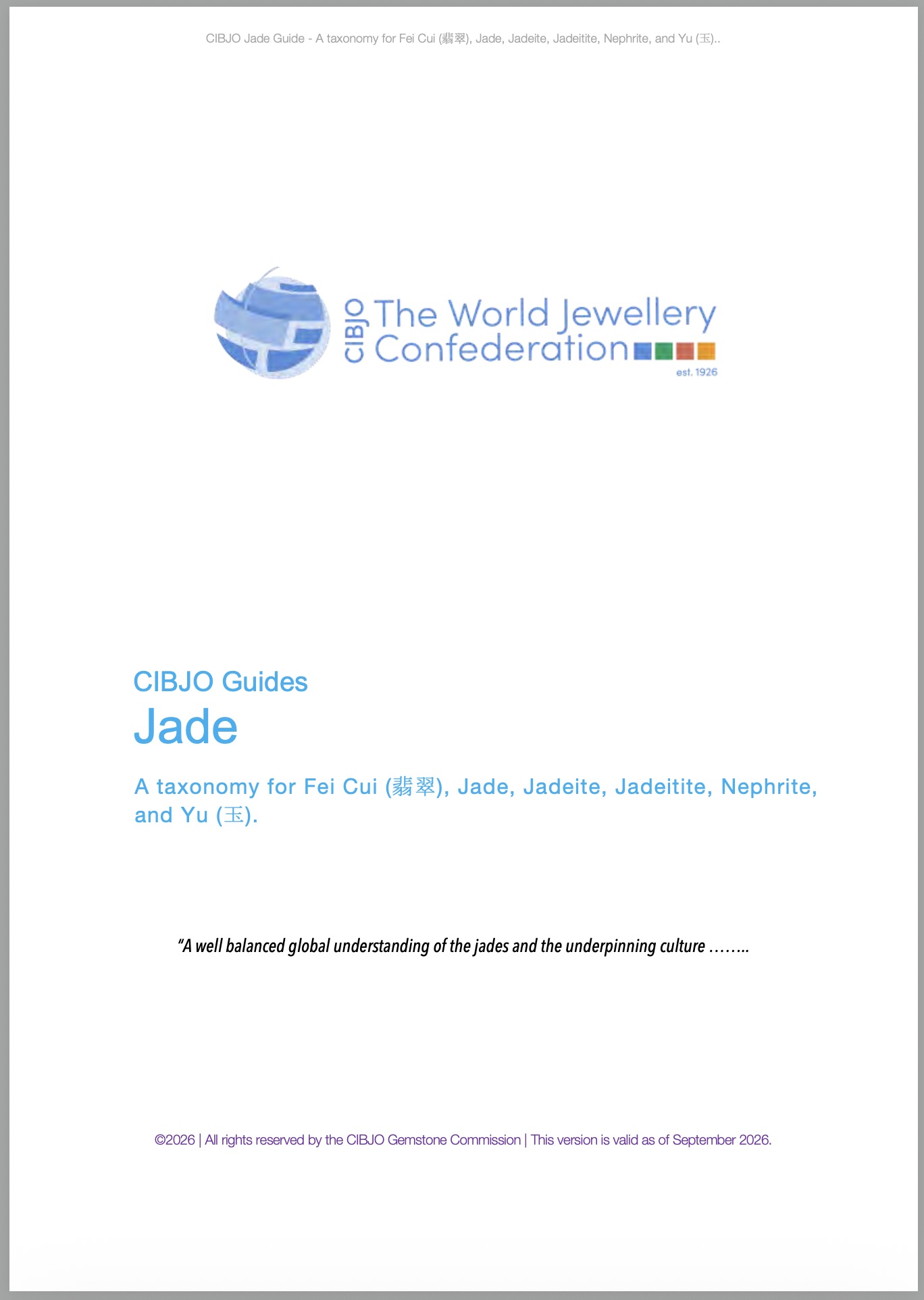
Jade: A Taxonomy for Fei Cui (翡翠), Jade, Jadeite, Jadeitite, Nephrite, and Yu (玉)

Jade: A Taxonomy for Fei Cui (翡翠), Jade, Jadeite, Jadeitite, Nephrite, and Yu (玉)

CIBJO (2026)

Book · Source: CIBJO Guides · Publisher: CIBJO · Pages: 104 pp.

Abstract
At its core, any nomenclature system is a means of classification, a way to create logical categories that can be used to educate others. Like a garden, nomenclature systems require regular maintenance to remove overgrowth and “deadwood”. Nomenclature evolves naturally over time as it reflects the current state of knowledge. As understanding deepens, we often discover that items once thought to belong to one category more properly fit into another. At that point, we face a choice: move the item to the category that best represents it, or allow it to remain where it is as an exception. Every nomenclature system has these exceptions. This CIBJO guide examines one such case with jade, where mineral species names may have been improperly applied to gem materials that are actually rocks. This is not a purely academic exercise as financial costs may apply as a real consequence in a world where third-party verification of gem materials is a requirement, i.e., gem testing costs that involve the non-destructive analyses of rocks can be prohibitive, particularly at the low-value end. CIBJO takes no official position on this question. We recognize that many parties, particularly in China and across the East, consider the replacement of the terms/names jadeite, omphacite, and kosmochlor with the collective term/name fei cuì to be consistent with modern gemmological practice. Accordingly, they see no deception in marketing a gem whose constituent minerals are intimately intergrown under this unified term, a tradition that dates back to the early 1700s. At the same time, CIBJO acknowledges that traders, gemmologists, and consumers may prefer to divide pyroxene jade into its individual mineral components. CIBJO remains neutral on these differing approaches and accepts that variations in practice may exist between regions and that neither approach should be considered an unfair trade practice. There are sound reasons why nomenclature cannot, and should not, be expected to be identical everywhere. Each culture uses language to describe the world in its own way. The issue of ‘yù’ versus ‘jade’ illustrates this clearly: the two words carry distinct meanings, and neither has an exact equivalent in the other language. The proliferation of different languages and dialects reflects the diversity of human cultures. Nomenclature, therefore, inevitably carries a cultural dimension and must accommodate meaningful regional and linguistic differences where they arise. In the pages that follow, we aim to present this complex subject logically and consistently, bearing these principles in mind. The discussion represents the outcome of extensive dialogue among representatives from around the world. Jade is a human treasure. It is our hope that this guide will foster greater understanding of this remarkable natural canvas, beloved by jeweller and carver alike.
Keywords
gems, jade, pyroxene jade, fei cui, Burma, China, Hetian yu, Chinese jade, nephrite, yu, Guatemala, New Zealand, Japan, Russia, Kazakhstan, Canada, USA, Burma, Myanmar
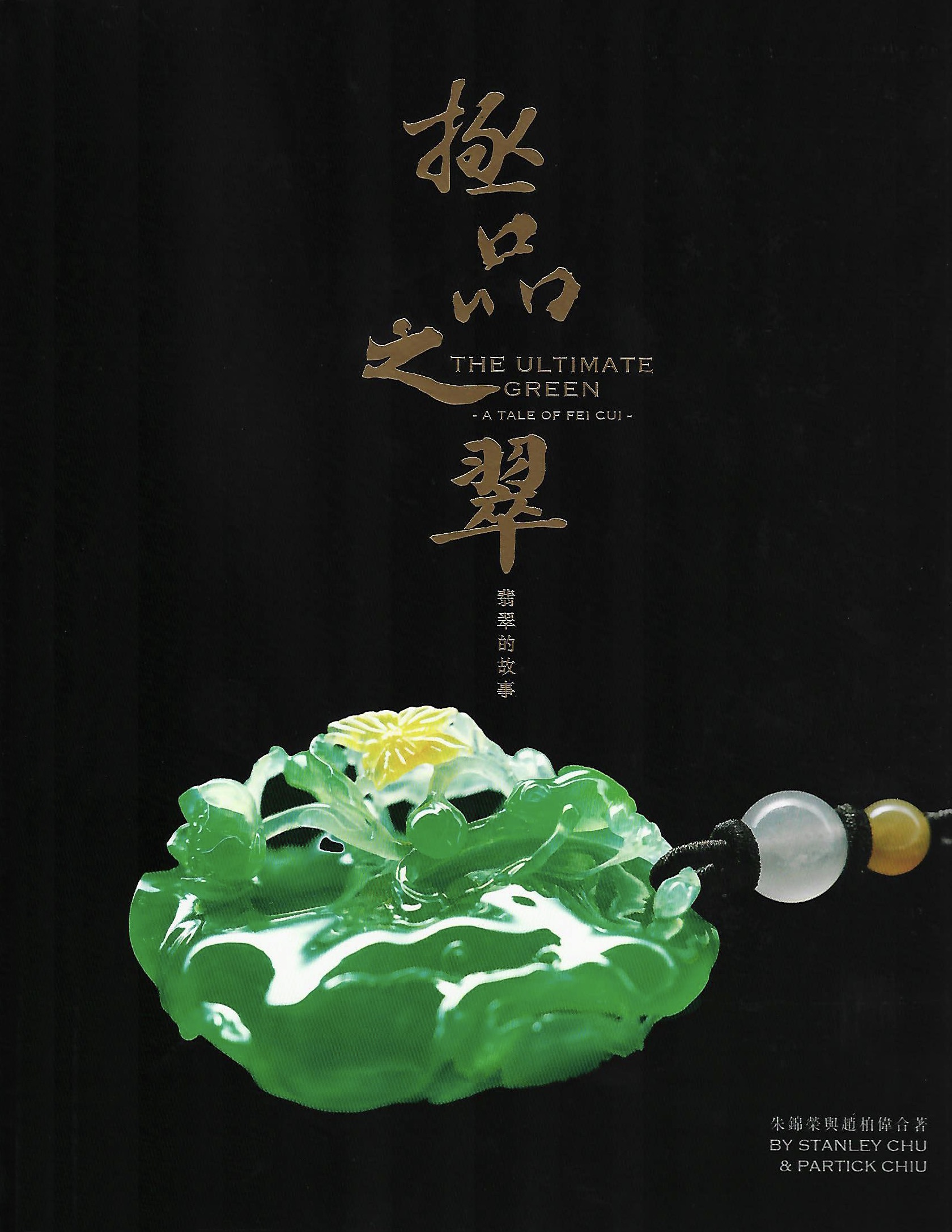
The Ultimate Green – A Tale of Fei Cui

The Ultimate Green – A Tale of Fei Cui

Chu, S. and Chiu, P. (2026)

Edited Book · Publisher: On Tung Jewellery · Pages: 281 pp. · Language: in Chinese and English

Abstract
The publication of “The Ultimate Green: A Tale of Fei Cui” serves as both a tribute to Fei Cui and my father, as well as an exploration of the contemporary Hong Kong Fei Cui industry’s global aspirations. The book is structured into three chapters: Chapter One, “Tradition,” provides a broad overview of Fei Cui’s origins, history, and cultural significance; Chapter Two, “Legend,” shares my father’s personal journey in founding On Tung Jewellery; and Chapter Three, “Inheritance,” looks ahead, exploring the future and efforts to internationalize Fei Cui. What sets this book apart from others on Fei Cui is its authenticity—the content arises from the practical wisdom and insights my father and On Tung Jewellery have accumulated over nearly sixty years. It stands as a valuable testament to the rich history of Hong Kong’s Fei Cui industry. Throughout the writing process, we received guidance and support from many industry veterans and partners, and we extend our heartfelt gratitude to them. “As cutting and grinding, as carving and polishing,” this book is our sincere effort to pay homage to Fei Cui. We hope our humble perspectives inspire further valuable contributions and welcome corrections and advice from experts and readers.
Keywords
gems, jade, pyroxene jade, fei cui, Burma, China, Myanmar
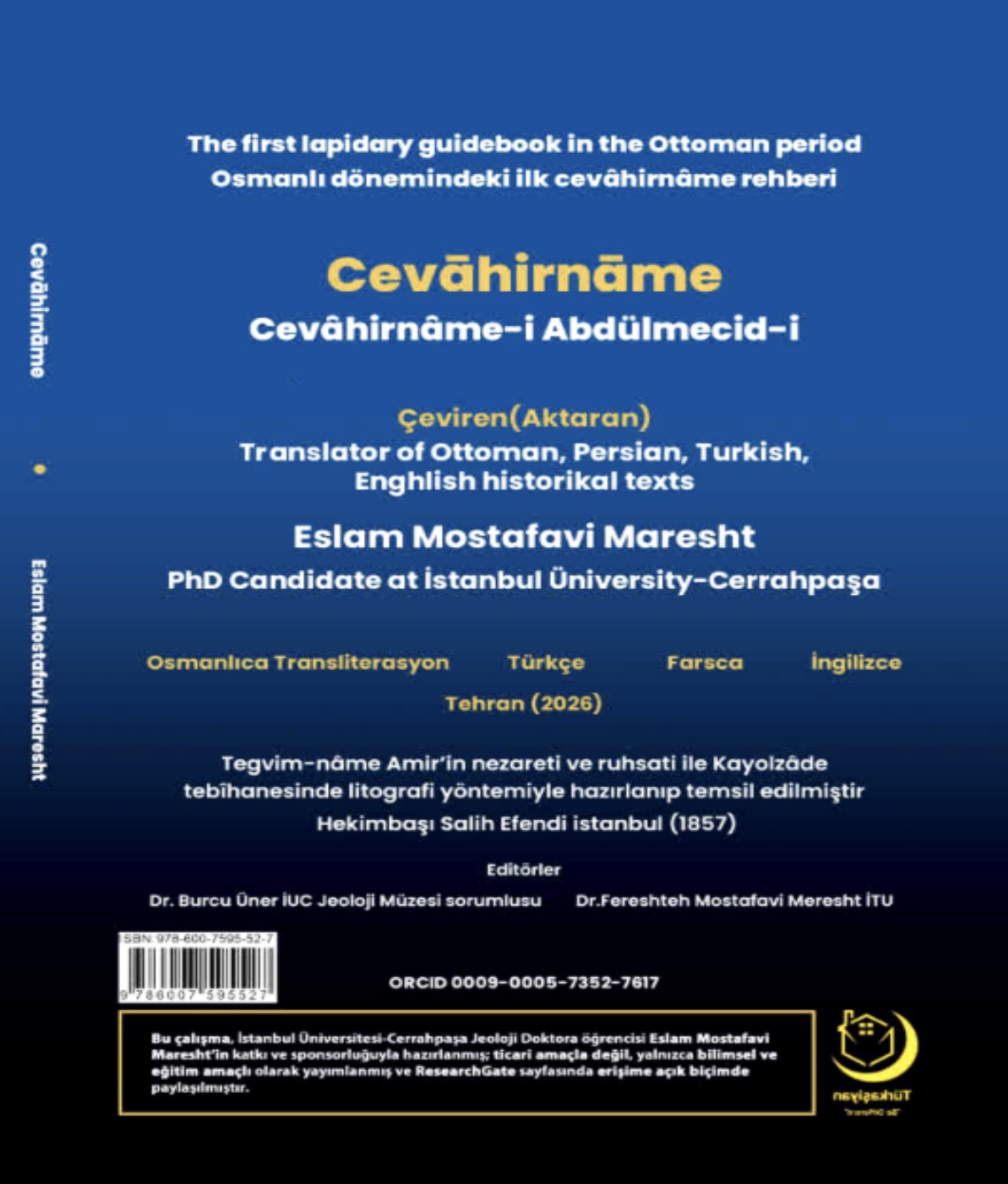
Cevâhirnâme-i Abdülmecid-i: The First Lapidary Guidebook in the Ottoman period

Cevâhirnâme-i Abdülmecid-i: The First Lapidary Guidebook in the Ottoman period

Maresht, E.M. (2026)

Book · Publisher: Novin Kushan · Pages: 148 pp. · Language: In Turkish, Farsi and English

Abstract
Cevâhirnâmes are significant scientific and cultural texts within the Islamic intellectual tradition, particularly during the Ottoman period. Precious and semi-precious stones were valued not only for their aesthetic and economic importance but also for their perceived medical and therapeutic properties. Numerous works titled Cevâhirnâme were produced to describe the origin, classification, physical and chemical characteristics, and healing qualities of these stones. One of the most important examples of this tradition is the Cevâhirnâme-i Abdülmecid-i (Guidebook), compiled in 1857 by Chief Physician Salih Efendi under the patronage of Sultan Abdülmecid. Considered the first systematic gemological study in the Turkish-Islamic world, the work represents one of the final examples of the classical cevâhirnâme tradition. The book consists of twelve chapters devoted to stones such as diamond, ruby, emerald, pearl, turquoise, amber, coral, agate, and jade, examining their physical properties alongside their temperaments (mizaj) and effects on the human body. By combining traditional humoral medicine with empirical observations of gemstones, the Cevâhirnâme-i Abdülmecid-i serves as a valuable historical source that bridges traditional Islamic medicine and early modern gemology, reflecting the scientific, medical, and cultural knowledge of the late Ottoman period.
Keywords
gems, history of gemology, Arabic mineralogy, gem prices, corundum, ruby, sapphire, diamond, emerald, pearl, turquoise, amber, coral, agate, jade
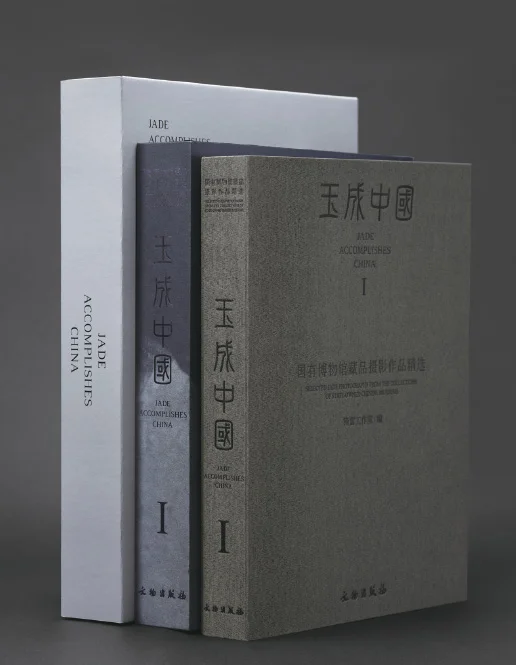
Jade Accomplishes China • 1 • Selected Jade Photographs from the Collections of State-Owned Chinese Museums

Jade Accomplishes China • 1 • Selected Jade Photographs from the Collections of State-Owned Chinese Museums

玉成中国:国有博物馆藏品摄影作品精选

Fenglei Studio (2025)

Book · Publisher: Cultural Relics Press · Volume: Vol. 1 · Pages: 628 pp. · Language: in Chinese

Abstract
A large-format photographic study of ancient Chinese jade objects from the collections of eight state-owned museums, presenting more than 150 objects, with a particularly substantial group from the Liangdaicun collection. Conceived by photographer Zhang Fenglei and Fenglei Studio as the first volume of a projected eight-volume series, the book seeks to create a “museum on paper” in which exceptionally detailed photography reproduces as closely as possible the appearance, surface, texture, alteration, and translucency of the original objects. Rather than treating archaeological jades primarily as subjects for artistic photography, Zhang emphasizes accurate visual documentation, arguing that lighting, viewpoint, and composition should communicate information inherent in the objects rather than beautify them. The photographs employ high-resolution imaging and unusually demanding reproduction and printing methods, including custom German coated paper and 350-line printing, intended to convey the three-dimensional character and subtle optical qualities of jade. The objects have previously appeared in publications, but this volume re-photographs them systematically and at high quality, providing a substantial visual reference for the study of Chinese jade and jade-working traditions as well as a record of important museum collections. This is an extremly high-quality publication in all respects and a pleasure to own.
Keywords
gems, jade, China, Chinese art, nephrite, yu, fei cui, Chinese jade carving, archaeology, archaic jade
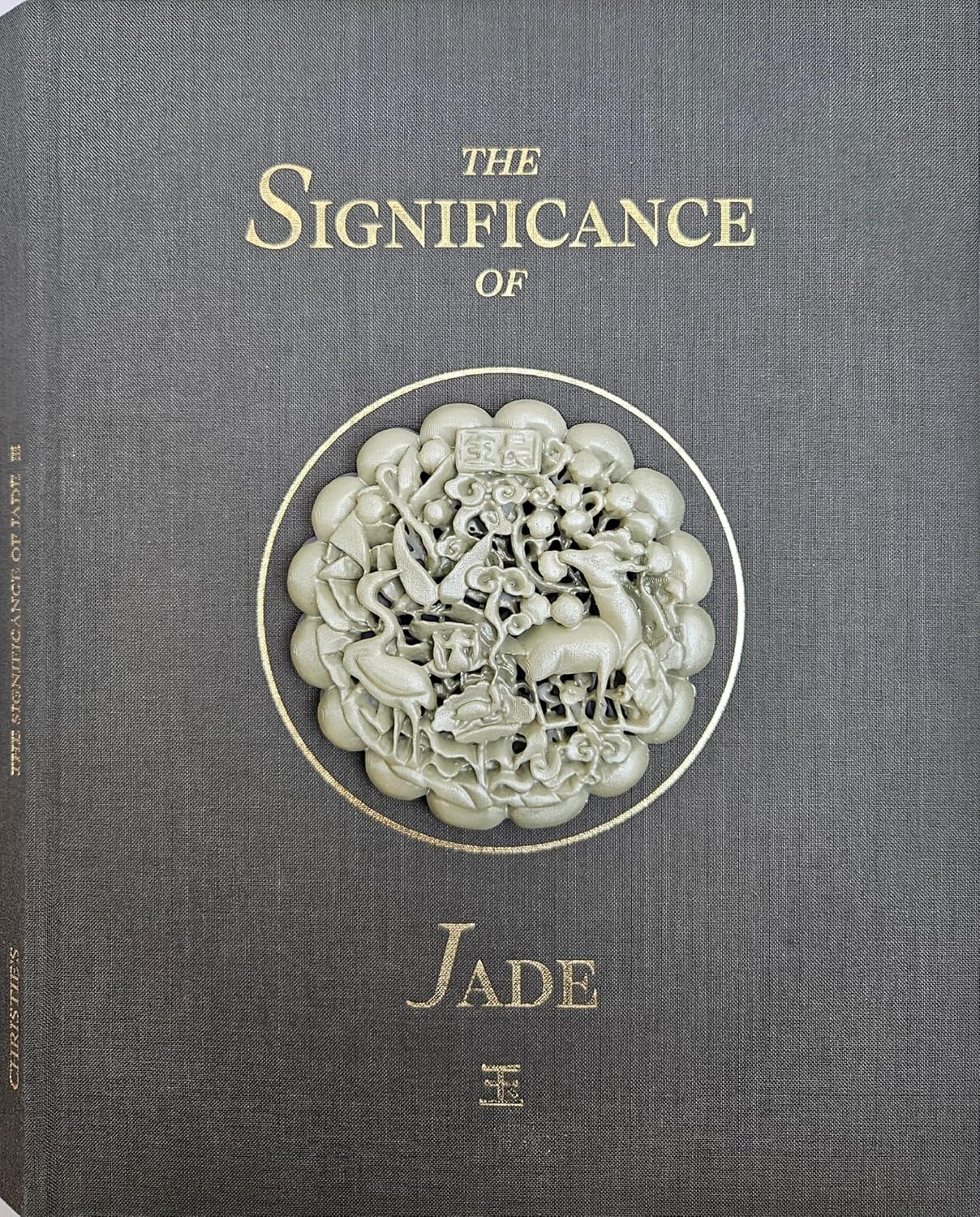
The Significance of Jade in China's Culture, History and Art

The Significance of Jade in China's Culture, History and Art

Christie's and Woolf Charitable Trust (2025)

Edited Book · Publisher: Woolf Charitable Trust · Pages: 181 pp.

Abstract
A collection of essays by six leading international experts and acamedics in Chinese art and cultural history, examining the seminal role played by jade – its manufacture, symbolism, social and political value, spiritual resonance and artistic appreciation – in 17th and 18th Century China, as illustrated by selected pieces from the Woolf Collection of Chinese Jades.
Keywords
gems, jade, Chinese jade carving, jadeite, fei cui, nephrite, archaic jade
New insights into chromogenic mechanism and the genesis of blue jadeite from Guatemala

New insights into chromogenic mechanism and the genesis of blue jadeite from Guatemala

Liu, Y., Xu, B., Zhao, S., Zhao, M., Li, Z. and Hao, W. (2025)

Electronic Article · Source: Minerals · Volume: Vol. 15 · Issue: No. 9 · Pages: pp. 963

Abstract
While existing studies on Guatemalan jadeite have predominantly focused on green varieties, the coloration mechanisms and origin of its blue counterparts remain poorly understood. Therefore, the present study provides the first comprehensive investigation of the Guatemalan blue jadeite using an integrated analytical approach, which combines Raman spectroscopy, micro X-ray fluorescence (µ-XRF), electron microprobe analysis (EMPA), X-ray diffraction (XRD), UV-Vis spectroscopy, and cathodoluminescence (CL) imaging on seven representative samples. The results demonstrate that these jadeites consist of two distinct phases: a primary jadeite phase (NaAlSi₂O₆) and a secondary omphacite that forms by metasomatic alteration by Mg-Ca-Fe-rich fluids. Spectroscopic analysis reveals that the blue coloration is primarily controlled by Fe³⁺ electronic transitions (with characteristic absorption at 381 nm and 437 nm) coupled with Fe²⁺-Ti⁴⁺ intervalence charge transfer, supported by µ-XRF mapping showing strong Fe-Ti spatial correlation with color intensity. CL imaging documents a multi-stage formation history involving initial high-pressure crystallization (Jd-I) followed by fluid-assisted recrystallization forming Jd-II and omphacite. The detection of CH₄, CO, and H₂O in the fluid inclusions by Raman spectroscopy indicates formation in a serpentinization-related reducing environment, while distinct CL zoning patterns confirm a fluid-directed crystallization (P-type) origin. These findings not only clarify the chromogenic processes and petrogenesis of Guatemalan blue jadeite but also establish key diagnostic criteria for its identification, advancing our understanding of fluid-derived jadeite formation in subduction zone environments.
Keywords
gems, jade, fei cui, pyroxen jade, jadeite, kosmochlor, Guatemala, cathodoluminescence, guatemalan, cause of color, P-type jadeitite, omphacite, fluid transport, fluid precipitation-to-metasomatic product, metasomatism
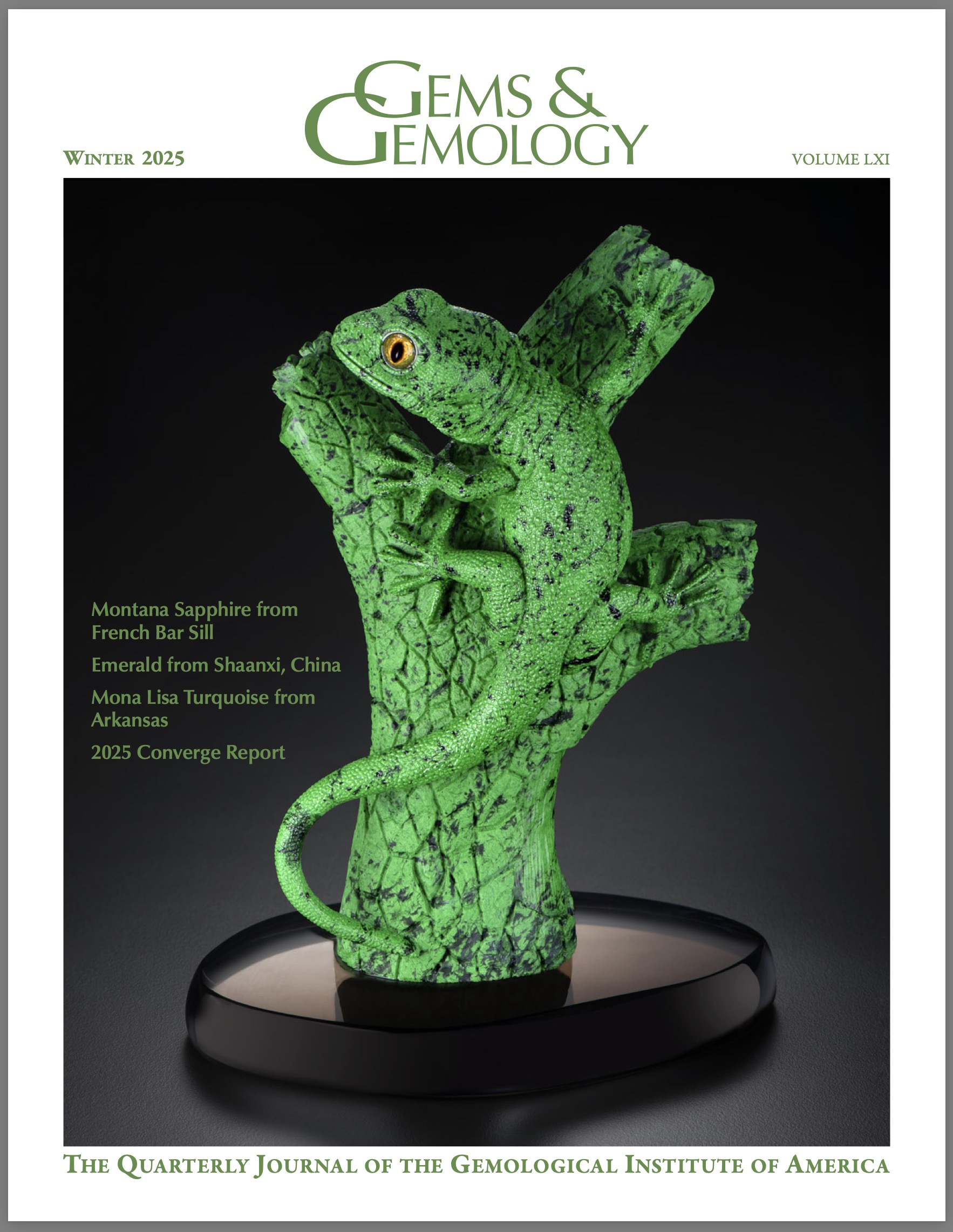
Gem News International: Fuchsite-bearing dolomite aggregate as a new jadeite imitation

Gem News International: Fuchsite-bearing dolomite aggregate as a new jadeite imitation

Yang, T., Huang, K., Chou, Y. and Lin, S. (2025)

Journal Article · Source: Gems & Gemology · Volume: Vol. 61 · Issue: No. 4, Winter · Pages: pp. 449–450

Abstract
Recently, a carved green snuff bottle was submitted as jadeite jade for identification at the Taiwan Union Lab of Gem Research (TULAB) (figure 1). The surface of the bottle displayed a white matrix with dense mottled green areas. A spot refractive index was approximately 1.68–1.69, which was noticeably higher than the typical range of values for jadeite jade. However, such results may occur if jadeite contains kosmochlor. Under microscopic observation, the surface of the carving revealed a white matrix with green patches (figure 2). Interestingly, these green patches appeared red when viewed through a Chelsea filter. To further identify the material, Raman spectroscopy (785 nm laser) was performed and compared with the RRUFF database (B. Lafuente et al., 2015, https://rruff.info/about/downloads/HMC1-30.pdf). The results indicated that the white matrix was dolomite, while the dark green patches were muscovite (figure 3). With the assistance of energy-dispersive X-ray fluorescence (EDXRF) analysis, the green portions were confirmed to be fuchsite (chromium muscovite). All testing indicated that the snuff bottle was composed of a dolomite aggregate with fuchsite. Although its appearance resembled jadeite jade, the bottle’s refractive index and Chelsea filter reaction clearly distinguished it from jadeite jade. Raman spectroscopy and EDXRF were used as more precise methods to confirm the material, which appears to be a new jadeite simulant that has recently appeared on the market.
Keywords
gems, corundum, geology.11, Burma.12, Mogok, beryl, emerald, Russia, Malysheva, Ural Mountains, alexandrite, chrysoberyl, pegmatite
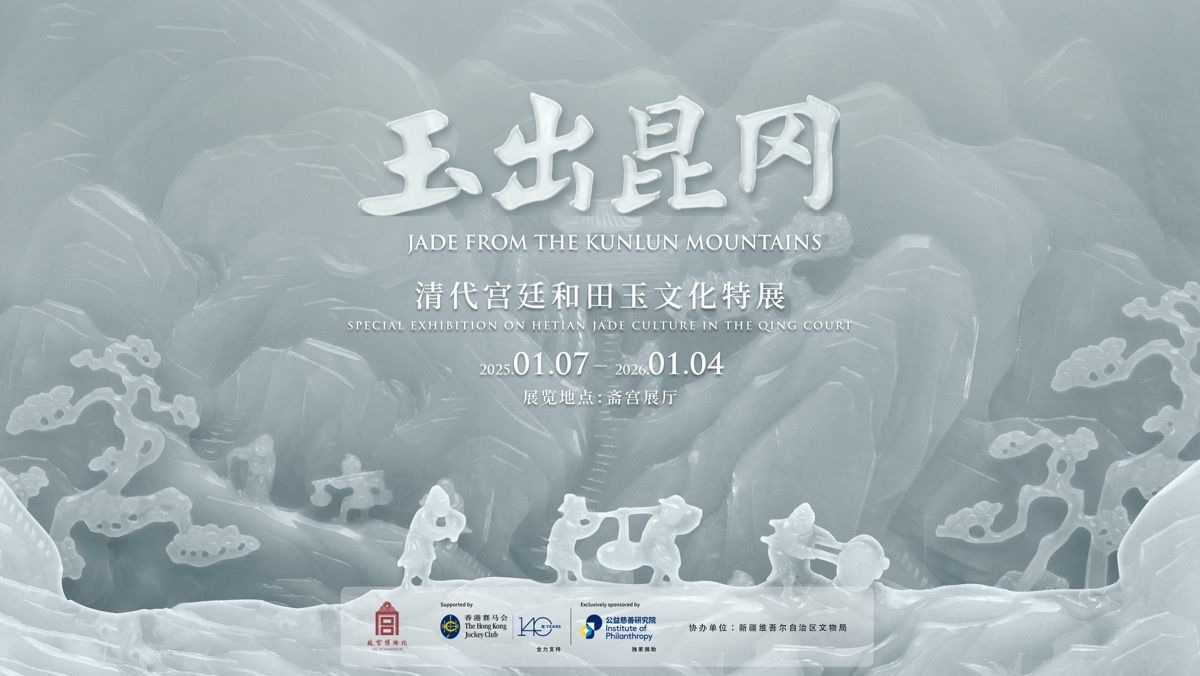
Jade From Kunlun Mountains: Special Exhibition of Hetian Jade Culture in the Qing Imperial Court

Jade From Kunlun Mountains: Special Exhibition of Hetian Jade Culture in the Qing Imperial Court

Palace Museum (2025)

Book · Publisher: Palace Museum · Pages: 480 pp. · Language: in Chinese with English captions.

Abstract
Lavish hardcover exhibit catalog of an important exhibit of Hetian yu (nephrite jade) from the Qing Dynasty. The exhibit brought together an amazing collection of pieces and the catalog does it justice.
Keywords
gems, jade, China, nephrite, amphibole jade, Qing Dynasty
Jades from China and India – A most curious exchange

Jades from China and India – A most curious exchange

Wilson, M. (2025)

Journal Article · Source: Transactions of the Oriental Ceramic Society · Volume: Vol. 88, 2024 · Pages: pp. 54–65

Abstract
There are two countries that use the mineral jade to make artefacts, China and India. Archaeological evidence shows that China began making jade objects long before writing was invented. The history of jade production in India is not well chronicled, but in the 17th century the Mughal court had produced some extremely beautiful jade vessels and jewellery items. During the Qianlong reign period (1736–95) a large number of Mughal jades entered the Forbidden City. Emperor Qianlong was much attracted to those foreign objects, and composed scores of poems in their praise. He believed they came from a place called “Hindustan”. He even did some research into the location of Hindustan, and promulgated his findings in a short essay entitled Tianzhu wu yindu kao-e 天竺五印度考訛: North India is in fact near Yarkand 葉爾羌, which is in our Muslim Region [Huibu 回部] … To the west of Yarkand, beyond the Congling 蔥嶺, is Badakhshan 拔達克山, turning south from Badakhshan is Kashmir 克什米爾, turning west is Hindustan 痕都斯坦 … Hindustan is a Muslim land, but the Muslim people say Buddhist relics have been found there …
Keywords
gems, jade, nephite, China, India, Mughal jade
Research on glass imitation jade culture in the ancient Chinese Silk Road

Research on glass imitation jade culture in the ancient Chinese Silk Road

Huang, S., Wang, Z. and Zhu, J. (2025)

Journal Article · Source: Scientific Reports · Volume: Vol. 15 · Issue: No. 4674

Abstract
This paper undertakes a multi-dimensional exploration of the glass imitation jade culture under the context of the ancient Silk Road, tracing the historical trajectory of glass manufacturing technology from West Asia to China, especially after the Han Dynasty, when the flourishing trade along the Silk Road facilitated the integration of foreign glass craftsmanship with China’s indigenous imitation jade tradition. This integration prompted Chinese glass artifacts to not only incorporate foreign techniques but also emphasize the texture and cultural symbolism of jade. Through systematic archaeological excavations and historical text analysis, this study delves into the unique phenomenon of glass imitation jade on the ancient Silk Road in China, providing detailed exposition on the formation, characteristics, and profound impact of this cultural practice. Imitation jade culture extends beyond physical forms, permeating material selection, technological innovation, and cultural symbol inheritance. As a gem of ancient Chinese craft art, the glass imitation jade culture offers valuable insights into understanding the aesthetic features of ancient cultures, cultural exchange patterns, and the evolution of craft technologies. This paper innovatively proposes that ancient glass-making practices imitation jade can serve as a new means to actively protect natural jade resources in modern times, offering a fresh perspective for the exploration and study of the Silk Road cultural heritage.
Keywords
gems, jade, imitation jade, glass, testing, jade testing, Central Asia, archeogemology,
Communing with the spirit world: Human figures and ornamental jades from the collection of Ai Weiwei

Communing with the spirit world: Human figures and ornamental jades from the collection of Ai Weiwei

Elias, H. (2025)

Journal Article · Source: Arts of Asia · Issue: Summer · Pages: pp. 84–95

Abstract
“When presented with a piece of jade that speaks or sings, I am compelled to empty my purse to procure it, which might appear as folly to some.” These are the words of Ai Weiwei (born 1957), the artist and activist, reflecting on his passion for collecting Chinese archaic jades. In this second article in a series, the focus turns to the figural and ornamental jades Ai has assembled over the past four decades. These ancient pieces, dating from the Neolithic period (circa 6500–1700 BC) to the Han dynasty (206 BC–AD 220), have been meticulously gathered for their historical importance and rarity. They offer a window into China’s extensive early jade-working traditions and the deep reverence ancient cultures held for jade as a sacred material. Ai recalls how, after returning to Beijing from New York in 1993, he would accompany his younger brother Ai Dan—himself an avid collector and connoisseur of archaic jades—to the antique market daily, as if reporting to work. They spent countless hours combing through the capital’s markets and shops, where in those days, ancient artifacts were plentiful. Ai vividly remembers how, each time he left the market, the soft chime in his trouser pockets—jade pieces gently brushing and tapping against each other—would send his imagination soaring.
Keywords
gems, jade, Chinese jade carving, jadeite, fei cui, nephrite
La estatuilla de Huitzilopochtli del Musée du quai Branly de París

La estatuilla de Huitzilopochtli del Musée du quai Branly de París

The Huitzilopochtli statuette in the Musée du quai Branly, Paris

López Luján, L. and Domenici, D. (2024)

Journal Article · Source: Arqueología Mexicana · Issue: No. 188, September–October · Pages: pp. 26–39 · Language: in Spanish

Abstract
Unique of its kind, this tiny three-dimensional image of the Mexica god forms part of a sculptural corpus that is as interesting as it is small. Its study provides valuable information about imperial cult practices and about the transfer of artistic objects from the pre-Hispanic civilizations of the Americas to the European colonial powers.
Keywords
gems, jade, jadeite, fei cui, Mesoamerica, Mexico, Guatemala, Costa Rica, Mayans, Olmecs, Aztecs, archaeology
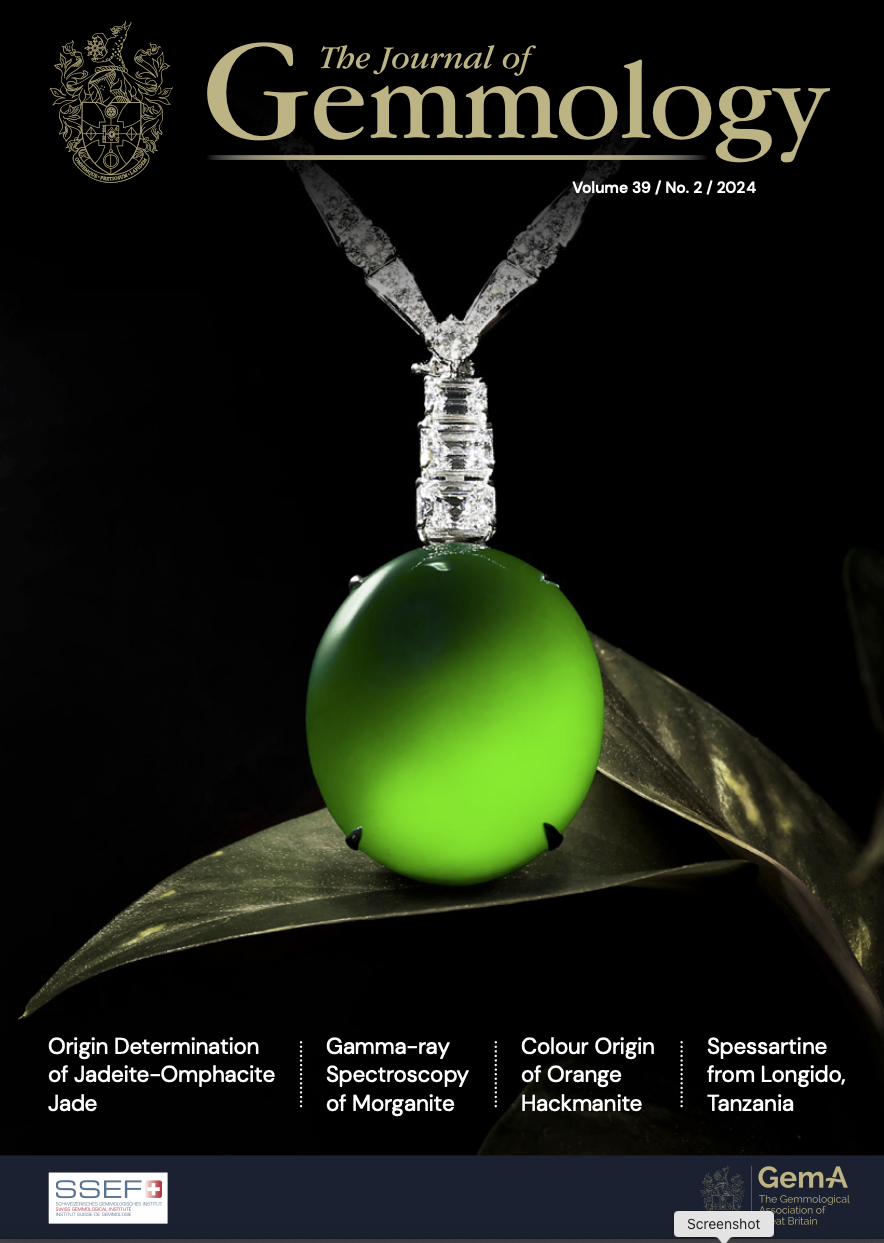
Geographic origin determination of high-quality green jadeite-omphacite jade (fei cui) from Myanmar, Guatemala and Italy using statistical processing coupled with spectroscopic and chemical analyses

Geographic origin determination of high-quality green jadeite-omphacite jade (fei cui) from Myanmar, Guatemala and Italy using statistical processing coupled with spectroscopic and chemical analyses

Liu, S., Man, K., Seneewong-Na-Ayutthaya, M., Jakkawandvibul, J. and Lee, T. (2024)

Journal Article · Source: Journal of Gemmology · Volume: Vol. 39 · Issue: No. 2 · Pages: pp. 123–144

Abstract
Twenty-seven samples of high-quality green jadeite–omphacite jade from Myanmar, Guatemala, and Italy were characterized to develop a methodology for geographic origin determination and to establish a workflow suitable for commercial gemmological laboratories. The specimens were analyzed using UV-Vis-NIR, FTIR, and Raman spectroscopy, as well as EDXRF and LA-ICP-MS chemical analysis. Statistical processing was applied to compare features and identify discriminant factors. This integrated approach yielded promising and practical results for distinguishing jadeite–omphacite jade from these localities. The most useful elements measured by EDXRF were Ti, Cr, Fe, and Ni, while those identified by LA-ICP-MS were Sc, V, Zn, and Au. For origin determination, LA-ICP-MS provided excellent differentiation power (100% separation rate), and the other four methods individually demonstrated varying separation power (≥67%). The combination of spectroscopic methods with EDXRF chemical analysis effectively compensates for the limitations of each individual technique.
Keywords
gems, jade, fei cui, pyroxene jade, jadeite, Myanmar, Burma, Guatemala, Italy
Infrared spectroscopy and its use in gemology

Infrared spectroscopy and its use in gemology

Breeding, C.M. and Ahline, N.J. (2024)

Journal Article · Source: Gems & Gemology · Volume: Vol. 60 · Issue: No. 4, Winter · Pages: pp. 474–492

Abstract
Since its discovery at the beginning of the nineteenth century, infrared light has proven to be a versatile tool for scientists, industrialists, and consumers. The gem industry has benefited from the power of infrared spectroscopy in gemstone identification for more than 30 years. By measuring the frequencies of vibrations of bonds between atoms in the structure of a gemstone, scientists can determine the composition and atomic arrangement of many important defects that indicate whether a gem is natural, laboratory-grown, or treated. Clever adaptations of instrument hardware and sampling techniques have allowed for efficient and accurate analysis of diamonds and many of the most important colored gems such as ruby, sapphire, emerald, and jadeite. No gemologist’s toolbox is complete without an understanding of the power of infrared spectroscopy for gem identification.
Keywords
gems, gemology, basic gemology, advanced gemology, gem testing, spectroscopy, infrared, FTIR

Exploring the Literature of Jade

Jade literature spans gemology, mineralogy, archaeology, art history, mining, carving and connoisseurship, and includes works on both jadeite and nephrite from around the world.

For an introduction to collecting books on this subject, read Hidden Treasure — Collecting the Literature of Jade.

About Four Treasures

Four Treasures is Lotus Gemology's freely accessible gemological reference database. Use the full database to search by author, title or keyword and explore literature on gemology, mineralogy, jewelry and related fields. Where available, hyperlinks on titles may lead directly to the full publication.

Search the Complete Four Treasures Database