Jade Bibliography

Jade Bibliography

Explore books, articles and historical sources on jade in Four Treasures, the Lotus Gemology reference database. This bibliography brings together matching records from the collection, with publication details, abstracts and cover images where available.

Jade References

The list below matches the terms jade, jadeite, nephrite or Fei Cui in the database's searchable fields. Some references discuss these materials as part of a broader subject.

61–80 of 3,746 matching references
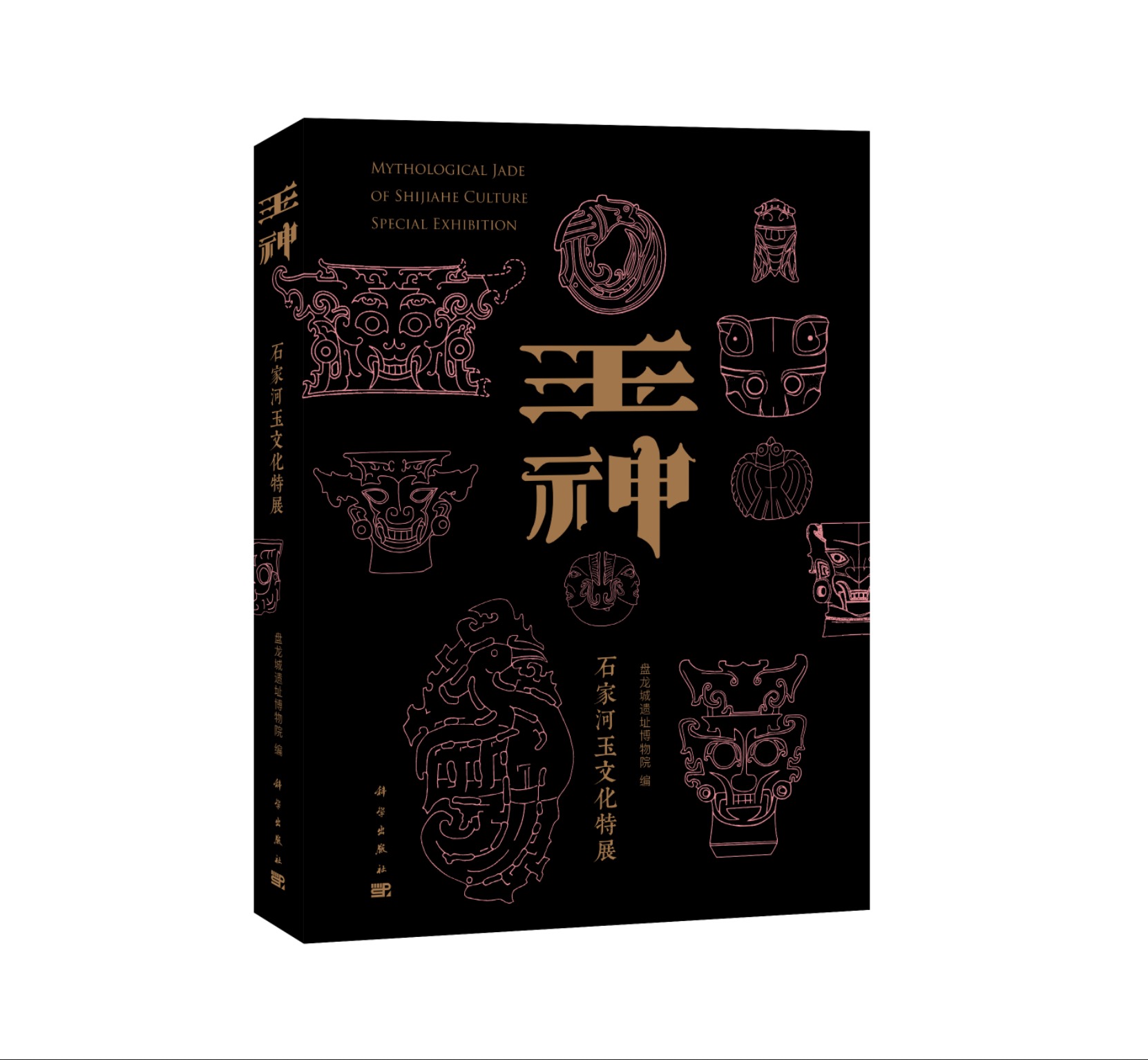
Mythological Jade of Shijiahe Culture Special Exhibition

Mythological Jade of Shijiahe Culture Special Exhibition

玉神:石家河玉文化特展

Panlong City Ruins Museum (2024)

Book · Publisher: 科学出版社 Science Publishing House · Pages: 316 pp. · Language: in Chinese with small English sections

Abstract
Superb museum exhibit of archaic jades of the late Neolithic Shijiahe Culture that were found in the Middle Yangtze region of China; many burial jades. Nicely photographed in color throughout.
Keywords
gems, jade, nephrite, China, archaic jade
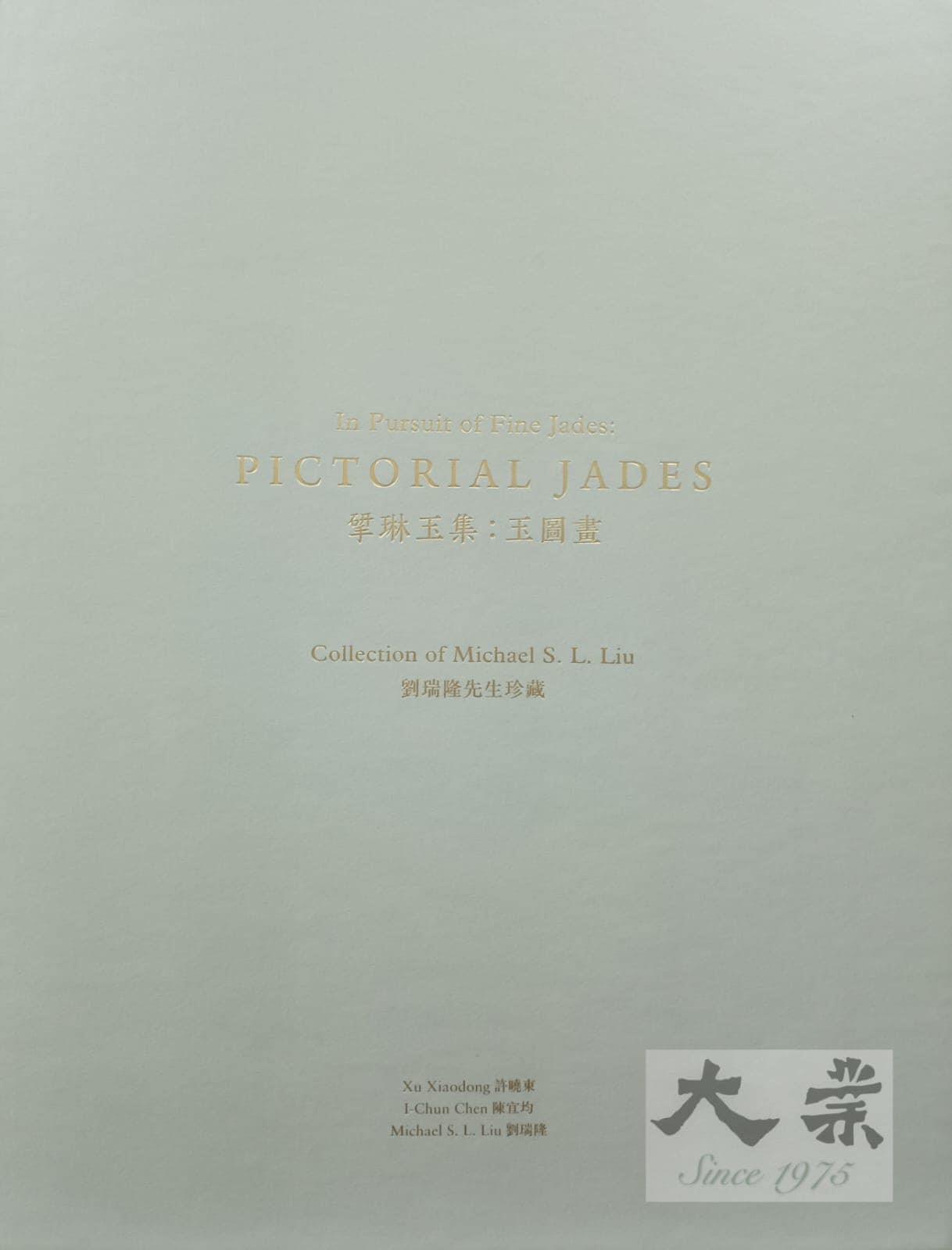
In Pursuit of Fine Jades | Pictoral Jades | Collection of Michael S.L. Liu

In Pursuit of Fine Jades | Pictoral Jades | Collection of Michael S.L. Liu

揅琳玉集: 玉圖書

Xu, X. and Chen, I.-C. (2024)

Book · Publisher: privately published · Pages: 348 pp. · Language: in Chinese and English

Abstract
Collection of exquisite figures carved on a variety of objects dating over a thousand years. A beautifully produced book with superb photography.
Keywords
gems, jade, China, Chinese jade carving, Chinese lapidary arts, nephrite, yu
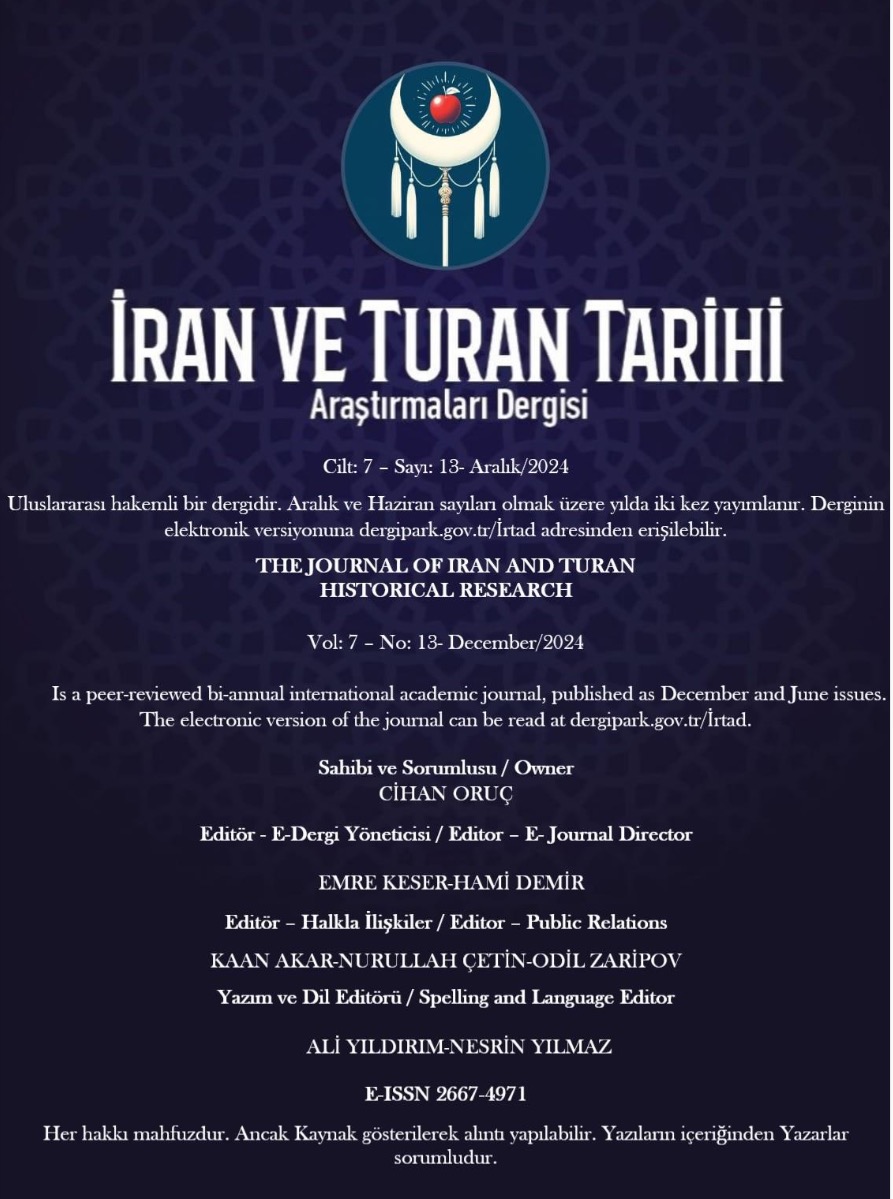
Jade from the point of view of Turkic history

Jade from the point of view of Turkic history

Yildrim, K. (2024)

Journal Article · Source: Iran ve Turan Tarihi · Volume: Vol. 7 · Issue: No. 13 · Pages: pp. 1–16

Abstract
One of the most intriguing products in history is jade. This very rare stone was not only an expensive luxury item but also used in rituals and medical treatments. Taken by rulers as tribute and tax, it was considered the most valuable trade commodity. The fact that jade, which spread from China to Europe in the early period, is a product of Turkestan is still not properly understood. Throughout the history of ancient Asia and Europe, East Turkestan, especially Khoten, was the source of authentic—and highest quality—jade. However, records also exist in the oldest primary sources describing other regions. In my article, I will try to examine the course of jade in Turkish history based mainly on Chinese sources.
Keywords
gems, jade, Central Asia, nephrite, Khotan, Hetian
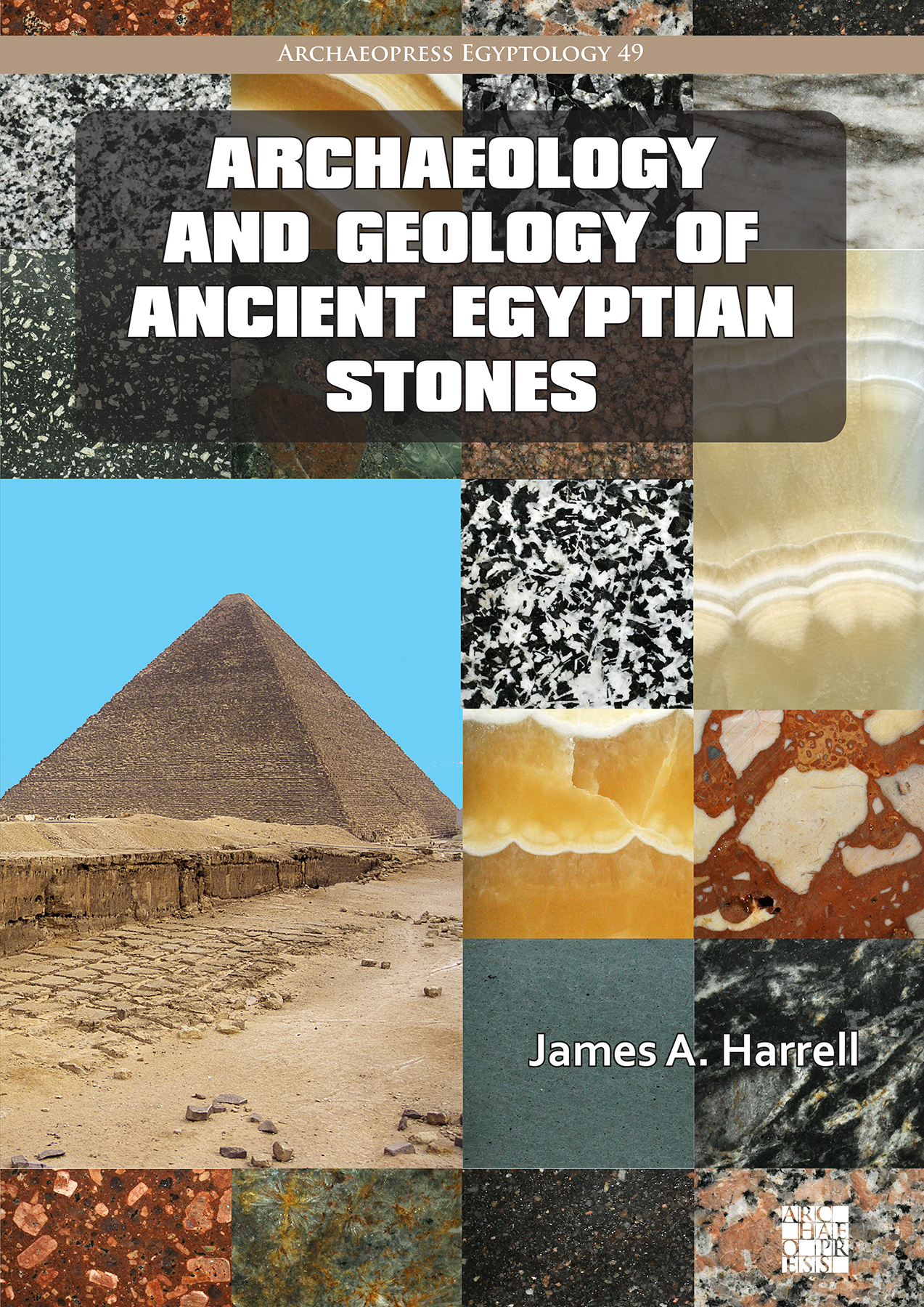
Archaeology and Geology of Ancient Egyptian Stones

Archaeology and Geology of Ancient Egyptian Stones

Harrell, J.A. (2024)

Book · Publisher: Archaeopress · Volume: Volume I: Archaeological and Geological Background, and Building and Utilitarian Stones. Volume II: Ornamental Stones, Gemstones, and Metals · Pages: 1049 pp.

Abstract
This book seeks to identify and describe all the rocks and minerals employed by the ancient Egyptians using proper geological nomenclature, and to give an account of their sources in so far as they are known. The various uses of the stones are described, as well as the technologies employed to extract, transport, carve, and thermally treat them. The ancient Egyptian Civilization dominated the northeast corner of Africa—including modern-day Egypt and, at times, northern Sudan—from about 3000 BC at the beginning of the Dynastic period to AD 642 at the end of the Roman period. Most of what it left behind consists of stones of many kinds. There were building stones for temples, pyramids, mastaba tombs, and other monumental constructions; and utilitarian stones for tools, weapons, and a wide array of mundane applications, including the raw materials for faience, glass, medicines, paint pigments, and pottery. There were also ornamental stones for decorative and structural elements in buildings, obelisks, statues, sarcophagi, stelae, vessels, shrines, offering tables, mace heads, cosmetic palettes, and other sculpted objects; and gemstones for jewellery, amulets, seals, and other small decorative items. Still more stones were processed to extract their metals, including gold, copper, iron, and lead. Two persistent problems in Egyptology have been the geological identification of these stones, and the recognition of their sources. Archaeology and Geology of Ancient Egyptian Stones seeks to identify and describe all the rocks and minerals employed by the ancient Egyptians using proper geological nomenclature, and to give an account of their sources in so far as they are known. A secondary objective is to describe the multitudinous uses of the stones as well as the technologies employed to extract, transport, carve, and thermally treat them.
Keywords
gems, jade, beryl, emerald, turquoise, eilat stone, chrysocolla, peridot
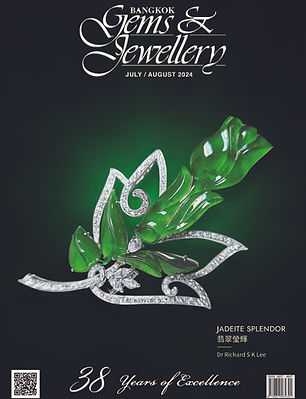
Jadeite splendor — The legend of the Lee family

Jadeite splendor — The legend of the Lee family

Zheng, J. (2024)

Journal Article · Source: Bangkok Gems and Jewellery · Issue: July/August · Pages: pp. 32–36

Abstract
Fascinating article by Richard Lee about the cutting and trading of Burmese fei cui. He reveals a hidden world rarely written about as he discusses pieces his family have been involved with. Highly recommended.
Keywords
gems, jade, fei cui, pyroxene jade, history of fei cui, jade trade in Burma
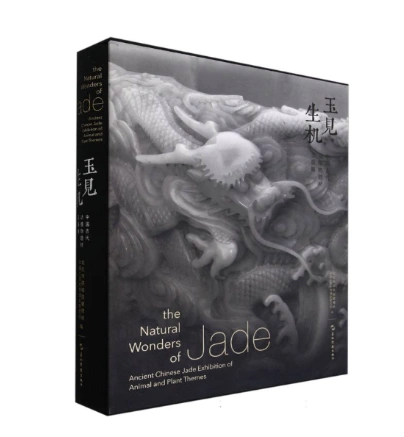
The Natural Wonders of Jade | Ancient Chinese Jade Exhibition of Animal and Plant Themes

The Natural Wonders of Jade | Ancient Chinese Jade Exhibition of Animal and Plant Themes

玉见生机:中国古代动植物题材玉器展

Beijing Summer Palace Management Institute (2024)

Book · Publisher: Wuzhou Communication Publishing [五洲伝播出版社] · Pages: 476 pp. · Language: in Chinese and English

Abstract
This book is an exhibition guidebook compiled by the Summer Palace Management Office of Beijing and the Qing Dynasty History Research Institute of Renmin University of China in the Summer Palace. The exhibition displays some of the ancient Chinese jade, which is a good exhibition. Many of the works are rare art treasures in the general jade exhibition, and are typical works that can represent the characteristics of the jade of the times. The exhibition shows the characteristics and development context of ancient Chinese jade culture from one side. It is universal, systematic and rare, and can be viewed and studied. The total exhibition features of the book are divided into five chapters: dragon flying and phoenix dance, auspicious beast spirit bird, home and heavenly cultivation, Jiamu Lianghui and seasonal vegetables and fruits. The pictures in the book are all taken from exhibits, with full pictures and details, and there are experts' reading of the exhibits. It is a book worth collecting for cultural relics lovers.
Keywords
gems, jade, pyroxene jade, jadeite, fei cui, omphacite, kosmochlor, amphibole jade, nephrite, jade animals
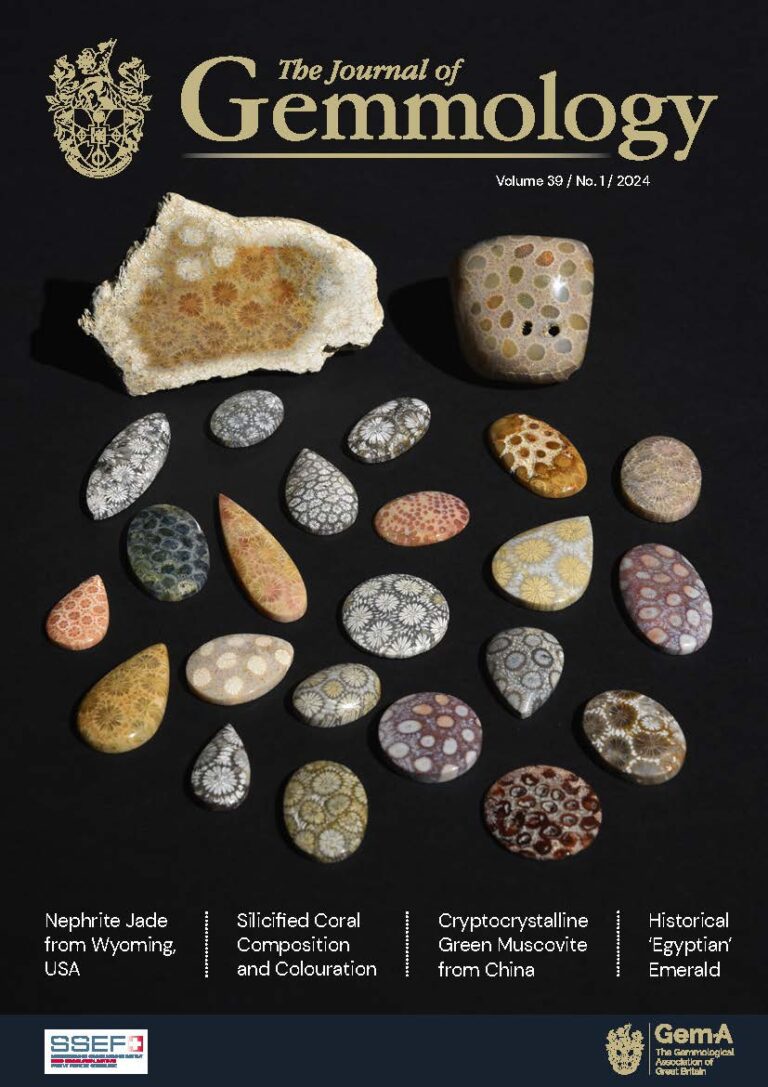
Nephrite jade from the Sky Zone, Wyoming, USA: Characteristics and primary hydrothermal origin

Nephrite jade from the Sky Zone, Wyoming, USA: Characteristics and primary hydrothermal origin

Jutras, J.-P., Williams, C., Williams, B. and Ream, L. (2024)

Journal Article · Source: Journal of Gemmology · Volume: Vol. 39 · Issue: No. 1 · Pages: pp. 36–53

Abstract
In 2019–2020, pods of extremely fine-grained, pure monomineralic nephrite jade were found in situ in central Wyoming, USA. Here referred to as type 1 nephrite, this jade occurs as ‘olive’ green open-space fillings of mineralogically pure tremolite that are hosted by shear zones and fractures within broad zones of massive quartz-clinozoisite/epidote alteration that overprint Archean-age gneisses. This unusual geological setting is characterised by the absence of associated serpentinite or dolomite that typically are seen in other known jade belts worldwide. The main occurrence described here, named the Sky Zone, is associated with a >400-m-long nephrite-bearing zone consisting mostly of coarse-grained, metasomatically altered and recrystallised mafic/ultramafic units hosted by mafic and quartzofeldspathic gneisses. Jade from these metasomatic units—here referred to as type 2 nephrite—consists of mottled dark green, mineralogically impure, medium-grained material. The physical and chemical properties of both nephrite types are consistent with those published in the literature for nephrite jade. Mineralogical, textural and chemical evidence indicates that the fine-grained type 1 nephrite formed through direct precipita- tion of tremolite from hydrothermal fluids within fractures extending outwards from a well-defined shear zone in close association with felsic intrusive bodies.
Keywords
gems, jade, amphibole jade, nephrite, Wyoming, USA
Encyclopedia of Color Science and Technology

Encyclopedia of Color Science and Technology

Shamey, R. (2023)

Edited Book · Publisher: Springer · Pages: 1613 pp.

Abstract
Collates work from such fields as optics, imaging, color chemistry, industrial color, coating technologies, and color physics. Serves as an interdisciplinary reference, linking fundamental concepts of color science to applications of color. Discusses recent technological advances of color science and technology and speculates on the future of color. Assembles for the first time in one centralized work the broad interdisciplinary field of color science and technology
Keywords
gems, jade, color, turquoise, al Biruni, color science, color theory, Broken Bangle
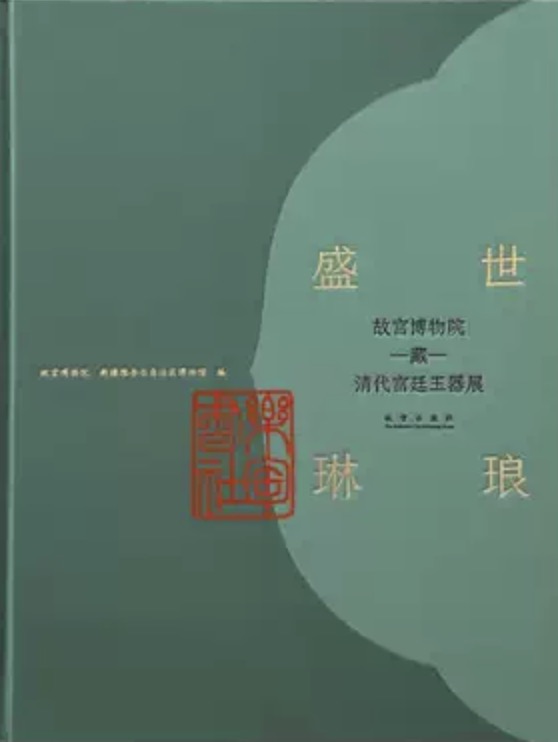
Radiant Treasures of a Flourishing Age: Exhibition of Qing Dynasty Imperial Jades from the Palace Museum

Radiant Treasures of a Flourishing Age: Exhibition of Qing Dynasty Imperial Jades from the Palace Museum

盛世琳琅 : 故宫博物院藏清代宫廷玉器展

Gugong Palace Museum (2023)

Edited Book · Publisher: Palace Museum Press · Pages: 255 pp. · Language: in Chinese

Abstract
Catalogue of a stunning exhibition showing 98 exhibits of superb Qing dynasty jades of the highest quality and workmanship made for the Chinese imperial court. Imperial seals, jade books and tablets, Buddhist ritual implements, an extensive and varied array of exquisite small objects, bowls, teapots and vases. All illustrated in colour and often in multiple views including close-up detail. An additional feature of this marvellous catalogue is that as many of the items as possible are illustrated life-size. Illustrated throughout in colour. Text in Chinese. Ancient Chinese jade culture has a long and continuous history, tracing back nearly ten thousand years to the Neolithic period. Among its many achievements, jade artifacts from the Qing dynasty—especially those from the reign of the Qianlong Emperor—represent the pinnacle of Chinese jade carving artistry. In the 24th year of Qianlong’s reign (1759), following the consolidation of China’s northern and southern frontiers, the government assumed control over the mining and distribution of jade from Xinjiang. This jade was sent in steady tribute to the imperial court. As a symbol of territorial expansion spanning 20,000 li, jade carving flourished under Qianlong’s personal patronage and advocacy. Jade production was entrusted to various royal institutions including the Imperial Workshop (Zaoban Chu), the Ruyi Hall (Ruyiguan), and departments under the Imperial Household such as the Three Weaving Offices, the Salt Administration, and Huai Customs. The Qianlong Emperor personally oversaw and participated in the entire process of jade design and manufacture, using his refinement, scholarship, and taste to guide artistic creation at court. This gave rise to a distinct and majestic style known as the “Respectfully Made in the Inner Court”—a style that stood apart from folk traditions. Qing dynasty jade works—particularly those from the Qianlong period—are renowned for their superb materials, harmonious forms, ingenious designs, refined aesthetic concepts, and exquisite craftsmanship. The continuous emergence of innovative pieces during this time surpassed the achievements of all previous dynasties. The Palace Museum houses the world’s largest and finest collection of Ming and Qing imperial jades. This exhibition presents 100 carefully selected masterpieces from nearly 19,000 Qing dynasty jade objects in the collection. Organized into six thematic sections—“Mandate of Heaven,” “Buddha Forms and Sacred Sounds,” “Jade Always at Hand,” “Elegant Companions of the Qing Court,” “Refined Leisure Moments,” and “Gathered Essence, Savored Beauty”—the exhibition uses the function of jade objects as its main thread, interwoven with considerations of material, technique, form, decoration, symbolism, and presentation. It offers a multidimensional view of the artistic heights achieved in Qing jade carving, while also inviting visitors to reflect on the deep origins and unbroken continuity of Chinese jade culture.
Keywords
gems, jade, archaic jade, nephrite, China, Chinese jade, fei cui, jadeite, pyroxene jade, amphibole jade, Chinese jade carving
Geographic origin determination of fei cui: A comparison of high-quality green fei cui from Myanmar, Guatemala, and Italy

Geographic origin determination of fei cui: A comparison of high-quality green fei cui from Myanmar, Guatemala, and Italy

Liu, S., Man, K.Y., Seneewong-Na-Ayutthaya, M. and Jakkawanvibul, C. (2023)

Conference Paper · Source: Proceedings of the 37th International Gemmological Conference · Pages: pp. 171–173

Abstract
Fei Cui is a kind of jade that is defined as a granular to fibrous polycrystalline aggregate composed solely, or principally, of any of the following, or any combination of the following: jadeite, omphacite and kosmochlor (GAHK, 2014). For decades, Myanmar was the only source of “Imperial green” Fei Cui. Guatemala is another historical source of jade. Since 2023, “Imperial green” Fei Cui from Guatemala has been getting more popular in China, especially after a new mining area was discovered in Morales, Izabal Department, Guatemala. Besides, a small amount of high-quality Italian Fei Cui has also appeared in the market in the past four years. To examine the possibility of origin determination of Fei Cui, a set of high-quality green Fei Cui from Myanmar, Guatemala and Italy was collected and examined.
Keywords
gems, jade, fei cui, pyroxene jade, jadeite, Myanmar, Burma, Guatemala, Italy, Broken Bangle
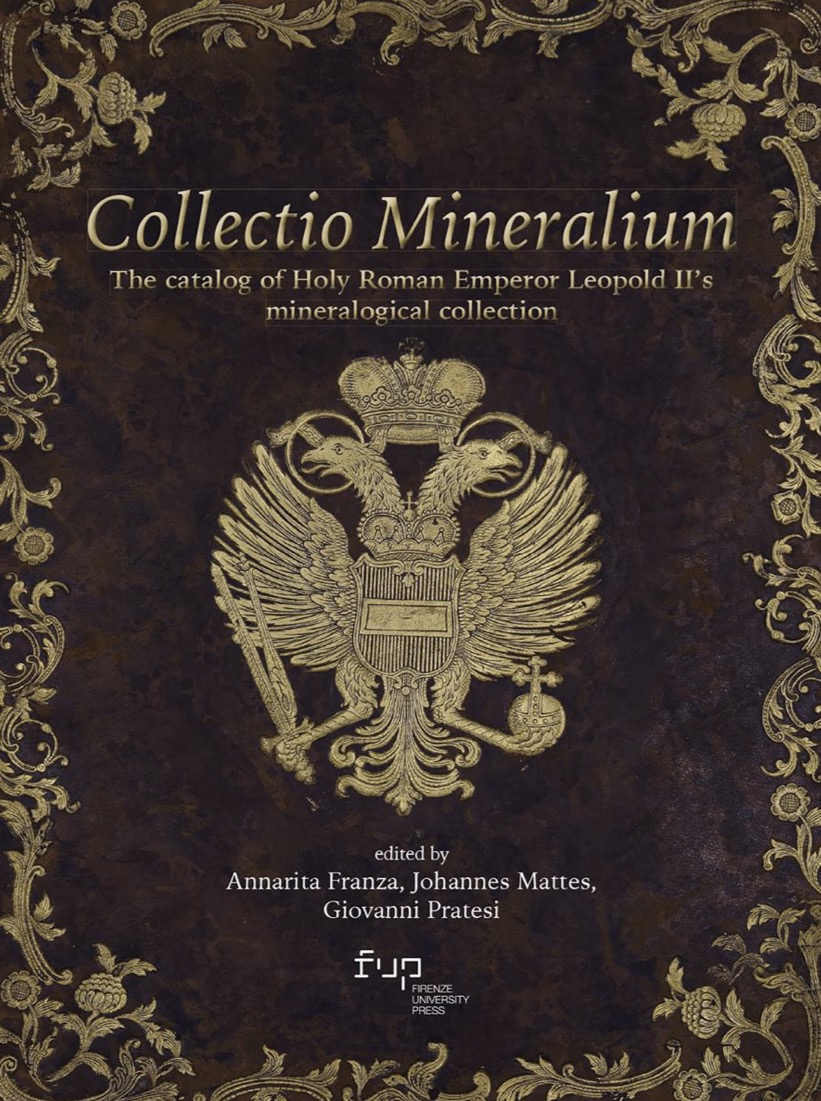
Collectio mineralium | The Catalog of Holy Roman Emperor Leopold’s II Mineralogical Collection

Collectio mineralium | The Catalog of Holy Roman Emperor Leopold’s II Mineralogical Collection

Franza, A., Mattes, J. and Pratesi, G. (2023)

Edited Book · Publisher: Firenze University Press · Pages: 271 pp.

Abstract
This work is a critical edition of the catalog of Holy Roman Emperor Leopold II’s mineralogical collection. The unpublished volume, preserved in the Historical Archives of the University of Firenze Museum System, dates back to 1765 and describes 242 mineralogical specimens, primarily from the Slovak-Hungarian mining district. The edition includes a transcription of the original German manuscript alongside its English translation, complemented by an organized system of notation. This system illustrates the complex history of the text, characterizes the mineralogical species, and identifies the geographical locations of the extraction sites. To date, this is the only published catalog of a mineralogical collection owned by a member of the Habsburg-Lorraine family.
Keywords
gems, minerals, mineral collecting, Rome, jade, Fischer-Book
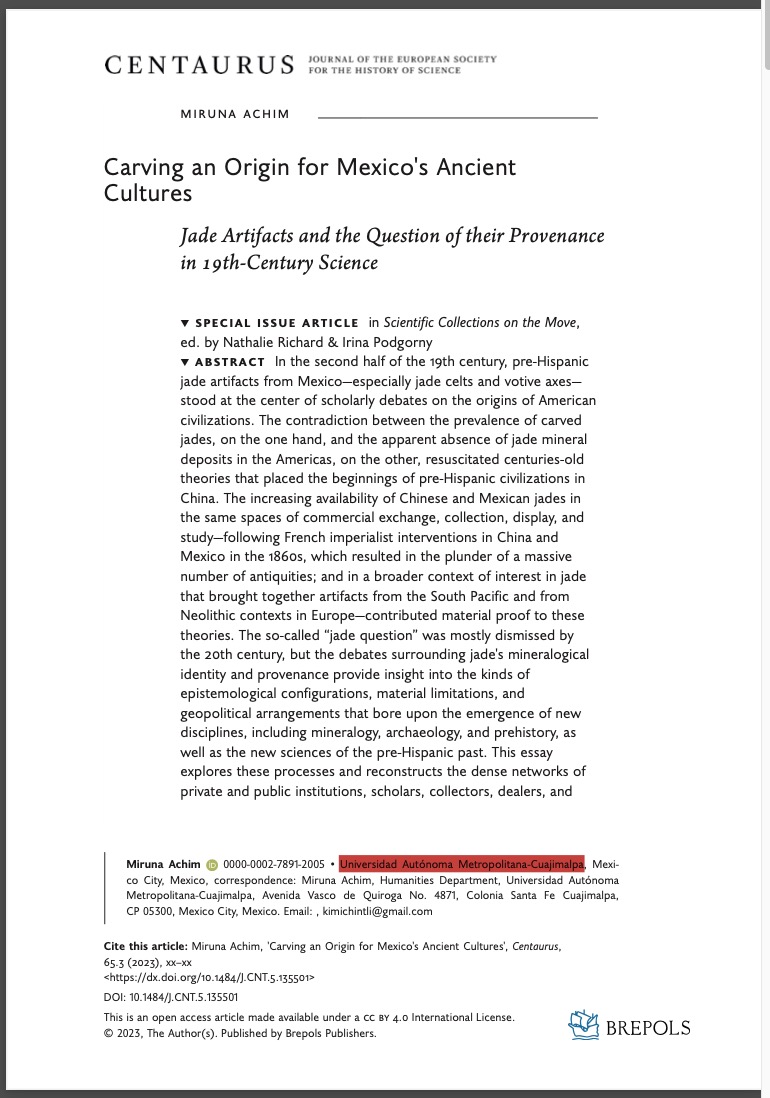
Carving an origin for Mexico's ancient cultures. Jade artefacts and the question of their provenance in the 19th century

Carving an origin for Mexico's ancient cultures. Jade artefacts and the question of their provenance in the 19th century

Achim, M. (2023)

Journal Article · Source: Centaurus · Volume: Vol. 65 · Issue: No. 3 · Pages: 21 pp.

Abstract
In the second half of the nineteenth century, prehispanic jade artifacts from Mexico– especially jade celts and votive axes – stood at the center of scholarly debates on the origins of American civilizations. The contradiction between the prevalence of carved jades, on the one hand, and the apparent absence of jade mineral deposits in the Americas, on the other, resuscitated centuries-old theories that placed the beginnings of prehispanic civilizations in China. The increasing availability of Chinese and Mexican jades in the same spaces of commercial exchange, collection, display, and study – following French imperialist interventions in China and Mexico in the 1860s, which resulted in the plunder of a massive number of antiquities—, in a broader context of interest in jade that brought together artifacts from the South Pacific and from Neolithic contexts in Europe, contributed material proof to these theories. The so-called “jade question” was mostly dismissed by the twentieth century, but the debates surrounding jade’s mineralogical identity and provenance provide insight into the kinds of epistemological configurations, material limitations, and geopolitical arrangements that bore upon the emergence of new disciplines, including mineralogy, archaeology, and prehistory, as well as the new sciences of the prehispanic past. This essay explores these processes and reconstructs the dense networks of private and public institutions, scholars, collectors, dealers, and connoisseurs, that made jade artifacts from Mexico – and Central America — into a scientific, aesthetic, and commercial category.
Keywords
gems, jade, pyroxene jade, fei cui, Chinese history, 1766 BC-220 AD, Chinese history, Mesoamerica, Guatemala, Mexico, nephrite, South Pacific, Europe, Mayan, Olmec, Fischer-Other
Compendium of Hetian Jade

Compendium of Hetian Jade

和田玉典 Hetian Yudian

Zhou, Z. (2023)

Book · Publisher: Zhongguo Dizhi Daxue Chubanshe · Pages: 256 pp. · Language: in Chinese

Abstract
The volume introduces the history and origins of Hetian jade, illustrating its formation and traditional and modern methods of extraction with photographs of representative specimens. Drawing on geology, gemology, and materials science, it examines the jade’s principal varieties, geographical distribution, modes of occurrence, physical characteristics, and classification, and explains methods of scientific identification and quality evaluation. A concluding section presents works by more than ten leading Chinese jade carvers, demonstrating how contemporary artists reinterpret the techniques and aesthetics of earlier dynasties while giving traditional Chinese jade culture a distinctly modern expression. The author is one of China's top experts on Hetian yu.
Keywords
gems, jade, nephrite, China, Fischer-Chinese
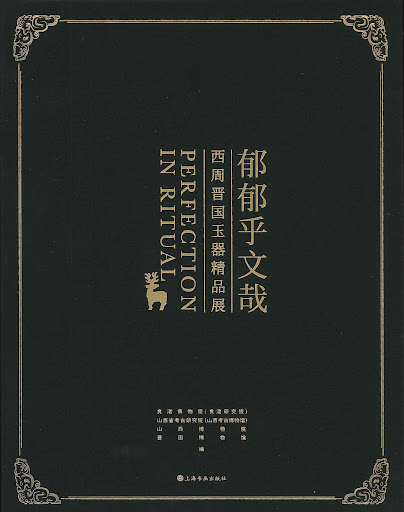
Perfection in Ritual: Jades from the Jin State of the Western Zhou Dynasty

Perfection in Ritual: Jades from the Jin State of the Western Zhou Dynasty

郁郁乎文哉 : 西周晋国玉器精品展

Liangzhu Museum, Shanxi Provincial Institute of Archaeology, Shanxi Museum and Jin State Museum (2023)

Edited Book · Publisher: Shanghai shu hua chu ban she · Pages: 399 pp. · Language: in Chinese

Abstract
This extensively illustrated exhibition catalogue presents more than 170 objects or groups of objects, principally jade carvings excavated from the cemetery of the Marquises of Jin in Shanxi, together with a small number of bronze and gold artifacts. The material is organized around two themes, “The Beauty of Jade” and “Jade in Ritual,” examining the varied colors, forms, carved lines, animal and human imagery, and technical refinement of Western Zhou jade. Ceremonial objects, personal ornaments, animal-shaped pendants, and elaborate composite assemblages demonstrate the role of jade in expressing rank, identity, moral ideals, and the ritual order established during the Western Zhou dynasty. High-resolution photographs, detailed descriptions, and precise drawings document objects previously published only incompletely or in scattered archaeological reports. The catalogue provides an important visual and archaeological record of the Jin cemetery jades and illustrates the culmination of several millennia of Chinese jade-working traditions.
Keywords
gems, jade, nephrite, China
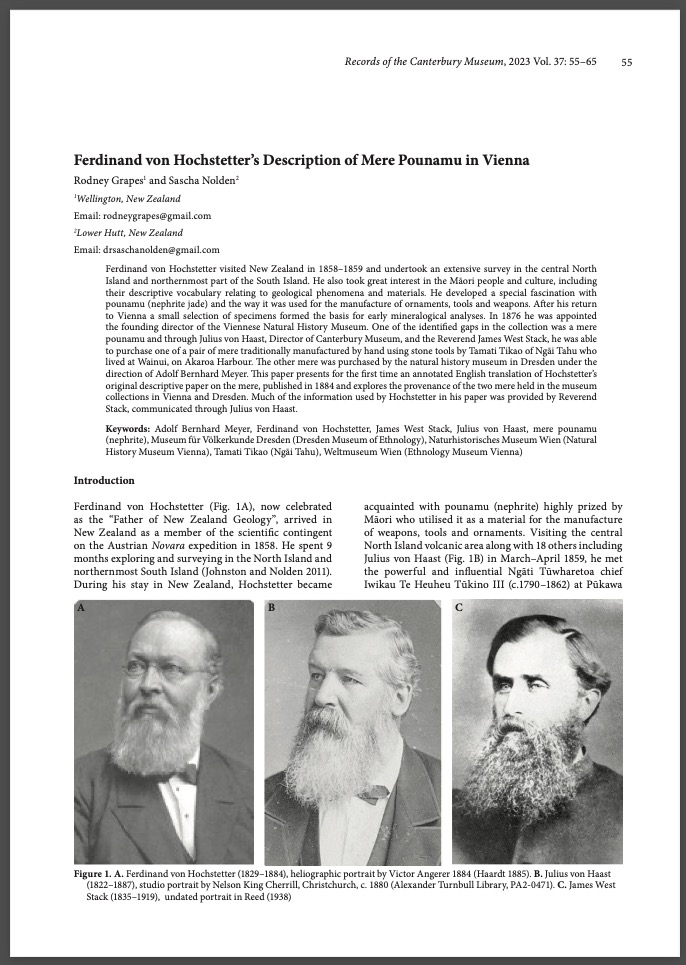
Ferdinand von Hochstetter’s description of mere pounamu in Vienna

Ferdinand von Hochstetter’s description of mere pounamu in Vienna

Grapes, R. and Nolden, S. (2023)

Journal Article · Source: Records of the Canterbury Museum · Volume: Vol. 37 · Pages: pp. 55–65

Abstract
Ferdinand von Hochstetter visited New Zealand in 1858–1859 and undertook an extensive survey in the central North Island and northernmost part of the South Island. He also took great interest in the Māori people and culture, including their descriptive vocabulary relating to geological phenomena and materials. He developed a special fascination with pounamu (nephrite jade) and the way it was used for the manufacture of ornaments, tools and weapons. After his return to Vienna a small selection of specimens formed the basis for early mineralogical analyses. In 1876 he was appointed the founding director of the Viennese Natural History Museum. One of the identified gaps in the collection was a mere pounamu and through Julius von Haast, Director of Canterbury Museum, and the Reverend James West Stack, he was able to purchase one of a pair of mere traditionally manufactured by hand using stone tools by Tamati Tikao of Ngāi Tahu who lived at Wainui, on Akaroa Harbour. The other mere was purchased by the natural history museum in Dresden under the direction of Adolf Bernhard Meyer. This paper presents for the first time an annotated English translation of Hochstetter’s original descriptive paper on the mere, published in 1884 and explores the provenance of the two mere held in the museum collections in Vienna and Dresden. Much of the information used by Hochstetter in his paper was provided by Reverend Stack, communicated through Julius von Haast.
Keywords
gems, jade, New Zealand, nephrite, pounamu, Fischer-Other
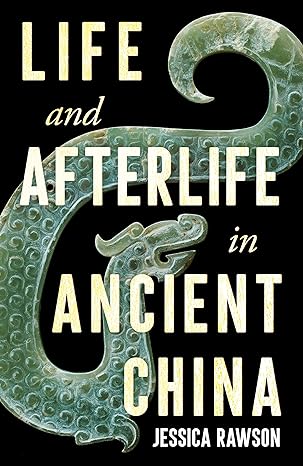
Life and Afterlife in Ancient China

Life and Afterlife in Ancient China

Rawson, J. (2023)

Book · Publisher: University of Washington Press · Pages: 506 pp.

Abstract
The three millennia up to the establishment of the first imperial Qin dynasty in 221 BC cemented many of the distinctive elements of Chinese civilization still in place today: an extraordinarily challenging geography and environment; formidable infrastructure; a society based on the strict hierarchy of the family; a shared written script of characters; a cuisine founded on rice and millet; a material culture of ceramics, bronze, silk, and jade; and a unique concept of the universe, in which ancestors continue to exist alongside the living. Records of these early achievements and their diverse expressions often lie not in written history but in how people marked the end of their lives: their dwellings for the afterlife. Tombs and the treasures within them are almost the only artifacts to survive from Ancient China; their scale and sophistication rivals their equivalents in Ancient Egypt. Jessica Rawson, one of the most eminent Western scholars of China, explores twelve grand tombs―each from a specific historical moment and place―showing how they reveal wider political, dynastic, and cultural developments, culminating in the lavish ambition of the First Emperor's monument, guarded by his army of terracotta warriors. Beautifully illustrated and drawing on the latest archaeological discoveries, Life and Afterlife in Ancient China illuminates a constellation of beliefs about life and death and provides a remarkable new perspective on one of the oldest civilizations in the world.
Keywords
gems, jade, archaic jade, China, Chinese jade carving, nephrite
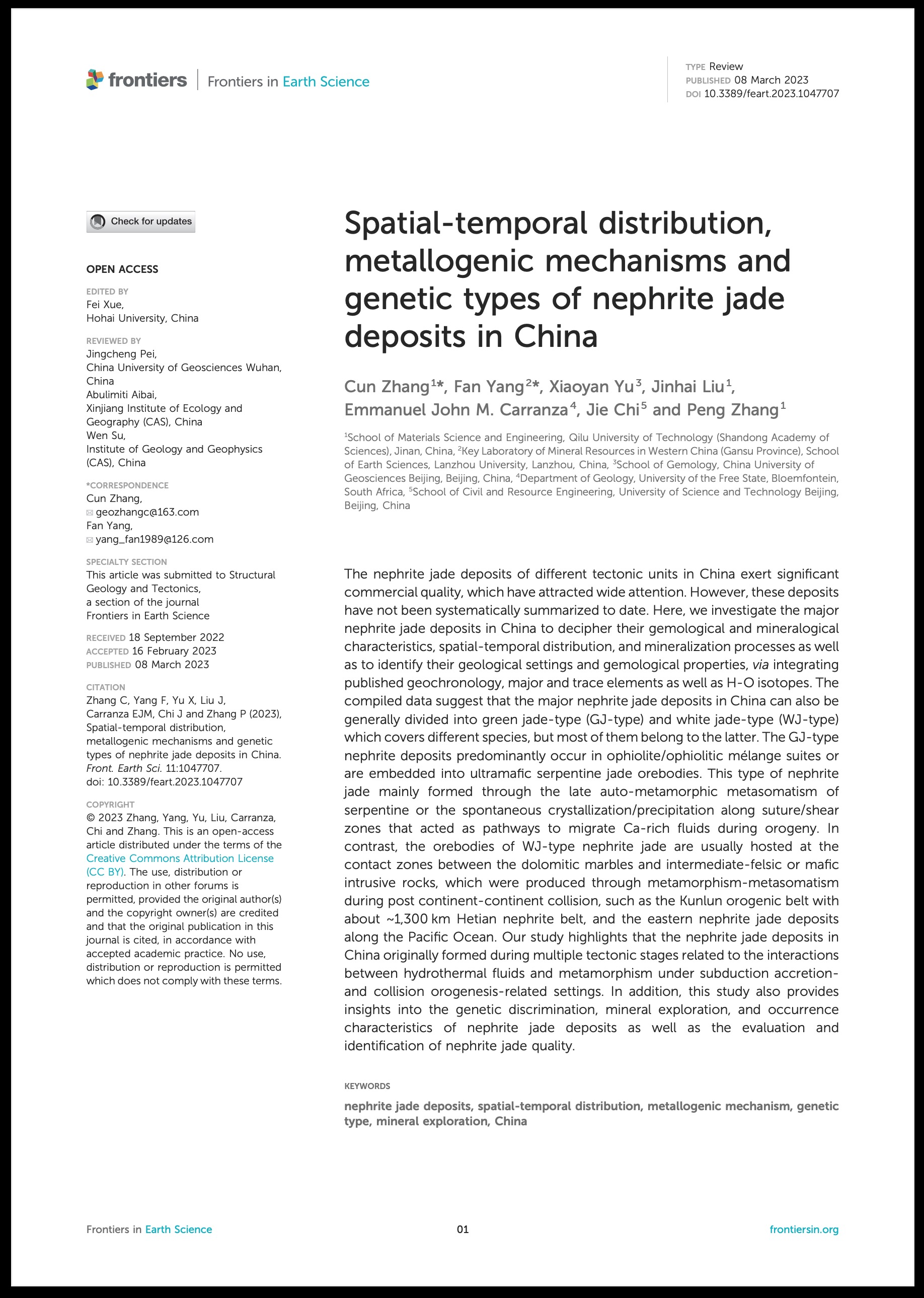
Spatial-temporal distribution, metallogenic mechanisms and genetic types of nephrite jade deposits in China

Spatial-temporal distribution, metallogenic mechanisms and genetic types of nephrite jade deposits in China

Zhang, C., Yang, F., Yu, X., Liu, J., Carranza, E.J.M., Chi, J. and Zhang, P. (2023)

Journal Article · Source: Frontiers in Earth Science · Volume: Vol. 11 · Pages: 21 pp.

Abstract
The nephrite jade deposits of different tectonic units in China exert significant commercial quality, which have attracted wide attention. However, these deposits have not been systematically summarized to date. Here, we investigate the major nephrite jade deposits in China to decipher their gemological and mineralogical characteristics, spatial-temporal distribution, and mineralization processes as well as to identify their geological settings and gemological properties, via integrating published geochronology, major and trace elements as well as H-O isotopes. The compiled data suggest that the major nephrite jade deposits in China can also be generally divided into green jade-type (GJ-type) and white jade-type (WJ-type) which covers different species, but most of them belong to the latter. The GJ-type nephrite deposits predominantly occur in ophiolite/ophiolitic mélange suites or are embedded into ultramafic serpentine jade orebodies. This type of nephrite jade mainly formed through the late auto-metamorphic metasomatism of serpentine or the spontaneous crystallization/precipitation along suture/shear zones that acted as pathways to migrate Ca-rich fluids during orogeny. In contrast, the orebodies of WJ-type nephrite jade are usually hosted at the contact zones between the dolomitic marbles and intermediate-felsic or mafic intrusive rocks, which were produced through metamorphism-metasomatism during post continent-continent collision, such as the Kunlun orogenic belt with about ∼1,300 km Hetian nephrite belt, and the eastern nephrite jade deposits along the Pacific Ocean. Our study highlights that the nephrite jade deposits in China originally formed during multiple tectonic stages related to the interactions between hydrothermal fluids and metamorphism under subduction accretion- and collision orogenesis-related settings. In addition, this study also provides insights into the genetic discrimination, mineral exploration, and occurrence characteristics of nephrite jade deposits as well as the evaluation and identification of nephrite jade quality.
Keywords
gems, jade, amphibole jade, nephrite, China, geology, actinolite, tremolite
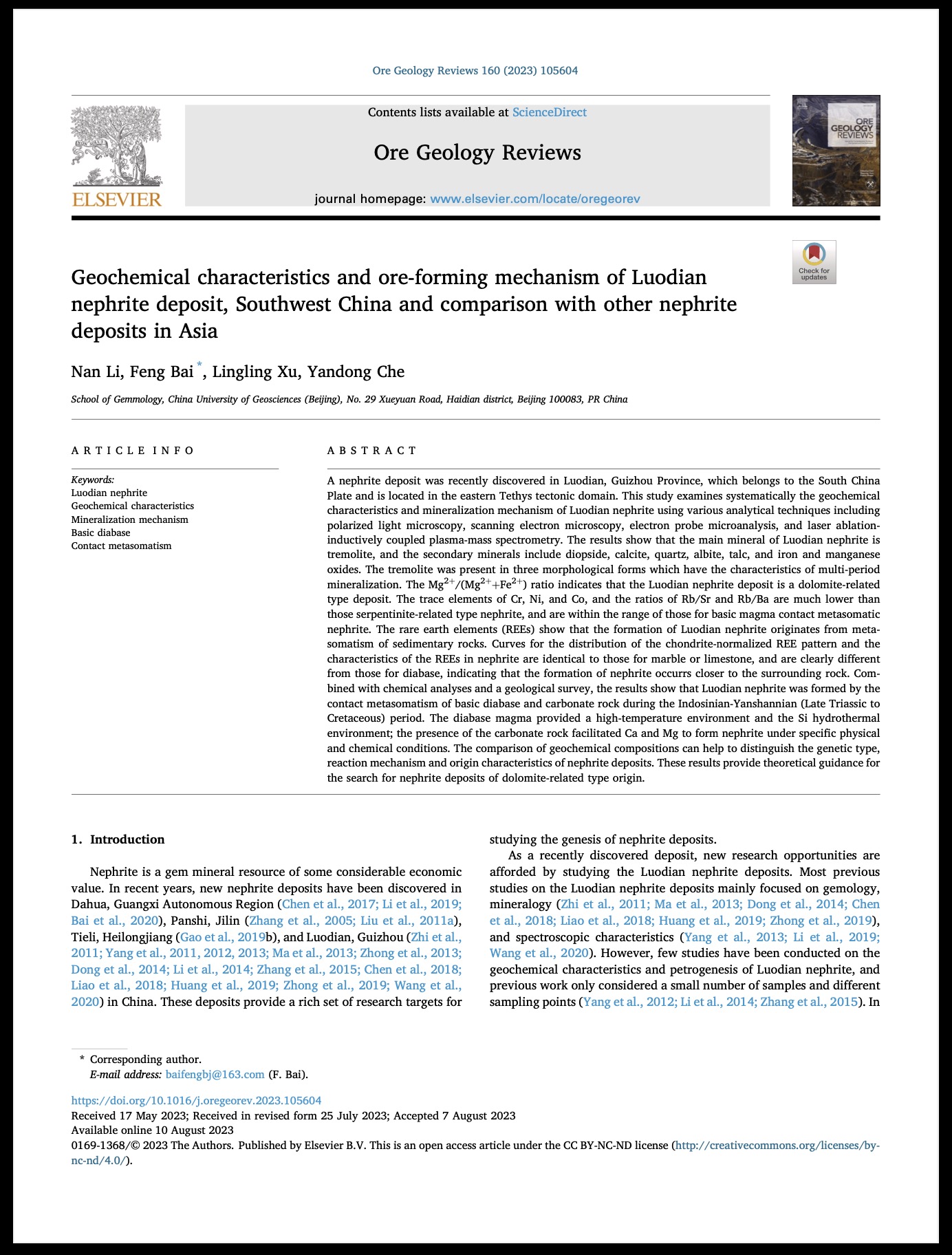
Geochemical characteristics and ore-forming mechanism of Luodian nephrite deposit, Southwest China and comparison with other nephrite deposits in Asia

Geochemical characteristics and ore-forming mechanism of Luodian nephrite deposit, Southwest China and comparison with other nephrite deposits in Asia

Li, N., Bai, F., Xu, L. and Che, Y. (2023)

Journal Article · Source: Ore Geology Reviews · Volume: Vol. 160 · Pages: 105604, 14 pp.

Abstract
A nephrite deposit was recently discovered in Luodian, Guizhou Province, which belongs to the South China Plate and is located in the eastern Tethys tectonic domain. This study examines systematically the geochemical characteristics and mineralization mechanism of Luodian nephrite using various analytical techniques including polarized light microscopy, scanning electron microscopy, electron probe microanalysis, and laser ablation–inductively coupled plasma–mass spectrometry. The results show that the main mineral of Luodian nephrite is tremolite, and the secondary minerals include diopside, calcite, quartz, albite, talc, and iron and manganese oxides. The tremolite was present in three morphological forms which have the characteristics of multi-period mineralization. The Mg²⁺/(Mg²⁺+Fe²⁺) ratio indicates that the Luodian nephrite deposit is a dolomite-related type deposit. The trace elements of Cr, Ni, and Co, and the ratios of Rb/Sr and Rb/Ba are much lower than those in serpentinite-related nephrite, and are within the range for basic magma contact metasomatic nephrite. The rare earth elements (REEs) show that the formation of Luodian nephrite originates from metasomatism of sedimentary rocks. Curves for the distribution of the chondrite-normalized REE pattern and the characteristics of the REEs in nephrite are identical to those for marble or limestone, and are clearly different from those for diabase, indicating that the formation of nephrite occurs closer to the surrounding rock. Combined with chemical analyses and a geological survey, the results show that Luodian nephrite was formed by the contact metasomatism of basic diabase and carbonate rock during the Indosinian–Yanshannian (Late Triassic to Cretaceous) period. The diabase magma provided a high-temperature environment and the Si hydrothermal environment; the presence of the carbonate rock facilitated Ca and Mg to form nephrite under specific physical and chemical conditions. The comparison of geochemical compositions can help to distinguish the genetic type, reaction mechanism and origin characteristics of nephrite deposits. These results provide theoretical guidance for the search for nephrite deposits of dolomite-related type origin.
Keywords
gems, jade, amphibole jade, nephrite, China, Guizhou, Luodian nephrite, Geochemical characteristics, Mineralization mechanism, Basic diabase, Contact metasomatism
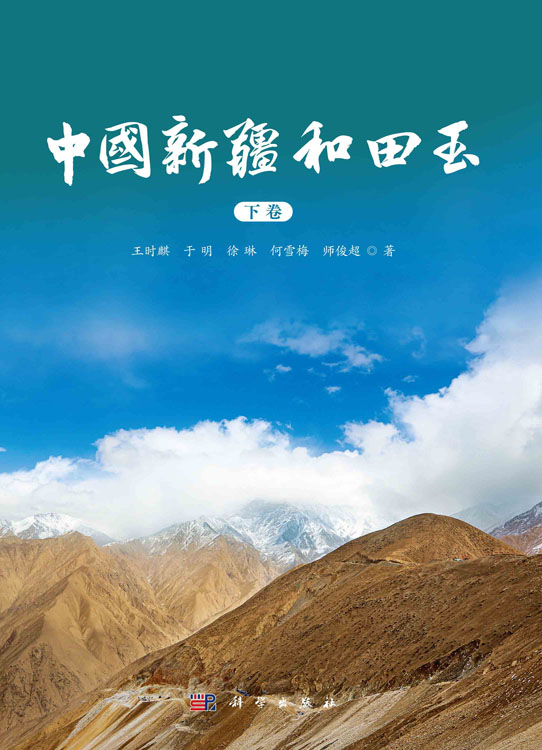
Hetian Yu, Xinjiang, China

Hetian Yu, Xinjiang, China

中国新疆和田玉

Wang, S. (2023)

Book · Publisher: Science Publishing House · Pages: 585 pp. · Language: in Chinese

Abstract
It is not an exaggeration to describe it as the 'Encyclopedia of Hetian Jade Knowledge in Xinjiang, China'." Recently, Lu Zhaoyin, a researcher at the Institute of Archaeology of the Chinese Academy of Social Sciences, commented on China's Xinjiang Hetian Yu (Volume I and II) published by China Science and Technology Publishing Media Co., Ltd. (Science Publishing House) in October 2023. This cultural monograph was compiled by dozens of domestic units, nearly 100 experts and scholars, such as Peking University, China University of Geosciences, the Palace Museum and Xinjiang Hetian Jade Industry Association, and under the leadership of the famous domestic jade expert and Professor Wang Shiqi of Peking University. Through the four parts of jade, technology, art and history, a total of 14 chapters, the Hetian jade in Xinjiang is systematically discussed in detail, from the name and classification of the material itself, the geology of the deposit, the identification of true and false, the identification of origin, and the study of the function, to the mining history, the carving process, the art and culture of mankind. The situation of the former industry has been explained and interpreted in detail, which is of great value for the research of Hetian jade in Xinjiang. The Hetian jade mine in Xinjiang is distributed on Kunlun Mountain. The field investigation road is difficult and the climate is complex. The elderly Professor Wang Shiqi and the writing expert team are not afraid of difficulties and have carried out many field investigations, which makes the historical documents involved in this set of books quite fresh and unique. A large number of experts' on-site inspection photos of the Jade Mine in Kunlun Mountain. As a fresh first-hand information, it not only truly shows the geographical appearance and natural environment of the Hetian jade production area, but also makes people understand the hardships of jade mining and transportation. Lu Zhaoyin said: "As an important carrier of jade culture and the material expression of Chinese culture, Xinjiang Hetian jade has always attracted much attention. This heavy work, which focuses on the creation of Hetian jade in Xinjiang, China, systematically and discusses Hetian jade in Xinjiang from the perspective of multiple disciplines, covering all aspects of the current research on jade culture. With its detailed content and unique insights, it provides readers with a key to open the door to the world of Hetian jade in China." Zhang Yun, a researcher at the Key Laboratory of Sustainable Development of Xinjiang History and Cultural Tourism at Xinjiang University, is a senior fan of Hetianyu in Xinjiang and the author of the essay collection Yujian. She said: "Hetianyu, Xinjiang, China, introduces the latest and most comprehensive knowledge of Hetianyu in Xinjiang, China, to readers, reflecting multi-study and scientific research. The research results is a rare and valuable resource."
Keywords
gems, jade, amphibole jade, nephrite, Khotan, Hetian, China, Xinjiang
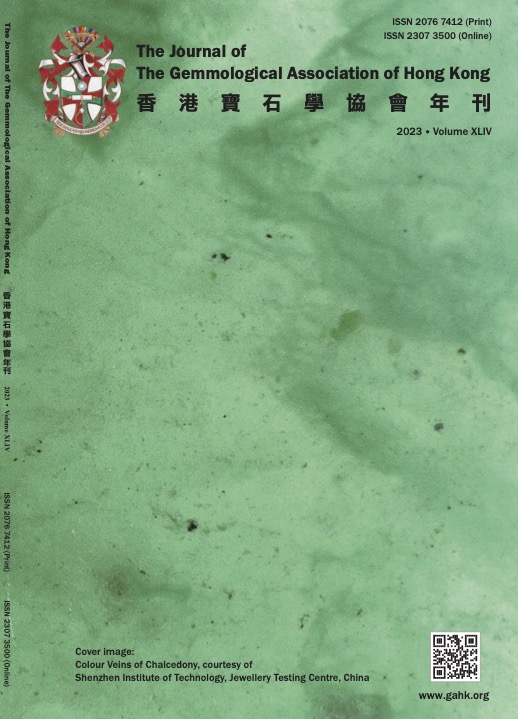
Alert: New artificially colour treated fei cui jewellery – Applying colour through electroplating

Alert: New artificially colour treated fei cui jewellery – Applying colour through electroplating

Ouyang, C.M., Fan, E. and Yen, H. (2023)

Journal Article · Source: Journal of the Gemmological Association of Hong Kong · Volume: Vol. 44 · Pages: pp. 80–81 · Language: in Chinese with English abstract

Abstract
A new type of artificially colour treated fei cui jewellery was submitted to the author’s laboratory during the past year. It is a new type of colour treatment where electroplating is used to apply colour both to the base of the stone and the mounting beneath it. This is applied to fei cui of good transparency and cut en cabochon providing a highly effective simulation of middle to gem quality fei cui and it comes in various colours. Whilst, the commodity is usually sold online. It is difficult to identify not only with standard testing equipment but also with an infrared spectrometer. In this article the authors warn our readers to be on the alert for this material and demonstrate how it can be identified.
Keywords
gems, jade, jadeite, fei cui, jadeite, fei cui testing in Hong Kong, treated fei cui, treated jadeite, fei cui jewelry

Exploring the Literature of Jade

Jade literature spans gemology, mineralogy, archaeology, art history, mining, carving and connoisseurship, and includes works on both jadeite and nephrite from around the world.

For an introduction to collecting books on this subject, read Hidden Treasure — Collecting the Literature of Jade.

About Four Treasures

Four Treasures is Lotus Gemology's freely accessible gemological reference database. Use the full database to search by author, title or keyword and explore literature on gemology, mineralogy, jewelry and related fields. Where available, hyperlinks on titles may lead directly to the full publication.

Search the Complete Four Treasures Database